filter_list Showing 16 results for "01" close Clear
search
dashboard All 138 museum exhibitions 72article culture 16article news 14trending_up market 11article local 7person people 6rate_review review 4article policy 4gavel restitution 2candle obituary 2
date_range Range Today This Week This Month All
Subscribe

The 21st Century’s Biggest Art Trend is Not a Style. But Once You See It, You’ll Notice It Everywhere.

The article traces the evolution of "systems art," a term coined by critic Jack Burnham in 1968 to describe art that uses rules, seriality, and repetition to mirror and reveal the growing protocols of the Cold War era. It highlights early practitioners like Kenneth Noland, Robert Morris, Dan Flavin, and notably Hans Haacke and Adrian Piper, who shifted from atmospheric systems (e.g., Haacke's *Condensation Cube*) to social systems (e.g., Haacke's *Shapolsky et al. Manhattan Real Estate Holdings*). The piece argues that systems thinking has become unavoidable in contemporary life—from algorithms to systemic racism—and that art remains a crucial tool for making these invisible systems legible.
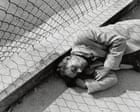
‘A gift that keeps on giving’: the witty world of Lee Friedlander – in pictures

The Guardian published a photo essay celebrating American photographer Lee Friedlander, featuring images from his career spanning the 1950s to the 2010s. The article highlights his new book "Life Still," published by Aperture, which collects over 130 photographs—most previously unpublished—showcasing his signature wit and his eye for the American social landscape, including chain link fences, roadside signs, and still lifes. The piece includes commentary from curator Peter Galassi and notes Friedlander's influences from Walker Evans and Robert Frank.

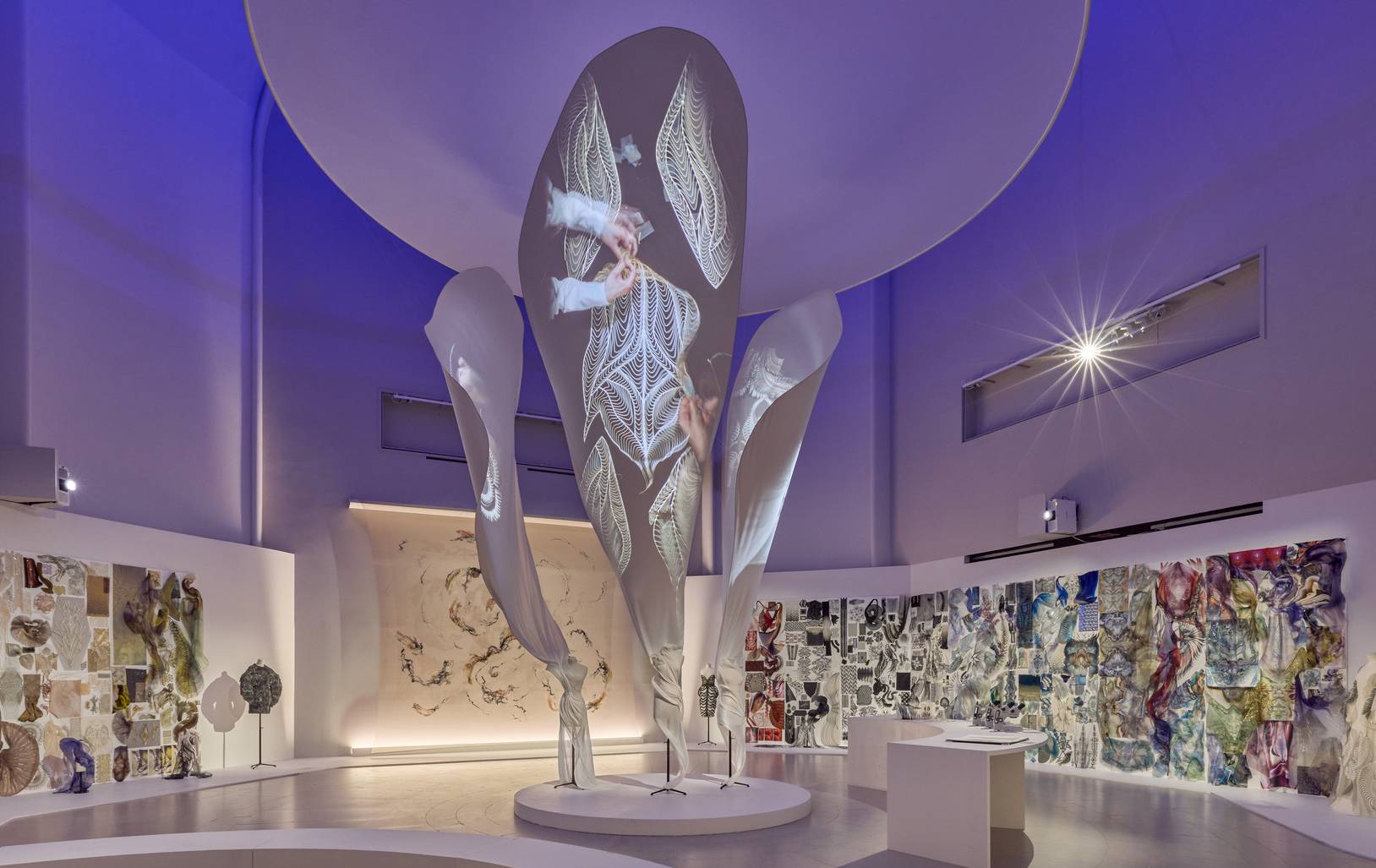
10 Artists to Follow if You Like Iris van Herpen

Artsy Editorial profiles 10 contemporary artists whose work aligns with the visionary, technology-driven approach of fashion designer Iris van Herpen. The article highlights van Herpen's career milestones, including her 2011 invitation to join the Chambre Syndicale de la Haute Couture, and her ongoing fusion of traditional craftsmanship with cutting-edge technology to create wearable art. It then presents a curated list of artists who similarly explore themes of organic form, digital fabrication, and the intersection of art and fashion.

We are in danger of losing our sense of community

"Wir drohen das Gespür für die Gemeinschaft zu verlieren"

Christophe Cherix, the new director of the Museum of Modern Art in New York, discusses his first months in the role, emphasizing museums as "safe social places" in an era of anxiety and screen-induced isolation. He advocates for collective vision-building with staff and defends the MoMA's independence against political pressure in Trump-era America. Separately, critic Paco Barragán argues in The Observer that biennials are in a structural crisis of repetition, tracing their history from instruments of national soft power to a "Global Neo-Liberal Biennial" system that co-opts diversity without changing its core logic. He introduces the concept of the "vibe-ennial," where discourse is replaced by atmosphere and critique by affect. Meanwhile, longtime Bonn museum director Stephan Berg critiques the boom in immersive art experiences like "Van Gogh – The Immersive Experience," calling them a "surrogate reality" tailored to the Instagram age that destroys the integrity of original works. Artforum reconstructs late-1960s debates on art criticism, focusing on Barbara Rose's challenge to formalists like Clement Greenberg and Rosalind Krauss, arguing that art must engage with societal conflicts such as Black Power and war resistance.

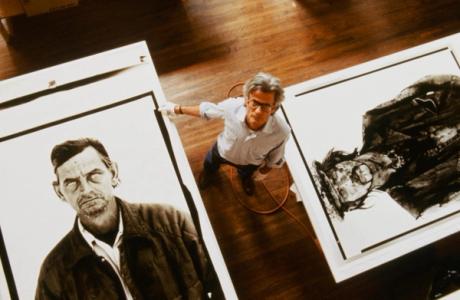
New Richard Avedon documentary chronicles how he shaped the evolution of photography

Imagine Documentaries, the nonfiction arm of Ron Howard and Brian Grazer's Imagine Entertainment, premiered a new documentary about photographer Richard Avedon at the Cannes Film Festival on May 17. The film, co-produced by the Richard Avedon Foundation, draws heavily from archival interviews conducted by Helen Whitney for the PBS series *American Masters*, supplemented by new interviews with Avedon's son John, muse Lauren Hutton, Isabella Rossellini, Twyla Tharp, and former *New Yorker* colleagues Tina Brown and John Lahr. The documentary explores Avedon's career, his technique of building rapport with subjects, and his iconic images such as *Dovima with Elephants*, which dealer Larry Gagosian notes sold for $2 million.

Global Art Biennials: Renovation, Revelation—or Repetition?

The article examines the current state of global art biennials, arguing that recent controversies—such as the 2022 documenta antisemitism crisis and geopolitical tensions at the 61st Venice Biennale—reveal these exhibitions as deeply politicized platforms rather than neutral cultural events. It highlights how juries and curators have introduced geopolitical criteria, and cites ongoing debates in Artforum (April 2026) featuring voices like Daniel Birnbaum, Michelle Grabner, and Adam Szymczyk, who diagnose visible tensions but overlook deeper structural conditions.

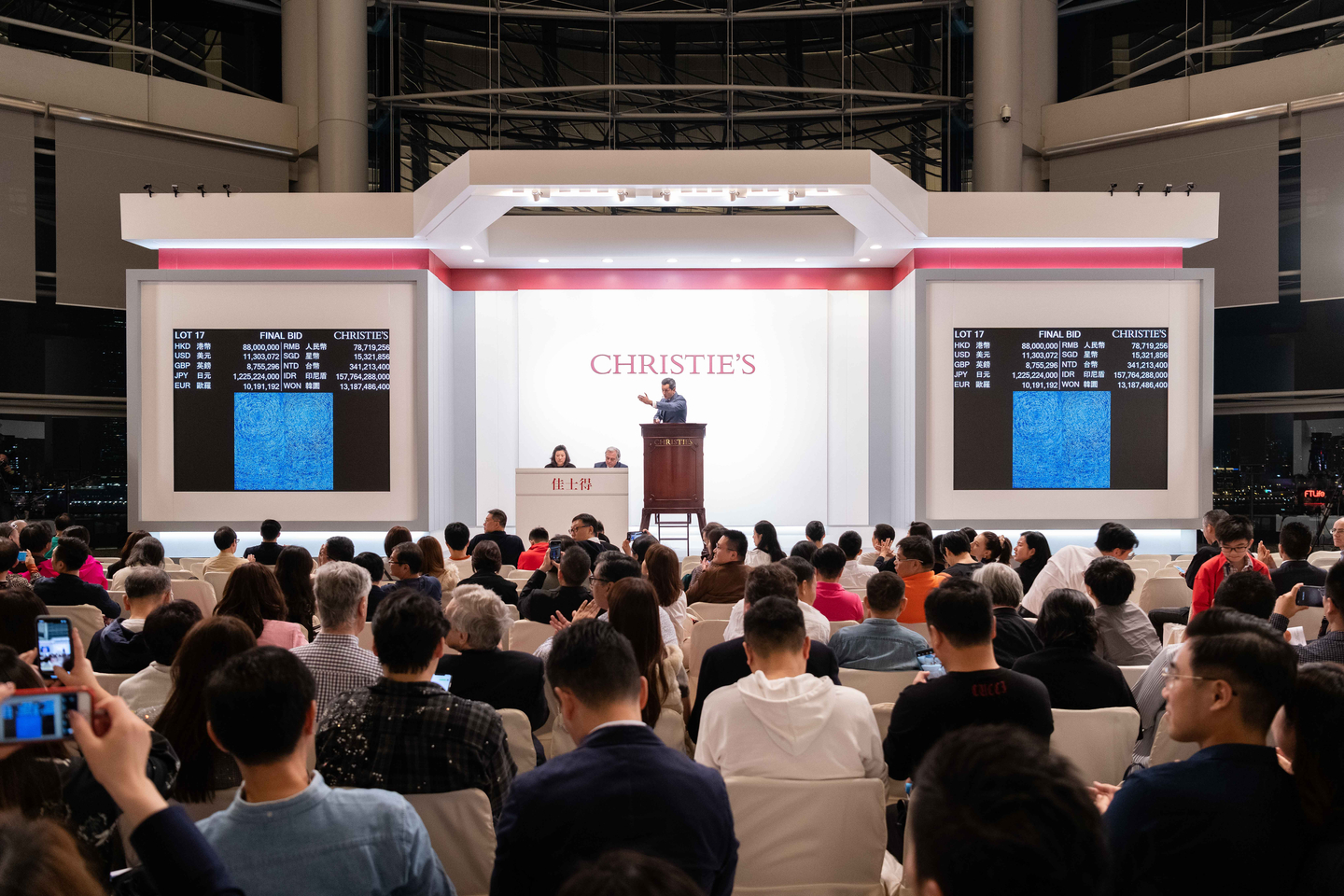
Dansaekhwa has taken over the modern art world. But the story of how that happened is up for debate.

The article examines the global rise of Dansaekhwa, a Korean monochrome painting style that has achieved record auction prices and widespread collector interest over the past decade. It traces key milestones, including two pivotal 2014 exhibitions at Kukje Gallery in Seoul and Blum & Poe in Los Angeles, and the surge in auction prices for artists like Kim Whan-ki, Park Seo-bo, and Chung Sang-hwa, culminating in a $13 million sale in 2019.

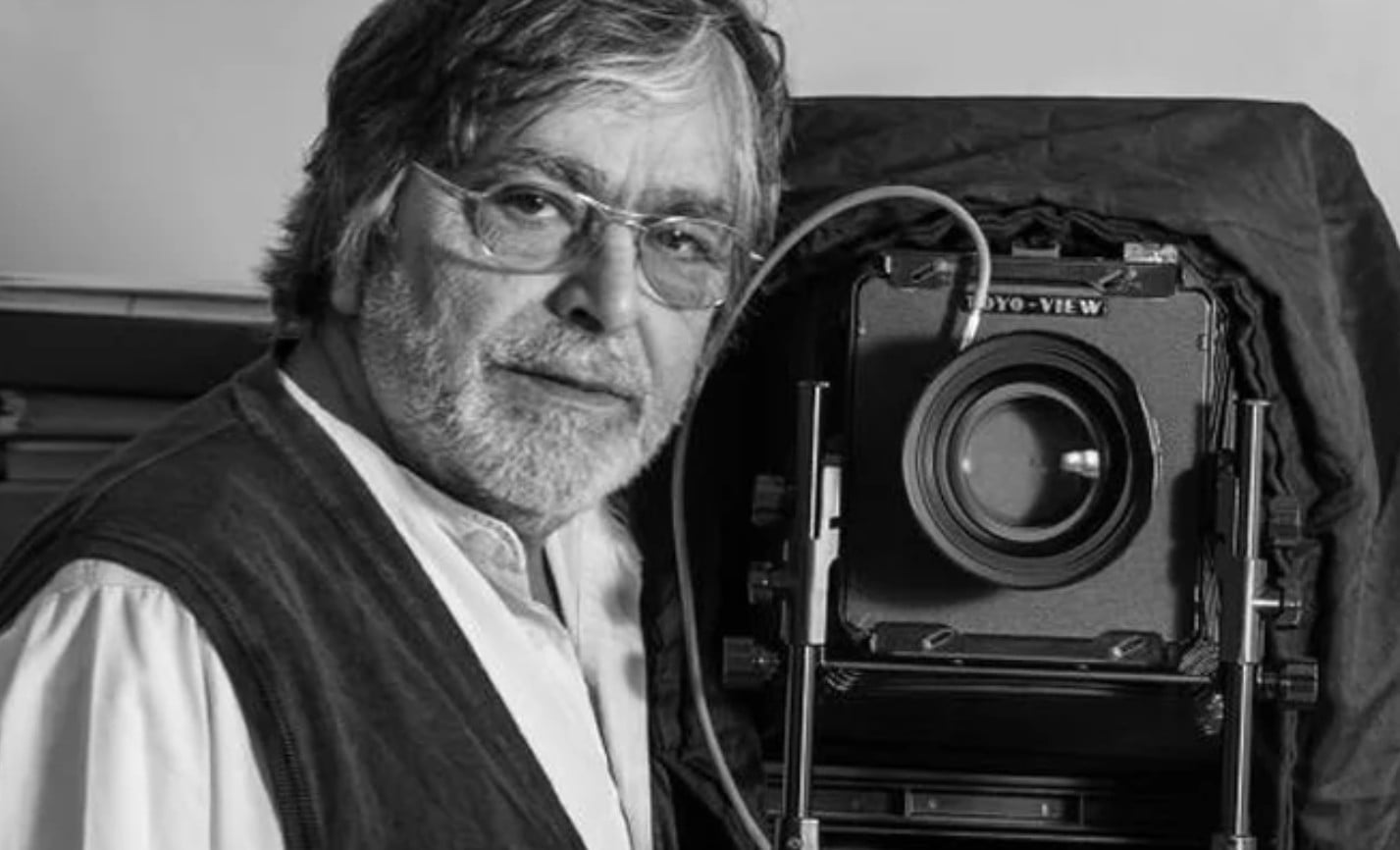
Pappi Corsicato's film on photographer Claudio Abate, which recounts the artistic ferment of Rome between the 1960s and 1990s, is now on RaiPlay

È su RaiPlay il film di Pappi Corsicato sul fotografo Claudio Abate che racconta il fermento artistico di Roma tra gli Anni ’60 e ‘90

RaiPlay has released a new documentary film by Pappi Corsicato titled "Claudio Abate. L’obiettivo nell’arte" (2026), which pays tribute to the late photographer Claudio Abate (1943–2017). The film weaves together interviews, archival materials, and footage from Istituto Luce to chronicle Abate's life and work, focusing on his role documenting the vibrant Roman art scene from the 1960s through the 1990s. It highlights his collaborations with key figures such as Jannis Kounellis, Michelangelo Pistoletto, Fabio Sargentini, and the artists of the Pastificio Cerere school, capturing seminal performances, happenings, and installations that defined Arte Povera and other avant-garde movements.

Steven Soderbergh, the Colors of Money

Steven Soderbergh, les couleurs de l’argent

Steven Soderbergh's new film "The Christophers" (2025) is a sharp, chamber-piece drama about art, inheritance, and money. The story follows Julian Skar, a former art superstar from the 1970s now living in seclusion and earning a living by caricaturing himself on social media. His children, Barnaby and Sally, eager to maximize their future inheritance, hire a repentant forger named Lori Butler to secretly complete Julian's unfinished masterpiece, an eight-portrait series titled "The Christophers." The film explores the complex relationships that develop between the four characters in a labyrinthine London house, written in the style of a lively theatrical play.

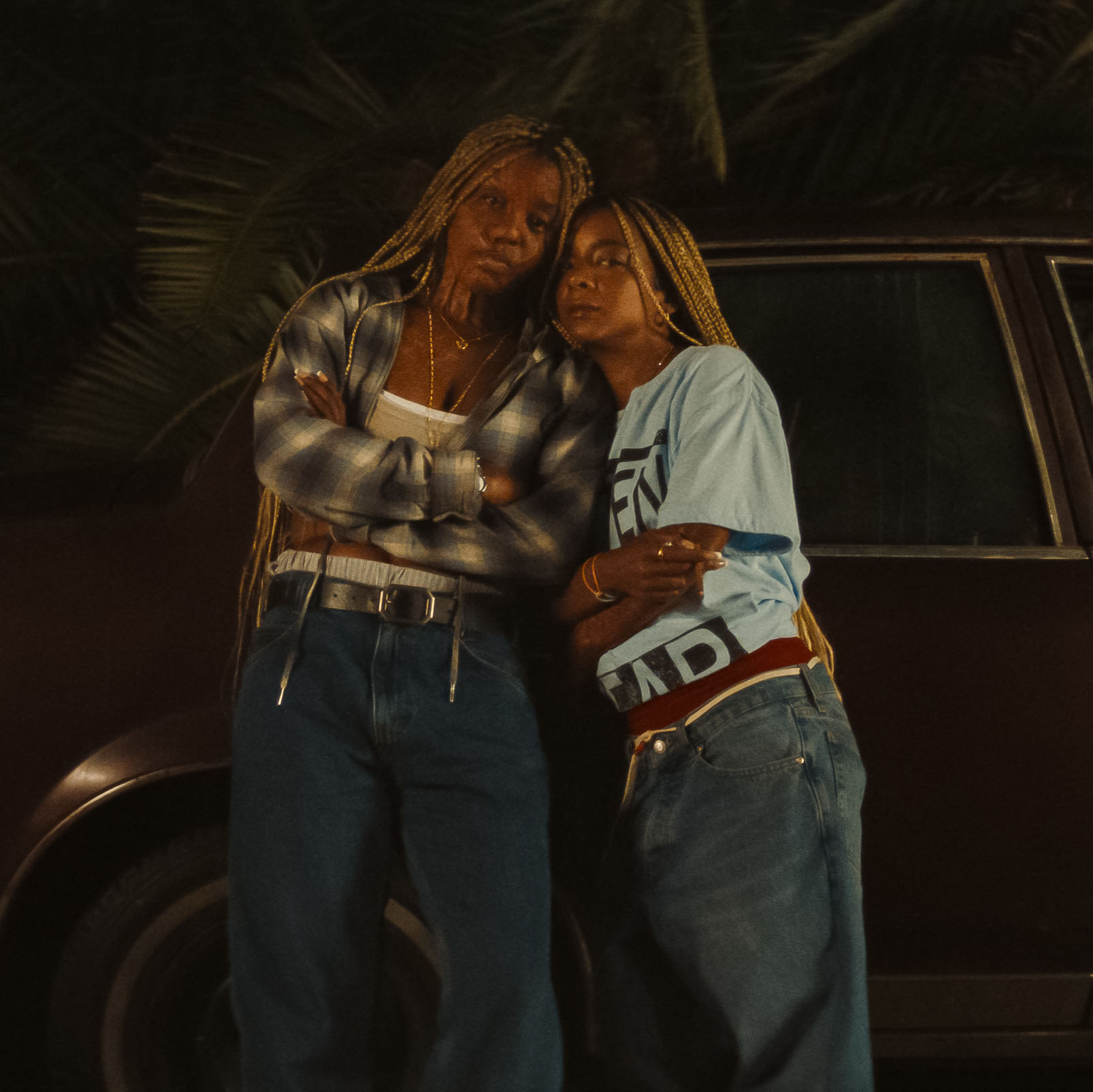
In a Year of Remarkable Filmmaker Debuts, Here’s How Aleshea Harris Set ‘Is God Is’ Apart

Aleshea Harris has adapted her award-winning 2016 play 'Is God Is' into a feature film, marking her directorial debut. The story follows twin sisters with burn scars who, summoned to their mother's deathbed, learn their father caused their disfigurement and are urged to seek revenge. The film stars Kara Young, Mallori Johnson, Vivica A. Fox, Sterling K. Brown, and Janelle Monáe. Harris brings her playwright's precision to the screen, using avant-garde typography and captions inspired by a 1964 edition of Eugène Ionesco's 'The Bald Soprano' designed by Robert Massin, with title design by Teddy Blanks.

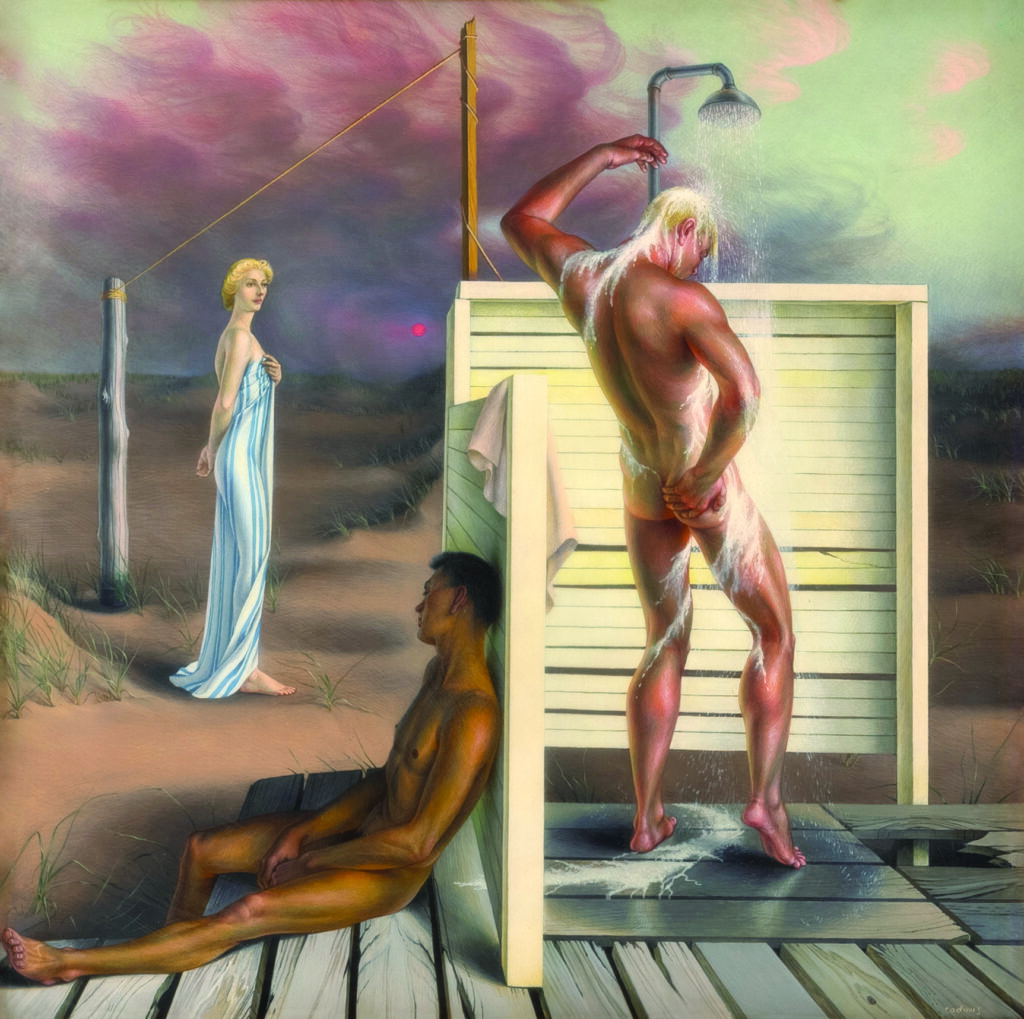
Are You a Queer Artist Heading to Fire Island This Summer? Pack This Book.

Cultured magazine highlights a new book, *Fire Island Art: 100 Years*, edited by John Dempsey, president of the Fire Island Pines Historical Society. The volume surveys queer artmaking on Fire Island from the 1930s to the present, featuring canonical figures like Richard Avedon, David Hockney, and Andy Warhol alongside overlooked artists, and includes contemporary voices such as TM Davy, Nicole Eisenman, and Salman Toor. It draws on archival material, newly unearthed pieces, essays, interviews, and primary texts to reframe the island as a cornerstone of queer modernism.

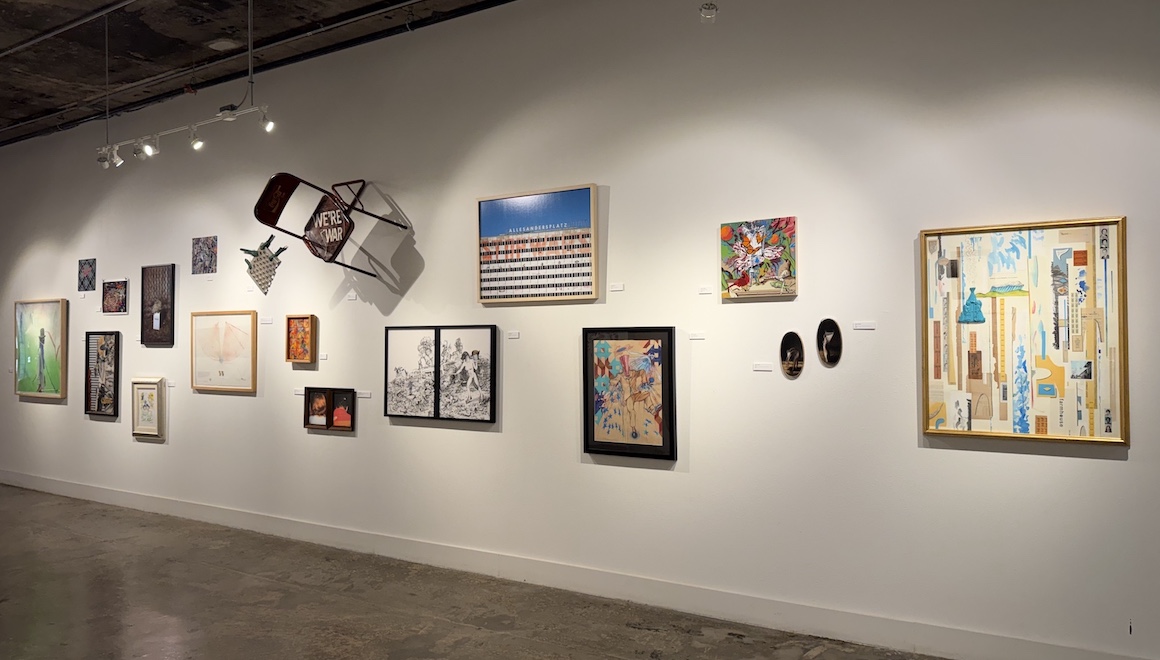
The Whelm of Massive Group Shows, and My Tender Eyes

The article reflects on the overwhelming experience of massive group exhibitions, using examples like Lawndale's "The Big Show" (77 artists in 2025), "Hecho en Dallas" (66 artists), and the School of the Art Institute of Chicago's 1999 MFA thesis show (around 150 artists). The author, a gallerist, recounts visiting two recent San Antonio shows—"A Postmodernist Says ¿Que?" at Centro de Artes and "Fan of a Fan 3" at C7 Space—which feature dozens of works hung salon-style, forcing viewers to make choices about where to focus attention.

This Family Made Gin on Zoom During Covid. Here’s How It Became an Art World Staple.

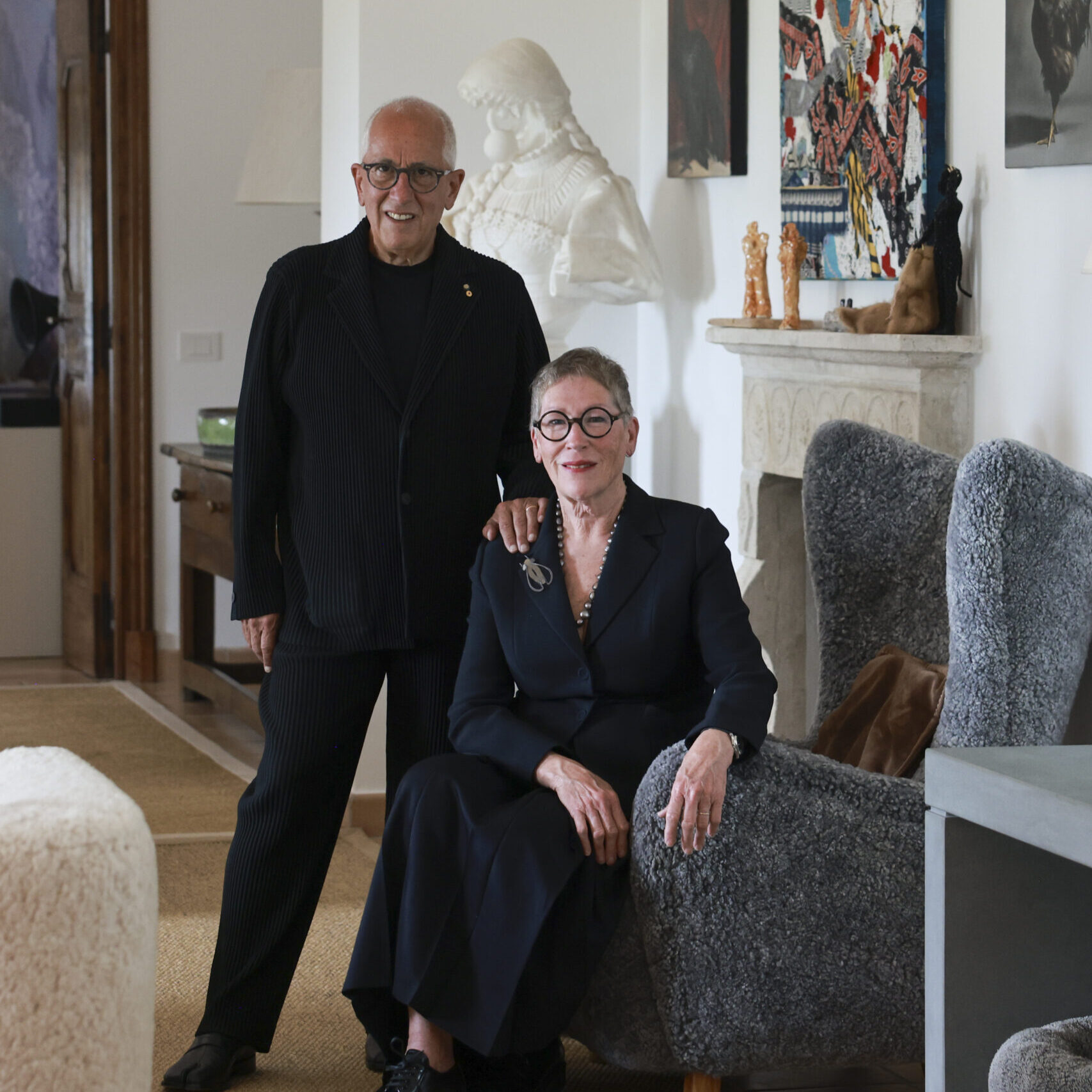
During the pandemic, the Mordant family—Simon, Catriona, Brielle, and Angus—began making gin from wild juniper on their Umbria property, splitting operations between Italy, London, and upstate New York. After enrolling in a master gin-making course and refining recipes via Zoom, they entered their creation into the World Gin Awards, earning a triple-gold medal with a score of 97 out of 100. Despite initially producing only 502 bottles not intended for sale, global demand prompted them to scale up commercially, leading to Quattro Gatti becoming the official gin of the Venice Biennale.

The Forgotten of Art: The Story of Artist Valeria Alberti

I dimenticati dell’arte. La storia dell’artista Valeria Alberti

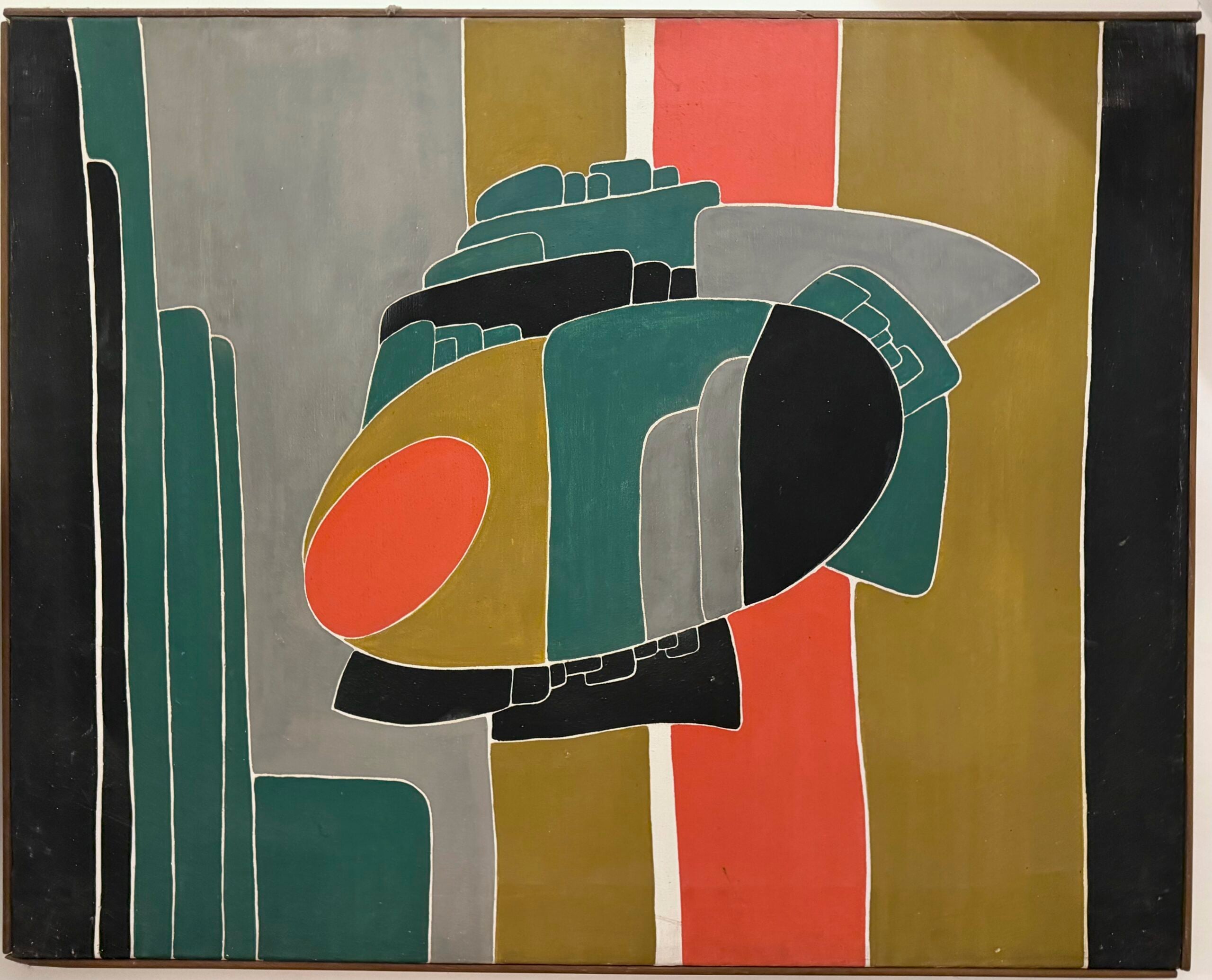
Valeria Alberti (1930-2011), a courageous, rebellious, and nonconformist Italian artist, had a brief but intense career before disappearing from the art world. Recent research by scholar Manuel Barrese reconstructs her trajectory as the only woman in a circle of artists and intellectuals around poet Emilio Villa and the Galleria Appia Antica. Alberti debuted in 1957 alongside Alberto Sartoris, collaborated with ceramist Mario Molli, and created painted panels for the transatlantic liners Leonardo Da Vinci and Michelangelo. She exhibited at Galleria Ferro di Cavallo and Galleria Azimuth, and received Piero Manzoni's Certificate of Authenticity No. 26 in 1961. Her later work included geometric metal sculptures, but she ultimately vanished from the art scene.

From war zones to the White House: Christopher Anderson’s photography

Christopher Anderson, a photographer known for his work in war zones, has shifted his focus to capturing intimate and emotional moments, including assignments at the White House. His approach emphasizes connecting viewers with feelings that transcend factual data, reflecting a broader evolution in his photographic practice.

Where Art Meets Memory: The Gallery Kalo Journey

Gallery Kalo founder Përparim Kalo discusses the origins and philosophy of his Tirana-based gallery in a Q&A. Founded in 2014, the gallery began as a personal collection shared with the public and has since grown into a cultural meeting point that promotes artistic authenticity, inclusivity, and community engagement. Its vision has expanded beyond Tirana to villages along the Vjosa and Drino rivers, connecting art with landscape and local heritage.