filter_list Showing 6 results for "Array" close Clear
search
dashboard All 265 museum exhibitions 157article local 63trending_up market 21article news 7rate_review review 6article culture 6person people 3article policy 2
date_range Range Today This Week This Month All
Subscribe

The Burlington Magazine - n°1478 vol CLXVIII - May 2026

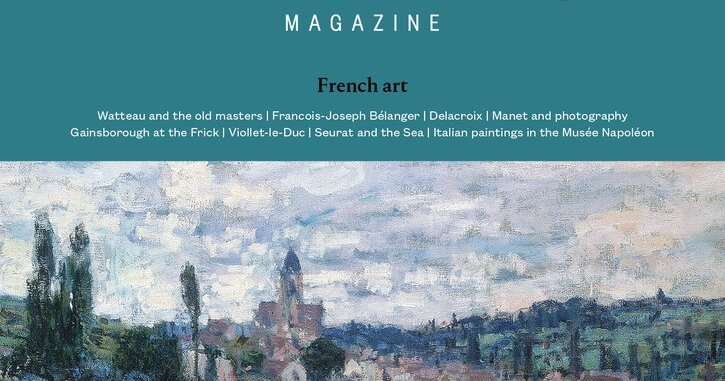
The May 2026 issue of The Burlington Magazine (n°1478, vol. CLXVIII) presents a rich array of scholarly articles, exhibition reviews, and book reviews covering European art from the medieval period to the 20th century. Highlights include Laure Boyer's study of two photographs of Victorine Meurent linked to Manet's 'Le Déjeuner sur l'herbe' and 'Olympia', Axel Moulinier's analysis of Watteau's copies after old masters, and Richard Thomson's essay on a century of Monet in print. Exhibition reviews cover shows on Monet's Étretat coast, Orazio Gentileschi, Cornelius Jonson van Ceulen, Gainsborough, Seurat, Italian Symbolism, and Iliazd. Book reviews range from medieval art and Pietro Bellotti to Helene Schjerfbeck, Roberto Matta, and contemporary jewelry at the Dallas Museum of Art.
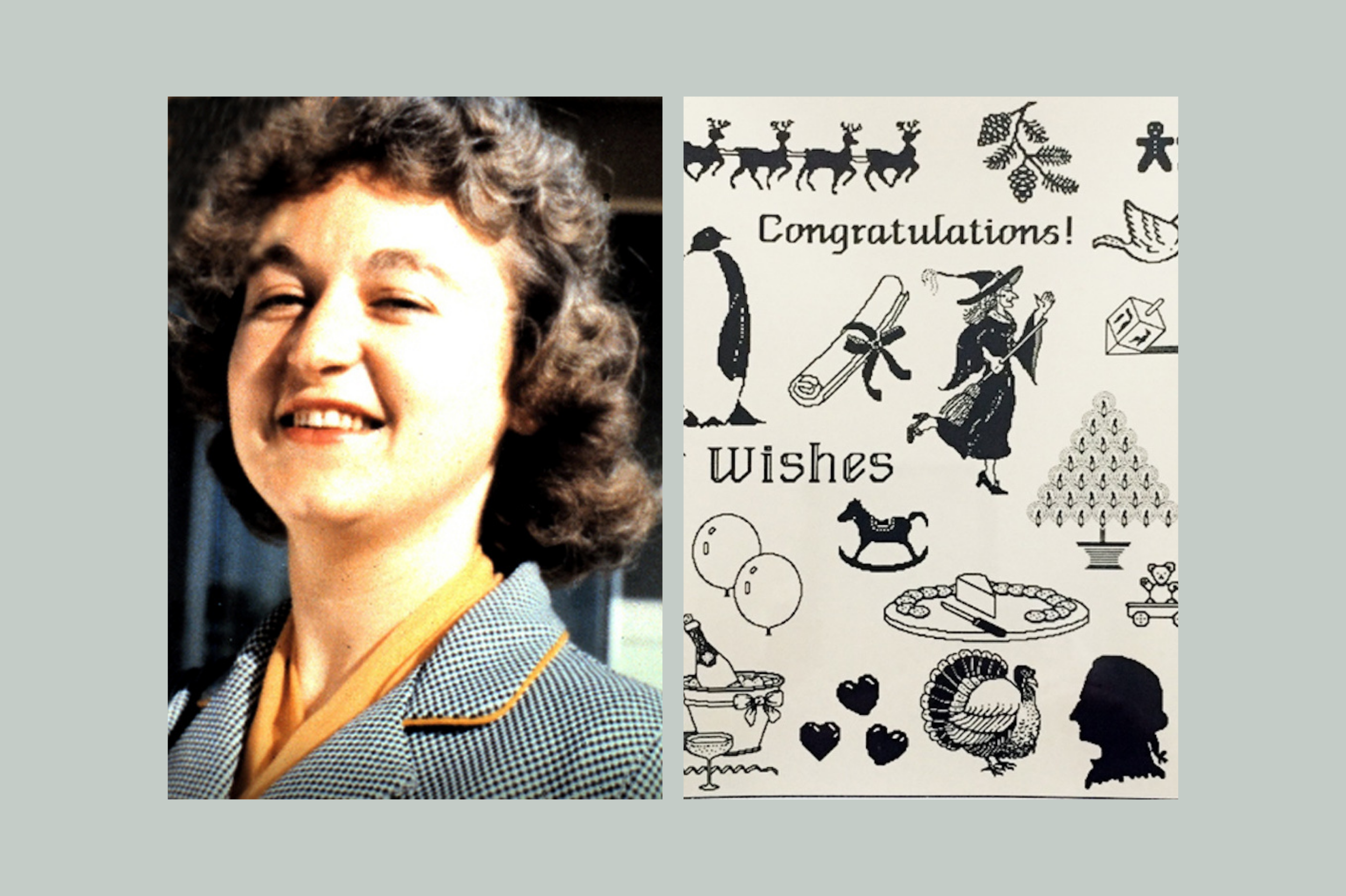
who was joan shogren computer art

Joan Shogren, a chemistry graduate from San José State University (SJSU) in the early 1950s, created some of the world's first computer-generated art in 1963 while working as a secretary in the chemistry department. Collaborating with graduate student Jim Larson and assistant professor Ralph Fessenden, she developed a theory that computers could create art if given "rules" of proportion, balance, and center of interest. Fessenden translated her "laws of art" into code on an IBM 1620 computer, producing artworks that were printed as number arrays and later hand-colored by artist Marvin Coon. Shogren exhibited these works in May 1963 at the campus bookstore, recognized as the first public display of computer art. Two decades later, she was commissioned by software company T/Maker to create the first clip art, "ClickArt," released in 1984 for Macintosh computers, designed pixel by pixel.

An expert’s guide to Indigenous Australian art: five must-read books on the subject

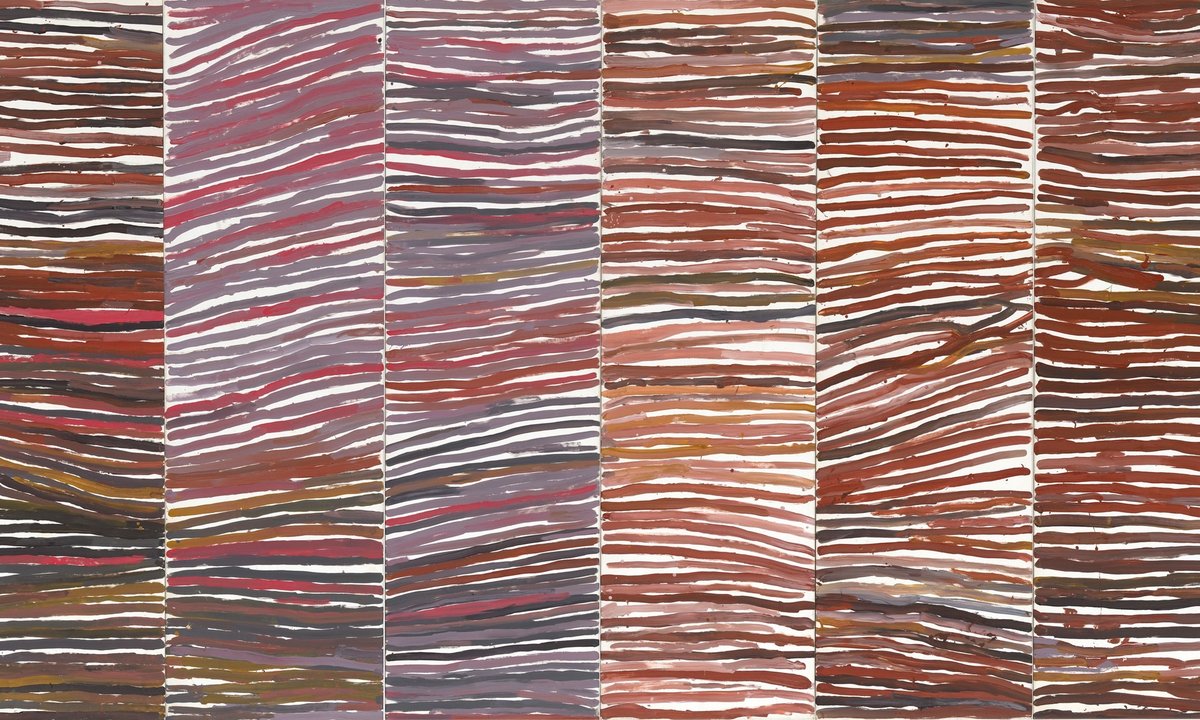
Kelli Cole, lead curator of Tate Modern's Emily Kam Kngwarray survey, and academic Jennifer Green recommend five essential books for understanding Indigenous Australian art. The selections range from Wally Caruana's concise survey 'Aboriginal Art' (2025) to John Kean's 'Dot, Circle and Frame' (2023), which details the origins of the Papunya Tula art movement. The recommendations come amid major international exhibitions spotlighting Indigenous Australian art, including Tate Modern's Kngwarray show and the National Gallery of Art's 'The Stars We Do Not See'.

Space: the ultimate wardrobe challenge – in pictures

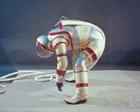
Thames and Hudson has released Space Journal: The Art and Science of Cosmic Exploration, a new visual compendium curated by BBC presenter Dallas Campbell. The book chronicles humanity’s aesthetic and technical obsession with the cosmos, featuring a diverse array of archival imagery ranging from 17th-century illustrations and 1930s rocket experiments to high-fidelity spacesuit replicas and mid-century astronomical art.

‘Cultural innovation comes from the margins’—tales of artists pushing boundaries in 1960s New York

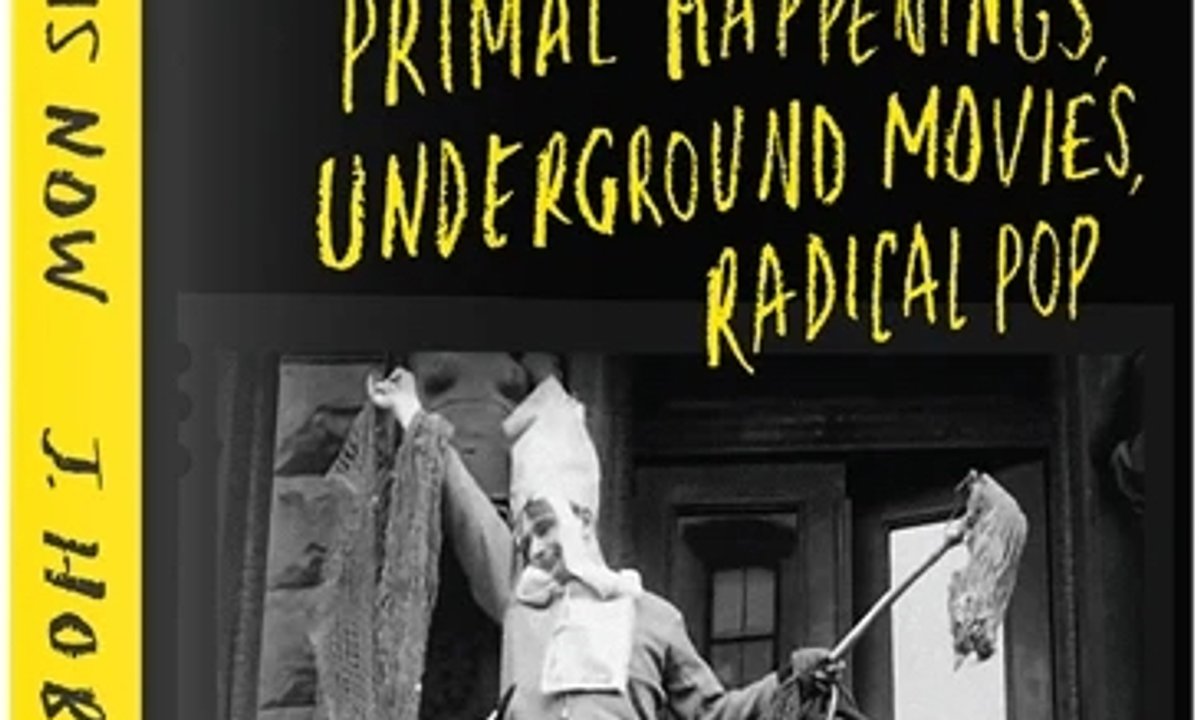
J. Hoberman, the longtime Village Voice film critic, has published a new book titled *Everything Is Now: The 1960s New York Avant-Garde—Primal Happenings, Underground Movies, Radical Pop*. The book expands his focus from cinema to a broad array of artists, poets, theater makers, musicians, and other figures in New York City's 1960s arts scene, including Andy Warhol, Barbara Rubin, Edie Sedgwick, Yoko Ono, and Jonas Mekas. Hoberman emphasizes collective and marginal cultural innovation, tracing how these figures influenced each other and responded to events of the era, such as Robert Moses's urban redevelopment plans.

Saad Khan Archives the Detritus of Censored Culture

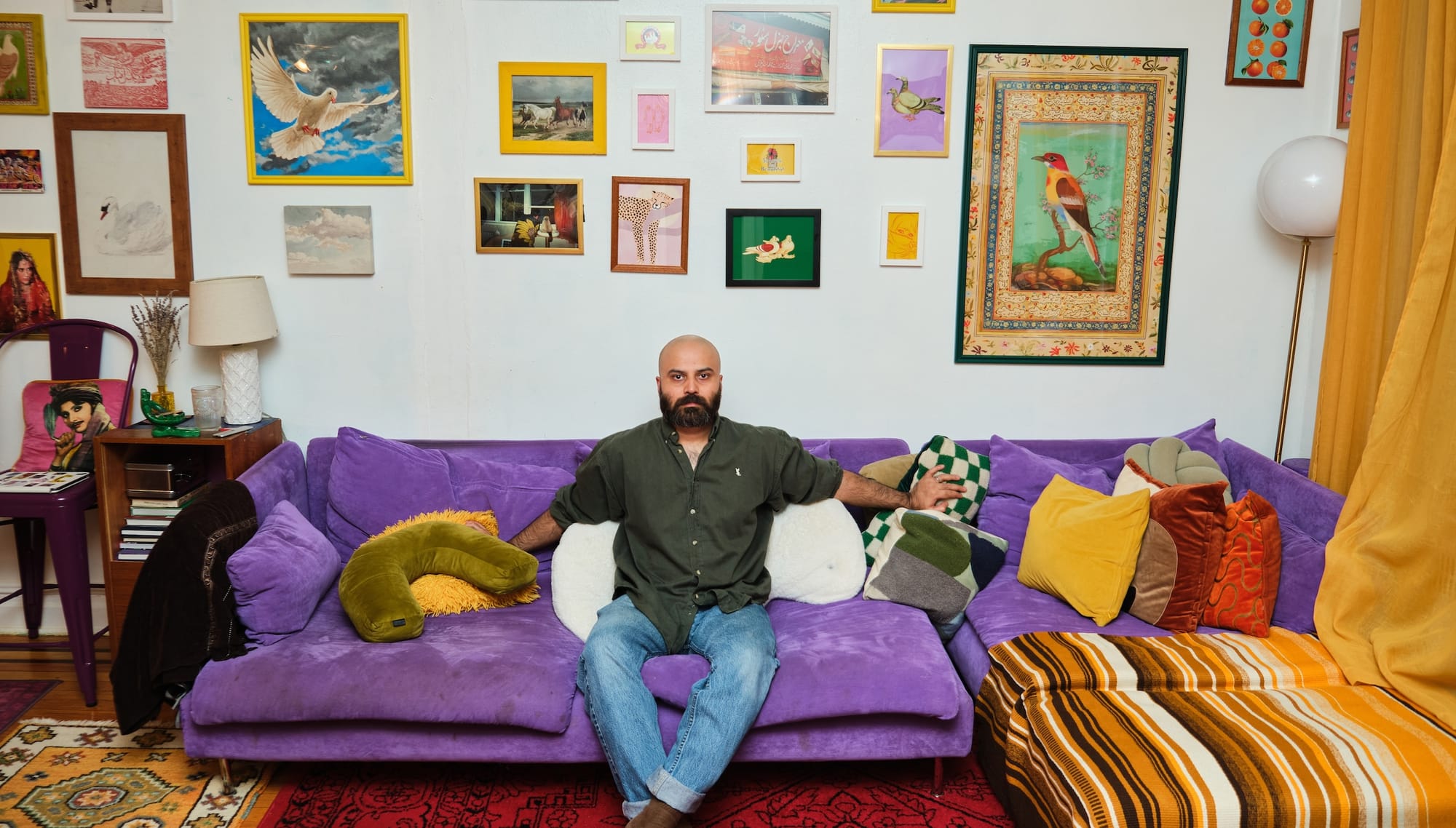
Saad Khan, a New York-based archivist, has developed Khajistan, an expansive digital and physical archive dedicated to preserving censored and overlooked mass media from South Asia to the Maghreb. The collection features a diverse array of ephemera, including homoerotic imagery, working-class street posters, and banned magazines that are often erased from official cultural records. By documenting everything from WhatsApp forwards to vintage film posters, Khan creates a space where the lived experiences of queer, trans, and working-class individuals in these regions are validated and archived.