filter_list Showing 6 results for "Freedom" close Clear
search
dashboard All 32 museum exhibitions 12article culture 6article news 5article policy 4rate_review review 2article local 2trending_up market 1
date_range Range Today This Week This Month All
Subscribe

Arghavan Khosravi’s Intricate Paintings Find Hope amid Oppression

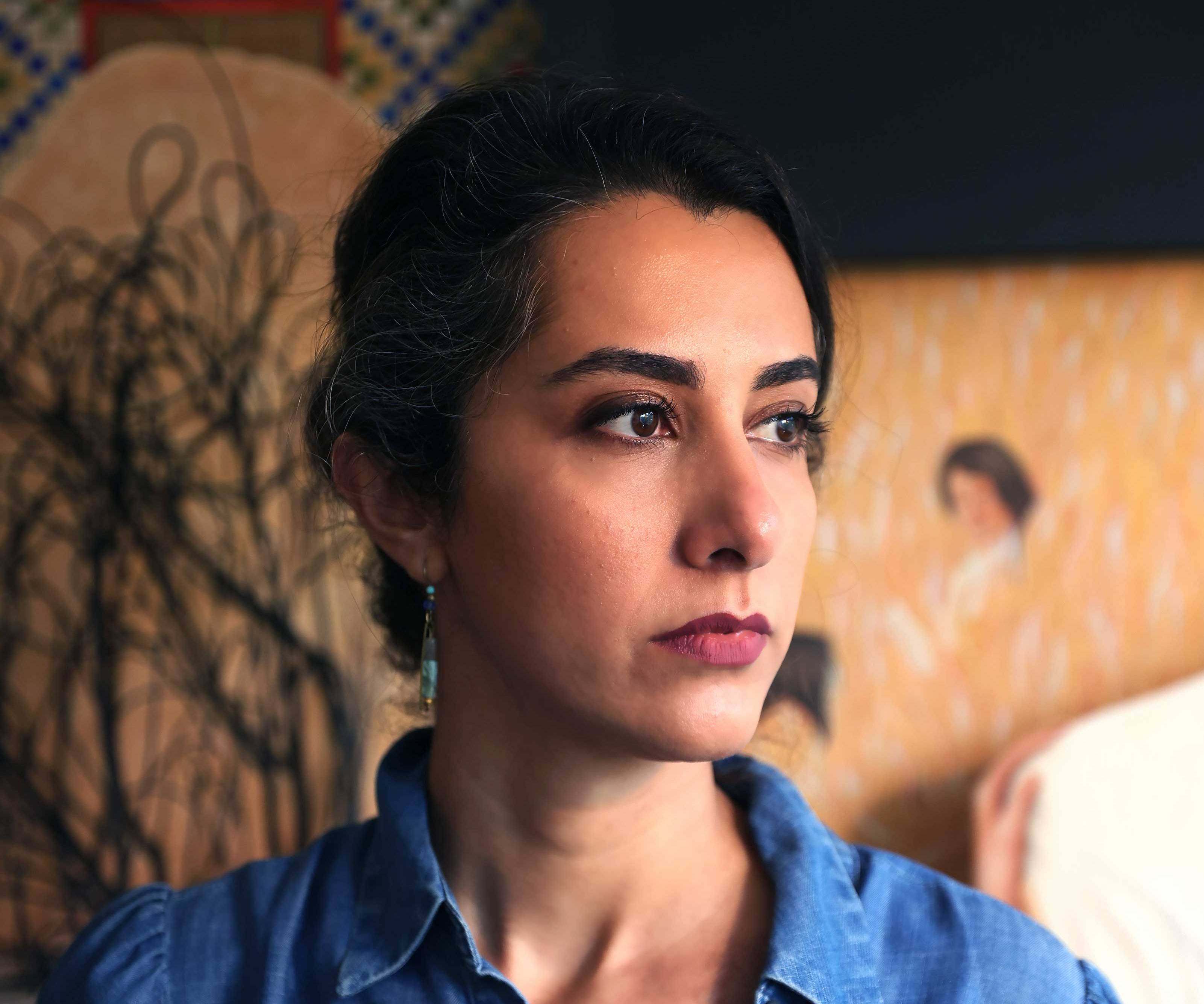
Arghavan Khosravi creates intricate, surreal three-dimensional paintings that blend sculptural elements with painted canvases, featuring hidden details such as creased book spines, concealed female figures, and glowing bullets. In an interview at her Connecticut studio, she explains her preference for works that reveal themselves gradually over time, rather than shouting for attention.
The Met’s Frida & Diego Opera Imagines Feminist Revenge from Beyond the Grave

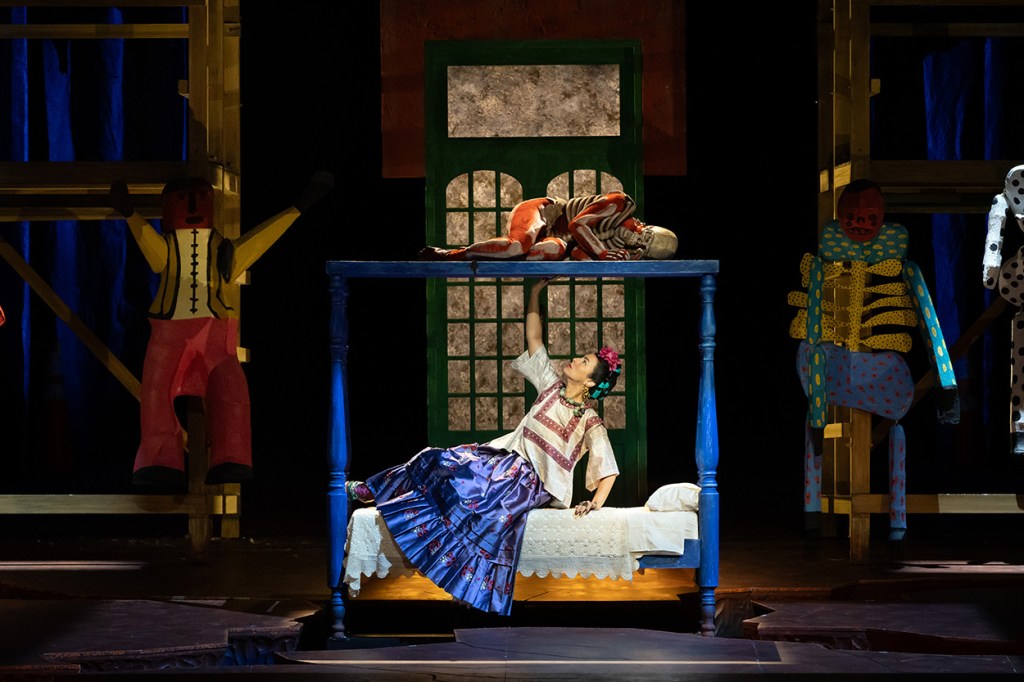
The Metropolitan Opera has opened "El Último Sueño de Frida y Diego," a new opera by composer Gabriela Lena Frank and librettist Nilo Cruz that imagines Frida Kahlo returning from the underworld during Día de los Muertos for a reunion with her husband Diego Rivera. The production features mezzo-soprano Isabel Leonard as Frida, Carlos Álvarez as Diego, and choreography by Deborah Colker, with sets by Jon Bausor that evoke Kahlo's iconic paintings and mirror. The opera explores themes of pain, creativity, and marital strife, granting Kahlo physical freedom denied to her in life while centering her perspective over Rivera's.

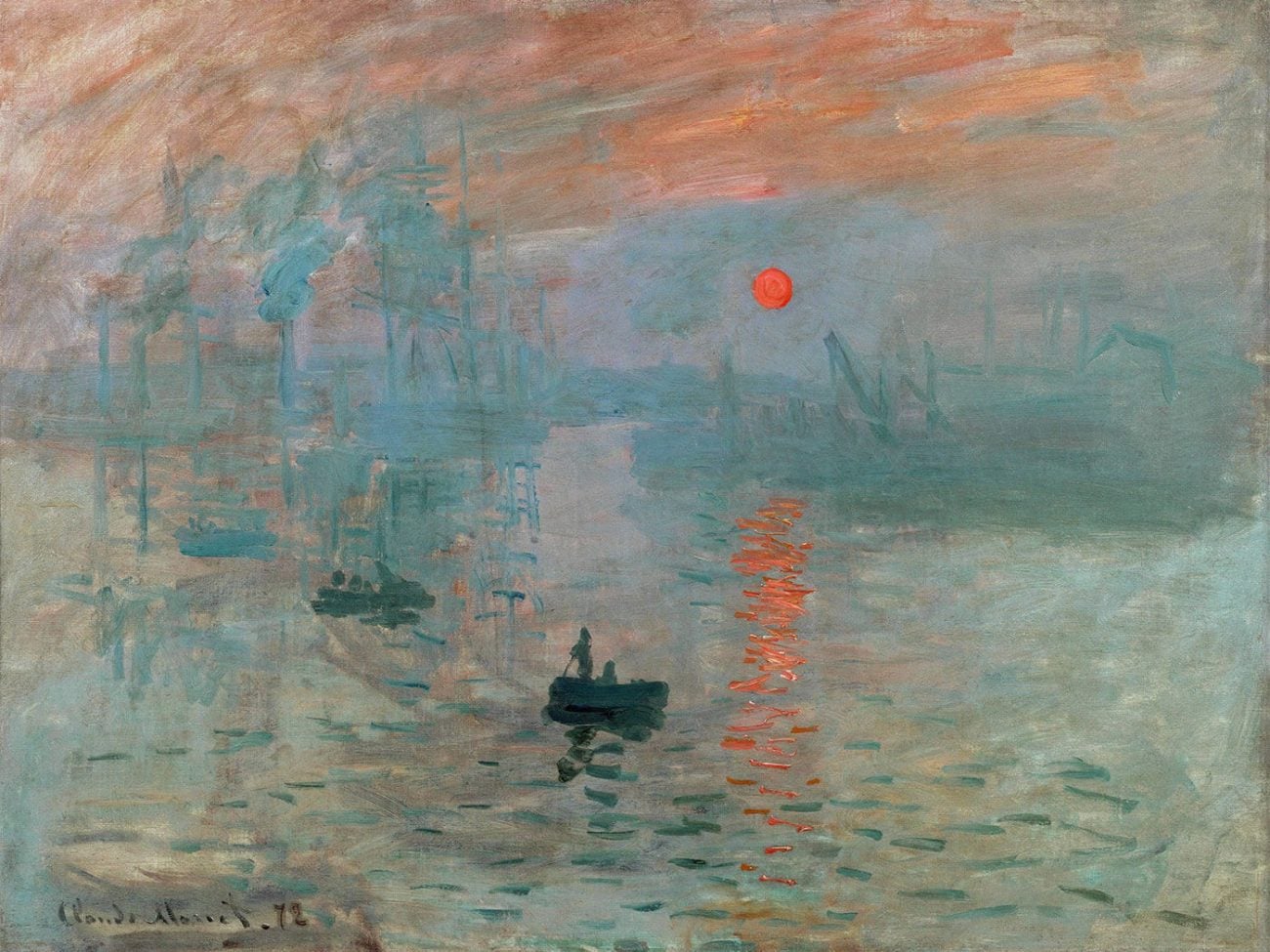
« Impression, soleil levant » de Claude Monet, l’éblouissant manifeste de l’impressionnisme

Claude Monet's "Impression, soleil levant" (Impression, Sunrise), the painting that gave Impressionism its name, is analyzed in detail by Beaux Arts Magazine on the centenary of the artist's death. The article examines the work brushstroke by brushstroke, recounting how Monet painted it from his hotel room in Le Havre, capturing the fleeting effects of light and atmosphere that became the hallmark of the movement.

The Finale Cut: Lucio Fontana e la sua arte al cinema

A new documentary titled "The Final Cut" explores the life and artistic journey of Lucio Fontana, the Italian-Argentine artist famous for his slashed canvases (Concetti Spaziali). Produced by Good Day Films and Nexo Studios, directed by Andrea Bettinetti and narrated by Miriam Leone, the film will screen in Italian cinemas on May 25–27 as part of the "La Grande Arte al Cinema" season. It features archival footage, interviews with artists such as Doug Wheeler, Antony Gormley, Carsten Höller, Alfredo Jaar, Michelangelo Pistoletto, Heinz Mack, and scholars Luca Massimo Barbero and Daniela Alejandra Sbaraglia, highlighting Fontana's revolutionary approach and his first immersive installation, "Ambiente Spaziale a luce nera" (1949).

Rediscovering Jorge Luis Borges as an Architectural Critic. 40 Years After His Death

Riscoprire Jorge Luis Borges come critico d’architettura. A 40 anni dalla morte

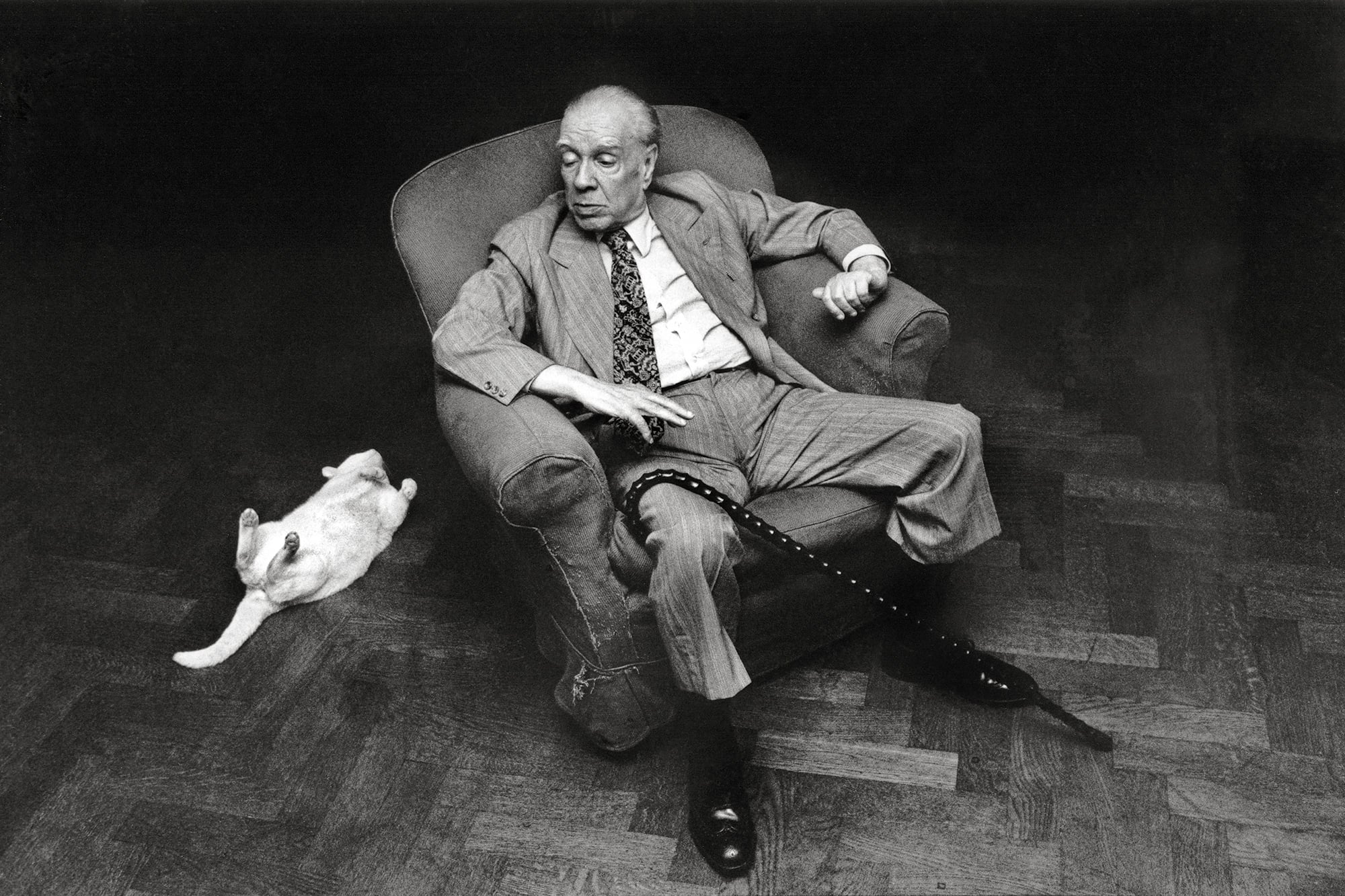
The article commemorates the 40th anniversary of Jorge Luis Borges's death, reflecting on his legacy as a writer and his lesser-known role as an architectural critic. It highlights a 2025 book by Estela Canto, a close friend, which reveals Borges's personal fragility and contradictions, such as his love for popular cinema over classical music. The piece also explores Borges's fictional architectural criticism, particularly his 1967 work *Cronache di Bustos Domecq* co-written with Adolfo Bioy Casares, where he satirized functional architecture through invented pioneers like Adam Quincey and Alessandro Piranesi.

Should art have moral limits?

At Metropolitan State University of Denver, students, artists, professors, and curators debate whether art should have moral limits, particularly when it addresses violence, political division, or sensitive social issues. The discussion features perspectives from Jess Gerome, an art education student who argues discomfort should not dictate creative expression, and Xtna Doleres, a multidisciplinary artist who believes art carries an ethical responsibility to speak truth and represent communities respectfully. Professor Jason Miller adds that while art alone may not cause harm, it must be taken seriously when it suggests real-world danger.