filter_list Showing 9 results for "Movement" close Clear
search
dashboard All 71 museum exhibitions 39article culture 9article news 7article local 4candle obituary 4rate_review review 3trending_up market 2person people 2article policy 1
date_range Range Today This Week This Month All
Subscribe

‘Depraved in all the right ways’: why forgotten no wave visionary Gordon Stevenson is about to take off

The article profiles Gordon Stevenson, a forgotten visionary of the no wave movement in late-1970s New York, who was an artist, jewelry designer, musician, and filmmaker best known for the notorious film *Ecstatic Stigmatic*. Decades after his death from AIDS, a storage unit full of his lost work has been discovered, including jewelry, mail-art collaborations with Ray Johnson, and clues to a surviving print of his film. His family has also recovered hundreds of letters he wrote to his parents, chronicling his life in downtown New York and his experiences as one of the city's first AIDS patients. The piece traces his journey from a small town in Georgia, where he met his wife Mirielle Cervenka (who later renamed Exene Cervenka), to their punk-era jewelry brand LHOOQ and his lasting influence on gothic fashion.
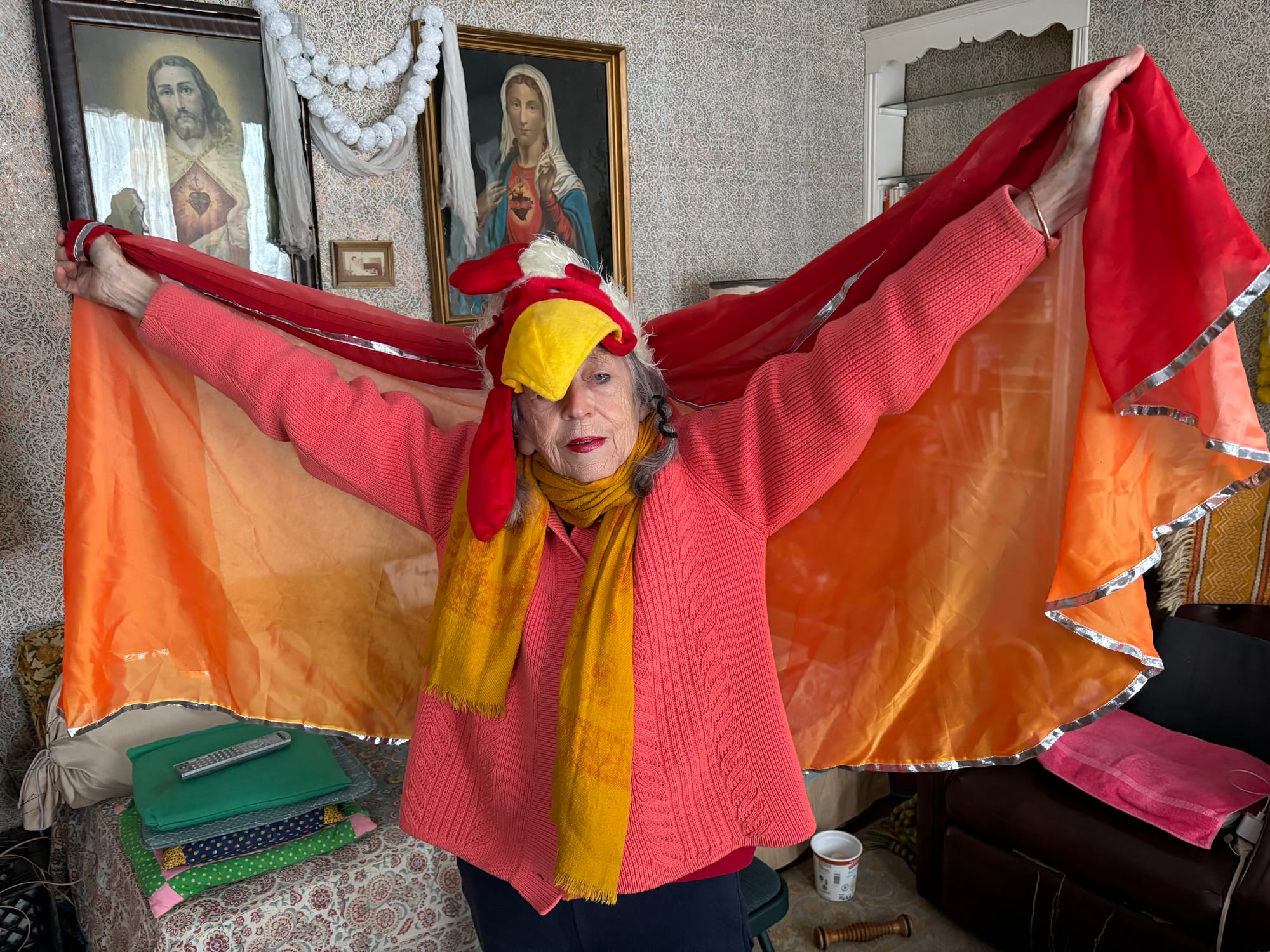
The Divine Powers of “Chicken Linda”

Performance artist Linda Mary Montano, now in her 80s, invited writer Taliesin Thomas into her home in Saugerties, New York, which functions as a living shrine filled with altars, experimental sculptures, and religious iconography. Montano, who calls herself “Chicken Linda” to connect with the Holy Spirit, discussed her six-decade career as an endurance performance artist, her Catholic faith, her studies with guru Shri Bhramananda Saraswati, and her influential early years in San Francisco during the First Wave feminist art movement. She also recounted personal tragedies, including the murder of her former husband Mitchell Payne, which led to her video work “Mitchell’s Death,” now in the collections of MoMA and the Museum of Conceptual Art, Los Angeles.

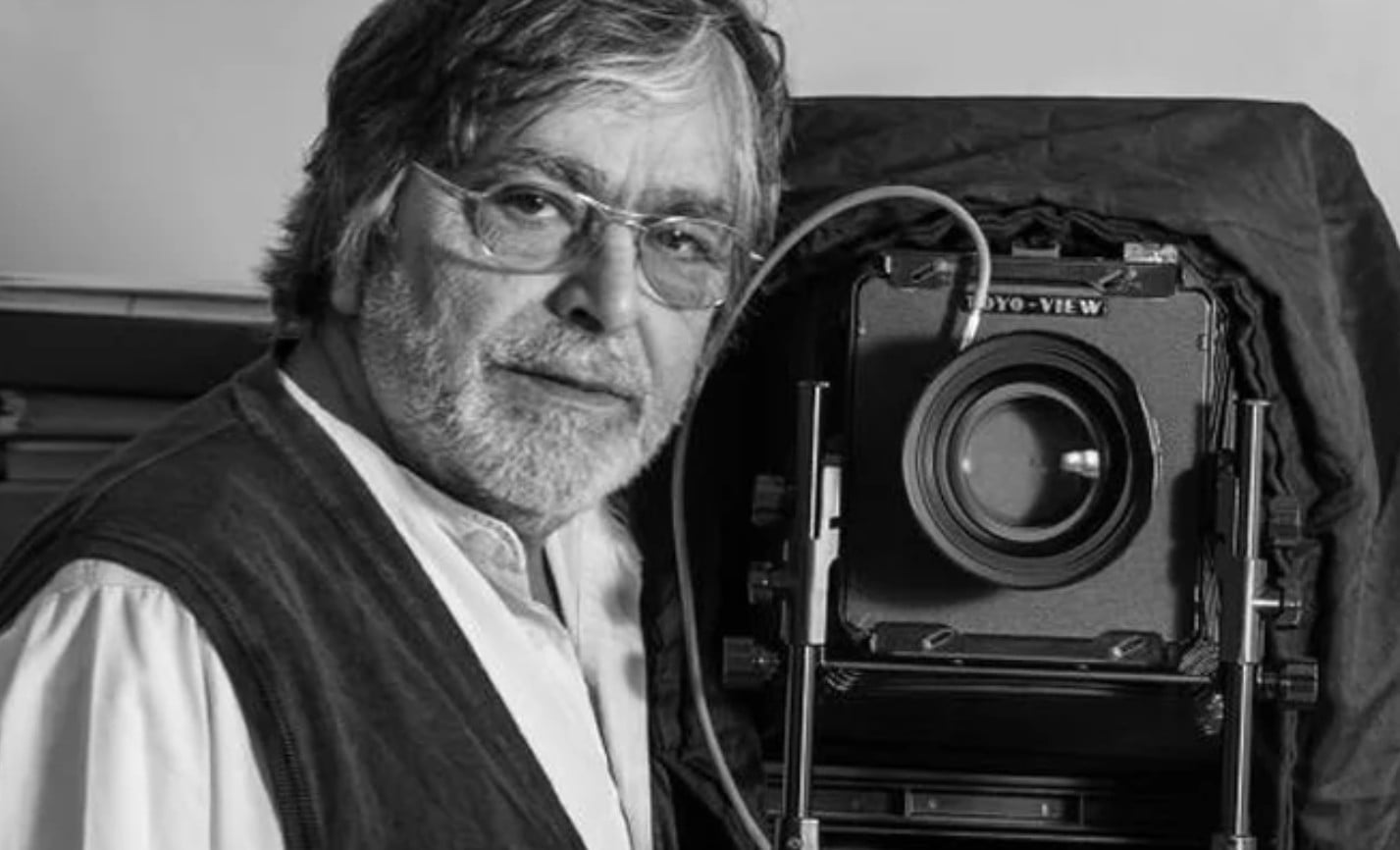
Pappi Corsicato's film on photographer Claudio Abate, which recounts the artistic ferment of Rome between the 1960s and 1990s, is now on RaiPlay

È su RaiPlay il film di Pappi Corsicato sul fotografo Claudio Abate che racconta il fermento artistico di Roma tra gli Anni ’60 e ‘90

RaiPlay has released a new documentary film by Pappi Corsicato titled "Claudio Abate. L’obiettivo nell’arte" (2026), which pays tribute to the late photographer Claudio Abate (1943–2017). The film weaves together interviews, archival materials, and footage from Istituto Luce to chronicle Abate's life and work, focusing on his role documenting the vibrant Roman art scene from the 1960s through the 1990s. It highlights his collaborations with key figures such as Jannis Kounellis, Michelangelo Pistoletto, Fabio Sargentini, and the artists of the Pastificio Cerere school, capturing seminal performances, happenings, and installations that defined Arte Povera and other avant-garde movements.

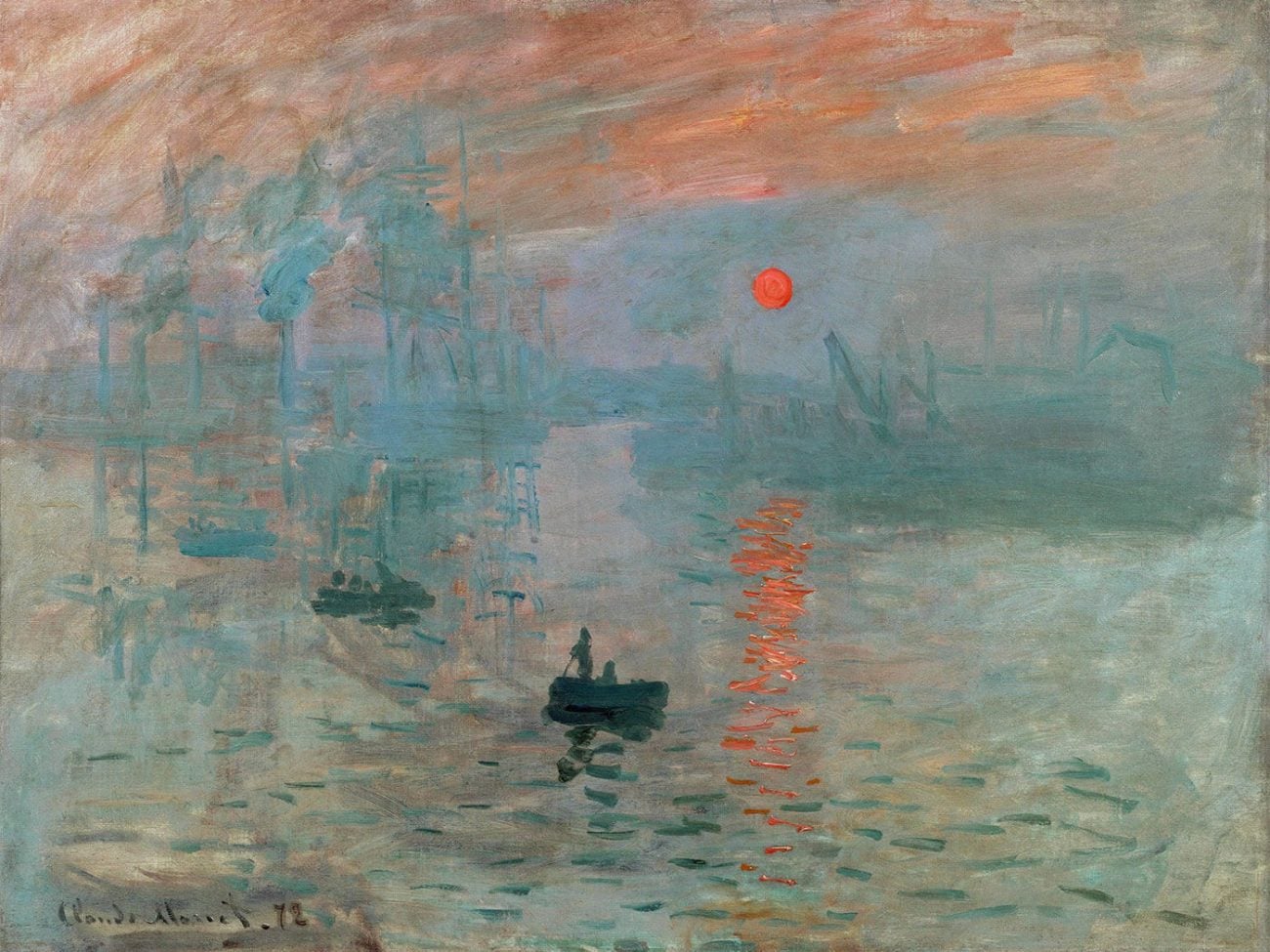
« Impression, soleil levant » de Claude Monet, l’éblouissant manifeste de l’impressionnisme

Claude Monet's "Impression, soleil levant" (Impression, Sunrise), the painting that gave Impressionism its name, is analyzed in detail by Beaux Arts Magazine on the centenary of the artist's death. The article examines the work brushstroke by brushstroke, recounting how Monet painted it from his hotel room in Le Havre, capturing the fleeting effects of light and atmosphere that became the hallmark of the movement.

‘Anger, curiosity and hope’: a planet of protest – in pictures

Matthew Connors' new photo book, *The Axe Will Survive the Master*, compiles 12 years of protest photography from Hong Kong, Cairo, New York, Kyiv, North Korea, and beyond. Published by MACK Books, the work weaves together images from the Occupy movement, the Egyptian revolution, Hong Kong's pro-democracy protests, the war in Ukraine, and other confrontations with authoritarian power, dissolving geographic boundaries into a single sequence drawn from an archive of 200,000 images.

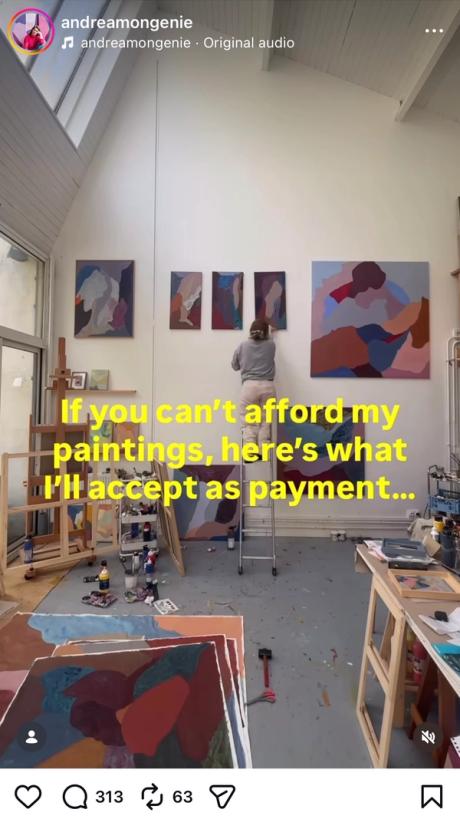
Art bartering: artists start viral social media trend to fight cost of living crisis

Artists worldwide are using social media platforms like Instagram and TikTok to barter their artwork for goods and services instead of money, in a viral trend responding to the cost of living crisis. Participants trade paintings for items such as handmade clothes, jewelry, tattoos, accommodation, meals, and professional services like video editing or framing, with some simply inviting offers. Artists like Lin Snow, Oli Fowler, and Andrea Mongenie cite economic pressures and anti-capitalist motivations, viewing bartering as a way to build community and bypass financial systems that leave creatives struggling.

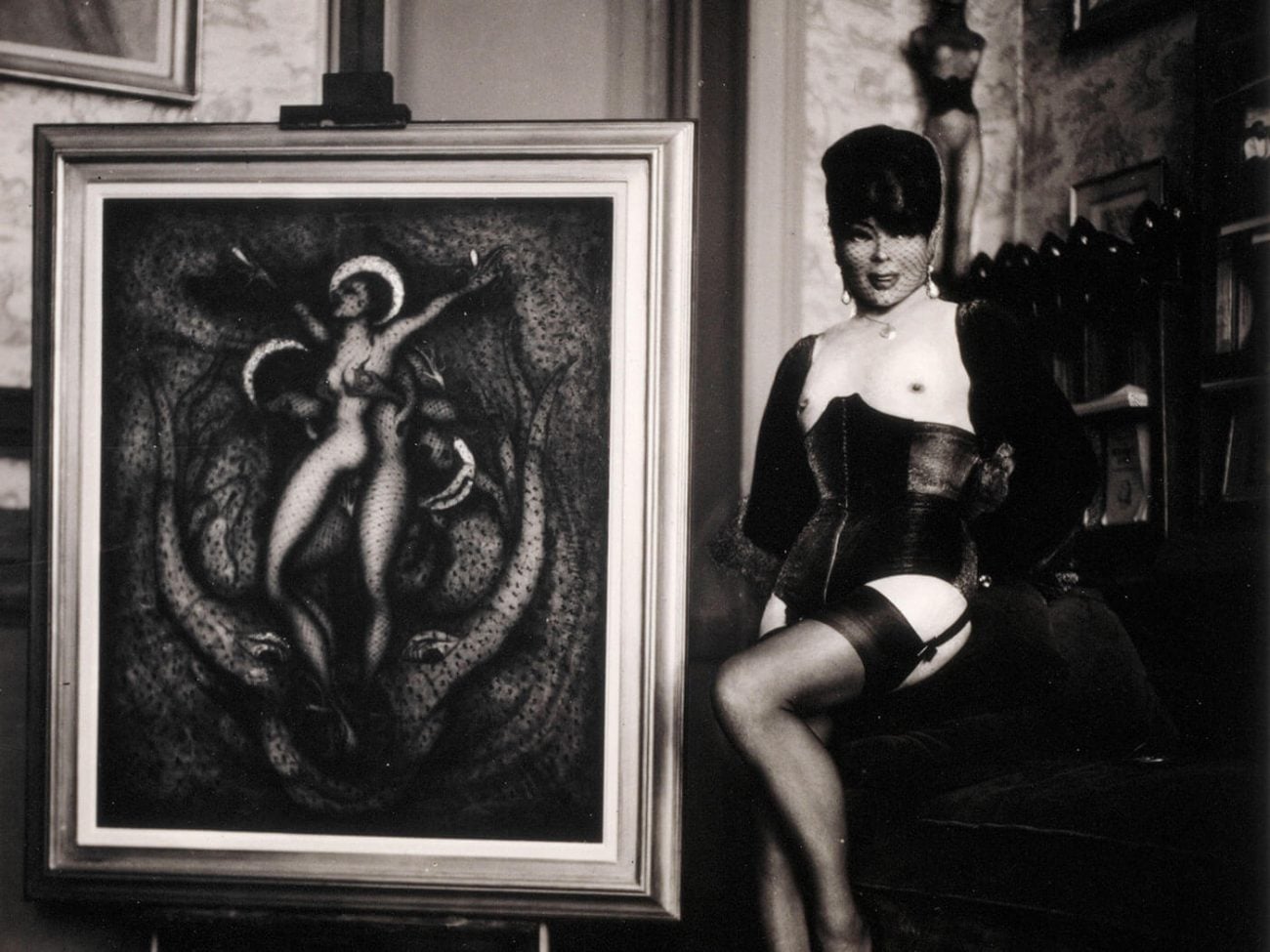
For the 50th anniversary of his death, the controversial photographer Pierre Molinier at the heart of an important biography

Pour le cinquantenaire de sa mort, le sulfureux photographe Pierre Molinier au cœur d’une importante biographie

A new biography of the provocative French photographer and painter Pierre Molinier (1900–1976) has been published to mark the 50th anniversary of his death. Co-published by Mollat and L'Arbre vengeur, the book "Molinier. Une vie d'enfer" is an updated and expanded version of Pierre Petit's 1992 text, incorporating newly surfaced documents and reflecting Molinier's growing international recognition.

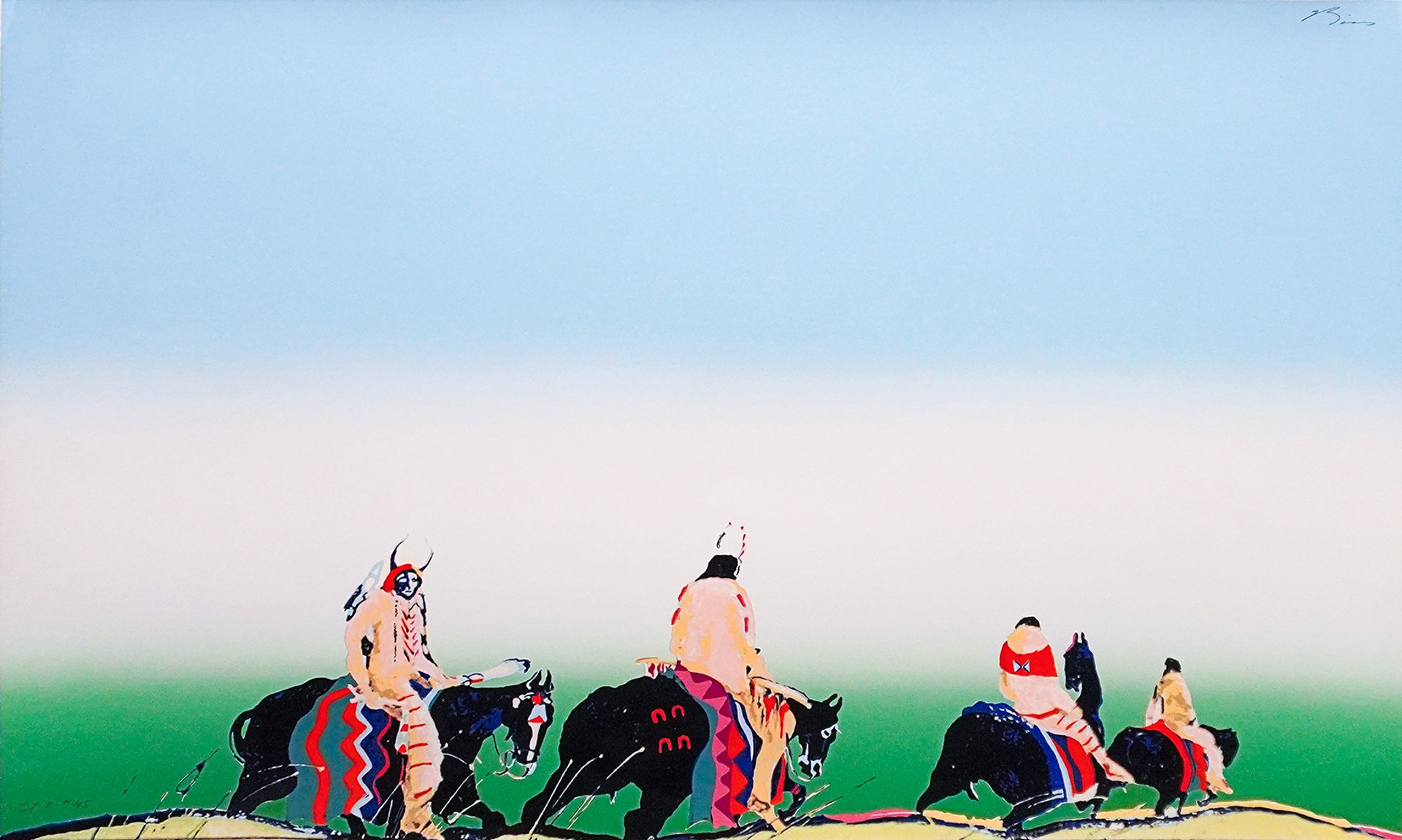
How Native American Artists Redefined Contemporary Art in the United States

A generation of Native American artists, emerging from the Institute of American Indian Arts (IAIA) in Santa Fe from the 1960s onward, reclaimed Indigenous representation in American art. Figures like Fritz Scholder, T.C. Cannon, Kevin Red Star, and Earl Biss used modernism, irony, and cultural specificity to dismantle colonial stereotypes of Native peoples as romanticized relics, instead portraying them as contemporary individuals with agency and living traditions.

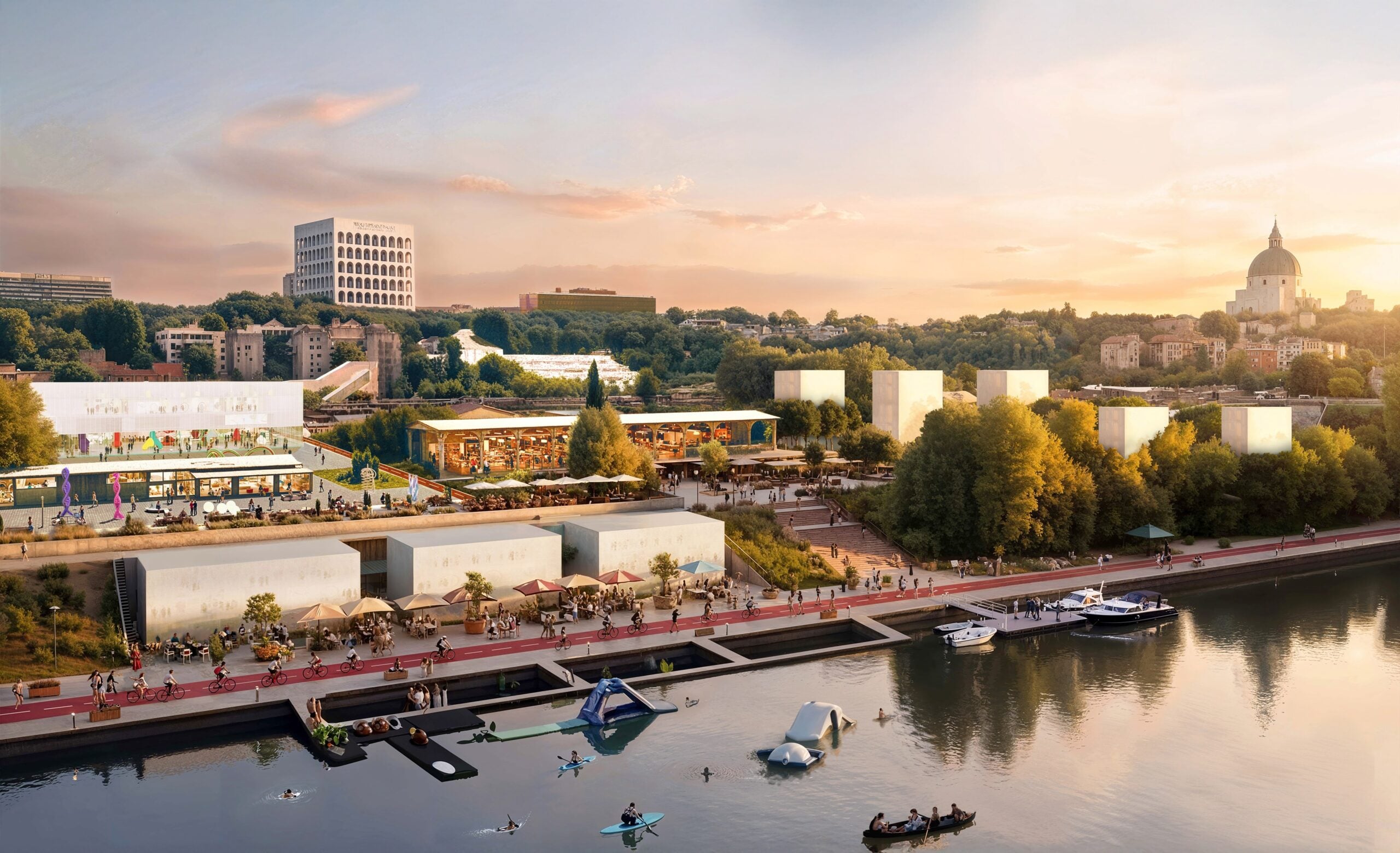
Two Major Architecture Firms Aim to Revolutionize Rome Over the Next 25 Years

Due grandi studi di architettura puntano a rivoluzionare Roma nei prossimi 25 anni

A multidisciplinary team led by Italian architecture and urban planning firm IT'S and Dutch firm OMA has won the international ideas competition "Vision for Rome," promoted by the Fondazione Roma REgeneration. Their project, "Roma Continua," was presented at the Auditorium della Tecnica di Confindustria during the second ROMA REgeneration FORUM. The proposal aims to rethink Rome over the next 25 years through a paradigm shift in urban, social, and cultural planning, envisioning the city as a living ecosystem. It is based on five guiding principles—care, beauty, knowledge, movement, reuse, and grafting—and includes five green corridors anchored to the Tiber River, "Fori dell'innovazione" (innovation forums), and a continuous mobility network. The project also seeks to reduce tourist pressure on the historic center by creating new cultural itineraries and sustainable transport links.