filter_list Showing 43 results for "Sim" close Clear
search
dashboard All 634 museum exhibitions 359article news 111article local 48article culture 43trending_up market 27article policy 18rate_review review 14person people 5gavel restitution 5candle obituary 4
date_range Range Today This Week This Month All
Subscribe

‘This is mine, I own it’: how Tracey Emin and Frida Kahlo inspired me to make meaning out of pain

The article is a personal essay by a writer who, after undergoing a colectomy in 2023, found inspiration in Tracey Emin's unflinching self-portraiture following her 2020 cancer diagnosis. The author describes taking her own post-surgery photographs, echoing Emin's mantra "This is mine, I own it," and reflects on Emin's current work, including the Tate Modern exhibition and paintings like "I watched Myself die and come alive" (2023) and "Barbed Wire Stitches" (2024). The essay also connects Emin's approach to that of Frida Kahlo, whose retrospective is upcoming at Tate.
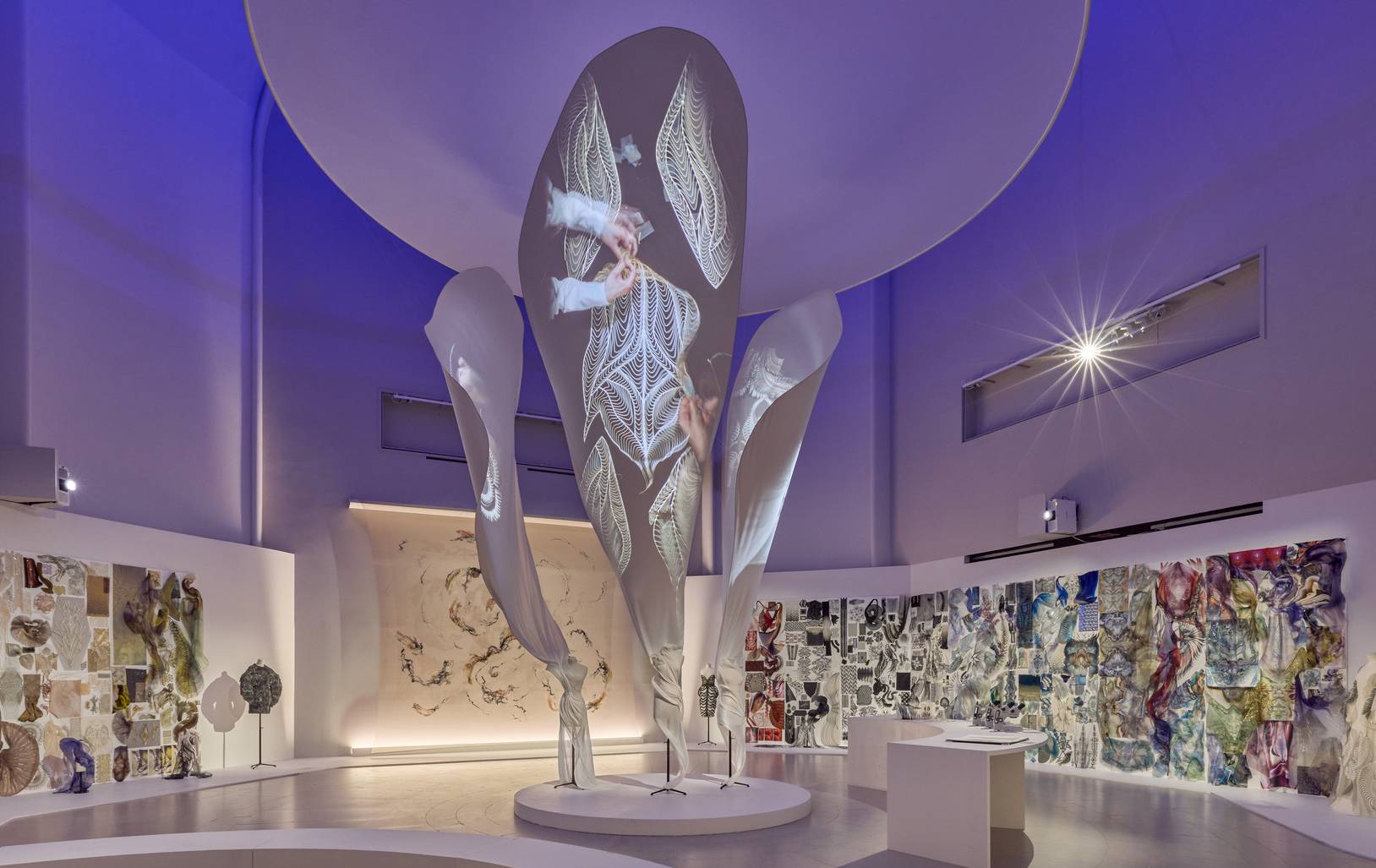
10 Artists to Follow if You Like Iris van Herpen

Artsy Editorial profiles 10 contemporary artists whose work aligns with the visionary, technology-driven approach of fashion designer Iris van Herpen. The article highlights van Herpen's career milestones, including her 2011 invitation to join the Chambre Syndicale de la Haute Couture, and her ongoing fusion of traditional craftsmanship with cutting-edge technology to create wearable art. It then presents a curated list of artists who similarly explore themes of organic form, digital fabrication, and the intersection of art and fashion.

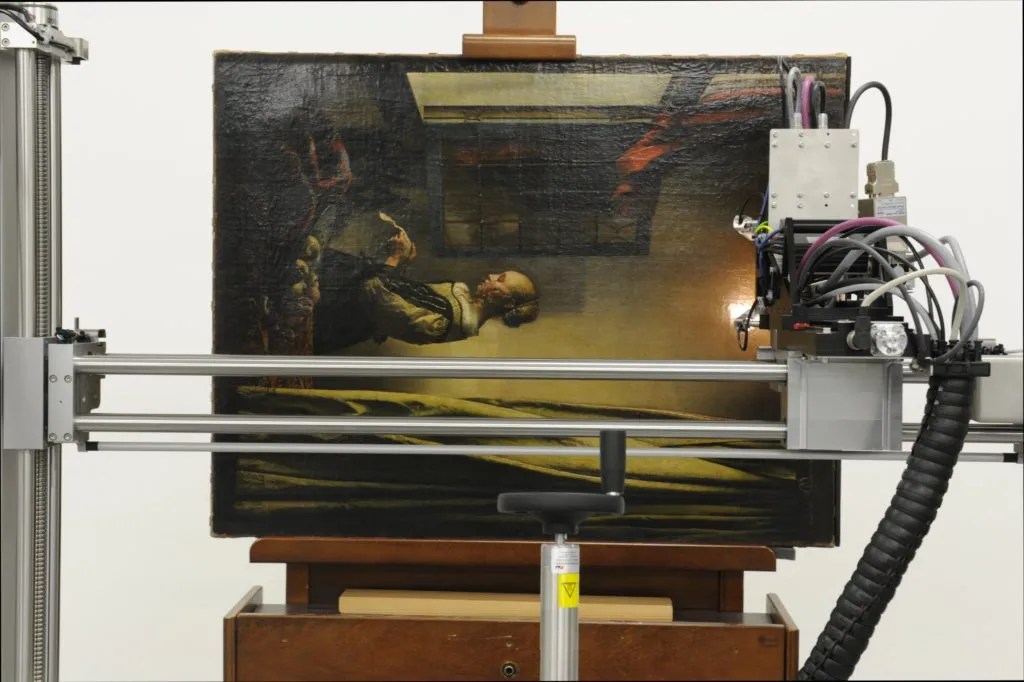
One Erased Vermeer, Two Books, and No Consensus

Two new books examine the legacy of Johannes Vermeer from contrasting angles. Ruth Bernard Yeazell's "Vermeer's Afterlives" (Princeton University Press) explores how the artist's open-ended, figureless interiors have inspired later creators, from painter George Deem to novelist Tracy Chevalier. Andrew Graham-Dixon's "Vermeer: A Life Lost and Found" restores the historical and religious context of 17th-century Delft, arguing that modern readings have overlooked the original meanings of Vermeer's works.

Rocked on their heels: how exhibitions can change the course of artists’ lives

Alyce Mahon's new book, *Dorothea Tanning: A Surrealist World*, explores how the 1936 MoMA exhibition *Fantastic Art, Dada, Surrealism* profoundly transformed the young artist Dorothea Tanning, who described being "rocked on my run-over heels" by the experience. The article also recounts similar life-changing exhibition encounters for contemporary artists Lorna Simpson and Hurvin Anderson, as discussed on *The Week in Art* and *A brush with…* podcasts, highlighting how specific shows shaped their artistic trajectories.

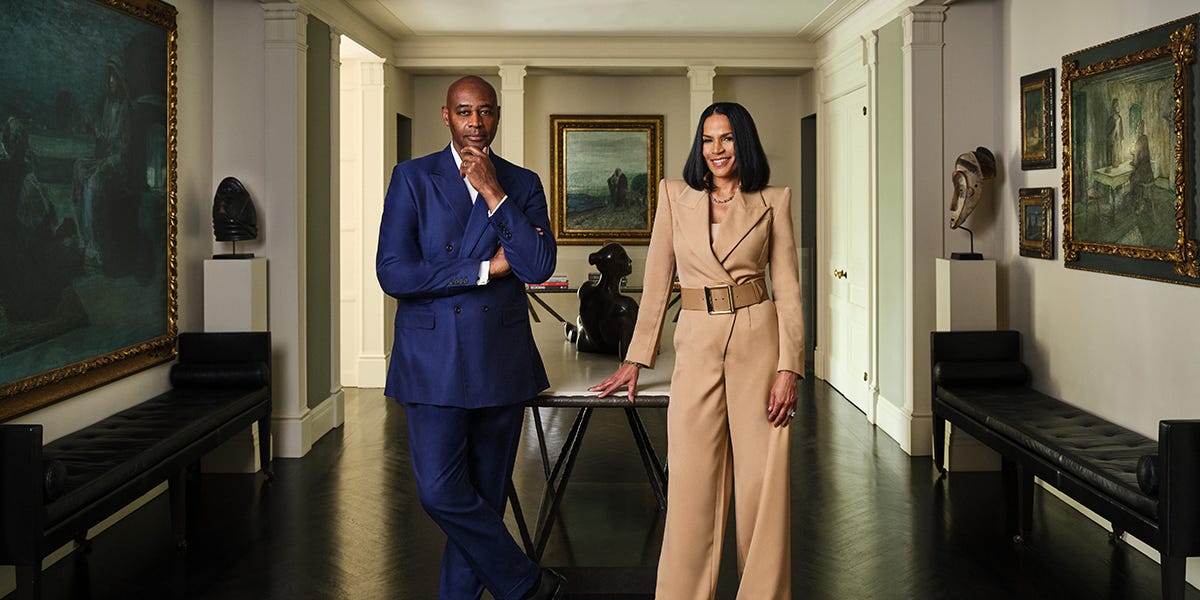
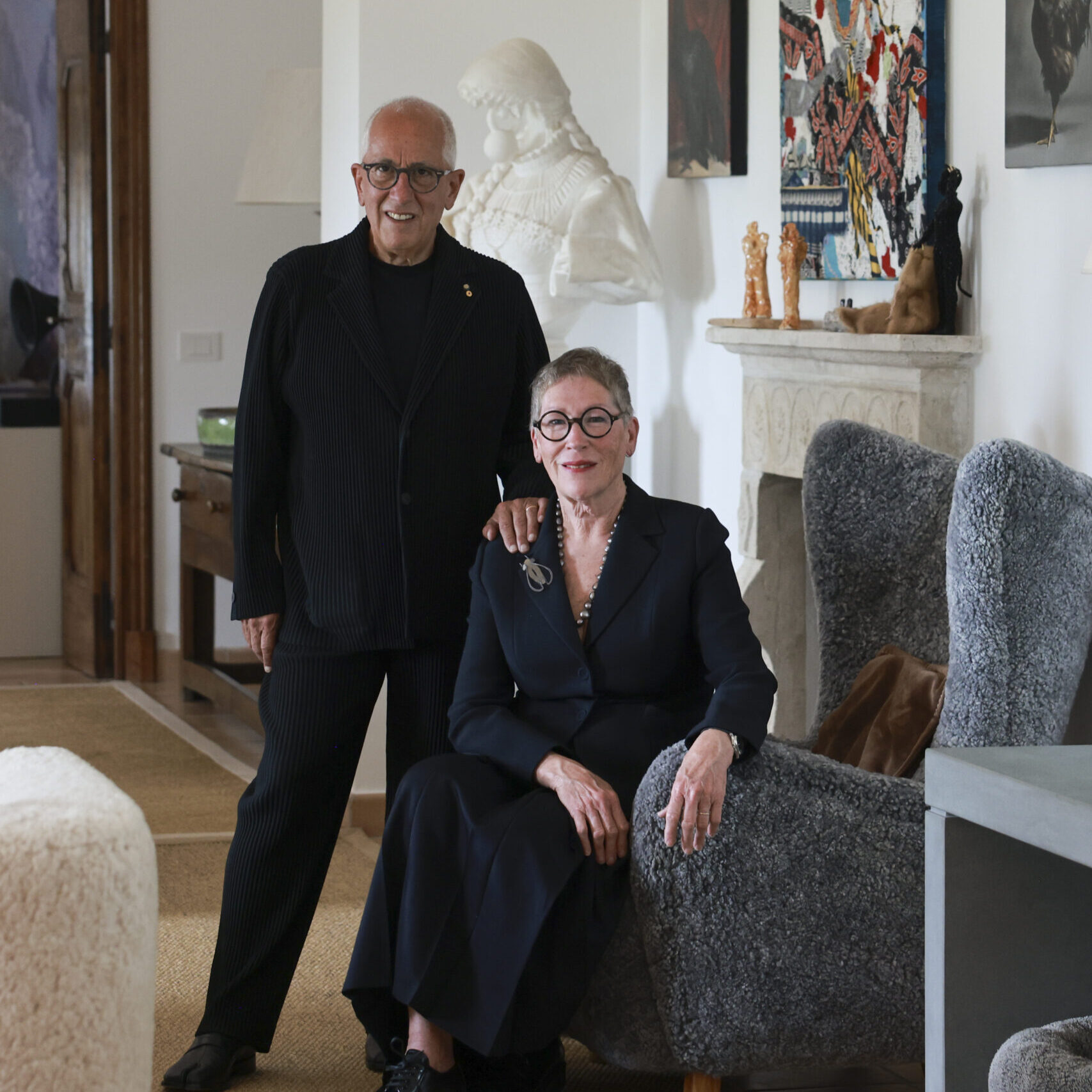
Look Inside the Art-Filled Home of New York City's Cultural Crusaders

This profile explores the Upper West Side residence of Crystal McCrary McGuire and Raymond J. McGuire, a power couple deeply embedded in New York City’s cultural and financial sectors. Their home serves as a private gallery for a significant collection of African American art, featuring masterworks by Norman Lewis, Henry Ossawa Tanner, Elizabeth Catlett, and Romare Bearden. The couple’s shared passion for collecting began independently, sparked by their formative years studying in France, and has since evolved into a joint mission to preserve and live alongside Black artistic heritage.

From high BMI to the ‘GLP-1 look’: how weight-loss jabs are changing the face of beauty

Researchers and art historians are examining how weight-loss drugs like Wegovy and Mounjaro are reshaping ideals of beauty in art. Prof. Rosalind Gill and Dr. Michael Yafi argue that the rapid fat loss caused by GLP-1 medications produces a distinctive gaunt facial appearance—dubbed 'GLP-1 face'—which could become a new aesthetic standard reflected in contemporary art, similar to 'heroin chic' in the 1990s. Yafi presented his findings at the European Congress on Obesity, noting that while artists like Fernando Botero continue to celebrate fuller figures, future artworks may increasingly depict thin individuals with hollowed features.

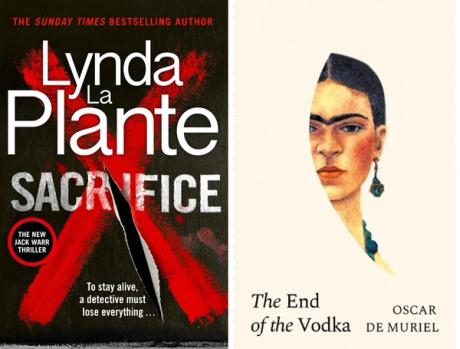
A hated portrait and a forged masterpiece: two new thrillers with paintings at their centre

Two new thrillers center on paintings: "The End of the Vodka" by an unnamed author, which fictionalizes the real story of Frida Kahlo's commissioned portrait of Dorothy Hale—a painting that horrified its patron Clare Boothe Luce—and weaves an imagined conversation between Luce and Wallis Simpson amid the backdrop of World War II. The second, "Sacrifice" by Lynda La Plante, follows Detective Jack Warr as he investigates a possible forgery of a Jean-Michel Basquiat painting, leading to murder and a missing art forger.

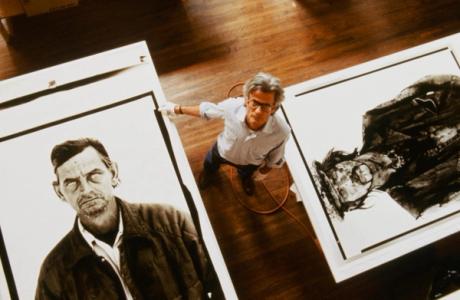
New Richard Avedon documentary chronicles how he shaped the evolution of photography

Imagine Documentaries, the nonfiction arm of Ron Howard and Brian Grazer's Imagine Entertainment, premiered a new documentary about photographer Richard Avedon at the Cannes Film Festival on May 17. The film, co-produced by the Richard Avedon Foundation, draws heavily from archival interviews conducted by Helen Whitney for the PBS series *American Masters*, supplemented by new interviews with Avedon's son John, muse Lauren Hutton, Isabella Rossellini, Twyla Tharp, and former *New Yorker* colleagues Tina Brown and John Lahr. The documentary explores Avedon's career, his technique of building rapport with subjects, and his iconic images such as *Dovima with Elephants*, which dealer Larry Gagosian notes sold for $2 million.

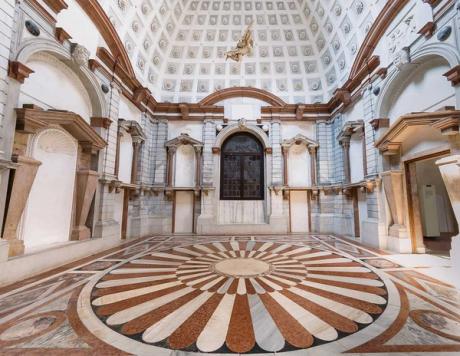
Luca De Michelis, chief executive of Marsilio Arte, on his favourite spots in Venice beyond the Biennale

Luca De Michelis, CEO of Marsilio Arte, shares his personal guide to Venice beyond the Biennale, highlighting historic sites, shopping, dining, and cultural venues. His recommendations include Palazzo Grimani, Micheluzzi Glass, the Gardens of the Church of the Redeemer on Giudecca, Antiche Carampane restaurant, the newly opened Dries Van Noten Foundation, San Giorgio Maggiore island, Codroma for spritz, and the upcoming exhibition 'Strange Rules' at Palazzo Diedo’s Berggruen Arts & Culture.

7 Books We’re Looking Forward to in May

ARTnews has published a list of seven art books to look forward to in May 2026, covering a wide range of topics from contemporary theory and AI imagery to historical biographies and the Venice Biennale. Featured titles include Dena Yago's collected writings 'That Figures,' Victoria Johnson's biography of Frederic Church 'Glorious Country,' Trevor Paglen's 'How to See Like a Machine,' Nicholas Fox Weber's 'Anni Albers: A Life,' Massimiliano Gioni's 'High Waters: An Oral History of the Venice Biennale,' Rennie McDougall's 'Nonstop Bodies: How Dance Shaped New York City,' and Paul Elie's 'Last Supper: Art, Faith, Sex and Controversy in the 1980s.'

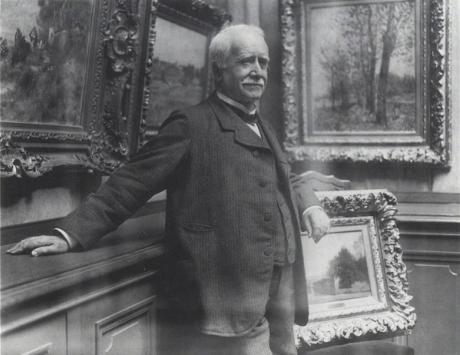
Harnessing the winds of societal change: how art dealers have been able to shape taste for centuries

Valentina Castellani, a former Gagosian director, has authored a new book titled *Trading Beauty: Art Market Histories from the Altar to the Gallery* (out 1 May). The book traces how art dealers have historically leveraged societal changes—political, economic, and social—to reshape taste and market structures. Castellani begins in the Middle Ages, when art was made only on commission for patrons like the Catholic church and monarchies, and moves through key shifts such as the Dutch Republic's first open art market in the 17th century, which gave rise to the professional art dealer. She highlights dealers like Paul Durand-Ruel, Joseph Duveen, and Leo Castelli who capitalized on anti-establishment energy, new wealth, and post-war consumer culture to bring avant-garde art to the forefront.

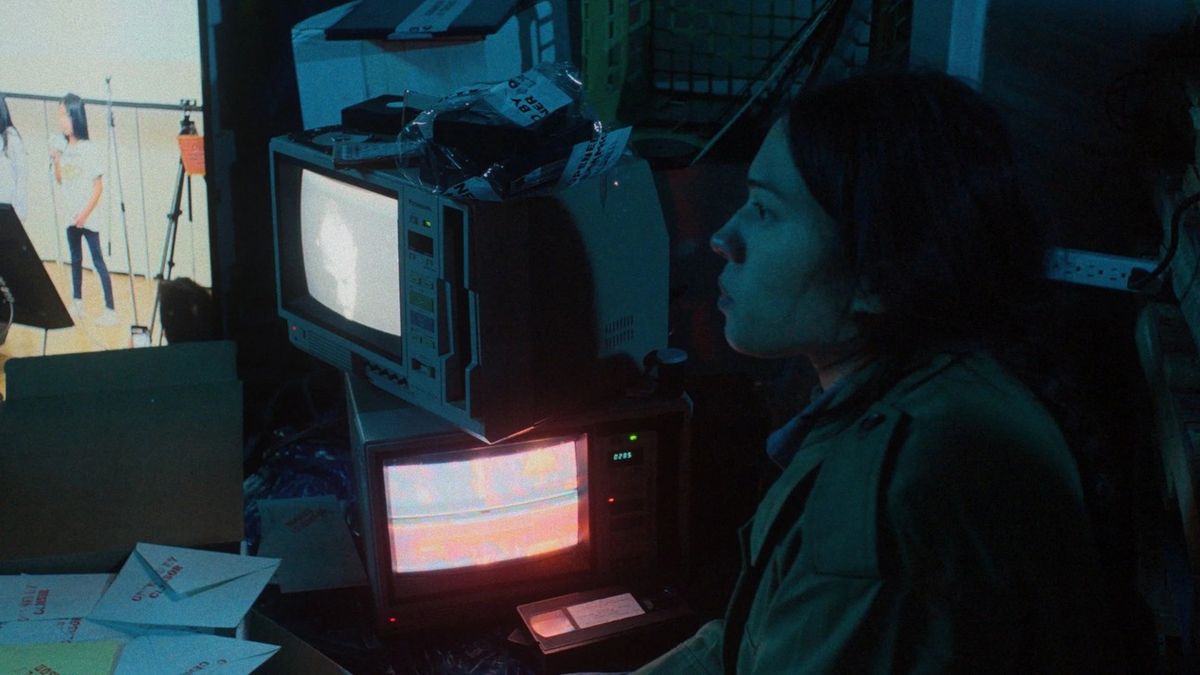
On Paranoid Time

Film Notes has published Qingyuan Deng's essay exploring the intersection of Lacan's concept of retroactive meaning and Eve Kosofsky Sedgwick's distinction between paranoid and reparative reading, as applied to recent artists' films and moving-image installations. The essay examines how works like Alison Nguyen's installation "Perforation, Ellipse" at New York's Storefront for Art and Architecture use cinematic techniques—such as perforations, splices, and missing scenes—to hold the temporal gap between an event and its belated political comprehension, focusing on the censorship of Vietnamese bolero songs after the American War.

Global Art Biennials: Renovation, Revelation—or Repetition?

The article examines the current state of global art biennials, arguing that recent controversies—such as the 2022 documenta antisemitism crisis and geopolitical tensions at the 61st Venice Biennale—reveal these exhibitions as deeply politicized platforms rather than neutral cultural events. It highlights how juries and curators have introduced geopolitical criteria, and cites ongoing debates in Artforum (April 2026) featuring voices like Daniel Birnbaum, Michelle Grabner, and Adam Szymczyk, who diagnose visible tensions but overlook deeper structural conditions.

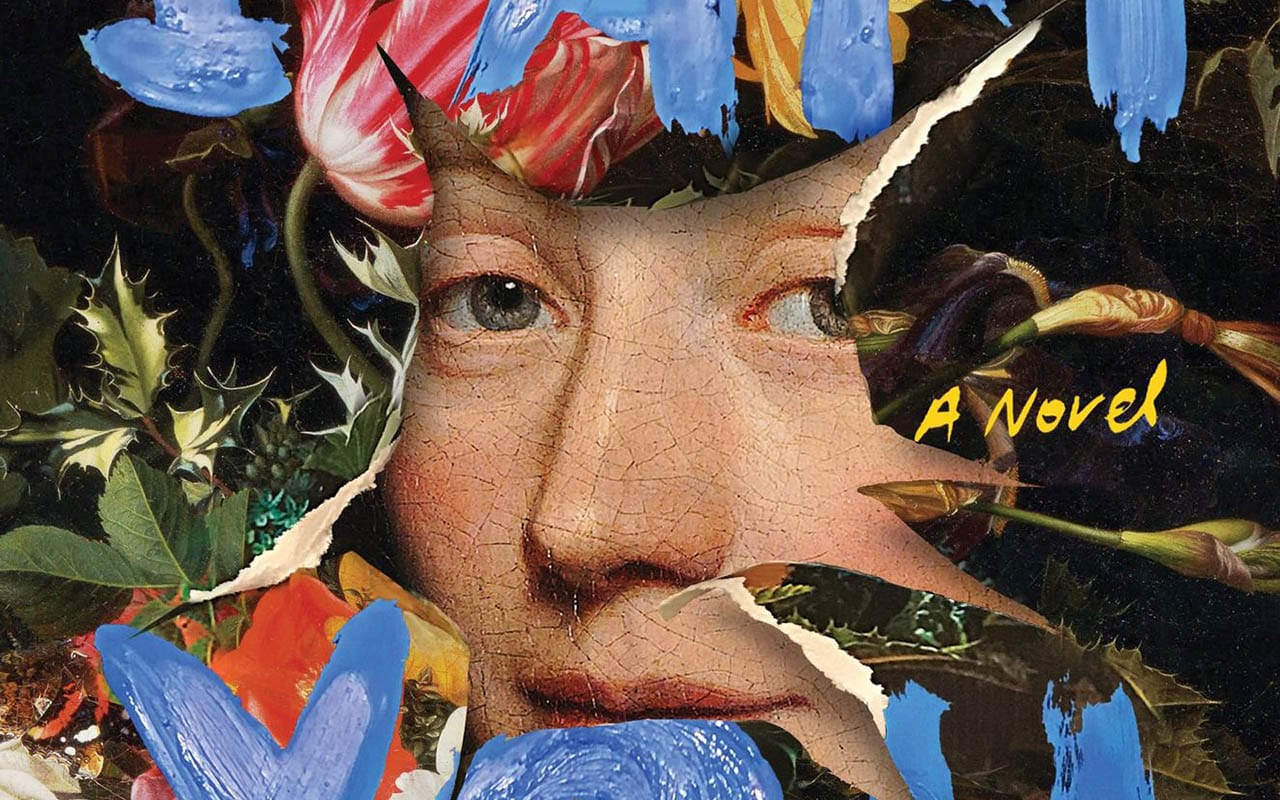
The Painted Book Cover Is Back

The article reports on a growing trend in book cover design: the use of painted, figurative artwork instead of stock photos or digital renderings. Publishers are increasingly licensing paintings by artists from Hilma af Klint to Shannon Cartier Lucy, seeing them as a way to signal cultural authority and intellectual rigor. The trend is discussed through examples like Victoria Redel's *I Am You* (2025) and Kyung-Ran Jo's *Blowfish* (2025), with insights from LiteraryHub Managing Editor Emily Temple and Astra House publisher Benjamin Schrank.

Vincenzo Trione's new book aims to redefine the concept of the avant-garde (reviews by his students)

Il nuovo libro di Vincenzo Trione vuole ridefinire il concetto di avanguardia (le recensioni dei suoi allievi)

On March 9, 2026, at IULM University in Milan, Vincenzo Trione presented his new book *Rifare il mondo. Le età dell’avanguardia* (Einaudi, 2025). The event was part of the cultural program *Leonardo alla IULM*, which also featured pages from the Codex Atlanticus on loan from the Biblioteca Ambrosiana. Trione, a professor at IULM, discussed the book with four of his students: Anna Luigia De Simone, Vincenzo Di Rosa, Anna Calise, and Alessia Scaparra Seneca. The talk, titled "Nessuna parola caratterizza l’arte contemporanea più di avanguardia," explored the concept of the avant-garde, its historical legacy, and its contemporary reactivation through movements, manifestos, collectives, and cultural phenomena.

Vanités contemporaines

The article explores the enduring relevance of still life and vanitas in contemporary art, tracing their evolution from the biblical proclamation "Vanity of vanities; all is vanity" through modern masters like Paul Cézanne, Pablo Picasso, and Giorgio Morandi to contemporary practitioners such as Claudio Parmiggiani. It highlights how artists continue to use everyday objects—compotes, skulls, pitchers, apples—as vehicles for formal experimentation and philosophical reflection, with still life serving as a minimalist device that allows infinite plastic research.

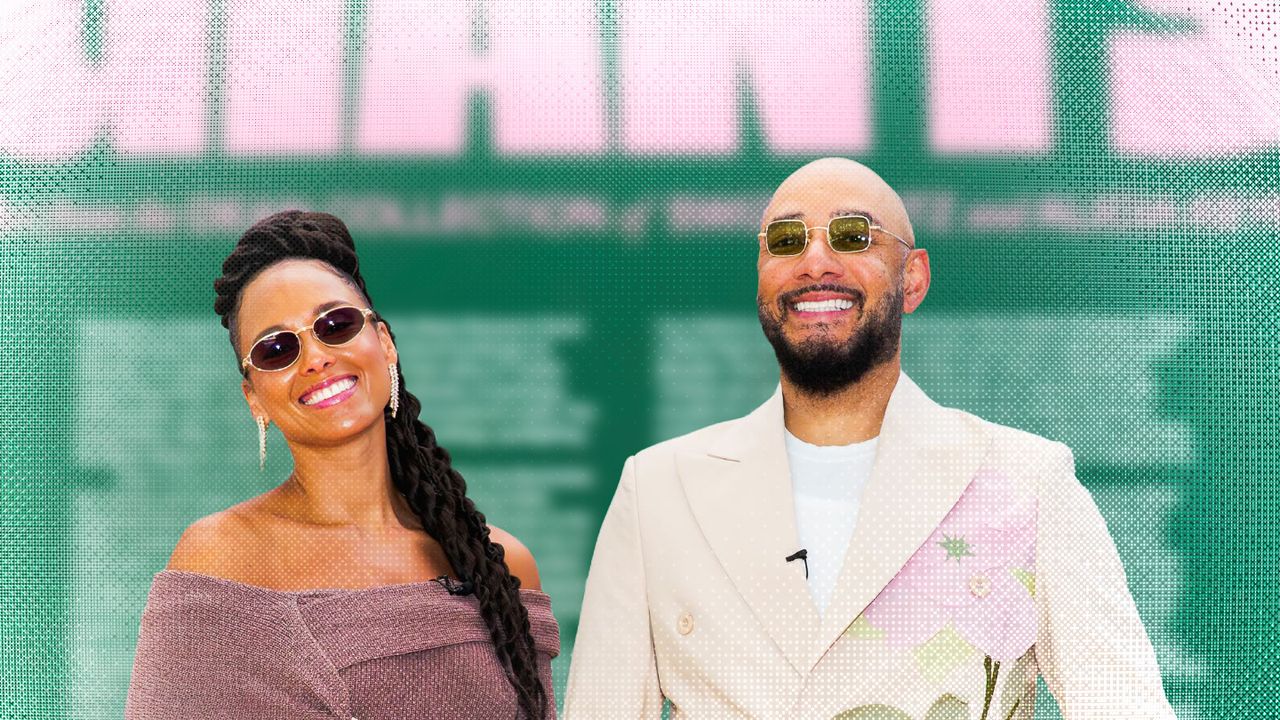
How Swizz Beatz and Alicia Keys Built a Best-in-Class Art Collection With a “Collect What You Feel” Philosophy

Swizz Beatz and Alicia Keys, the musician power couple, have built a major art collection known as the Dean Collection, now touring as the exhibition "Giants" at the San Diego Museum of Contemporary Art. The show, which debuted at the Brooklyn Museum in 2024, features works by Gordon Parks, Jean-Michel Basquiat, Malick Sidibé, and a new multimedia installation by Mickalene Thomas. In an interview with GQ's Frazier Tharpe, the couple discusses their philosophy of collecting art based on emotional connection rather than investment or social status, and how their passion for art has deepened over their 15-year marriage.

Black Designers as Fine Artists: Fashion Meets Sculpture

The article from Ebony.com explores the intersection of fashion and fine art, highlighting how Black designers are increasingly being recognized as fine artists whose work bridges clothing design and sculpture. It profiles several contemporary Black designers who create garments that function as sculptural objects, exhibited in galleries and museums rather than solely on runways. The piece examines how these creators challenge traditional boundaries between fashion and art, using materials and techniques that elevate their work into the realm of fine art.

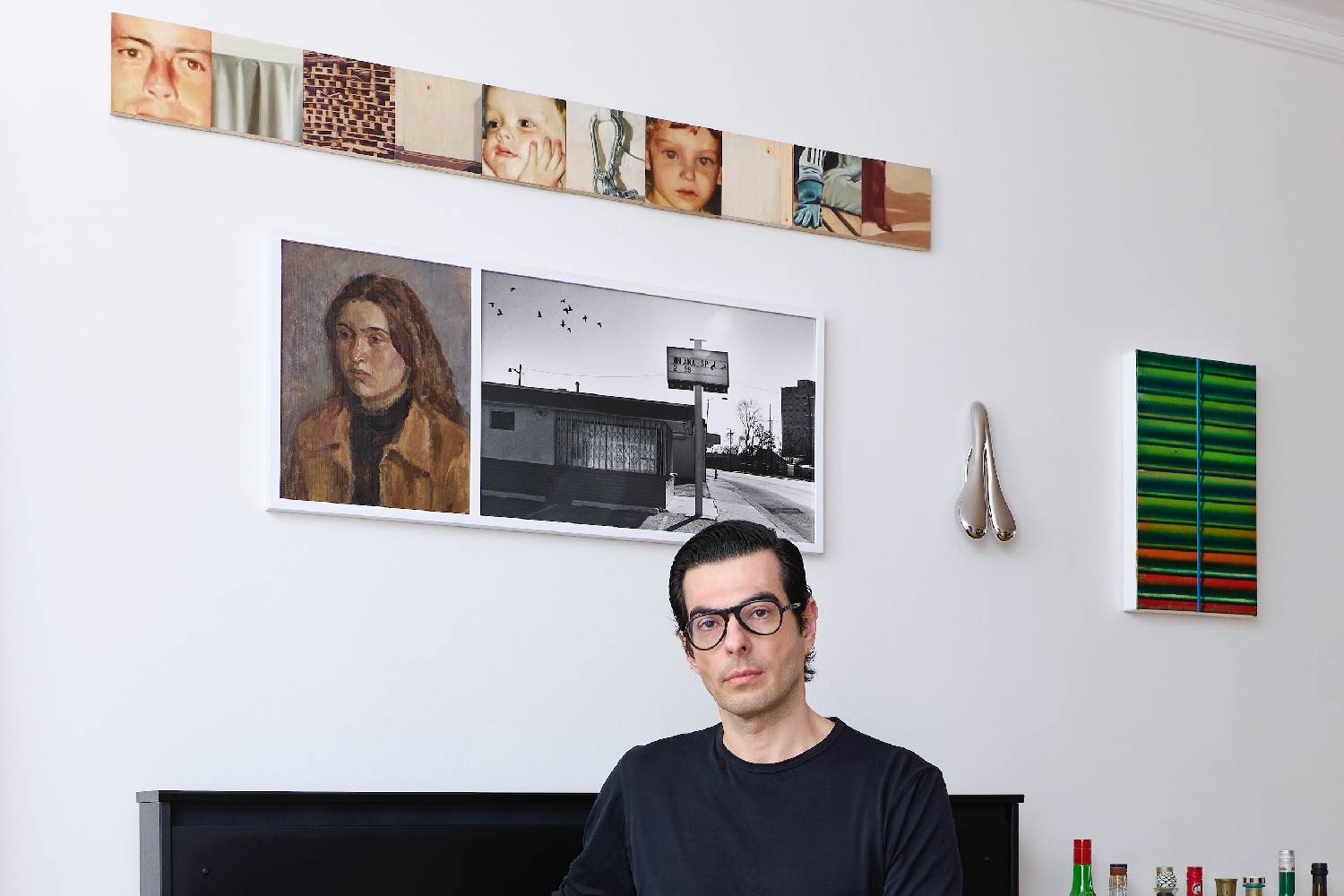
Meet the Psychologist Who Reads People Through the Art They Live With

Dr. Dimitrios Tsivrikos, an academic psychologist at University College London, describes how he reads people's personalities and emotional states through the art they choose to display in their homes. In an interview with Artsy, he explains that the visual and emotional enrichment of one's environment—whether through expensive artworks or simple posters—reveals deeper psychological insights about the individual.

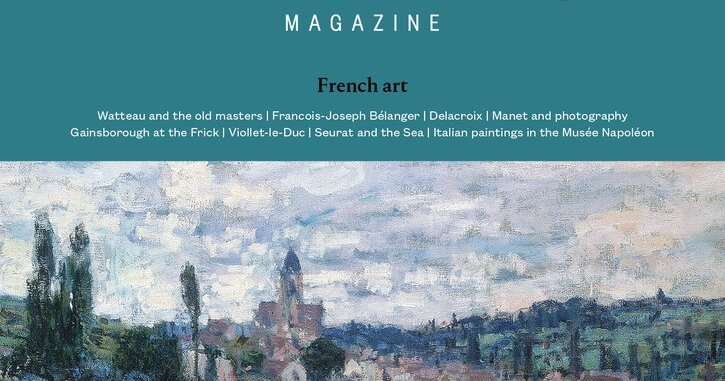
The Burlington Magazine - n°1478 vol CLXVIII - May 2026

The May 2026 issue of The Burlington Magazine (n°1478, vol. CLXVIII) presents a rich array of scholarly articles, exhibition reviews, and book reviews covering European art from the medieval period to the 20th century. Highlights include Laure Boyer's study of two photographs of Victorine Meurent linked to Manet's 'Le Déjeuner sur l'herbe' and 'Olympia', Axel Moulinier's analysis of Watteau's copies after old masters, and Richard Thomson's essay on a century of Monet in print. Exhibition reviews cover shows on Monet's Étretat coast, Orazio Gentileschi, Cornelius Jonson van Ceulen, Gainsborough, Seurat, Italian Symbolism, and Iliazd. Book reviews range from medieval art and Pietro Bellotti to Helene Schjerfbeck, Roberto Matta, and contemporary jewelry at the Dallas Museum of Art.

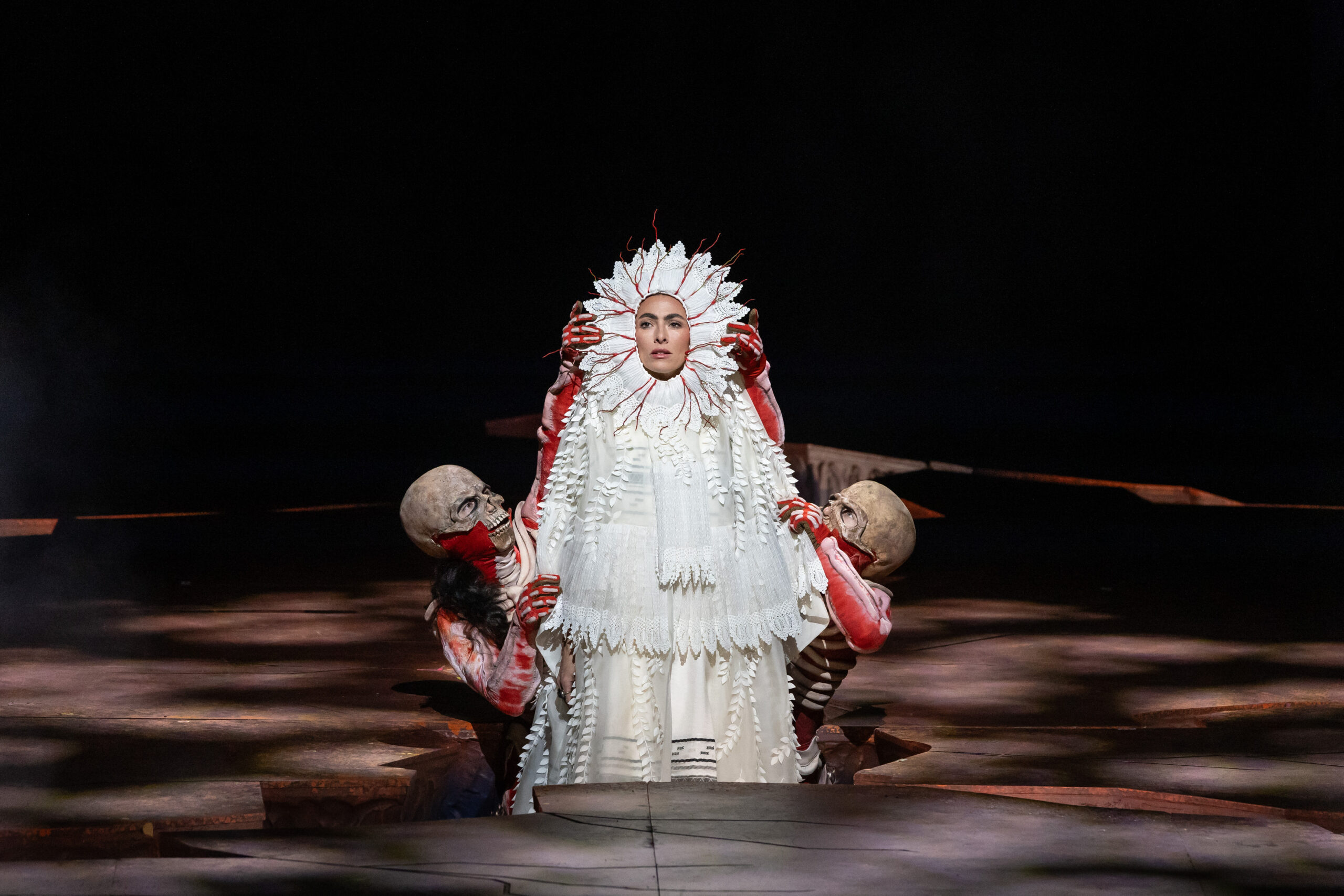
Why Did the Met Opera Decide to Exhume Frida Kahlo and Diego Rivera’s Marital Strife?

The Metropolitan Opera has staged Gabriela Lena Frank's first opera, *El Último Sueño de Frida y Diego*, which imagines a supernatural reunion between Frida Kahlo and Diego Rivera on Día de los Muertos. The production, conducted by Yannick Nézet-Séguin and starring Isabel Leonard and Carlos Álvarez, uses magical realism to explore the couple's turbulent relationship, though it largely sidelines their Communist activism and Kahlo's queer affairs in favor of a simplified reconciliation narrative.

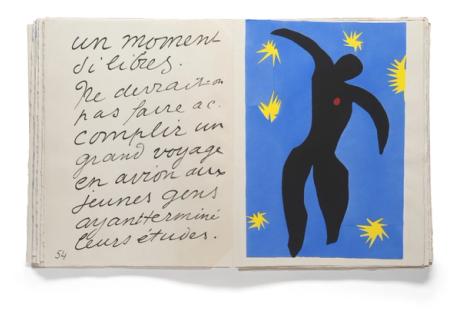
May Book Bag: from a guide on entering the art world to a publication about artists influenced by Ovid’s Metamorphoses

The May Book Bag article from The Art Newspaper reviews four new art-related publications. It covers "Metamorphoses: Ovid and the Arts," edited by Francesca Cappelletti and Frits Scholten, which examines Ovid's influence on Western art through works by artists like Titian, Caravaggio, and Louise Bourgeois. Other featured books include Hettie Judah's "How to Enter the Art World," a practical guide for emerging artists; "Derrick Adams: Prints," showcasing the artist's printmaking from 2019-2025; and "Whistler's Legacy" by Daniel Sutherland, which explores the legacy of James Abbott McNeill Whistler through his close associates.

The Artists Who Put Their Bodies Into the Work

This article from Google News, dated May 3, 2026, profiles a selection of artists who have used their own bodies as central elements in their work. It draws a connection to the Metropolitan Museum of Art's spring Costume Institute exhibition, "Costume Art," which places fashion in dialogue with other artworks. The roundup includes Marina Abramović, known for her 2010 MoMA performance "The Artist Is Present"; Chris Burden, who staged dangerous works like "Shoot" (1971); David Hammons, creator of the "Body Prints" series; Frida Kahlo, whose painting "The Broken Column" (1944) depicts her own physical pain; Ana Mendieta, whose "Silueta" series used her figure in the landscape; and Yoko Ono, a conceptual artist with a significant body-based practice.

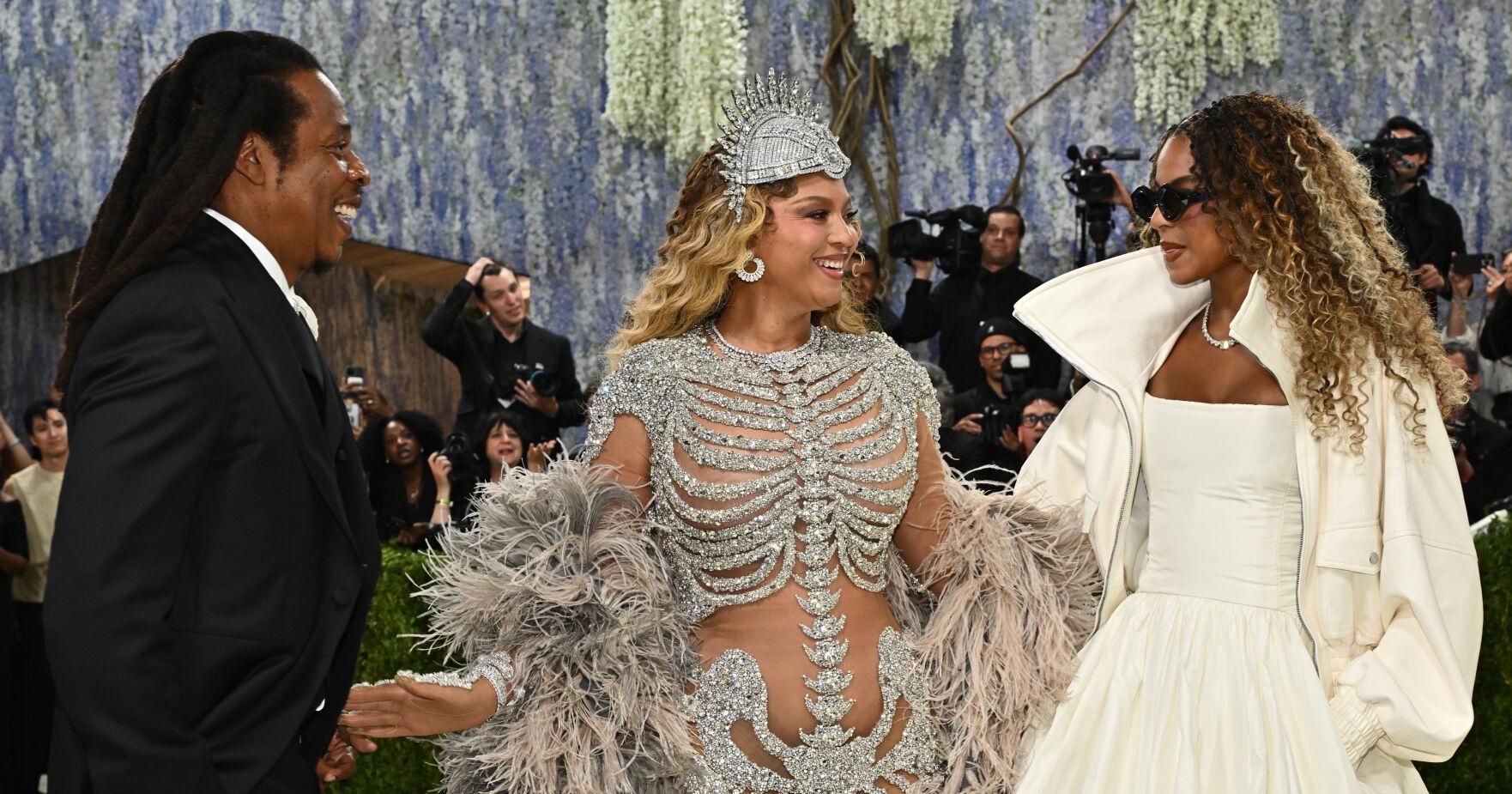
Was Beyoncé's Met Gala gown inspired by a Louisiana artist and her Creole heritage?

Beyoncé attended the 2026 Met Gala in a translucent gown by Olivier Rousteing, adorned with a bejeweled skeleton motif. Online sources suggest the design was inspired by 'Visitor,' a 1944 lithograph by Louisiana artist Caroline Durieux, who was a professor at Tulane University and LSU. The artwork, held by the LSU Museum of Art, depicts a skeleton in a translucent frock, echoing the gown's aesthetic. Art collector Jeremy K. Simien noted Durieux's influence and the potential value boost to the print from the Beyoncé connection.

Einatmen – Ausatmen

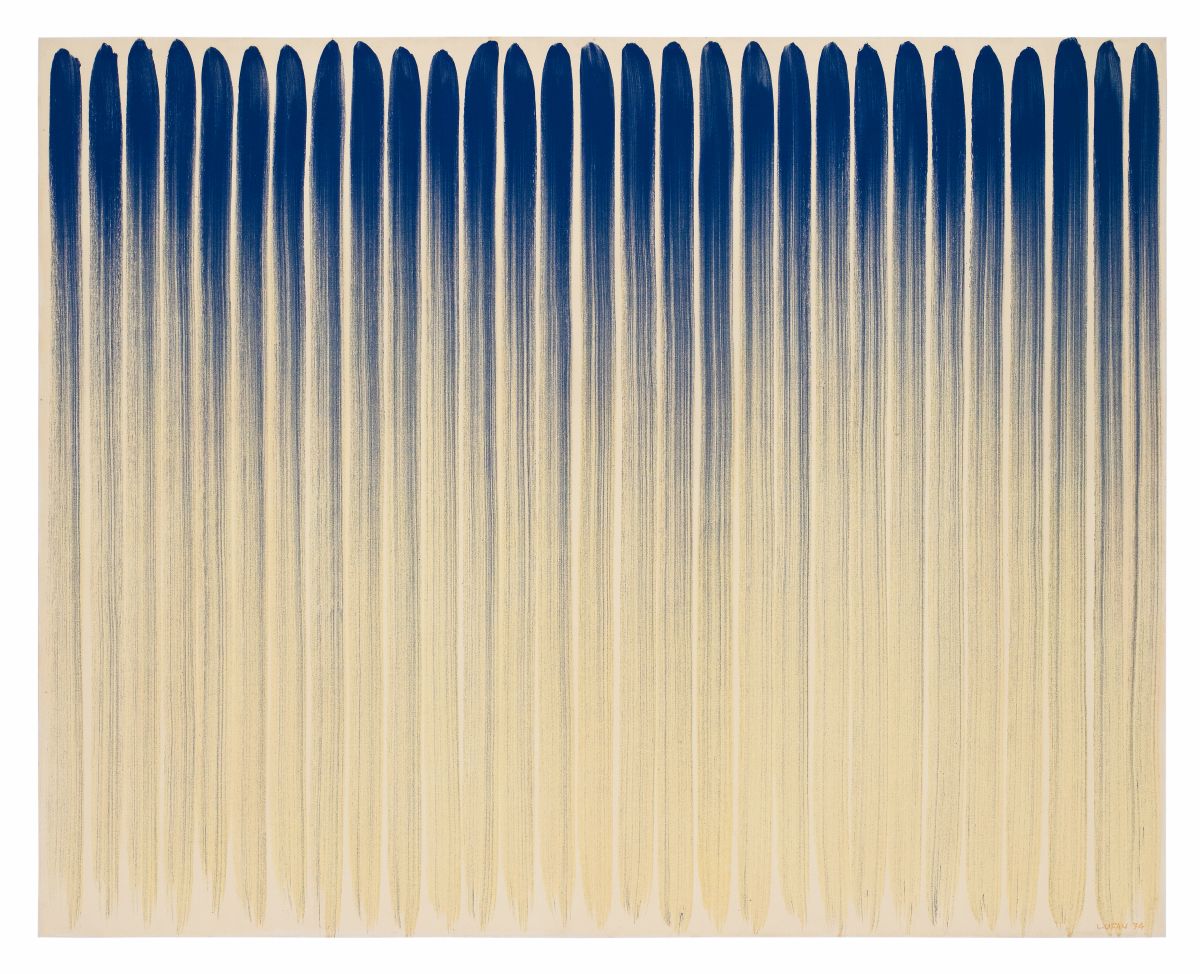
Lee Ufan, the renowned Korean artist known for his meditative single brushstroke paintings, is the subject of a feature article in Monopol. The piece visits his home in Kamakura, Japan, where he lives and works in a simple wooden cube house, reflecting the minimalist philosophy that defines his art. The article explores how Lee finds the entire universe in a single brushstroke, and how the art world is increasingly captivated by his serene, contemplative works.

Arts and cultural engagement ‘linked to slower pace of biological ageing’

A new study published in the journal *Innovation in Aging* finds that engaging in arts and cultural activities—such as singing, painting, visiting museums or galleries—is linked to a slower pace of biological ageing. Researchers from University College London analyzed blood test and survey data from 3,556 adults in the UK Household Longitudinal Study, using epigenetic clocks to measure biological ageing. Those who participated in arts activities at least weekly showed a 4% slower ageing process, while monthly engagement yielded a 3% slowdown. The effect was comparable to the difference between smokers and those who quit smoking.

'A work of conceptual art': Belmond launches new Art Deco-inspired train dining car

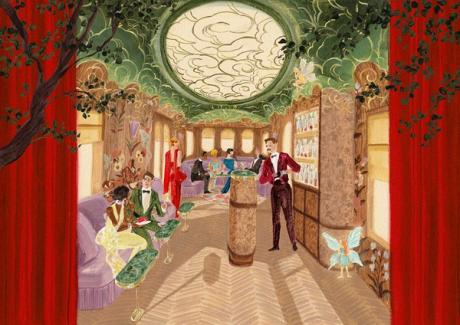
On 15 May, Belmond's British Pullman will debut a new private dining car named Celia, originally built in 1932. The carriage's interior has been designed by film director Baz Luhrmann and his wife, production designer Catherine Martin, who created an Art Deco-inspired aesthetic featuring burl veneers, marquetry, stained glass, and their signature rich red. The couple invented a backstory for the car's namesake, a fictional 1930s Shakespearean actress, aiming to immerse guests in a narrative experience reminiscent of A Midsummer Night's Dream. This follows Belmond's previous collaborations with Wes Anderson and artist JR, as part of its strategy under LVMH ownership to commission high-profile creative figures for its heritage trains.

In new play, Norval Morrisseau forgery scandal prompts questions about authenticity and Indigenous identity

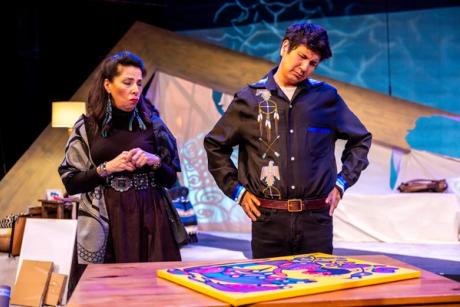
A new play by Ojibway playwright Drew Hayden Taylor, *The Undeniable Accusations of Red Cadmium Light*, dramatizes the massive Norval Morrisseau art forgery scandal in Canada. The story follows an Indigenous art expert named Nazhi, her adopted daughter Beverly, and a journalist whose investigation into Morrisseau forgeries unravels Nazhi’s own identity and status. The play uses Morrisseau’s iconic imagery and the forensic analysis of paint colors to explore the blurred lines between authentic and fake, both in art and in personal identity. It concluded its run at Vancouver’s Firehall Arts Centre on 3 May.

This Family Made Gin on Zoom During Covid. Here’s How It Became an Art World Staple.

During the pandemic, the Mordant family—Simon, Catriona, Brielle, and Angus—began making gin from wild juniper on their Umbria property, splitting operations between Italy, London, and upstate New York. After enrolling in a master gin-making course and refining recipes via Zoom, they entered their creation into the World Gin Awards, earning a triple-gold medal with a score of 97 out of 100. Despite initially producing only 502 bottles not intended for sale, global demand prompted them to scale up commercially, leading to Quattro Gatti becoming the official gin of the Venice Biennale.

The Finale Cut: Lucio Fontana e la sua arte al cinema

A new documentary titled "The Final Cut" explores the life and artistic journey of Lucio Fontana, the Italian-Argentine artist famous for his slashed canvases (Concetti Spaziali). Produced by Good Day Films and Nexo Studios, directed by Andrea Bettinetti and narrated by Miriam Leone, the film will screen in Italian cinemas on May 25–27 as part of the "La Grande Arte al Cinema" season. It features archival footage, interviews with artists such as Doug Wheeler, Antony Gormley, Carsten Höller, Alfredo Jaar, Michelangelo Pistoletto, Heinz Mack, and scholars Luca Massimo Barbero and Daniela Alejandra Sbaraglia, highlighting Fontana's revolutionary approach and his first immersive installation, "Ambiente Spaziale a luce nera" (1949).