filter_list Showing 4 results for "The Work" close Clear
search
dashboard All 106 museum exhibitions 66trending_up market 15article local 13article culture 4article news 4rate_review review 2article policy 1gavel restitution 1
date_range Range Today This Week This Month All
Subscribe

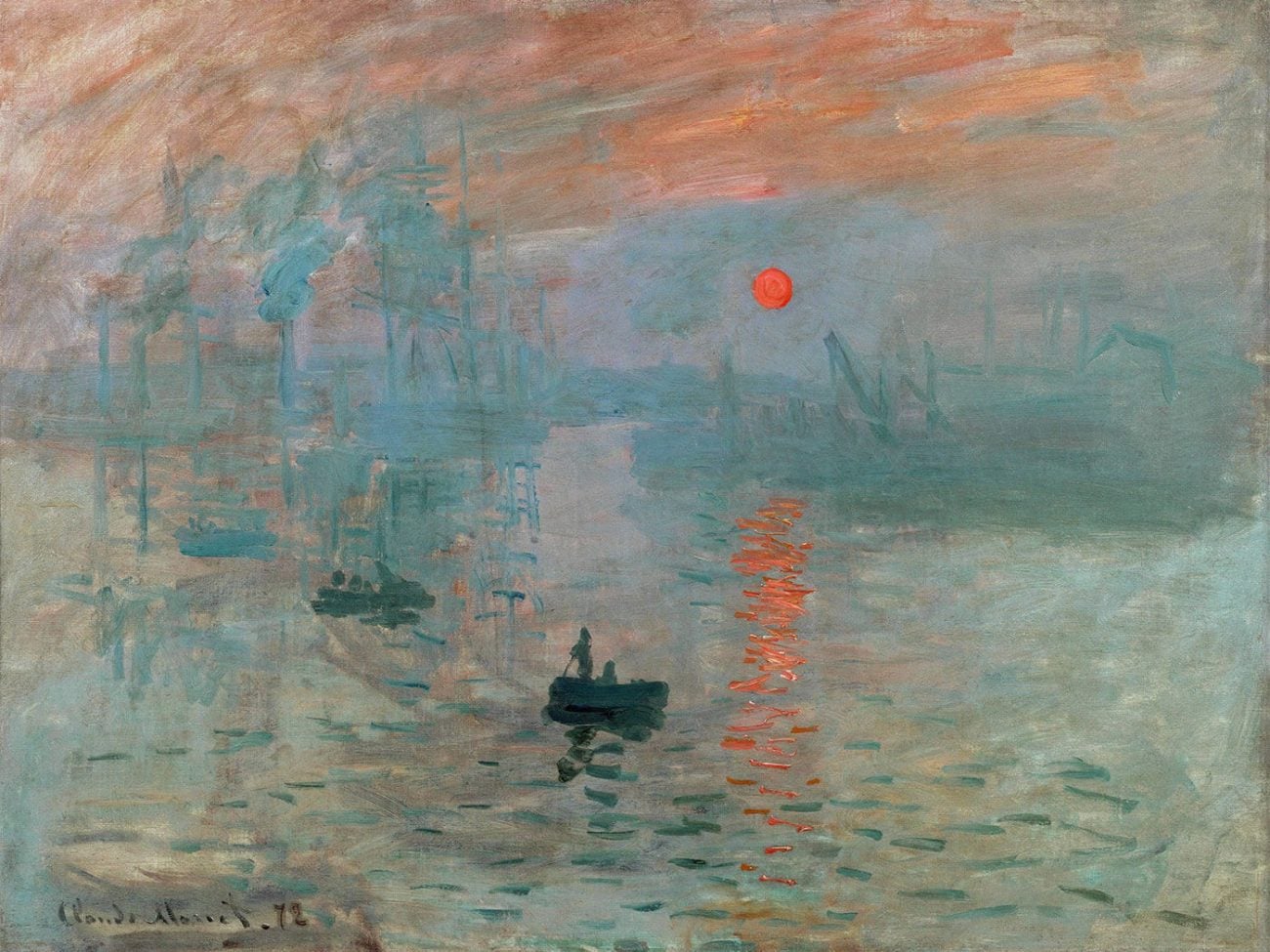
« Impression, soleil levant » de Claude Monet, l’éblouissant manifeste de l’impressionnisme

Claude Monet's "Impression, soleil levant" (Impression, Sunrise), the painting that gave Impressionism its name, is analyzed in detail by Beaux Arts Magazine on the centenary of the artist's death. The article examines the work brushstroke by brushstroke, recounting how Monet painted it from his hotel room in Le Havre, capturing the fleeting effects of light and atmosphere that became the hallmark of the movement.

‘Anger, curiosity and hope’: a planet of protest – in pictures

Matthew Connors' new photo book, *The Axe Will Survive the Master*, compiles 12 years of protest photography from Hong Kong, Cairo, New York, Kyiv, North Korea, and beyond. Published by MACK Books, the work weaves together images from the Occupy movement, the Egyptian revolution, Hong Kong's pro-democracy protests, the war in Ukraine, and other confrontations with authoritarian power, dissolving geographic boundaries into a single sequence drawn from an archive of 200,000 images.

Why We Need Corporate Art Collections

The article traces the history and significance of corporate art collections, beginning with Deutsche Bank's acquisition of 57 early drawings by Joseph Beuys in the late 1970s, which led to the formal launch of its collection in 1980. Today, the Deutsche Bank Collection comprises over 57,000 objects displayed in 500 locations across 40 countries, and the bank sponsors events like the Frieze Art Fair. The piece also highlights the role of American banker David Rockefeller, who inaugurated Chase Manhattan Bank's Art at Work program in 1959, and notes that corporate collecting has deep roots in Renaissance banking, with institutions like Banca Monte dei Paschi di Siena commissioning art for their offices.

Man Can’t Tell if Friend’s Art Show Surrealist or Bad

Local man Brian Jacobs attends a friend's high-profile surrealist art show in New York but cannot determine whether the works are genuinely surrealist or simply poorly executed. He describes a painting of a five-eyed fisherman holding a melting bowling ball as looking like it was painted by a first grader. The artist, Gavin McCloud, interprets Jacobs's bewildered reactions as impressed awe and plans to gift him the melting bowling ball painting. Gallery owner Christine Morgan admits she sometimes hosts derivative work from donors' children in exchange for large checks, and advises artists to claim ambiguity as the real art if questioned.