filter_list Showing 48 results for "UAL" close Clear
search
dashboard All 509 museum exhibitions 286article local 90article culture 48article news 29trending_up market 19article policy 11person people 9rate_review review 8candle obituary 7gavel restitution 2
date_range Range Today This Week This Month All
Subscribe

The 21st Century’s Biggest Art Trend is Not a Style. But Once You See It, You’ll Notice It Everywhere.

The article traces the evolution of "systems art," a term coined by critic Jack Burnham in 1968 to describe art that uses rules, seriality, and repetition to mirror and reveal the growing protocols of the Cold War era. It highlights early practitioners like Kenneth Noland, Robert Morris, Dan Flavin, and notably Hans Haacke and Adrian Piper, who shifted from atmospheric systems (e.g., Haacke's *Condensation Cube*) to social systems (e.g., Haacke's *Shapolsky et al. Manhattan Real Estate Holdings*). The piece argues that systems thinking has become unavoidable in contemporary life—from algorithms to systemic racism—and that art remains a crucial tool for making these invisible systems legible.
No Attitude, Nowhere: Conviction, Zero Meaning

Keine Haltung, nirgends Gesinnung, null Bedeutung

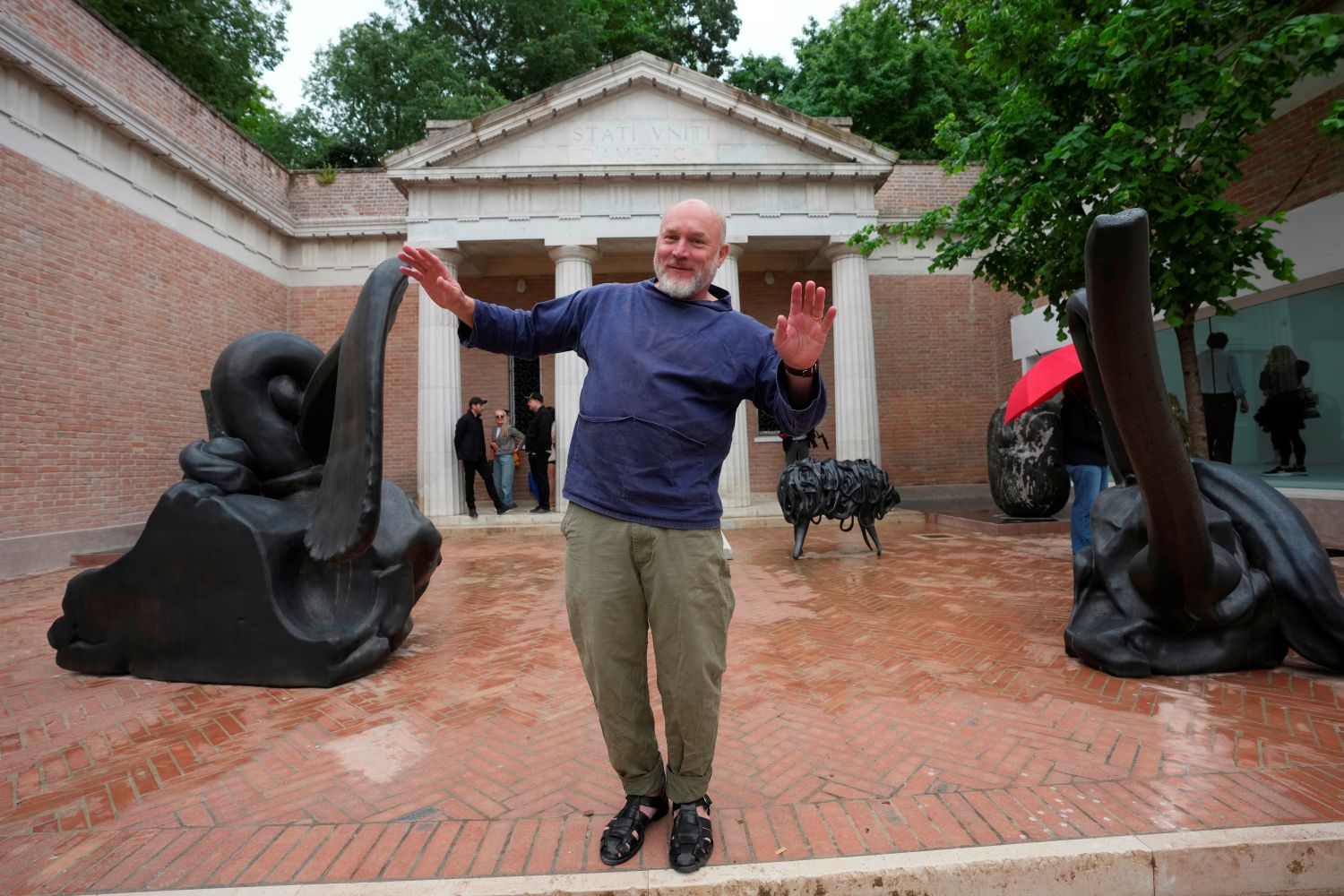
The article critiques the current state of the art world and broader culture, arguing that right-wing calls for depoliticized art are intensifying while the progressive art establishment silently tolerates a culture war that restricts free expression. It uses the 2025 Met Gala as a prime example, describing the event as a heartless display of wealth and power aligned with Trump-era capitalism, where celebrities and artists perform progressive values while participating in a spectacle sponsored by anti-union figures like Jeff Bezos. The author draws on Hannah Arendt's ethics lectures to suggest that moral norms have collapsed overnight, and that the commercial art world now legitimizes anti-democratic tendencies through its silence.

10 Artists to Follow if You Like Iris van Herpen

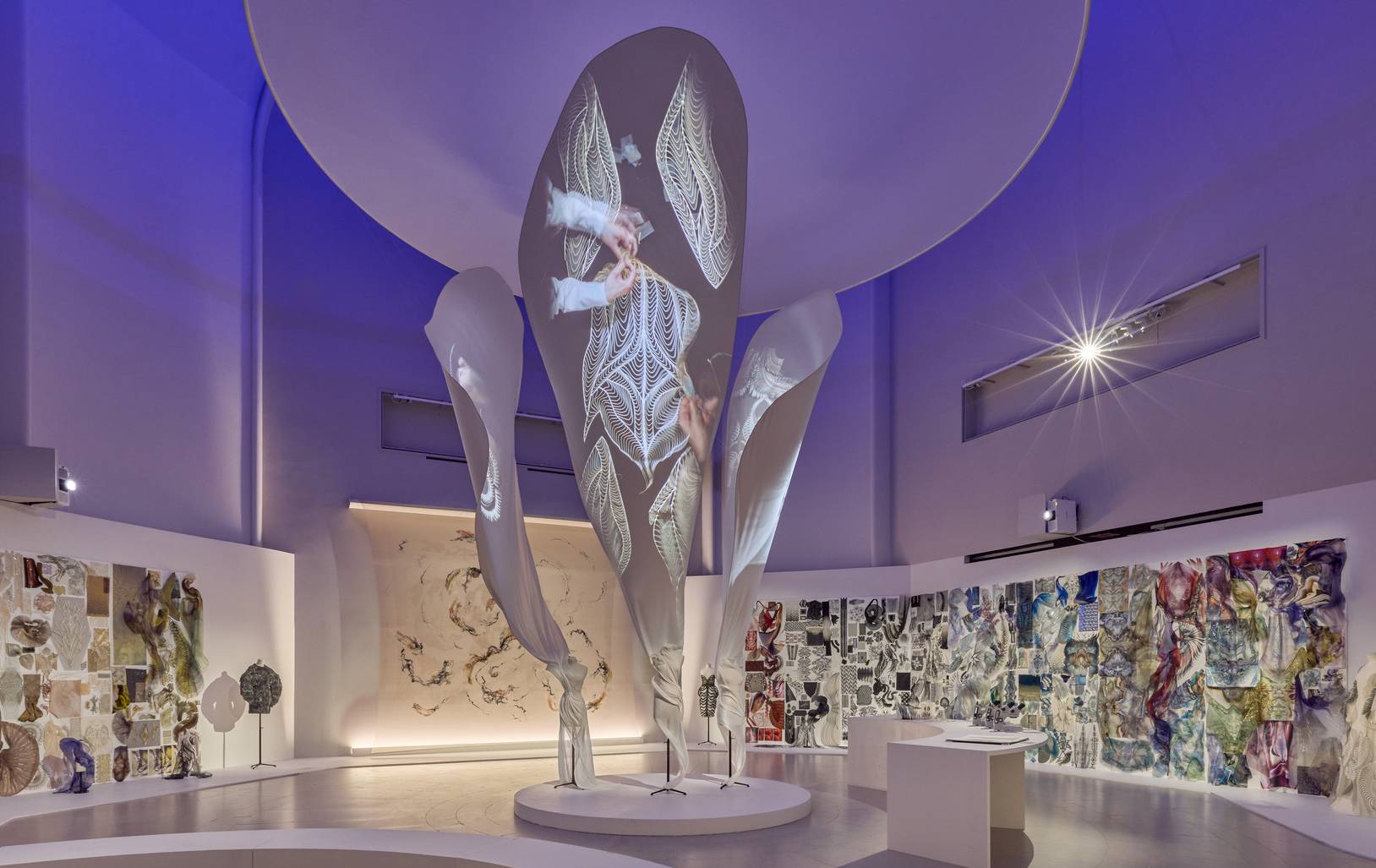
Artsy Editorial profiles 10 contemporary artists whose work aligns with the visionary, technology-driven approach of fashion designer Iris van Herpen. The article highlights van Herpen's career milestones, including her 2011 invitation to join the Chambre Syndicale de la Haute Couture, and her ongoing fusion of traditional craftsmanship with cutting-edge technology to create wearable art. It then presents a curated list of artists who similarly explore themes of organic form, digital fabrication, and the intersection of art and fashion.

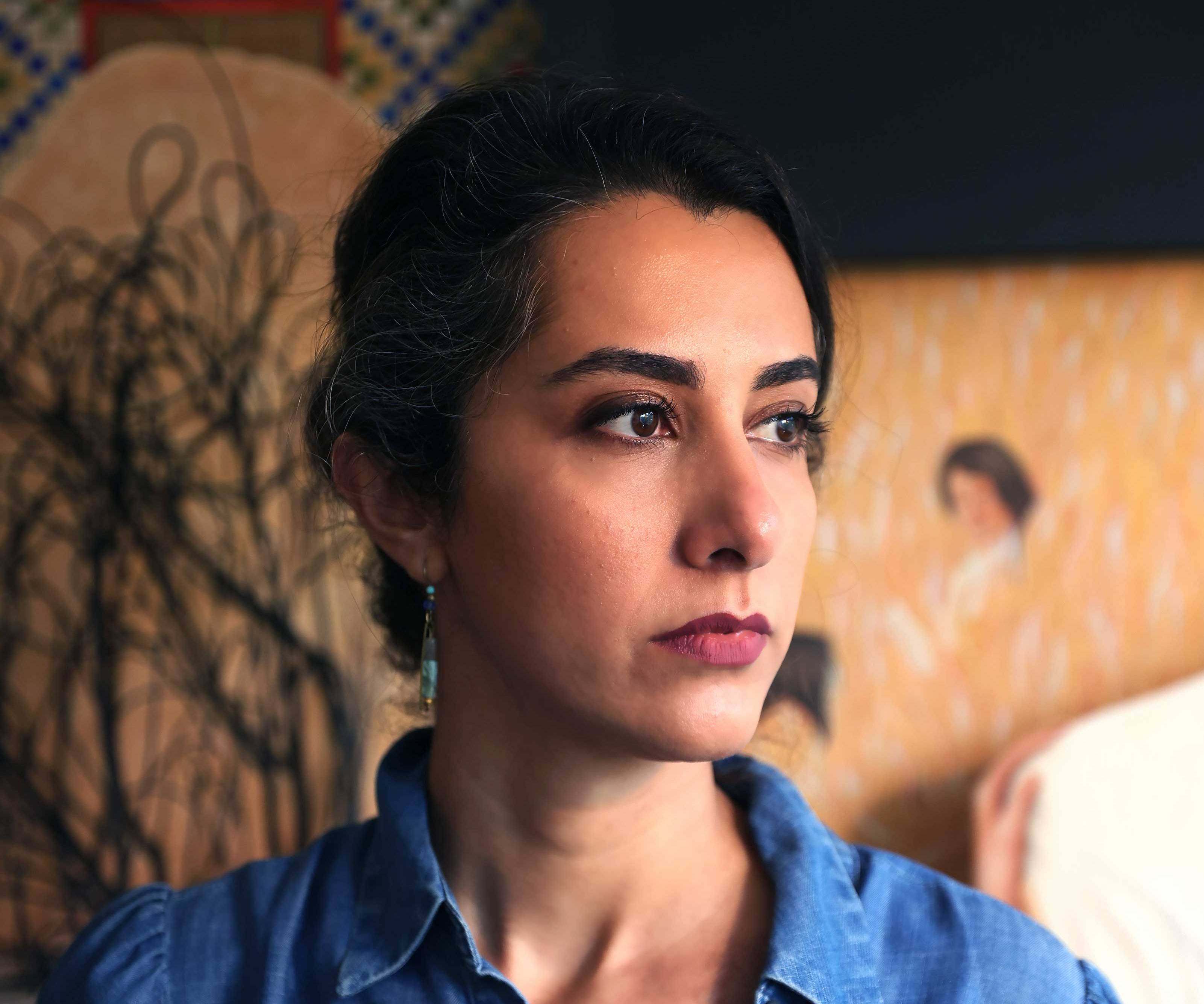
Arghavan Khosravi’s Intricate Paintings Find Hope amid Oppression

Arghavan Khosravi creates intricate, surreal three-dimensional paintings that blend sculptural elements with painted canvases, featuring hidden details such as creased book spines, concealed female figures, and glowing bullets. In an interview at her Connecticut studio, she explains her preference for works that reveal themselves gradually over time, rather than shouting for attention.

From high BMI to the ‘GLP-1 look’: how weight-loss jabs are changing the face of beauty

Researchers and art historians are examining how weight-loss drugs like Wegovy and Mounjaro are reshaping ideals of beauty in art. Prof. Rosalind Gill and Dr. Michael Yafi argue that the rapid fat loss caused by GLP-1 medications produces a distinctive gaunt facial appearance—dubbed 'GLP-1 face'—which could become a new aesthetic standard reflected in contemporary art, similar to 'heroin chic' in the 1990s. Yafi presented his findings at the European Congress on Obesity, noting that while artists like Fernando Botero continue to celebrate fuller figures, future artworks may increasingly depict thin individuals with hollowed features.

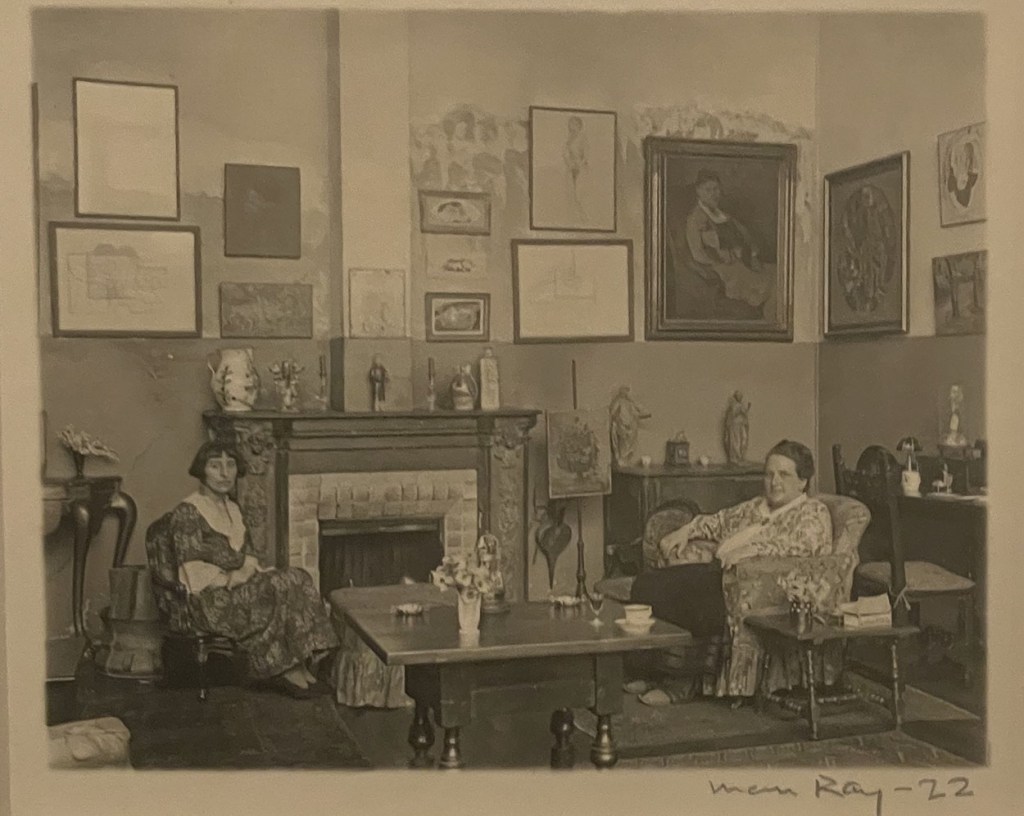
Two of Modernism’s Lesbian Icons Get the Novel Treatment

Deborah Levy's novel "My Year in Paris with Gertrude Stein" follows an unnamed narrator who travels to Paris to write an essay about Gertrude Stein, struggling with the weight of Stein's legacy while visiting her grave at Père Lachaise cemetery. The book explores Stein's life as a modernist icon, her relationship with Alice B. Toklas, and her role as a host to figures like Pablo Picasso and Ernest Hemingway, while the narrator grapples with Stein's defiant personality and literary style.

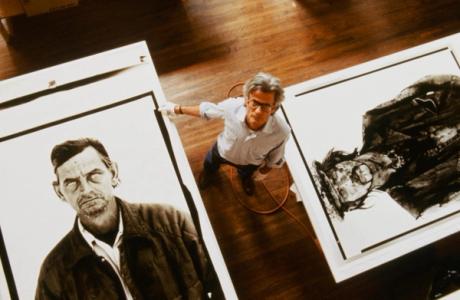
New Richard Avedon documentary chronicles how he shaped the evolution of photography

Imagine Documentaries, the nonfiction arm of Ron Howard and Brian Grazer's Imagine Entertainment, premiered a new documentary about photographer Richard Avedon at the Cannes Film Festival on May 17. The film, co-produced by the Richard Avedon Foundation, draws heavily from archival interviews conducted by Helen Whitney for the PBS series *American Masters*, supplemented by new interviews with Avedon's son John, muse Lauren Hutton, Isabella Rossellini, Twyla Tharp, and former *New Yorker* colleagues Tina Brown and John Lahr. The documentary explores Avedon's career, his technique of building rapport with subjects, and his iconic images such as *Dovima with Elephants*, which dealer Larry Gagosian notes sold for $2 million.

Let’s dress like a Mark Rothko! How gen Z fell for the king of colour field paintings

Mark Rothko, the abstract expressionist known for his color field paintings, is experiencing a cultural resurgence among Generation Z on social media platforms like TikTok and Instagram. Videos inspired by his work amass hundreds of thousands of views, with creators styling outfits based on his canvases, assigning his paintings to personality archetypes, and comparing his palettes to dream pop bands like the Cocteau Twins. The Rothko Chapel in Houston, Texas, has also seen a wave of curious young visitors drawn to the meditative, confrontational experience of his art.

After dinosaurs, it’s spot the dog! But can a child really learn anything in a gallery?

Neil Osborne and his three-year-old daughter Daisy visit the National Museum Cardiff (NMC), where they explore both dinosaur exhibits and art galleries. Daisy, like many toddlers, engages with paintings by describing what she sees—calling a JMW Turner seascape "a fish." The article follows the author as she investigates whether children under five can learn from art in museums, speaking with parents and Catrin Rowlands, head of learning at NMC. NMC is one of 15 UK museums participating in Mini Wonders, a fully funded program by Art Fund and Nesta that offers eight-week courses for families from disadvantaged backgrounds, providing digital cameras and scrapbooks to encourage repeated museum visits and school readiness.

ArtReview Podcast | Episode 7: Zineb Sedira

The ArtReview Podcast episode 7 features artist and photographer Zineb Sedira in conversation with digital editor Alexander Leissle. Sedira discusses Algerian cinema, the Scopitone, and her new Tate Britain Commission titled "When Words Fall Silent, Cinema Speaks," a site-specific installation in the Duveen Galleries open until January 2027. The episode explores three works chosen by Sedira, including Agnès Varda's "Salut les Cubains" (1963) and William Klein's "The Pan-African Festival of Algiers" (1969), as lenses into her practice and themes of displacement, identity, and cinema as a tool of resistance.

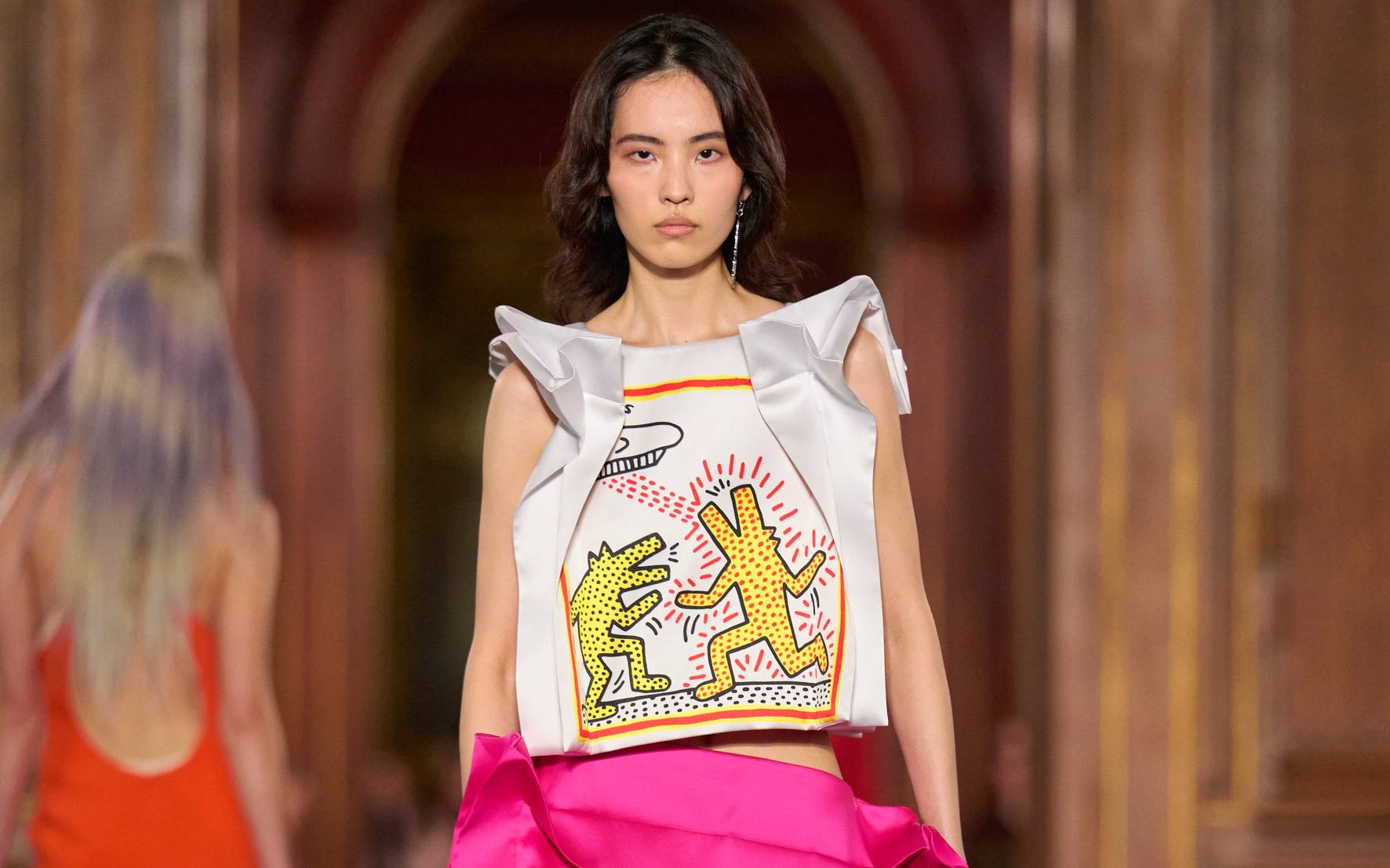
Keith Haring and Louis Vuitton collaboration launches at the Frick Collection.

Louis Vuitton debuted its Cruise 2027 collection at the Frick Collection in New York, drawing heavy inspiration from artist Keith Haring. The collection was sparked by a leather Louis Vuitton suitcase that Haring embellished in 1984, which the house acquired in 2020. Haring’s signature motifs appeared throughout the runway show, which also referenced the gritty energy of New York City’s 1980s downtown art scene.

12 Art Books to Kick Off Summer

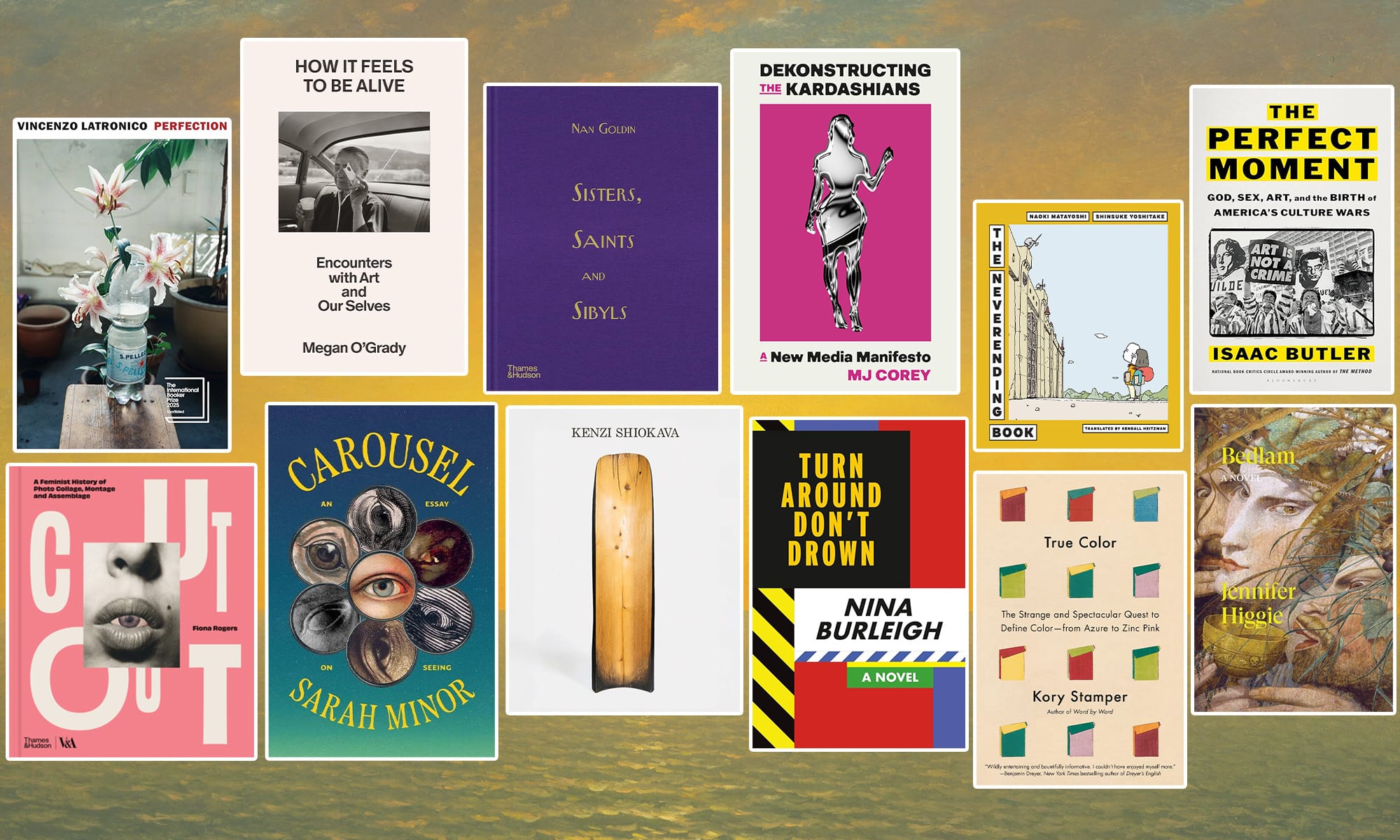
Hyperallergic's Lakshmi Rivera Amin presents a curated list of 12 art books for summer reading, including a novel lampooning the art world, Megan O'Grady's meditation on art and living, Kory Stamper's exploration of color lexicography, Nan Goldin's reissued photo essay, and Jennifer Higgie's prose poetry novel. The roundup also features Vincenzo Latronico's 'Perfection,' Nina Burleigh's satirical 'Turn Around, Don’t Drown,' and a graphic novel by Naoki Matayoshi and Shinsuke Yoshitake, among others.

Global Art Biennials: Renovation, Revelation—or Repetition?

The article examines the current state of global art biennials, arguing that recent controversies—such as the 2022 documenta antisemitism crisis and geopolitical tensions at the 61st Venice Biennale—reveal these exhibitions as deeply politicized platforms rather than neutral cultural events. It highlights how juries and curators have introduced geopolitical criteria, and cites ongoing debates in Artforum (April 2026) featuring voices like Daniel Birnbaum, Michelle Grabner, and Adam Szymczyk, who diagnose visible tensions but overlook deeper structural conditions.

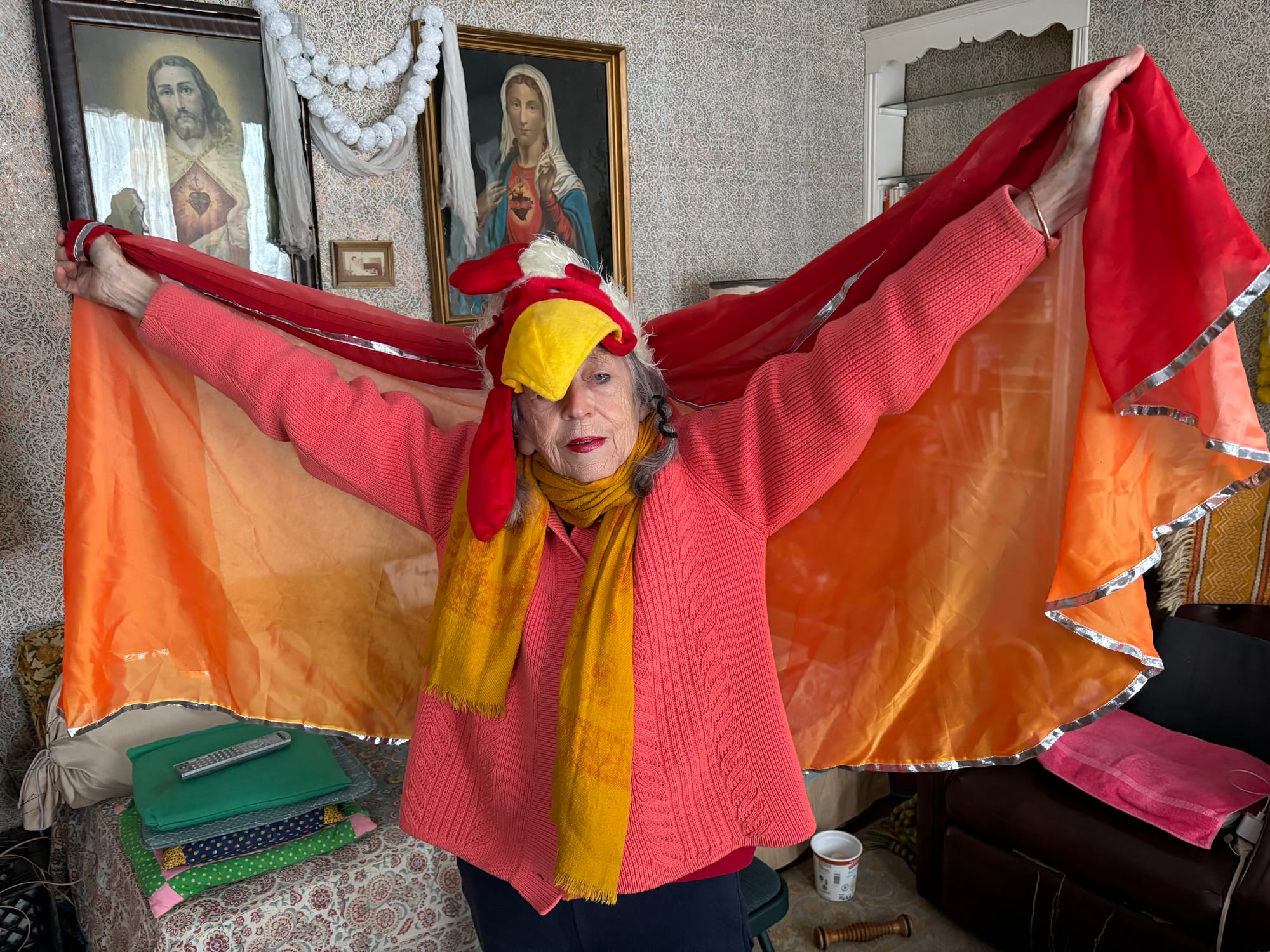
The Divine Powers of “Chicken Linda”

Performance artist Linda Mary Montano, now in her 80s, invited writer Taliesin Thomas into her home in Saugerties, New York, which functions as a living shrine filled with altars, experimental sculptures, and religious iconography. Montano, who calls herself “Chicken Linda” to connect with the Holy Spirit, discussed her six-decade career as an endurance performance artist, her Catholic faith, her studies with guru Shri Bhramananda Saraswati, and her influential early years in San Francisco during the First Wave feminist art movement. She also recounted personal tragedies, including the murder of her former husband Mitchell Payne, which led to her video work “Mitchell’s Death,” now in the collections of MoMA and the Museum of Conceptual Art, Los Angeles.

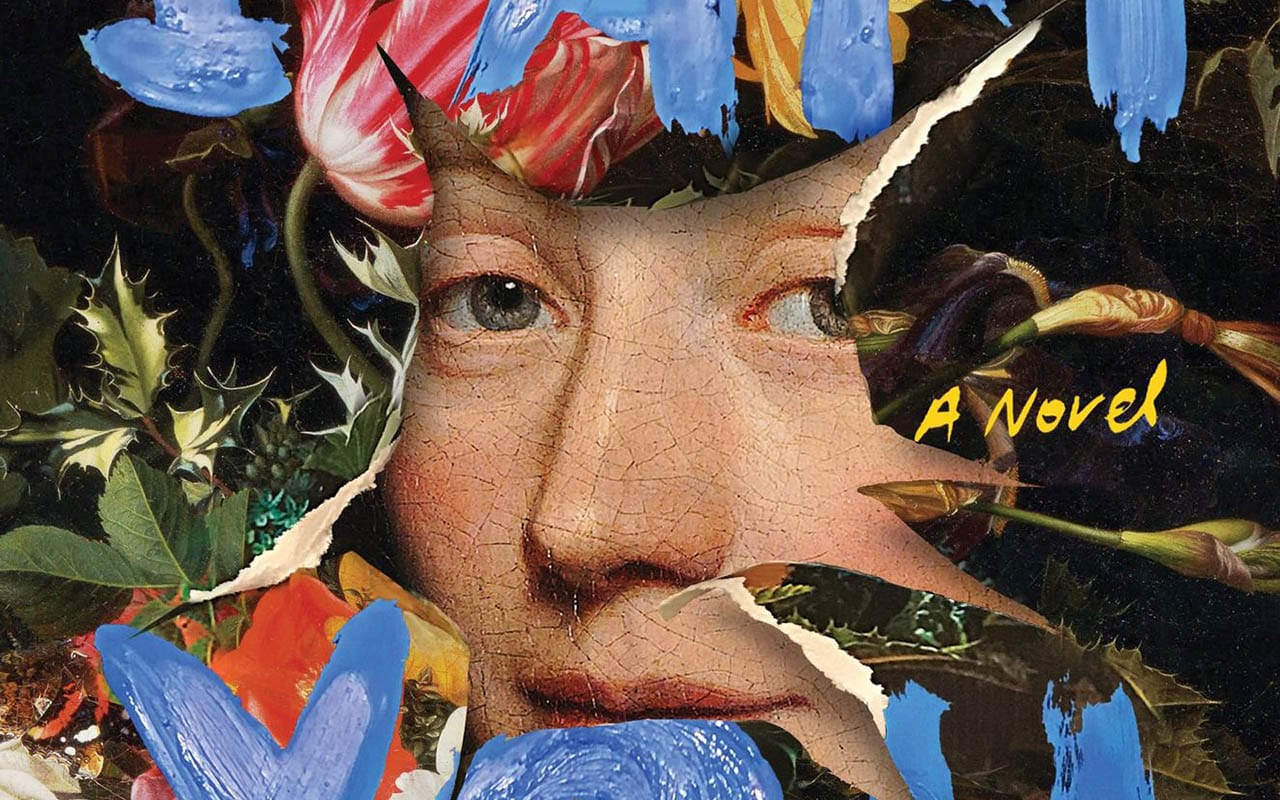
The Painted Book Cover Is Back

The article reports on a growing trend in book cover design: the use of painted, figurative artwork instead of stock photos or digital renderings. Publishers are increasingly licensing paintings by artists from Hilma af Klint to Shannon Cartier Lucy, seeing them as a way to signal cultural authority and intellectual rigor. The trend is discussed through examples like Victoria Redel's *I Am You* (2025) and Kyung-Ran Jo's *Blowfish* (2025), with insights from LiteraryHub Managing Editor Emily Temple and Astra House publisher Benjamin Schrank.

Opinion: In galleries across Canada, too much art is being hidden away

Don LePan, a novelist, book publisher, and painter, argues that public art galleries across Canada are failing to display their permanent collections, using the MacKenzie Art Gallery in Regina as a prime example. During a visit in early March, LePan found that none of the gallery's extensive permanent collection—which includes works by Group of Seven artists, European masters like Picasso and Gauguin, and modernists such as Agnes Martin—was on view. Instead, the entire exhibition space was devoted to three special shows: a photographic and conceptual art exhibition by Plains Cree artist Joi T. Arcand, a selection of works by 2025 Governor General’s Awards in Visual and Media Arts recipients, and an Indigenous art exhibition. LePan praises these exhibits but criticizes the gallery's decision to completely exclude its permanent collection.

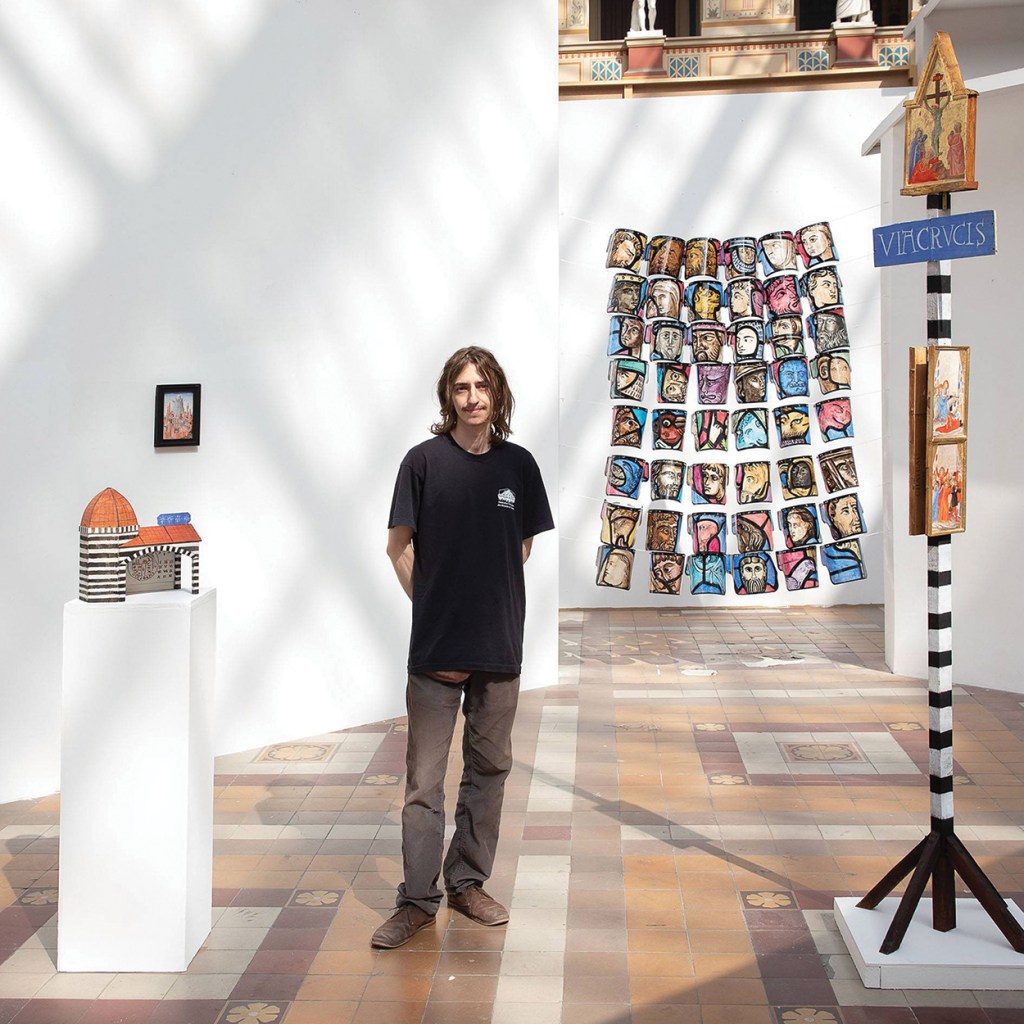
Malo Chapuy Reimagines Medieval Art on the Cover of our New Talent Issue

Malo Chapuy's painting *Virgin with Codex* (2025) appears on the cover of Art in America's new talent issue. In an interview from his Paris studio, Chapuy explains how he reinterprets medieval and early Renaissance Flemish painting by mixing its motifs with contemporary and sci-fi elements, such as gothic cathedral spaceships and QR codes designed to function like medieval manuscripts for future postapocalyptic monks. He describes his process as making "forgeries," using traditional techniques like oil on wood panels, homemade lead white, and self-carved frames to mimic aged Old Master works while addressing themes of ecological collapse, apocalyptic anxiety, and planetary exile.

Shoot and branch: new photography book highlights the enduring majesty of trees

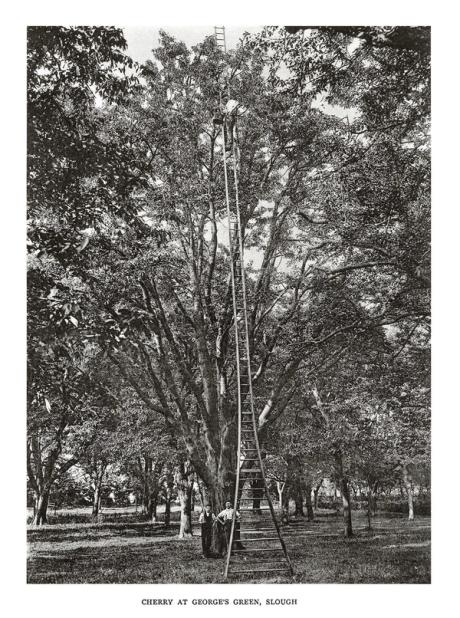
A new photography book, *Trees of Great Britain and Ireland*, reproduces over 60 photographs originally taken between 1906 and 1913 for Henry John Elwes and Augustine Henry's ambitious seven-volume catalogue of tree species. The images, mostly by uncredited photographers, were printed using a collotype process by the Autotype Company and are now newly lithoprinted to preserve their tonal subtlety. The book includes an introduction by Michael Pritchard and notes by photographic historian Björn Andersson, highlighting the historical and aesthetic significance of these botanical photographs.

You can spray that again! New York drenched in colour – in pictures

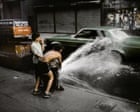
The Guardian published a photo essay featuring Harry Gruyaert's vibrant street photography of New York City, spanning over 50 years. The Belgian Magnum photographer captures the city's energy through bold color and candid moments—children playing in fire hydrants, yellow cabs, neon-lit diners, and diverse neighborhoods. The images are accompanied by text from French filmmaker Cédric Klapisch, who provides fictional vignettes that blur reality and imagination.

Inside the technicolour world of Jack White

Jack White, the musician best known as the frontman of The White Stripes, has begun showing his visual art, which he has been creating since his teenage years. The article offers a glimpse into his vibrant, technicolour artistic practice, marking his debut as a visual artist in the public eye.

‘Just Dudes Hanging Out’: Dustin Yellin and Paul Rudd on Making the Artist’s First Film

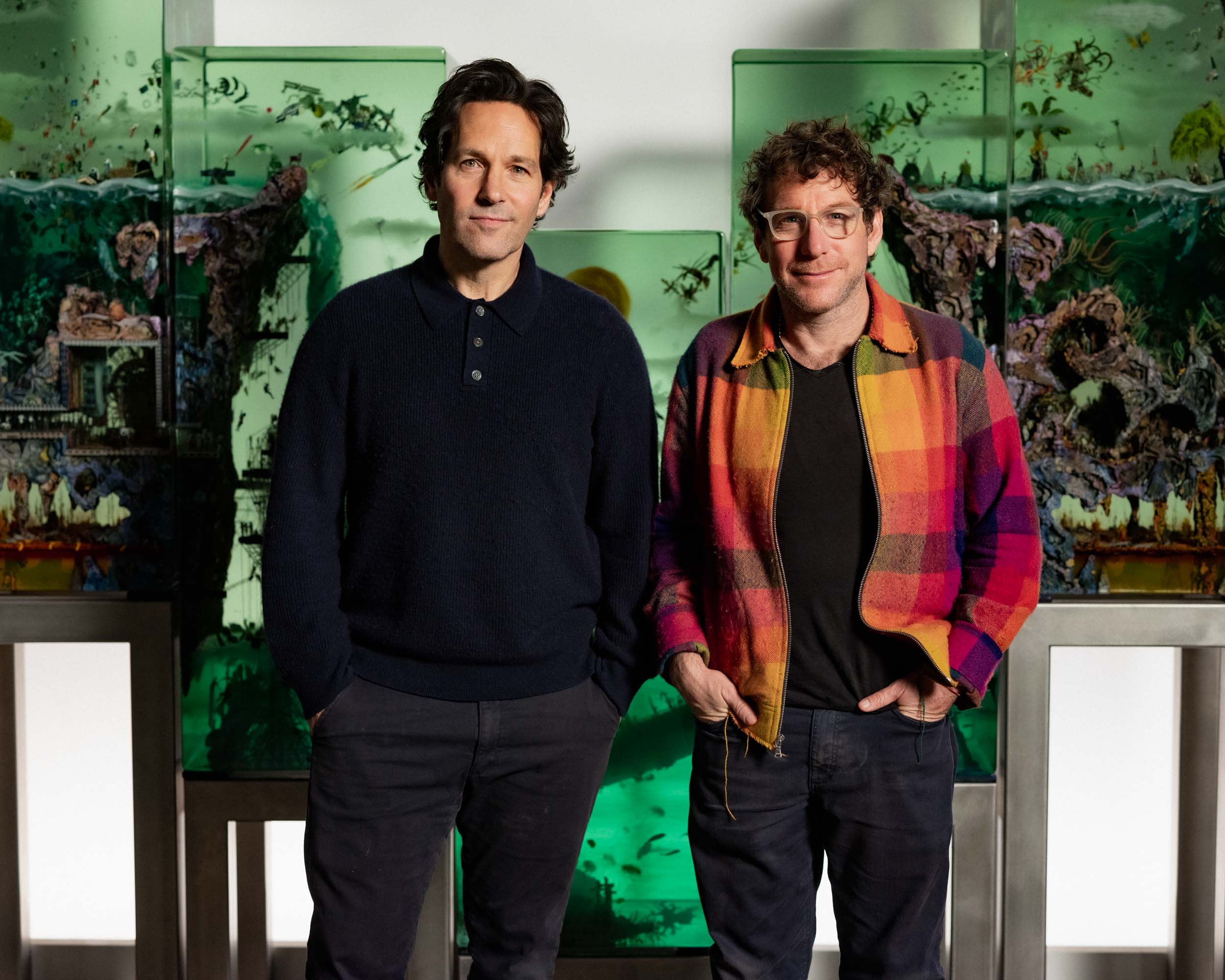
Dustin Yellin, known for his glass sculptures and as founder of Pioneer Works, has made his first film, *Goodnight Lamby*, produced by Darren Aronofsky's A.I.-focused studio Primordial Soup. The short film, a hero's journey to rescue his daughter Zia's favorite stuffed animal, premiered at Cannes. Yellin discusses the project with his friend actor Paul Rudd, who voices the character "Papa," exploring how fatherhood and his existing artistic practice of "frozen cinema" inspired the animation.

Pappi Corsicato's film on photographer Claudio Abate, which recounts the artistic ferment of Rome between the 1960s and 1990s, is now on RaiPlay

È su RaiPlay il film di Pappi Corsicato sul fotografo Claudio Abate che racconta il fermento artistico di Roma tra gli Anni ’60 e ‘90

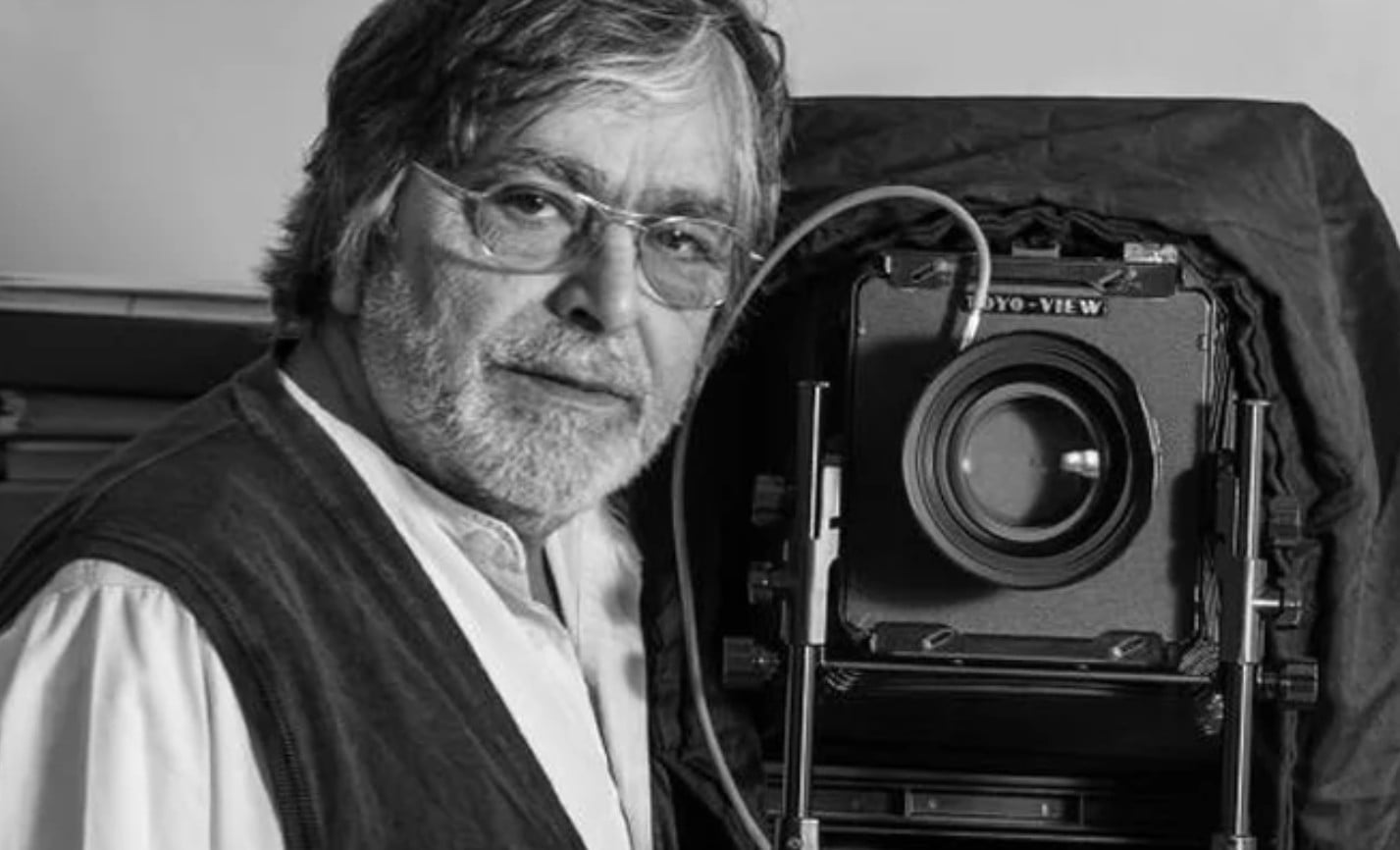
RaiPlay has released a new documentary film by Pappi Corsicato titled "Claudio Abate. L’obiettivo nell’arte" (2026), which pays tribute to the late photographer Claudio Abate (1943–2017). The film weaves together interviews, archival materials, and footage from Istituto Luce to chronicle Abate's life and work, focusing on his role documenting the vibrant Roman art scene from the 1960s through the 1990s. It highlights his collaborations with key figures such as Jannis Kounellis, Michelangelo Pistoletto, Fabio Sargentini, and the artists of the Pastificio Cerere school, capturing seminal performances, happenings, and installations that defined Arte Povera and other avant-garde movements.

In the new film Nagi Notes, art is a vessel for characters’ desires

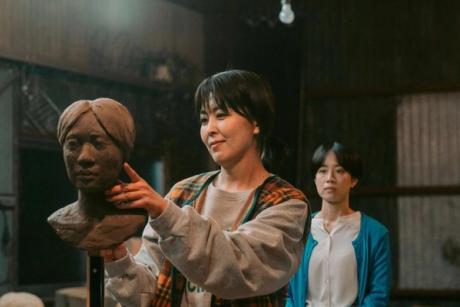
Japanese writer-director Koji Fukada's new film *Nagi Notes* premiered on 13 May at the Cannes Film Festival. The story follows Yuri (Shizuka Ishibashi), who visits the remote town of Nagi to sit for a sculptor friend, Yoriko (Takako Matsu). The film explores how characters use art—from drawings to sculptural busts—as a medium to express unspoken desires, grief, and identity, with key scenes set at the Nagi Museum of Contemporary Art featuring a permanent installation by Arakawa and Madeline Gins.

Grayson Perry’s life story to be told in ‘outrageous’ musical

Grayson Perry’s life story is being adapted into a stage musical titled *Grayson the Musical*, co-created with Richard Thomas, composer of *Jerry Springer: The Opera*. The show follows Perry from his childhood in Chelmsford to his rise as a Turner Prize-winning ceramicist and tapestry-maker, featuring his iconic dresses and his teddy bear Alan Measles. Perry wrote the lyrics, with a book by screenwriter Sara-Ella Ozbek and direction by Sean Foley. A workshop production will run for five performances in July at Soho Theatre Walthamstow, the east London borough where Perry once kept a studio and which inspired his famous work *The Walthamstow Tapestry*.

Japan’s Art Museums and Creative Spaces Offer Travelers a Unique Cultural Journey Across Modern and Traditional Design

Travel And Tour World published an article highlighting Japan's art museums and creative spaces as a unique cultural journey for travelers, blending modern and traditional design. The piece showcases various institutions across Japan, emphasizing their architectural significance and the immersive experiences they offer, from contemporary art galleries to historic venues that reflect the country's rich aesthetic heritage.

Required Reading

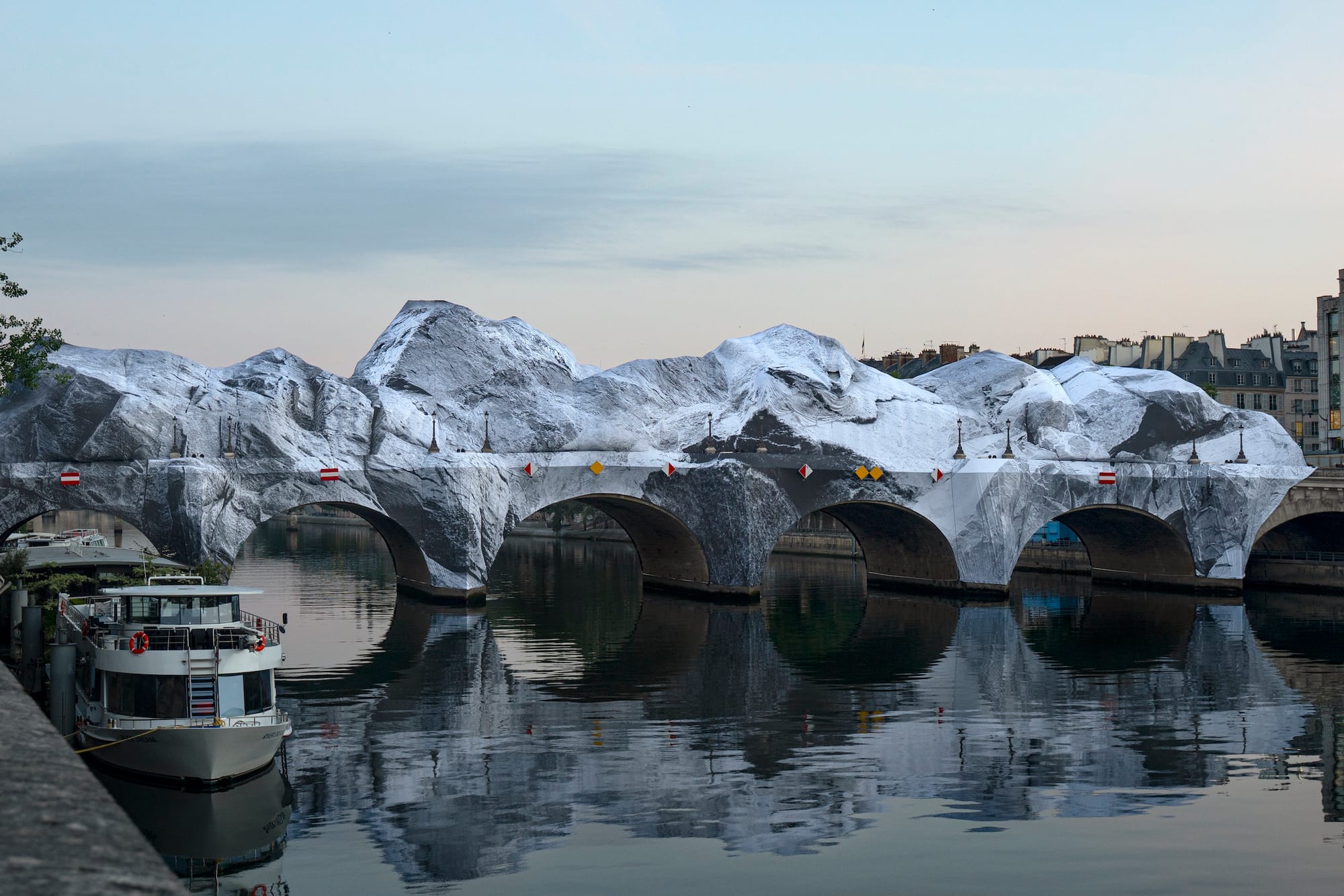
This week's Required Reading roundup from Hyperallergic covers a diverse range of art-world stories. French photographer JR has unveiled "La Caverne du Pont Neuf Paris" (2026), an optical illusion installation that transforms the pathway across the Seine into a black-and-white mountain range cave, paying homage to Christo and Jeanne-Claude's 1985 wrapping of the same bridge. Other highlights include architecture scholar Karrie Jacobs investigating a New York waterfront walking initiative for The Nation, curator Tara Contractor writing in Apollo about James McNeill Whistler's use of metallic pigments influenced by Japanese traditions, and Rob Corsini interviewing Amelia Abraham about their new book celebrating photography of queer nightlife for Dazed.

A Water Lily is a Water Lily is a Water Lily

Eine Seerose ist eine Seerose ist eine Seerose

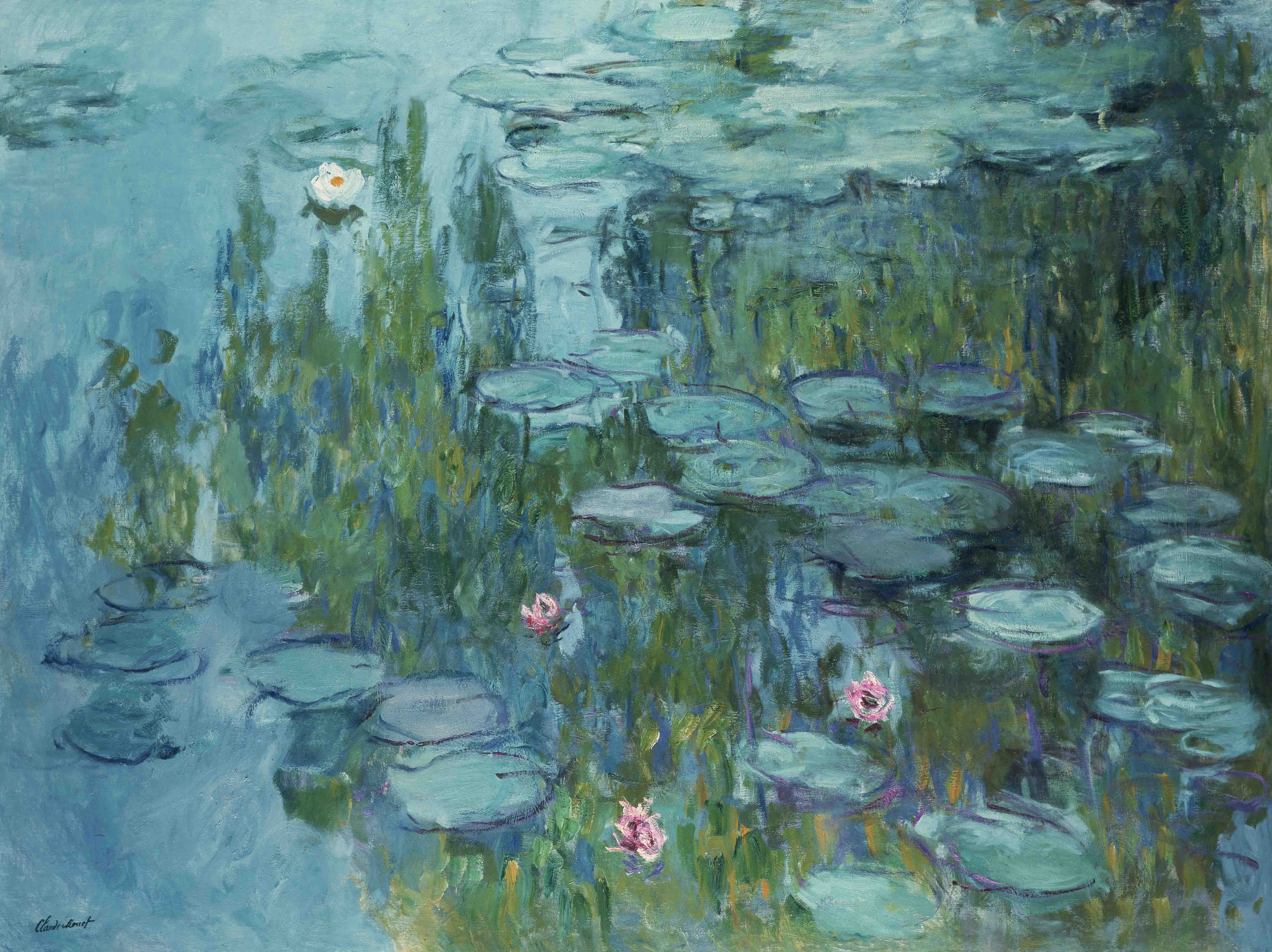
Anonymous internet artist SHL0MS posted an image of a Monet water lily painting on X, falsely claiming it was AI-generated. Thousands of users criticized the image's aesthetics, after which SHL0MS revealed it was actually a real Monet. He then minted the image as an NFT, sold it for around $40,000, and framed the entire episode as a conceptual artwork titled "Inferior Image," claiming it critiques online disinformation and debate culture.

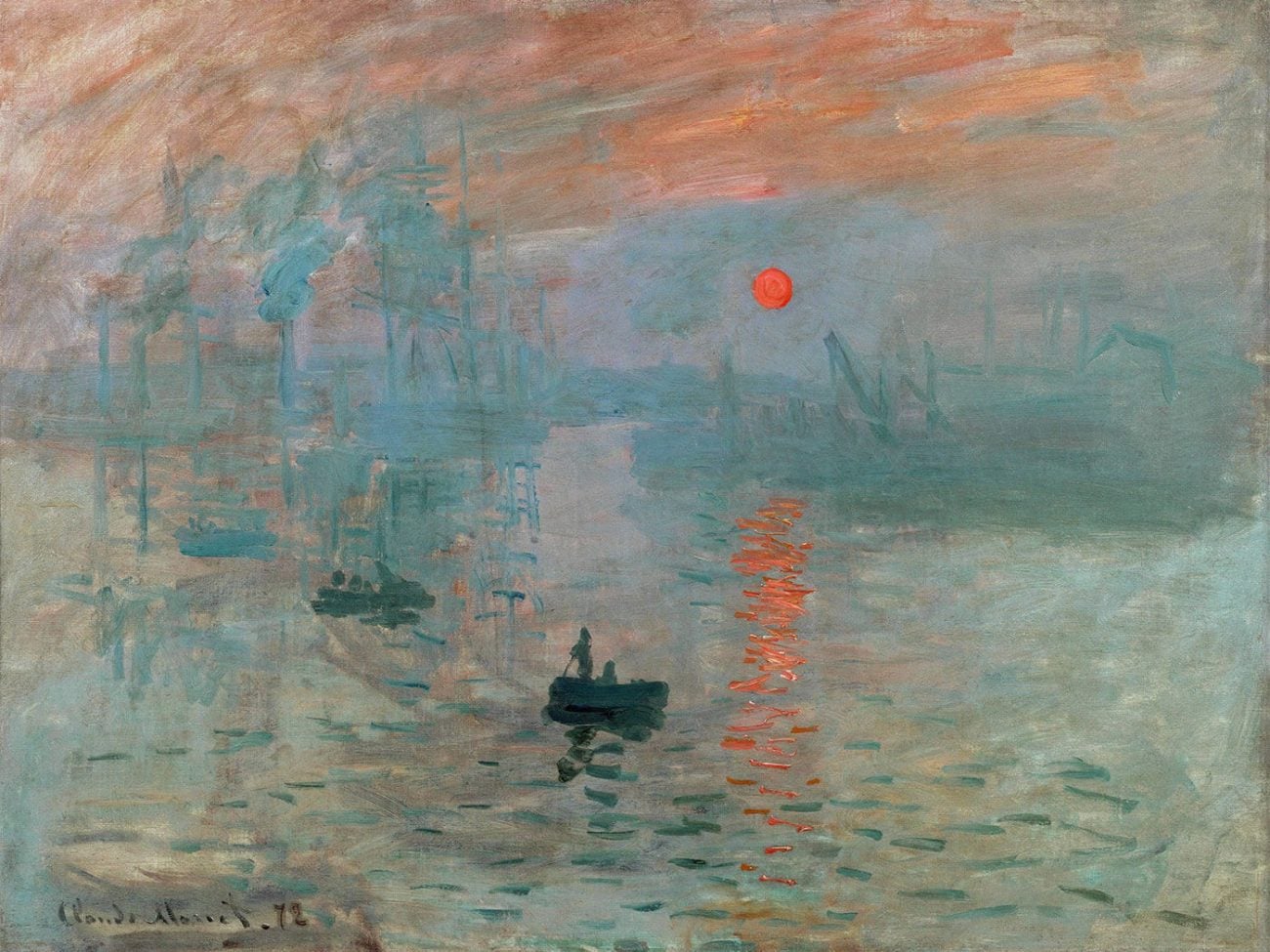
« Impression, soleil levant » de Claude Monet, l’éblouissant manifeste de l’impressionnisme

Claude Monet's "Impression, soleil levant" (Impression, Sunrise), the painting that gave Impressionism its name, is analyzed in detail by Beaux Arts Magazine on the centenary of the artist's death. The article examines the work brushstroke by brushstroke, recounting how Monet painted it from his hotel room in Le Havre, capturing the fleeting effects of light and atmosphere that became the hallmark of the movement.

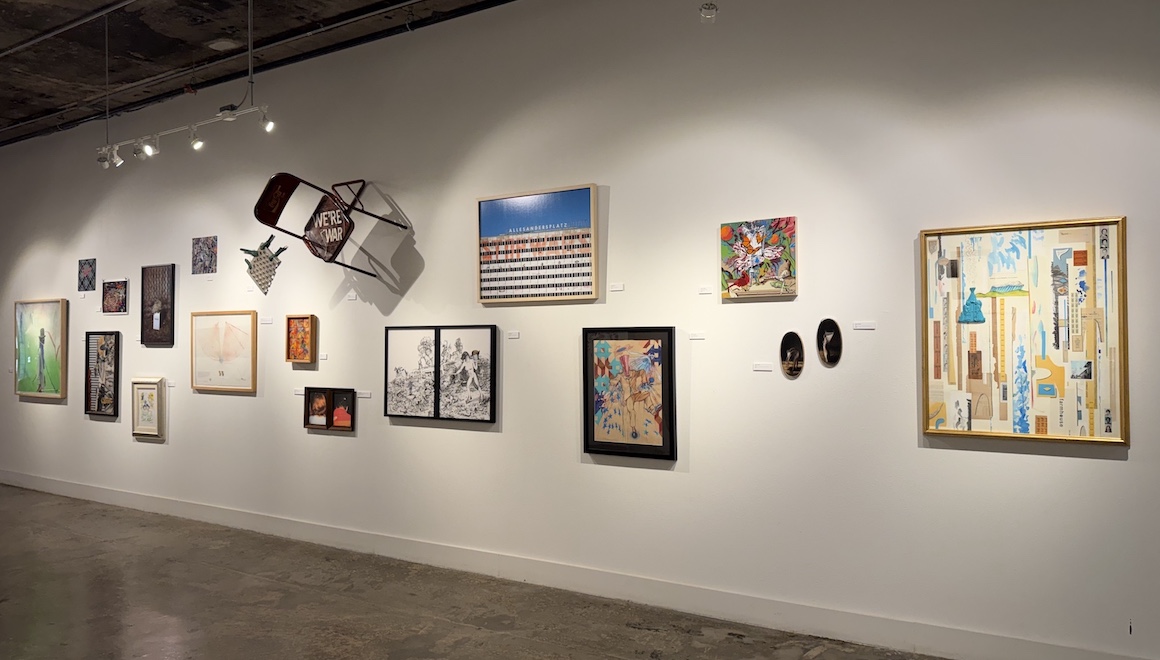
The Whelm of Massive Group Shows, and My Tender Eyes

The article reflects on the overwhelming experience of massive group exhibitions, using examples like Lawndale's "The Big Show" (77 artists in 2025), "Hecho en Dallas" (66 artists), and the School of the Art Institute of Chicago's 1999 MFA thesis show (around 150 artists). The author, a gallerist, recounts visiting two recent San Antonio shows—"A Postmodernist Says ¿Que?" at Centro de Artes and "Fan of a Fan 3" at C7 Space—which feature dozens of works hung salon-style, forcing viewers to make choices about where to focus attention.

The Forgotten of Art: The Story of Artist Valeria Alberti

I dimenticati dell’arte. La storia dell’artista Valeria Alberti

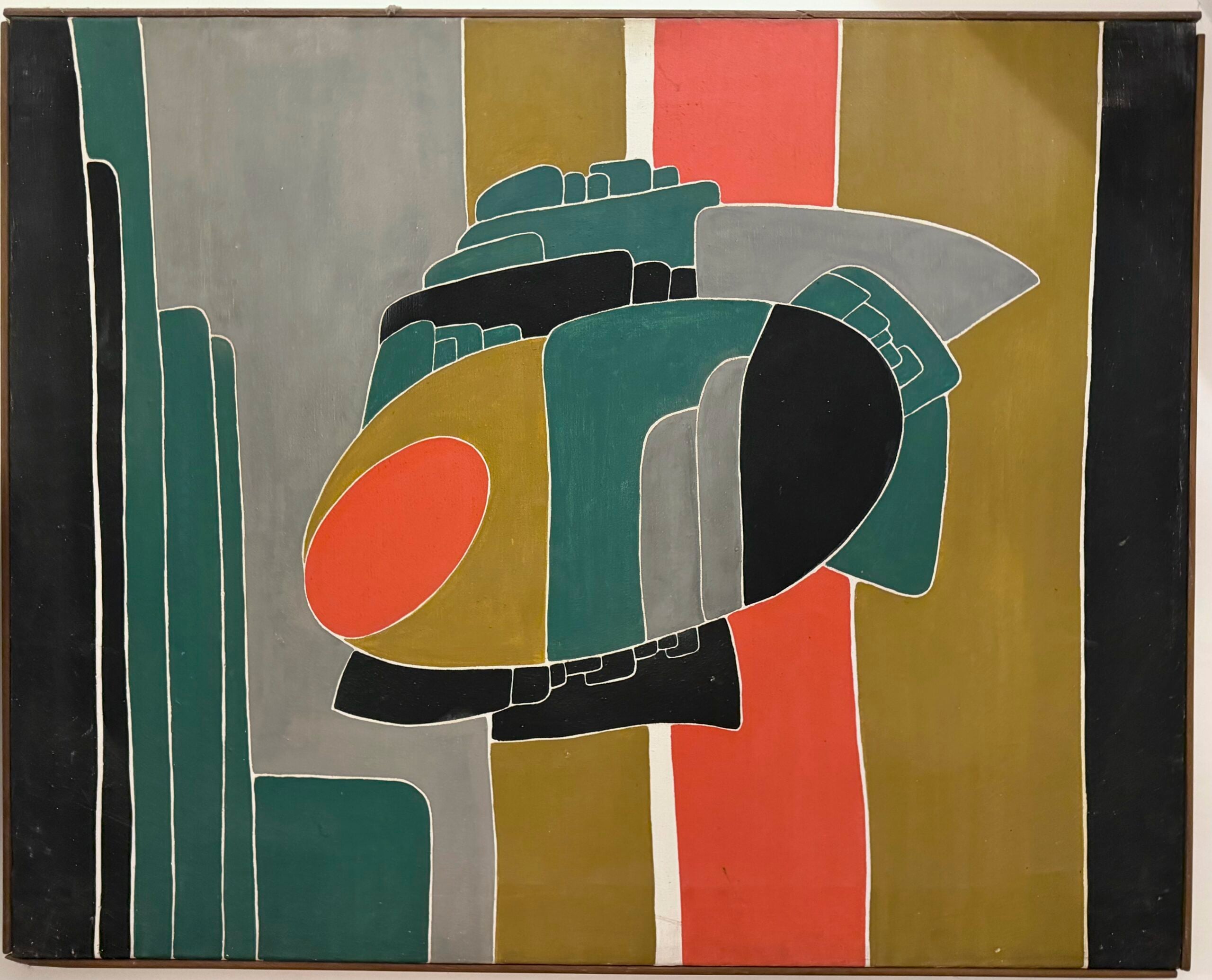
Valeria Alberti (1930-2011), a courageous, rebellious, and nonconformist Italian artist, had a brief but intense career before disappearing from the art world. Recent research by scholar Manuel Barrese reconstructs her trajectory as the only woman in a circle of artists and intellectuals around poet Emilio Villa and the Galleria Appia Antica. Alberti debuted in 1957 alongside Alberto Sartoris, collaborated with ceramist Mario Molli, and created painted panels for the transatlantic liners Leonardo Da Vinci and Michelangelo. She exhibited at Galleria Ferro di Cavallo and Galleria Azimuth, and received Piero Manzoni's Certificate of Authenticity No. 26 in 1961. Her later work included geometric metal sculptures, but she ultimately vanished from the art scene.