filter_list Showing 50 results for "interview" close Clear
search
dashboard All 184 museum exhibitions 71article culture 50person people 22article news 18candle obituary 10article local 7rate_review review 3trending_up market 1article policy 1gavel restitution 1
date_range Range Today This Week This Month All
Subscribe

Beer With a Painter: Keith Mayerson

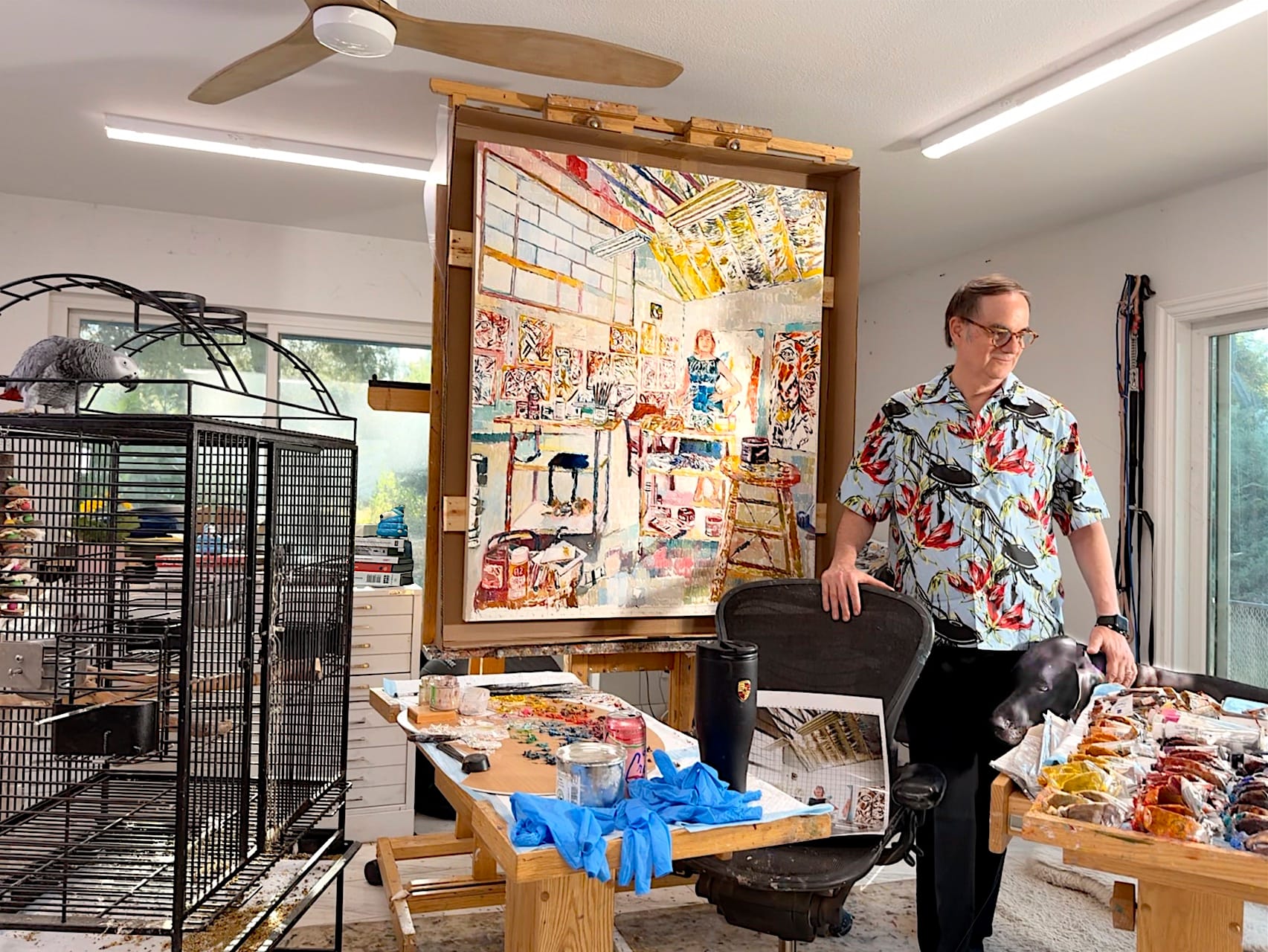
Hyperallergic interviews Los Angeles-based painter Keith Mayerson, who discusses his ongoing 'My American Dream' series—a cosmology of paintings blending American identity, activism, and popular culture. The conversation covers his early influences from comics, the Muppets, and Hunter S. Thompson, his transition from cartooning to painting, and his vibratory, swirling brushwork. Mayerson's work has been featured in the 2014 Whitney Biennial and is currently on view at the Aspen Art Museum and the Pollock-Krasner House.
Arghavan Khosravi’s Intricate Paintings Find Hope amid Oppression

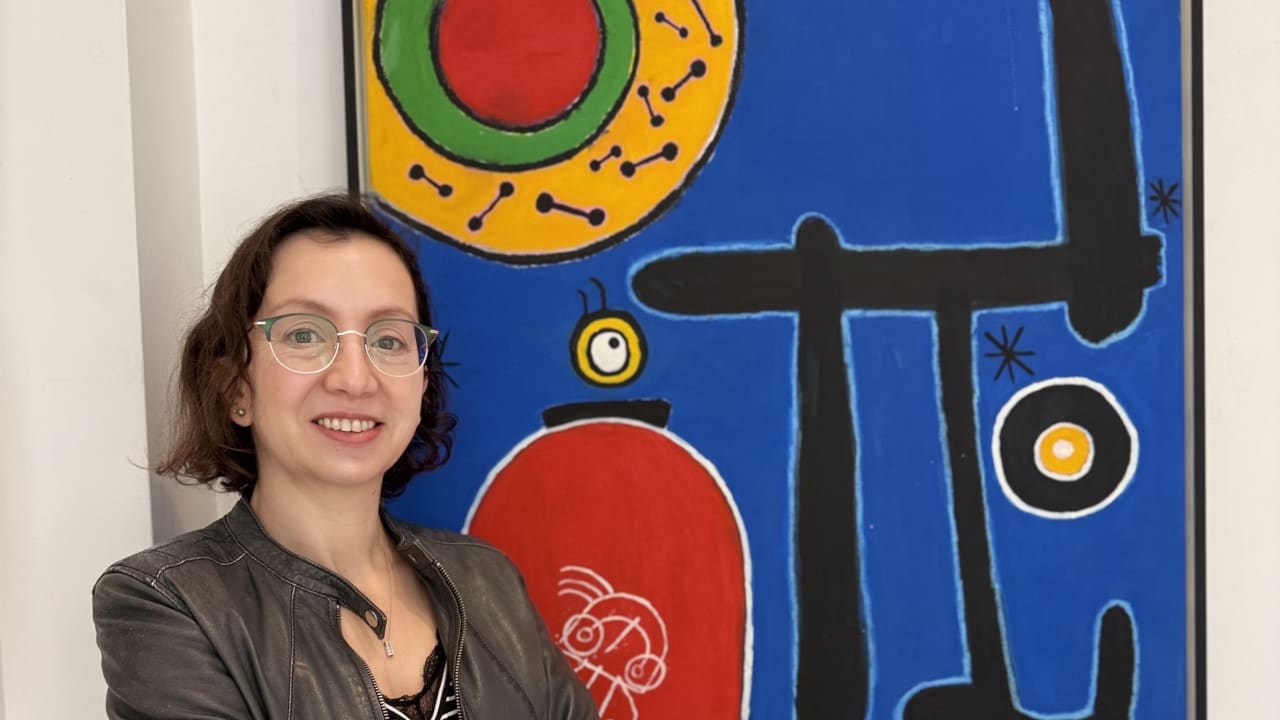
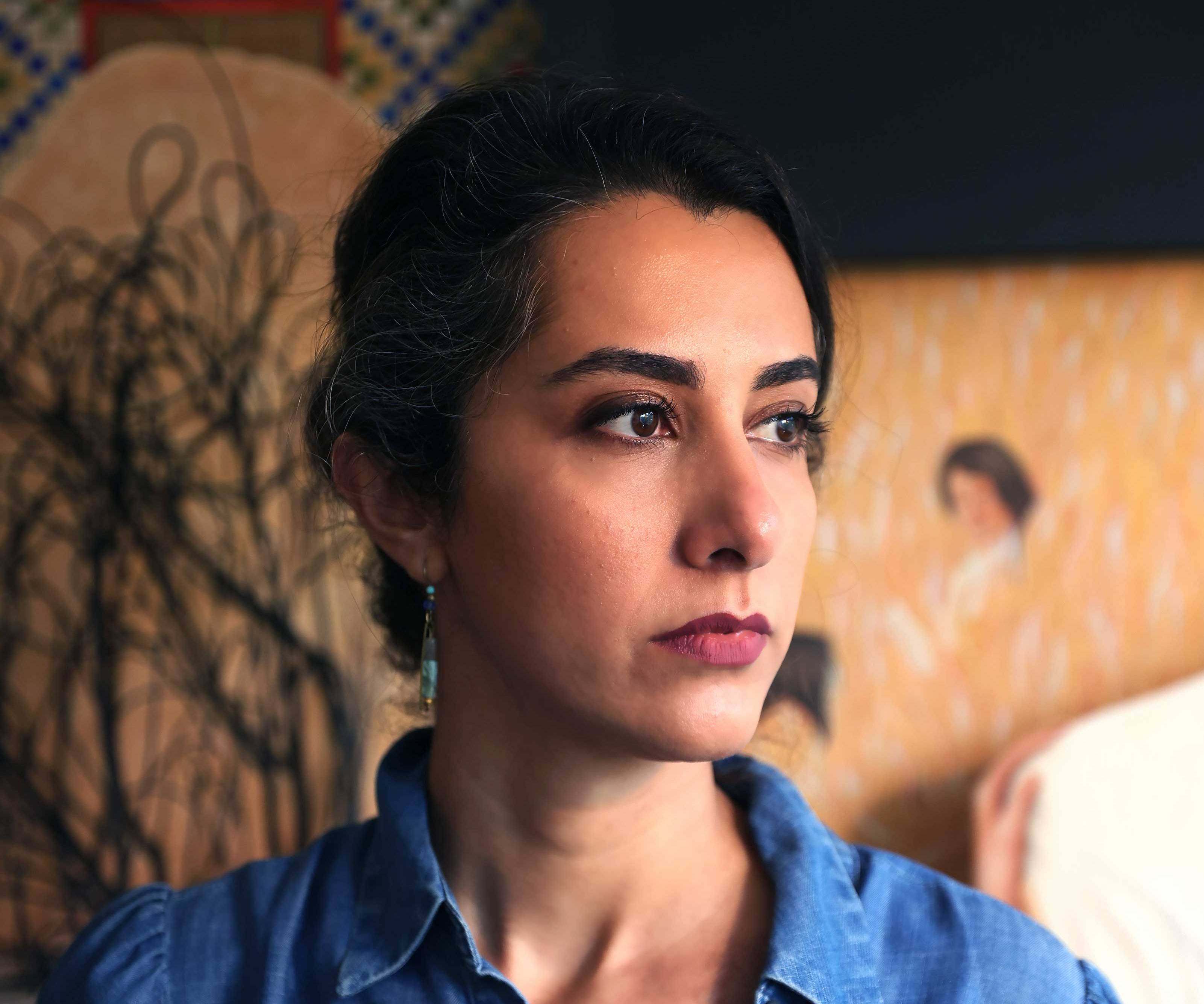
Arghavan Khosravi creates intricate, surreal three-dimensional paintings that blend sculptural elements with painted canvases, featuring hidden details such as creased book spines, concealed female figures, and glowing bullets. In an interview at her Connecticut studio, she explains her preference for works that reveal themselves gradually over time, rather than shouting for attention.

The Interview: Steven Soderbergh

Steven Soderbergh discusses his new film *The Christophers* (2025), which follows a cantankerous artist and his young assistant tasked with forging his unfinished works, exploring themes of authorship, originality, and the ethics of art-making. In an interview with ArtReview, Soderbergh also addresses his recent use of AI in a documentary about John Lennon, defending the technology as a creative tool akin to his own filmmaking process, and reflects on his career spanning genres from indie dramas to studio blockbusters.

Expanded Vocabulary: Revisiting Deborah Kass’ Studio

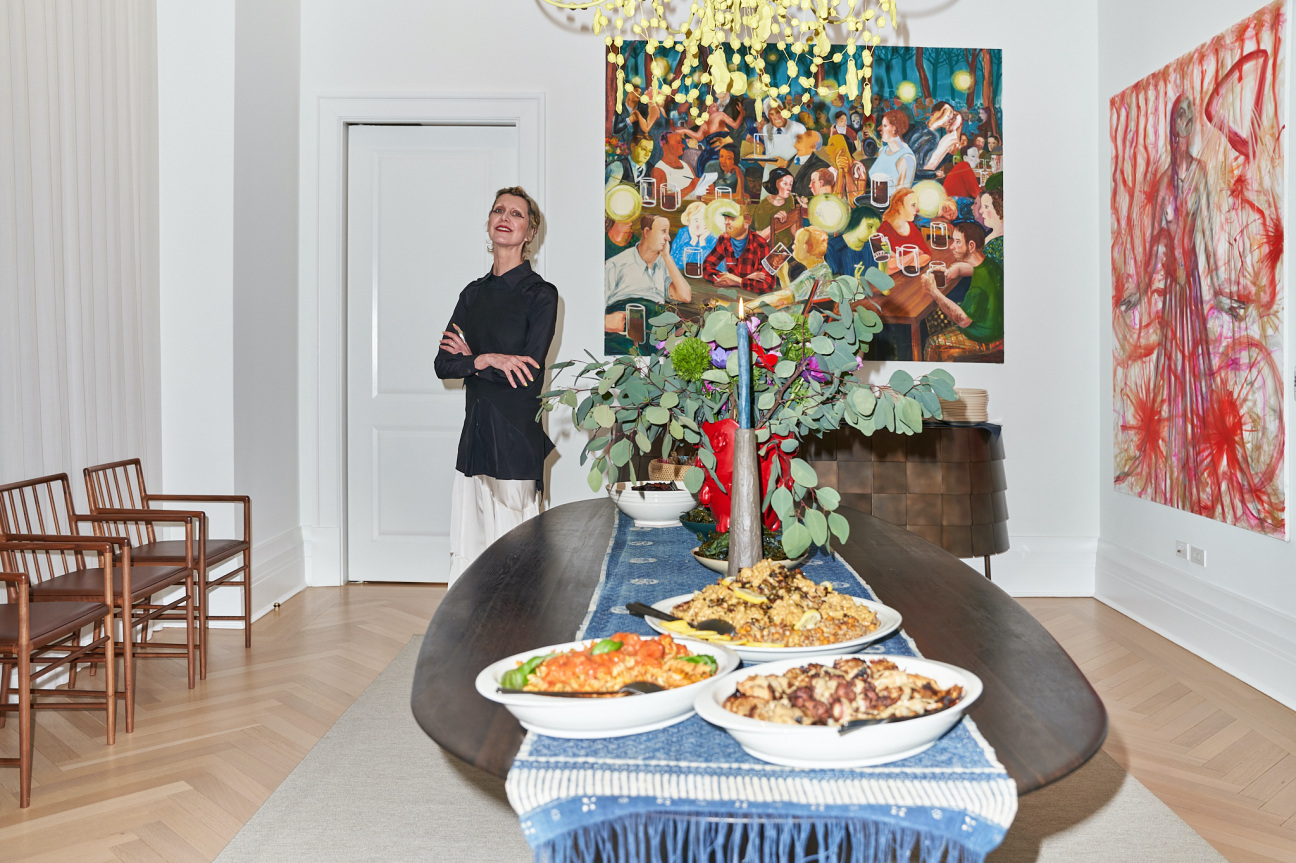
The article recounts the author's visit to Deborah Kass's Brooklyn studio, which she shares with her wife, artist Patricia Cronin. The visit was prompted by logistical issues related to the author's exhibition "Social Minimalism" (2025). During the visit, the author and Kass revisited themes central to Kass's work over three decades: the exclusion of women from art history, Jewish identity, queer voice, lesbian subjectivity, and postwar American art. The conversation also touched on Kass's series including the Warhol Project, Feel Good Paintings, No Kidding, and the large painting/sculpture installation "Everybody" (2019), which was recently featured in a conversation between Kass and Titus Kaphar in Interview magazine.

New Richard Avedon documentary chronicles how he shaped the evolution of photography

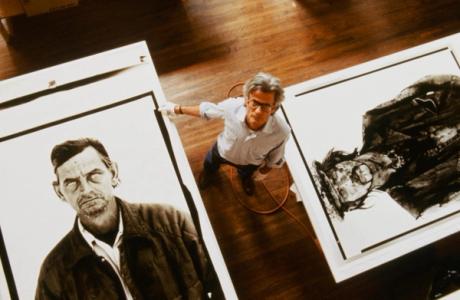
Imagine Documentaries, the nonfiction arm of Ron Howard and Brian Grazer's Imagine Entertainment, premiered a new documentary about photographer Richard Avedon at the Cannes Film Festival on May 17. The film, co-produced by the Richard Avedon Foundation, draws heavily from archival interviews conducted by Helen Whitney for the PBS series *American Masters*, supplemented by new interviews with Avedon's son John, muse Lauren Hutton, Isabella Rossellini, Twyla Tharp, and former *New Yorker* colleagues Tina Brown and John Lahr. The documentary explores Avedon's career, his technique of building rapport with subjects, and his iconic images such as *Dovima with Elephants*, which dealer Larry Gagosian notes sold for $2 million.

In the Studio with Casey Engel

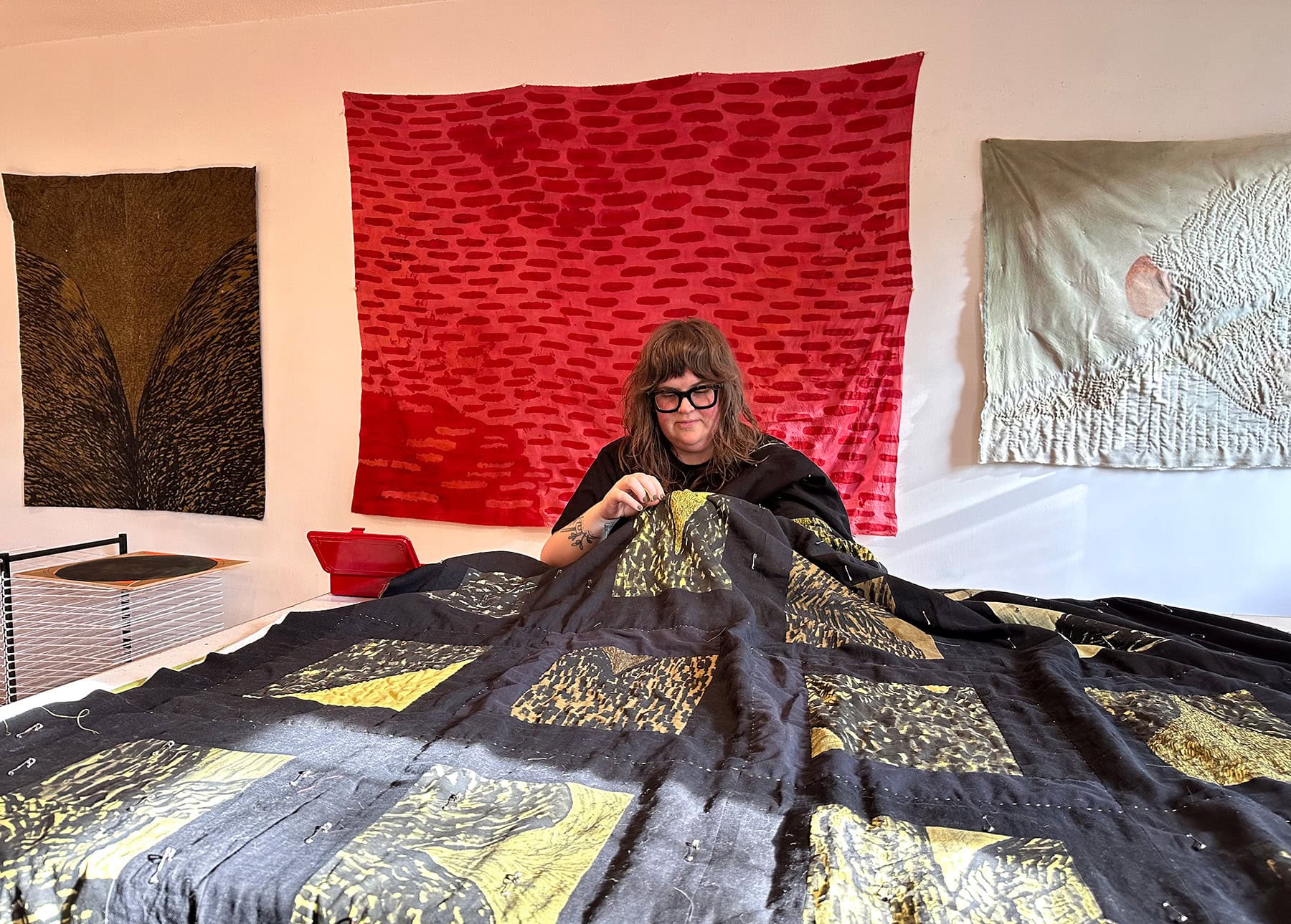
Casey Engel, an artist based in Asheville, North Carolina, is profiled in her studio, where she creates ceramic, fiber, and paper works that blend craft traditions with avant-garde sensibilities. The article, structured as an interview with writer Merin McDivitt, explores Engel's tactile process—from pinching clay to hand-stitching quilts—and her emphasis on touch, intuition, and the tension between functionality and art. Engel previously curated over sixty shows at Blue Spiral 1 before dedicating herself full-time to her own practice.

Inside New York’s Rogue Project Spaces

A digital cover story profiles New York City's rogue project spaces—artist-run venues like U-Haul Gallery, Desnivel, Spielzeug, Catbox Contemporary, and 95 Gallon Gallery—that operate in unconventional locations such as trash bins, moving trucks, bodegas, laundromats, buses, and cat towers. The article features interviews with founders including Maria De Victoria (Desnivel), James Sundquist and Jack Chase (U-Haul Gallery), and others, highlighting how these spaces counter the bureaucracy of institutional exhibitions by prioritizing artist freedom, intimacy, and community engagement.

Required Reading

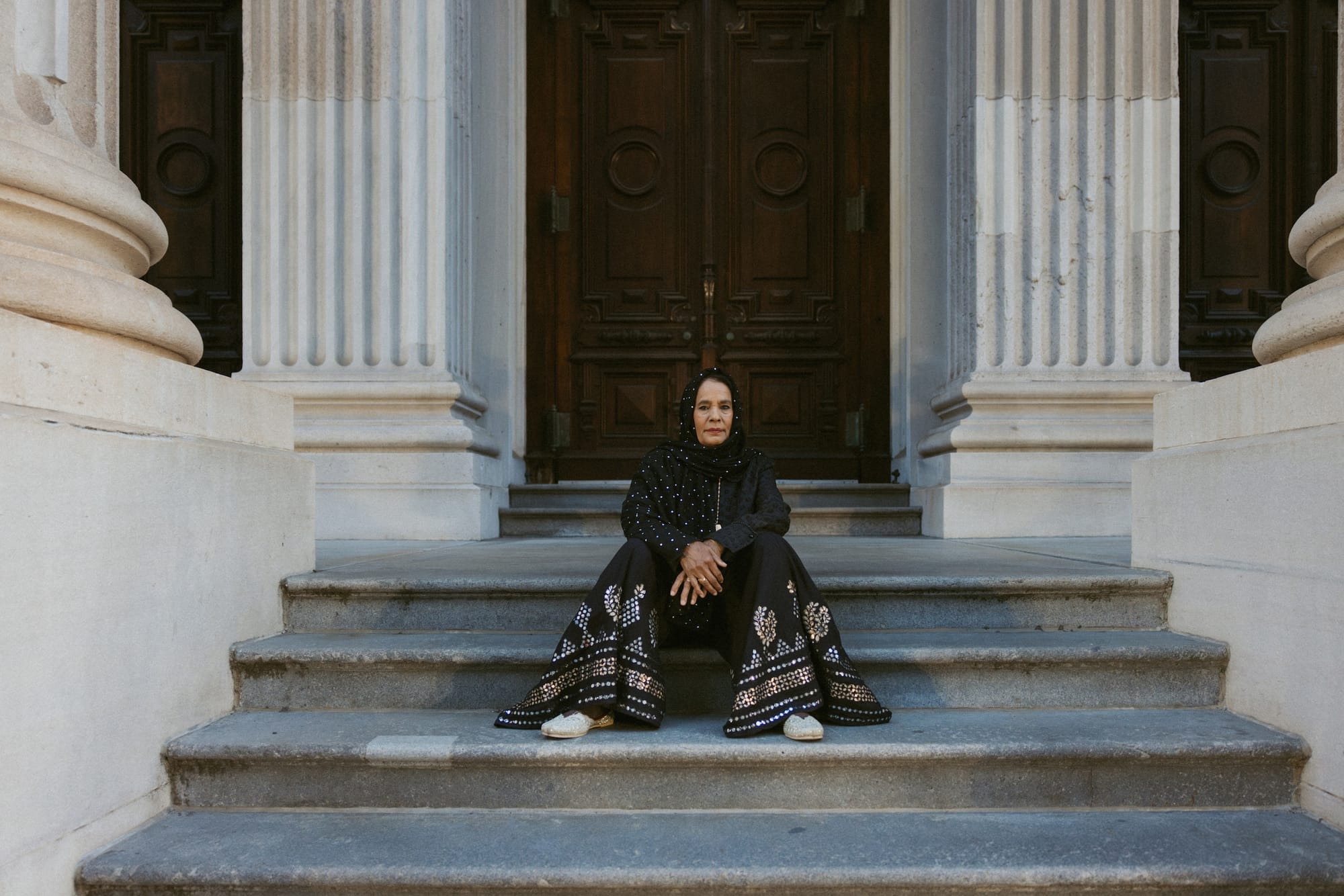
Pakistani-born, Brooklyn-based tailor and community leader Hafeez Raza was honored by Mayor Zohran Mamdani as one of six garment workers photographed by Kara McCurdy, highlighting the real faces behind the fashion industry. Meanwhile, the Los Angeles Times's Image Editor-in-Chief Elisa Wouk Almino recounts a peculiar correspondence with artist Sophie Calle, who orchestrated a fake but real exchange using pre-written texts. In other news, Ai Weiwei discusses his new exhibition in Italy, censorship in Europe, and the Venice Biennale in an interview with El País. Additionally, Jacci Gresham, the first professional Black tattoo artist in the United States, reflects on her career since 1976, including tattooing Klan members and innovating with brown paper for Black and Brown clients.

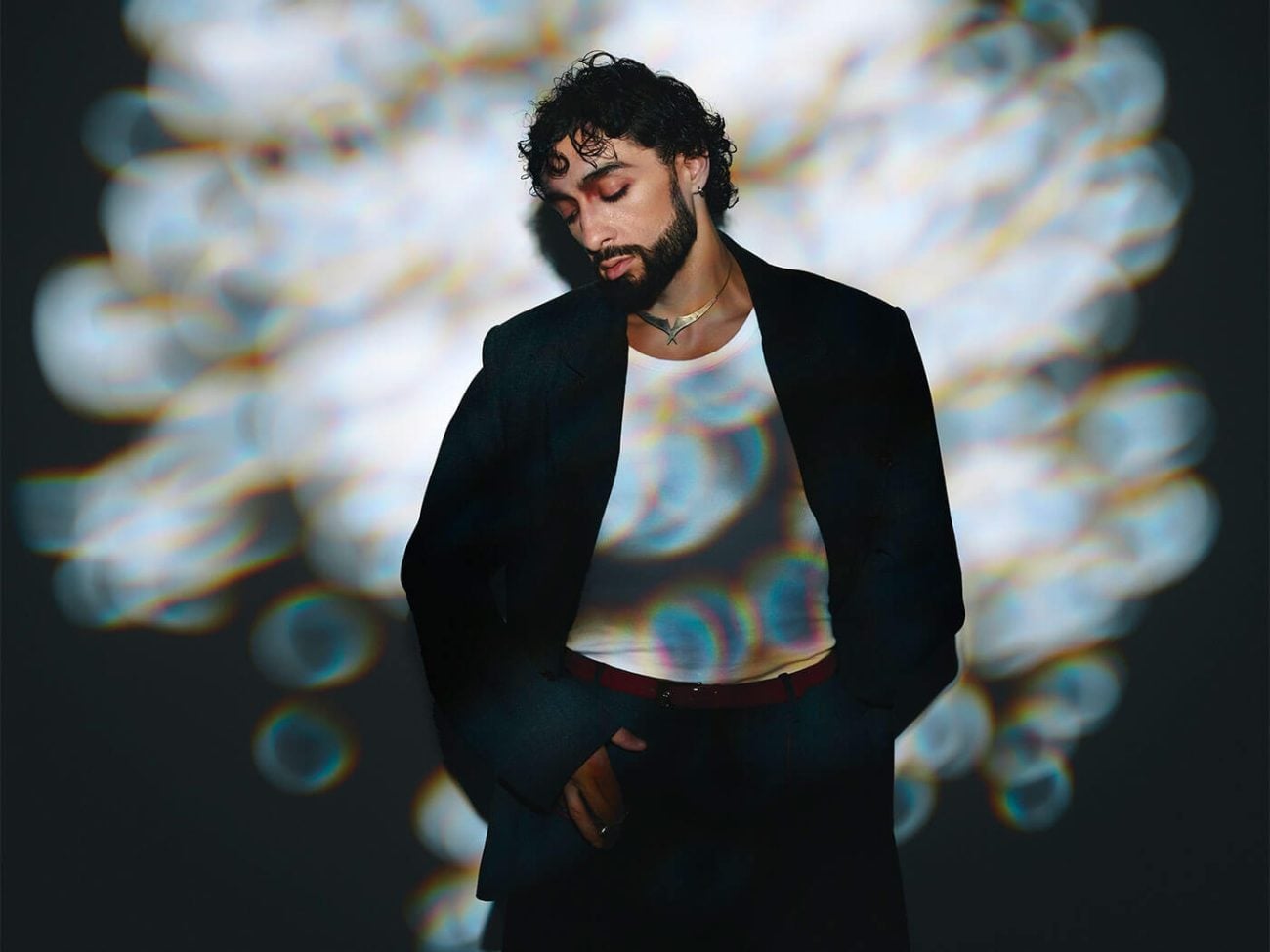
Bodies in Motion, Bodies at Rest: Ali Cherri in Conversation with Kaelen Wilson-Goldie

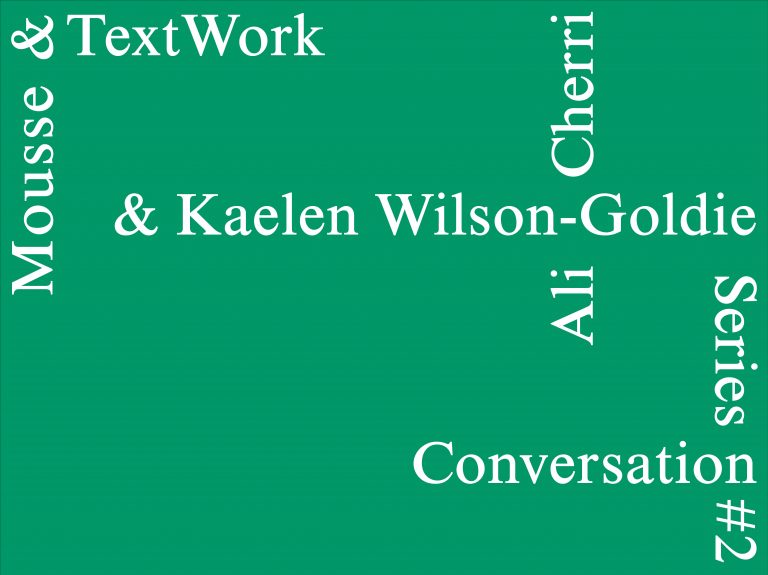
This article presents a conversation between artist Ali Cherri and writer Kaelen Wilson-Goldie, marking the second installment of a collaborative series between TextWork by Fondation Pernod Ricard and Mousse Magazine. The series features in-depth dialogues between artists from the TextWork program and magazine contributors, expanding on the traditional interview format, and is set to continue until 2027.

Sofiane Pamart: 'With my piano, I sculpt sound matter'

Sofiane Pamart : « Avec mon piano, je sculpte la matière sonore »

French pianist Sofiane Pamart discusses his creative process in an interview with Beaux Arts Magazine, explaining how his music is inspired by contemplative cinema, particularly the films of Takeshi Kitano and Wong Kar-wai. He describes his approach to composition as sculpting sound, drawing parallels to impressionist painting and the works of sculptors Auguste Rodin and Camille Claudel. Pamart also expresses a preference for art that interacts with nature, citing the open-air museum of sculptor Anachar Basbous in Lebanon as an example.

Malo Chapuy Reimagines Medieval Art on the Cover of our New Talent Issue

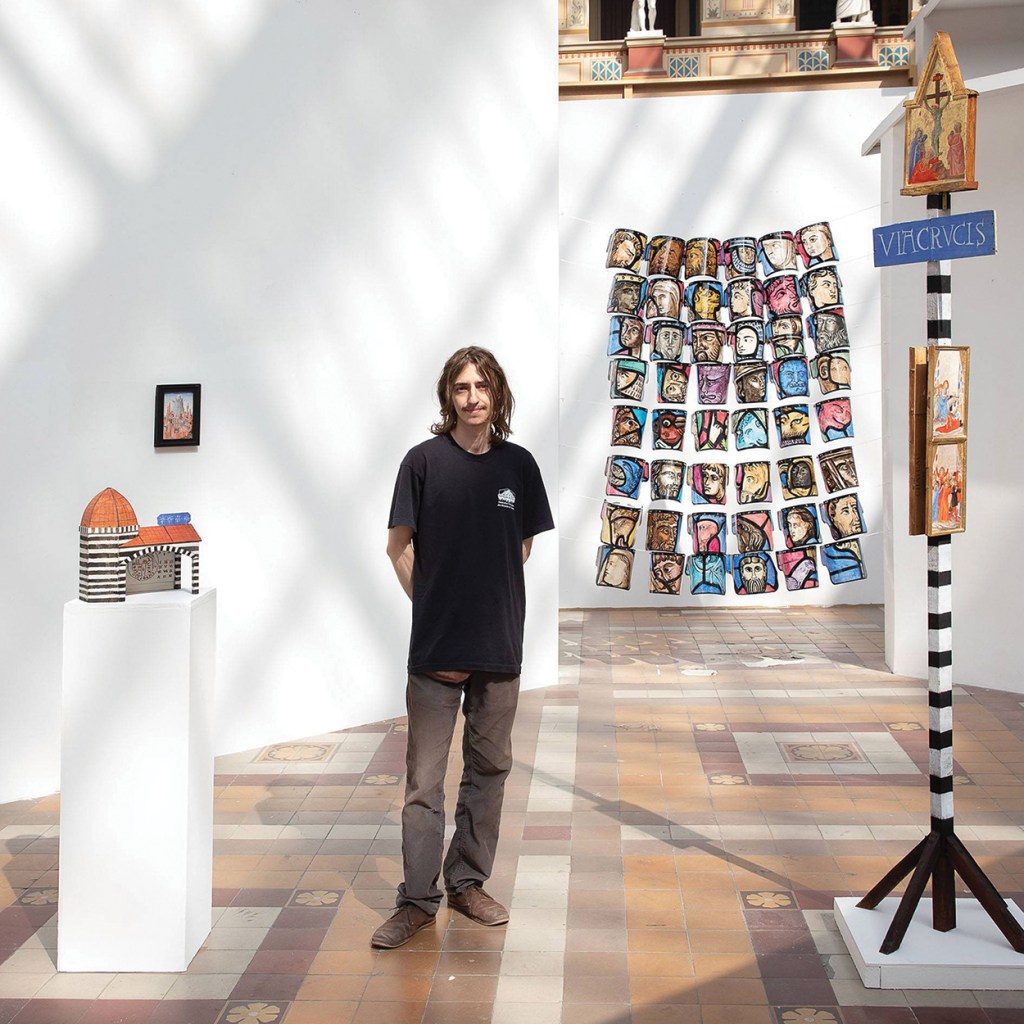
Malo Chapuy's painting *Virgin with Codex* (2025) appears on the cover of Art in America's new talent issue. In an interview from his Paris studio, Chapuy explains how he reinterprets medieval and early Renaissance Flemish painting by mixing its motifs with contemporary and sci-fi elements, such as gothic cathedral spaceships and QR codes designed to function like medieval manuscripts for future postapocalyptic monks. He describes his process as making "forgeries," using traditional techniques like oil on wood panels, homemade lead white, and self-carved frames to mimic aged Old Master works while addressing themes of ecological collapse, apocalyptic anxiety, and planetary exile.

How Swizz Beatz and Alicia Keys Built a Best-in-Class Art Collection With a “Collect What You Feel” Philosophy

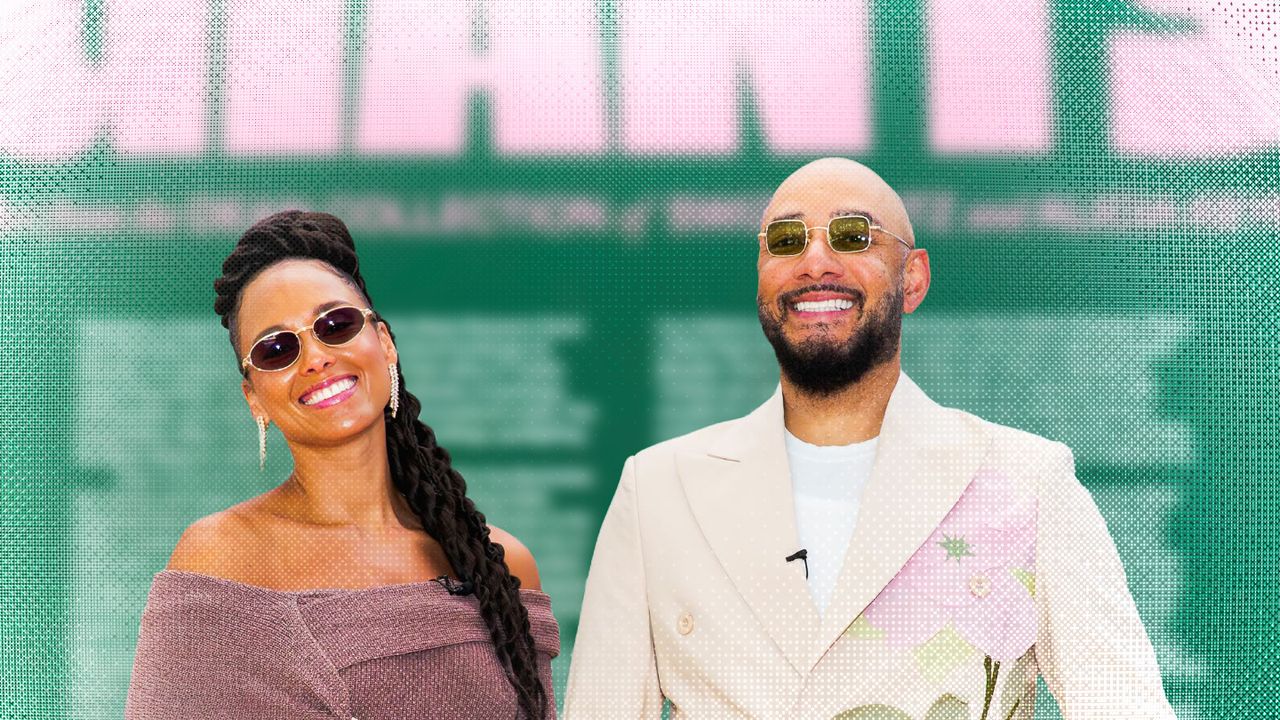
Swizz Beatz and Alicia Keys, the musician power couple, have built a major art collection known as the Dean Collection, now touring as the exhibition "Giants" at the San Diego Museum of Contemporary Art. The show, which debuted at the Brooklyn Museum in 2024, features works by Gordon Parks, Jean-Michel Basquiat, Malick Sidibé, and a new multimedia installation by Mickalene Thomas. In an interview with GQ's Frazier Tharpe, the couple discusses their philosophy of collecting art based on emotional connection rather than investment or social status, and how their passion for art has deepened over their 15-year marriage.

Three artists, three questions: Immersed in colors

Three Israeli artists—Vera Kunis, Avraham Kan, and Tal Tenne Czaczkes—are featured in a column exploring their use of color amid the ongoing war with Iran. Kunis, a data engineer and artist, opened her first solo exhibition, "Imagination Algorithm," at the Global Art Gallery in Tel Aviv on March 10, 2026, during the conflict. The interview was conducted remotely due to war conditions, with a siren interrupting the conversation. The artists discuss their inspirations, definitions of art, and what makes their work unique, emphasizing resilience and optimism through color.

Pappi Corsicato's film on photographer Claudio Abate, which recounts the artistic ferment of Rome between the 1960s and 1990s, is now on RaiPlay

È su RaiPlay il film di Pappi Corsicato sul fotografo Claudio Abate che racconta il fermento artistico di Roma tra gli Anni ’60 e ‘90

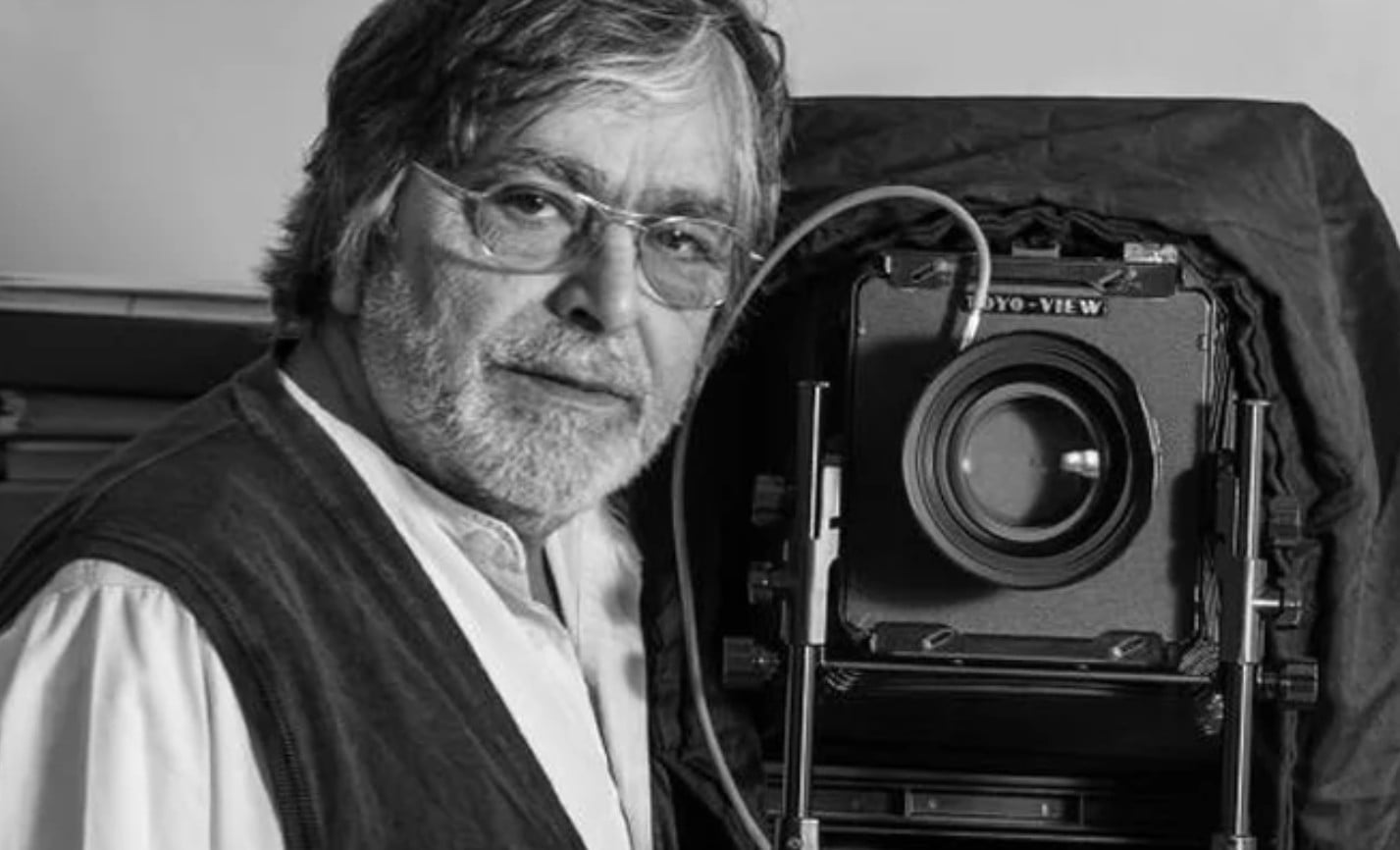
RaiPlay has released a new documentary film by Pappi Corsicato titled "Claudio Abate. L’obiettivo nell’arte" (2026), which pays tribute to the late photographer Claudio Abate (1943–2017). The film weaves together interviews, archival materials, and footage from Istituto Luce to chronicle Abate's life and work, focusing on his role documenting the vibrant Roman art scene from the 1960s through the 1990s. It highlights his collaborations with key figures such as Jannis Kounellis, Michelangelo Pistoletto, Fabio Sargentini, and the artists of the Pastificio Cerere school, capturing seminal performances, happenings, and installations that defined Arte Povera and other avant-garde movements.

Who’s The Next Obsession? 12 European Collectors Reveal How They Discover New Talent

Cultured magazine asked 12 European collectors how they discover new talent, timed to the 61st Venice Biennale. Collectors like Nicole Saikalis Bay, Amélie du Chalard, Belma Gaudio, and Laurent Asscher share their personal approaches—ranging from emotional resonance and dialogue with existing works to long-term obsession with an artist before acquiring a piece. The responses reveal a diversity of methods, from instinct-driven buying to conceptual and technical evaluation.

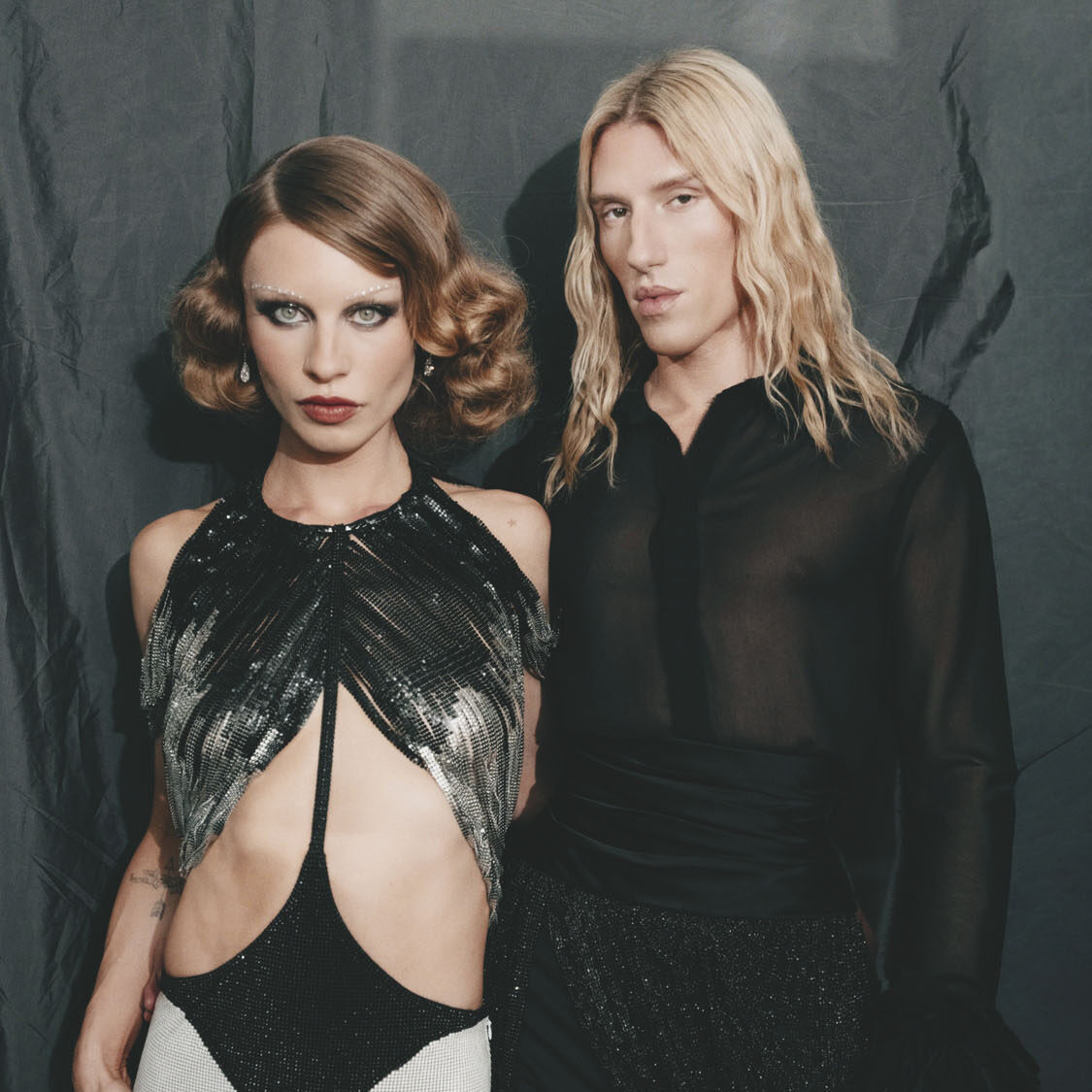
The Strange Coincidence Behind Ivy Getty’s Ludovic de Saint Sernin Met Gala Dress

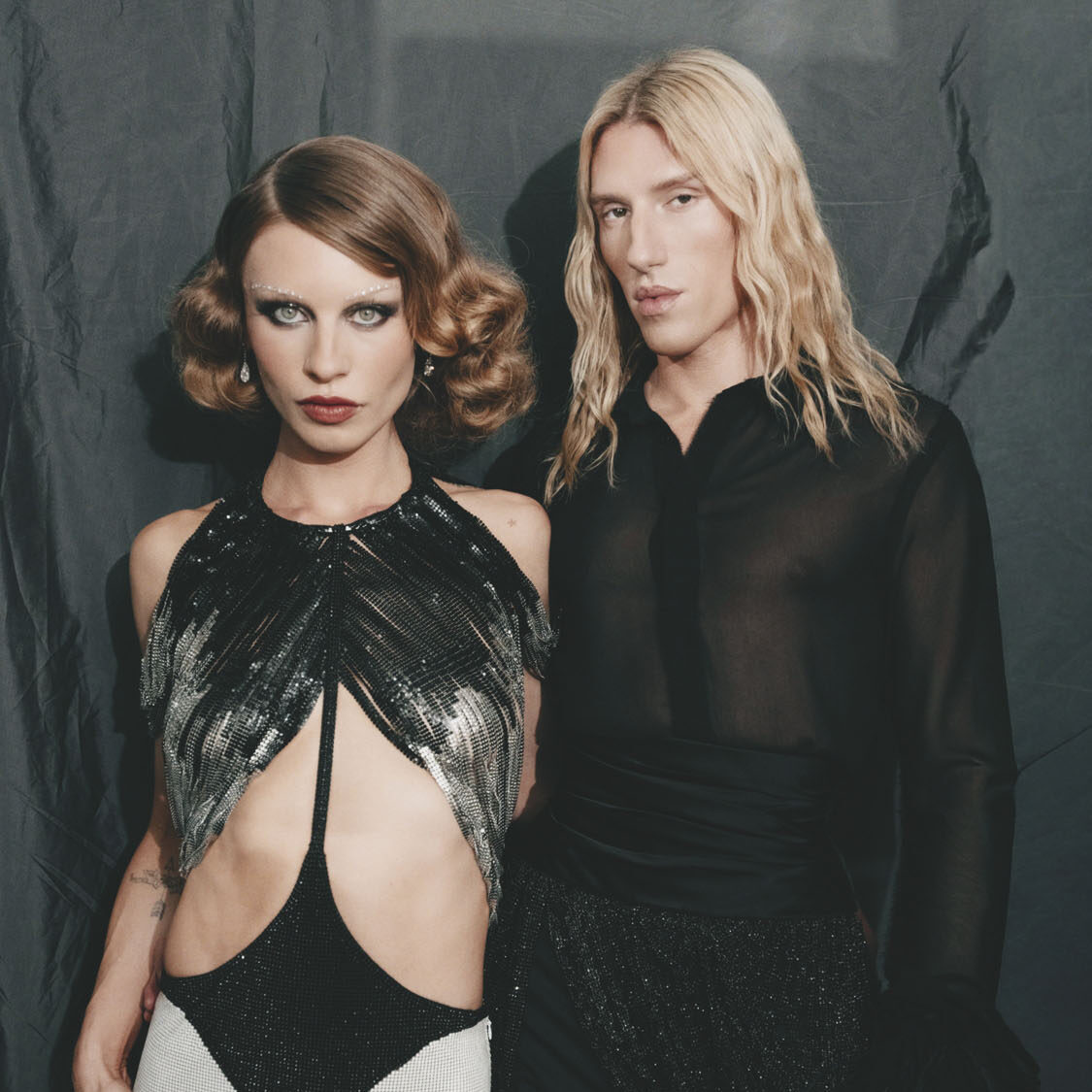
Ivy Getty, an American model and philanthropist, collaborated with Parisian designer Ludovic de Saint Sernin to create her Met Gala dress, inspired by the 1926 illustration *L’Eclat de l’Or* by Russian artist Erté. The sketch, originally for the show *The Golden Fables*, was chosen from Getty’s mood board; the pair later discovered it is held in the Metropolitan Museum of Art’s archive, coinciding with its 100th anniversary. The final fringed gown debuted on the Met Gala red carpet, and the duo discussed the creative process in an interview.

fashion ivy getty met gala ludovic de saint sernin

Ivy Getty, an American model and philanthropist, collaborated with Parisian designer Ludovic de Saint Sernin on her 2025 Met Gala look. The design was inspired by a 1926 illustration titled *L’Eclat de l’Or* by Russian artist Erté, originally created for the show *The Golden Fables*. Getty's mood board included vintage sketches and imagery from the 1920s, and the pair discovered that the original artwork is held in the Metropolitan Museum of Art's archive, which they visited in person. The final dress features a fringe-lined reinterpretation of the historic design, and the article includes an interview with the duo about their creative process and the experience of preparing for the event.

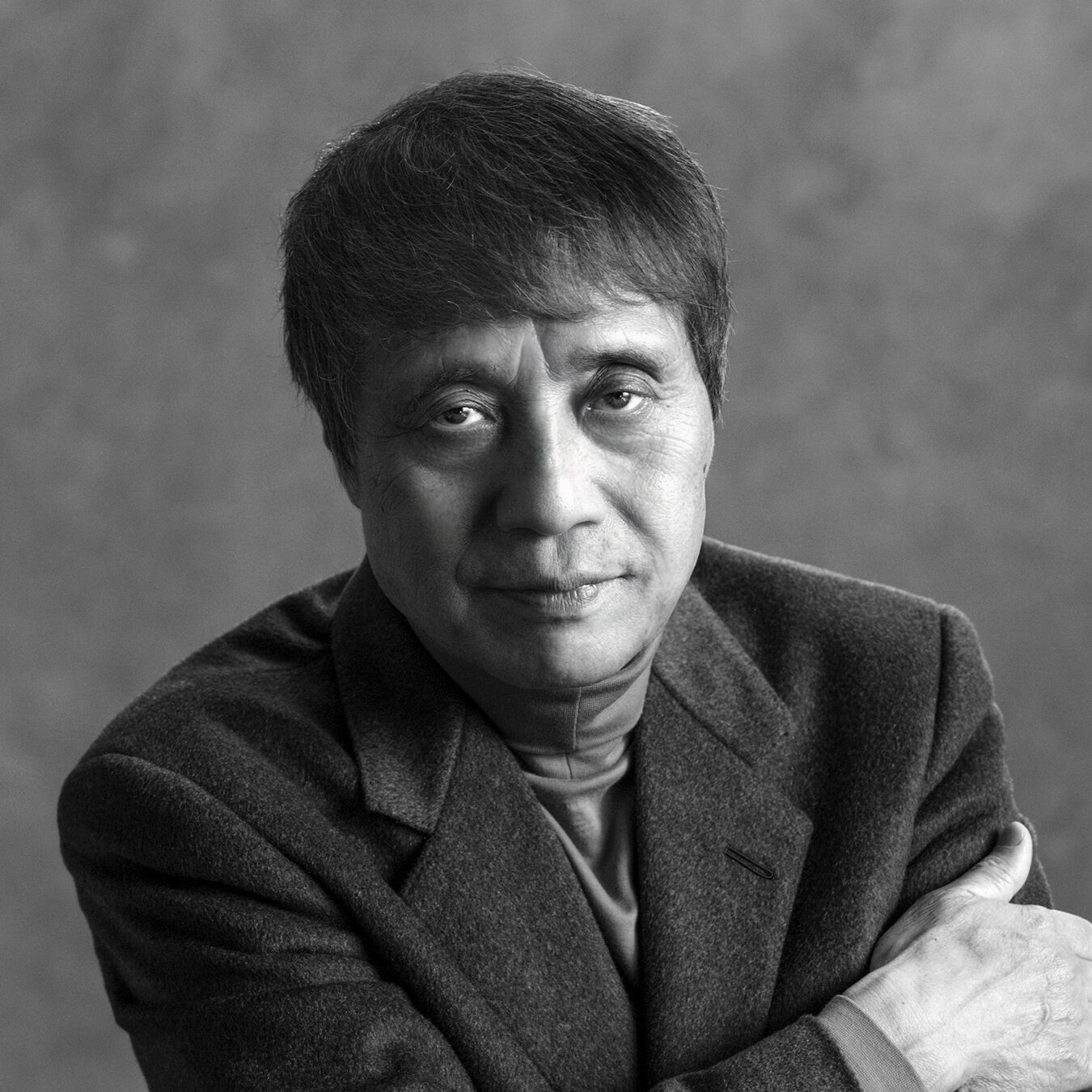
architecture tadao ando naoshima new museum of art

The article profiles the renowned Japanese architect Tadao Ando, now 84, who has built 10 museums on the island of Naoshima over 33 years. It features an interview where Ando discusses his upbringing in a traditional wooden row house in Osaka, his early training as a boxer, and how these experiences shaped his architectural philosophy of "light within darkness." The piece includes personal reflections from the author on encountering Ando's work and highlights key projects such as the Pulitzer Arts Foundation in St. Louis and the Church of Light in Osaka.

Art Lovers Movie Club: Elisabeth Brun, ‘Big Tech Blues’, 2025

ArtReview's Art Lovers Movie Club presents Elisabeth Brun's film 'Big Tech Blues' (2025), an auto-documentary that follows a small village in northern Norway as it resists the installation of a SpaceX Starlink 'Gateway' transmission site. The film blends personal essay, documentary footage, and interviews with residents who protest the hub over concerns about noise pollution, radiation, and environmental impact on the rural coastline. Brun contrasts slick Starlink promotional material with slow, intimate scenes of the landscape and community organizing on Facebook, highlighting the irony of using digital tools to fight digital infrastructure.

Without Consciousness, No Creativity

"Ohne Bewusstsein keine Kreativität"

Matthias Hornschuh, a speaker at the German Creative Economy Summit in Hamburg, discusses artificial intelligence and its impact on art and creativity in an interview with Monopol. He argues that AI systems lack intentionality and true creativity, describing them as "probability-based imitation" rather than genuine creative tools. Hornschuh warns against the hype surrounding AI, noting that efficiency gains are often overstated and that users can become trapped in unproductive interactions with these systems.

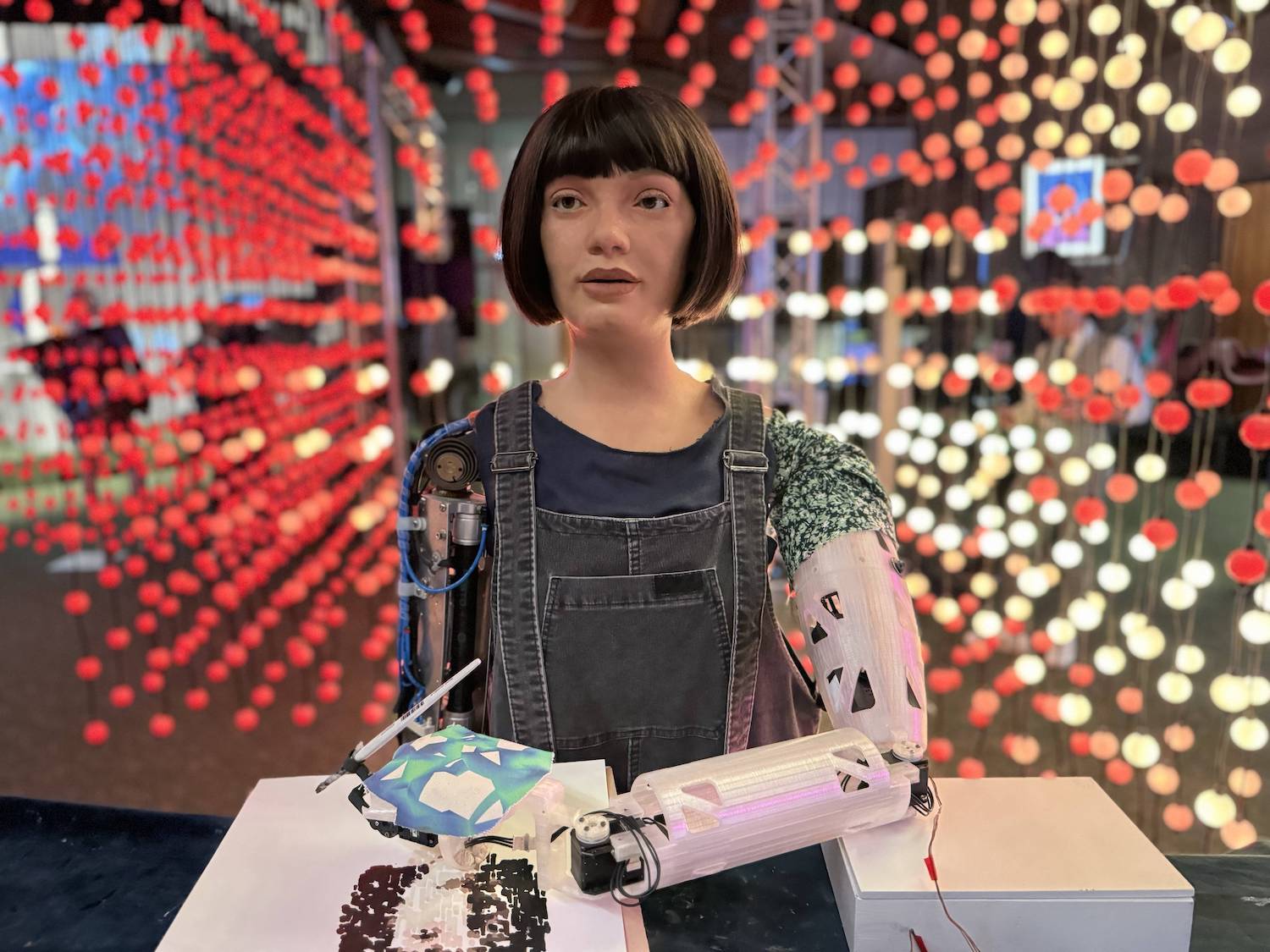
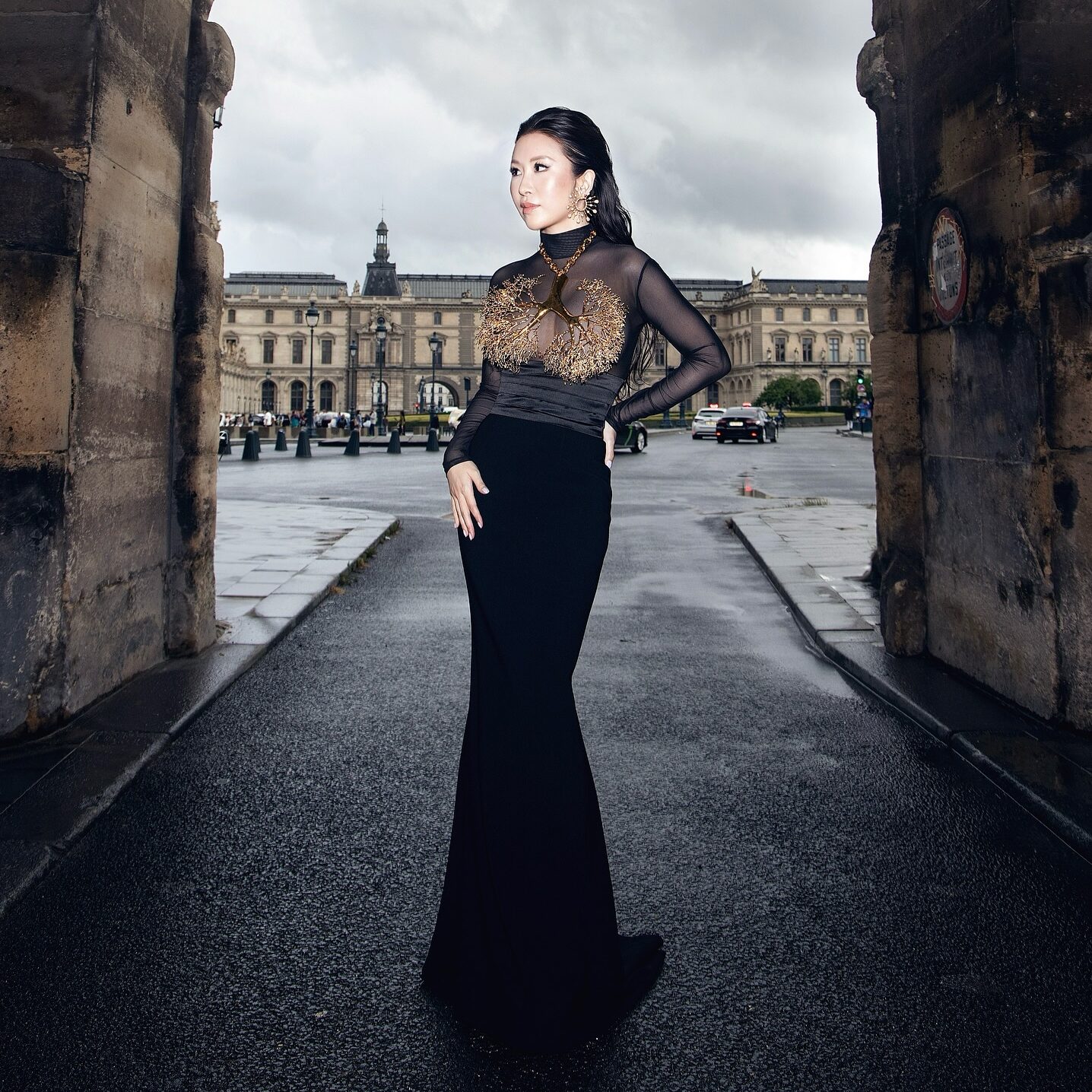
Yu-Chi Lyra Kuo Shares a Vision for the Future of Art, Technology, and Creativity

Yu-Chi Lyra Kuo, an entrepreneur, investor, Harvard-educated lawyer, former Princeton academic, and board member of the Shed, shares her vision for integrating frontier technologies like artificial intelligence and robotics into the art world. She argues that these tools can enhance human creativity rather than replace it, drawing on her early experiences with Asian antiquities and her pioneering work in blockchain, including co-founding OpenSea 2.0. The article, based on an interview with CULTURED, traces her journey from collecting a jade gourd as a child to advising tech companies and joining the board of the Shed, a Bloomberg-backed cultural center in Hudson Yards.

Forgers, One-Way Mirrors of the Art Market

Les faussaires, miroirs sans tain du marché de l’art

Anthropologist Monique Jeudy-Ballini has published a new book, "Peintres de l’ombre. Les faussaires à l’œuvre," in which she examines art forgers through an ethnographic lens. Drawing on autobiographical accounts, published interviews, and expert writings—including those of notorious forgers Wolfgang Beltracchi, Eric Hebborn, and Guy Ribes—she explores the motivations and practices of these clandestine figures, arguing that their work involves not only technical skill but also the creation of elaborate narratives and pedigrees for their forgeries. The book is part of the Ethnologiques series edited by Philippe Descola and published by Éditions Mimésis.

Required Reading

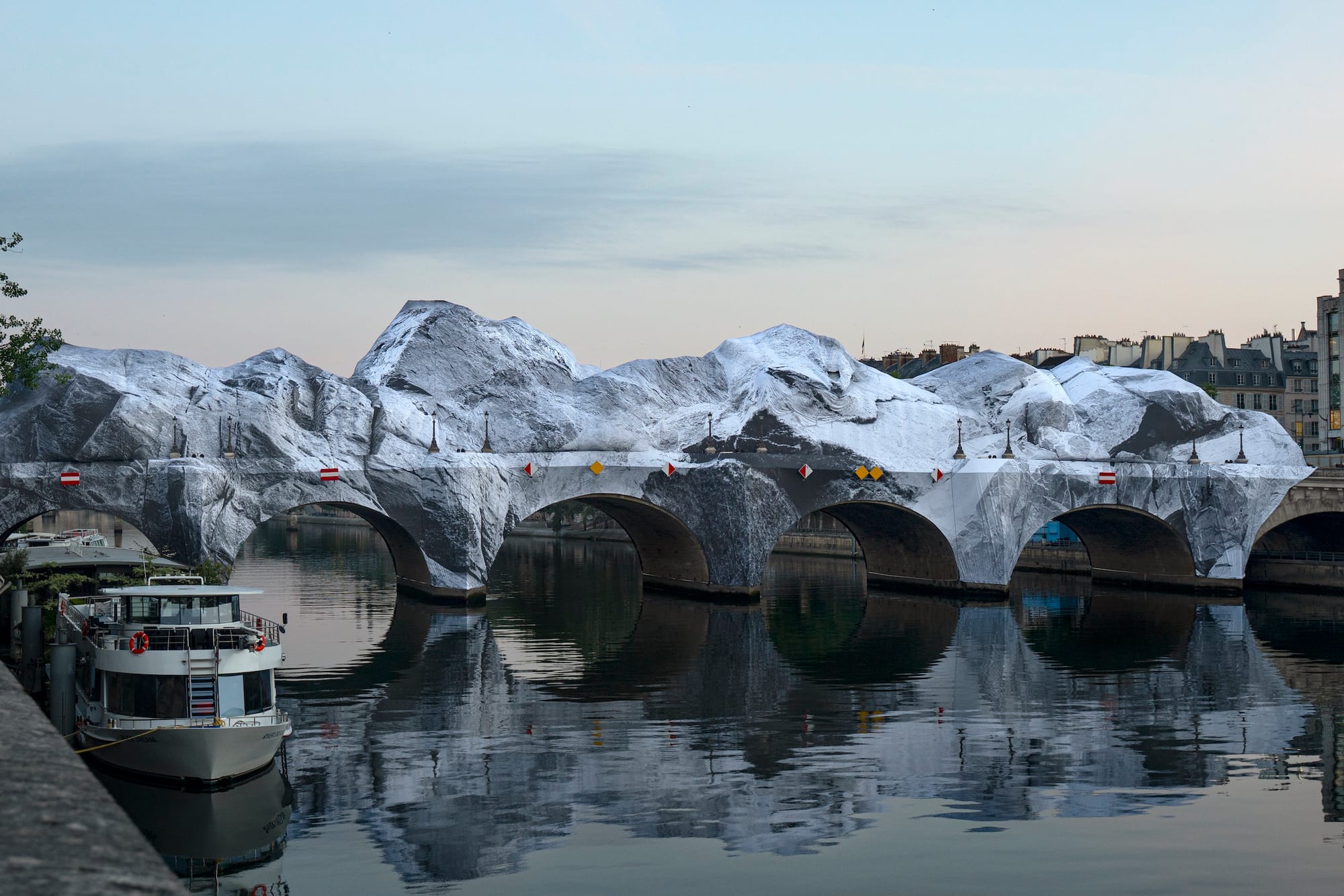
This week's Required Reading roundup from Hyperallergic covers a diverse range of art-world stories. French photographer JR has unveiled "La Caverne du Pont Neuf Paris" (2026), an optical illusion installation that transforms the pathway across the Seine into a black-and-white mountain range cave, paying homage to Christo and Jeanne-Claude's 1985 wrapping of the same bridge. Other highlights include architecture scholar Karrie Jacobs investigating a New York waterfront walking initiative for The Nation, curator Tara Contractor writing in Apollo about James McNeill Whistler's use of metallic pigments influenced by Japanese traditions, and Rob Corsini interviewing Amelia Abraham about their new book celebrating photography of queer nightlife for Dazed.

SOL HENARO: “BAJAR LA VELOCIDAD ES POLÍTICO Y, AUNQUE CUESTA MUCHO, HAY QUE SEGUIR INTENTÁNDOLO”

Sol Henaro, director of the Museo Universitario del Chopo in Mexico City, argues in an interview for Artishock Revista that museums must resist neoliberal pressures to accelerate production, spectacularize content, and convert cultural experience into immediate consumption. She advocates for the museum as a space of plurality, deceleration, and critical thought, emphasizing the need for horizontal, careful practices that allow for dissent and coexistence. The interview is part of a series on International Museum Day featuring directors from Latin American and Ibero-American institutions.

Elle Peréz Gets Personal with the Next-Gen Collectors Changing the Art World

Elle Peréz, a photographer and co-chair of the Young Collectors Council (YCC) at an unnamed museum, discusses the group's activities in an interview. The YCC meets twice a year to acquire artworks through a transparent process involving curator presentations and studio visits, with members voting on acquisitions. Peréz highlights the party celebrating Diane Severin Nguyen's commissioned piece, noting the seamless integration of music, art, and aesthetics, and emphasizes that the acquisition meetings are the core of the group's appeal.

From men on dog leads to public breast-fondling, Valie Export’s art demanded a total feminist revolution

Valie Export, the pioneering Austrian feminist artist known for her provocative and confrontational performances from the 1960s onward, is the subject of a reflective essay by writer and academic Hettie Judah. The article revisits Export's radical works such as *Hyperbulia* (1973), where she crawled naked through electrified wires; *From the Portfolio of Doggedness* (1968), in which she led a man on a dog lead through Vienna; and *Action Pants: Genital Panic* (1969), where she walked through a cinema with exposed genitals. Judah draws on her own interviews with Export, who died in 2023, and discusses the artist's manifesto demanding that women use art to reshape consciousness and achieve liberation.

Nikita Kadan Questions Whether War Ever Ends

Ukrainian artist Nikita Kadan, in an interview with Frieze, reflects on his practice and the ongoing psychological and physical toll of war, questioning whether conflict ever truly ends. He discusses his recent works, which grapple with the persistent state of war in Ukraine, the transformation of urban spaces, and the collective trauma that outlasts active hostilities.

Tell Me About Love…

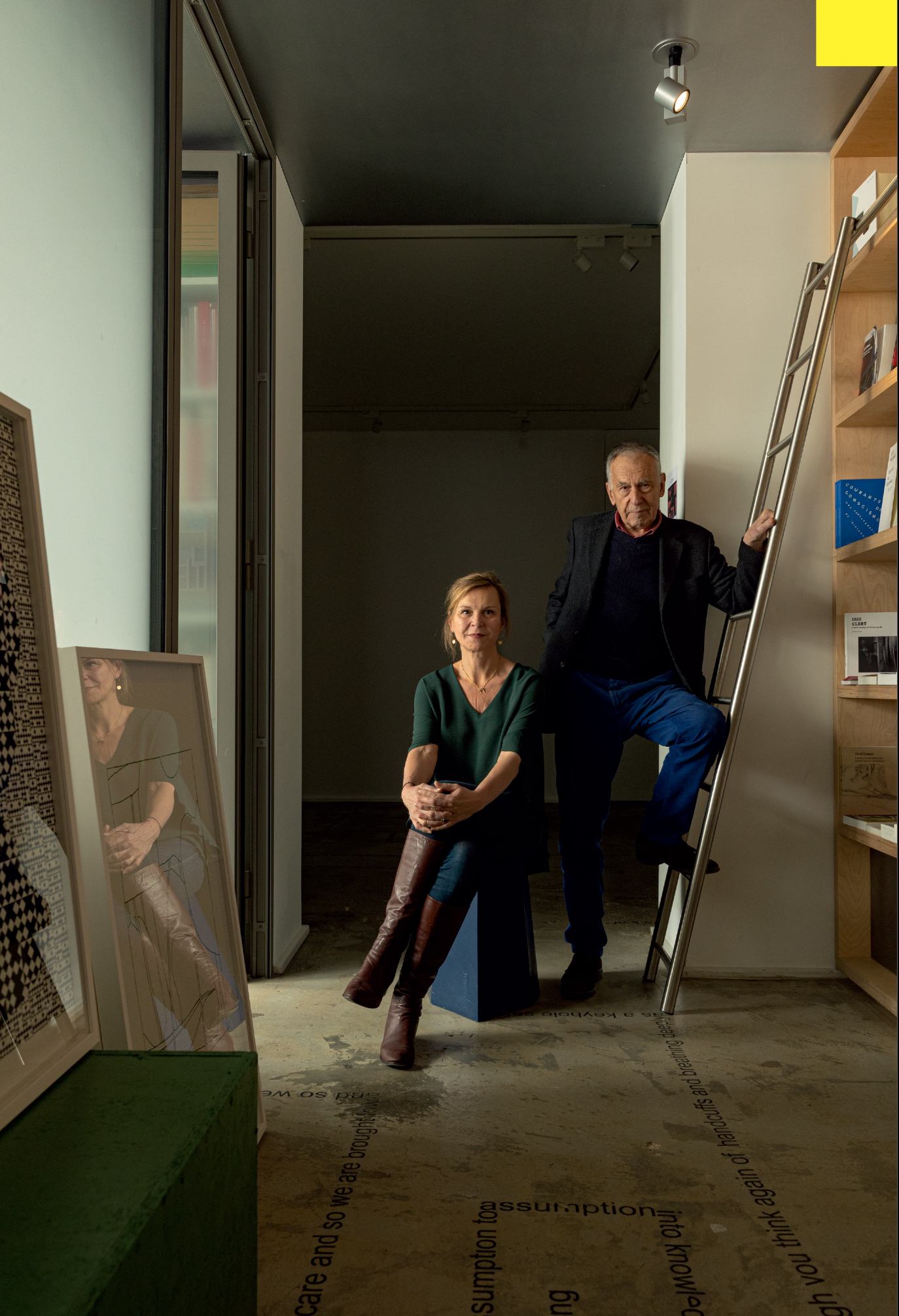
Yvon Lambert, the legendary French art dealer and collector, reflects on his lifelong relationship with art and literature in an interview for TLmag41: The Art of Collecting. He recounts buying his first painting at age 14, opening his Paris gallery in the 1960s, and later donating a major portion of his collection to the French State, now housed at the Collection Lambert in Avignon. After closing his gallery in 2014, he shifted focus to an artist's bookshop, now run by his daughter Eve Lambert. The conversation, led by Sibylle Grandchamp, explores Lambert's early influences, his father's passion for literature, and the family's shared love for art books.

The Finale Cut: Lucio Fontana e la sua arte al cinema

A new documentary titled "The Final Cut" explores the life and artistic journey of Lucio Fontana, the Italian-Argentine artist famous for his slashed canvases (Concetti Spaziali). Produced by Good Day Films and Nexo Studios, directed by Andrea Bettinetti and narrated by Miriam Leone, the film will screen in Italian cinemas on May 25–27 as part of the "La Grande Arte al Cinema" season. It features archival footage, interviews with artists such as Doug Wheeler, Antony Gormley, Carsten Höller, Alfredo Jaar, Michelangelo Pistoletto, Heinz Mack, and scholars Luca Massimo Barbero and Daniela Alejandra Sbaraglia, highlighting Fontana's revolutionary approach and his first immersive installation, "Ambiente Spaziale a luce nera" (1949).

Being a Street Photographer. Interview with Simone Morelli, the Artist of Slowness

Essere street photographer. Intervista a Simone Morelli, l’artista della lentezza

Simone Morelli, a street photographer born in Rome in 1987, discusses his slow, analog approach to photography in an interview with Artribune. He began after receiving a Praktica film camera as a gift in Sweden in 2012, and was captivated by the process of shooting and printing on film. Morelli describes his method as instinctive yet deliberate, often working on long-term projects that build a coherent visual narrative rather than seeking single 'beautiful' images. He cites Josef Koudelka as a key influence and emphasizes the importance of patience and reflection in an era dominated by fast, digital imagery.