search
dashboard All 1102 museum exhibitions 592article local 181article culture 84article news 81trending_up market 57person people 34rate_review review 24candle obituary 23article policy 18gavel restitution 6article school 2
date_range Range Today This Week This Month All
Subscribe

‘I make casts of their feet!’ Rachel Whiteread, Michael Armitage and more on how they get their kids into art

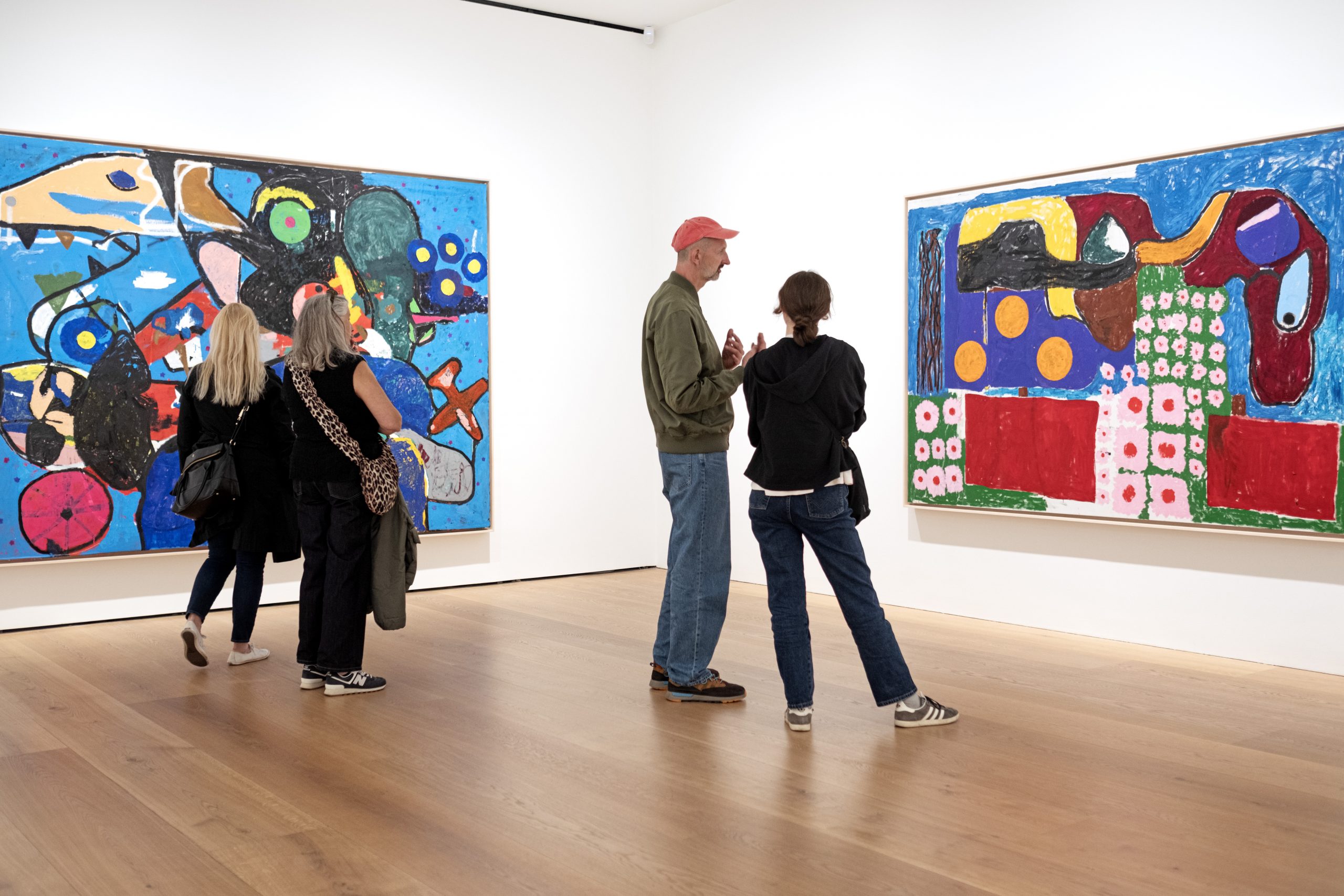
Five artist parents—Rachel Whiteread, Michael Armitage, Chantal Joffe, and Rachel Maclean—share their personal approaches to introducing young children to art. Whiteread describes letting her boys play in her studio and casting their hands and feet for fun; Armitage lets his daughter lead, using his materials in unexpected ways; Joffe emphasizes good materials and allowing mess; Maclean prefers making art at home over museum visits. The article includes practical tips and photographs of children interacting with artworks.
We Asked Artists, Dealers, Lawyers, and Advisers What Gallery Representation Means Today—And It’s Surprisingly Complicated

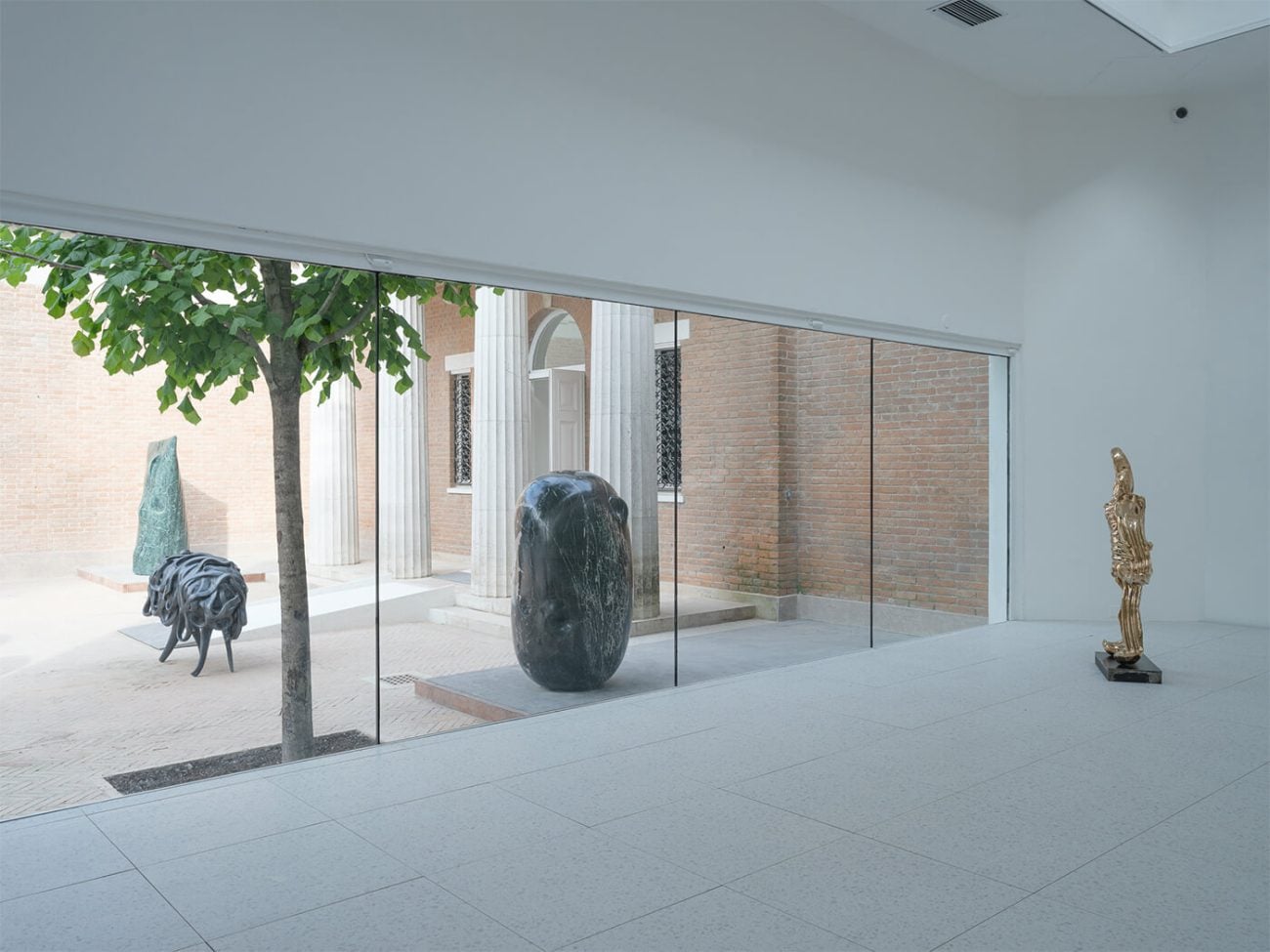
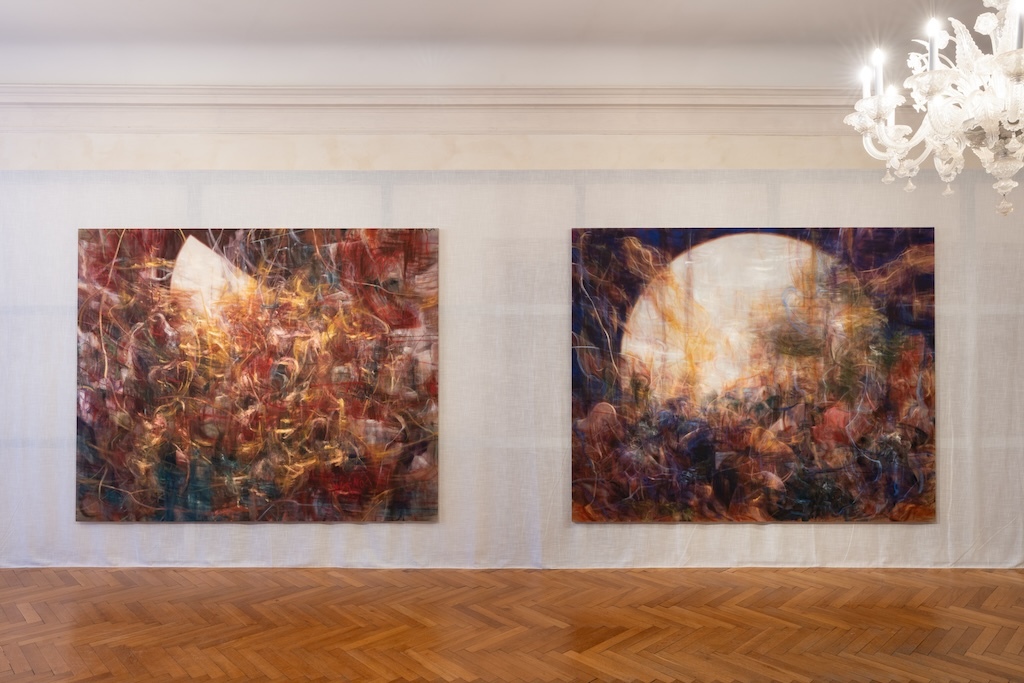
ARTnews explores the evolving and often ambiguous nature of gallery representation through interviews with artists, dealers, lawyers, and advisers. The article traces British painter Nigel Cooke's journey from his first representation by Stuart Shave/Modern Art in 2002 to his current gallery Pace, and his recent exhibition "Bad Habits" at Fondazione Querini Stampalia in Venice. It highlights the gap between the romantic ideal of a dealer discovering and nurturing an artist's career and the commercial reality of contracts, commissions, and termination clauses.

Jamie Nares’s Enduring Romance With the Brushstroke

Hyperallergic interviews Jamie Nares, a New York-based painter and filmmaker, about her artistic journey and enduring focus on the brushstroke. Nares, who came out as transgender in 2019 and changed her artist name in 2024, discusses her move from London to New York in the mid-1970s, her involvement in the No Wave movement, and her recent decision to relocate permanently to Upstate New York. She explains how she reduced her practice to the single brushstroke, finding endless variation in that gesture, and describes her process as a search for the essences of things, stripping away what is superfluous.

As the Country Turns 250, Why Won’t Its Museums Meet the Moment?

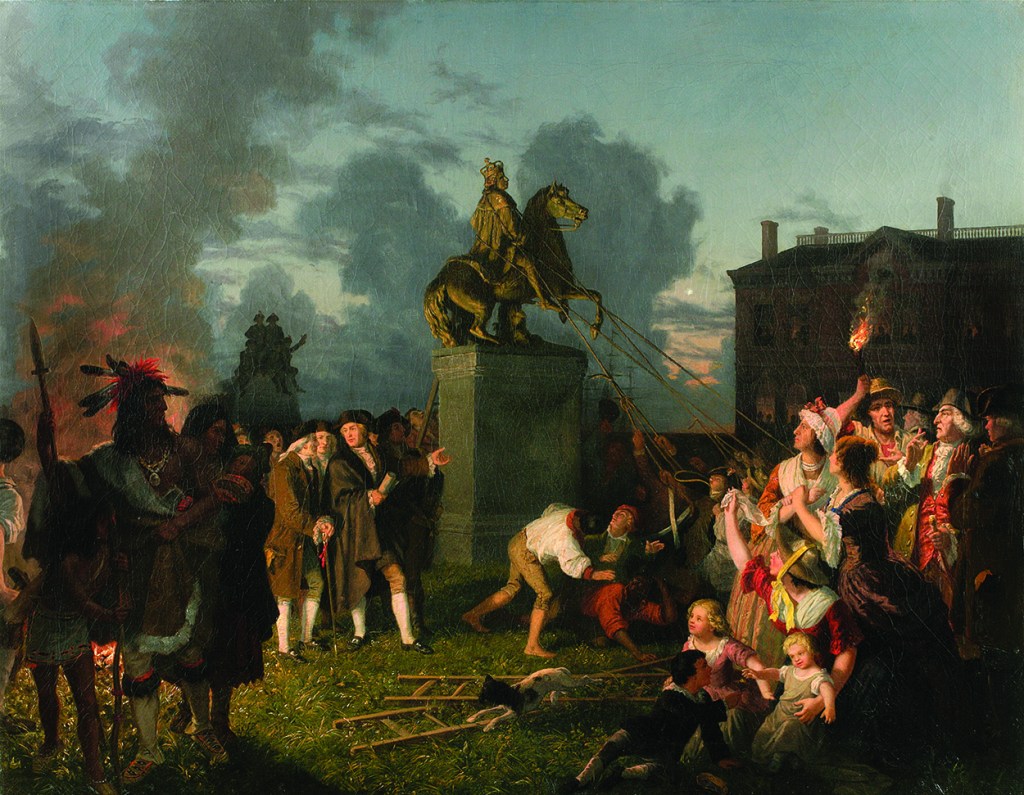
As the United States approaches its 250th anniversary in 2026, the official America 250 (A250) commission has been taken over by a MAGA-aligned events company that previously produced Trump rallies, including the January 6 insurrection. The new contractors have received over $26 million in no-bid federal contracts and have rolled out commemorative programming that critics say whitewashes history, including a video projection on the Washington Monument that celebrates Christopher Columbus and skips over slavery, Indigenous peoples, and women. Meanwhile, the National Park Service plans to exhibit a statue of Caesar Rodney, a slaveholding signer of the Declaration of Independence, on Pennsylvania Avenue.

5 Books on Steffani Jemison’s Shelf

Artist Steffani Jemison, whose work appears in the New Museum's "New Humans" exhibition, shares five books from her shelf in an interview with ARTnews. She discusses John Keene's "Counternarratives" and Kevin Quashie's "Black Aliveness," among others, explaining how these texts inform her practice, which moves between writing and visual art and explores alternative literacies, historical gaps, and Black world-making.

The Art World’s Quiet Embrace of A.I. Is Not Gender Neutral

Artnet News, in partnership with the Association of Women in the Arts (AWITA), published a series examining gender equity in the art world, including a second annual Hardwiring Change survey. The article reports that 62 percent of over 2,000 arts workers surveyed already use AI tools at work, with ChatGPT the most common entry point. However, research shows AI-driven automation disproportionately threatens women, who are more likely to hold jobs vulnerable to disruption and less likely to be early adopters. The piece highlights how commercial AI startups, like Caroline Taylor's Appraisal Bureau, are entering the art market, but warns that AI models trained on historically biased data risk perpetuating gender discrimination—for example, male artists' works are appraised at 45 percent higher values than female artists'.

Edward Hopper’s Distinctly American Solitude

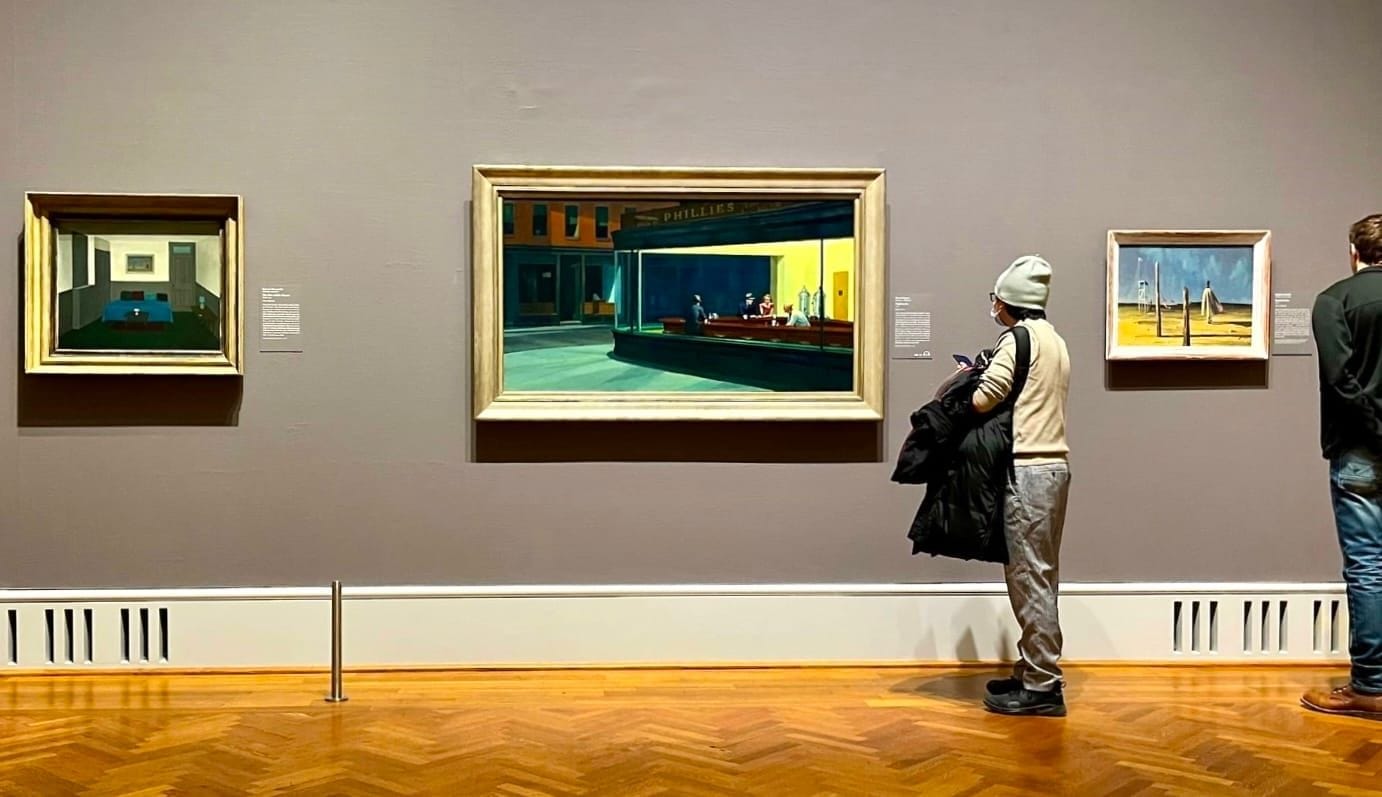
An excerpt from Ed Simon's book "American Elegy" analyzes Edward Hopper's iconic painting "Nighthawks" (1942), housed at the Art Institute of Chicago. Simon explores the painting's imagined diner setting, its realist style, and the sense of loneliness it evokes, noting that Hopper claimed inspiration from a Greenwich Village restaurant but likely invented the scene. The text positions Hopper as a painter of American solitude, with figures trapped in their own selfhood.

Sur Arte, un documentaire lève le voile sur l’occulte Hilma af Klint

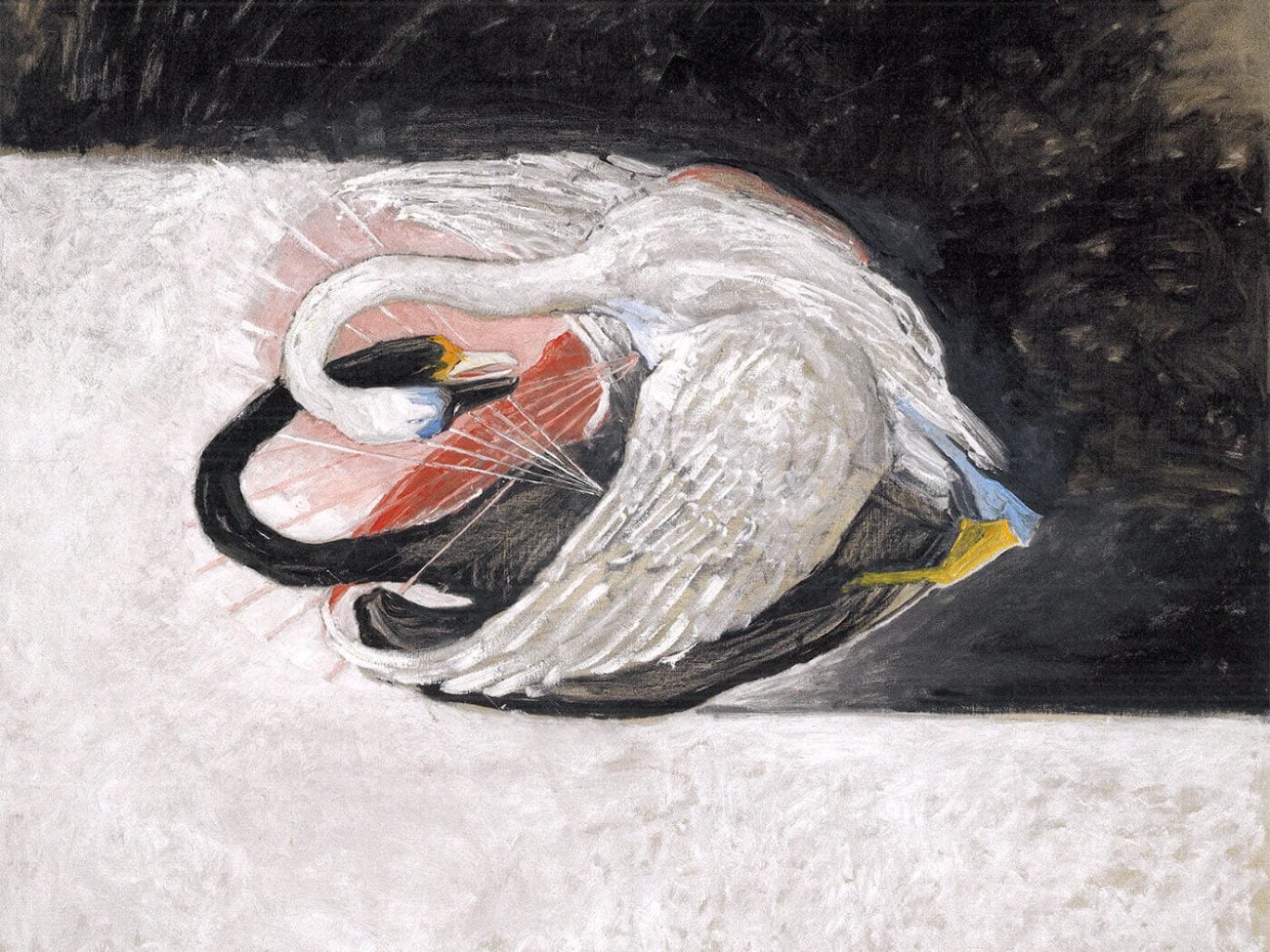
A new documentary titled "La Double Vie d'Hilma af Klint – Peintre et pionnière de l'art abstrait," directed by Manuelle Blanc, is now available on Arte's website. It explores the life and work of Swedish artist Hilma af Klint (1862–1944), who created abstract paintings years before Kandinsky, Mondrian, and Malevich, but kept them secret per her will until 20 years after her death. The film sheds light on her mystical practice, her dual existence as an academic painter and a spiritual medium, and the cosmic, geometric works that challenge conventional art history.

What Drives the Enduring Popularity of Nancy Holt?

ArtReview publishes an essay by Jenny Wu examining Nancy Holt's Land art masterpiece *Sun Tunnels* (1973–76) in Utah's Great Basin Desert. The piece contrasts the work's intended framing of the landscape with its real-world context: bullet scars from local target practice, a nearby bar displaying a Trump 2024 banner, and the voices of 'Pineys' in Holt's film *Pine Barrens* (1975). Wu argues that Holt's framing devices both focus and exclude, revealing tensions between curated experience and the disorder of wider society.

Artist Danielle Mckinney Explains the Story Behind Her Painting on CULTURED’s Cover

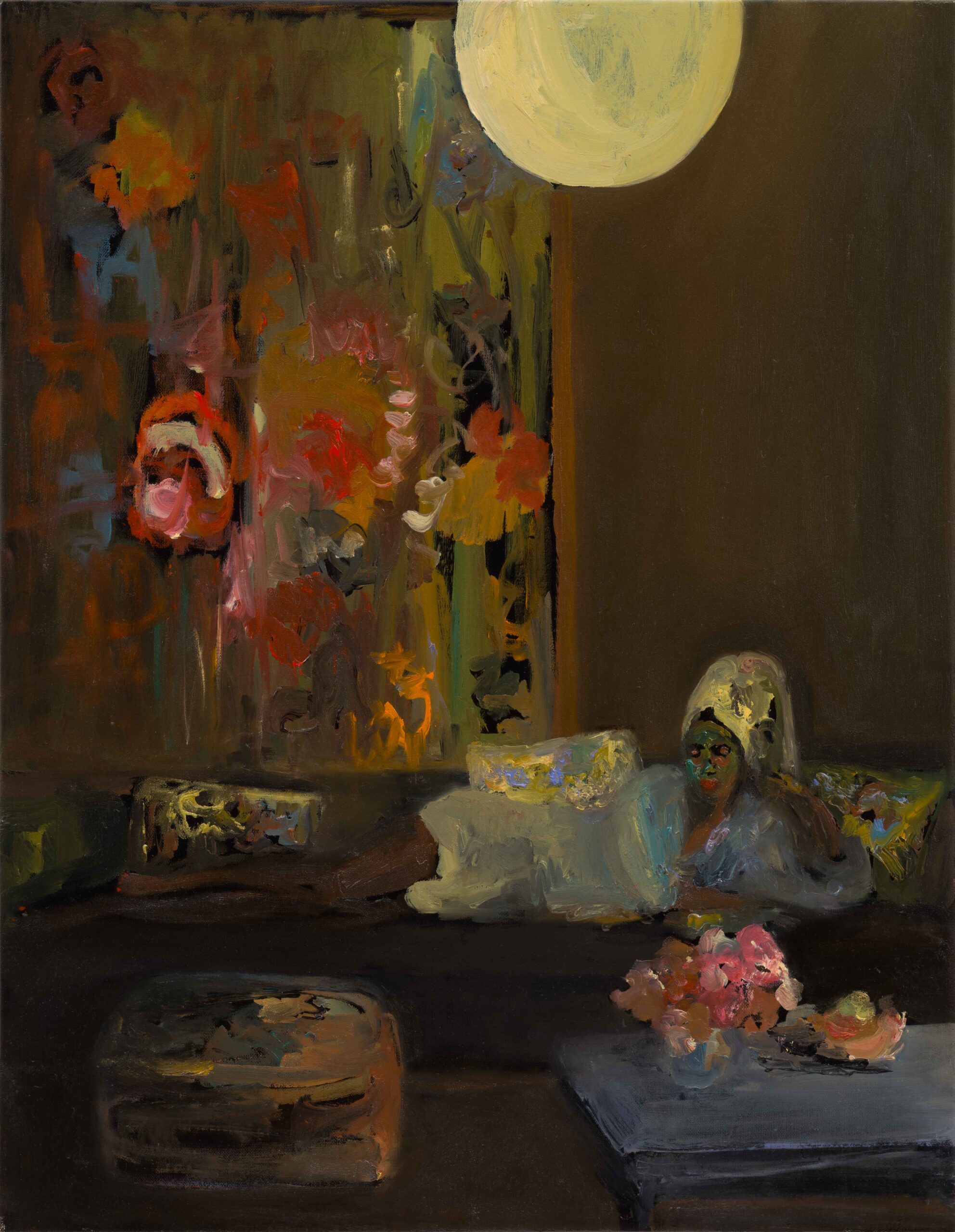
Artist Danielle Mckinney discusses her painting *Recess* (2026), featured on the cover of CULTURED magazine's Indulgence issue. The work depicts a woman reclining on a couch under a glowing light, wearing a face mask, and is part of Mckinney's ongoing exploration of private, restorative moments. The article includes Mckinney's reflections on motherhood, emotional labor, and the act of painting as a space for unorganized feeling. It also notes that her exhibitions "Forest for the Trees" is on view at Marianne Boesky Gallery in New York through June 13, and "Shelter" is on view at the Norton Museum of Art in West Palm Beach through October 4.

What Makes a Good Gallery Weekend?

During a panel discussion at Frieze’s No. 9 Cork Street space, dealer Thaddaeus Ropac argued that London needs lobbying to help its galleries navigate a shifting market, as the sixth edition of London Gallery Weekend launched with over 120 participating galleries. The event runs through Sunday, but faces challenges from Brexit, a cost of living crisis, dwindling arts funding, and political instability, while rival cities like Paris and Milan benefit from chic foundations and friendlier tax regimes.

Georgia O’Keeffe Ignored Advice to Mimic Great European Masters. Her Goal Instead Was to Be a Great American Painter

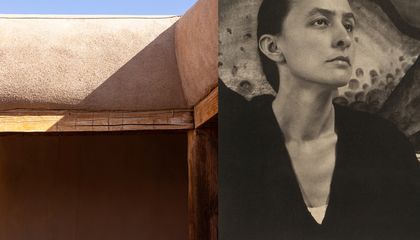
Georgia O’Keeffe, one of America’s most celebrated painters, is the subject of a Smithsonian Magazine feature that traces her artistic journey from a frustrated art student in New York to a visionary who rejected European influences in favor of a distinctly American style. The article recounts how a male classmate painted over her work to demonstrate Impressionist techniques, an experience that solidified her resolve to paint only as she saw. It follows her career through early charcoal exhibitions, her iconic flower paintings, and her eventual move to New Mexico, where the desert landscape and its bones became central to her work. The piece includes photographs of her Ghost Ranch studio and home, as well as a portrait by her husband Alfred Stieglitz.

The secret to enjoying an art gallery? Less is more | Letters

A series of reader letters respond to Isabel Brooks's essay about feeling overwhelmed by too much art in galleries. Correspondents share personal strategies for enjoying museums without fatigue: focusing on a single painting, using a "five paintings" method, asking staff for recommendations, or simply accepting that it's okay to skip most works. Examples include a grandfather who showed his granddaughter just Rembrandt's *Girl at a Window* at Dulwich Picture Gallery, and a visitor who abandoned the catalog at the Royal Academy's Summer Exhibition.

The problem with the Venice Biennale stems from the fact that the art world has become the space within which politics acquires its exhibition value

« Le problème de la Biennale de Venise provient du fait que le monde de l’art est devenu l’espace au sein duquel la politique acquiert sa valeur d’exposition »

Just days before the official opening of the Venice Biennale on May 9, the exhibition's jury collectively resigned in protest over the reopening of the Russian national pavilion. This echoes the 2022 resignation of Documenta's committee amid antisemitism accusations tied to the Israeli-Palestinian conflict. The article argues that both incidents reveal a deeper syndrome: the art world has been reduced to a stage for political display. It criticizes the selective outrage that targets Israel's pavilion while ignoring Russian airstrikes on civilians, China's erasure of Tibetan culture, or Senegal's anti-LGBTQ+ laws, and questions why artists are expected to represent their governments rather than themselves.

L’art vu par… Ibrahim Maalouf

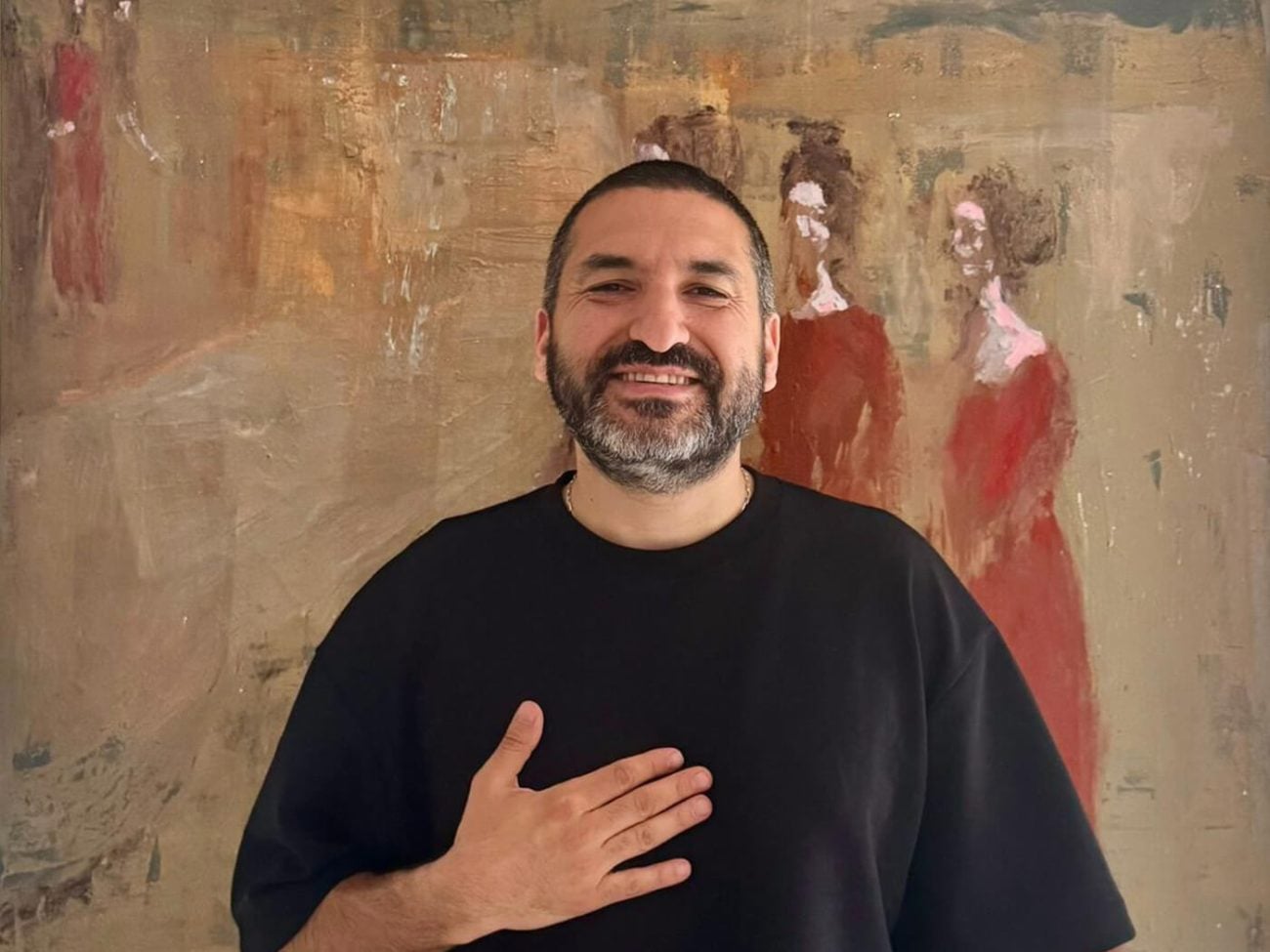
Ibrahim Maalouf, a celebrated Franco-Lebanese trumpeter and composer, discusses his deep connection to visual art in an interview with Beaux Arts Magazine. He reflects on his childhood dream of becoming an architect, his inspiration from artists like David Daoud and Etel Adnan, and his favorite museums including the Louvre and Musée d'Orsay. Maalouf draws parallels between music and architecture, describing his albums as 'territories' and his concerts as 'living installations' where the audience completes the work. He also shares his definition of art as 'what remains when everything collapses' and a 'resistance to forgetting.'

Two of the Biggest Names in American Patronage Have Kept Their Homes Private—Until Now

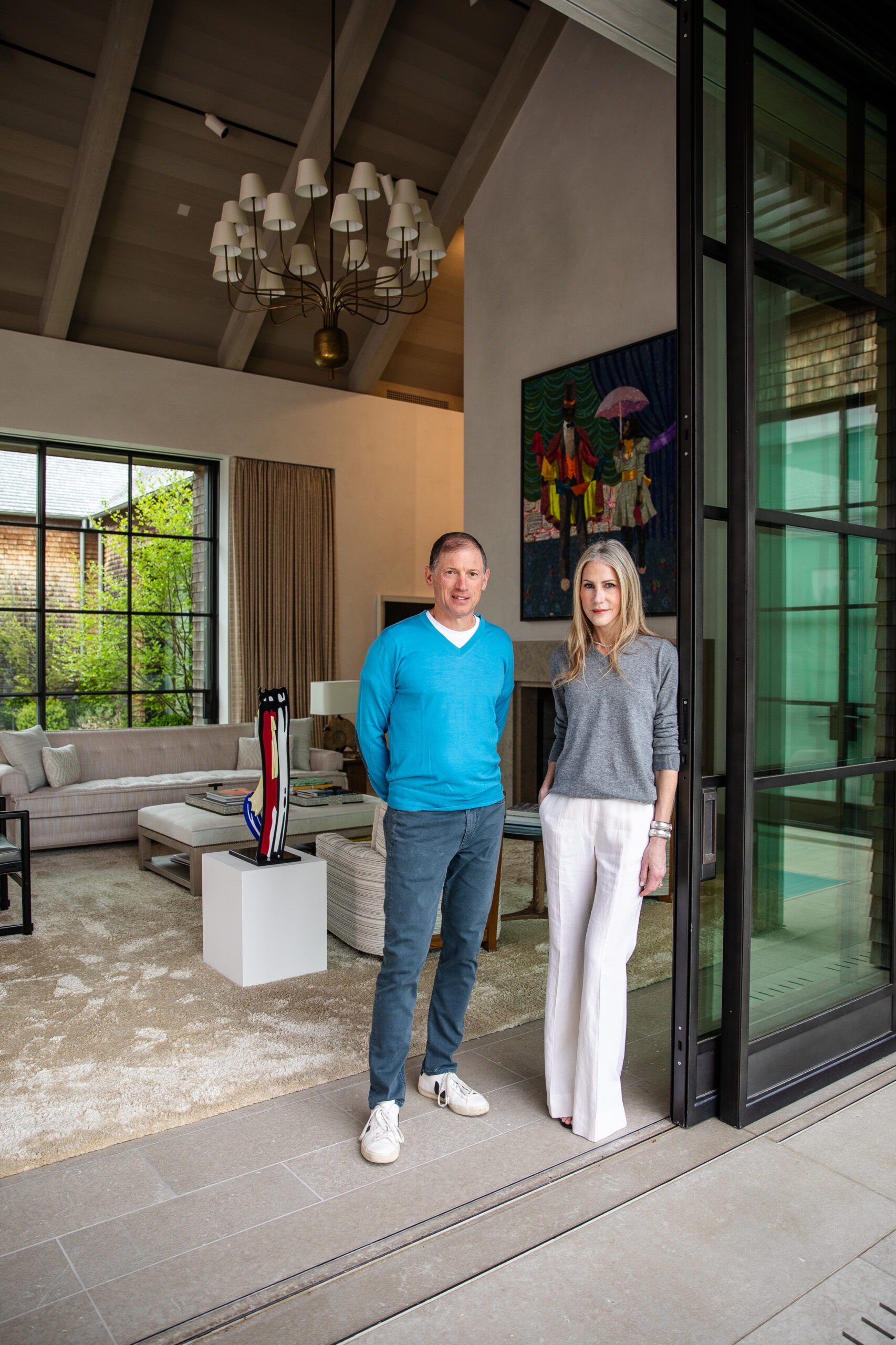
Glenn and Amanda Fuhrman, prominent American philanthropists and art collectors, have opened their private Hamptons home to the public for the first time through a new Phaidon book, *Collecting Contemporaries: The Fuhrman Collection*. The volume reveals their extensive collection of works by artists such as Simone Leigh, Roy Lichtenstein, Jeff Koons, and Amoako Boafo, displayed across their Sagaponack property, which also features outdoor sculptures by Roxy Paine and Elmgreen & Dragset. Glenn Fuhrman, founder of the FLAG Art Foundation and a board member at MoMA and Tate, discusses the discomfort of losing privacy but acknowledges the practical need to eventually sell or donate pieces as he ages.

Art News, Indeed: NBA Star Victor Wembanyama Prepped For Finals Game By Sketching in Gramercy

NBA star Victor Wembanyama was spotted sketching a statue of Edwin Booth in Gramercy Park, a private park in New York City, hours before a crucial Game 3 of the 2026 NBA Finals. The San Antonio Spurs player, who is also a visual artist, shared a video of his drawing session on Instagram, and later led his team to a 115-111 victory over the New York Knicks with a standout performance.

When I claim my black Britishness in this age of intolerance, here is the music that goes with it | Hugh Muir

Hugh Muir describes his experience at "The Music is Black" exhibition at the V&A East in London, where visitors wear headphones and move through galleries listening to different clips of Black British music, creating a shared, immersive encounter. The exhibition highlights the centrality of Black music to British culture, featuring reggae, lovers rock, and other genres, and coincides with the death of Kanya King, founder of the MOBO Awards.

How Olga Fröbe-Kapteyn—a Painter, Collector, and Collaborator of Carl Jung—Mined the Archive and Her Subconscious

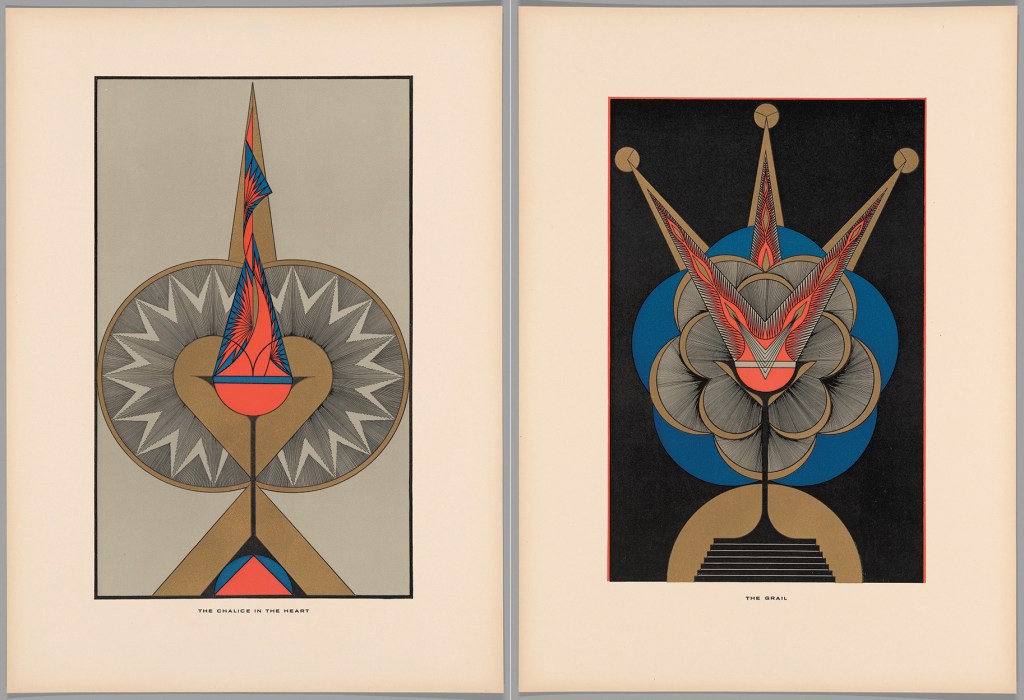
Olga Fröbe-Kapteyn, a painter, collector, and close collaborator of Carl Jung, is the subject of a new article exploring her life and work. Born in London in 1881 to Dutch parents, she studied art history at the University of Zurich and later married musician Iwan Hermann Fröbe. After his death in a plane crash and the disappearance of her disabled daughter under the Nazi regime, she channeled her trauma into art, creating screenprints she called 'meditation drawings' and sketches described as 'visions.' She founded the Eranos Foundation in 1933 and amassed a vast collection of archetypal images sourced from libraries and archives across Europe and North America, driven by a desire to connect human experience with universal truths.

What Is The Game of Exquisite Corpse, and Why Do Artists Still Play It?

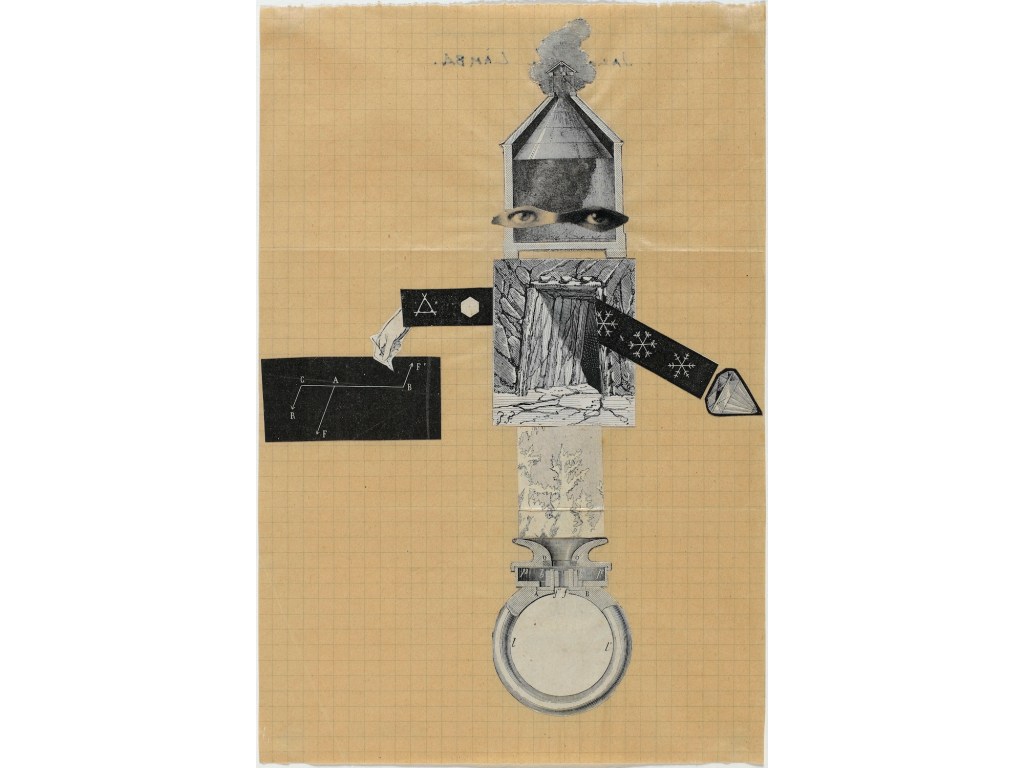
The article explains the Surrealist game Exquisite Corpse (cadavre exquis), where participants collaboratively draw sections of a human body on folded paper without seeing each other's contributions, resulting in strange, hybrid figures. Originating in 1925 at Marcel Duhamel's Paris home, the game was developed by André Breton, Marcel Duchamp, Jacques Prévert, and Yves Tanguy, taking its name from a phrase generated in an earlier writing game. The Surrealists used it to access automatism and the unconscious, fostering wild experimentation through low-stakes materials.

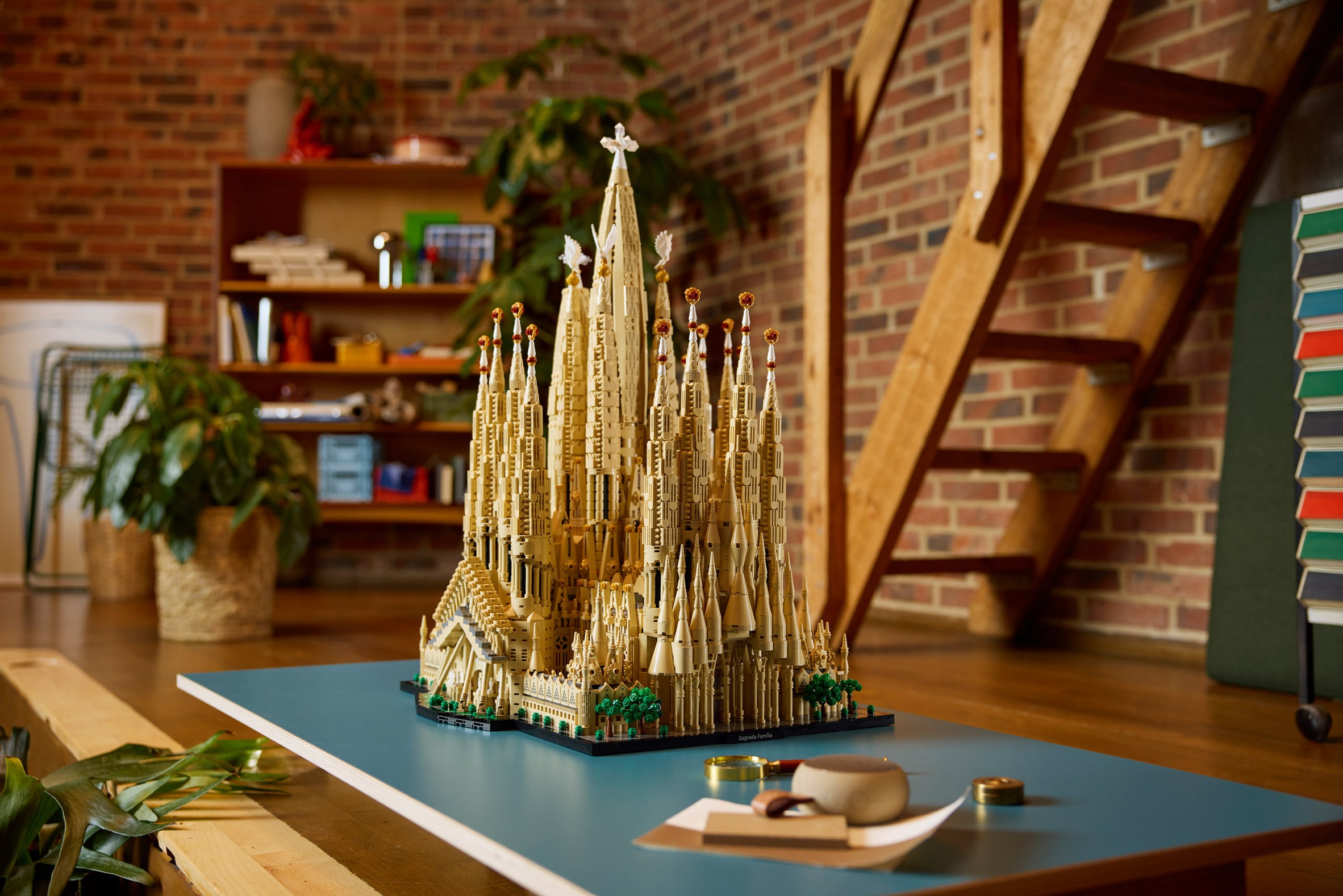
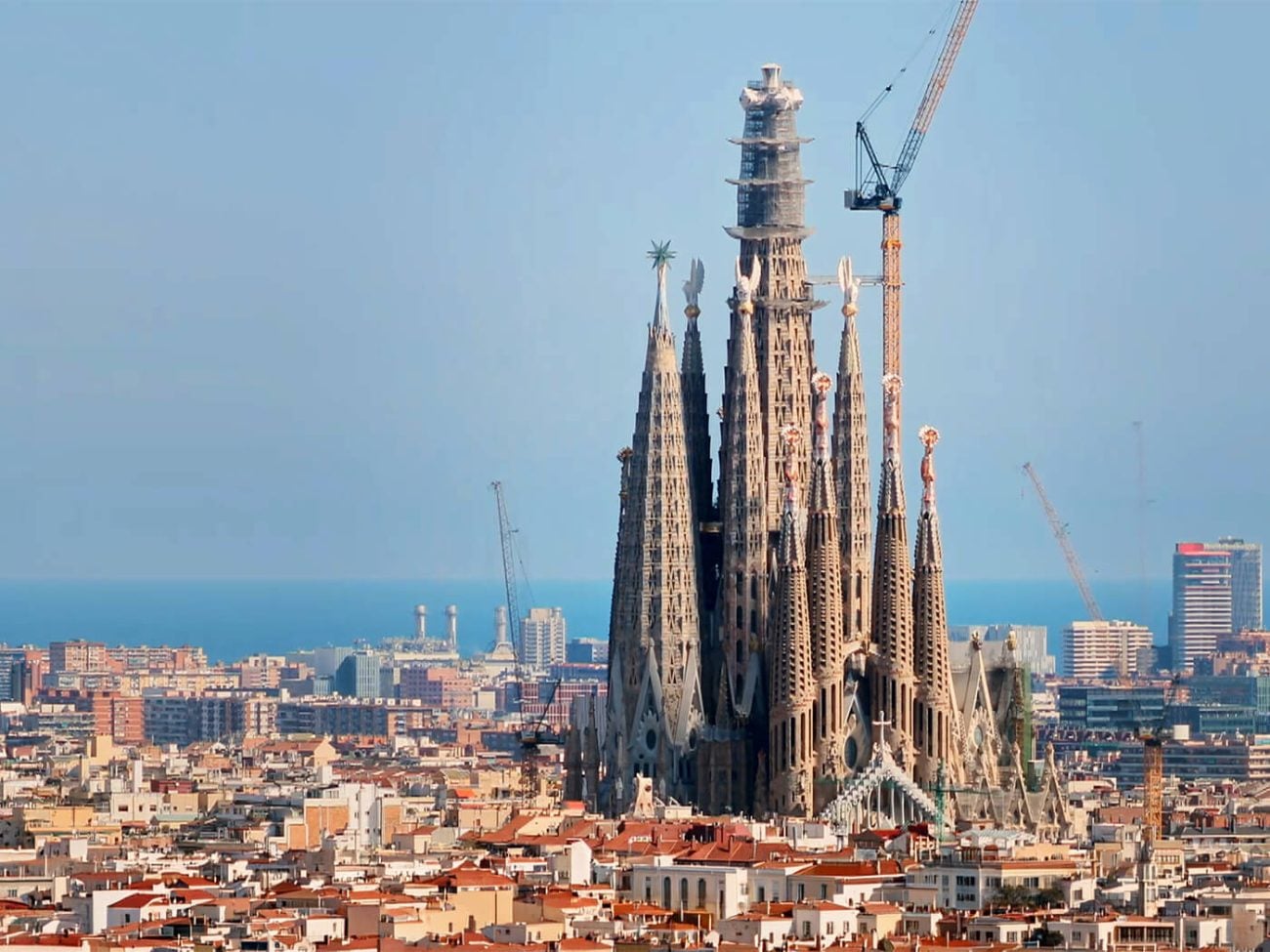
100 years since the death of Antoni Gaudí and Lego presents the Sagrada Familia set: the largest ever

100 anni dalla morte di Antoni Gaudí e la Lego presenta il set della Sagrada Familia: il più grande di sempre

Lego has announced the release of its largest-ever set: a replica of Antoni Gaudí's Sagrada Familia in Barcelona. Comprising 12,060 pieces and priced at €750, the set will be available from November 1, 2026, as part of the Lego Architecture series. The design, led by Lego Architecture designer Rok Žgalin Kobe, aims to honor Gaudí's vision on the centenary of his death in 1926, featuring a detailed reproduction of the basilica's exterior and interior, including stained-glass windows.

For Psychoanalyst Jamieson Webster, Humility Might Be a Worse Sin Than Pride

Psychoanalyst Jamieson Webster reflects on the sin of pride in a personal essay for Cultured magazine's "Indulgence" issue, part of a series where seven figures examine how one of the seven deadly sins threads through their life and work. Webster explores pride as a complex, gendered experience—distinguishing women's pride from male ambition and describing it as a refusal to yield rather than self-exaltation, while also distrusting humility as a covert demand for women to remain accommodating.

Artist Christine Sun Kim on How Her Deaf Rage Grew Into Deaf Wrath

Artist Christine Sun Kim reflects on the concept of wrath in the context of her identity as a deaf person, describing a lecture-performance in which she shows gruesome clips of deaf characters being killed in television and film. She recounts a personal moment when a hearing family member texted her about a new gene therapy for deafness, calling it “amazing,” which she interprets as part of a broader eugenicist narrative that seeks to eliminate deafness. Kim contrasts this with the progress she witnessed after the Americans with Disabilities Act was signed in 1990, including captions, interpreters, and access to education, which enabled her to become an artist. Now, she says, that progress is eroding, and her earlier “Degrees of Deaf Rage” has escalated into wrath.

Everything you need to know about Gaudí, the architect of the Sagrada Família who died a hundred years ago

Tout savoir sur Gaudí, l’architecte de la Sagrada Família disparu il y a cent ans

Beaux Arts Magazine marks the centenary of Antoni Gaudí's death in 2026 with a curated selection of articles about the Catalan modernist architect. The Sagrada Família, his most famous work and Spain's most visited monument, is finally nearing completion after 144 years of construction. The tower of Christ will be inaugurated on June 10, 2026, in the presence of Pope Leo XIV. The magazine also highlights Gaudí's other iconic creations, such as Casa Batlló, and his organic, dreamlike architectural style. A special evening on Arte will feature the documentary "Sagrada Família. Le rêve…" and the Musée d'Orsay is presenting an exhibition exploring the genesis of Gaudí's work within the context of early 1900s Catalonia.

Twins in a spin at the great British seaside: Sophie Green’s best photograph

Sophie Green discusses her photograph of twins on a spinning ride at a funfair in Weston-super-Mare, taken in 2021 as part of her ongoing project documenting the British seaside. The image captures the intense colors and joyful atmosphere of seaside leisure, which she began photographing during the Covid lockdown when beaches became vital gathering spaces. Green's broader documentary work explores themes of belonging, shared heritage, and subcultures, including projects on banger racing, Black-majority churches in South London, and Irish Traveller horse fairs.

There Is No Real Normal State

"Es gibt keinen wirklichen Normalzustand"

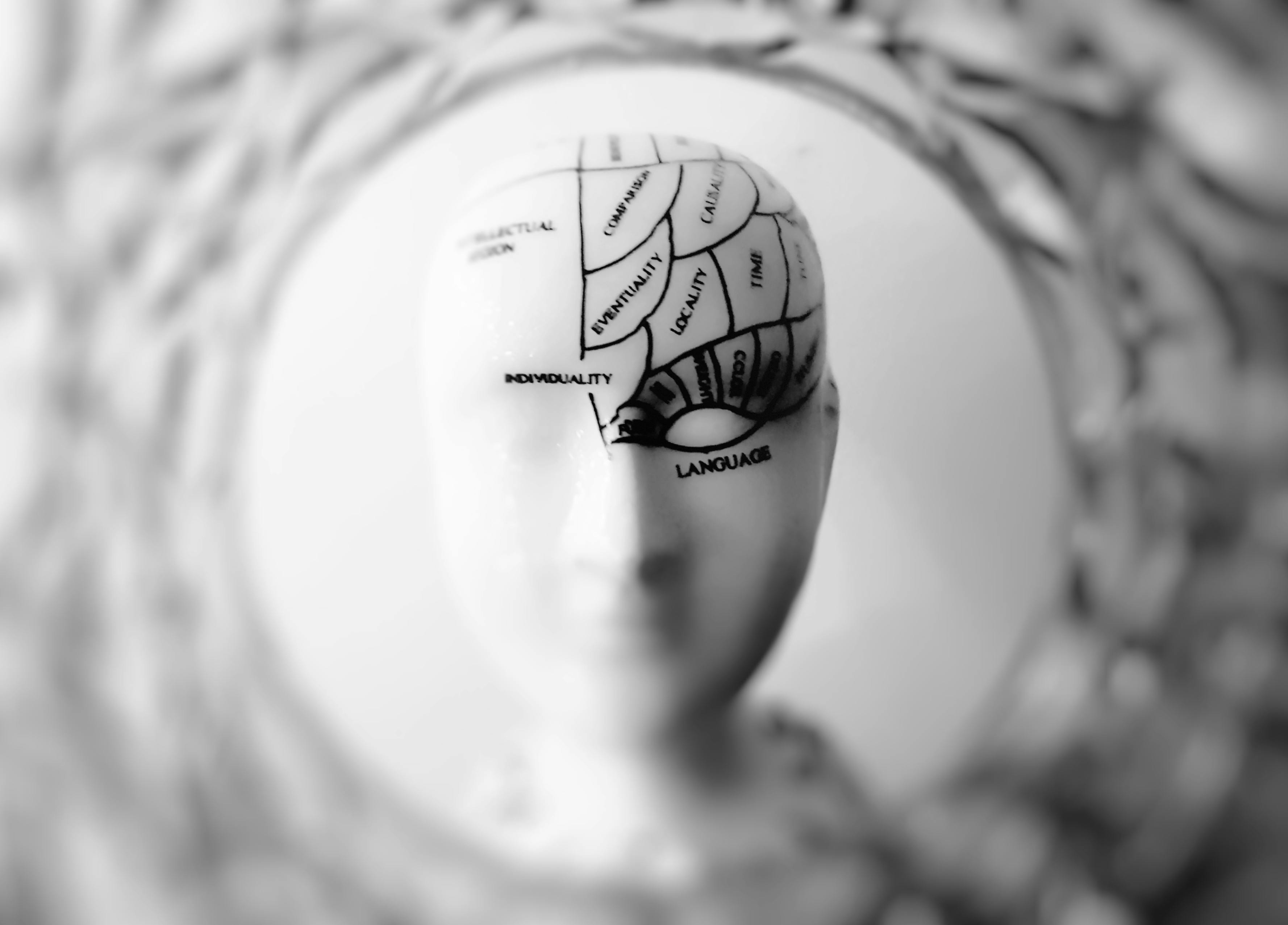
Neurologe Mario de la Piedra Walter hat ein Buch über das kreative Gehirn geschrieben, in dem er retrospektiv Künstler wie Vincent van Gogh, Wassily Kandinsky, Frida Kahlo und Virginia Woolf untersucht. Er analysiert, wie neurologische Erkrankungen und Wahrnehmungsstörungen – etwa Synästhesie oder Epilepsie – die Werke dieser Künstler beeinflusst haben könnten, und stützt sich dabei auf Symptombeschreibungen in deren Werken und Biografien.

The art of resurrecting forgotten artists

The article examines the phenomenon of artistic fame and obscurity, tracing how once-celebrated artists like William Dyce, Carlo Maratti, Anton Rafael Mengs, and Pompeo Batoni fell into neglect after their deaths, only to be rediscovered centuries later through targeted exhibitions. It recounts specific examples, such as Dyce's painting bought cheaply for a Butlin's chapel and later sold for a high sum, and the recent major exhibition of Mengs at the Prado in Madrid, which revived interest in his work.

What Are an Artist’s Rights in the Age of A.I.? We Asked an Expert.

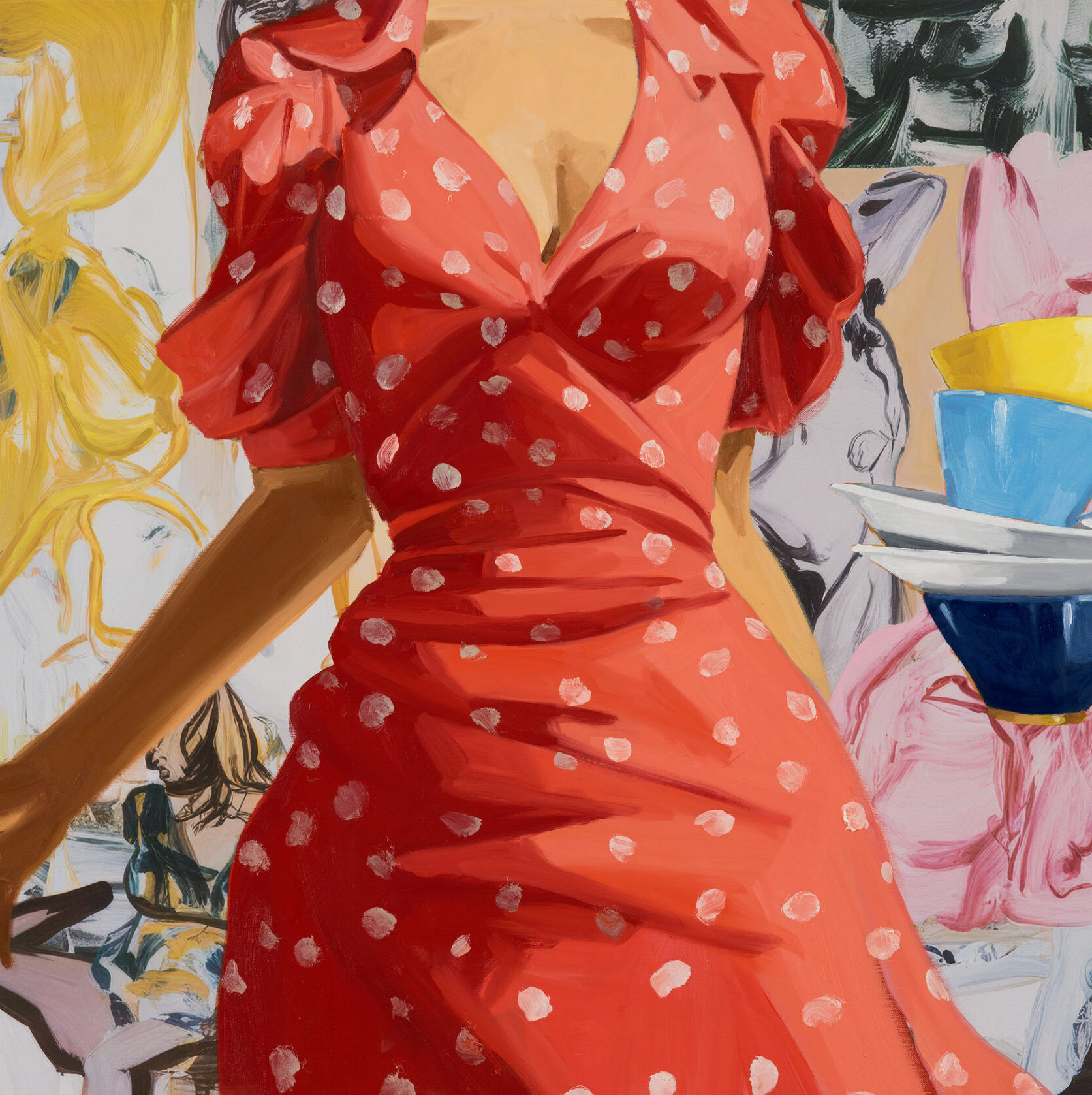
The article is an expert Q&A with Katarina Feder, vice president of the Artists Rights Society (ARS), addressing artists' legal rights in the age of artificial intelligence. It uses the case of artist David Salle, who trained an AI on his own earlier "Pastorals" series to create new works, as a central example. Feder explains that training AI on one's own copyrighted works is legal, and that the resulting AI-assisted output can be copyrighted if the human contributes sufficient creative expression, such as overpainting. The piece also warns against deception in presenting AI-generated work.

Curating in the shadows of spectacle: strategies for protecting artistic freedom

The article recounts the 2012 censorship of Betsy Schneider's artwork "Januaries" at the Kohler Art Center in Sheboygan, Wisconsin, after a local clergyman claimed the photographs of her naked daughter constituted child abuse. Despite a public letter from the National Coalition Against Censorship signed by artists and critics, the museum refused to reinstate the work. The article notes that the same exhibition traveled without issue to Greensboro, North Carolina, and Andover, Massachusetts, and draws a parallel to the 2025 seizure of Sally Mann's photographs in Texas on similar grounds.

Anish Kapoor: ‘Especially in the art world, any sense of the radical has gone’

Anish Kapoor, the renowned British-Indian sculptor, discusses capitalism, identity politics, and his upcoming major exhibition at the Hayward Gallery in London. In the interview, he critiques the contemporary art world for losing its radical edge, describing his own practice as acts of 'archaic alchemy' that challenge conventional boundaries.