filter_list Showing 8 results for "representation" close Clear
search
dashboard All 72 museum exhibitions 42article news 8article culture 8trending_up market 7rate_review review 3person people 3article policy 1
date_range Range Today This Week This Month All
Subscribe

From high BMI to the ‘GLP-1 look’: how weight-loss jabs are changing the face of beauty

Researchers and art historians are examining how weight-loss drugs like Wegovy and Mounjaro are reshaping ideals of beauty in art. Prof. Rosalind Gill and Dr. Michael Yafi argue that the rapid fat loss caused by GLP-1 medications produces a distinctive gaunt facial appearance—dubbed 'GLP-1 face'—which could become a new aesthetic standard reflected in contemporary art, similar to 'heroin chic' in the 1990s. Yafi presented his findings at the European Congress on Obesity, noting that while artists like Fernando Botero continue to celebrate fuller figures, future artworks may increasingly depict thin individuals with hollowed features.
ArtReview Podcast | Episode 7: Zineb Sedira

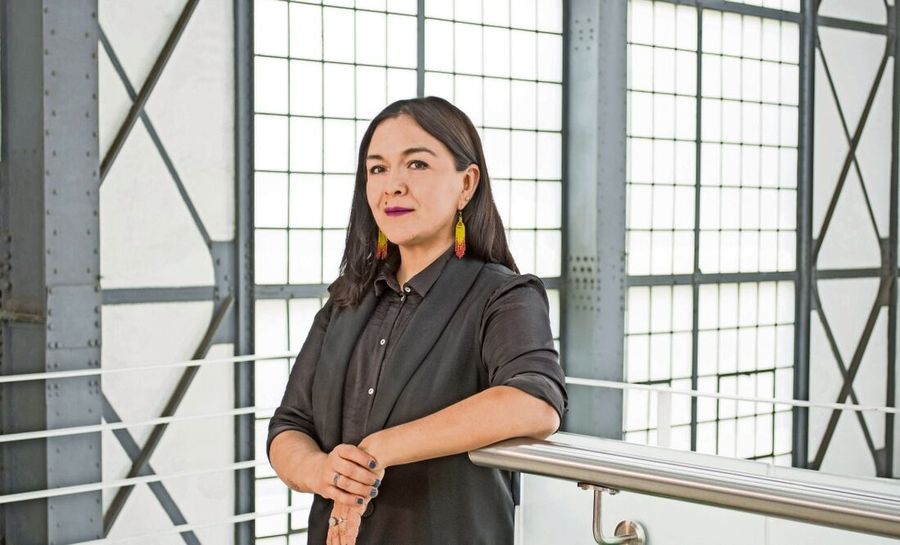
The ArtReview Podcast episode 7 features artist and photographer Zineb Sedira in conversation with digital editor Alexander Leissle. Sedira discusses Algerian cinema, the Scopitone, and her new Tate Britain Commission titled "When Words Fall Silent, Cinema Speaks," a site-specific installation in the Duveen Galleries open until January 2027. The episode explores three works chosen by Sedira, including Agnès Varda's "Salut les Cubains" (1963) and William Klein's "The Pan-African Festival of Algiers" (1969), as lenses into her practice and themes of displacement, identity, and cinema as a tool of resistance.

Opinion: In galleries across Canada, too much art is being hidden away

Don LePan, a novelist, book publisher, and painter, argues that public art galleries across Canada are failing to display their permanent collections, using the MacKenzie Art Gallery in Regina as a prime example. During a visit in early March, LePan found that none of the gallery's extensive permanent collection—which includes works by Group of Seven artists, European masters like Picasso and Gauguin, and modernists such as Agnes Martin—was on view. Instead, the entire exhibition space was devoted to three special shows: a photographic and conceptual art exhibition by Plains Cree artist Joi T. Arcand, a selection of works by 2025 Governor General’s Awards in Visual and Media Arts recipients, and an Indigenous art exhibition. LePan praises these exhibits but criticizes the gallery's decision to completely exclude its permanent collection.

In a Year of Remarkable Filmmaker Debuts, Here’s How Aleshea Harris Set ‘Is God Is’ Apart

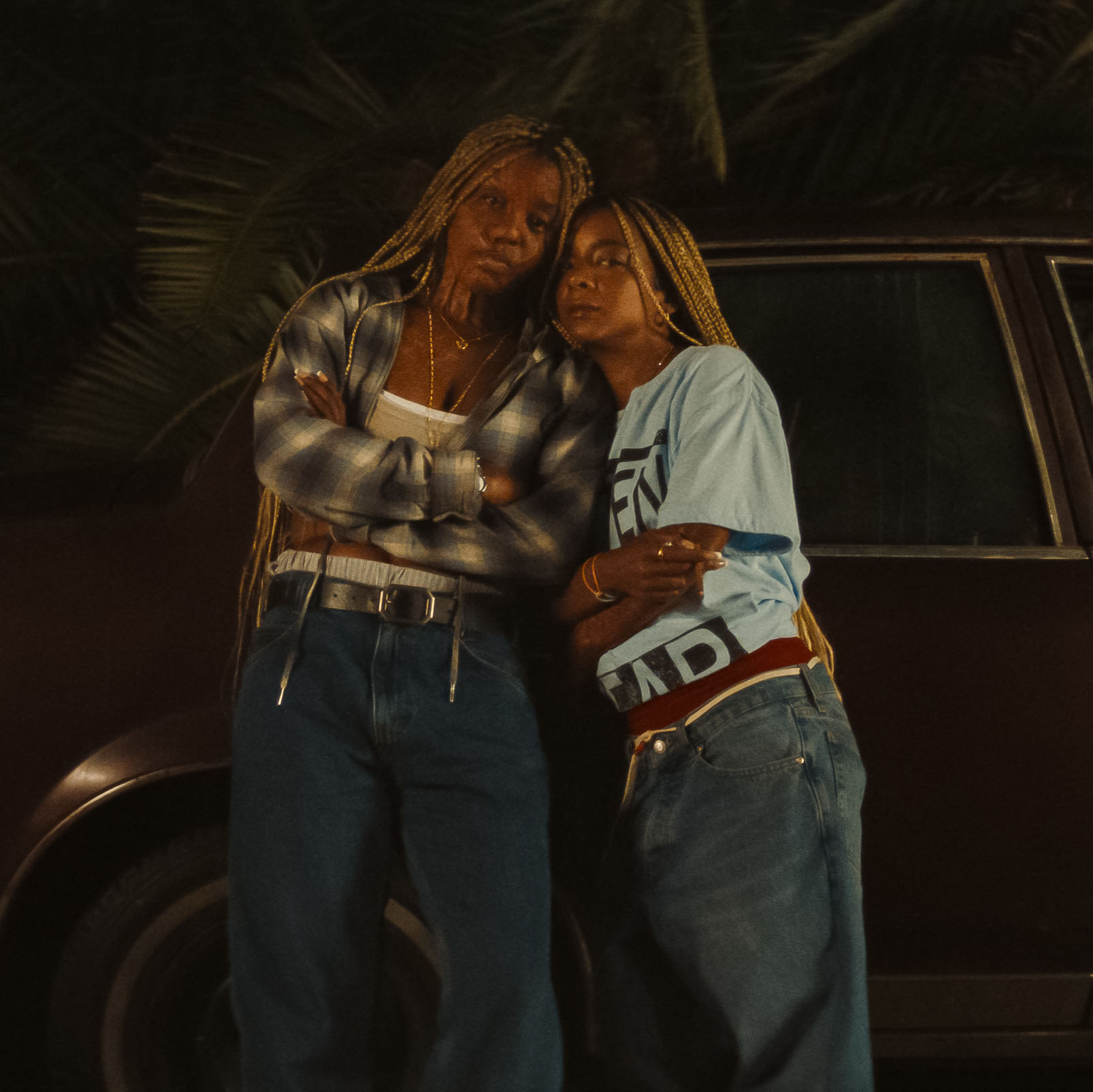
Aleshea Harris has adapted her award-winning 2016 play 'Is God Is' into a feature film, marking her directorial debut. The story follows twin sisters with burn scars who, summoned to their mother's deathbed, learn their father caused their disfigurement and are urged to seek revenge. The film stars Kara Young, Mallori Johnson, Vivica A. Fox, Sterling K. Brown, and Janelle Monáe. Harris brings her playwright's precision to the screen, using avant-garde typography and captions inspired by a 1964 edition of Eugène Ionesco's 'The Bald Soprano' designed by Robert Massin, with title design by Teddy Blanks.

SOL HENARO: “BAJAR LA VELOCIDAD ES POLÍTICO Y, AUNQUE CUESTA MUCHO, HAY QUE SEGUIR INTENTÁNDOLO”

Sol Henaro, director of the Museo Universitario del Chopo in Mexico City, argues in an interview for Artishock Revista that museums must resist neoliberal pressures to accelerate production, spectacularize content, and convert cultural experience into immediate consumption. She advocates for the museum as a space of plurality, deceleration, and critical thought, emphasizing the need for horizontal, careful practices that allow for dissent and coexistence. The interview is part of a series on International Museum Day featuring directors from Latin American and Ibero-American institutions.

How Native American Artists Redefined Contemporary Art in the United States

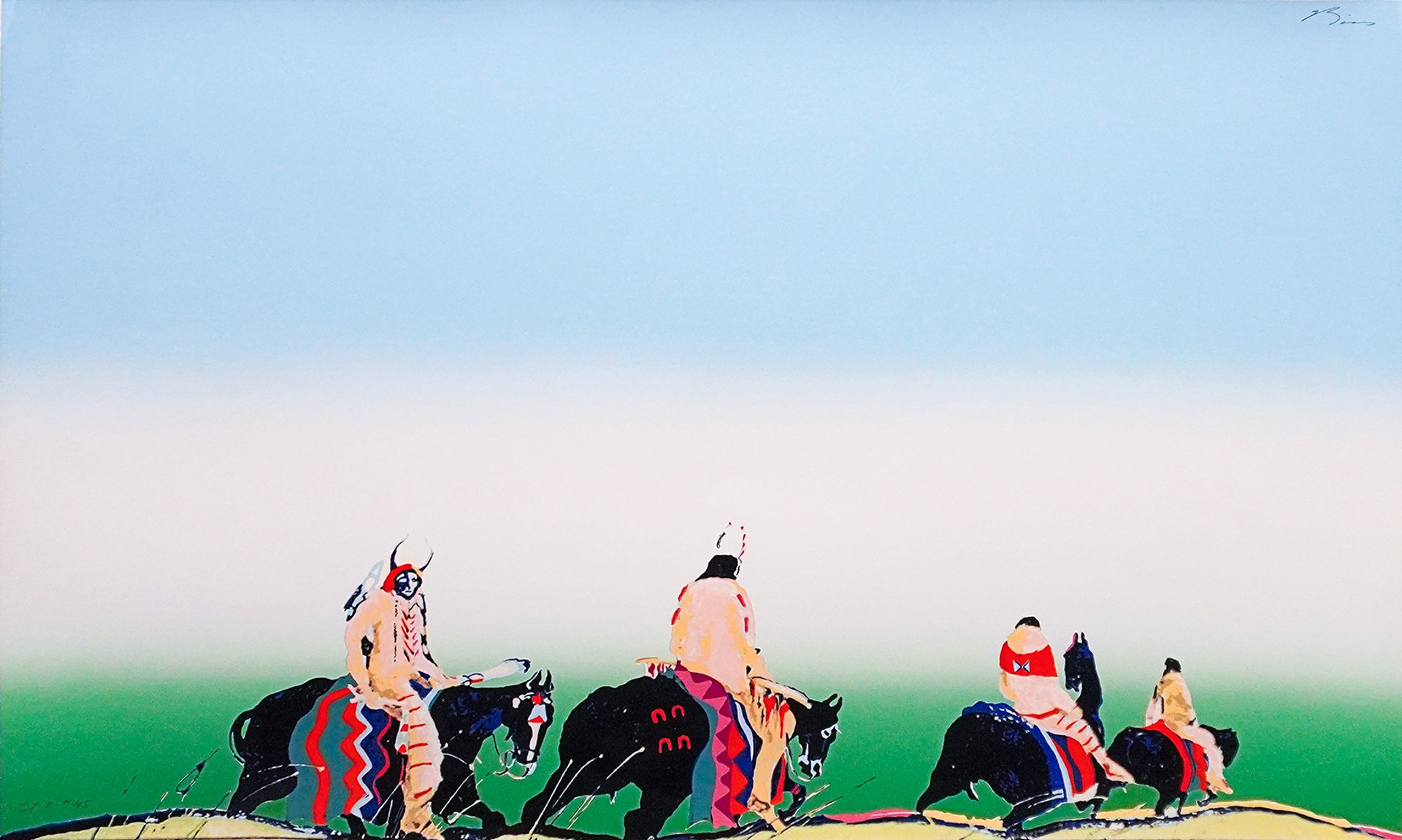
A generation of Native American artists, emerging from the Institute of American Indian Arts (IAIA) in Santa Fe from the 1960s onward, reclaimed Indigenous representation in American art. Figures like Fritz Scholder, T.C. Cannon, Kevin Red Star, and Earl Biss used modernism, irony, and cultural specificity to dismantle colonial stereotypes of Native peoples as romanticized relics, instead portraying them as contemporary individuals with agency and living traditions.

Should art have moral limits?

At Metropolitan State University of Denver, students, artists, professors, and curators debate whether art should have moral limits, particularly when it addresses violence, political division, or sensitive social issues. The discussion features perspectives from Jess Gerome, an art education student who argues discomfort should not dictate creative expression, and Xtna Doleres, a multidisciplinary artist who believes art carries an ethical responsibility to speak truth and represent communities respectfully. Professor Jason Miller adds that while art alone may not cause harm, it must be taken seriously when it suggests real-world danger.

Meet Leslie Anne

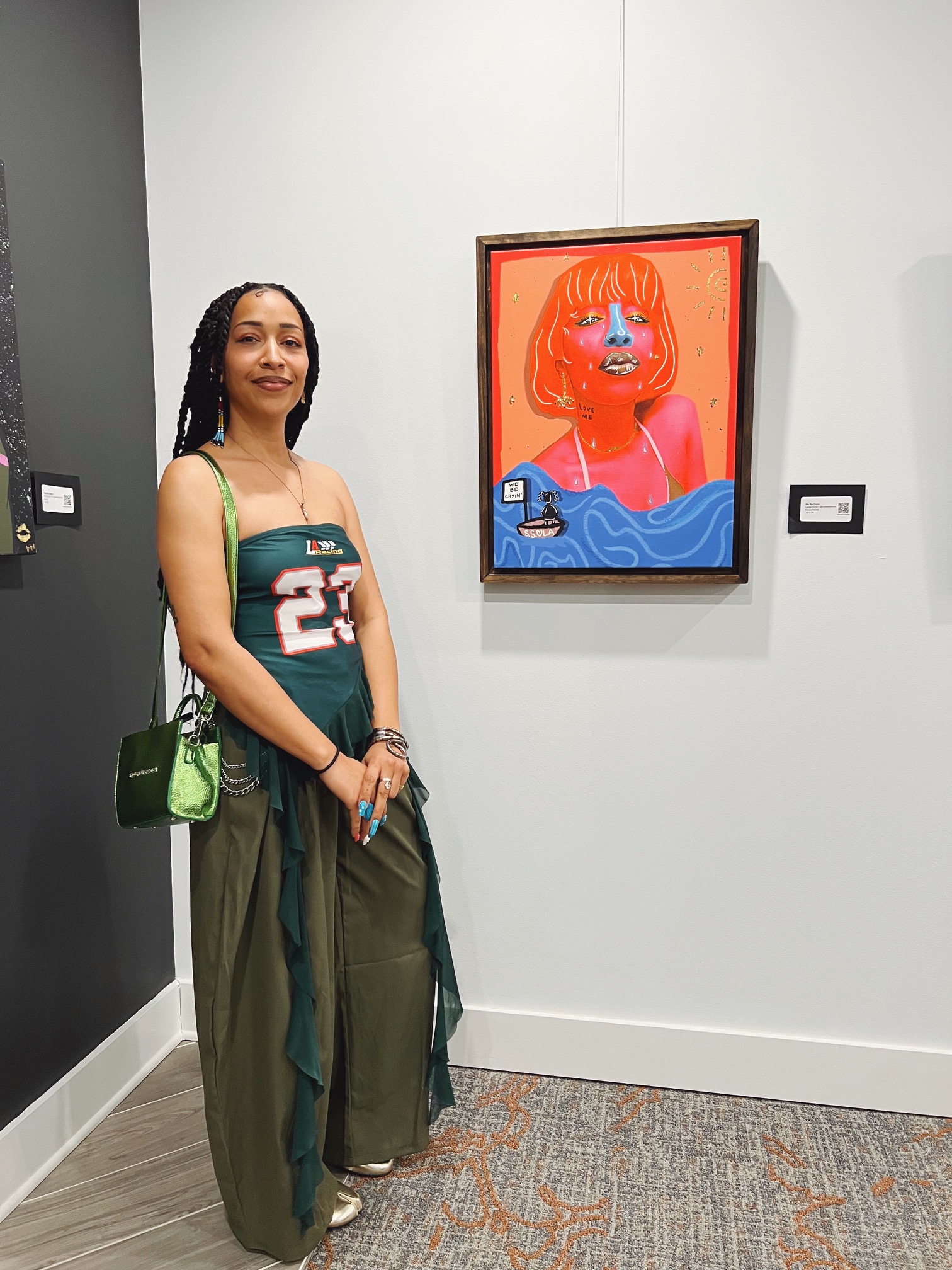
Leslie Anne, a self-taught multidisciplinary artist based in Atlanta, shares her journey from pencil portraits to digital mixed media and acrylic painting. She began making art 15 years ago, transitioned to digital tools like Procreate during the pandemic, and now creates bold, colorful works centered on Black women, queer identities, and overlooked historical figures. She sells her work through her website and Etsy, participates in local exhibitions, and takes commissions for custom portraits and music cover art.