filter_list Showing 11 results for "Art Not Genocide Alliance" close Clear
search
dashboard All 69 article news 50museum exhibitions 11article policy 5article culture 1article event 1rate_review review 1
date_range Range Today This Week This Month All
Subscribe

venice biennale 2026 national pavilions

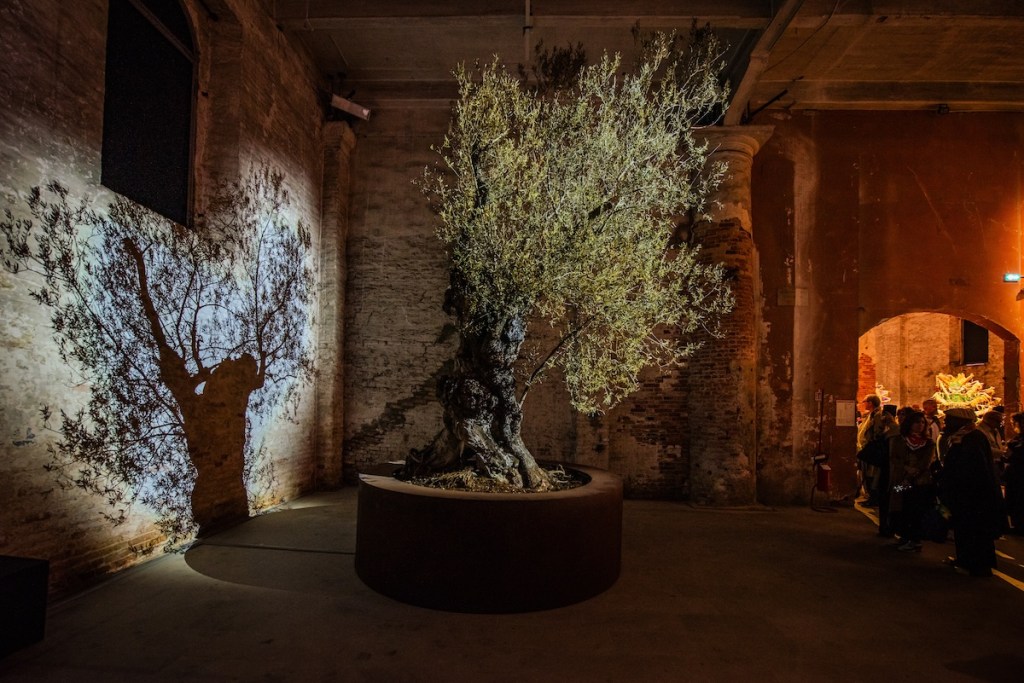
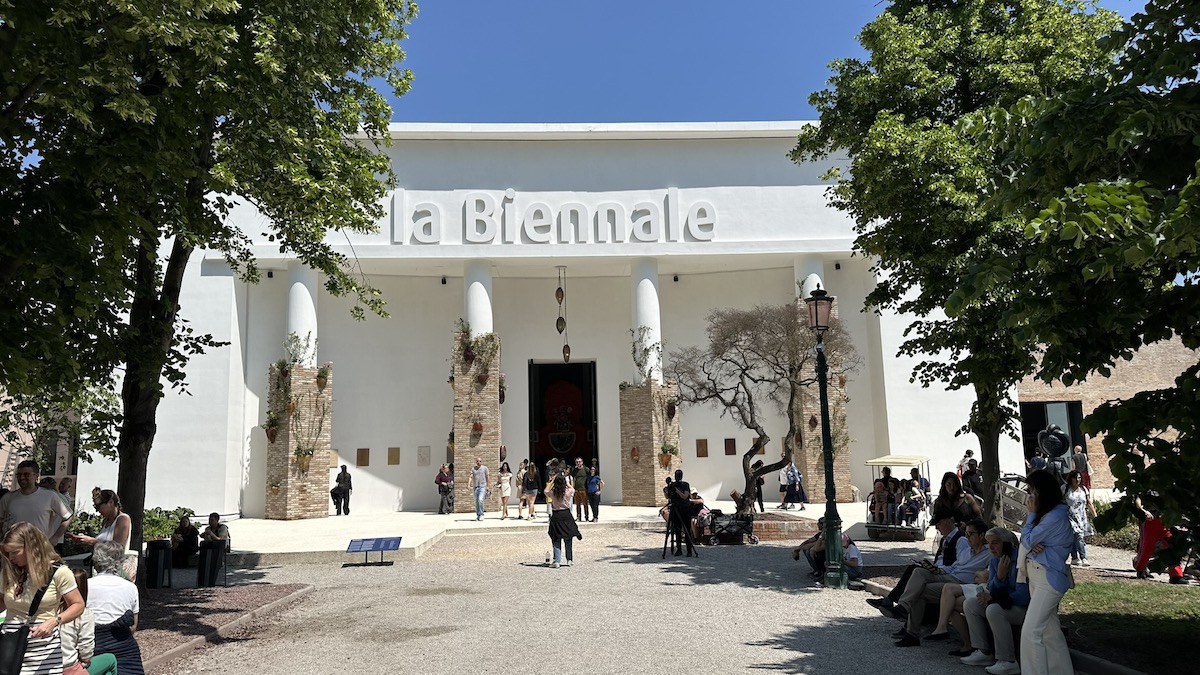
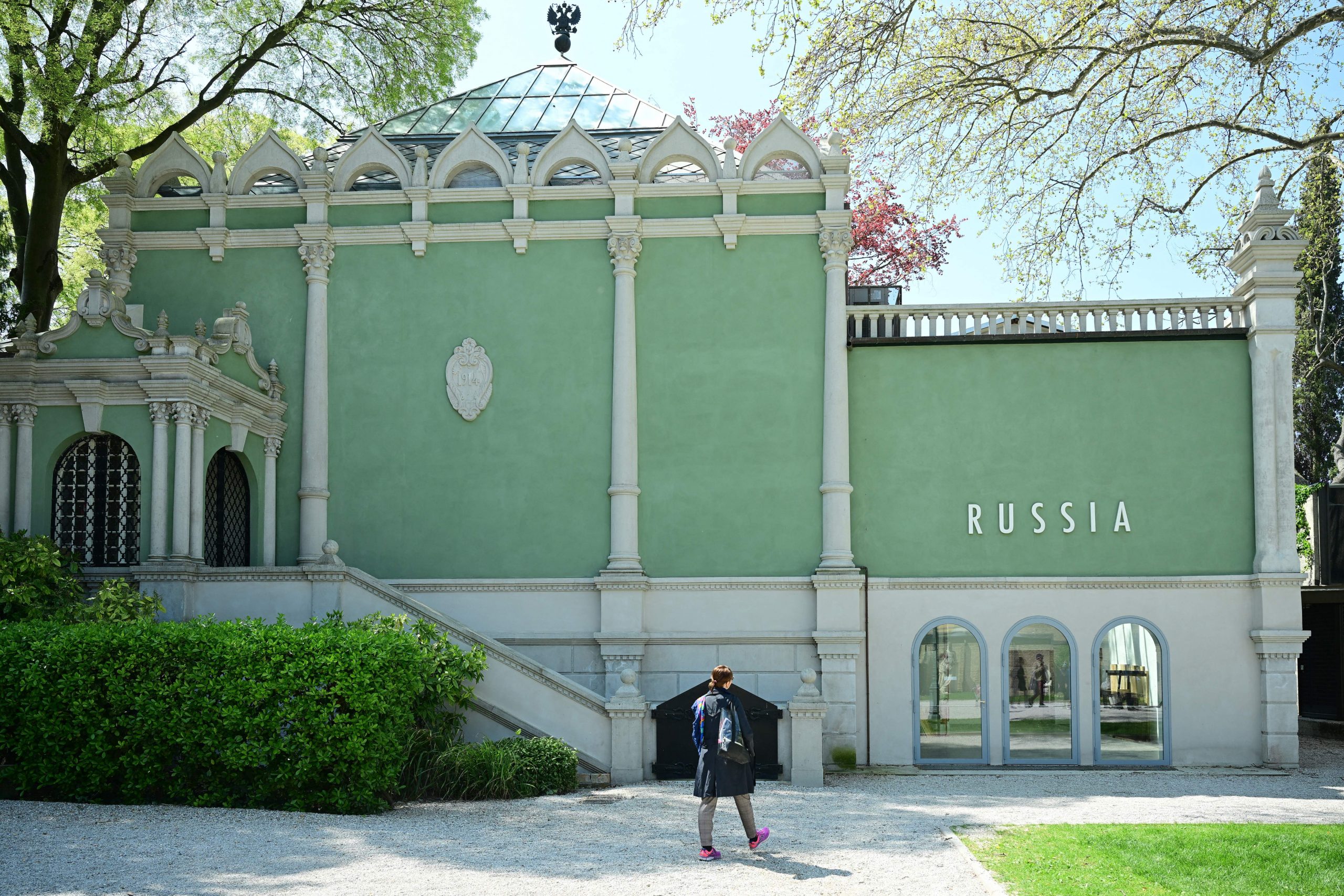
The 61st Venice Biennale is taking shape as national pavilions announce their participants and curatorial themes for the 2026 edition. Russia has confirmed its return to the Giardini with a multidisciplinary exhibition titled “The Tree is Rooted in the Sky,” following its 2022 withdrawal and the 2024 loan of its pavilion to Bolivia. The upcoming edition, themed “In Minor Keys,” will proceed under the vision of the late curator Koyo Kouoh, who passed away in 2025 after becoming the first African woman appointed to helm the prestigious event.
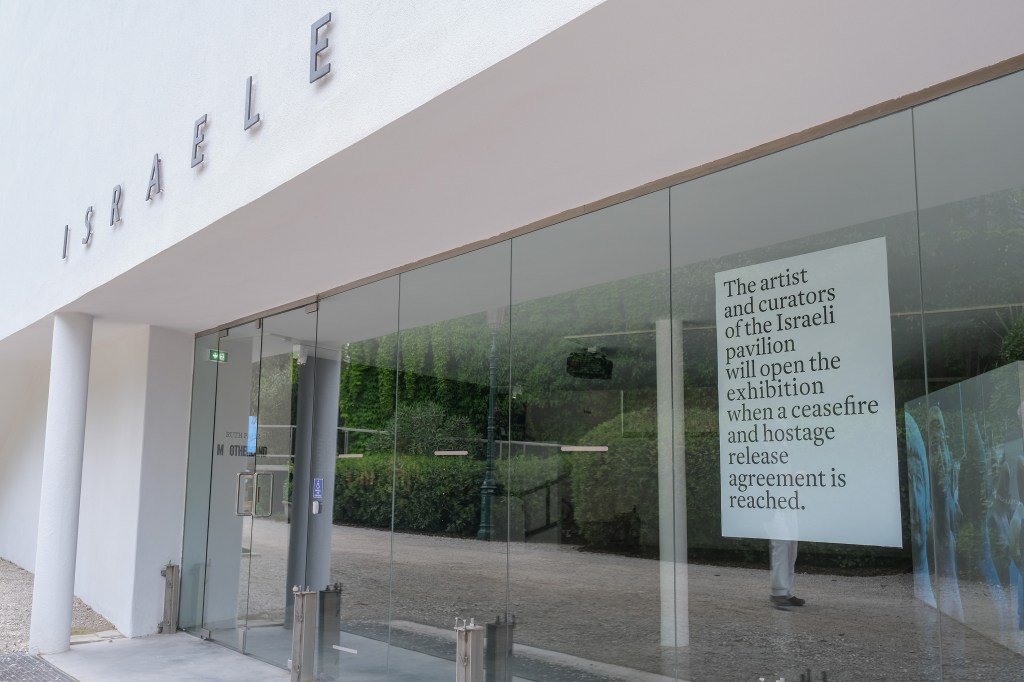
Open Letter Published by Activist Group Calling for Venice Biennale to Eject Israel Signed by Nearly 200 Participating Artists and Curators

An activist group called Art Not Genocide Alliance has published an open letter demanding the Venice Biennale eject Israel from this year's exhibition. The letter has been signed by nearly 200 artists, curators, and arts workers participating in the 2026 Biennale, including members of the main exhibition's curatorial team and contributors to several national pavilions. The letter accuses Israel of genocide and apartheid, and references the 2024 Biennale where Israel's pavilion remained closed due to similar protests.

Artists Criticize Somalia’s First-Ever Venice Biennale Pavilion: ‘This Pavilion Does Not Speak for Us’

Somalia's inaugural pavilion at the Venice Biennale has sparked significant backlash from the nation's domestic art community. Four major Somali art spaces and nine local artists issued a joint statement criticizing the pavilion for failing to include or consult artists currently living and working within Somalia. The controversy centers on the selection of three diaspora artists based in Europe and the appointment of a Venice-based co-curator, which critics argue ignores the cultural workers who have rebuilt the country's art scene under difficult conditions.

Across Venice, Artists Defy Censorship to Mourn and Memorialize Gaza

The 2026 Venice Biennale, titled “In Minor Keys,” features numerous artworks that mourn and memorialize the destruction of Gaza, despite censorship pressures. The main exhibition opens with a poem by slain Palestinian poet Refaat Alareer, and includes works by artists such as Theo Eshetu, Mohammed Joha, Manuel Mathieu, and Avi Mograbi that directly or indirectly address the conflict. Outside the official Biennale, South African artist Gabrielle Goliath’s performance series “Elegy” was censored by her country’s culture minister after she proposed a version honoring murdered Palestinian poet Hiba Abu Nada, leading her to present the work independently at a church in Venice.

‘We put our heads above the parapet’: Lubaina Himid on winning her 40-year battle to storm the Venice Biennale

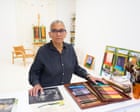
Lubaina Himid, the 71-year-old British artist, is representing Britain at the Venice Biennale with a solo exhibition in the British Pavilion. Known for her decades-long career addressing Black identity and colonial history through paintings, textiles, and cut-out figures, Himid installed her work early and even got married in the lead-up to the biennale. She follows fellow Black British artists John Akomfrah and Sonia Boyce in recent years, completing a trio of artists from the same generation to take over the pavilion.

Yto Barrada Says France Had ‘Full Awareness’ of Her Views on Israel When It Chose Her for Venice Biennale

Artist Yto Barrada, selected to represent France at the Venice Biennale, has stated that the French government and pavilion organizers were fully aware of her political views when they chose her. This follows criticism from the Representative Council of French Jewish Institutions (CRIF), which denounced Barrada for signing an open letter calling for Israel's exclusion from the Biennale and suggested the government should force her to withdraw her signature.

Venice Biennale 2026 Roundup

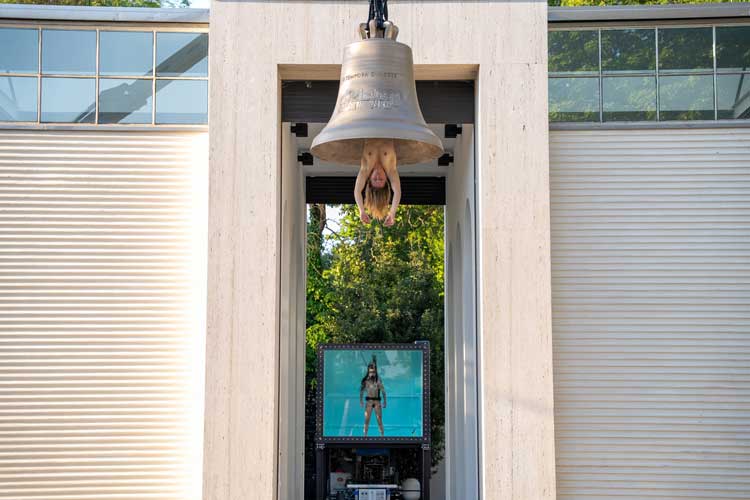
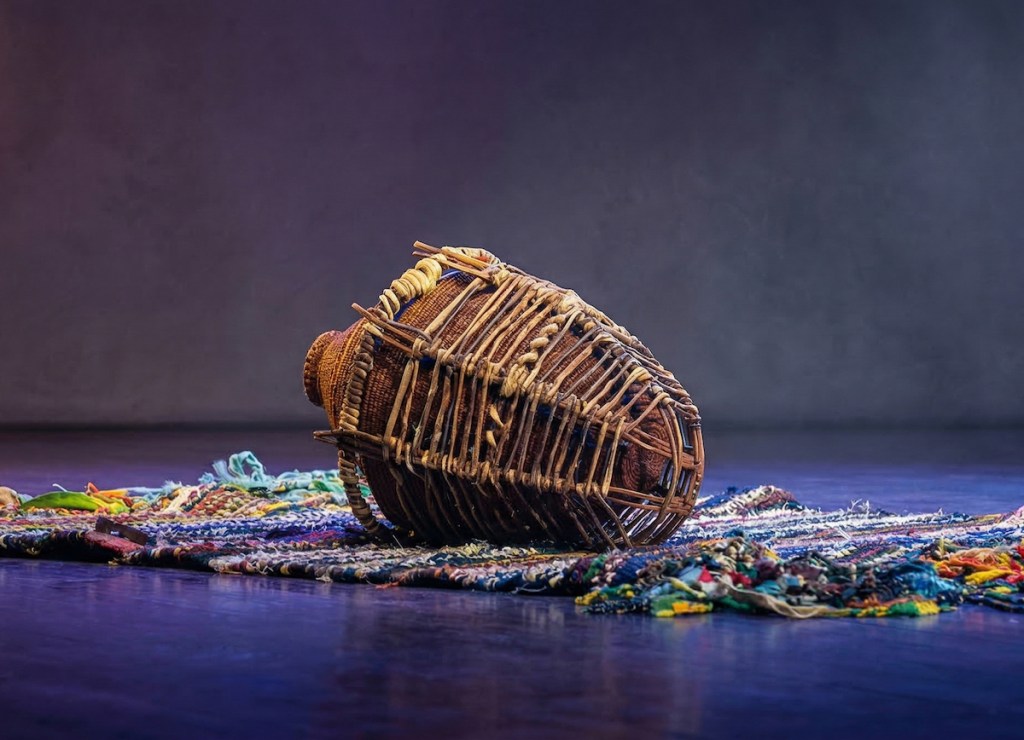
The 61st Venice Biennale, titled "In Minor Keys" and curated by the late Koyo Kouoh, opened in May 2026 amid significant turmoil. The Austrian Pavilion features Florentina Holzinger's performance piece "Seaworld Venice," centered on a giant bell that chimes hourly. The biennale has been marked by the death of its curator, the resignation of the international jury over the inclusion of Russia and Israel, protests by Pussy Riot and the Art Not Genocide Alliance, and the cancellation of the South African Pavilion over Gabrielle Goliath's "Elegy," which honors murdered women including a Palestinian poet. The US Pavilion's state-sponsored offerings have also drawn criticism.

Ten Political Statements By Artists At The 2026 Venice Biennale

The 61st Venice Biennale opened with unprecedented political tension, set against the backdrop of the international jury's mass resignation, the death of curator Koyo Kouoh, Russia's closed pavilion, threats from the European Commission to withdraw funding, and Italy's culture minister boycotting the opening. The article highlights ten works and moments where art and power intersected most explicitly, including Alfredo Jaar's 'Red Room' installation in the Chilean pavilion confronting humanitarian crisis, and Ukraine's collateral event 'Still Joy' at Palazzo Contarini Polignac, which frames joy as an act of resistance amid war.

For the 61st Venice Biennale, a quest for beauty despite a troubled world

Pour la 61e Biennale de Venise, une quête de beauté malgré un monde troublé

Koyo Kouoh, the Swiss-Cameroonian curator who was set to become the first African woman to direct the Venice Biennale, died suddenly on May 10, 2025, at age 57, just weeks before the opening of the 61st edition she had conceived. Titled "In Minor Keys," the exhibition at the Giardini and Arsenale will proceed posthumously based on her detailed directives, featuring 111 artists including Laurie Anderson, Wangechi Mutu, and Kader Attia, with a focus on beauty, resilience, and radical emotional connection amid global turmoil.

Agitate, Educate, Organize. A Conversation with the Indonesian Collective That Is in Venice with Two Projects

Agitare, educare, organizzare. Una conversazione con il collettivo indonesiano che è a Venezia con due progetti

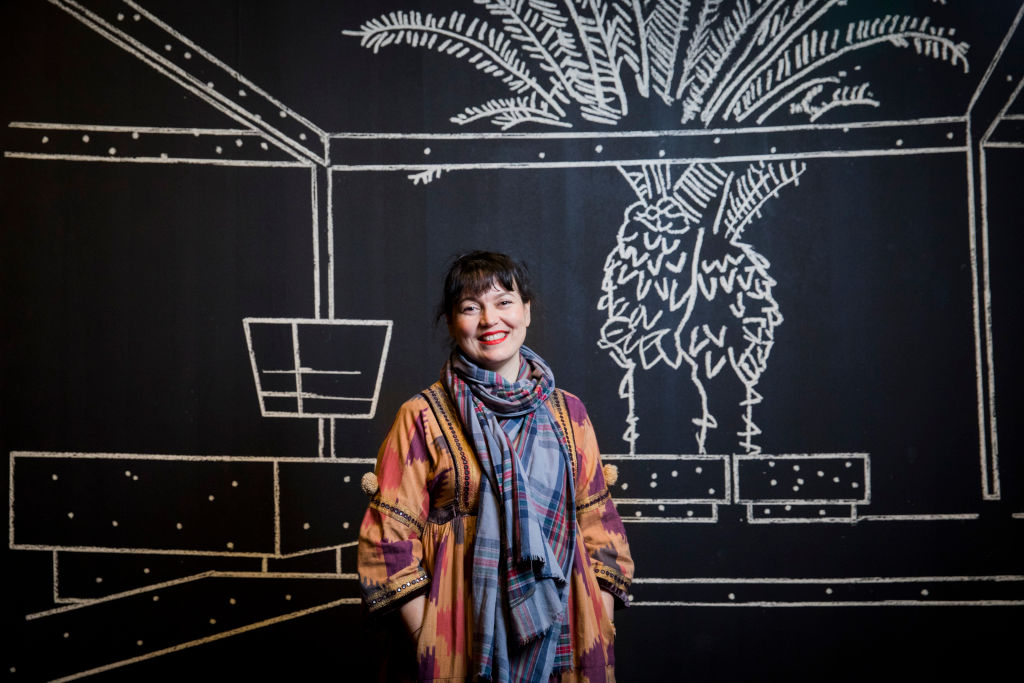
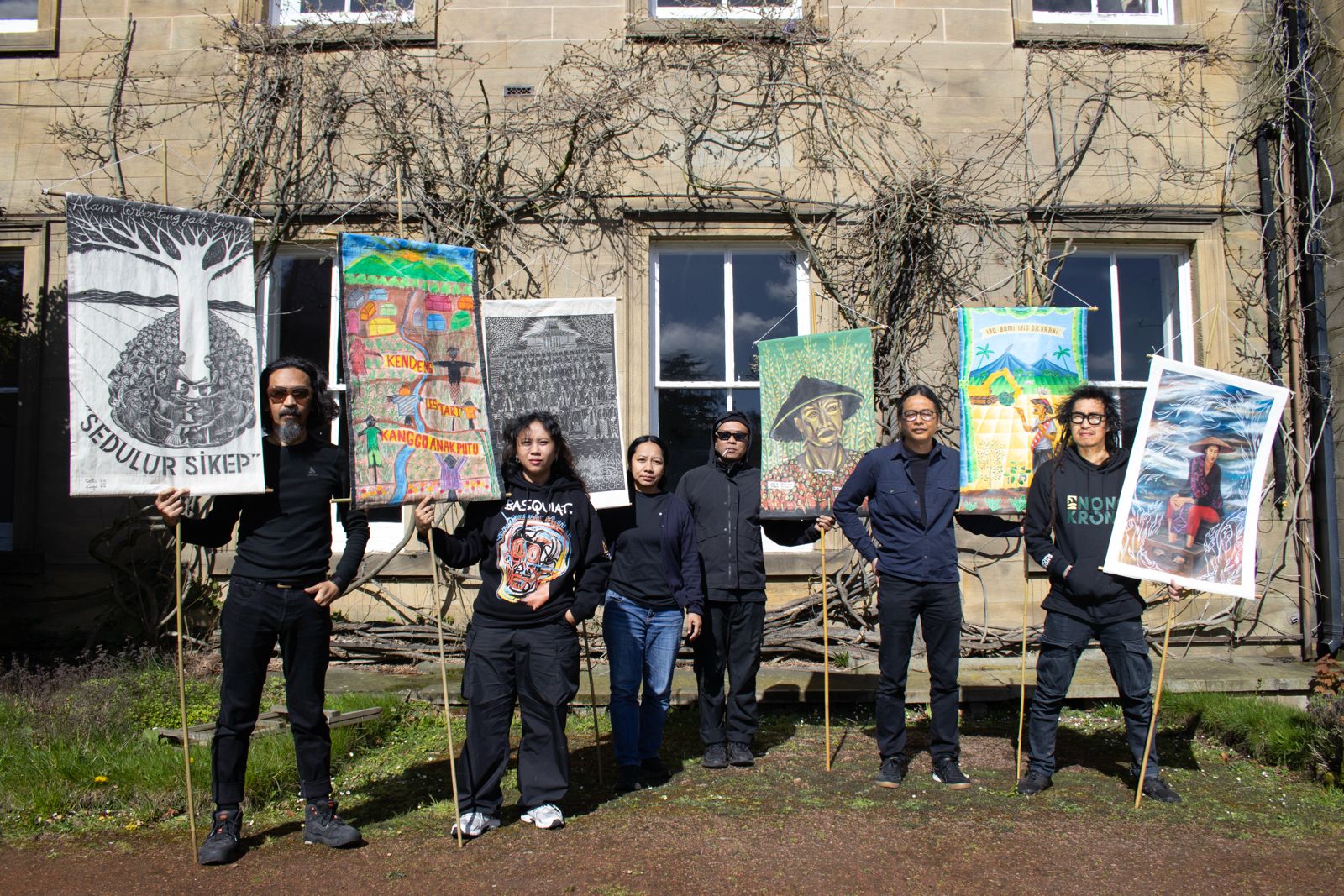
Sale Docks, an activist art space born from a 2007 occupation in Venice, has invited the Indonesian collective Taring Padi to collaborate on two projects. The first is the exhibition "Taring Padi: People's Liberation," which reactivates banners as tools for propaganda, mobilization, and resistance. The second is a public intervention in Venice, where the collective and local community will repaint the walls of the historic social center Laboratorio Occupato Morion. The article includes an interview with Taring Padi, which was founded in 1998 in Yogyakarta by students and activists, and discusses their use of wayang shadow-puppet imagery and collaborative processes to agitate, educate, and organize communities.

How Do You Curate an Exhibition on Genocide? Faisal Saleh and the Palestinian Question That Crosses the Venice Biennale

“Come si cura una mostra sul genocidio?”: Faisal Saleh e la domanda palestinese che attraversa la Biennale di Venezia

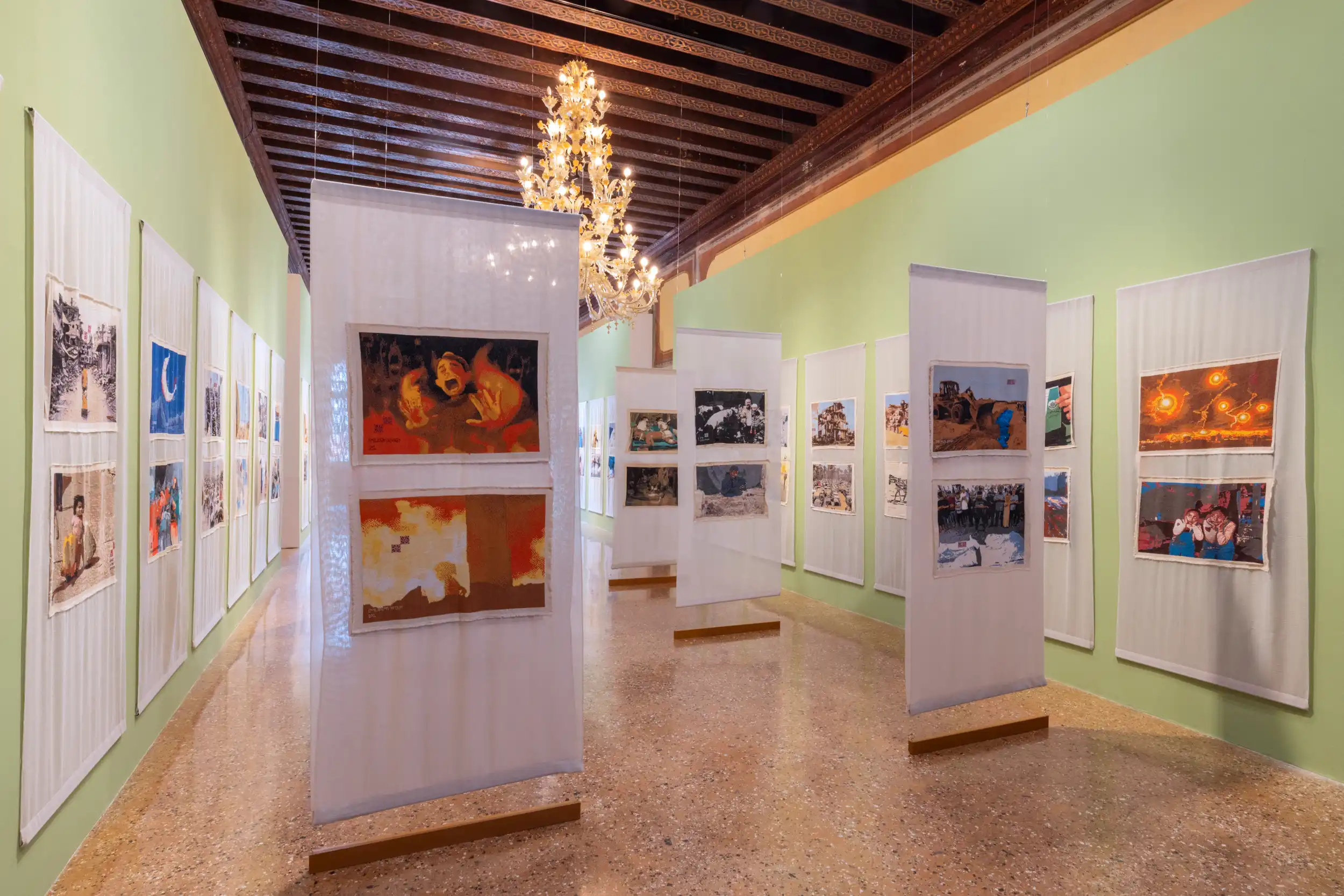
At the 2026 Venice Biennale, a collateral exhibition titled “Gaza – No Words – See the Exhibit” presents 100 embroidered works using the traditional Palestinian technique of Tatreez. Curated by artist Faisal Saleh, founder of the Palestine Museum US, the show transforms embroidery from decoration into political testimony, reconstructing scenes from Gaza over the past two and a half years: shrouded bodies, killed children, mothers bidding farewell, bombed hospitals. The exhibition is housed at Palazzo Mora and has been called by many visitors “the real Palestinian Pavilion” of the Biennale, though it is not an official national pavilion.