filter_list Showing 4 results for "Collateral Exhibition" close Clear
search
dashboard All 4 museum exhibitions 4
date_range Range Today This Week This Month All
Subscribe

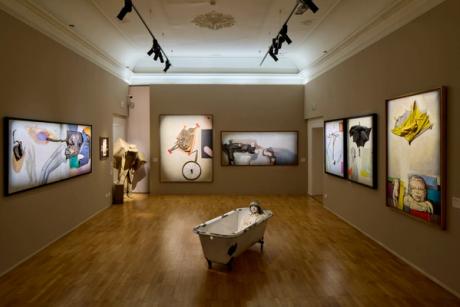
Venice show brings together two leading figures from the Polish avant-garde

A collateral exhibition at the 2024 Venice Biennale, titled "Tadeusz Kantor (1915-1990) Emballage Cricotage and Madame Jarema," brings together two towering figures of the Polish avant-garde: Tadeusz Kantor and Maria Jarema. Organized by the Starak Family Foundation at the Procuratie Vecchie, the show features over 60 works spanning paintings, monotypes, sculptures, theatre props, and costumes, culminating in a room dedicated to Kantor's seminal theatre piece "The Dead Class" (1975). Jarema's work was shown at the 1958 Venice Biennale, and Kantor exhibited in the Polish pavilion in 1960; the exhibition highlights their intertwined, interdisciplinary practice and their foundational role in post-war Polish avant-garde art.
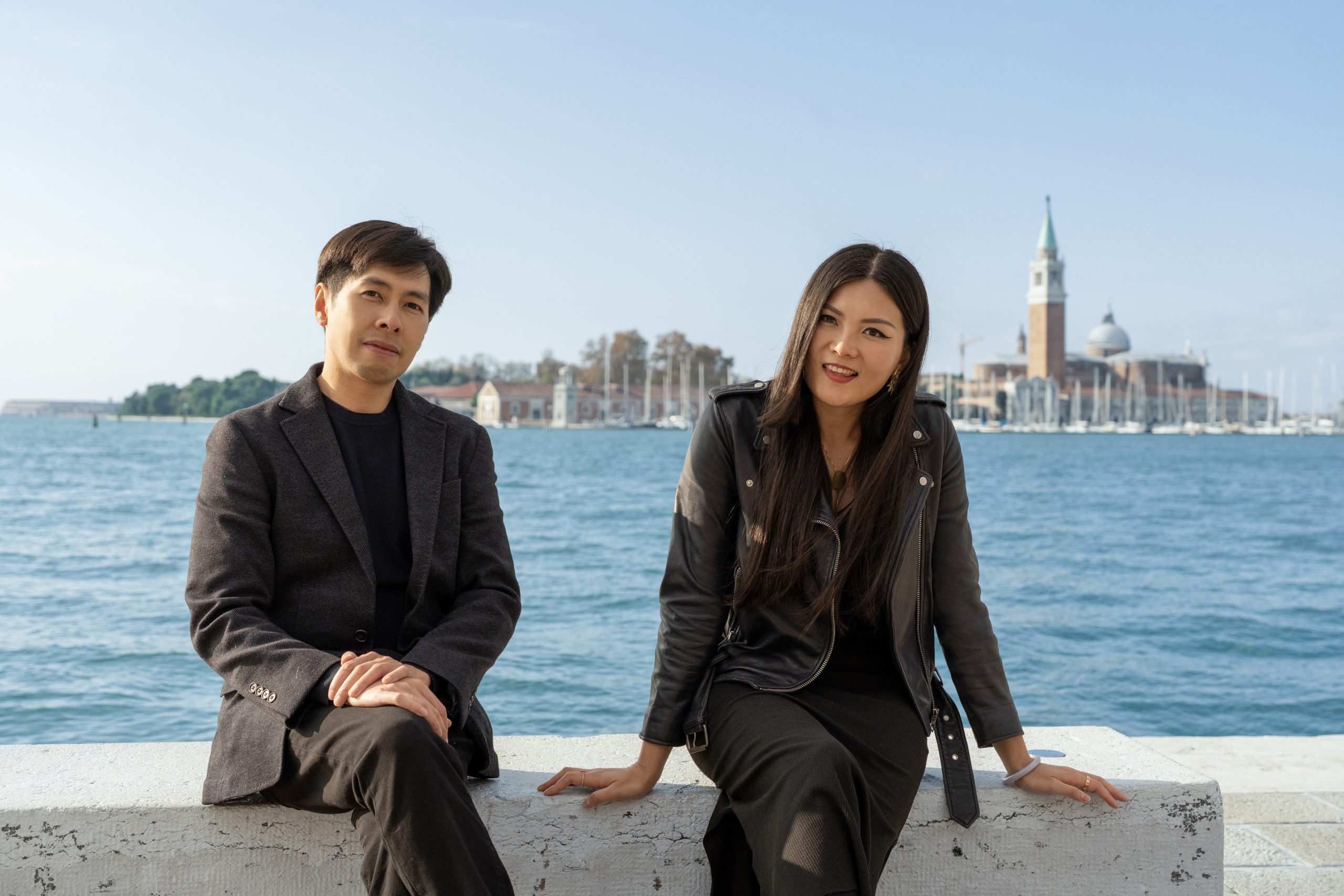
Hong Kong Artists Bring Quiet Reflection to Venice

The 61st Venice Biennale, themed “In Minor Keys” by late curator Koyo Kouoh, emphasizes quiet reflection over spectacle. A collateral exhibition titled “Fermata: Hong Kong in Venice,” curated by the Hong Kong Museum of Art (HKMoA), runs through November 22, 2026, and features two Hong Kong-born artists: Kingsley Ng and Angel Hui. Ng’s installation *Laundry Nocturne* (2026) uses projections and sound to connect the shared laundry-drying traditions of Venice and Hong Kong, while Hui’s *I Would Like to Open a Window for You* (2026) incorporates wrought-iron window frames crafted with local metalsmiths. Both artists explore everyday experiences, memory, and quiet emotions, aligning with the Biennale’s call for a slower, more reflective engagement with art.

How Do You Curate an Exhibition on Genocide? Faisal Saleh and the Palestinian Question That Crosses the Venice Biennale

“Come si cura una mostra sul genocidio?”: Faisal Saleh e la domanda palestinese che attraversa la Biennale di Venezia

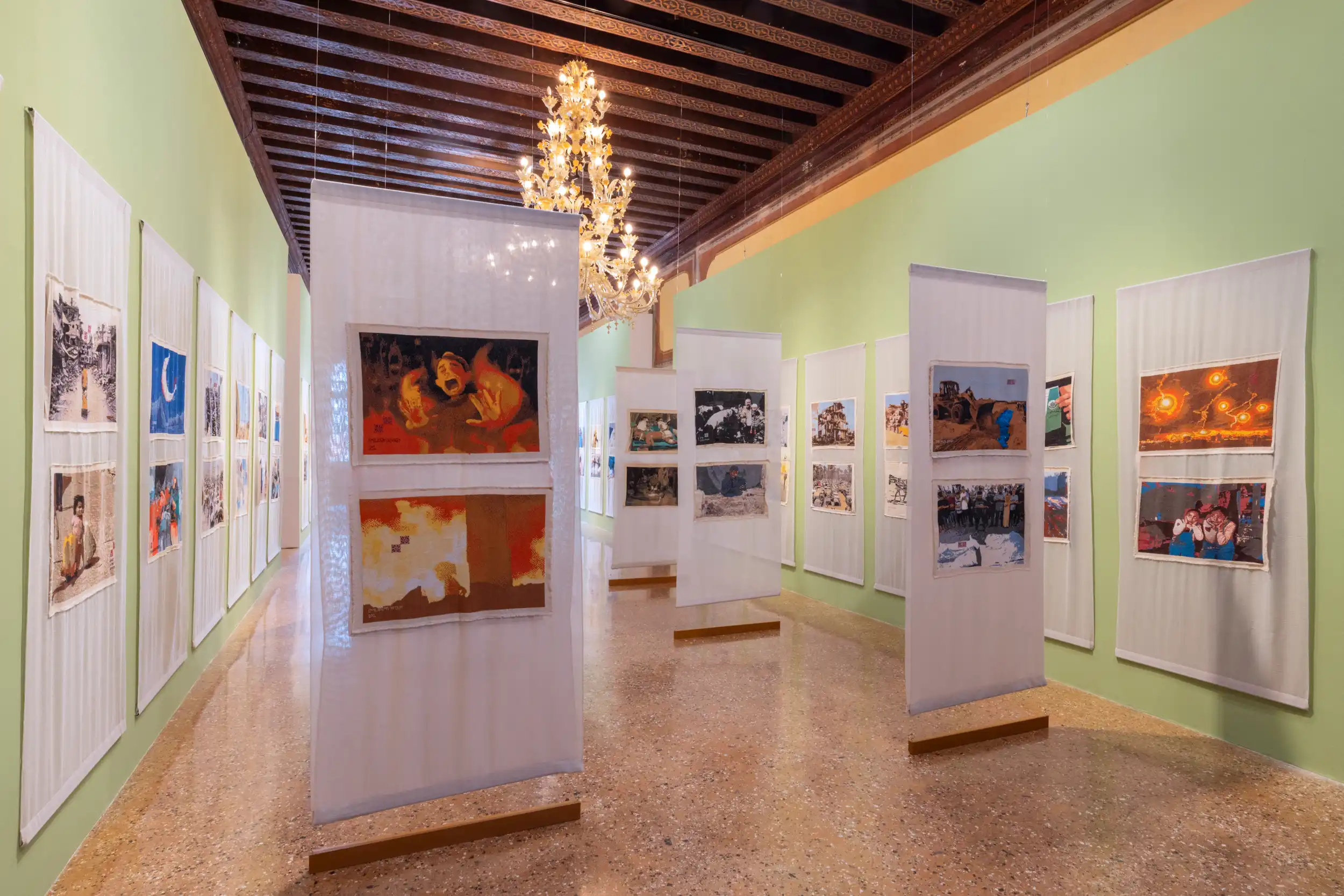
At the 2026 Venice Biennale, a collateral exhibition titled “Gaza – No Words – See the Exhibit” presents 100 embroidered works using the traditional Palestinian technique of Tatreez. Curated by artist Faisal Saleh, founder of the Palestine Museum US, the show transforms embroidery from decoration into political testimony, reconstructing scenes from Gaza over the past two and a half years: shrouded bodies, killed children, mothers bidding farewell, bombed hospitals. The exhibition is housed at Palazzo Mora and has been called by many visitors “the real Palestinian Pavilion” of the Biennale, though it is not an official national pavilion.

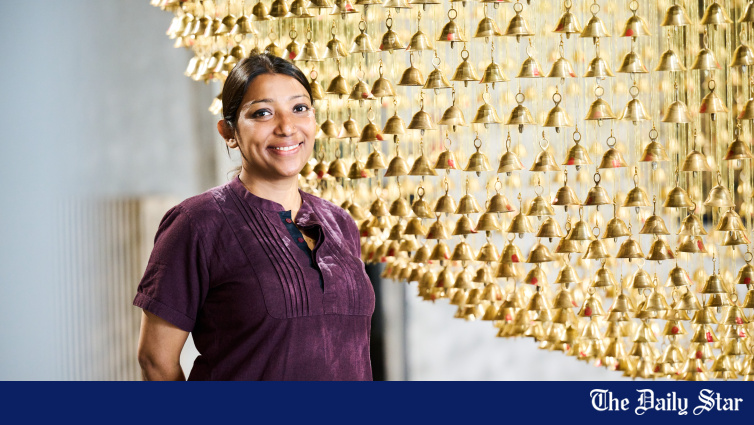
Ashfika Rahman's art lands in New York Times Critics' Top 6

Bangladeshi visual artist Ashfika Rahman has been recognized by The New York Times as one of the six must-see shows at the Venice Biennale, with her work "Than Para — No Land Without Us" featured in the collateral exhibition "Still Joy — From Ukraine into the World." The installation, presented by the PinchukArtCentre and curated by Björn Geldhof and Oleksandra Pohrebnyak, incorporates thousands of small temple bells gathered from different spiritual traditions and draws on testimonies from Ukraine as well as the struggles of Indigenous communities in Bangladesh's Hill Tracts.