
filter_list Showing 3 results for "Green Room" close Clear
search
dashboard All 5 museum exhibitions 3article culture 1trending_up market 1
date_range Range Today This Week This Month All
Subscribe

It’s the Most Controversial Venice Biennale in Years. Can the Art Stand Up to the Noise?

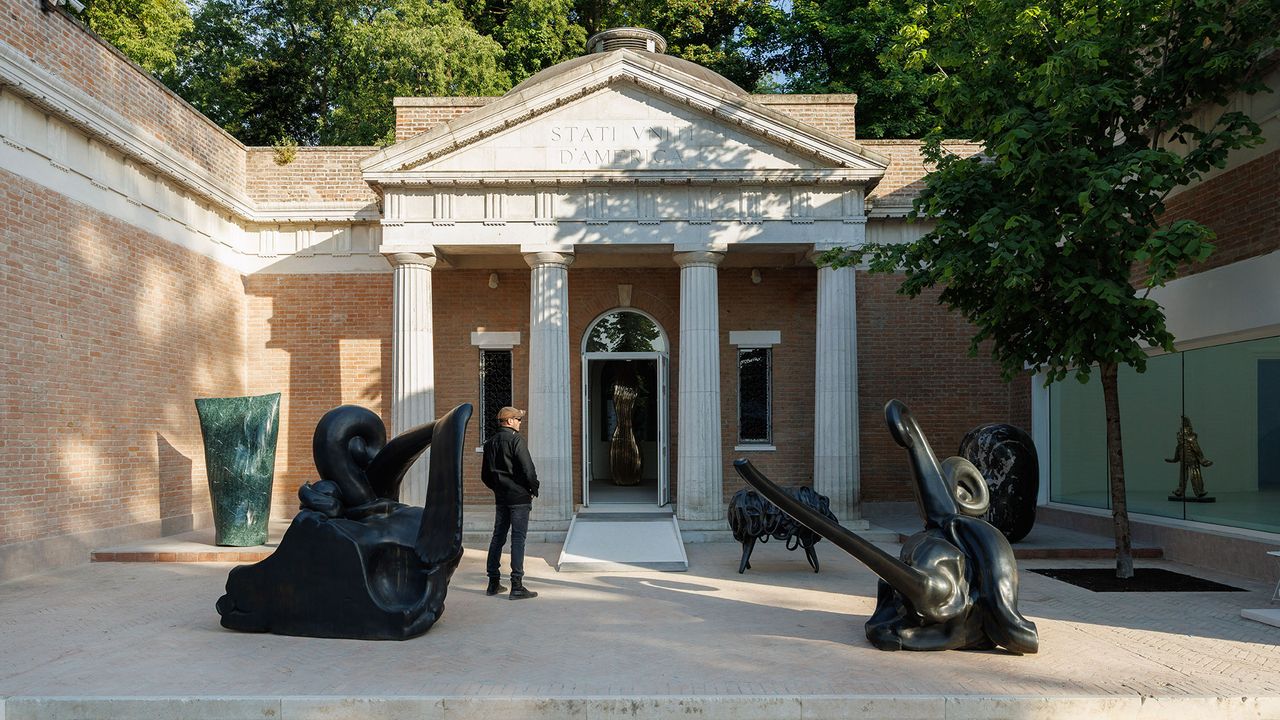
The 2026 Venice Biennale is embroiled in controversy, with the US Pavilion at the center of a political storm. The Trump administration's State Department overhauled the selection process, bypassing the usual NEA panel and commissioning a nonprofit, the American Arts Conservancy, to organize the pavilion. Artist Alma Allen, who accepted the invitation despite threats from galleries and curators, presents a show that critics find politically muted. The Biennale's jury resigned days before the opening, and annual prizes were canceled, adding to the turmoil.

diana ross performance alex prager art basel miami beach

Diana Ross performed an intimate 20-minute set at a dinner celebrating Alex Prager's immersive installation 'Mirage Factory' during Art Basel Miami Beach. The event, held in a green room evoking Griffith Park, featured Ross singing hits from her Supremes days and solo career. Prager's installation, located in the old Beach Theatre on Lincoln Road, includes a 1:12 scale miniature of Hollywood Boulevard and was created with Capital One and the Cultivist. A performance based on Prager's photograph 'Beverly Palms Hotel' (2025) also took place, with actors embodying characters from the image.

Shadows in the Hand: Sayaka Uehara's 'Green Room: Peace Island'

手の中の影――上原沙也加「緑の部屋:平和の島」

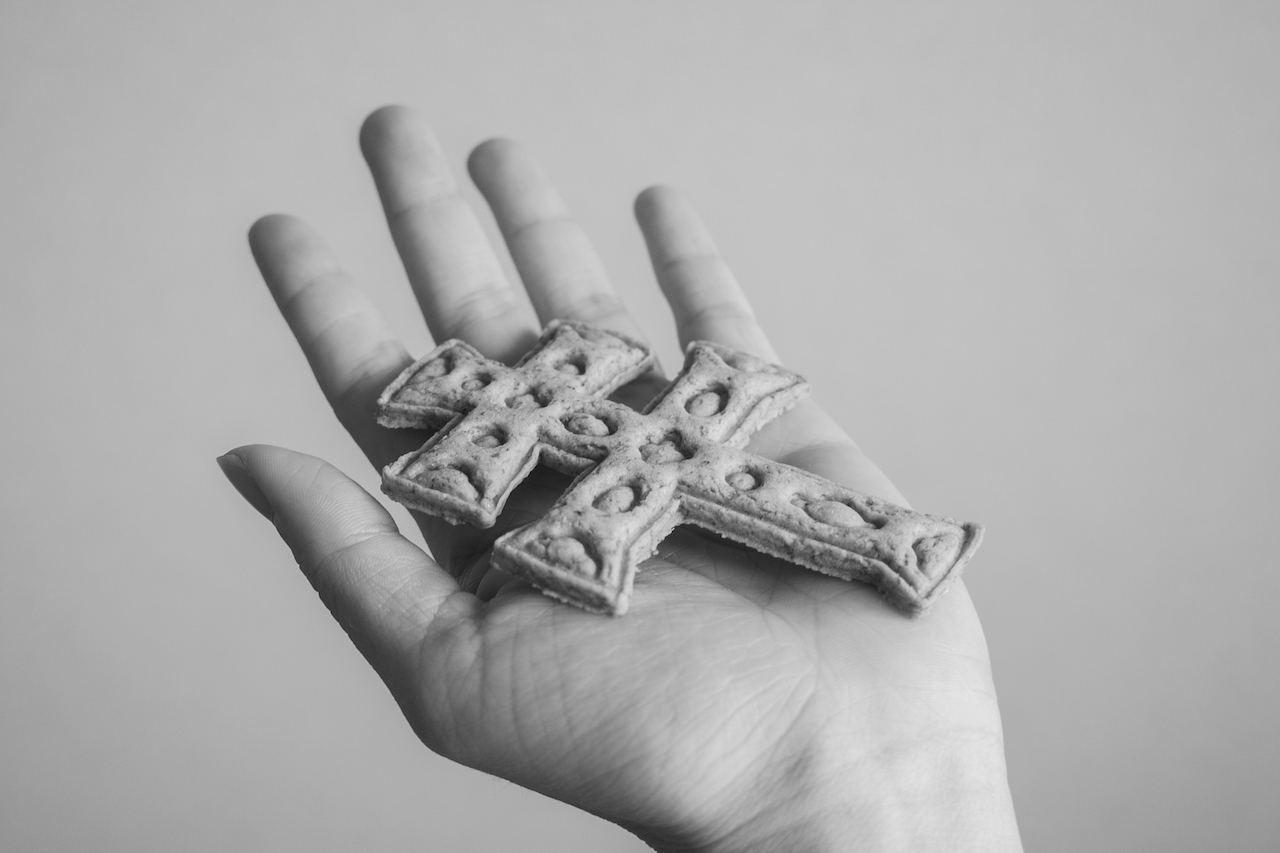
Photographer Sayaka Uehara, born in Okinawa in 1993, presented the exhibition "Green Room: Peace Island" at Gallery Athos in Naha in February 2025. The show brings together two series—the monochrome "Green Room" and the color "Green Days"—for the first time, focusing on Heping Island (Heping Dao) off the coast of Keelung, Taiwan. Uehara's black-and-white photographs document the island's layered colonial history, from Spanish and Dutch occupation to Japanese rule and the 1947 February 28 Incident, where local Ryukyuan residents were killed. The exhibition uses a circular layout that encourages viewers to move repeatedly through the images, connecting historical violence to the present through small objects like souvenir cookies and bottle openers.