
filter_list Showing 3 results for "Julius II" close Clear
search
dashboard All 3 museum exhibitions 3
date_range Range Today This Week This Month All
Subscribe

Master of Madonnas and the Market

Meister der Madonnen und des Marktes

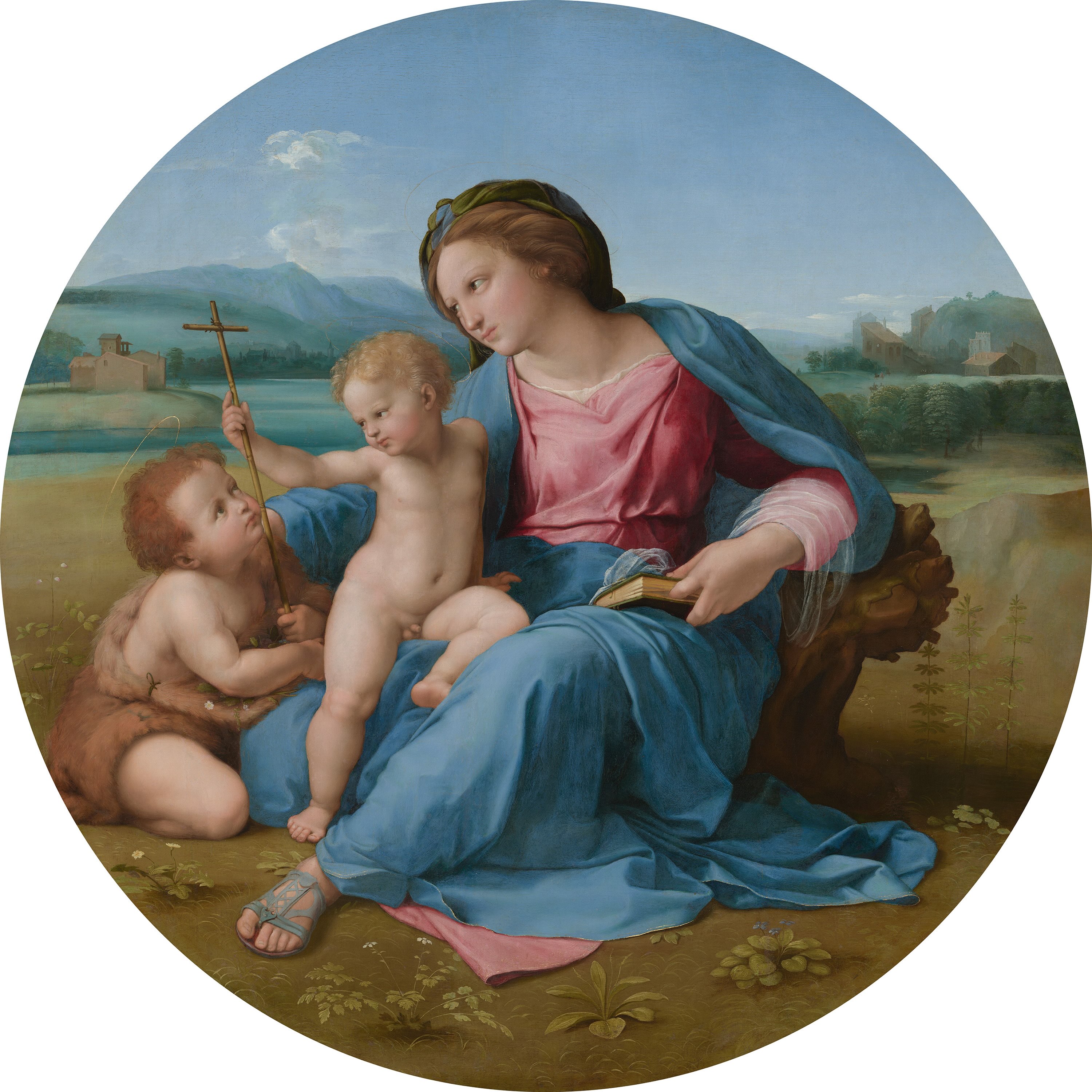
A major exhibition titled "Raphael: Sublime Poetry" has opened at the Metropolitan Museum of Art in New York, exploring how the Renaissance master Raphael's work was deeply intertwined with money, prestige, and patronage. The show traces his career from early mentorship under his father and influences from Leonardo da Vinci to his rivalry with Michelangelo, highlighting commissions from wealthy supporters like the aristocrat Elena Duglioli and Pope Leo X, who commissioned Raphael's extravagant tapestries for the Sistine Chapel.
Giorgio Vasari beyond the Lives: what the exhibition at the Capitoline Museums in Rome looks like

An exhibition titled "Vasari and Rome" has opened at the Capitoline Museums in Rome, running until July 19, 2026. Curated by Alessandra Baroni and promoted by Roma Capitale, the show features over seventy works—including drawings, prints, engravings, letters, medals, sculptures, and paintings—that trace Giorgio Vasari's relationship with 16th-century Rome. Sixteen autograph works and seven drawings are among the highlights, arranged in four sections that follow the chronology of Vasari's Roman sojourns, from his arrival in 1532 under Cardinal Ippolito de' Medici to his later engagements with patrons like Bindo Altoviti and Cardinal Alessandro Farnese. The exhibition is staged in an intimate, chamber-like setting on the top floor of Palazzo Caffarelli, contrasting the small space with the vast theme of Vasari's role in papal Rome's political and cultural life.

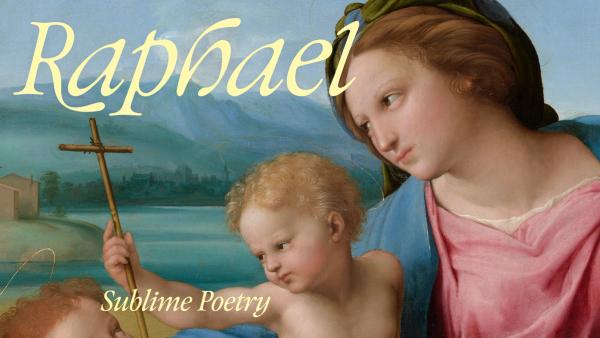
Raphael: Sublime Poetry

This article announces the first comprehensive U.S. exhibition on Raphael, titled "Raphael: Sublime Poetry," which offers an immersive look at the artist's meteoric career through drawings, paintings, prints, and tapestries. It traces Raphael's journey from his birth in Urbino in 1483, through his training under his poet-painter father Giovanni Santi and later Pietro Perugino, to his rise as a peer to Leonardo and Michelangelo in Florence and his final decade as the favorite artist of the popes in Rome, where he was celebrated as the "prince of painters."