
filter_list Showing 3 results for "Marcelo Campos" close Clear
search
dashboard All 3 museum exhibitions 3
date_range Range Today This Week This Month All
Subscribe

Best of the Year: Check Out the Most Voted Exhibitions of 2025

A public poll with over 8,500 votes has determined the top ten exhibitions of 2025 in Brazil. The number one spot went to conceptual artist Ana Amorim's show at MAC USP, followed by Goya Lopes' exhibition at MAM Bahia in second place. Other notable entries include a group show "Floresta de Espíritos" in Salvador, Thiago Martins de Melo's first solo exhibition in his hometown São Luís, and the Monet exhibition at Masp, which broke visitation records with 502,642 visitors. A special highlight is "Memórias do Inconsciente" by Jhonyson Nobre at Sesc Arapiraca, the only exhibition outside the initial shortlist to make the top ten. Maria Bonomi at Paço Imperial received the most votes according to public comments as a bonus.
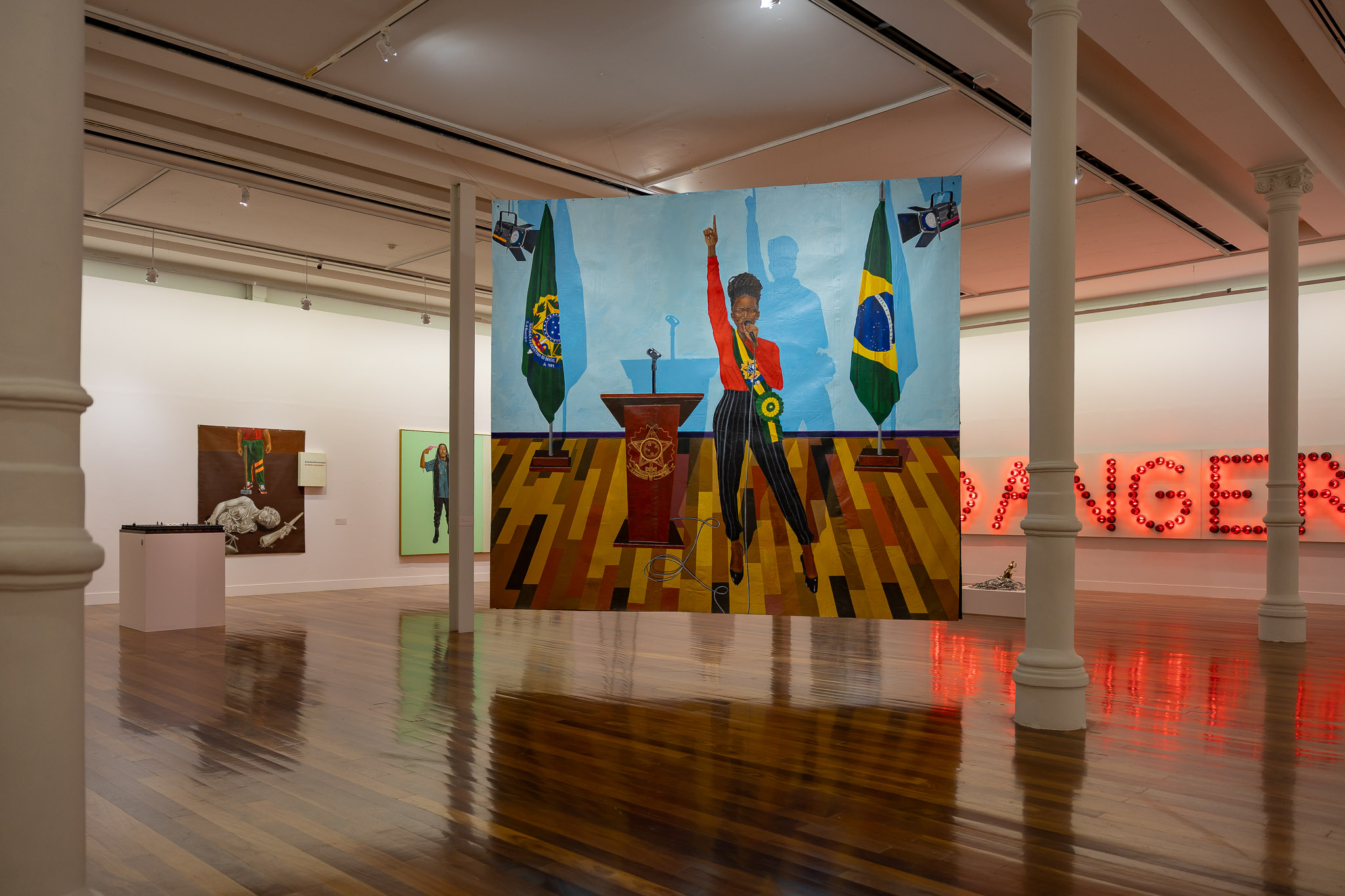
Sortilégios de desvio and the Politics of Image-Making

The Museu de Arte do Rio has launched 'Sortilégios de desvio,' the first solo institutional exhibition by Brazilian artist No Martins. Produced in collaboration with Galeria Almeida & Dale and curated by a five-person team led by Marcelo Campos, the show features a significant selection of Martins’ recent works that explore the intersections of urban experience and Afro-Brazilian cultural imaginaries. Through a variety of media, the exhibition highlights the artist's focus on gesture, memory, and the reconfiguration of traditional visual narratives.

FORGING PATHS: AFRO-BRAZILIAN ANCESTRY AND FEMININE POWER IN THE WORK OF NÁDIA TAQUARY

FORJAR CAMINOS: ANCESTRALIDAD AFROBRASILEÑA Y PODER FEMENINO EN LA OBRA DE NÁDIA TAQUARY

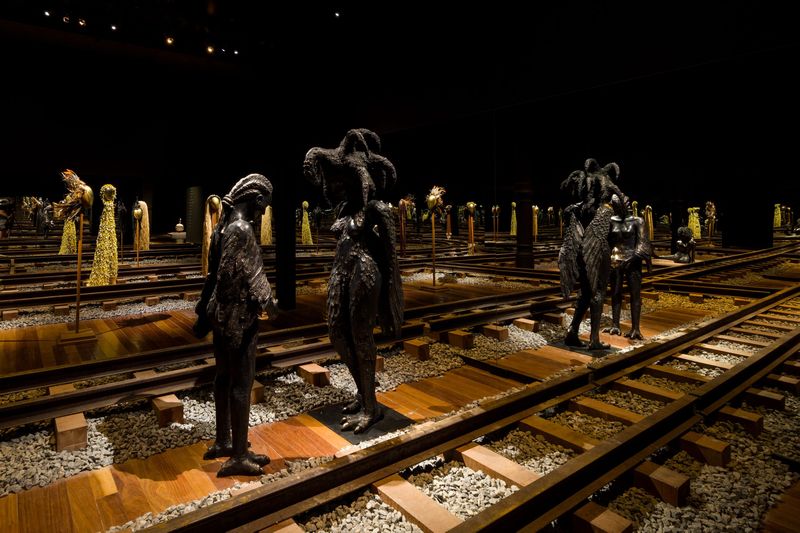
The exhibition "Ònà Irin: caminho de ferro" by artist Nádia Taquary has opened at Sesc Belenzinho in São Paulo, featuring large-scale sculptures and an immersive video installation. Curated by Amanda Bonan, Ayrson Heráclito, and Marcelo Campos, the show centers on a massive installation of iron rails that symbolize the Yoruba deity Ogum, the opener of paths. The works integrate traditional Afro-Brazilian materials such as cowrie shells, beads, and metals to explore spiritual protection and the historical significance of jewelry as a form of resistance and identity for enslaved and freed Black women.