
filter_list Showing 3 results for "Neo-Expressionism" close Clear
search
dashboard All 14 candle obituary 11museum exhibitions 3
date_range Range Today This Week This Month All
Subscribe

Overlooked Artist Louisa Chase Returns to the Spotlight

Artnet News reports on a solo exhibition at Berry Campbell, New York, dedicated to overlooked American painter Louisa Chase (1951–2016). Titled "Louisa Chase: The Eighties," the show is the largest and most comprehensive survey of her work in 25 years and the first since the gallery began representing her estate. It features a curated selection of works on paper from the mid-1970s to mid-1980s, highlighting Chase's unique synthesis of abstraction and representation that positioned her between Neo-Expressionism and the New Image movement. Chase, who studied under Philip Guston at Yale, had major early success including solo shows at Robert Miller Gallery, appearances at the Whitney Biennial (1981, 1983), and inclusion in the American Pavilion at the Venice Biennale (1984), with works held by MoMA, the Met, the National Gallery of Art, and the Walker Art Center.
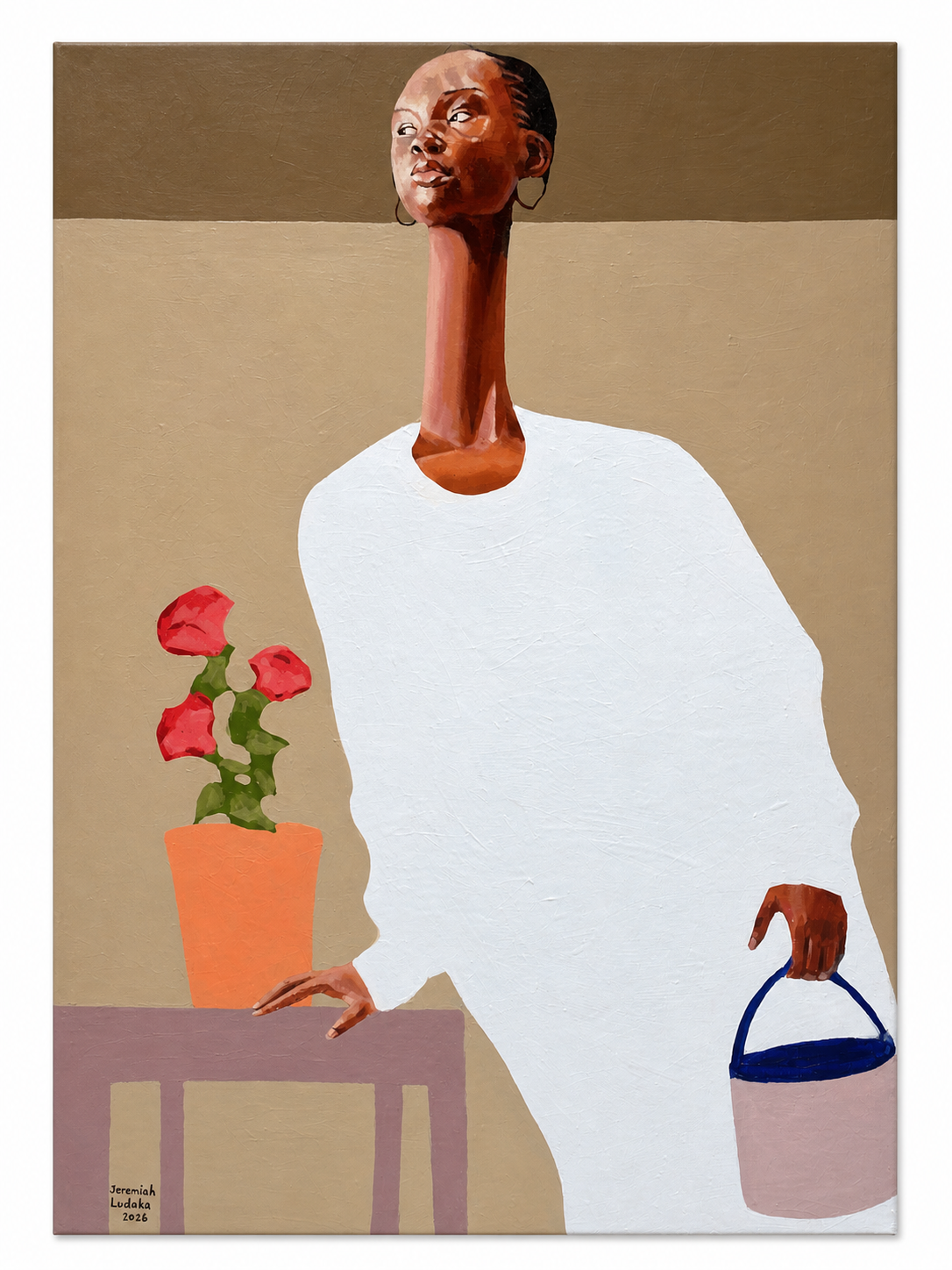
Emerging Zambian Artists Take the Spotlight at Imvelo Studios

Imvelo Studios, a Zambian gallery, has opened a group exhibition titled "Rise and Shine" featuring emerging Zambian artists across diverse mediums, including painting, sculpture, and printmaking. Curated by gallery founder Ng’onga Silupya, the show highlights artists such as Jeremiah Ludaka, Boyd Bishonga, Kaluba B. Chilawa, Hassan Yasini, Clare Chilemu, and Hezroth Simanda, whose works employ abstraction, Neo-Expressionism, and traditional techniques to explore themes of youth, cultural identity, and social commentary.

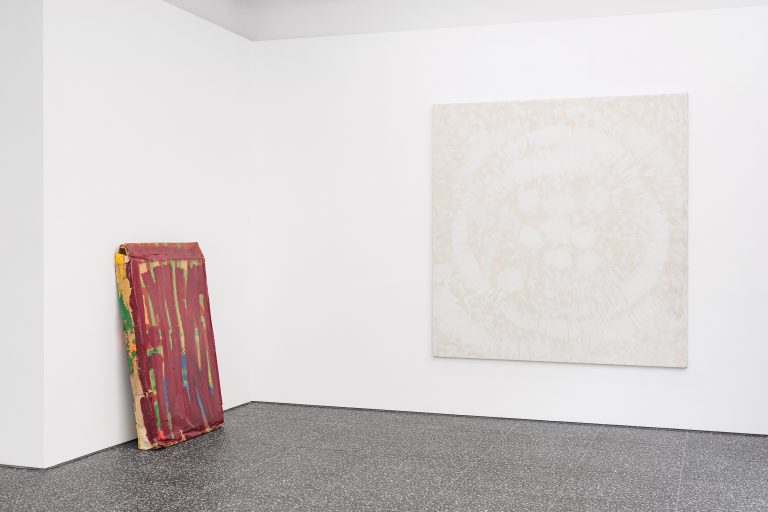
Stano Filko “Painting” at Layr, Vienna

Stano Filko's exhibition "Painting" at Layr in Vienna challenges the persistent binary opposition between painting and conceptualism. The show presents Filko's work from around 1980, a period when debates over the merits of painting versus conceptual art were at their peak, offering a nuanced perspective that complicates this historical divide.