filter_list Showing 7 results for "Nicolai Khalezin" close Clear
search
dashboard All 7 museum exhibitions 7
date_range Range Today This Week This Month All
Subscribe

Venice Biennale 2026 Highlights: Off-Site Exhibitions

ArtReview editors highlight off-site pavilions and exhibitions at the 61st Venice Biennale, running from 9 May through 22 November 2026. Featured works include Li Yi-Fan's film *Screen Melancholy* at Palazzo delle Prigioni, which uses motion capture and a free-trial videogame engine to explore digital alienation and the 'enshittosphere,' and Roberto Diago's installation *Free Men* at the Pavilion of Cuban Republic, comprising rusted iron heads, fragmented wooden figures, and text works critiquing political oppression in Cuba.
exiled belarus free theatre brings exhibition on authoritarianism to the venice biennale

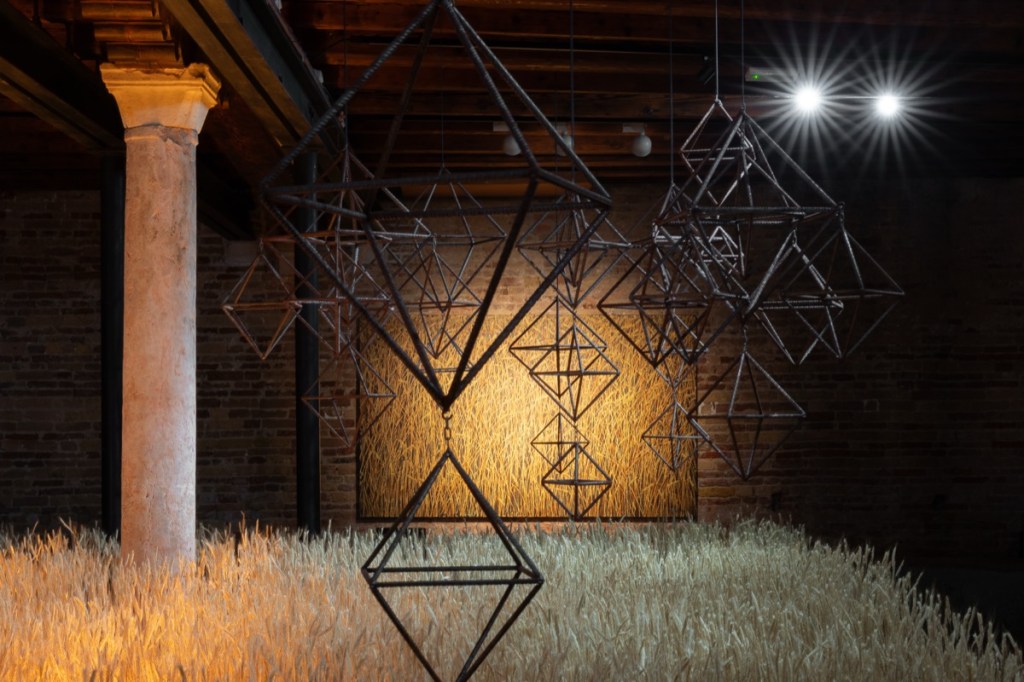
The exiled Belarus Free Theatre will stage a major exhibition titled "Official. Unofficial. Belarus." as an official collateral event at the 61st Venice Biennale. In the absence of a formal national pavilion, the group show will occupy the Church of San Giovanni Evangelista, featuring works by artists like Sergey Grinevich and Vladimir Tsesler that utilize religious iconography and prison materials to critique state surveillance and political repression.

15 Must-See Events Enriching the Venice Biennale 2026 Experience.

The article presents a curated guide to 15 must-see events accompanying the 61st Venice Biennale, titled "In Minor Keys" and curated by the late Koyo Kouoh, running from May to November 2026. It highlights key exhibitions beyond the main pavilions, including "Screen Melancholy: Li Yi-Fan" at Palazzo delle Prigioni, "Darkness Visible: The Long Shadow of Dictatorship" at Spazio Punch, "Elegy" by Gabrielle Goliath at Chiesa di Sant'Antonin, and "As Above, So Below" at Ex Church Santi Cosma e Damiano, among others. These events span museums, foundations, and historic palazzi, featuring performances, talks, and curatorial interventions that extend the Biennale's reach across Venice.

‘The doorbell went at 5am. Six masked men were outside’: Belarus Free Theatre bring totalitarian terror to the Venice Biennale

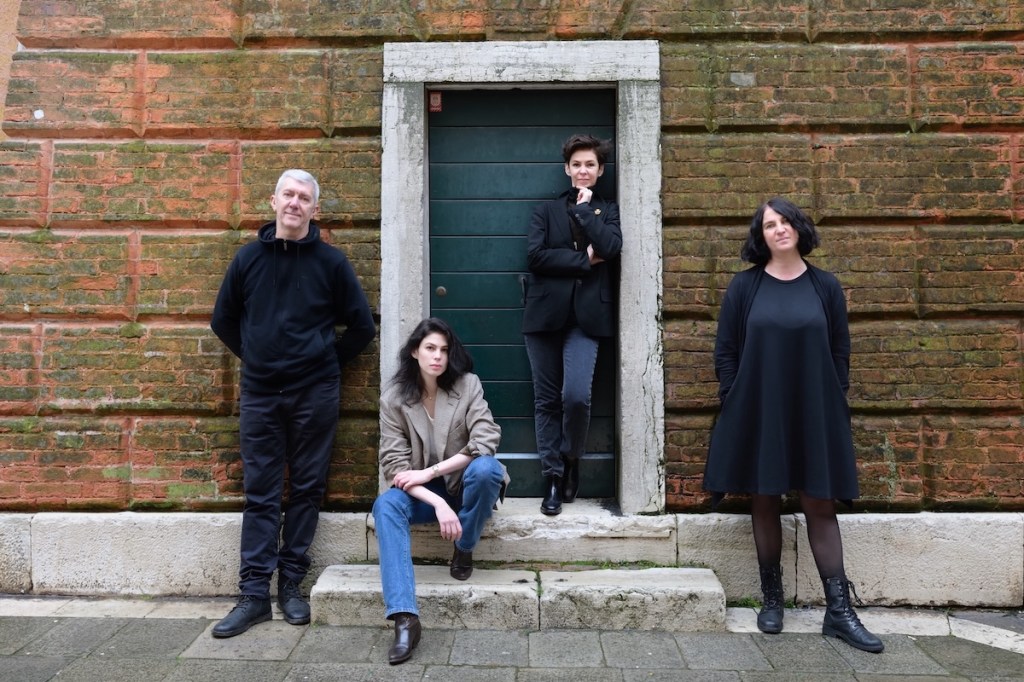
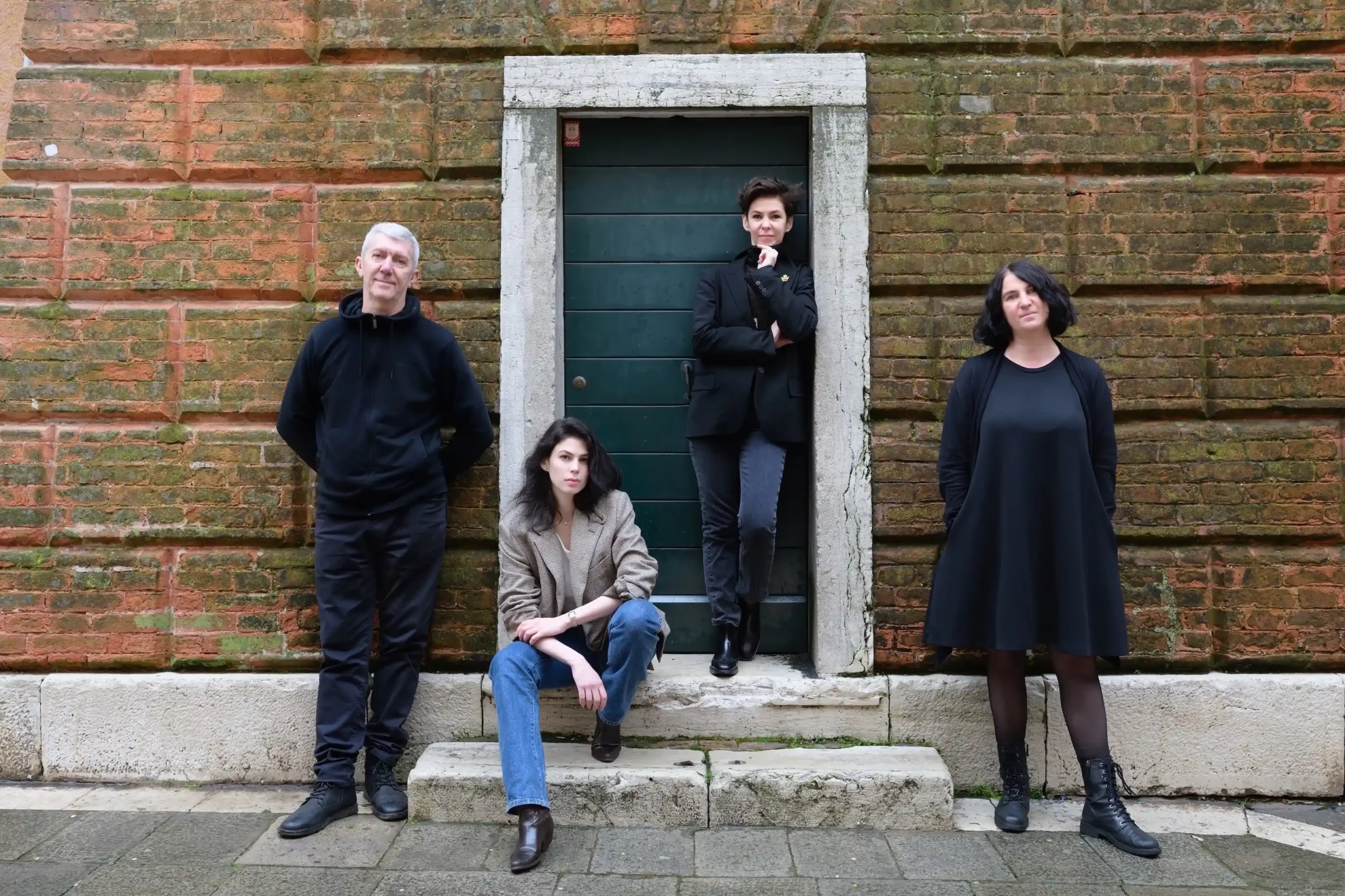
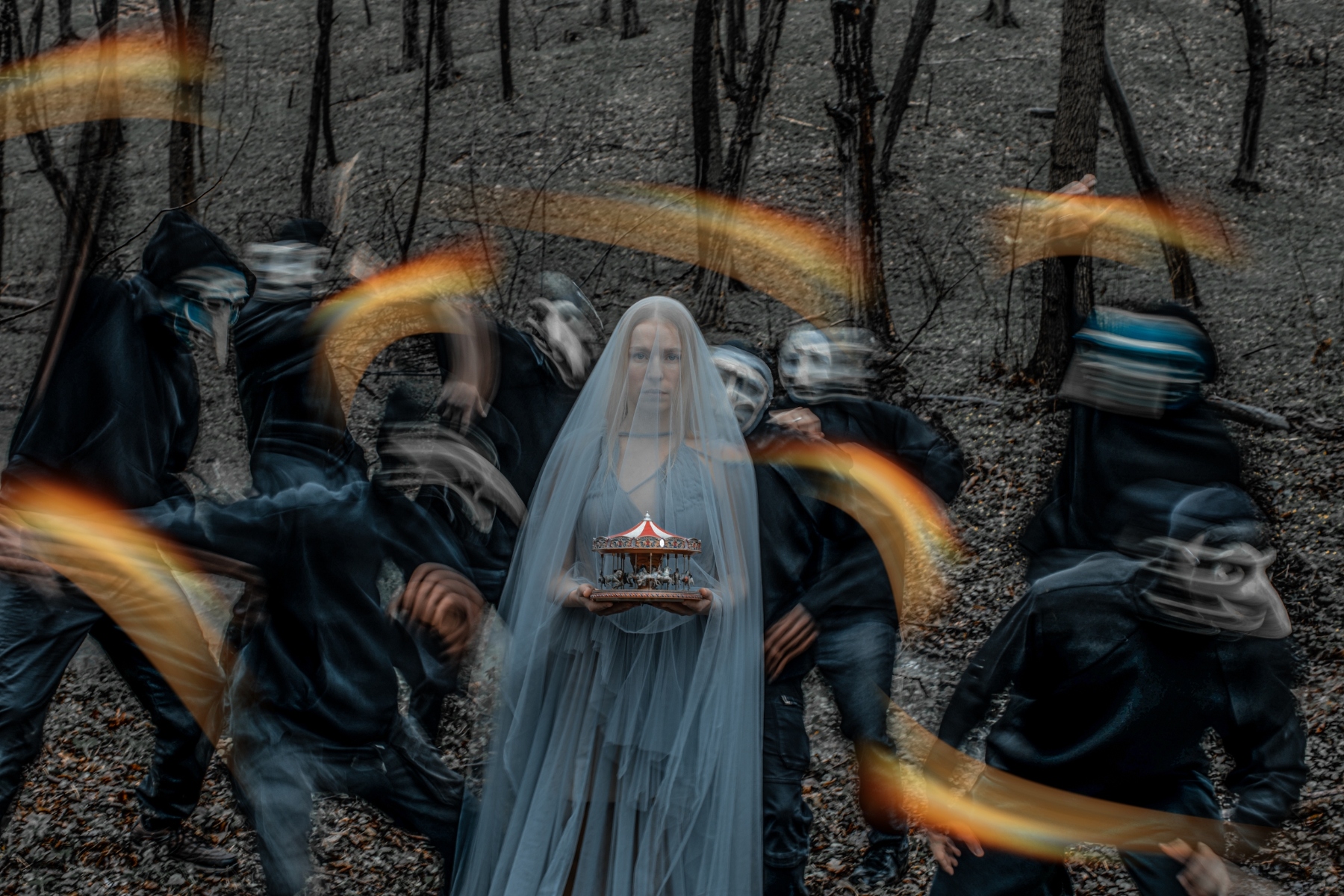
Belarus Free Theatre (BFT), an exiled troupe based in London, is presenting its first major visual art project, titled 'Official. Unofficial. Belarus.', at the Venice Biennale. The installation, masterminded by the founders' daughter Daniella Kaliada, features contributions from former political prisoners, painters, sculptors, composers, and world-renowned chef Rasmus Munk, who created a dish evoking detention under an authoritarian regime. The work includes a giant ball of banned books, surveillance cameras attached to an iron crucifix, and a custom scent of a freshly dug grave, all reflecting the terror of life under Belarusian dictator Alexander Lukashenko.

See Inside the Belarus Free Theatre’s Venice Exhibition on Art Under Authoritarianism

The Belarus Free Theatre has opened an exhibition titled “Official. Unofficial. Belarus.” at La Chiesa di San Giovanni Evangelista di Venezia, marking Belarus's first presence at the Venice Biennale in six years and its first appearance not as a state but as a self-governing cultural body. Curated by Daniella Kaliada, the show features Belarusian artists working across painting, installations, and large-scale sculptures, aiming to make the experience of living under authoritarianism viscerally legible through works that explore surveillance, repression, and bodily experience.

belarus free theatre venice biennale collateral event

The Belarus Free Theatre (BFT), an underground performance group currently in exile, has announced its first major visual art exhibition titled "Official. Unofficial. Belarus." as a collateral event for the 61st Venice Biennale. Staged at the historic La Chiesa di San Giovanni Evangelista, the show features site-specific works by exiled artists including Sergey Grinevich, Vladimir Tsesler, and Nicolai Khalezin. The installations range from paintings functioning as altar panels to a massive sphere of banned books and a crucifix made of CCTV cameras, all designed to critique the surveillance and censorship of the Lukashenko regime.

"Our regime does not represent our culture". Interview on the Belarusian project during the Venice Biennale

“Il nostro regime non rappresenta la nostra cultura”. Intervista sul progetto bielorusso durante la Biennale di Venezia

The article is an interview with Daniella Kaliada, curator of the Belarusian project "Official. Unofficial." presented at the Venice Biennale in the church of San Giovanni Evangelista. Organized by the Belarus Free Theatre, an independent underground group, the exhibition features site-specific paintings by Sergey Grinevich, a sound installation by Olga Podgayskaya, and large-scale sculptures by Vladimir Tsesler. The project includes a sphere of banned books crushed by a bulldozer, testimonies of recently released political prisoners, and sculptures made from prison bars, all addressing censorship and political trauma without direct representation of suffering.