filter_list Showing 9 results for "San Giovanni" close Clear
search
dashboard All 9 museum exhibitions 9
date_range Range Today This Week This Month All
Subscribe

Venice Biennale 2026 Highlights: Off-Site Exhibitions

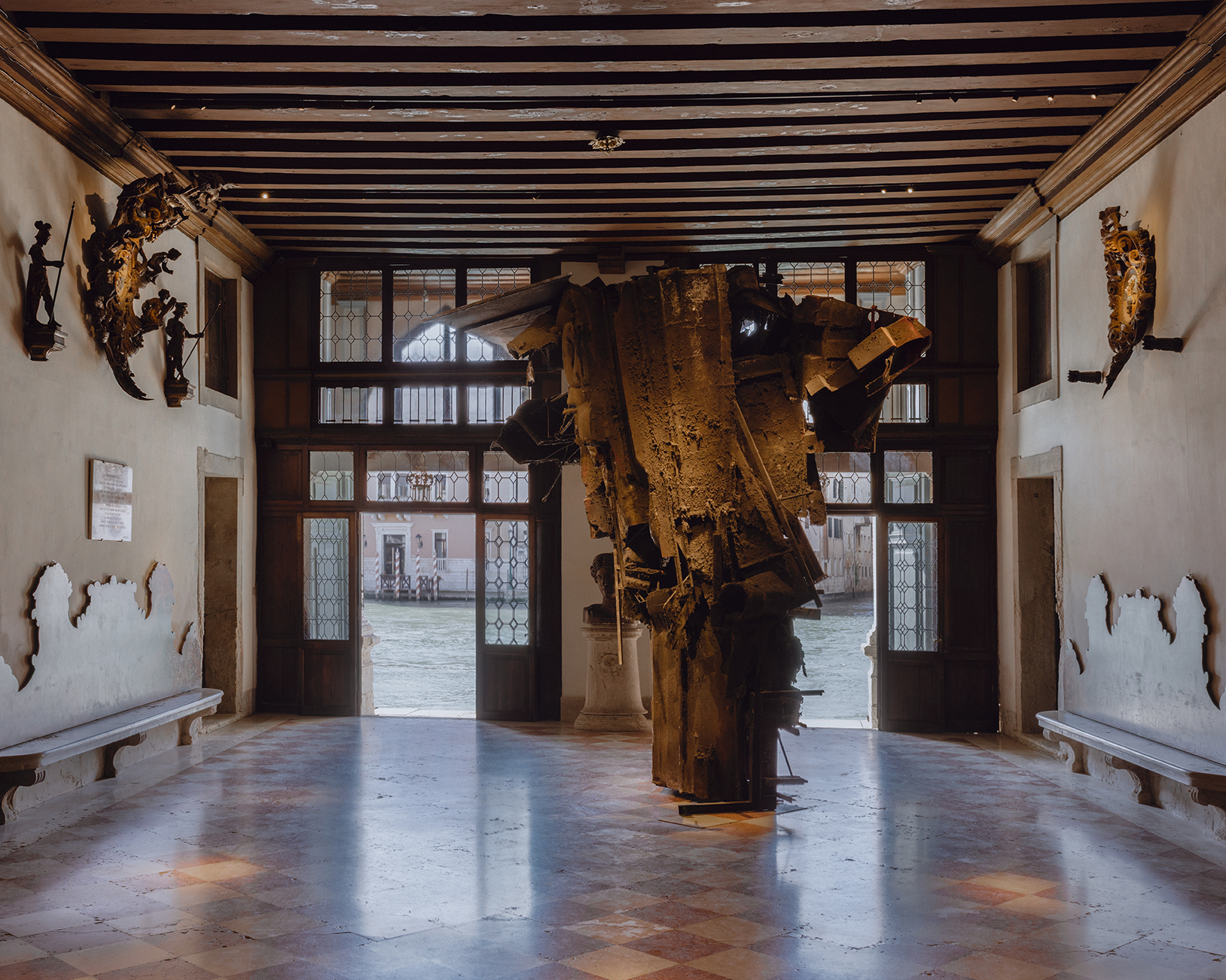
ArtReview editors highlight off-site pavilions and exhibitions at the 61st Venice Biennale, running from 9 May through 22 November 2026. Featured works include Li Yi-Fan's film *Screen Melancholy* at Palazzo delle Prigioni, which uses motion capture and a free-trial videogame engine to explore digital alienation and the 'enshittosphere,' and Roberto Diago's installation *Free Men* at the Pavilion of Cuban Republic, comprising rusted iron heads, fragmented wooden figures, and text works critiquing political oppression in Cuba.
Venice Biennale Special 2026—podcast

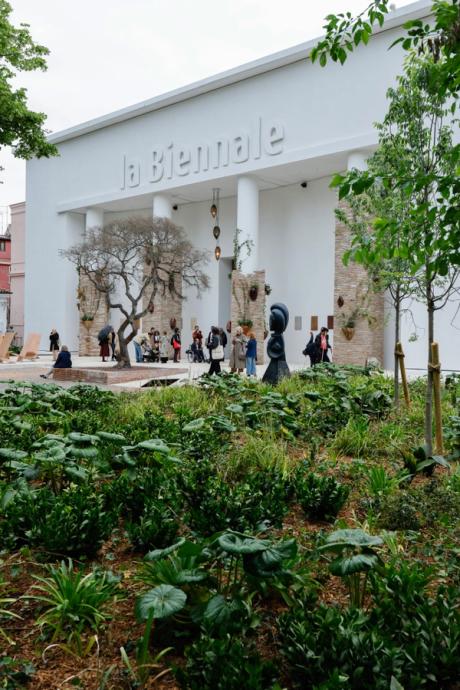
This episode of The Art Newspaper's podcast is a Venice Biennale special, covering the opening week of the 2026 edition. Host Ben Luke, along with Louisa Buck and Jane Morris, reviews the main exhibition "In Minor Keys," curated by the late Koyo Kouoh and realized by five collaborators. The podcast features interviews with artists Gabrielle Goliath, whose work for the South African pavilion was cancelled and is instead staged in a Venice church, and Lubaina Himid, showing in the British pavilion. It also includes conversations with writer Saidiya Hartman and Daniella Kaliada of Belarus Free Theatre about their collateral projects. The episode concludes with a focus on two restored Tintoretto paintings at the Basilica of San Giorgio Maggiore, funded by Save Venice.

10 Highlights You Shouldn't Miss in Venice

10 Highlights, die Sie in Venedig nicht verpassen sollten

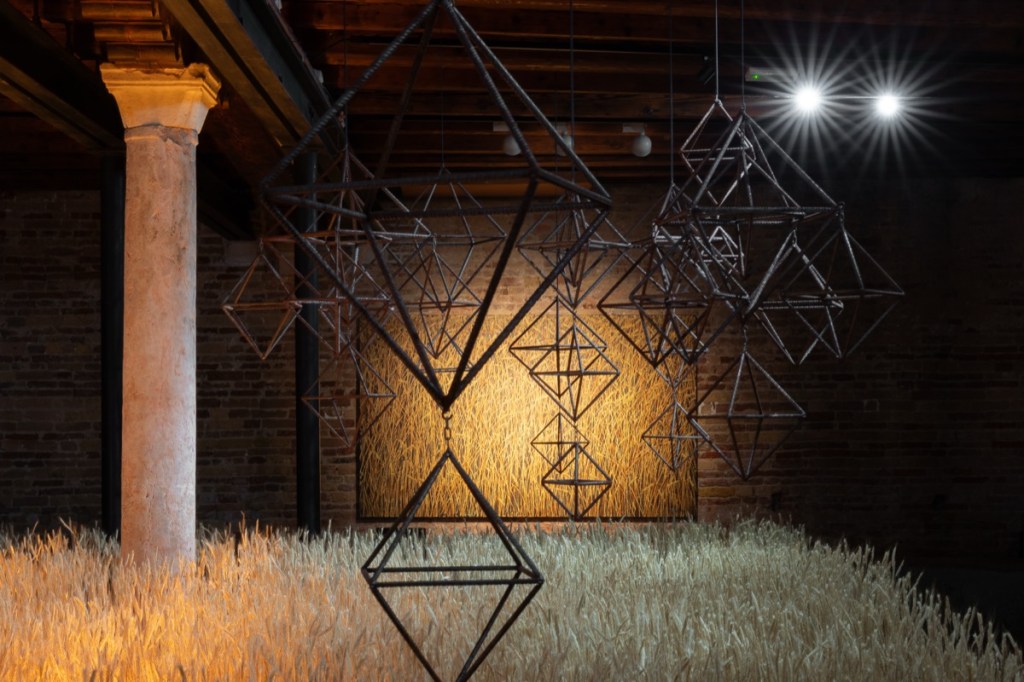
The article presents ten must-see highlights of the 61st Venice Biennale, curated by the editors of Monopol magazine. It covers the main exhibition at the Arsenale, national pavilions, and collateral events, including Sandra Knecht's beehouse installation, Isabel Nolan's Irish Pavilion exploring dreams and late medieval humanism, Chiara Camoni's Italian Pavilion blending ceramics and found materials, and Asim Waqif's bamboo construction in the Indian Pavilion. Other featured works include a church filled with surveillance cameras and the new Fondazione Dries Van Noten.

Best in Show: 6 Standouts at the 2026 Venice Biennale

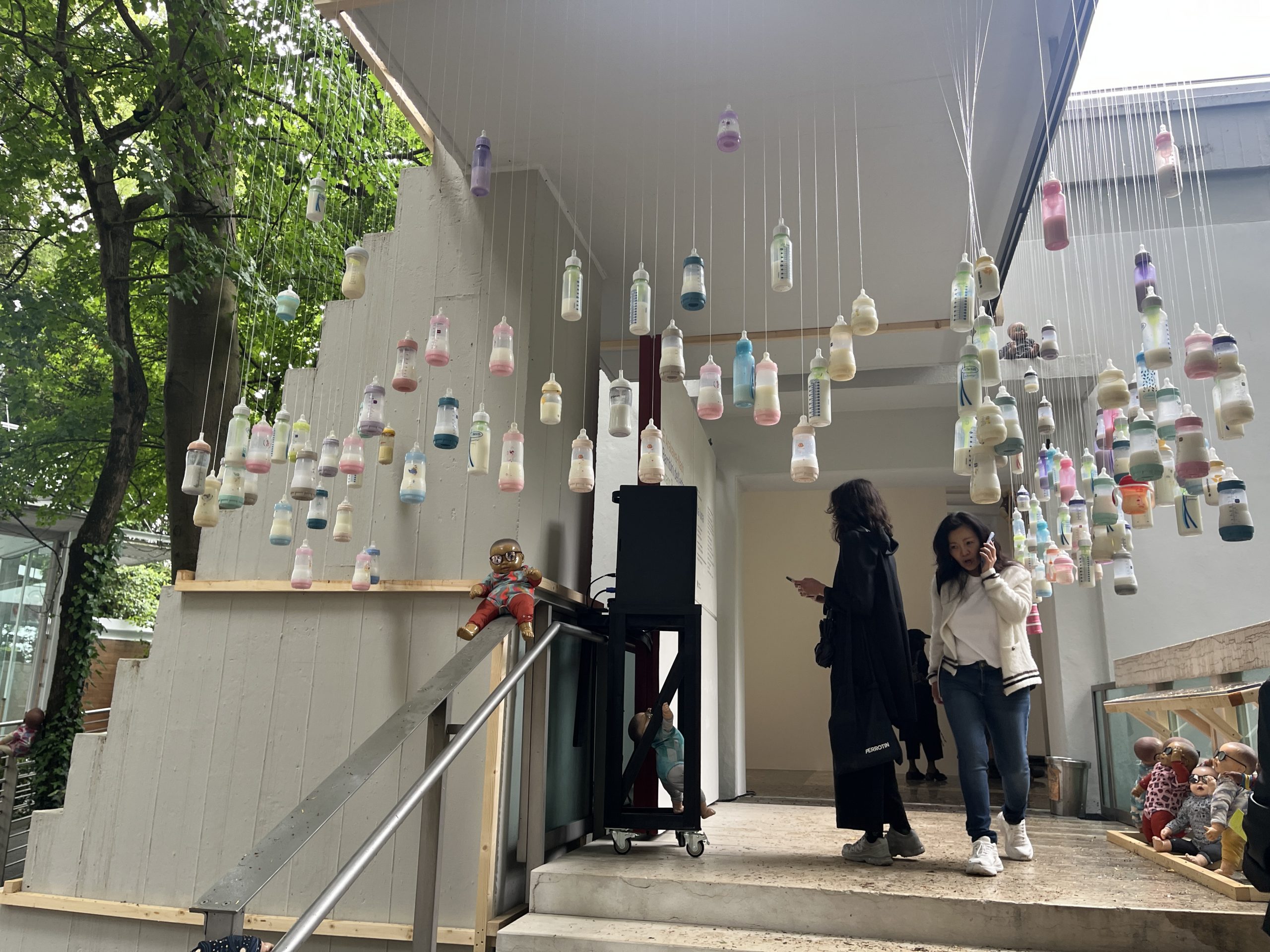
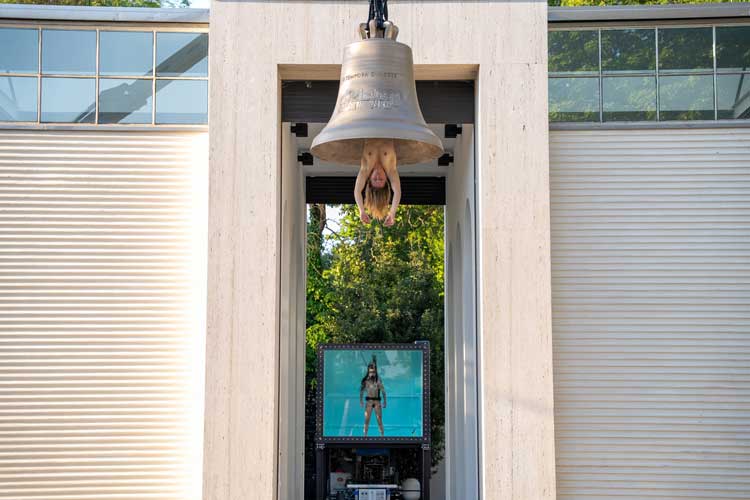
Artnet News writers highlight six standout exhibitions at the 2026 Venice Biennale, which opens to the public on May 9. Among the picks are Ei Arakawa-Nash's interactive installation "Grass Babies, Moon Babies" at the Japan Pavilion, featuring baby dolls and diaper-changing stations; Florentina Holzinger's provocative performance "Seaworld Venice" at the Austria Pavilion, involving nude performers, jet skis, and recycled wastewater; and Dayanita Singh's photographic exhibition "Archivio" at the State Archives of Venice, presenting intimate black-and-white images arranged as freestanding columns.

Stick a euro in the slot for the lights! The mesmerising, strictly Venetian works of Lydia Ourahmane

British-Algerian artist Lydia Ourahmane has created a new exhibition in Venice, opening alongside the Venice Biennale, that is deeply rooted in the city itself. Rather than shipping in materials, she built a pier for the island of Poveglia in collaboration with a local cooperative that saved the island from development, and she acquired a coin-operated light machine from the church of San Giovanni Crisostomo, which visitors must feed with a euro to illuminate the show. The exhibition is presented at the Nicoletta Fiorucci Foundation.

Venice Biennale 2026 Roundup

The 61st Venice Biennale, titled "In Minor Keys" and curated by the late Koyo Kouoh, opened in May 2026 amid significant turmoil. The Austrian Pavilion features Florentina Holzinger's performance piece "Seaworld Venice," centered on a giant bell that chimes hourly. The biennale has been marked by the death of its curator, the resignation of the international jury over the inclusion of Russia and Israel, protests by Pussy Riot and the Art Not Genocide Alliance, and the cancellation of the South African Pavilion over Gabrielle Goliath's "Elegy," which honors murdered women including a Palestinian poet. The US Pavilion's state-sponsored offerings have also drawn criticism.

See Inside the Belarus Free Theatre’s Venice Exhibition on Art Under Authoritarianism

The Belarus Free Theatre has opened an exhibition titled “Official. Unofficial. Belarus.” at La Chiesa di San Giovanni Evangelista di Venezia, marking Belarus's first presence at the Venice Biennale in six years and its first appearance not as a state but as a self-governing cultural body. Curated by Daniella Kaliada, the show features Belarusian artists working across painting, installations, and large-scale sculptures, aiming to make the experience of living under authoritarianism viscerally legible through works that explore surveillance, repression, and bodily experience.

A Theatre Group of Exiled Belarusian Artists Arrive in Venice, With an Exhibition That Shows What Repression Feels Like

The Belarus Free Theatre, an exiled underground theater group, will stage its first official collateral exhibition at the 61st Venice Biennale, titled “Official. Unofficial. Belarus.” The show, held in the historic La Chiesa di San Giovanni Evangelista di Venezia, features site-specific paintings, a sound installation, and large-scale sculptures that aim to immerse visitors in the experience of repression under authoritarian rule. This marks only the fifth time Belarus has been present at the Biennale, and the first time it appears not as a state but as a self-governing cultural body, challenging the official narratives of nations like Russia.

"Our regime does not represent our culture". Interview on the Belarusian project during the Venice Biennale

“Il nostro regime non rappresenta la nostra cultura”. Intervista sul progetto bielorusso durante la Biennale di Venezia

The article is an interview with Daniella Kaliada, curator of the Belarusian project "Official. Unofficial." presented at the Venice Biennale in the church of San Giovanni Evangelista. Organized by the Belarus Free Theatre, an independent underground group, the exhibition features site-specific paintings by Sergey Grinevich, a sound installation by Olga Podgayskaya, and large-scale sculptures by Vladimir Tsesler. The project includes a sphere of banned books crushed by a bulldozer, testimonies of recently released political prisoners, and sculptures made from prison bars, all addressing censorship and political trauma without direct representation of suffering.