filter_list Showing 5 results for "japanese pavilion" close Clear
search
dashboard All 7 museum exhibitions 5article news 1rate_review review 1
date_range Range Today This Week This Month All
Subscribe

ArtReview April & May 2026 Issue Out Now

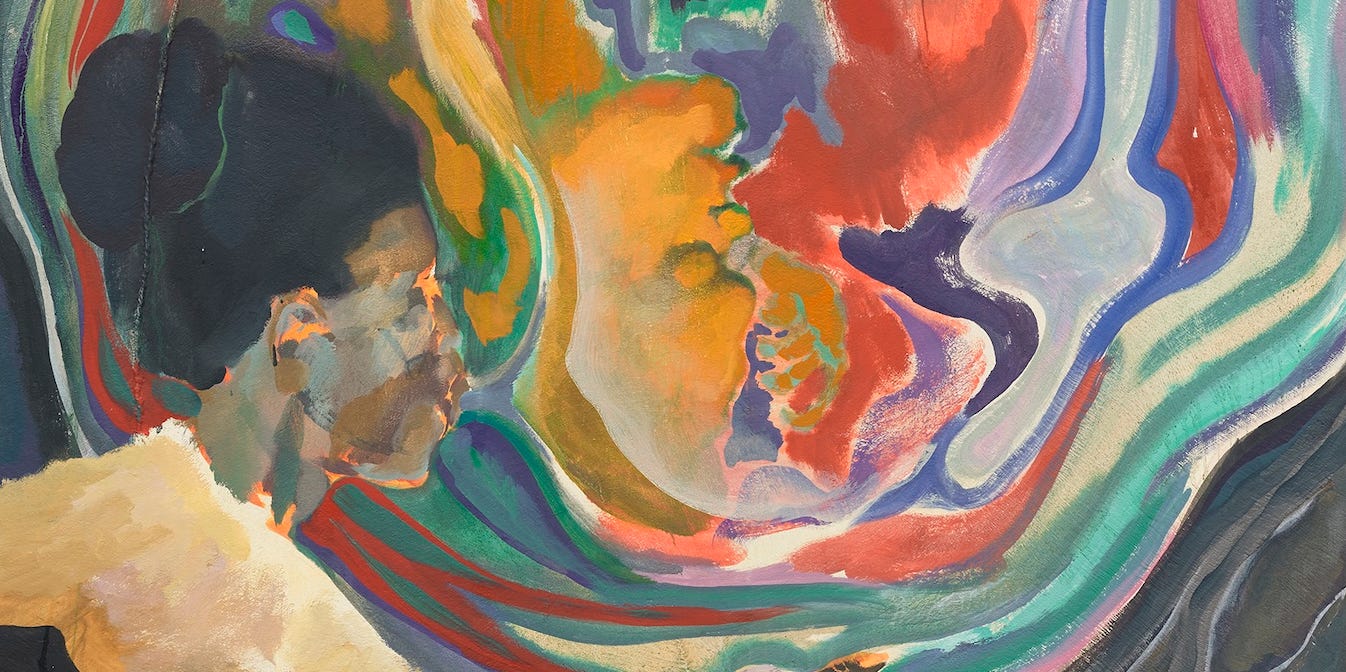
ArtReview's April & May 2026 issue explores boundaries and limitations in art, with a focus on the 61st Venice Biennale opening amid global conflicts. The cover features Japanese-American performance artist Ei Arakawa-Nash with his husband and twin babies, whose collaborative installation at the Japanese Pavilion incorporates the unpredictability of childcare. The issue includes coverage of controversial national pavilions (Russian, Israeli, American), profiles of artists representing Mongolia and Singapore, and features on Beverly Buchanan, Arthur Jafa, Richard Prince, and Zehra Doğan's report from Rojava. It also reviews the 82nd Whitney Biennial, the 25th Biennale of Sydney, and the 15th Shanghai Biennale.
Five Whirlwind Days in Venice, at (and Beyond) the Biennale

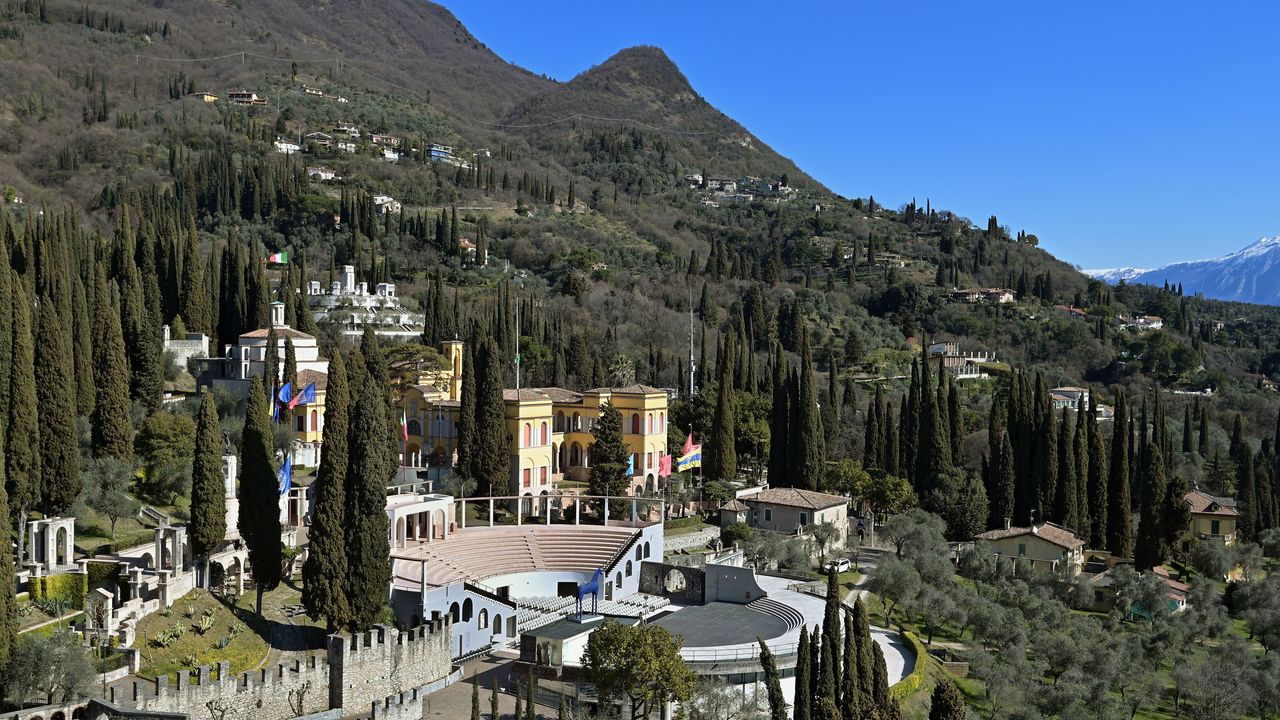
The article recounts a whirlwind three-day visit to the 61st Venice Biennale, focusing on the main exhibition at the Giardini della Biennale curated by the late Koyo Kouoh, titled "In Minor Keys." The author highlights textile works by artists such as Thania Petersen, Billie Zangewa, and Annalee Davis, as well as Beverly Buchanan's "Spirit Jars" and Maria Magdalena Campos-Pons's portrait of Kouoh and Toni Morrison. The trip also includes visits to collateral events, a performance at Jordan Roth's palazzo, and a side trip to Gabriele D'Annunzio's estate on Lake Garda.

Drained, Drowning, and Decay: The Best National Pavilions at the Venice Biennale

The 2026 Venice Biennale is defined by themes of ruin and decay, with standout national pavilions exploring bodily, infrastructural, and archaeological collapse. The Slovenian Pavilion features the Nonument Group repurposing materials from past Biennales into a ruin of a mosque for Bosnian Muslim soldiers from World War I. Syria presents its first national pavilion since the Civil War, with Sara Shamma invoking Palmyra, destroyed by ISIS. Germany's pavilion, titled "Ruin," features works by Henrike Naumann (who died in February) and Sung Tieu, questioning the pavilion's fascist architecture and nationalist residue. The Austrian Pavilion, curated by Florentina Holzinger, offers a visceral performance titled "Sea World." The Biennale is also marked by the abrupt resignation of its five-member jury, who refused to consider nations charged with crimes against humanity, leading to awards being chosen by public vote. Additionally, the main exhibition "In Minor Keys" was affected by the death of its curator, Koyo Kouoh.

"One of the most dramatic Biennales": 11 unmissable art shows to see at Venice

Theo Christelis reports from the opening week of the 2024 Venice Biennale, describing it as one of the most dramatic editions in recent memory. Key events include the death of main curator Koyo Kouoh and German Pavilion artist Henrike Naumann, the resignation of the prize jury over the participation of Israel and Russia, a protest by Pussy Riot, and a boycott by half the participating artists. Amid the turmoil, Christelis highlights unmissable shows including the Indian Pavilion (returning after seven years), Jenny Saville at Ca' Pesaro, Michael Armitage at Palazzo Grassi, and presentations at the British, Japanese, and Saudi Arabian Pavilions.

Venice Biennale performances confront war and climate fears

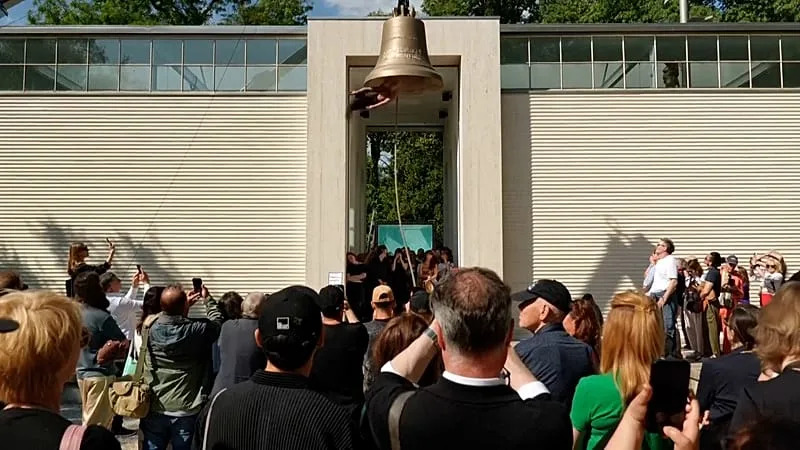
At the 2026 Venice Biennale, visitors encountered provocative performances and installations addressing war, climate anxiety, and human coexistence. Highlights include a naked performer acting as a human bell clapper in Florentina Holzinger's "Seaworld Venice" at the Austrian Pavilion, lifelike baby dolls in Ei Arakawa-Nash's caregiving-focused work at the Japanese Pavilion, and drone-powered flying carpets in Moldova's pavilion that transform symbols of war into tools of peace. The Nordic Pavilion also presented surreal installations exploring coexistence and environmental fears.