

filter_list Showing 4 results for "The Hole" close Clear
search
dashboard All 31 museum exhibitions 21article news 6trending_up market 4
date_range Range Today This Week This Month All
Subscribe

basquiat the hole kenny schachter

Kenny Schachter explores the existential threat posed by the rapid advancement of Artificial Intelligence and its projected impact on the global economy by 2028. Citing the Citrini Report, he highlights a future of mass unemployment among white-collar professionals—the primary demographic for art consumption—who account for over 50% of discretionary spending in the U.S. As tech leaders like Jack Dorsey begin significant workforce reductions attributed to AI, the financial foundation of the art market appears increasingly precarious.
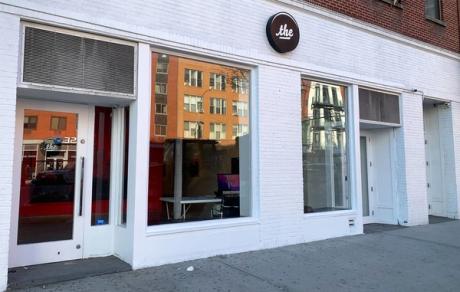
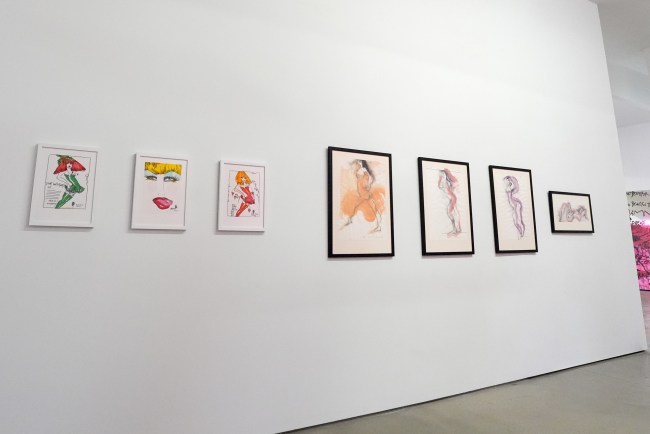
Overdue payments to artists, landlords and workers at a popular gallery reflect pressures squeezing the dealer sector

The Hole, a prominent gallery with locations in New York and Los Angeles, is facing significant financial distress characterized by shuttered spaces and mounting legal disputes. Following a period of rapid expansion fueled by the 2021–2023 art market boom, the gallery has permanently closed its West Hollywood location and is currently facing multiple lawsuits from Manhattan landlords alleging over $180,000 in unpaid rent and taxes. Founder Kathy Grayson attributes the crisis to a sharp decline in sales starting in late 2023, which has left the gallery struggling to pay artists, staff, and creditors.

The Hole Gallery Sued Over Unpaid Back Rent

The Hole, a prominent contemporary art gallery founded by Kathy Grayson, has shuttered its West Hollywood location amid a wave of legal and financial troubles. Court filings reveal that the gallery faces multiple lawsuits for unpaid rent and real estate taxes across its Los Angeles and Manhattan outposts, with debts totaling over $180,000. Beyond real estate disputes, the gallery has been dogged by allegations of financial instability and delinquent payments to artists, including a 2019 lawsuit from artist Dan Lam regarding unpaid sales and damaged works.

art market mugrabi nahmad kenny schachter

Kenny Schachter critiques the art market's doomsaying media narrative, coining the acronym Salsa (Scribes Always Love Sensational Apocalypse) to describe clickbait-driven hype. He contrasts current market anxieties with past downturns, notably the 1991-1996 recession when the market evaporated, citing a 1991 Roberta Smith article. Schachter observes that the Nahmads and Mugrabis, once feuding families, now invest together, and he recounts his experience at Phillips during his "Hoarder 6" exhibition, where young collectors showed genuine interest. He argues that the market, though wounded, remains healthy and calls for a less transactional, more patient approach to selling art.