
filter_list Showing 3 results for "The Pin" close Clear
dashboard All 55 museum exhibitions 26person people 6article news 6article policy 4article culture 3candle obituary 3trending_up market 3rate_review review 2gavel restitution 1article local 1
date_range Range Today This Week This Month All
Subscribe

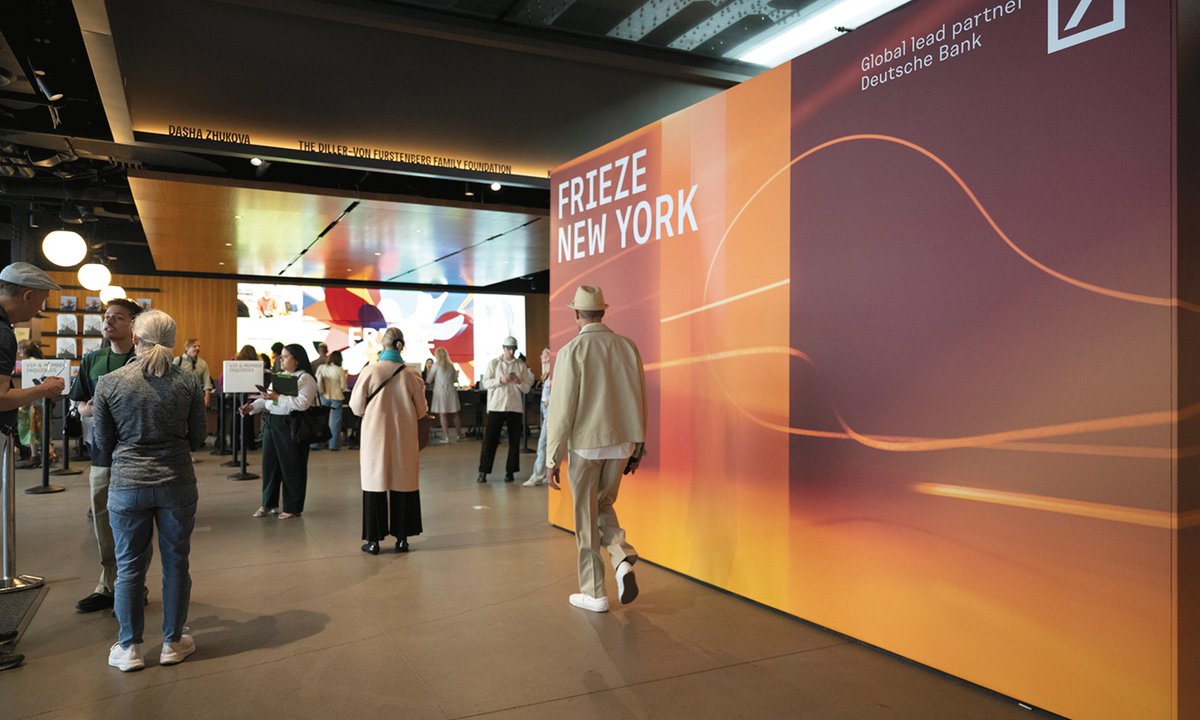
Frieze New York shows signs of stability in challenging US art market

Frieze New York (7-11 May) opens its 13th edition at The Shed with around 65 galleries, including mega-galleries Gagosian, David Zwirner, Hauser & Wirth, Pace, and White Cube. The fair arrives amid a turbulent art market: global art sales declined 12% in 2024 per Clare McAndrew's Art Market Report, and President Trump's tariff decisions have roiled the stock market. Frieze's owner Endeavor recently sold the fair to a new company founded by former CEO Ari Emanuel. Despite this, US fair director Christine Messineo expresses optimism, citing strong sales at Frieze Los Angeles in February. The Focus section features 12 emerging galleries, seven of which are first-time participants, including King's Leap, Management, Voloshyn Gallery (Kyiv), and Public Gallery (London).
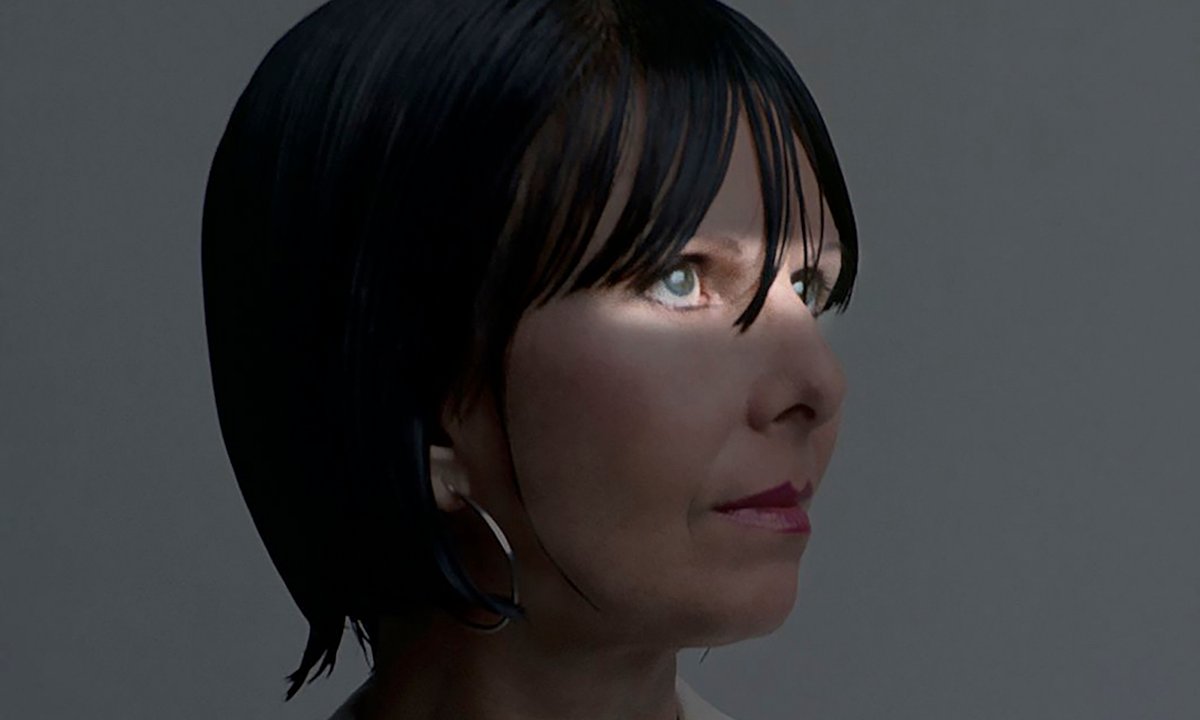
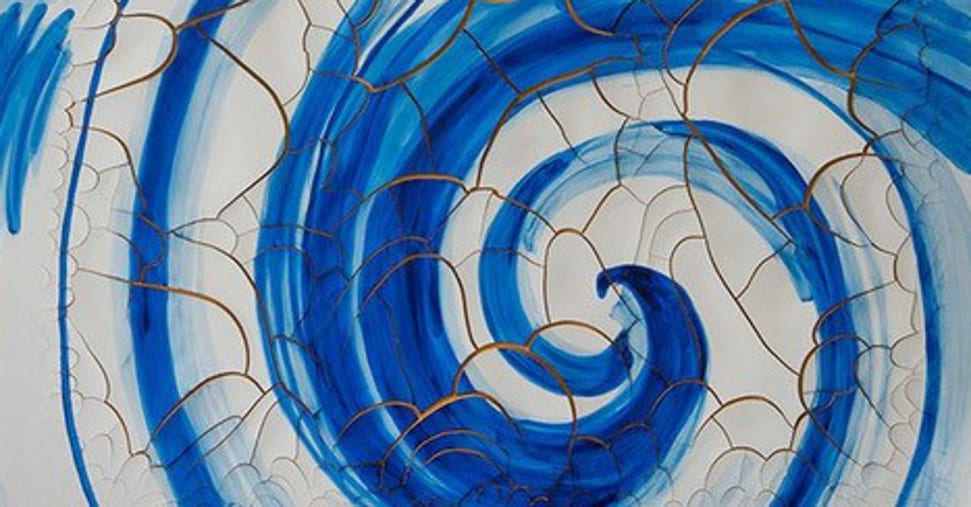
Pioneering Brazilian artist Lygia Pape's estate is now represented by Mendes Wood DM

Mendes Wood DM now represents the estate of pioneering Brazilian artist Lygia Pape (1927-2004), a central figure in the Concrete and Neo-Concrete art movements. The gallery, founded by Pedro Mendes, Felipe Dmab, and Matthew Wood, operates spaces in São Paulo, Brussels, Paris, and New York. It plans a career-spanning exhibition of Pape's work in São Paulo in April 2026, coinciding with SP-Arte and her centenary year, and will bring works to Art Basel in Paris this October. Pape's first retrospective in France, 'Tisser l'espace (Weaving Space),' opens next week at the Pinault Collection's Bourse de Commerce in Paris, running from 10 September to 23 February 2026.

Latin American Art: Structural Growth between Market and Institutions

Latin American Art: Structural Growth between Market and Institutions

Latin American contemporary art is experiencing structural growth and increased global visibility between 2024 and 2026, moving beyond speculative trends toward deep-seated institutional legitimacy. This shift is highlighted by the prominent inclusion of regional artists in major international platforms, most notably the 2026 Venice Biennale and the Pinault Collection. Key figures such as Rosanna Paulino, Adriana Varejão, and Paulo Nazareth are leading this movement, utilizing diverse media to explore themes of post-colonialism, racial violence, and ecological memory.