filter_list Showing 8 results for "art market shift" close Clear
search
dashboard All 8 trending_up market 8
date_range Range Today This Week This Month All
Subscribe

The Marcel Duchamps That Got Away: On Collecting His Work and the Sprawling MoMA Show

The article recounts the author's personal experience as a collector who passed up the opportunity to buy a complete set of Marcel Duchamp's readymades at a 2002 Phillips de Pury and Luxembourg auction. The set, editioned by dealer Arturo Schwartz in 1964, included iconic works like *Fountain* and *Bicycle Wheel*, but the sale was a financial failure, with many pieces bought-in or selling for far below expectations. The author later acquired some of the unsold works privately. The piece is framed around the concurrent Duchamp exhibitions at the Museum of Modern Art and Gagosian.

africa art market shift

The 1-54 Contemporary African Art Fair in Marrakech saw a significant contraction in 2026, with participation dropping by over 25 percent to just 22 galleries. This decline coincides with the recent arrival of Art Basel in Doha, which is intensifying competition for galleries and collectors' attention across the MENASA region, forcing dealers to make strategic choices about which fairs to support.

Backed by an Expanding Collector Base, Old Masters Make a Quiet Comeback

Christie's London Classic Week generated a combined total of £60,844,240 ($83,660,830) between its Old Masters Evening Sale and The Exceptional Sale, led by a record-setting £31.9 million sale of a Canaletto masterpiece. The painting, once part of Sir Robert Walpole's collection, attracted five bidders from Asia, Europe, and North America. Sotheby's also saw strong results, with the two houses together achieving £58 million (excluding buyer's premium) in Old Masters evening auctions, a notable increase from 2024. Other highlights included Titian's Portrait of a nobleman, seated before a window selling for £3,428,000 and Jan Davidsz de Heem's still life achieving £3,670,000.

A former director at Lower Manhattan galleries goes it alone Uptown

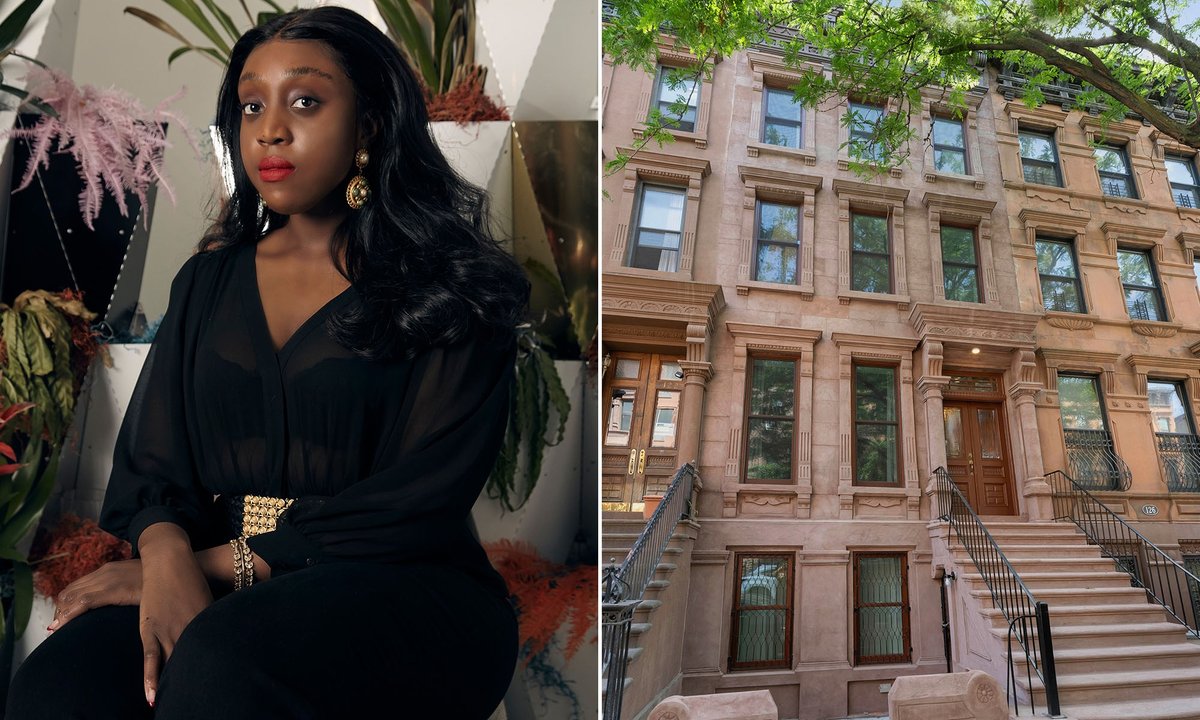
Christiana Ine-Kimba Boyle, a former director at Lehmann Maupin, Canada, and Pace, has launched Gladwell Projects, a nomadic gallery with a staff of one. The gallery's second show, "The Spirituality of Color," opens October 3 in a Harlem townhouse, featuring works by Sam Gillam, Kylie Manning, and others. Its first show, "The Metroplex," was held in collector Christie Williams's Dallas home during the Dallas Art Fair, resulting in acquisitions by the Dallas Art Museum. Ine-Kimba Boyle aims to present blue-chip rigor at a smaller, community-focused scale, part of a "Domestic Interventions" series in private homes.

The Slow Death of the Contemporary Art Gallery

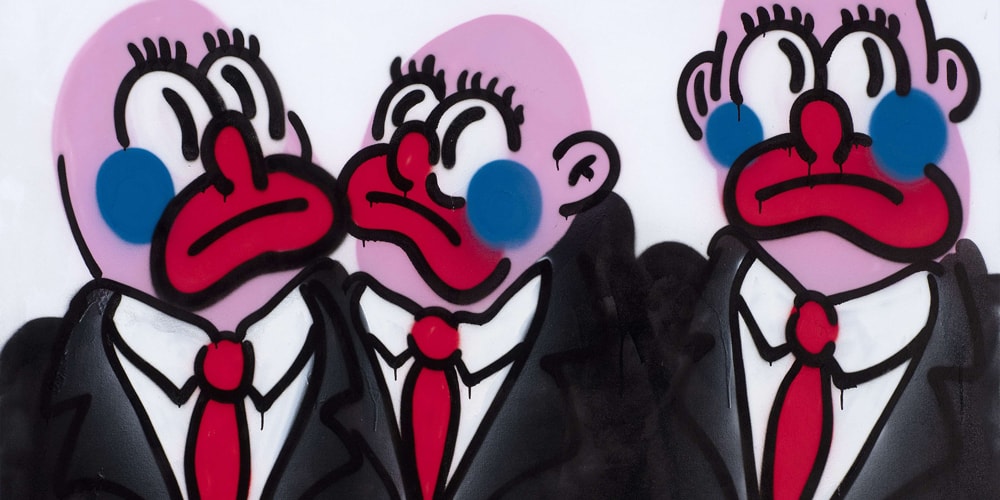
The article reports on the decline of the traditional contemporary art gallery model, driven by rising rents, changing collector behavior, and the rise of new artist categories. Tim Blum closed his Blum & Poe galleries in Los Angeles and Tokyo, citing systemic issues rather than market conditions. Art Basel and UBS data show the art market shrank overall but the number of sales increased, indicating a shift toward mid-priced works. Collectors are moving away from "blue-chip" artists toward "red-chip" artists who gain value through viral hype and cultural relevance, exemplified by Olaolu Slawn's accessible solo show at Saatchi Yates. Celebrities like actor Adrien Brody are also entering the market, though his work has been criticized as derivative. Meanwhile, smaller galleries like Tiwa Gallery, Landdd, and Marta are thriving by focusing on genuine connection, and retail spaces like Gentle Monster and Dover Street Market are blending art with commerce.

Auction sales fall 6% in the first half, raising fears of an art market shift

Auction sales at Sotheby's, Christie's, and Phillips fell to $3.98 billion in the first half of 2025, a 6% decline from the same period in 2024 and the lowest total in at least a decade excluding the pandemic. Postwar and contemporary art, the traditional growth engine, dropped 19%. ArtTactic cites lingering concerns over global economic growth, inflation, and geopolitical tensions as dampening confidence, even as wealthy individuals' personal wealth and stock markets reach record highs.

Why many Indian galleries are focusing on older artists now

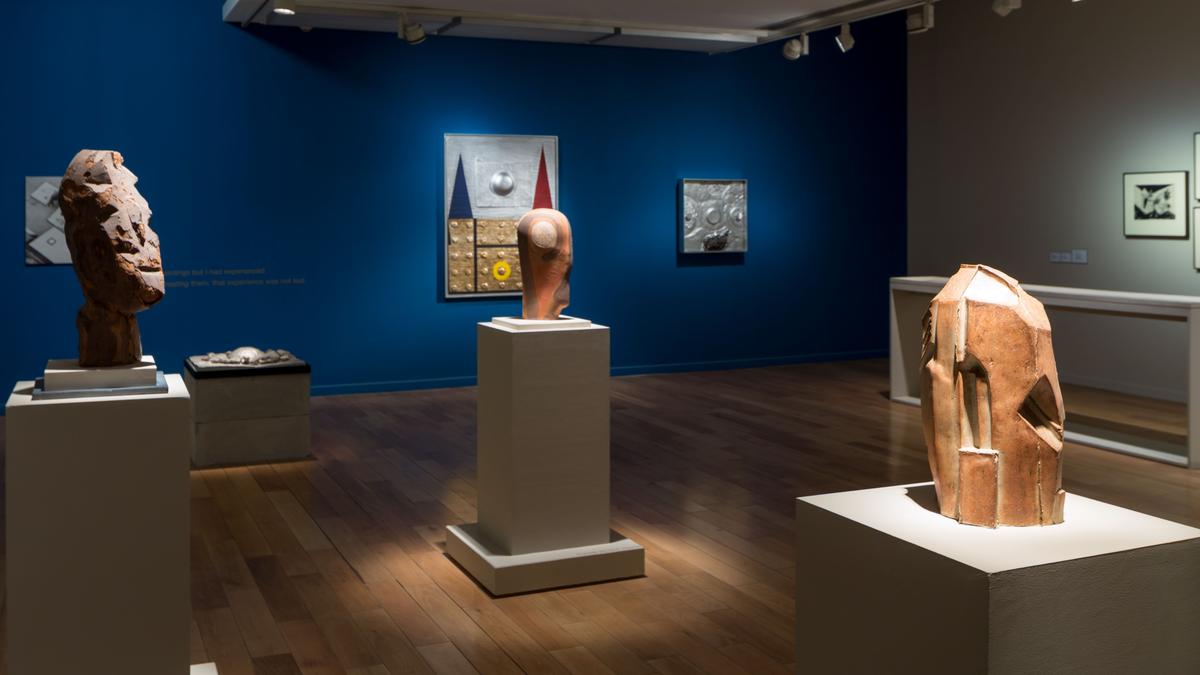
A growing number of Indian galleries and institutions are shifting their focus from emerging artists to established and late-career artists. Recent examples include a Himmat Shah retrospective at KNMA, Amitava Das's solo show in New Delhi featuring works from the 1960s to 2015, and Subcontinent gallery's inaugural exhibition of Haku Shah's seven-decade career. These exhibitions are often organized in collaboration with multiple galleries, such as Shrine Empire Gallery and Art Exposure Gallery, and aim to highlight overlooked art histories.

Column | Indian art in a global context

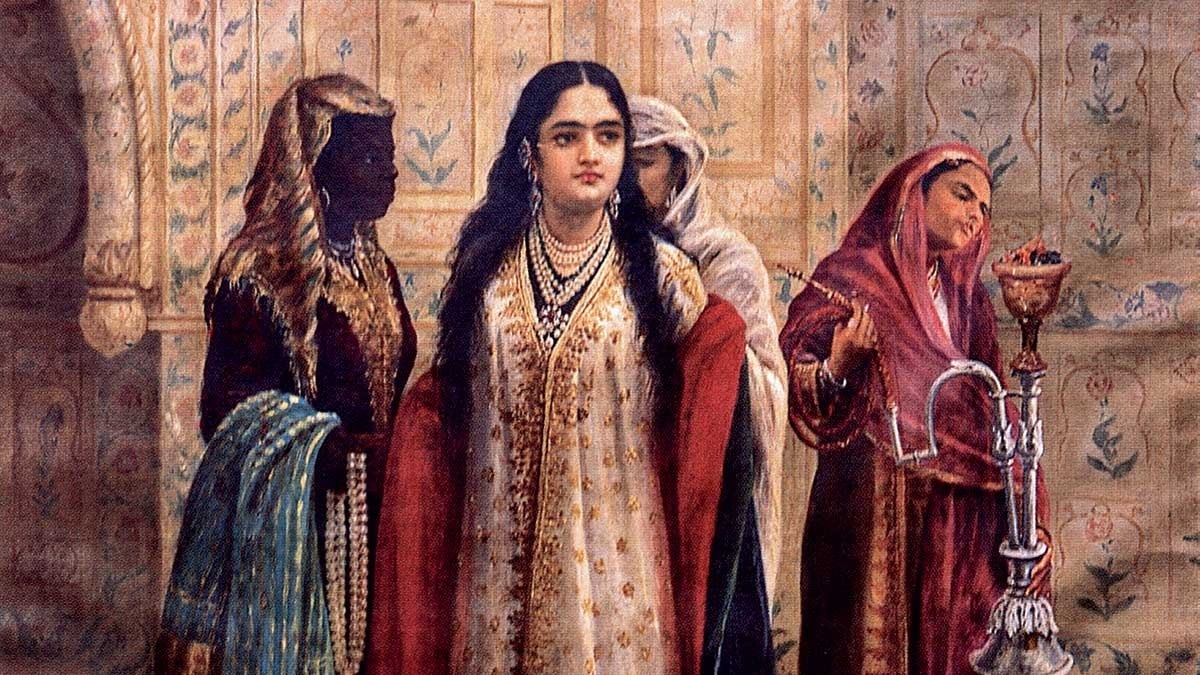
The article examines the evolution of the Indian Modern and Contemporary Art market over the past three decades, noting a shift in financial power from New York and London to Mumbai and New Delhi. It highlights the pivotal 1997 auction 'The Intuitive-Logic II' organized by HEART (Tuli Foundation for Holistic Education and Art) as a catalyst, and traces the market's trajectory through a boom period (2000-2007), a stagnation and decline (2010-2018), and a current sustained rise.