filter_list Showing 5 results for "Mellon Foundation" close Clear
search
dashboard All 19 museum exhibitions 11article news 5article local 1candle obituary 1rate_review review 1
date_range Range Today This Week This Month All
Subscribe

U.S. Crowdfunds Its Venice Biennale Pavilion

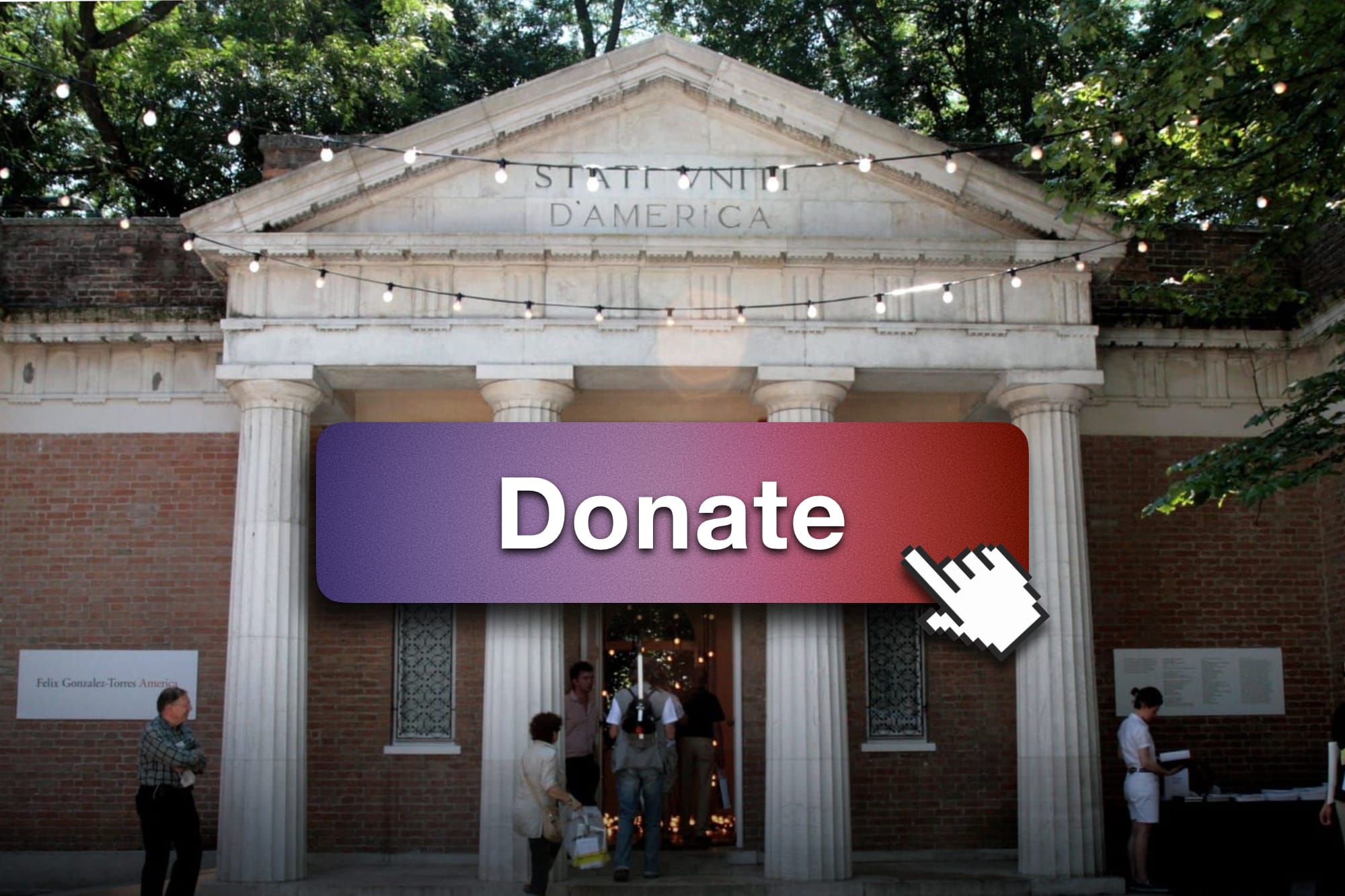
The United States is crowdfunding its pavilion at the 61st Venice Biennale, which opens in ten days, due to the absence of major sponsors like the Ford Foundation and the Mellon Foundation. The pavilion, featuring sculptures by Alma Allen, is being organized by the American Arts Conservancy (AAC), which is soliciting donations through a campaign that has been live since at least November. The U.S. government contributes $375,000, but the installation costs significantly exceed that amount. Donors include Nevada-based Republican donors Jim and Aimee Battista, talent manager Tom Ierna, and actor Alex Pita. The AAC has not disclosed the campaign's fundraising goal, amount raised, or end date.
The US Pavilion Is Taking Online Donations

The American Arts Conservancy (AAC), the nonprofit tasked with executing Alma Allen's 2026 US Pavilion at the Venice Biennale, is soliciting online donations from the public after receiving no corporate or foundation funding. Unlike previous pavilions backed by major foundations like Ford and Mellon, AAC's fundraising relies on private citizens, with a minimum $100 donation requested via its website. The State Department provided $375,000 but requires additional funding, and AAC's Executive Director Jenni Parido, a former pet food store owner, declined to name specific donors, though Instagram posts suggest wealthy Trump allies attended benefit events. Perrotin Gallery, which represents Allen, is providing operational support but not funding.

Usher, Spike Lee, and Tyler Mitchell Helped Raise $3.7 Million for the Studio Museum in Harlem at a Party for the Ages

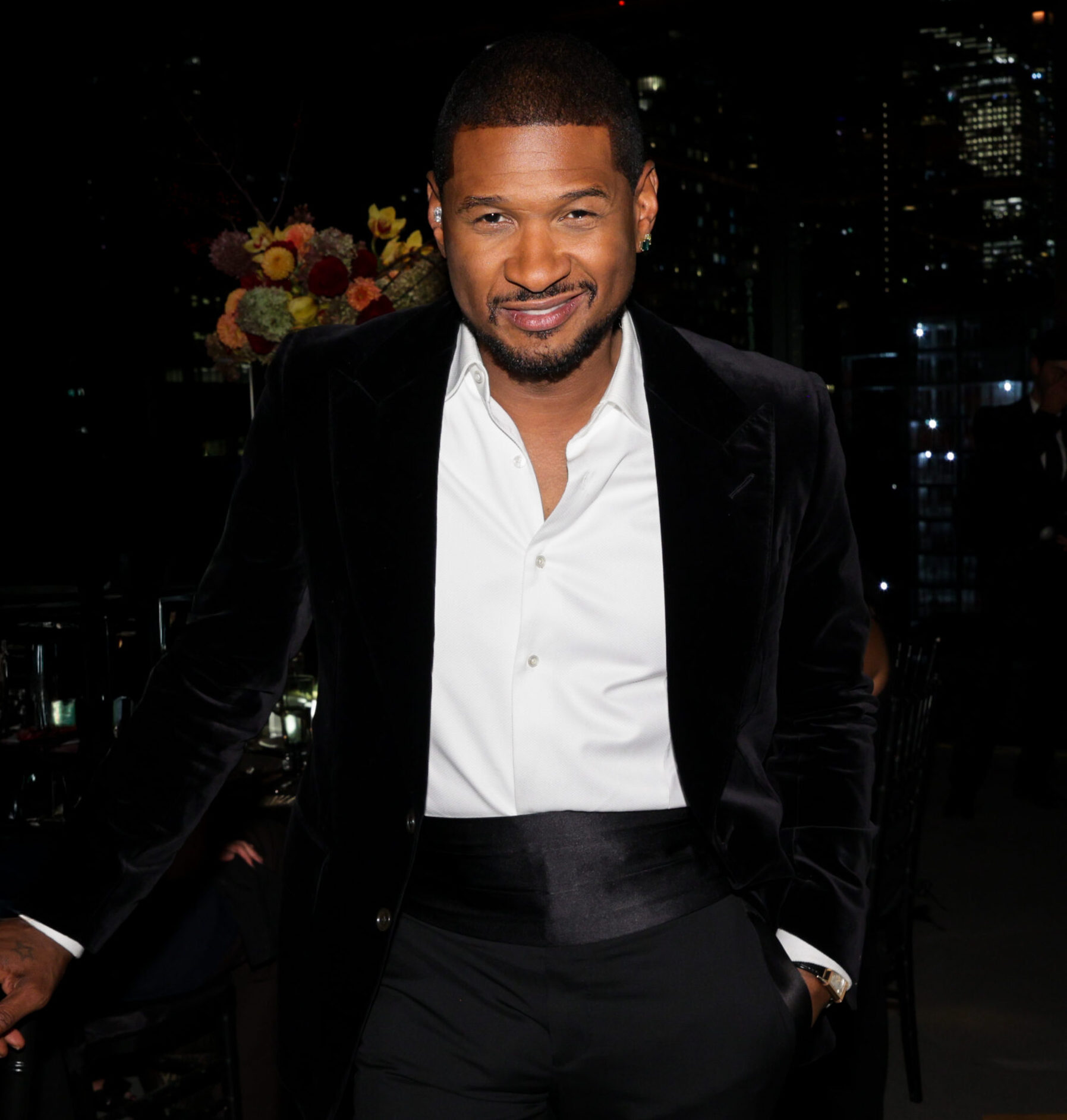
The Studio Museum in Harlem hosted a star-studded gala at the Glasshouse in Manhattan, raising $3.7 million to support its upcoming reopening. The event marked a significant milestone for the institution, which has been undergoing extensive renovations for seven years and is scheduled to open its new doors on West 125th Street on November 15. Director and Chief Curator Thelma Golden described the evening as a 'threshold' moment, celebrating the museum's legacy of shaping cultural history since its founding in 1968.

Russia's 2026 Venice Biennale Will Not Open to the Public, and Other News.

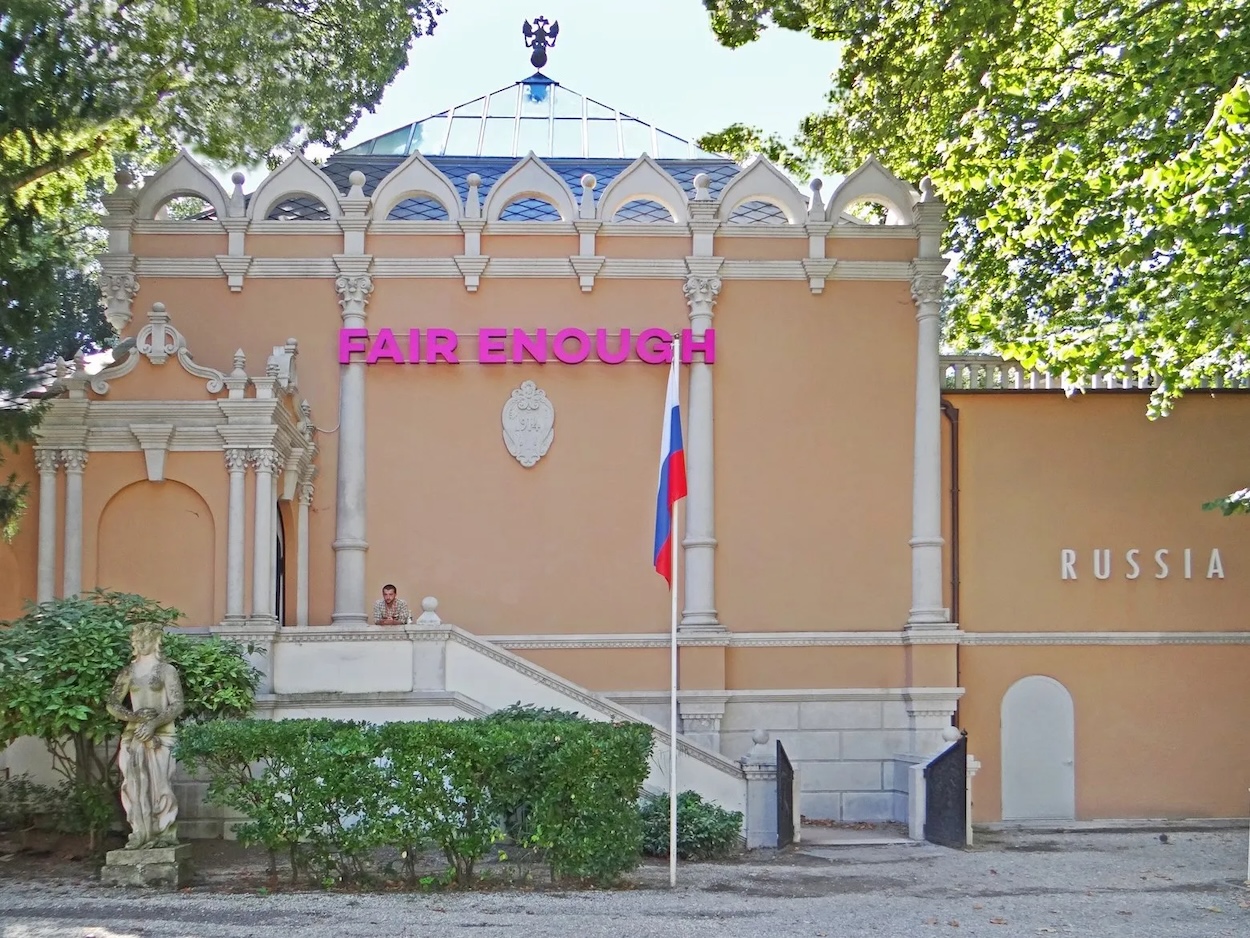
Russia's pavilion at the 2026 Venice Biennale will be closed to the public for nearly the entire run of the exhibition (May 9–November 22), with access limited to a brief preview period for press and invited guests. Instead of physical access, visitors will experience the pavilion's project—titled 'The Tree Is Rooted in the Sky'—via video documentation displayed on exterior screens. The arrangement is widely seen as a compromise shaped by international sanctions and political backlash over Russia's return following its absence after the 2022 invasion of Ukraine. In other news, Matthieu Blazy unveiled his first Chanel cruise collection in Biarritz; San Francisco appointed Matthew Goudeau as its first-ever executive director of arts and culture; the Saudi Arabia Museum of Contemporary Art received a $490 million construction grant from Diriyah Company; and online auction sales grew 8 percent in 2025, generating $423.9 million.

Historic Monument Honors New York's First Arabic-Speaking Community

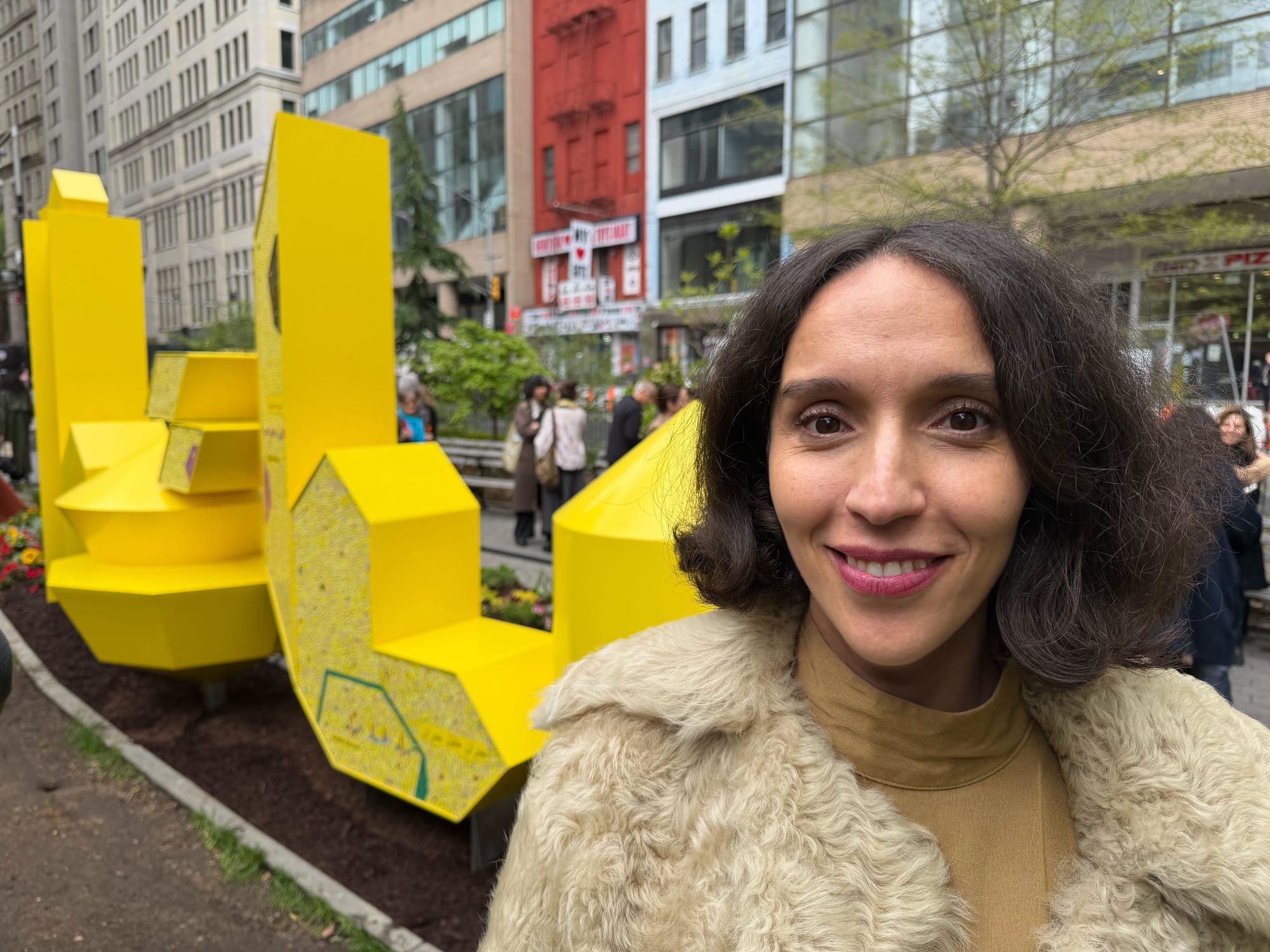
New York City unveiled its first commemorative public artwork under Mayor Zohran Mamdani's administration on April 30, honoring the historic "Little Syria" neighborhood in Manhattan's Financial District. The monument, titled "Al Qalam (The Pen): Poets in the Park," is a mosaic installation and sculpture by French-Moroccan artist Sara Ouhaddou, created over the past decade. It celebrates nine members of the enclave's literary community, including Lebanese-American poet Khalil Gibran, who co-founded the writers' association Pen Bond in 1920. The $1.6 million artwork sits in Elizabeth H. Berger Plaza, within the blocks where immigrants from Greater Syria settled in the late 19th century before being displaced by tunnel construction in the 1940s.