
filter_list Showing 3 results for "facial recognition" close Clear
search
dashboard All 8 museum exhibitions 5article news 3
date_range Range Today This Week This Month All
Subscribe

brazil library heist matisse

Brazilian authorities arrested one suspect after an armed robbery at São Paulo's Mário de Andrade Library on Sunday, where two thieves stole eight Henri Matisse engravings and works by Brazilian painter Candido Portinari. The artworks were displayed in a glass vitrine as part of the exhibition “From the Book to the Museum,” which was set to close November 30. The thieves held up a security guard and a couple, stuffed the items into a canvas bag, and discarded some works near a rubbish heap during their escape, partially captured by facial recognition cameras. The second suspect remains at large, and the library has not disclosed which specific works were taken.

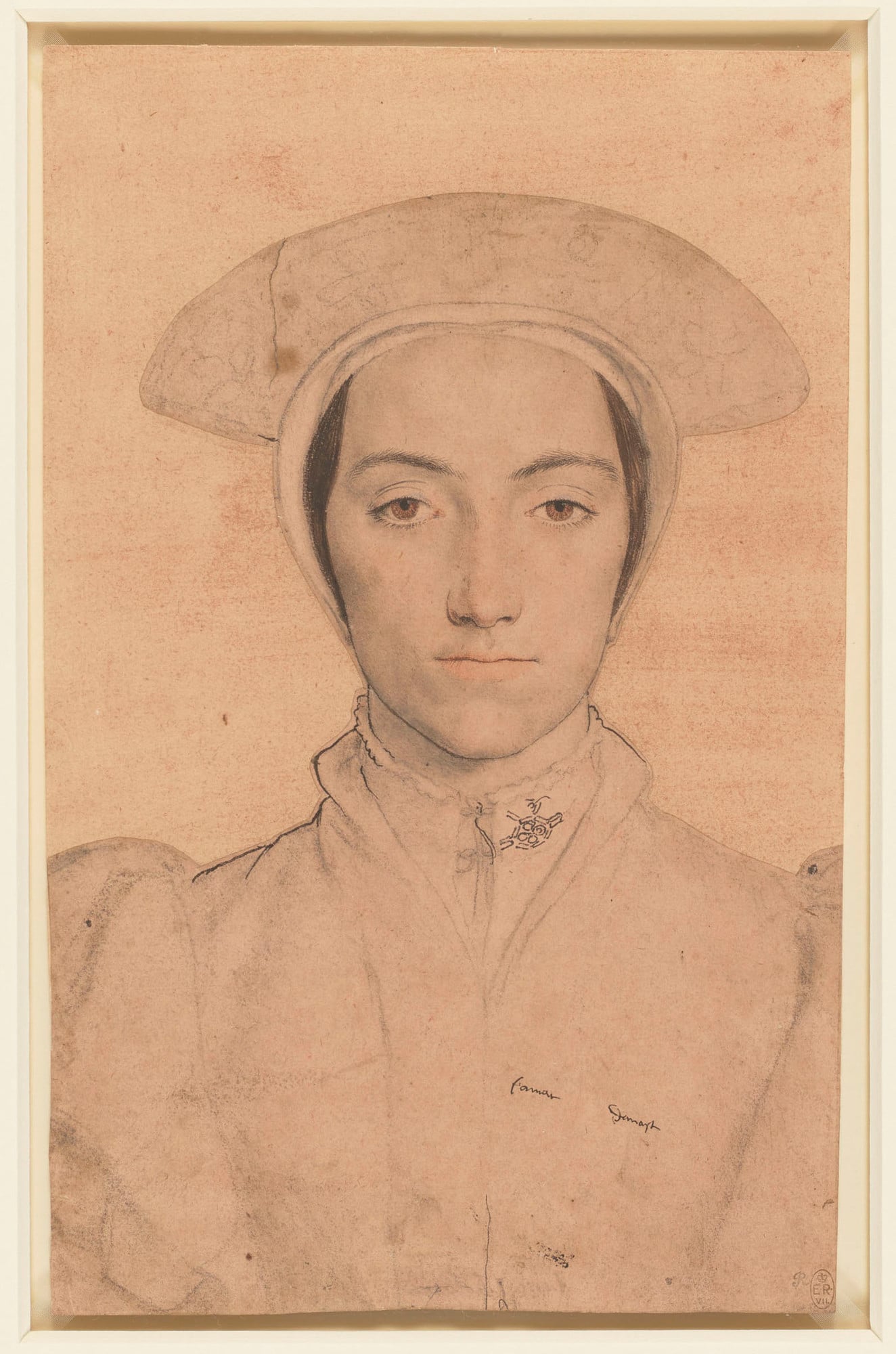
AI Helps UK Researchers Identify Unknown Subject in Hans Holbein Drawing as Anne Boleyn

Researchers Karen L. Davies and Hassan Ugail used artificial intelligence facial recognition to analyze two Hans Holbein drawings from the Royal Collection Trust. Their study, published in npj Heritage Science, suggests that a portrait previously labeled as Anne Boleyn actually depicts her mother, Elizabeth Howard, while a drawing cataloged as an unidentified woman is the true likeness of Anne Boleyn. The findings challenge long-held identifications based on 18th-century inscriptions and align more closely with contemporary descriptions of Boleyn as slender with dark hair.

A.I. Identifies Holbein Drawing as Possible Portrait of Anne Boleyn

Researchers at the University of Bradford have used artificial intelligence to analyze preparatory drawings by Hans Holbein the Younger in the Royal Collection at Windsor Castle. The AI model, which previously identified a forgotten Raphael painting, suggests that a drawing long believed to depict Anne Boleyn actually shows her mother, Elizabeth Howard, while another drawing labeled "Unidentified Woman" likely portrays Anne Boleyn herself. The findings, published in Heritage Science, are based on biometric analysis of facial features, bone architecture, and proportional relationships, offering quantifiable evidence to resolve long-standing scholarly uncertainty about the sitters' identities.