filter_list Showing 5 results for "museum of fine arts" close Clear
search
dashboard All 91 museum exhibitions 58article local 12trending_up market 5article news 5person people 3article culture 3candle obituary 2article policy 1gavel restitution 1rate_review review 1
date_range Range Today This Week This Month All
Subscribe

Why did Van Gogh sign his paintings as ‘Vincent’?

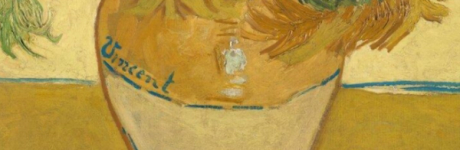
Art historian Julia Engelmayer has published a study titled 'Simply ‘Vincent’: An Overview of Van Gogh’s Signed Paintings' on the Van Gogh Museum's website, analyzing why and how Vincent van Gogh signed his works. The research reveals that only 133 of his 840 surviving paintings bear a signature (16%), an unusually low proportion for a 19th-century artist. Van Gogh signed with only his first name due to strained family relations and the difficulty non-Dutch speakers had pronouncing his surname. The study also highlights his predominant use of red signatures (on 75 works), angled signatures on over half of his signed pieces, and a distinctive horseshoe-shaped 'V' used during his Arles period.
Who Went to Venice Last Week? Jenny Saville, Glenn Lowry, Jewel, and Many Other Power Players

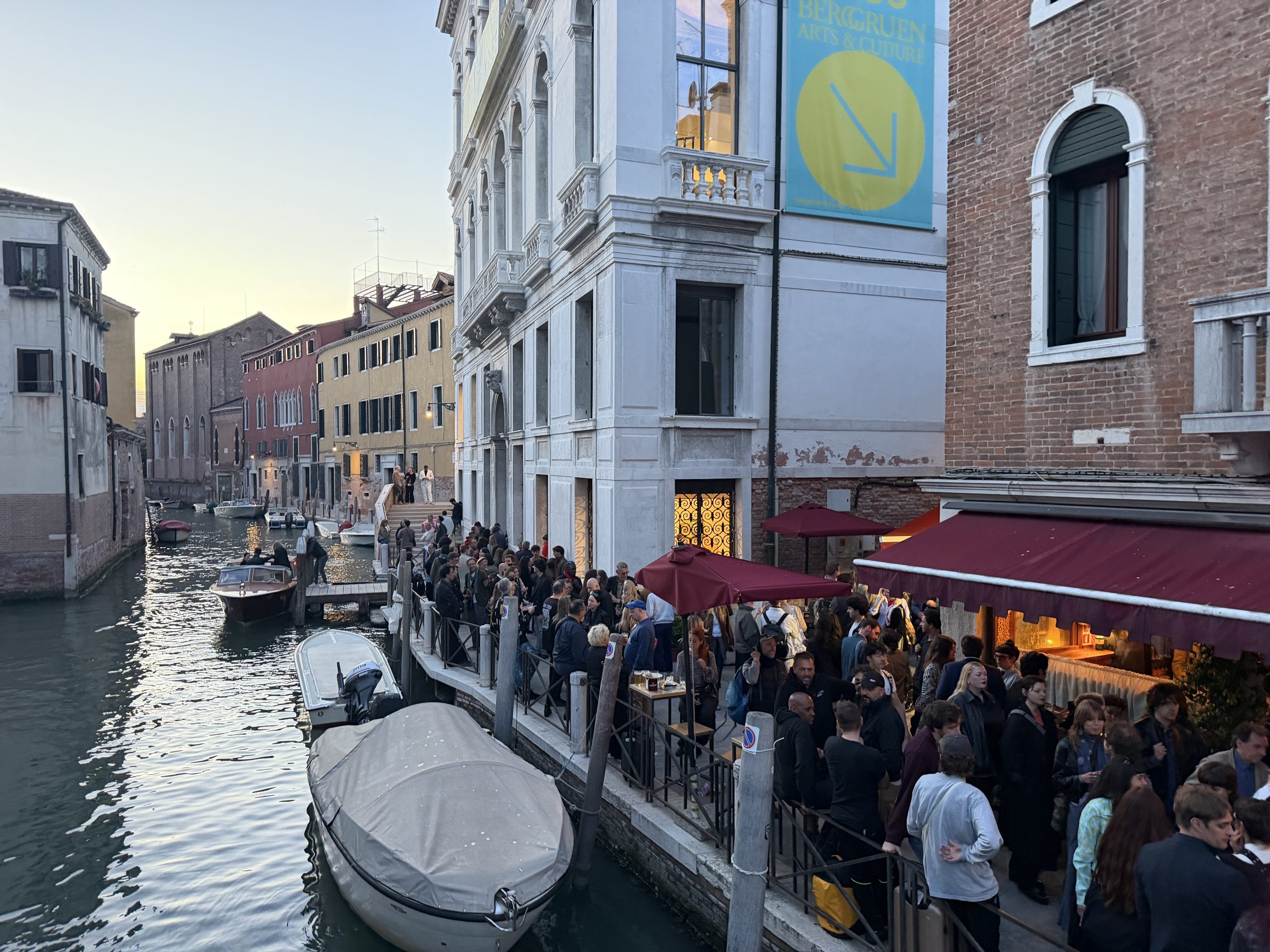
Artnet News reporter Katya Kazakina recounts her experience at the opening week of the 61st Venice Biennale, describing a whirlwind of art, parties, and chance encounters. Notable figures spotted include former MoMA director Glenn Lowry, singer-songwriter Jewel (who debuted her visual art show "Matriclysm: An Archaeology of Connections Lost"), and Japanese Nintendo heir and collector Banjo Yamauchi. High-profile events included Thaddaeus Ropac gallery's reception for Georg Baselitz's final paintings (priced up to $1.5 million) and François Pinault's annual party at Fondazione Giorgio Cini, attended by Selma Hayek, Lorna Simpson, and JR. The article also highlights the social dynamics of the biennale, where dealers, curators, and collectors network across historic palazzos and hotels.

Art Movements: New Museum Names Its First Artist Studio Residents

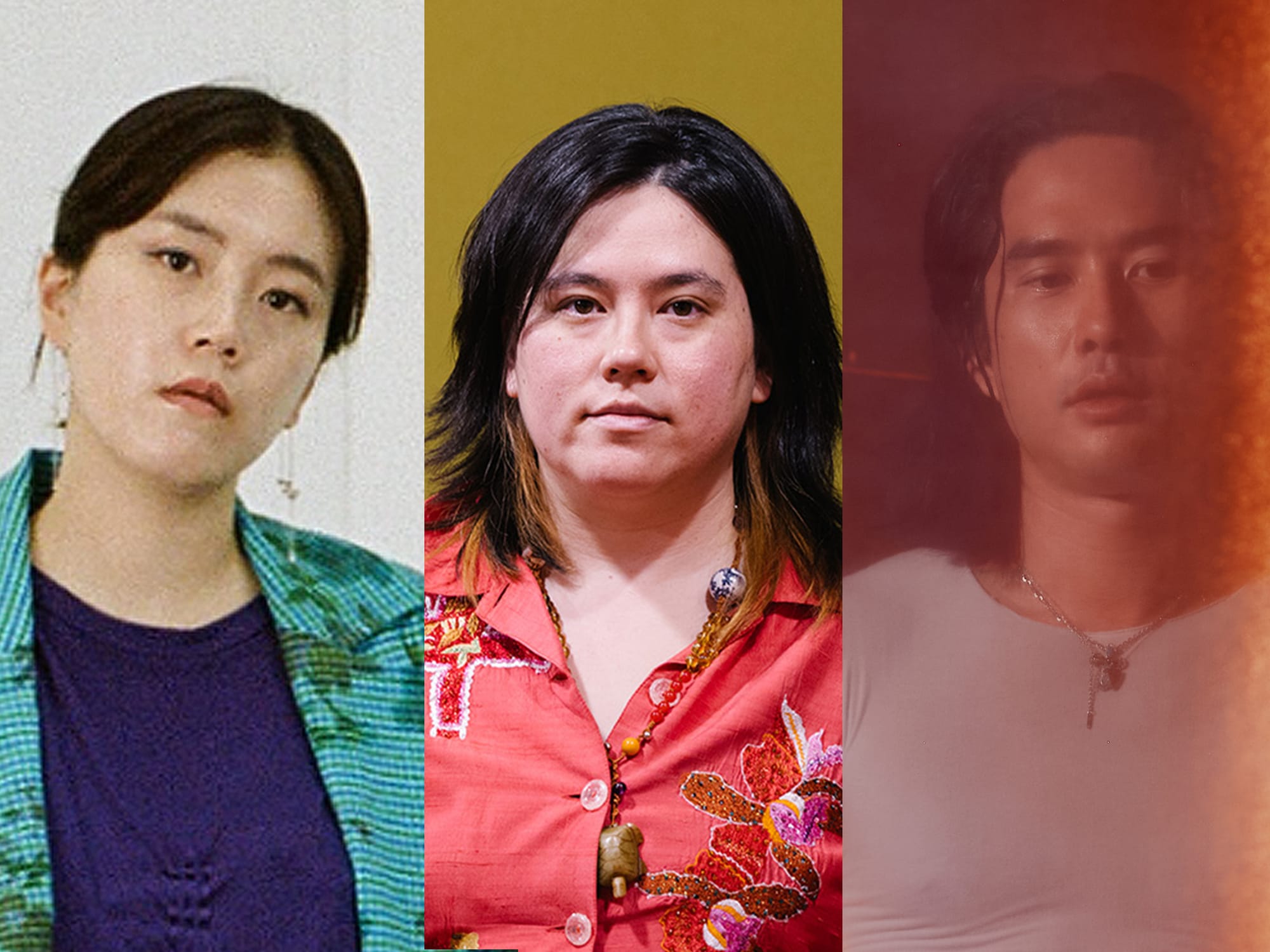
The New Museum has named Yun Choi, Alison Kuo, and Korakrit Arunanondchai as the first artists-in-residence for its new Artist Studio, a 730-square-foot space created by the museum's OMA-designed expansion. The residencies will run from spring 2025 through winter 2027, with each artist developing new work, onsite exhibitions, and public programs. Separately, Forge Project announced its 2026 fellows—six Indigenous artists including Jay Bellis, Heidi Brandow, and Tiare Ribeaux—who will each receive $25,000 and a three-week residency. In other news, the Robert Therrien Estate has left Gagosian for David Zwirner Gallery, Laurel Nakadate won the Maud Morgan Prize, and Frieze New York revealed a staff uniform designed by artist Reika Takebayashi.

Open Letter on Auction of “Tributes” to the Russian Avant-Garde

An open letter signed by art historians, curators, and researchers protests an upcoming auction at Stanley's Auction House in Zaventem, Belgium, scheduled for April 23, titled “Tributes to the Russian Avant-Garde & Constructivists.” The second sale is organized in cooperation with Drouot, a major French auction platform, and offers approximately one hundred works from the so-called Toporovsky collection, which has been linked to a scandal involving forged Russian modernist paintings at the Museum of Fine Arts Ghent. The alleged suppliers, Igor Toporovsky and Olga Toporovsky, face criminal charges including the sale of 171 forged works for about €20 million, with court proceedings beginning in May in Ghent. The signatories argue that the auction, with works priced around €300 each, is deeply troubling given the pending legal case and the undisclosed consignor identity.

The Raphaels, the Italian Gang and the Olive Oil Maker: The Spectacular Theft of 7 Paintings in Budapest During the Cold War

Les Raphaël, le gang italien et le fabricant d’huile d’olive : le spectaculaire vol de 7 tableaux à Budapest en pleine guerre froide

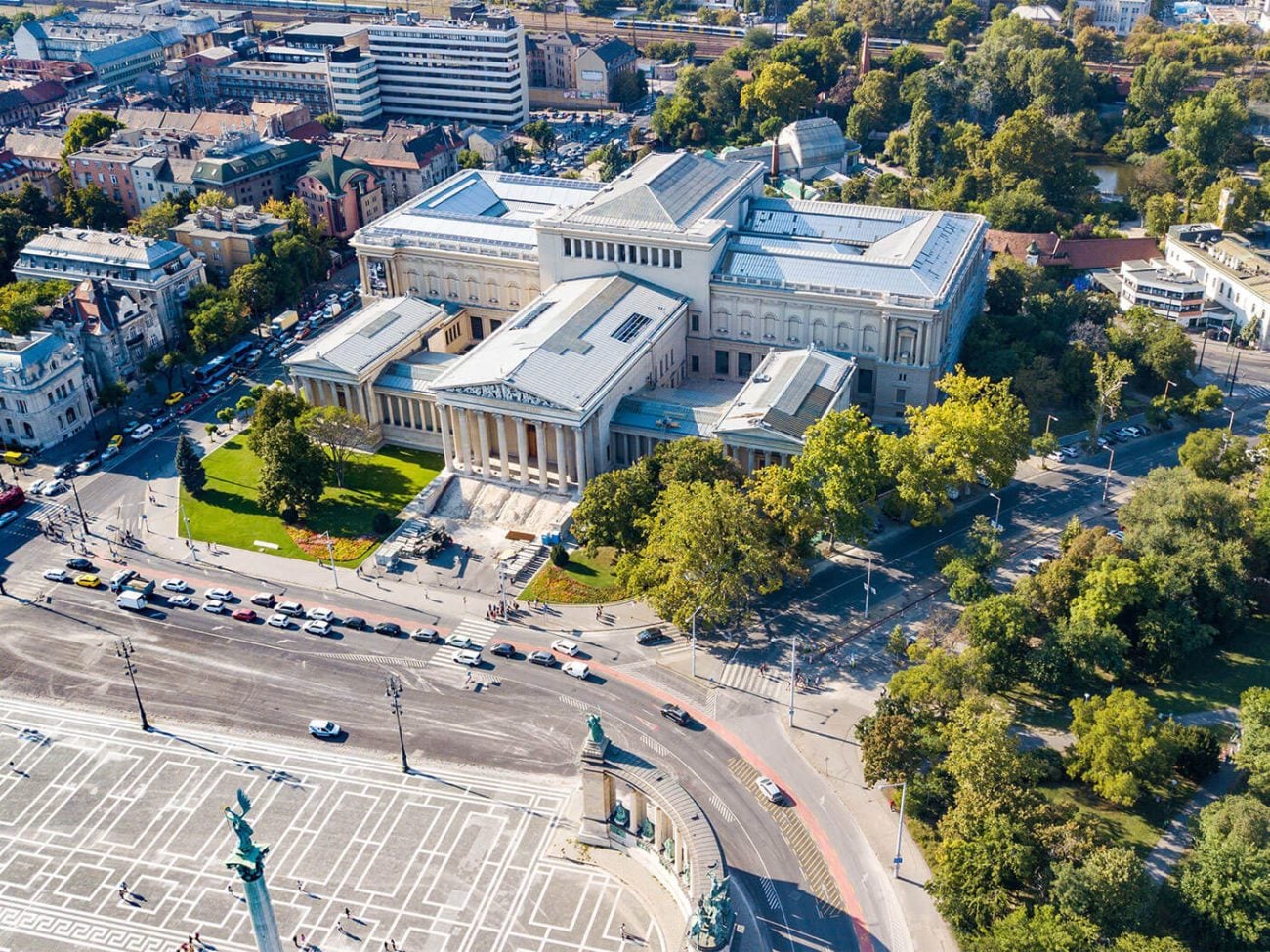
On November 5, 1983, thieves stole seven Renaissance masterpieces from the Museum of Fine Arts in Budapest, including two works by Raphael, two by Tiepolo, two by Tintoretto, and one by Giorgione, valued at $28 million. The heist was carried out by a small Italian gang from Reggio Emilia, who entered through a window using a scaffolding left by construction workers, leaving behind a screwdriver from the Italian brand USAG that the mastermind mistakenly thought would implicate American thieves. The operation was led by Ivano Scianti, with accomplices including Giordano Incerti, Graziano Iori, Giacomo Morini, and Carmine Palmese.