
filter_list Showing 4 results for "Lisson Gallery" close Clear
search
dashboard All 148 museum exhibitions 77trending_up market 36article news 12rate_review review 6candle obituary 6person people 4article culture 3article policy 2article event 2
date_range Range Today This Week This Month All
Subscribe

Why our country needs the artist Lubaina Himid right now: "I had to figure out how to represent Britain"

Lubaina Himid has been selected to represent Great Britain at the Venice Biennale, taking over the British Pavilion. The announcement came just before Christmas 2024, shortly before the opening of her first solo exhibition in China at the UCCA Center for Contemporary Art in Beijing, which features major works including 'Naming the Money' (2004). Himid, who was born in Zanzibar and raised in London, is a Turner Prize-winning artist known for centering Black narratives and marginalized histories through theatrical, life-size cut-out figures.
Pilar Corrias: The Woman Who Changed the West End

Pilar Corrias, a London gallerist, opened her eponymous gallery in 2008 during the global financial crisis, defying the trend of closures. She commissioned architect Rem Koolhaas to design the space and built a program with a strong intellectual focus and a diverse roster of artists.

Ai Weiwei faced vote about his Royal Academy of Arts, London membership after Gaza tweet

Chinese artist and activist Ai Weiwei faced a vote by the Royal Academy of Arts in London on whether to revoke his membership as an international Royal Academician. This followed a controversial tweet he posted in late 2023 about the Israel-Hamas conflict, which he later deleted and which led his gallery, Lisson Gallery, to postpone a show of his work. The RA's General Assembly ultimately voted to retain his membership.

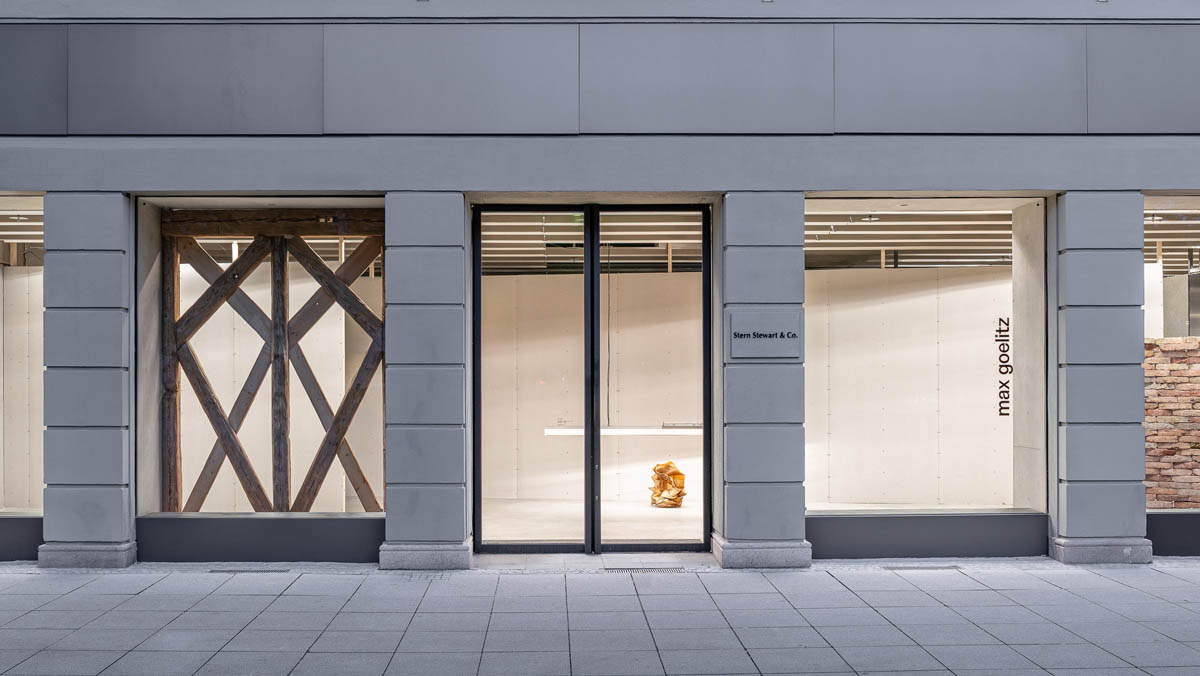
Interview. Max Goelitz

In an interview marking the sixth anniversary of his gallery, Max Goelitz reflects on the founding and evolution of his two-location operation in Munich and Berlin. He discusses how his decade at Häusler Contemporary, where he served as director, prepared him for the unpredictable nature of running his own gallery. The COVID-19 pandemic forced a strategic pivot from international ambitions to a focus on the local German market, which proved unexpectedly sustainable. Goelitz also addresses the current challenges facing galleries, including generational shifts and a more difficult art market, while advocating for an "old-school" reconsideration of what defines a gallery in times of transition.