search
dashboard All 20263 museum exhibitions 9355article local 2636article news 2275trending_up market 2072article culture 1324person people 852article policy 713rate_review review 389candle obituary 318gavel restitution 291article event 23article events 5article museum 3article gallery 2article museums & heritage 1article museums 1article satire 1article school 1article architecture 1
date_range Range Today This Week This Month All
Subscribe

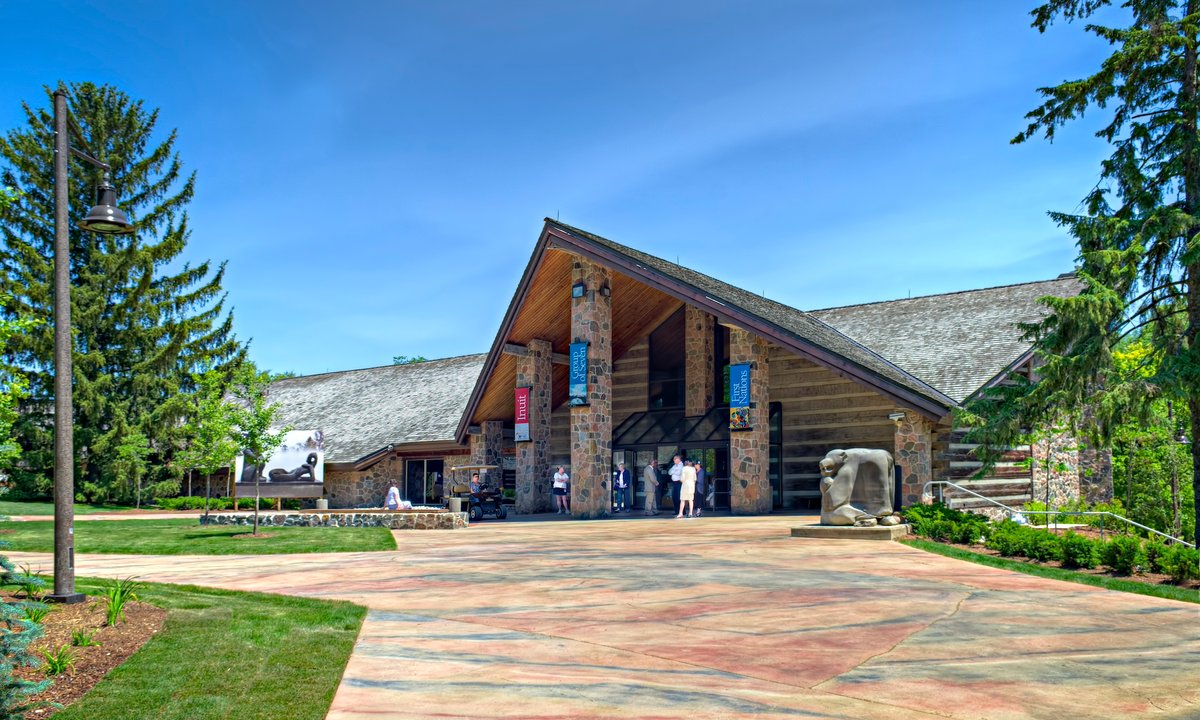
Canadian art museum gets $36m funding boost for expansion from provincial government

The Ontario provincial government has announced a C$50 million ($36 million) investment to expand and modernize the McMichael Canadian Art Collection in Kleinburg, Ontario. This is the first capital investment from the province in 43 years, and it will fund repairs, upgrades, and expansion of the 70-year-old building, increasing capacity for programs and events. The museum, founded in 1966, is Canada's largest publicly funded art museum focused exclusively on Canadian and Indigenous art, housing over 7,000 works including pieces by Tom Thomson, the Group of Seven, and First Nations, Métis, Inuit, and contemporary artists.

The AfD Rehearses the Seizure of Power

Die AfD probt die Machtergreifung

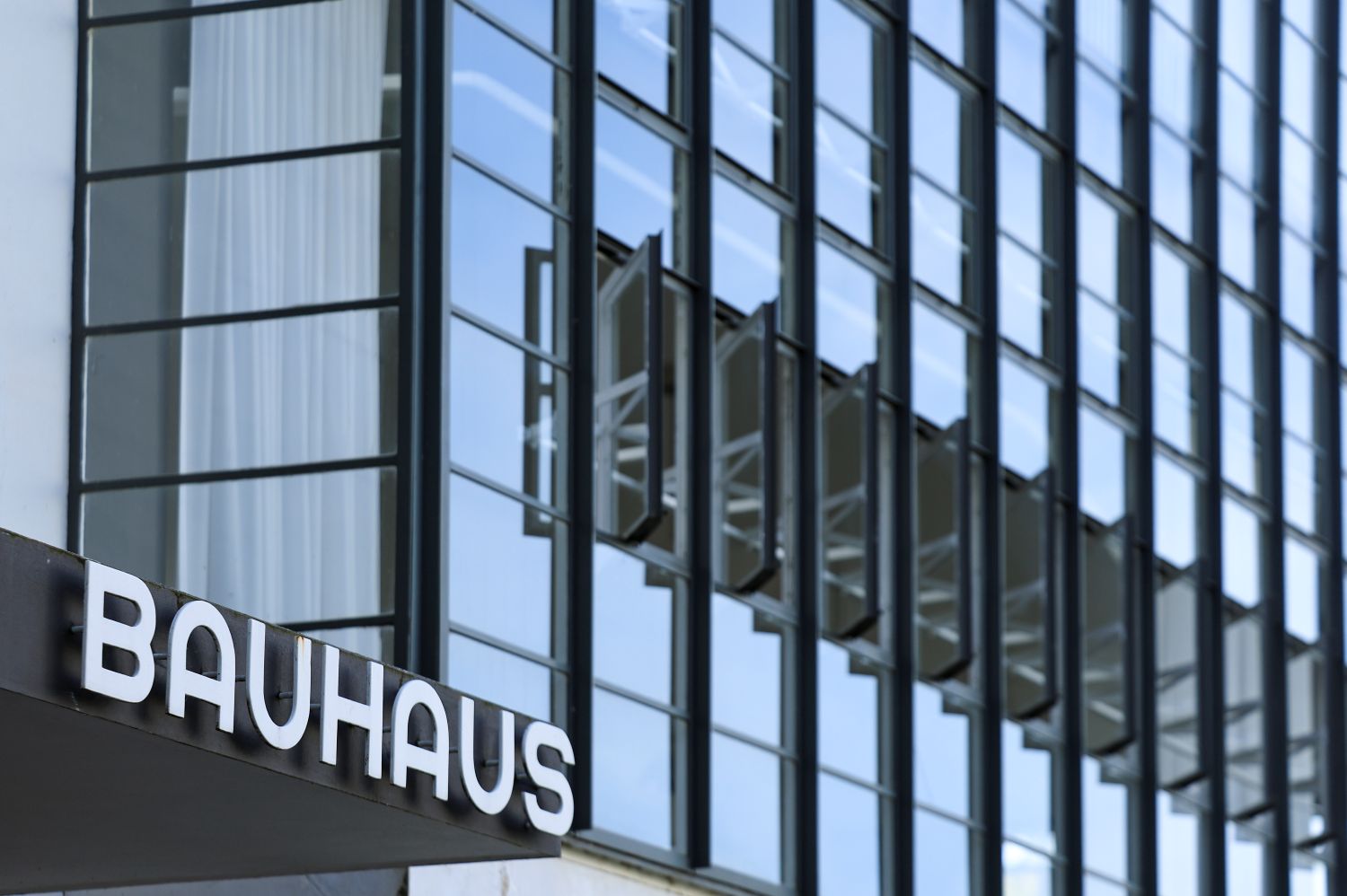
The article reports that in the German state of Saxony-Anhalt, the far-right party AfD could achieve an absolute majority in the upcoming September election—a first in postwar German history. The state government has preemptively introduced a cultural funding law to protect the arts. The AfD's platform includes a "new patriotic cultural policy" under the slogan "#deutschdenken," which explicitly targets the Bauhaus and modernist art as symbols of an "identity disorder" they promise to "heal."

"Geschichtspolitisch fatal und realitätsblind"

A German media roundup reports on a planned restructuring of the Stiftung Flucht, Vertreibung, Versöhnung (Foundation Flight, Expulsion, Reconciliation), which would shift its focus toward German expellees and reduce the influence of the Federal Government Commissioner for Culture and the Media. The reform, criticized by FAZ commentator Andreas Kilb as a fundamental cultural-political intervention, would detach the foundation from the German Historical Museum and give greater weight to the Federation of Expellees in its board. Separately, the roundup covers a review of a legal study on artistic freedom sparked by the antisemitism debate around Documenta Fifteen, and a speech by Culture Minister Wolfram Weimer warning of democratic backsliding and rising antisemitism.

Cultural Institutions Warn Against AfD's Cultural Policy Plans

Kulturinstitutionen warnen vor AfD-Plänen zur Kulturpolitik

Nearly 30 cultural institutions in Saxony-Anhalt, including the Bauhaus Dessau Foundation and the Saxony-Anhalt Museum Association, have issued a joint warning against the AfD party's new government program. The political platform proposes a "patriotic cultural policy" that would prioritize funding for art contributing to "German identity" while criticizing the state's focus on modernism and the Bauhaus as a "sign of identity disorder." The institutions argue these plans threaten artistic freedom, pluralism, and the democratic culture of remembrance regarding Germany's Nazi past.

Galleries condemned, bones exploding… The National Museum of Natural History is in a serious state of disrepair, warns its president

Galeries condamnées, ossements qui explosent… Le Muséum national d’Histoire naturelle est dans un grave état de vétusté, alerte son président

The president of the Muséum national d’Histoire naturelle in Paris, Gilles Bloch, has issued a public alarm about the institution's severe state of disrepair. He warns that 74% of the museum complex is in grave danger, with urgent repairs costing an estimated €500 million needed to prevent collapse and reopen closed galleries. The deterioration includes mold-infested herbariums, flooded archives, and mineralized bones exploding due to heat and humidity, threatening the museum's world-class collection of over 70 million specimens.

Sylvie Retailleau explains how she saved the Palais de la Découverte

Sylvie Retailleau explique comment elle a sauvé le Palais de la Découverte

Sylvie Retailleau, a physicist, former president of Paris-Saclay University, and former Minister of Higher Education, has been president of Universcience since January 2026. In an interview, she explains how the Palais de la Découverte, housed within the Grand Palais, nearly disappeared during the Grand Palais renovation. Intense debates over whether to dedicate the renovated space entirely to classical culture threatened the science museum. Retailleau negotiated a compromise: the Palais de la Découverte ceded one gallery (1,200 m²) to the Grand Palais for about €30 million in revenue over ten years and is lending another gallery (350 m²) until June 2030 for Centre Pompidou exhibitions. In return, Universcience gains full control of the programming for the Palais des Enfants. The Palais de la Découverte is set to reopen in March 2027.

Meloni takes control of Italian museums

Meloni reprend en main les musées italiens

Italy’s culture ministry under Prime Minister Giorgia Meloni has appointed 14 new directors for so-called “second-tier” museums, reinforcing a shift away from the international “super-director” model introduced by the 2014 Franceschini reform. All appointees are Italian except for French director Axel Hémery, who was reappointed at the Pinacoteca di Siena due to his strong performance. The move follows the earlier ousting of foreign directors at top-tier museums, with only two foreign-born directors—Eike Schmidt and Gabriel Zuchtriegel—remaining, both of whom hold Italian citizenship.

How the State Supports Provenance Research

Comment l’État soutient la recherche de provenance

The French Ministry of Culture has created two specialized missions to assist museums in researching the provenance of their collections, addressing looted artworks, human remains, colonial acquisitions, and illicit trafficking. The Mission for Research and Restitution of Looted Cultural Property (M2RS), established in 2019, focuses on Nazi-era spoliations (1933-1945) with a budget of €220,000 annually, while the newer Mission "Provenance," launched in 2024 under curator Catherine Chevillot, covers human remains, colonial-era objects, and illicit goods with a €450,000 budget. These missions provide expertise, funding, and coordination with institutions like the Commission for the Restitution of Property and Compensation of Victims of Anti-Semitic Spoliation (CIVS), though most museums still only initiate provenance checks during acquisitions or donations.

Victoria & Albert Museum yields to Chinese censorship

Le Victoria & Albert Museum cède à la censure chinoise

The Victoria & Albert Museum in London removed a map and other content from its exhibition catalogues after its Chinese printer, C&C Offset Printing, flagged them as unacceptable to Chinese censors. The map, showing 1930s British Empire trade routes, was rejected by China's General Administration of Press and Publication (GAPP) because it included Chinese territory and borders, requiring the use of state-approved maps. The museum also previously removed a map and a photograph of Vladimir Lenin from a 2021 Fabergé exhibition catalogue.

Outsourcing Museum Reception: A Booming Model

Externaliser l’accueil dans les musées, un modèle en plein essor

French museums are increasingly outsourcing front-of-house services, including ticketing, reception, and crowd management, to specialized private firms. This trend, which gained momentum with the opening of the Musée du quai Branly in 2006, allows public institutions to focus internal resources on core missions like conservation and curation while utilizing flexible, external labor for high-traffic operations. The market for these cultural services in France is projected to reach approximately €50 million by 2025.

DHS Appropriates Japanese Artist’s Work in Racist X Post

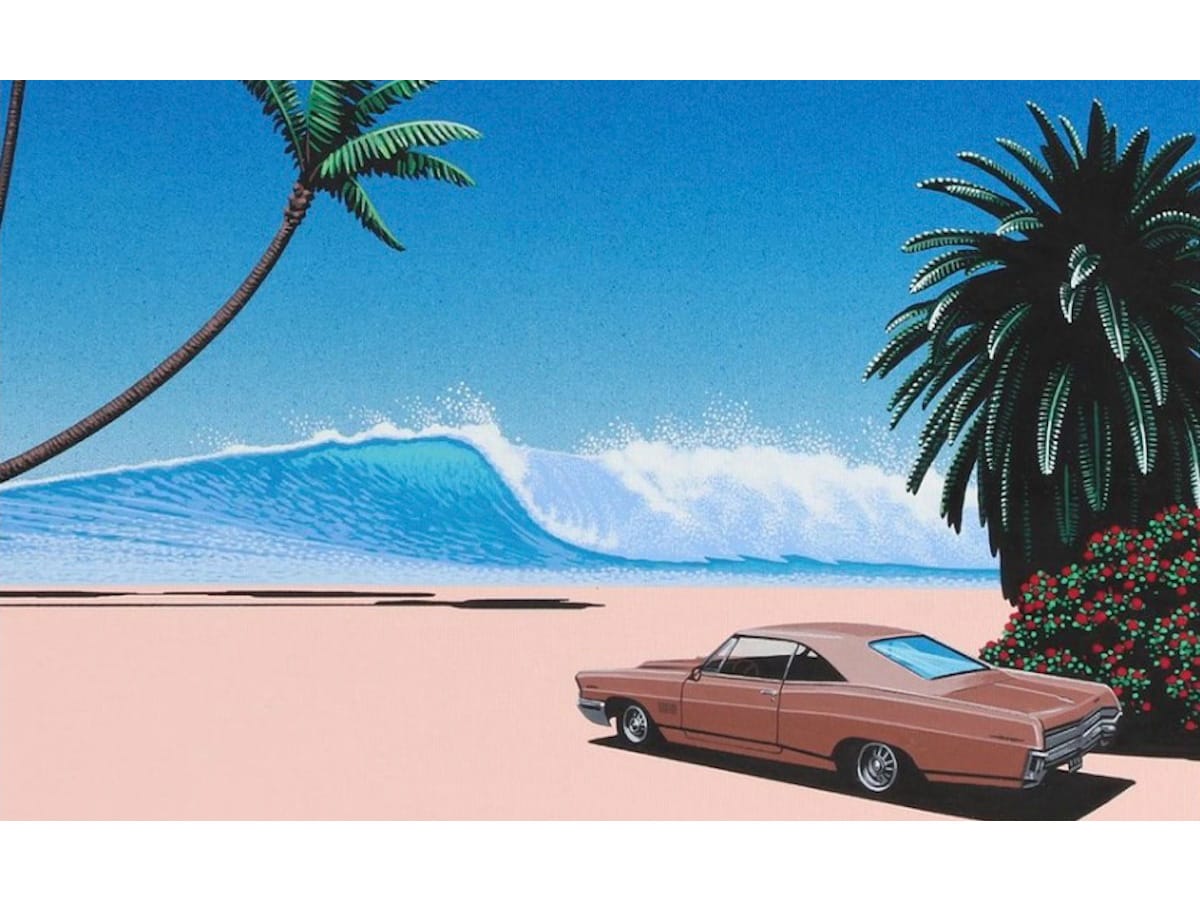
The U.S. Department of Homeland Security (DHS) used a painting by Japanese artist Hiroshi Nagai in a social media post without his permission. The agency cropped his 2017 untitled beach scene and overlaid it with the text "America After 100 Million Deportations," accompanied by a caption about national peace. Nagai, 78, expressed being "at a loss" and disappointed that a government agency would use his work to promote a political message he does not endorse.

When a Palestinian Artist Asserts Her Own Humanity

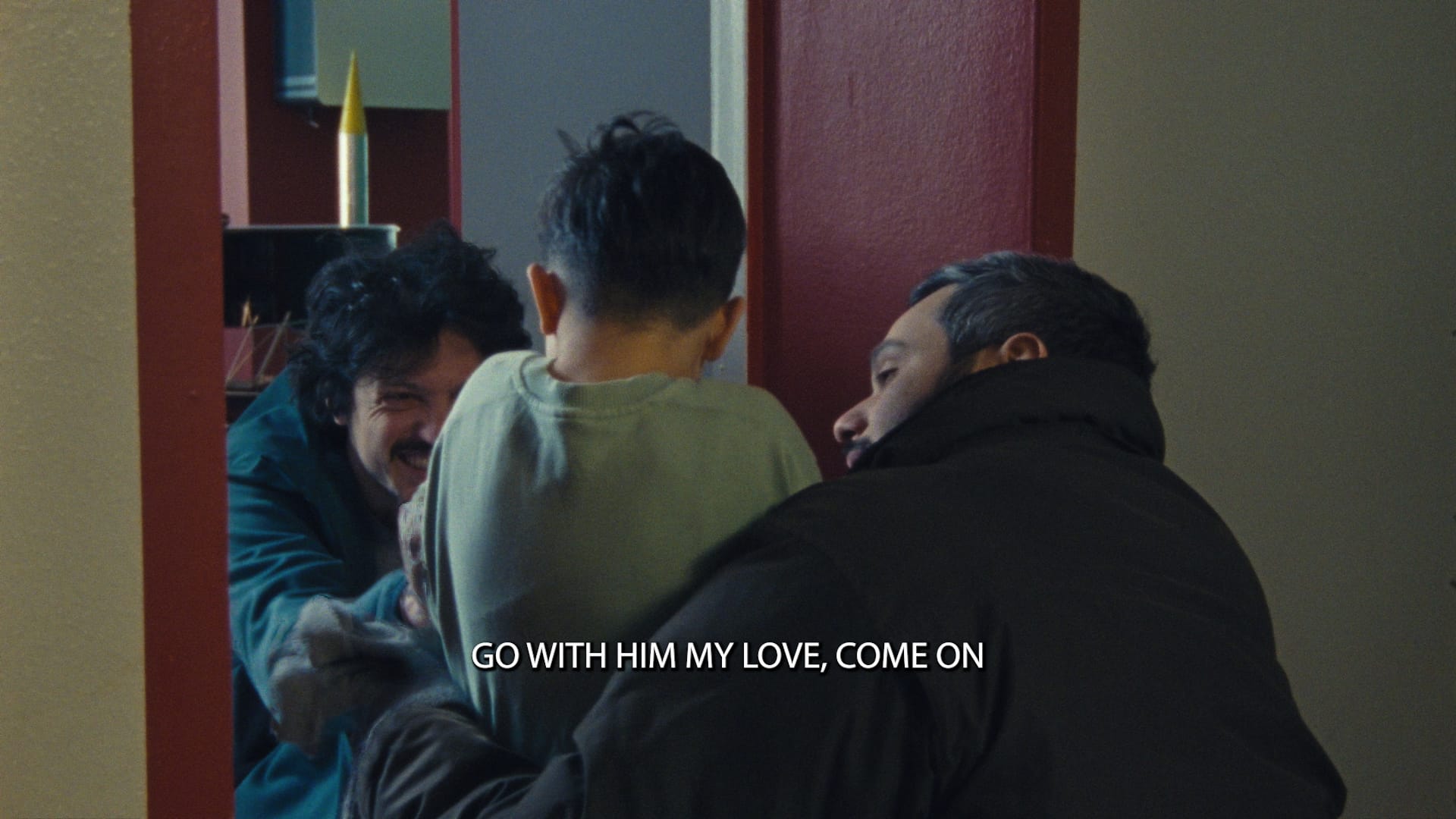
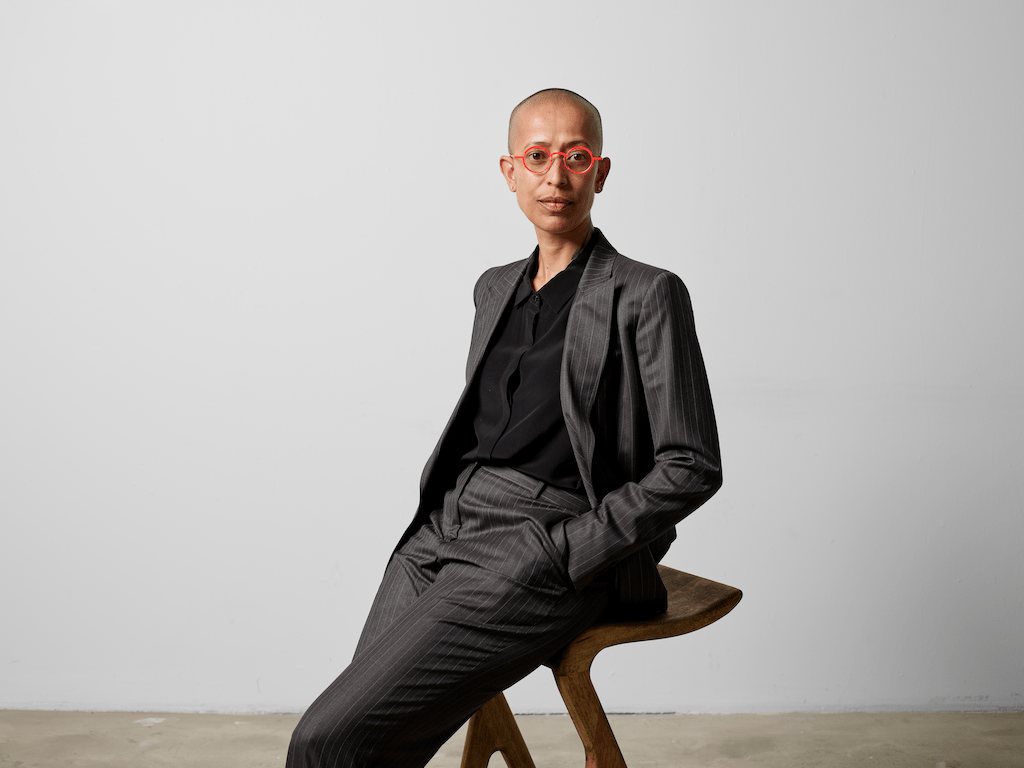
Palestinian artist Basma al-Sharif faced a coordinated smear campaign and threats after being invited to screen her film "Morgenkreis" at the Kunstakademie Düsseldorf. The controversy erupted not over the film's content, but over her social media posts referencing Palestinian resistance and historical injustices, leading to demands from public officials and advocacy groups to cancel the event.

Art Fund Launches ‘Empowering Curators’ Program for Global Majority Professionals

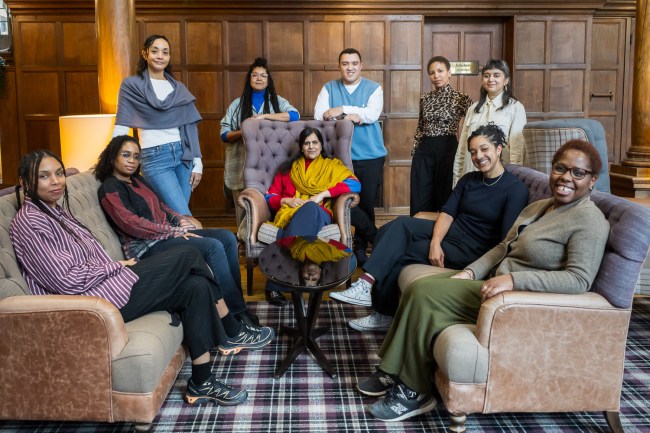
Art Fund, a British charity, launched the Empowering Curators program, a five-year initiative creating twenty multi-year curatorial roles for senior to mid-career professionals from global majority backgrounds. Ten initial fellows have been announced, with placements at major institutions including Tate Liverpool, the Whitworth Art Gallery, and Royal Museums Greenwich, where they will develop exhibitions, installations, and academic programs.

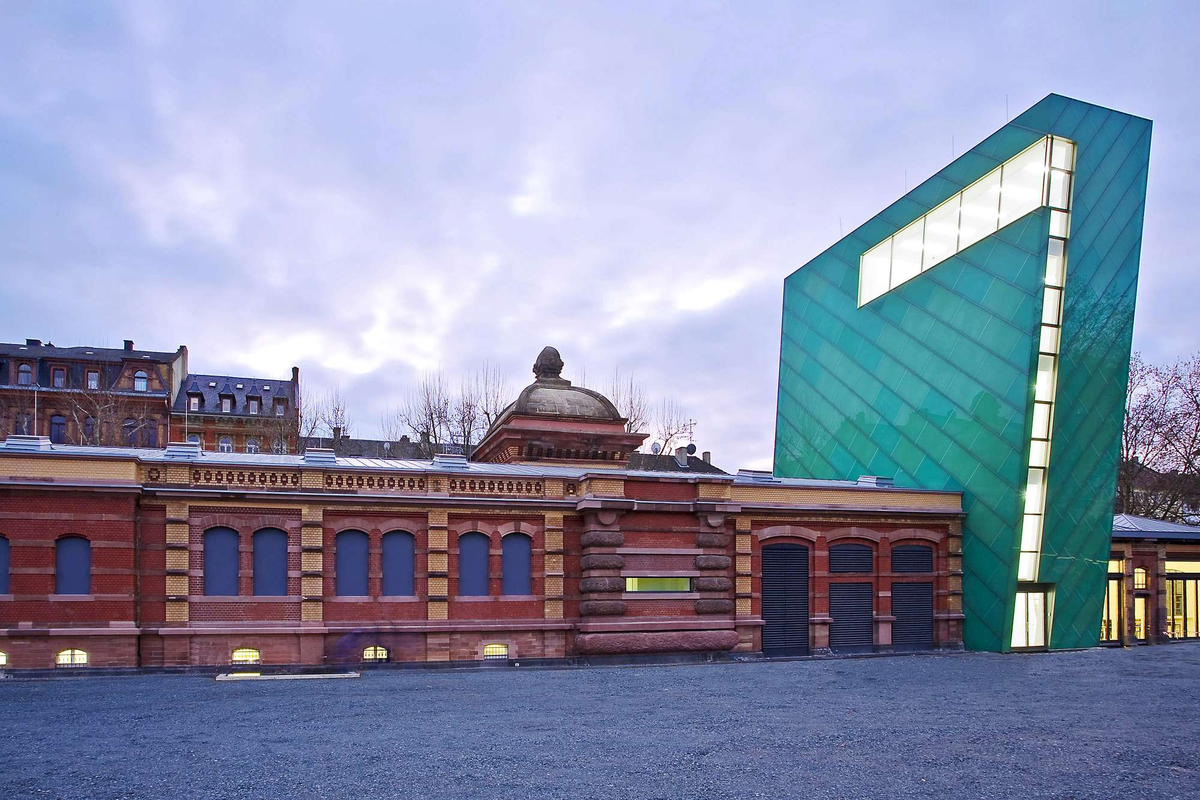
Kunsthalle Mainz Facing the End?

Kunsthalle Mainz vor dem Aus?

The Kunsthalle Mainz is facing potential closure by the end of the year following the withdrawal of funding by the Mainzer Stadtwerke. The crisis is compounded by the departure of director Stefanie Böttcher, who is moving to the Kunsthalle Kiel, and the fact that her position has not been advertised for replacement. Despite its international reputation and successful recent exhibitions, such as the current Britta Marakatt-Labba retrospective, the institution lacks a secured financial future and a leadership succession plan.

What is Art Allowed to Do?

Was darf die Kunst?

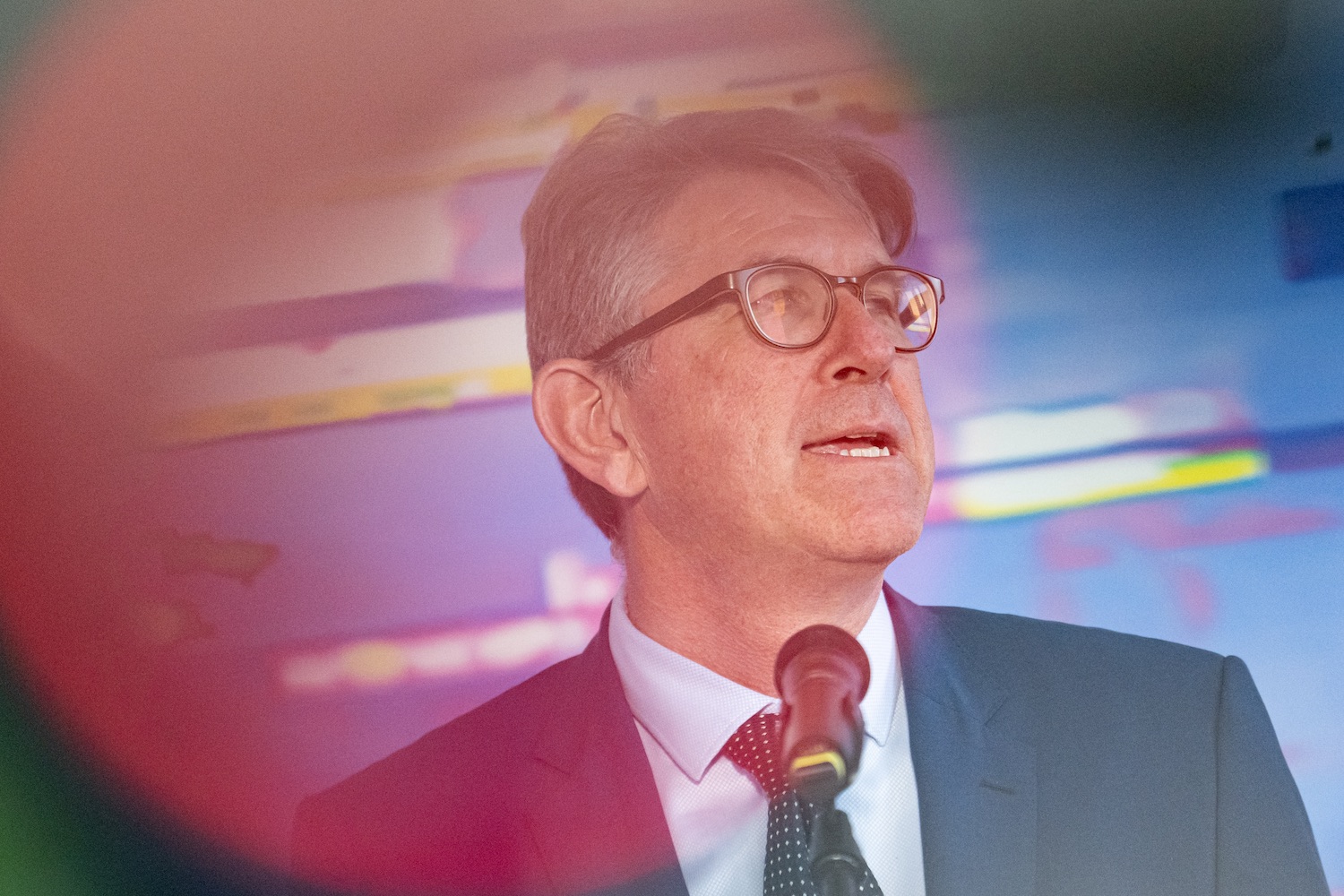
German Minister of State for Culture Wolfram Weimer has sparked a heated debate over artistic freedom after excluding three bookstores from the German Bookstore Prize due to undisclosed intelligence reports. The controversy has escalated into a broader confrontation with cultural institutions, highlighted by the Berlin Volksbühne's public criticism and Weimer's subsequent refusal to participate in a scheduled panel discussion. This incident follows a string of high-profile disputes regarding political expression in the arts, particularly concerning the Berlinale and documenta fifteen.

Why Do the Women Have to Be Naked?

"Warum müssen die Frauen nackt sein?"

A series of cultural controversies highlight growing tensions between artistic freedom and political pressure. In Germany, cultural minister Wolfram Weimer faces criticism for opaque funding decisions and alleged interference in jury processes, with critics arguing this undermines artistic freedom and free speech. Simultaneously, the European Media Art Festival in Osnabrück defends filmmaker Basma al-Sharif against accusations of antisemitism, illustrating how cultural funding can become a test of political ideology.

Victorien Bornéat : « De l’échec de la démocratisation culturelle est né un sentiment d’exclusion »

Victorien Bornéat has published a manifesto arguing that French cultural democratization policy, rooted in André Malraux's vision of making masterworks accessible to all, has failed. He cites budget cuts by regional presidents Laurent Wauquiez and Christelle Morançais, police raids on bookshops like Violette and Co, and statistical studies showing that working-class audiences still do not spontaneously attend theaters, museums, or opera. Bornéat contends that the policy's emphasis on direct confrontation with canonical works ignored the need for cultural codes and institutional literacy, creating an exclusion that politicians now exploit for electoral gain.

Notre-Dame : pas de suspension pour les vitraux !

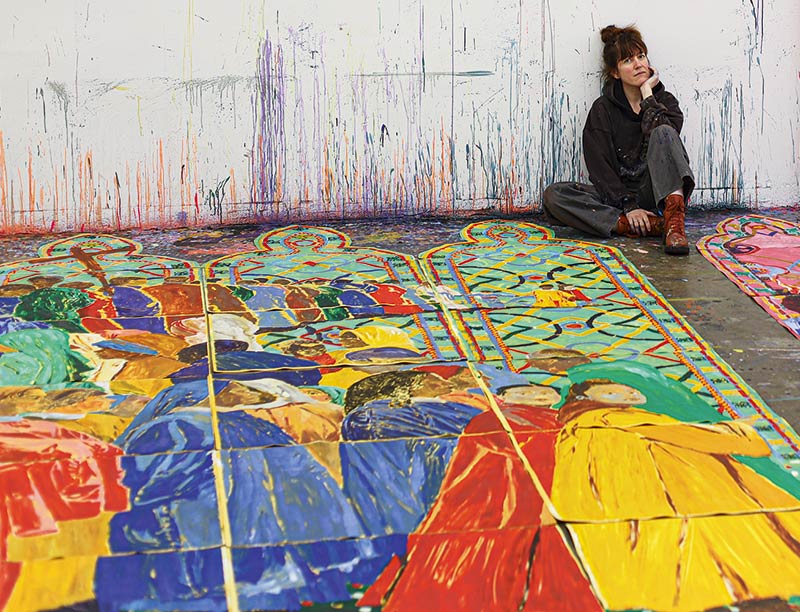
On May 19, 2026, the Paris administrative court rejected requests from heritage associations Sites & Monuments and SOS Paris to suspend the removal and replacement of the stained-glass windows at Notre-Dame Cathedral. The associations had sought to block the prefect's authorization to remove the 19th-century windows by Alfred Gérente and install six new contemporary windows designed by Claire Tabouret, arguing legal doubts about the project. The judge ruled that the operation was reversible—since the new panels are the same size as the originals and the removed windows will be restored and displayed—thus no urgent suspension was warranted.

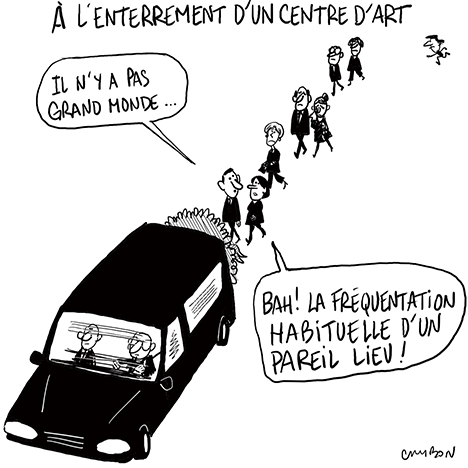
At the Funeral of an Art Center

A l’enterrement d’un centre d’art

The article reports on the closure of a contemporary art center, described metaphorically as a funeral. It details the final days of the institution, the reactions from the artistic community, and the circumstances leading to its demise, such as funding cuts or policy changes.

south africa venice biennale gabrielle goliath banned work exhibition

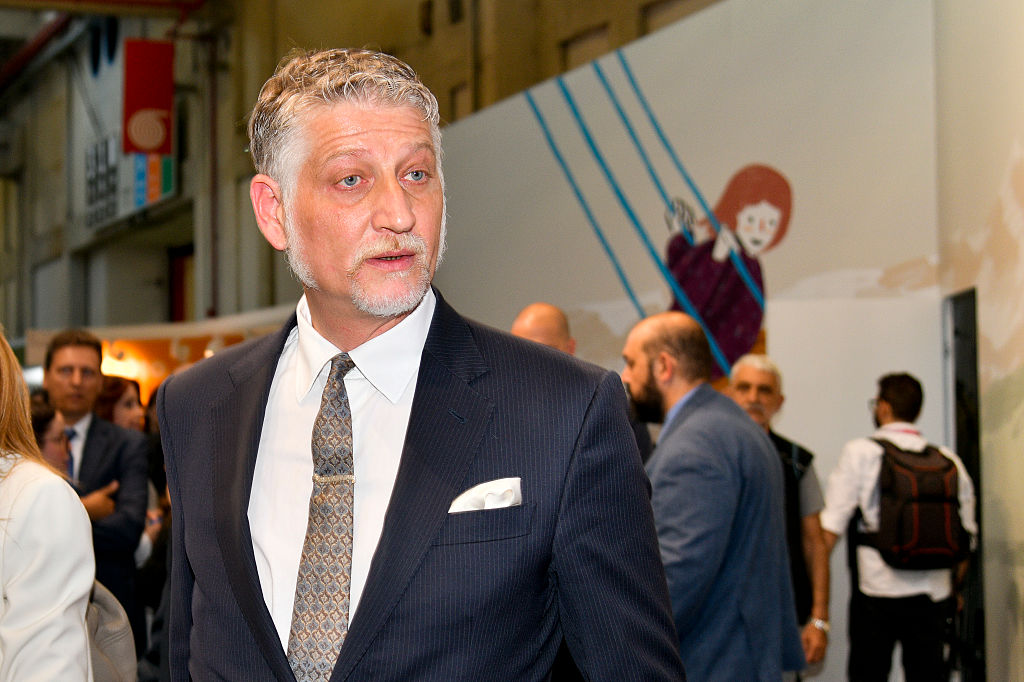
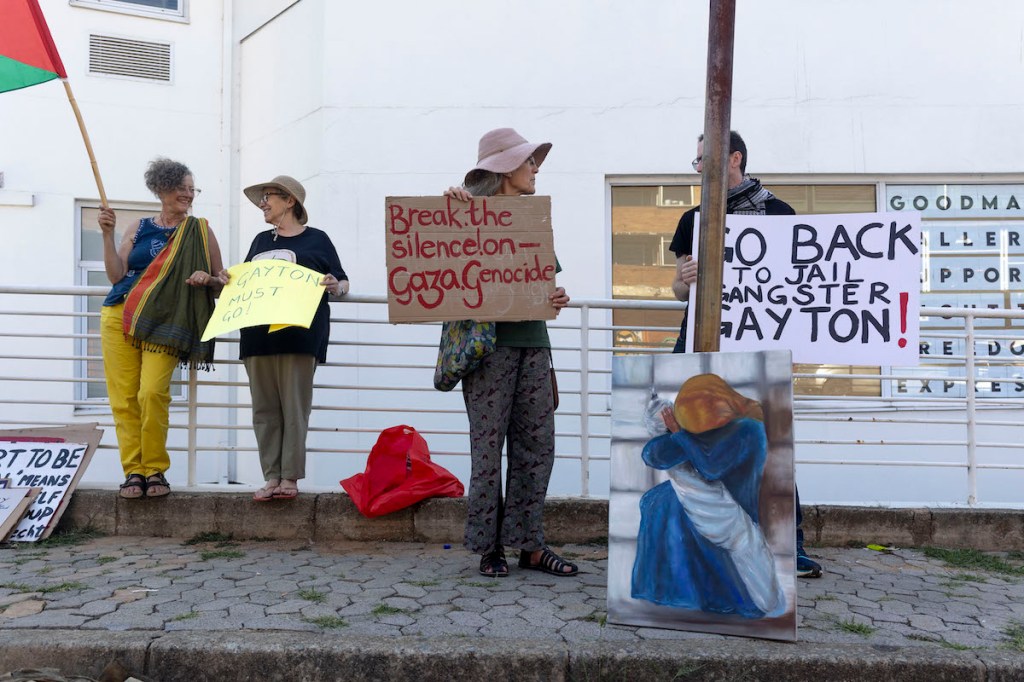
South Africa’s official pavilion at the Venice Biennale will remain empty this year following the government's abrupt cancellation of artist Gabrielle Goliath’s planned exhibition. The controversy erupted when Culture Minister Gayton McKenzie pulled the project just days before the deadline, labeling Goliath’s work "highly divisive" due to its inclusion of a tribute to Palestinian poet Hiba Abu Nada. Despite the official ban and a failed court challenge by the artist and curator, the work, titled *Elegy*, will now be staged independently at the Chiesa di Sant’Antonin nearby.

Venice Biennale Breaks No Sanctions Over Russia Pavilion

venice biennale no sanctions broken russia pavilion

The Venice Biennale organizers have reaffirmed their decision to allow Russia to participate in the upcoming exhibition, despite intense pressure from the European Commission and Italy’s own Culture Minister, Alessandro Giuli. The Biennale maintains that it has fully complied with all international sanctions and that its mission is to reject censorship while providing a platform for artistic freedom. This stance has been bolstered by Italian Deputy Premier Matteo Salvini, who argued against "Russophobia" and stated that culture should serve as a bridge rather than a tool for division.

south africa officially cancels venice biennale pavilion

South Africa has officially withdrawn from the 2024 Venice Biennale following a legal battle over the cancellation of its national pavilion. The controversy began when Culture Minister Gayton McKenzie pulled the plug on artist Gabrielle Goliath’s planned exhibition, which referenced the deaths of Palestinians in Gaza. Goliath and curator Ingrid Masondo challenged the decision in court, alleging censorship and a violation of freedom of expression, but a South African judge recently dismissed their case without providing a specific reasoning.

south african court rejects gabrielle goliaths bid to reinstate venice biennale pavilion

A South African high court has dismissed artist Gabrielle Goliath’s urgent application to reinstate her selection for the 61st Venice Biennale. Culture Minister Gayton McKenzie canceled Goliath’s pavilion, titled "Elegy," labeling the work "highly divisive" just days before the official submission deadline. The artist and curator Ingrid Masondo argued the cancellation was an act of censorship and a violation of constitutional freedom of expression, but the court rejected the bid without providing immediate reasons.

gabrielle goliath legal action south africa venice pavilion

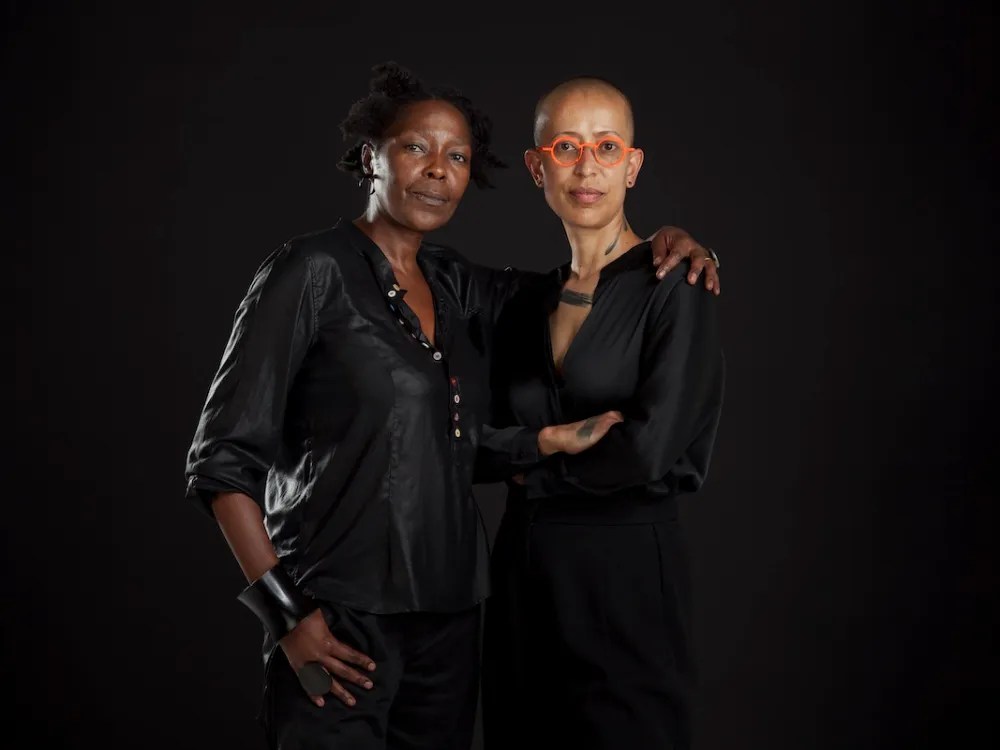
Artist Gabrielle Goliath and curator Ingrid Masondo are filing a court case against South African culture minister Gayton McKenzie after he canceled their planned pavilion for the Venice Biennale. McKenzie objected to a performance from Goliath's "Elegy" series that would address Israel’s war in Gaza, calling it "polarizing," a move Goliath described as censorship. McKenzie later attributed the cancellation to alleged interference by an unnamed foreign nation, with reports suggesting Qatar was involved, though the Qatar Museums ultimately did not purchase the work. The application, to be filed in the South African high court in Pretoria, seeks to have McKenzie's actions declared unconstitutional.

south african culture mp denies censoring venice pavilion

The South African Ministry of Sport, Arts, and Culture has denied censoring its 2026 Venice Biennale pavilion after canceling a proposed artwork by artist Gabrielle Goliath on December 2. The work, part of Goliath's "Elegy" series curated by Ingrid Masondo, addressed sexual assault, femicide, the killings of women and queer people in South Africa, colonial-era genocide in Namibia, and included a tribute to Palestinian poet Hiba Abu Nada. Culture minister Gayton McKenzie initially called the piece "highly divisive" and linked to a polarizing international conflict, but a January 10 statement reframed the cancellation as a safeguard against foreign interference, alleging a foreign country attempted to fund or purchase the work to use the pavilion as a proxy for a geopolitical message about Israel's actions in Gaza.

arts nonprofits artadia united states artists announce multi year partnership

Two arts funding nonprofits, United States Artists (USA) and Artadia, have announced a multi-year partnership. The collaboration will revive Assembly, USA’s annual gathering of artists and fellows that launched in 2015 but paused during the pandemic, now expanded to include Artadia award winners. The first reimagined Assembly events are scheduled for 2026 and 2027, featuring workshops, panels, and networking for recent fellows and awardees from both organizations.

villa silvestri rivaldi rome 47 million restoration

The Lazio Region of Rome and Italy's Ministry of Culture are undertaking a €35 million ($41.1 million) restoration of Villa Silvestri Rivaldi, a historic palazzo overlooking the Colosseum that has long fallen into disrepair. Originally commissioned by Pope Paul III in the 1540s and designed by Sangallo the Younger with gardens by Giacomo Del Duca, the villa has housed cardinals, served as a convent, textile factory, welfare institution, and school, and was even used by squatters and hostage-takers in the 1970s. Early restoration work since 2024 has focused on stabilizing the structure and cleaning its frescoes with laser technology, with full-scale restorations set to begin in 2026.

art and wellness world health organization

The World Health Organization (WHO), Jameel Arts & Health Lab, and The Lancet have launched a global series of research papers and commissions titled the Lancet Global Series on the Health Benefits of the Arts, aimed at providing scientific evidence for the role of art in promoting physical and mental health. The first article in the series, a photo essay—the first photo essay in The Lancet's 202-year history—features 32 photographs curated by Stephen Stapleton illustrating art integration in clinical and institutional settings, including a clown school at a refugee camp in Turkey and a project by street artist JR at a California prison.

trump fires commission of fine arts members

All six members of the Commission of Fine Arts, a federal agency that reviews major construction projects in Washington, D.C., including President Donald Trump’s planned triumphal arch and a new White House ballroom, have been fired. The commissioners, appointed under former President Joe Biden to four-year terms, received termination emails on October 28, with several expected to serve through 2028. The move follows a pattern of political turnover at the agency, as Biden had previously fired Trump appointees in 2021. Architect Bruce Becker, one of the fired commissioners, noted the commission’s role in shaping the nation’s capital and reviewing plans for the new structure replacing the historic East Wing.

australian government rejects proposal text data mining ai companies

On Monday, Australian Attorney General Michelle Rowland confirmed the federal government's rejection of a proposal that would have allowed tech companies to use text and data mining to train artificial intelligence models. The proposal, initially presented to the Productivity Commission in August, had been advocated by tech firms including Atlassian cofounder Scott Farquhar, who argued for copyright changes similar to those in the US and Europe. The decision follows backlash from Australian creatives, including rapper Adam Briggs, author Anna Funder, the Australian Council of Trade Unions, and the Australian Recording Industry Association.