search
dashboard All 20278 museum exhibitions 9365article local 2640article news 2276trending_up market 2072article culture 1324person people 852article policy 713rate_review review 389candle obituary 318gavel restitution 291article event 23article events 5article museum 3article gallery 2article museums & heritage 1article museums 1article satire 1article school 1article architecture 1
date_range Range Today This Week This Month All
Subscribe

What Future for Art Centers?

Quel avenir pour les centres d’art ?

The article examines the uncertain future of contemporary art centers in France, a category that encompasses vastly different institutions from major venues like the Palais de Tokyo to smaller regional spaces. These non-collecting institutions, dedicated to exhibiting emerging artists and experimentation, face fragility due to heavy reliance on local government funding and difficulty proving their utility to elected officials. Their core mission is further challenged by more robust regional contemporary art funds (Fracs), which have greater resources for similar goals of exhibiting ultra-contemporary art and cultural democratization.
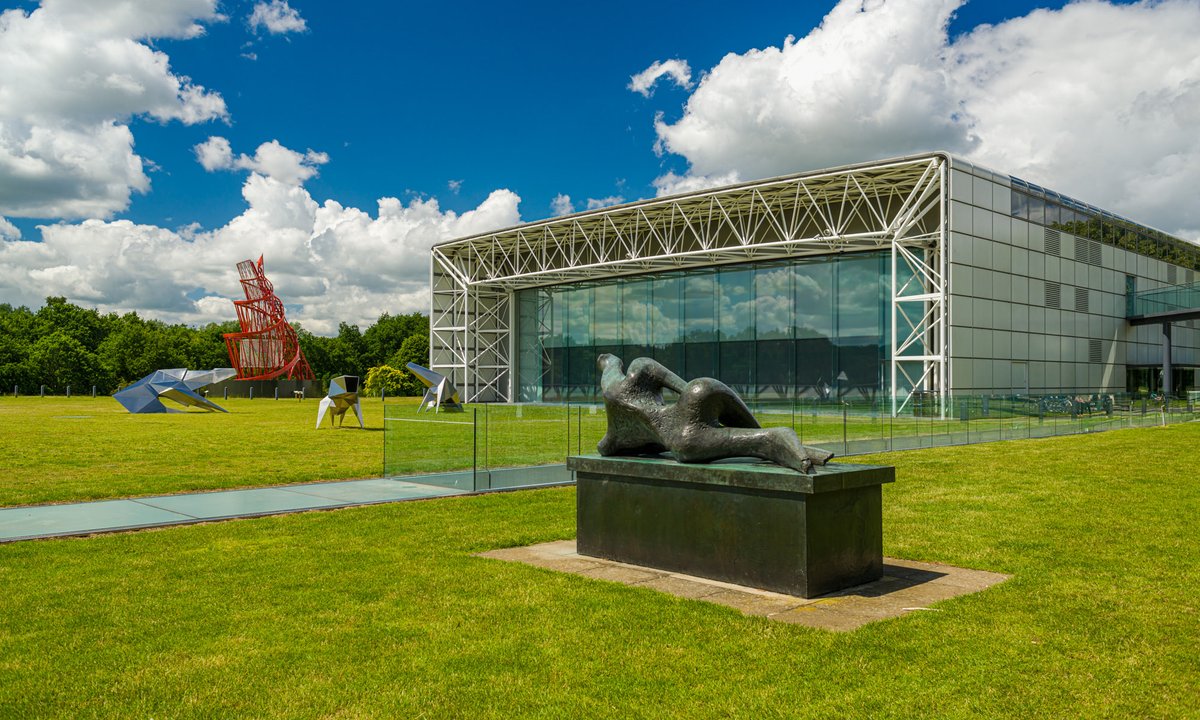
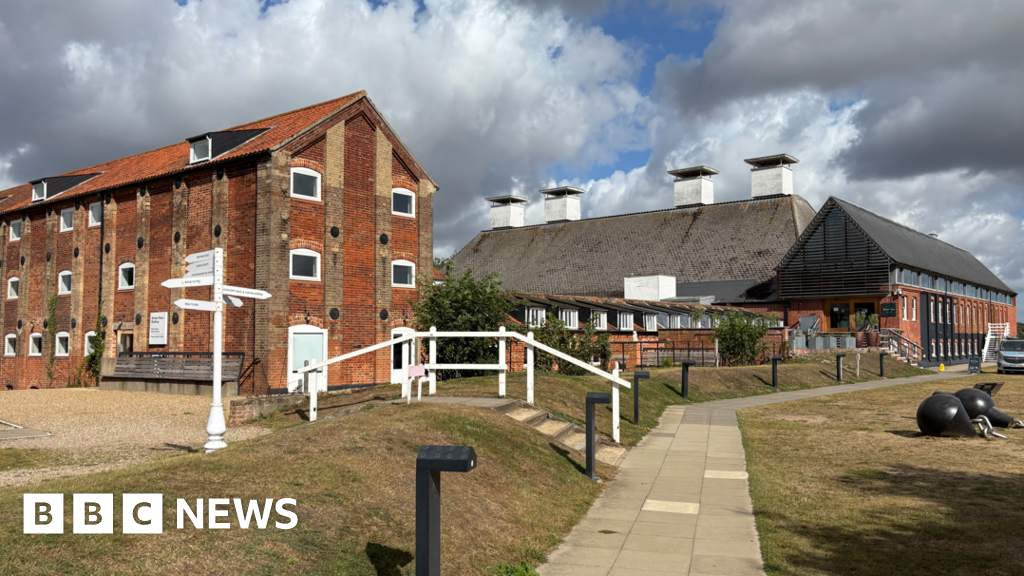
Sainsbury Centre receives one of largest ever UK museum donations

The Sainsbury Centre, an art museum in Norwich, England, has received a £91.2 million donation from British politician and businessman David Sainsbury through his charitable foundation, Gatsby. The funds will be used to renovate the grade II* listed building, originally designed by Norman Foster and completed in 1978. The renovation, led by Foster + Partners, includes improvements to the building envelope, photovoltaic panels, and upgraded visitor facilities, aiming to halve the museum's energy use and support the University of East Anglia's net zero campus goal by 2045.

murujuga rock art australia receives unesco world heritage status

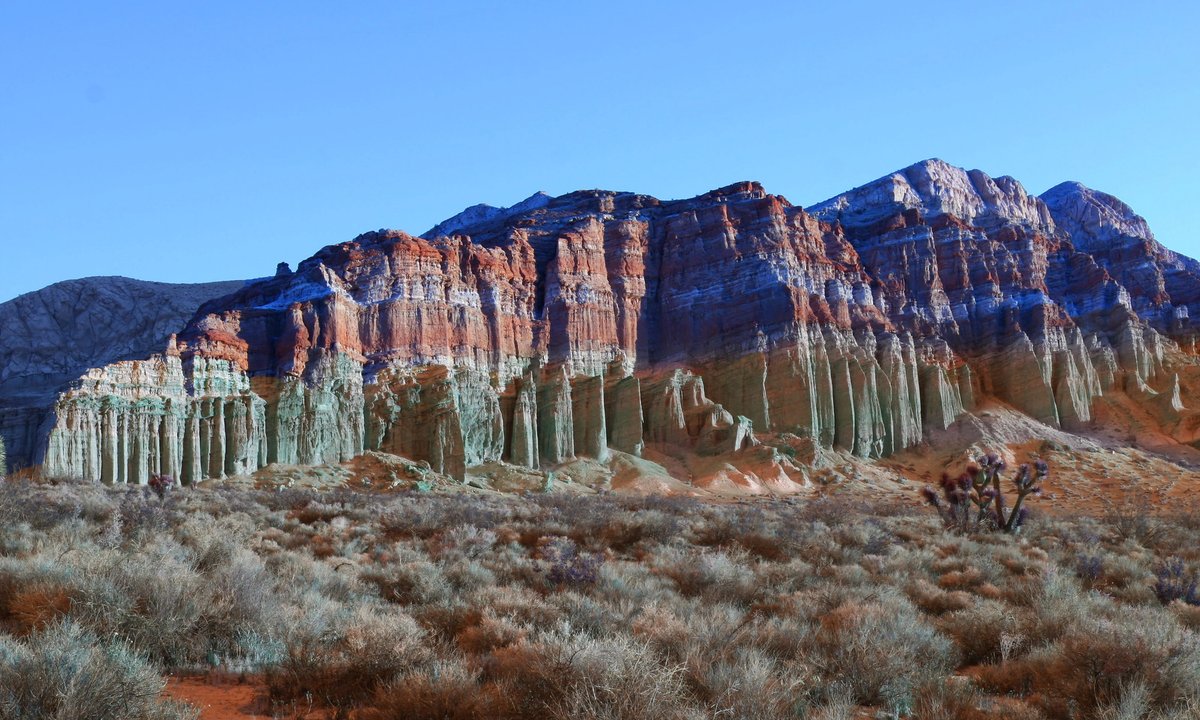
UNESCO has granted World Heritage status to Murujuga, an ancient Aboriginal rock art site in Western Australia's Pilbara region, despite concerns about its vulnerability to emissions from nearby gas and fertilizer plants. The site contains over 1 million petroglyphs, including the oldest known depiction of a human face, dating back up to 50,000 years. Indigenous groups campaigned for two decades for protection, and the Australian government nominated the site in 2023. However, the Karratha Gas Plant, operated by Woodside Energy, sits on the nominated land, and ICOMOS had warned that emissions pose a risk to the rock art. The UNESCO designation was unanimous, but an amendment was added requiring Australia to continue monitoring industrial impact.

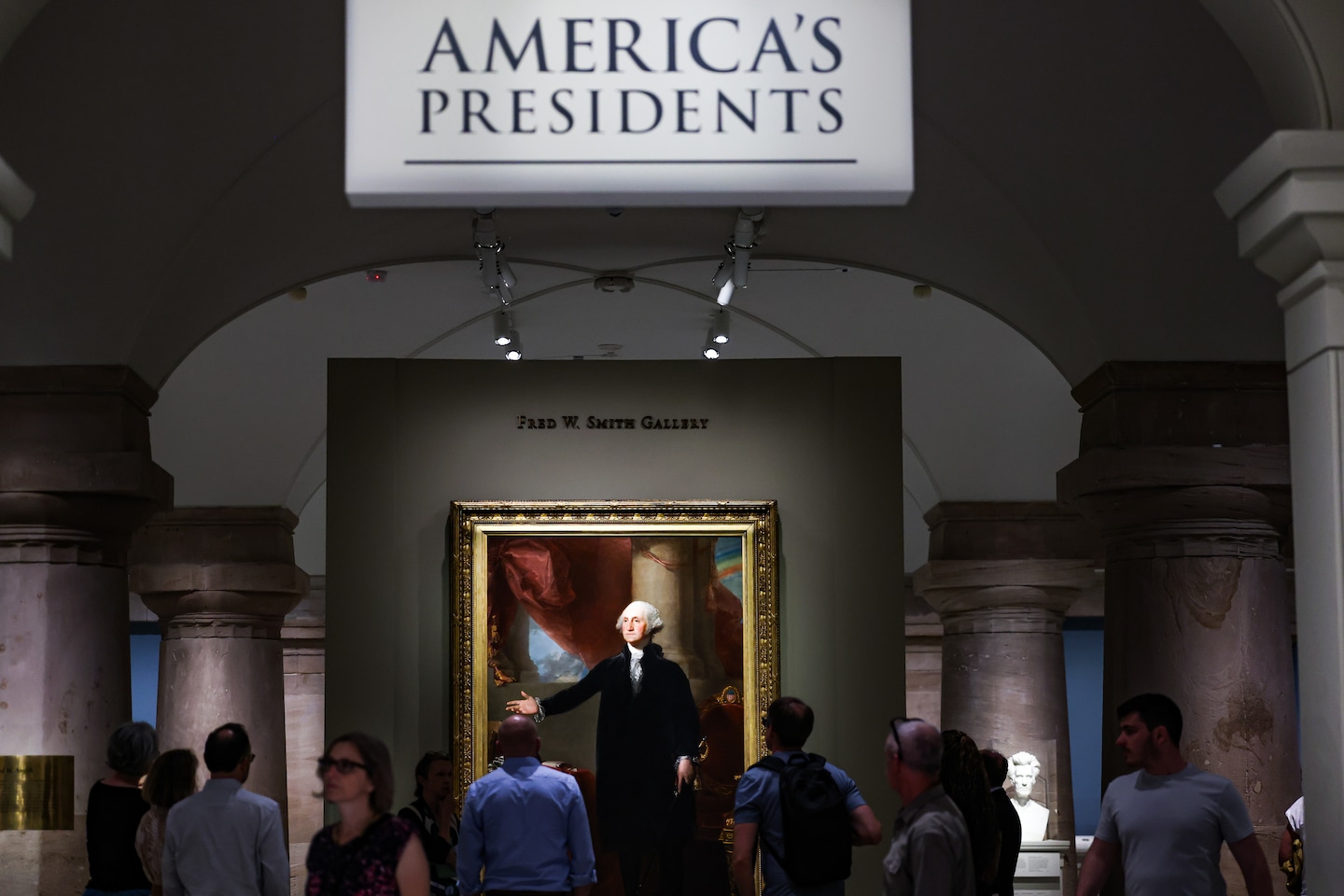
Column | The Smithsonian’s most contested exhibition is back on view, mostly intact

Columnist Philip Kennicott reports that the Smithsonian's most contested exhibition has returned to public view, largely intact, despite ongoing culture war attacks from the Trump administration. Since Donald Trump returned to office in January 2025, the Smithsonian has been a primary target for the administration's campaign against diversity and inclusion initiatives, as well as historical narratives that address slavery, Native American genocide, and the struggles of marginalized communities.

Europe: China’s censorship of cultural institutions must be challenged - ARTICLE 19

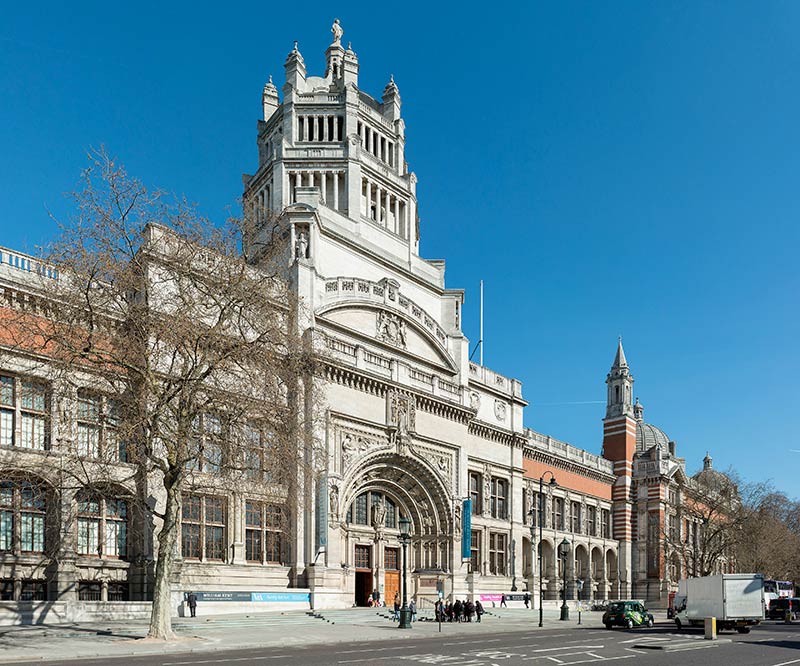
The Victoria and Albert Museum (V&A) in London has reportedly removed maps and images from exhibition catalogues on multiple occasions following pressure from its Chinese publisher, C&C Offset Printing. The publisher cited directives from China's General Administration of Press and Publication (GAPP), which enforces the Chinese Communist Party's official narratives on sensitive topics like territorial borders.

Government gives East of England culture and arts venues £6.6m

The UK government has announced a £6.6 million investment in arts and culture venues across the East of England to support essential infrastructure upgrades and renovations. Key beneficiaries include Firstsite in Colchester and Snape Maltings in Suffolk, which are receiving significant grants for building repairs and environmental control systems. Other recipients range from the Natural History Museum in Colchester to the Wysing Arts Centre, with funds earmarked for everything from HVAC improvements to restoring Grade II listed structures.

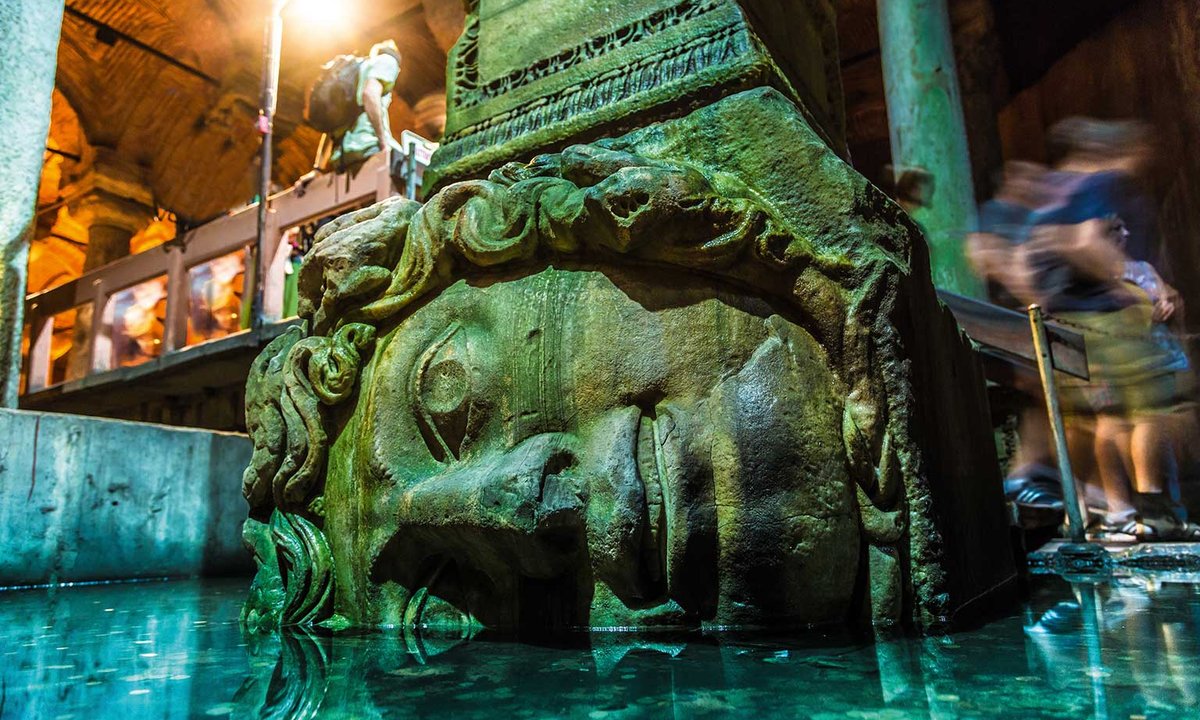
Turkey’s heritage power grab: new law threatens Istanbul’s opposition-run cultural sites

The Turkish government has enacted a new law allowing the central state to seize historic properties from local municipalities, specifically targeting sites originally endowed to Ottoman-era foundations. This legislation directly impacts Istanbul, where Mayor Ekrem İmamoğlu’s administration has spent years restoring nearly 1,000 heritage sites and converting neglected spaces into vibrant museums, libraries, and contemporary art venues. Critics argue that the state-run General Directorate of Foundations lacks the expertise to manage these cultural hubs and may instead lease them out or close them entirely.

UNT Gives No Reason for Sudden Closure of Victor Quiñonez Show

The University of North Texas abruptly cancelled the solo exhibition "Ni de Aqui, Ni de Allá" by artist Victor Quiñonez in its College of Visual Art & Design Gallery just nine days after its opening. The university covered the gallery windows with brown paper, removed all promotional material from its website and social media, and informed the artist via a misspelled email that it had terminated its loan agreement with Boston University Art Galleries, which originated the show. The artist was not notified in advance and learned of the closure from students.

Persistent low attendance and funding cuts are forcing US museums to think local

A federal judge ruled on December 3 that all grants from the Institute of Museum and Library Services (IMLS) must be reinstated, offering relief to museum directors like Scott Stulen of the Seattle Art Museum, which lost $300,000–$400,000 in annual federal funding in 2025. The American Alliance of Museums (AAM) survey of 511 directors found that over half reported fewer visitors than in 2019, with 29% citing declines tied to weakened travel and economic uncertainty. However, some museums like the Toledo Museum of Art and the Art Institute of Chicago have seen local attendance rise, offsetting losses in international tourism.

National Endowment for the Humanities awards $75.1m to 84 projects across the US

The National Endowment for the Humanities (NEH) has awarded $75.1 million to 84 projects across the United States, marking the first grants since the Trump administration dismissed most members of the National Council on the Humanities. Major recipients include the University of Texas at Austin and the Foundation for Excellence in Higher Education, each receiving $10 million for programs focused on civics, strategy, and "Great Books." Other notable grants include $2.2 million for Philadelphia's Museum of the American Revolution and $2 million for Grand Central Atelier, a small art school in Queens that teaches classical realist techniques.

Why is the French government spending millions on art no one sees?

The French government agency Centre national des arts plastiques (CNAP), established in 1982 to support living artists and collect their work, has come under scrutiny following two opposing government reports. A July white paper by Martin Bethenod recommended refocusing CNAP's acquisitions on France-based artists and galleries, while a November report from the Cour des Comptes by Julien Aubert found the agency financially fragile and redundant, noting that 24,472 works—one quarter of its collection—have never been exhibited. Aubert recommended closing the CNAP by 2030, sparking backlash from over 1,000 art professionals who signed an open letter criticizing the ideological attack on public cultural service.

Climate report from Getty’s PST Art programme urges cultural organisations to confront exhibitions’ impacts

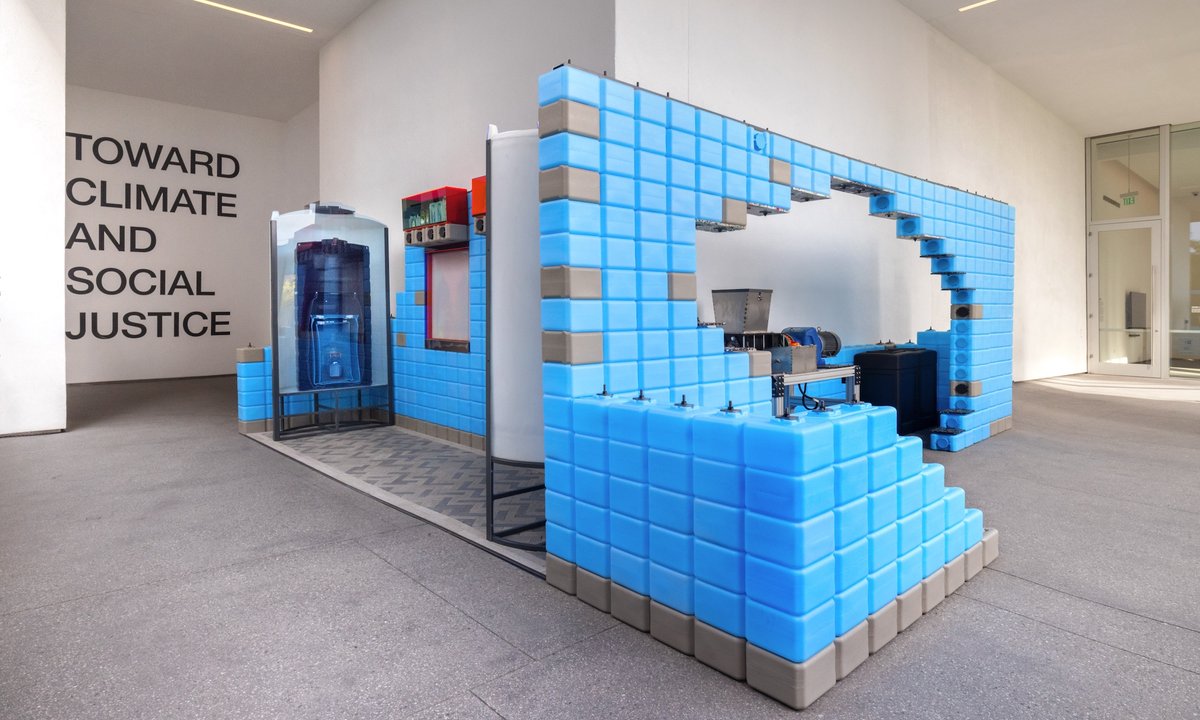
The Getty has released a comprehensive climate impact assessment of its PST Art initiative, titled Art & Science Collide (2024-25), based on its inaugural Climate Impact Program (CIP). Developed with climate adviser Laura Lupton and artist Debra Scacco, the program provided webinars, guidance, and networking to participating institutions, with over two-thirds completing a climate impact report. Key findings show that air travel and air freight of art are the most carbon-intensive activities, and shifting to sea freight could reduce total emissions by 18%. Many institutions reduced waste through simple, low-cost changes, with some committing to permanent sustainability practices.

California nonprofits keep losing funding in what new study calls ‘the shadow of the pandemic cliff’

A new Otis College Report on the Creative Economy, titled "In the Shadow of the Pandemic Cliff," was presented at the Getty Center in Los Angeles. The report, prepared by Westwood Economics and Planning Associates, analyzes financial data from 2011 to 2023 for nonprofit cultural organizations in Los Angeles County, including museums, art schools, and performing-arts groups. It reveals that while revenues for these nonprofits surged by 47% during the early pandemic years due to special relief funding, that support has since faded. By 2023, 60% of surveyed organizations reported less public funding and 51% saw declines in private donations, a trend the report calls the "Covid cliff."

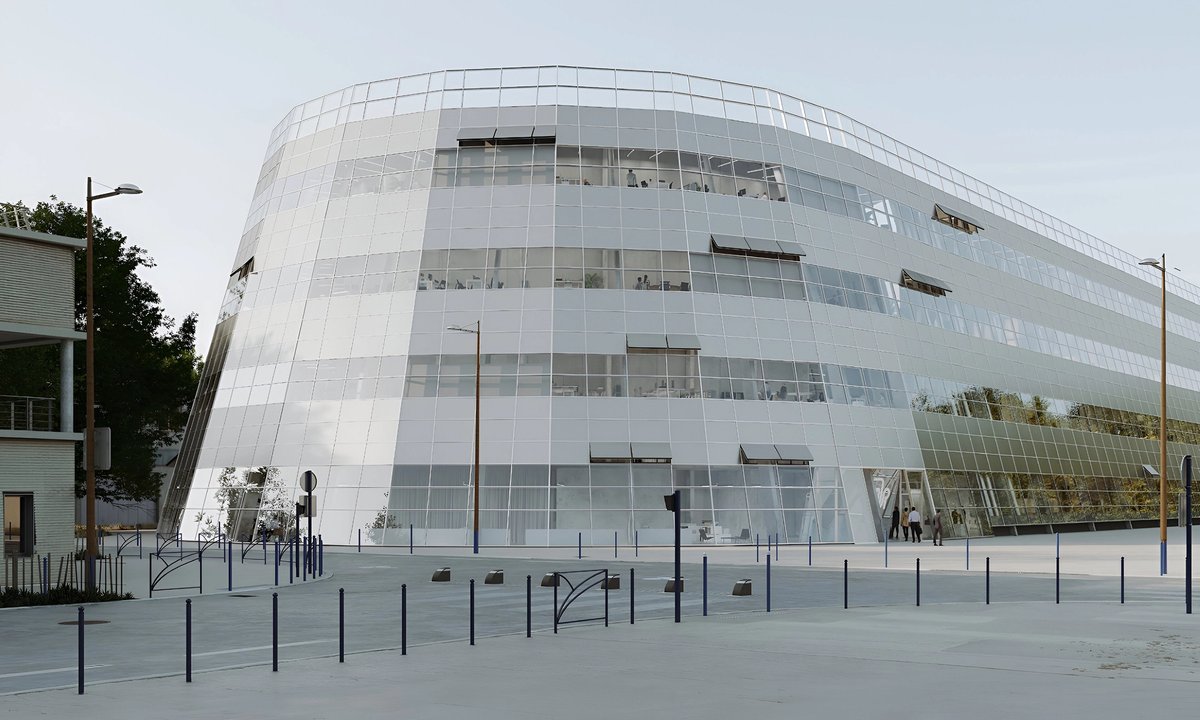
Louvre’s €666m plans for new entrance ‘financially unsound’—and security should come first—auditor says

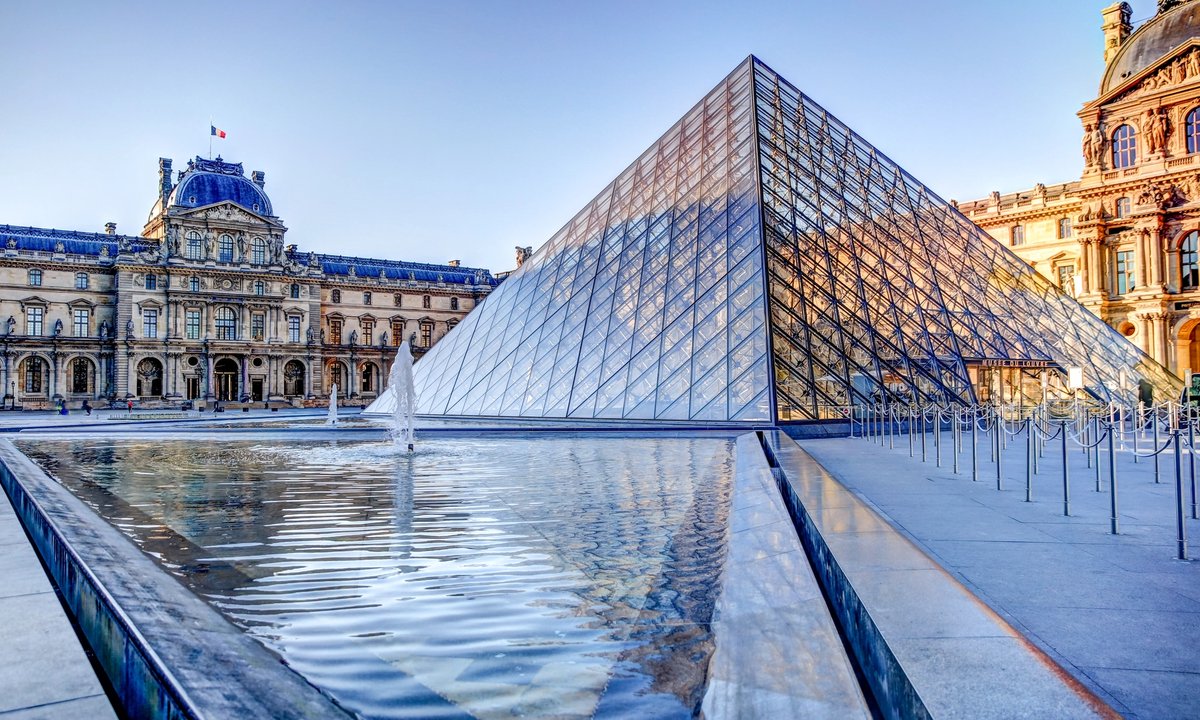
A report from the Cour des comptes, France's state auditing body, has deemed the Louvre's €666 million plan for a new entrance and subterranean complex around the Mona Lisa as "financially unsound." The report, released on November 6 by chairman Pierre Moscovici, criticizes the museum's management under director Laurence des Cars, highlighting severe delays in security upgrades—only 4% of an €83 million infrastructure budget has been spent since 2018. The audit follows an audacious heist of French crown jewels on October 19, which the report says was enabled by inadequate security. It urges the Louvre to prioritize a €450 million infrastructure plan over the grand renovation project, which has already seen a 45% cost overrun from its initial €450 million estimate.

Heritage experts call for international task force to plan Palmyra rebuild

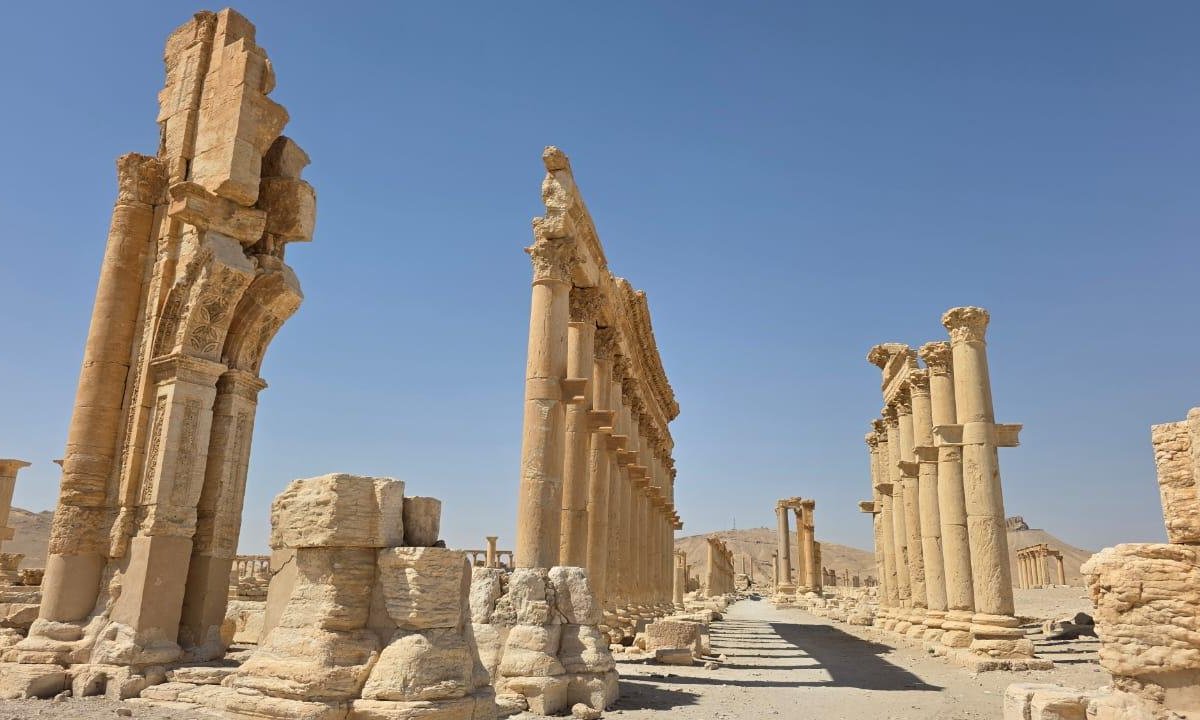
Heritage experts, antiquities officials, and Syrian community members convened at a conference organized by the University of Lausanne and the Aliph foundation in Switzerland, marking the first comprehensive international meeting on Palmyra since the fall of Bashar Al Assad's regime in 2024. The group issued recommendations including the creation of an international expert task force to work toward removing Palmyra from the UNESCO List of World Heritage in Danger, and outlined three key priorities: rehabilitating the looted and damaged Palmyra museum, restoring artefacts currently held at the Damascus Museum, and repairing the foot bridge to the site. Aliph executive director Valery Freland aims to begin work in January 2026.

Museums Are Under Fire. Silence Isn’t an Option

James Steward, director of the Princeton University Art Museum, argues that museums are under coordinated attack in a polarized political climate. He cites threats including scrutiny of the Smithsonian Institution for its narratives, pressure on directors who uphold diversity and inclusion principles, and immigration agents targeting museums serving communities of color. Steward calls on museum leaders to resist the impulse to remain silent and instead double down on their role as spaces for dialogue, debate, and the holding of contradictory ideas.

More than 150 US arts organisations pledge to resist political pressure

More than 150 US arts organizations and over 320 artists and cultural workers have signed a public statement affirming their commitment to resisting political pressure. Organized by the National Coalition Against Censorship (NCAC) and the Vera List Center for Art and Politics (VLC) at the New School, the statement does not explicitly name President Donald Trump or his administration's actions, but was precipitated by Trump's pressure campaigns against the Smithsonian Institution and the Kennedy Center, as well as deep cuts to the NEA, NEH, and IMLS. Signatories include institutions from both Democratic- and Republican-controlled states, such as the Museum of Contemporary African Diasporan Arts in New York and Diverseworks in Houston, Texas.

White House Lists Smithsonian Exhibits It Finds Objectionable

The White House has released a list of Smithsonian Institution exhibits it finds objectionable, targeting displays that it claims promote divisive narratives or undermine traditional American values. The list includes specific exhibitions across multiple Smithsonian museums, such as those related to race, gender, and historical figures, which the administration argues should be revised or removed.

Thai Art Center Censors Exhibition After “Pressure” From China

The Bangkok Art and Culture Center (BACC) censored an exhibition titled 'Constellation of Complicity: Visualising the Global Machinery of Authoritarian Solidarity' after pressure from the Chinese Embassy in Thailand. Works by artists from Hong Kong, Tibet, and the Uyghur diaspora were blacked out or removed to avoid 'diplomatic tensions between Thailand and China.' The curators fled the country after Chinese officials and Thai police visited the museum. Affected artists include Doc Tenzin, Mukaddas Mijit, Clara Cheung, and Gun Cheng Yee Man, whose names were blacked out, along with Tibetan and Uyghur flags and a graphic comparing China to Israel.

Smithsonian museum removes label referencing Trump impeachments

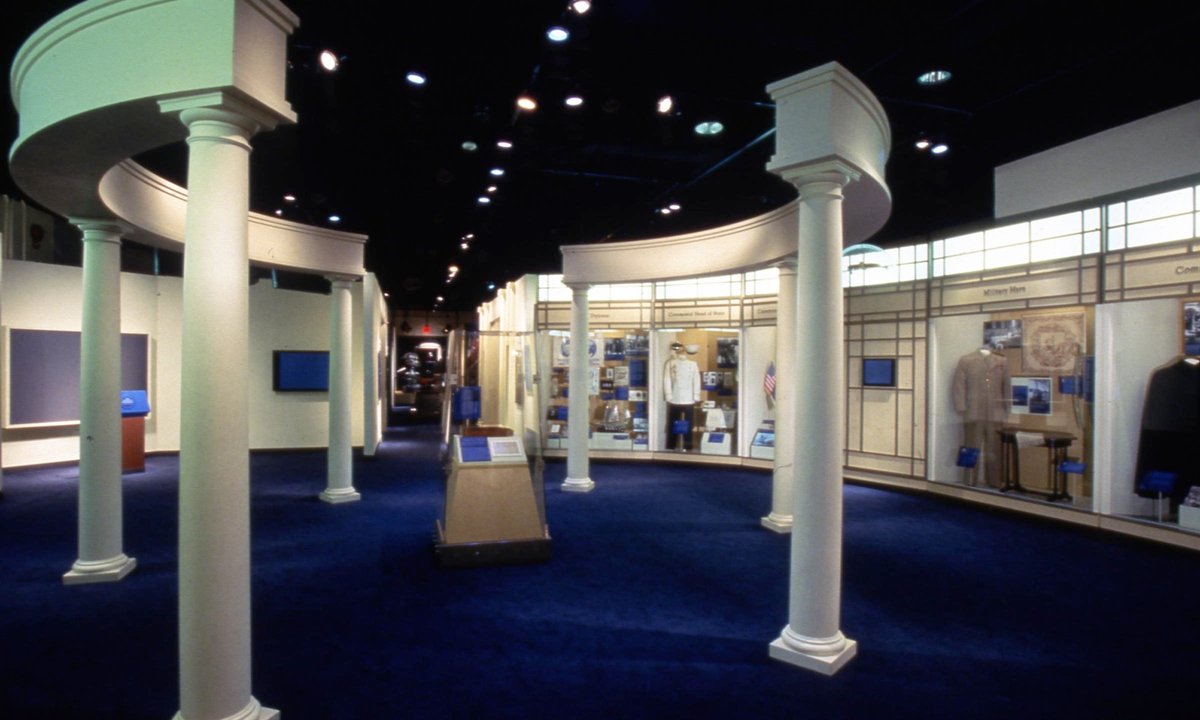
The Smithsonian’s National Museum of American History in Washington, DC, removed a temporary label from its long-term exhibition *The American Presidency: A Glorious Burden* that referenced President Donald Trump’s two impeachments. The label, added in 2021, was intended as a short-term measure but remained until July 2025. The museum stated the removal was part of a content review and that the impeachment section would be updated in the coming weeks to reflect all impeachment proceedings, denying any external pressure from the Trump administration.

Yale Art Gallery Withdraws Federal Grant Requests After Trump DEI Ban

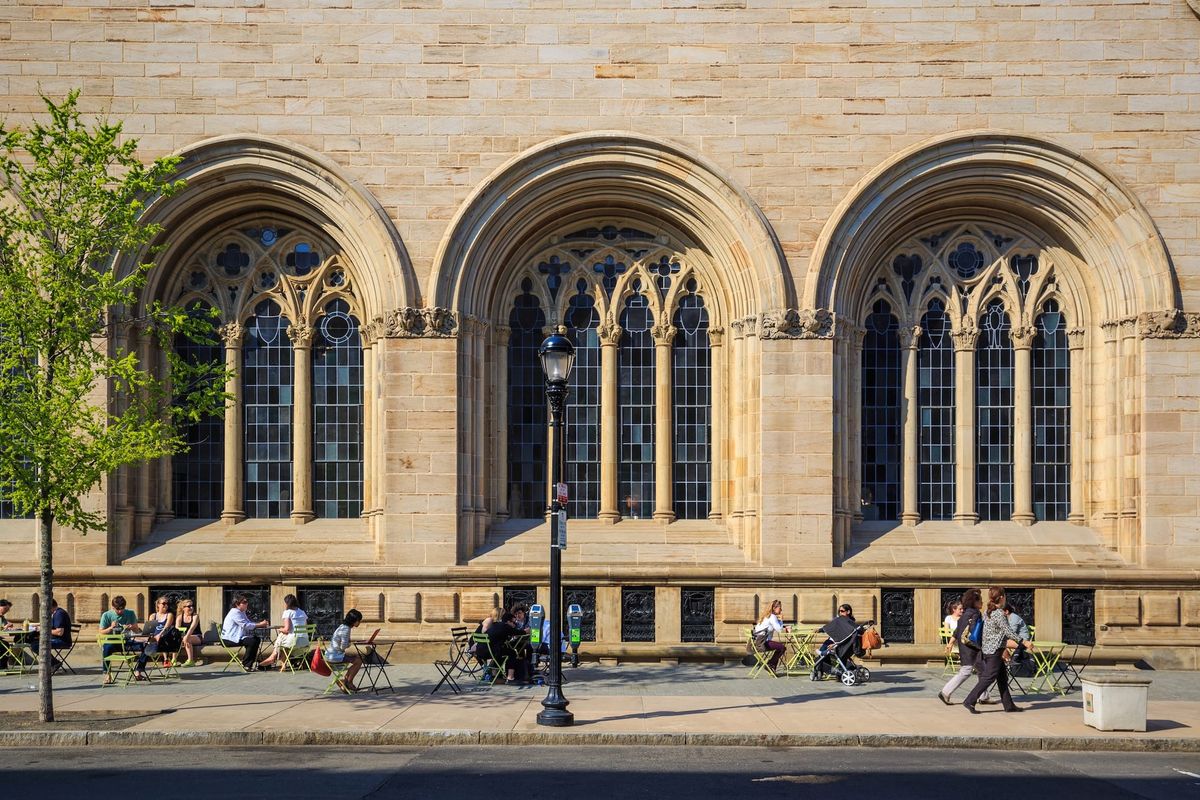
The Yale University Art Gallery has withdrawn two federal grant requests totaling $200,000 for a forthcoming exhibition on Southeast African art, citing concerns that the show does not meet the National Endowment for the Arts (NEA) and National Endowment for the Humanities (NEH) criteria under President Trump's executive order banning Diversity, Equity, and Inclusion (DEI) programs. The museum will instead use its endowment to fund the exhibition, which focuses on the migration of the Nguni peoples in southern Africa and is set to open next fall. Additionally, the NEA cancelled a $30,000 grant for another exhibition, Nusantara: Six Centuries of Indonesian Textiles, prompting the museum to draw on its Robert Lehman Endowment Fund.

Italy’s leading archaeological museum uses young creatives’ press shots without payment

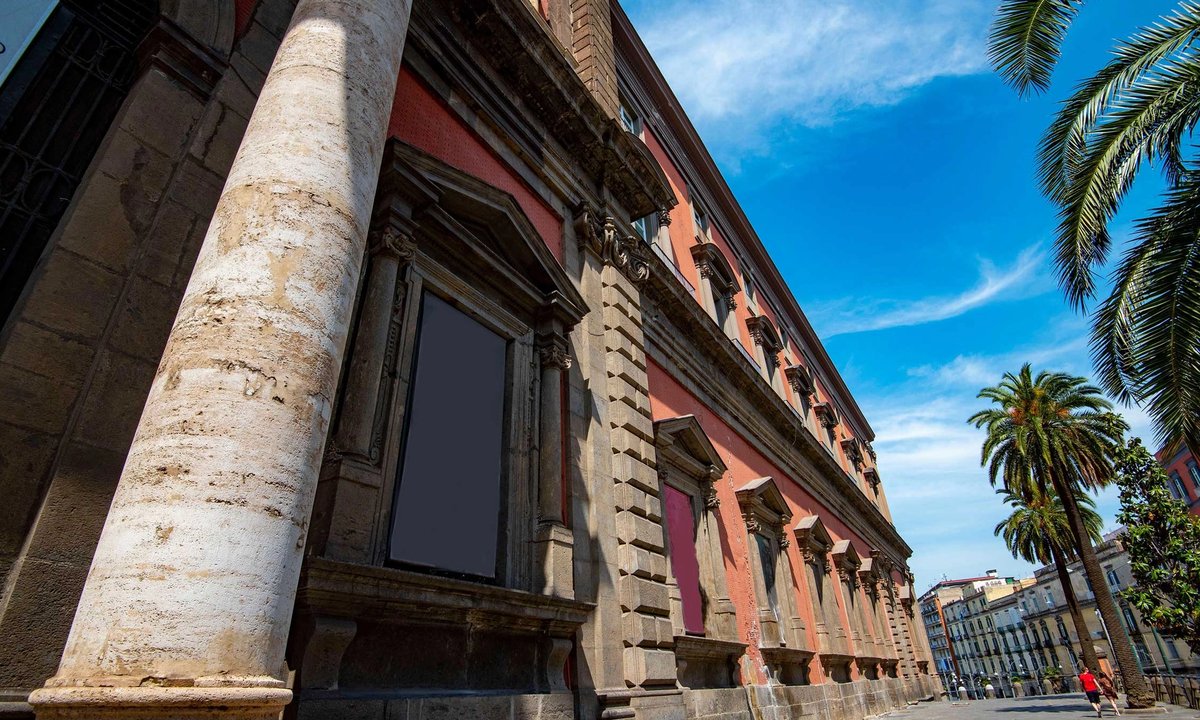
Italy's National Archaeological Museum of Naples (MANN) launched a photography competition in March inviting young people aged 18 to 30 to submit images of objects from its collections, including artifacts from Pompeii and Herculaneum. The museum offered no payment, only exposure via social media and banners on its façade, sparking criticism from cultural workers' group Mi Riconosci and Italian media, who accused the institution of exploiting unpaid labor. Museum administrator Raffaella Bosso defended the initiative as a dialogue with youth, but the museum has not withdrawn or modified the contest.

Comment | Trump's 100 days should remind us to be brave—because in an autocracy there is no safety

The article examines the impact of the first 100 days of Donald Trump's second term on the U.S. cultural sector, detailing executive actions that force museums, libraries, and arts institutions into ideological conformity. Orders targeting diversity, equity, inclusion, and gender threaten funding from the National Endowment for the Arts and the National Endowment for the Humanities, while the Smithsonian Institution and Kennedy Center face direct political oversight. The administration also redirects funds toward patriotic projects like a sculpture garden of 'American Heroes,' and private institutions such as the Rhode Island School of Design and Creative Capital face pressure over pro-Palestinian expression and diversity-focused programs.

Detroit Art Institutions Resist Political Challenges to Diversity

Detroit art institutions, including the Detroit Institute of Arts and the Museum of Contemporary Art Detroit, are actively resisting political pressures and legislative challenges aimed at rolling back diversity, equity, and inclusion initiatives. The article details how these organizations are reaffirming their commitments to diverse programming, hiring practices, and community engagement despite a broader political climate that has targeted DEI efforts in the arts and education sectors.

What the renovation of the Pergamon Museum costs

Was die Sanierung des Pergamonmuseums kostet

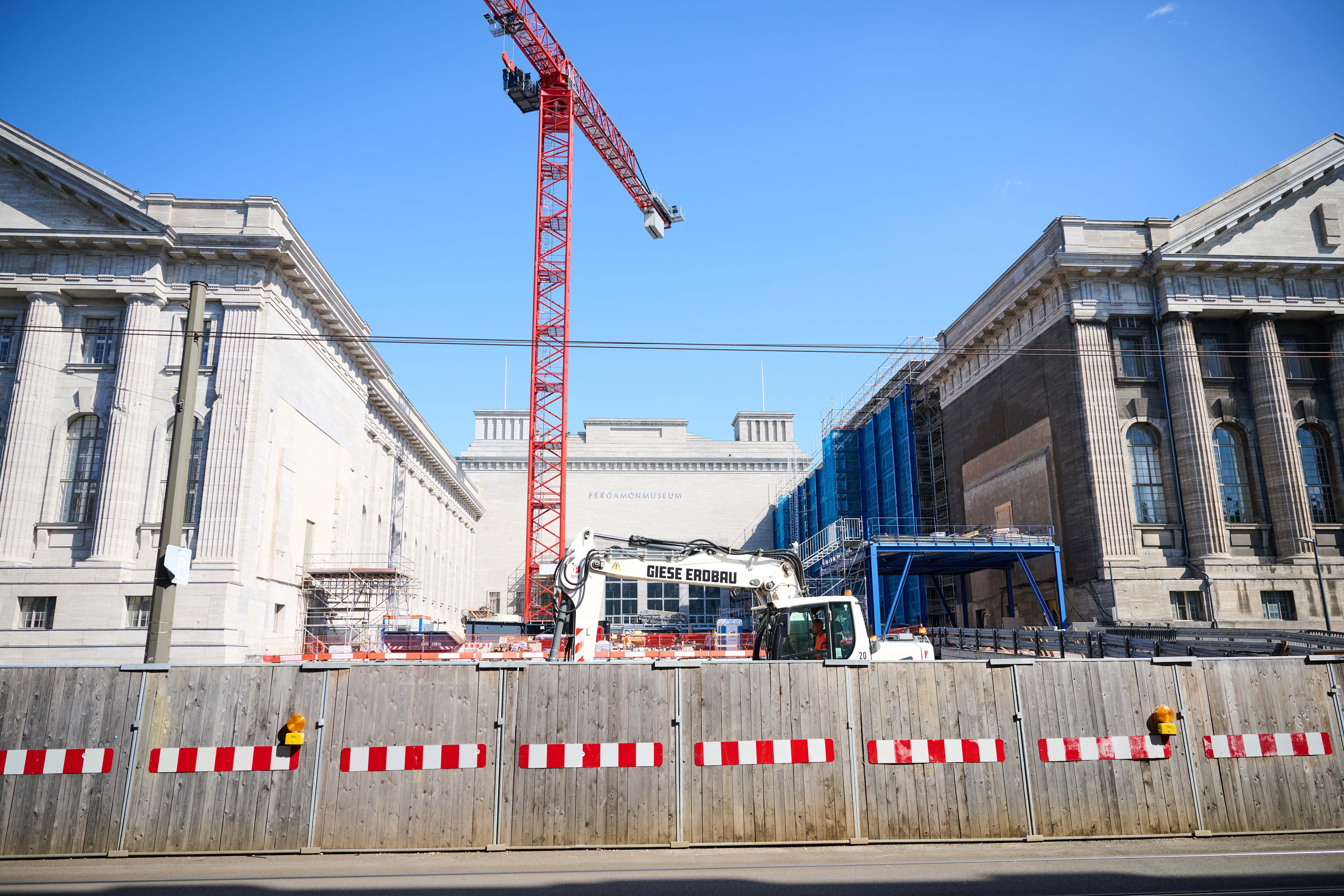
The Pergamon Museum in Berlin is undergoing a major renovation with a total budget of €1.5 billion for both construction phases, including cost risks. The Federal Office for Building and Regional Planning (BBR) has announced that current projections indicate the overall costs will not be exceeded. Phase A, which includes the hall housing the famous Pergamon Altar, is expected to open on June 4, 2027, with a potential cost increase of up to 5% over the originally approved €489 million. Phase B, covering the Ishtar Gate and Babylonian Processional Way, has seen its cost forecast reduced by €27 million to €722.4 million, with an additional €295.6 million set aside for risks and price increases. The museum will fully reopen only in 2037.

Au Royaume-Uni les contraintes budgétaires des musées pèsent sur les effectifs

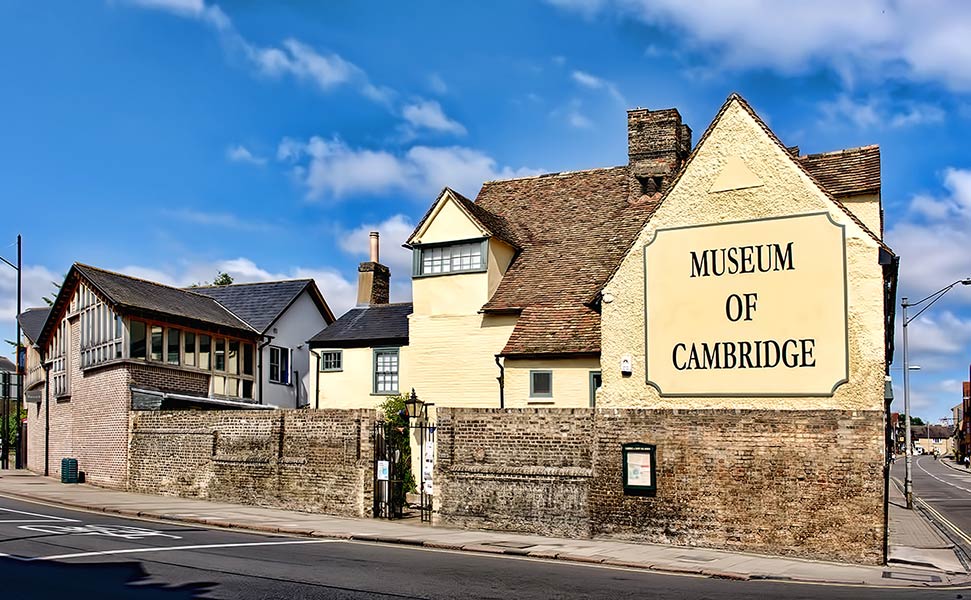
A survey of 329 museum directors in the UK, published in the Art Fund's Museum Directors Research 2026 report, reveals that staff shortages have overtaken building maintenance as the top concern for cultural institutions. Conducted by Wafer Hadley between January and March 2026, the study shows that 85% of directors cite team size and capacity as the main barrier to programming, ahead of budget constraints (67%) and lack of specialized expertise (23%). The National Gallery in London launched a voluntary redundancy plan in February 2026 to address a projected deficit of £8.2 million, while the Museum of Cambridge cut a third of its staff and reduced opening hours. Local authority grants have decreased or ceased for 45% of institutions between 2024-2025 and 2025-2026, and over a third of museums have reduced or plan to reduce opening hours and annual exhibitions.

In Rome, the extension of the Galleria Borghese provokes a revolt

À Rome, l’extension de la Galerie Borghèse provoque une fronde

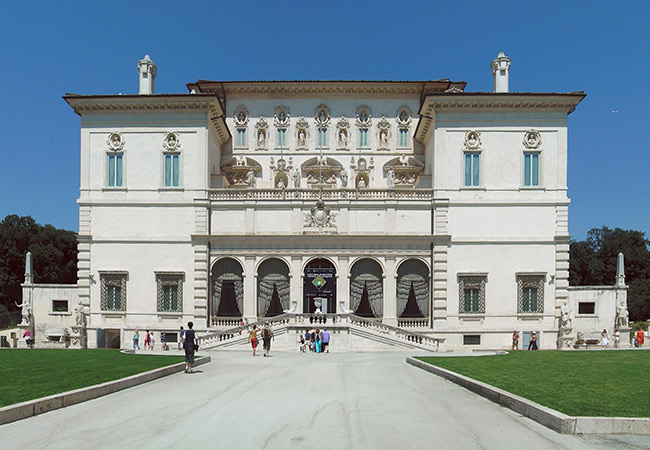
The Galleria Borghese in Rome has sparked controversy by initiating a feasibility study for a new building attached to its 17th-century villa. Museum director Francesca Cappelletti, in office since 2020, cites the need to increase visitor capacity, improve security, and create spaces for mediation, conferences, and temporary exhibitions. The museum, which saw nearly 630,000 visitors in 2025, operates with strict two-hour time slots capped at 180 people, often sold out in high season. Engineering firm Proger has offered to fund the study for €875,750 in exchange for institutional visibility, and Rome's mayor Roberto Gualtieri has declared the project of public interest.

In Venice, the Wagner Museum changes status

À Venise, le Musée Wagner change de statut

The Wagner Museum in Venice, currently a discreet institution housed within the Casino di Venezia in the Ca' Vendramin Calergi palace on the Grand Canal, is set to join the network of the Fondazione dei Musei Civici di Venezia (MUVE) by 2027. An agreement signed in March 2025, after thirty years of discussions, between MUVE, the Casino, and the Richard Wagner Association will make the museum the fourteenth institution under MUVE's management, alongside the Museo Correr, Ca' Pesaro, and the Museo Fortuny. The museum, established in 1995 in the rooms where Richard Wagner stayed and died in 1883, holds significant collections including the Josef Lienhart and Walter Just collections, making it one of the most important private Wagnerian collections outside Bayreuth, Germany.

Outsourcing a service is not prohibited, but managing the provider's employees is

Externaliser un service n’est pas interdit, diriger les salariés du prestataire l’est

A wave of legal complaints has been filed against several major French cultural institutions, including the Louvre, the Pinault Collection, and the MuCEM, alleging illegal labor practices. Labor unions Sud-Culture, SUD-PTT, and Solidaires claim these museums are engaging in "illicit lending of labor" and "bargaining" by exercising direct authority over outsourced staff from third-party agencies like Marianne International and Pénélope. While outsourcing services like ticketing and reception is legal in France, the lawsuits argue that museums are illegally managing these external employees' daily schedules, rotations, and disciplinary actions as if they were their own staff.

British Museums Escape Penalizing Law on Memberships

Les musées britanniques échappent à une loi pénalisante sur les adhésions

The British government has officially exempted charitable museum memberships from the Digital Markets, Competition and Consumers Act (DMCCA). Originally designed to target predatory subscription models like those used by streaming services, the law would have granted members a 14-day cooling-off period both at sign-up and upon annual renewal. Major institutions like the Tate and the Victoria & Albert Museum feared this would allow visitors to attend major exhibitions for free before canceling their memberships for a full refund.