filter_list Showing 10 results for "Arm" close Clear
search
dashboard All 660 museum exhibitions 407article local 66article news 54article culture 51trending_up market 26rate_review review 25candle obituary 11article policy 10person people 5gavel restitution 5
date_range Range Today This Week This Month All
Subscribe

If fashion is art, why doesn’t CNZ fund it?

Creative New Zealand (CNZ) explicitly states on its website that it does not fund fashion design, classifying it as primarily part of the commercial creative industries. The article highlights the contradiction that while major institutions like The Dowse Art Museum, Auckland Art Gallery, and World of WearableArt treat fashion as art, CNZ denies funding to fashion designers, with rare exceptions for non-commercial, cross-cultural, or collaborative projects. Fashion designer Doris de Pont, founder of The New Zealand Fashion Museum, notes that even when her trust received CNZ support, it was for the art connection, not the fashion itself.
Museums in England largely oppose proposal to charge admission for foreign tourists

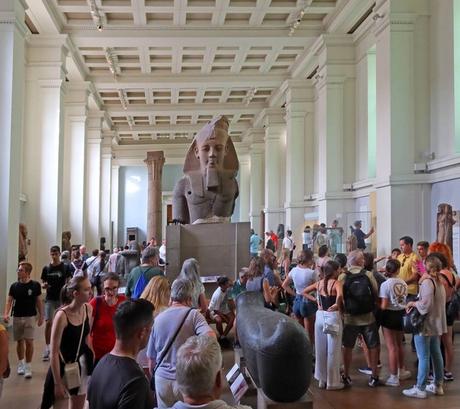
The UK government is exploring a proposal to charge admission fees for foreign tourists at national museums in England, sparking widespread opposition from cultural institutions. The idea was raised in a review of Arts Council England by Labour peer Margaret Hodge, who suggested digital ID checks could enable such a system, though she noted it would bring in less than £10 million and may not be worth the hassle. Museums like the Royal Armouries have condemned the plan as undermining universal access and projecting a lack of generosity, while the Cultural Policy Unit warns it would be logistically complex and ideologically problematic given the colonial origins of many collections.

Workers Push to Rename Wexner Center for the Arts Over Epstein Ties

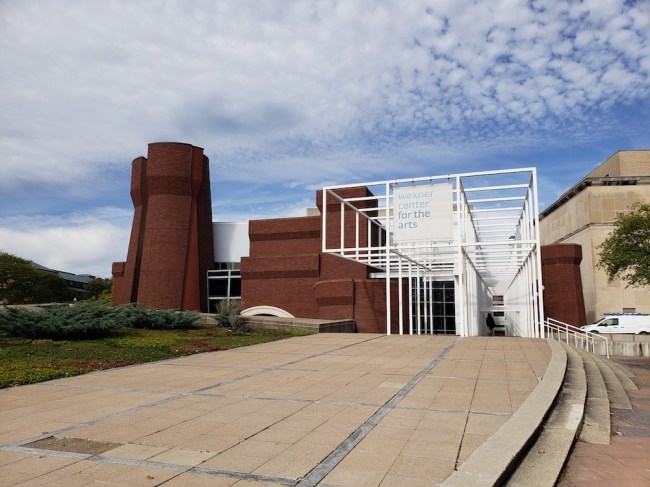
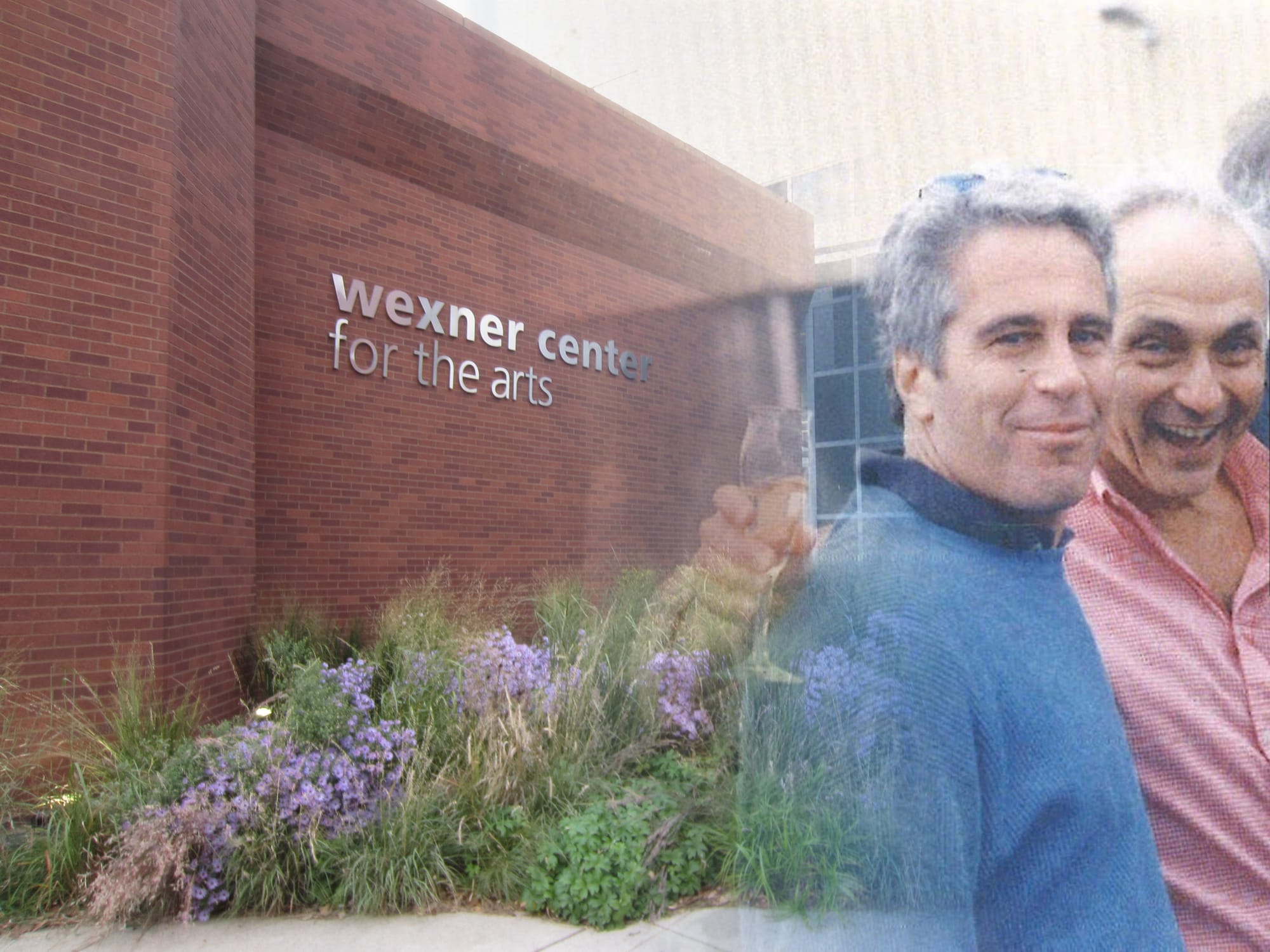
Unionized staff at Ohio State University's Wexner Center for the Arts, organized as Wex Workers United, have officially called for the renaming of the arts center and other campus buildings named after billionaire benefactor Les Wexner. The union argues that Wexner's name, due to his decades-long association with convicted sex offender Jeffrey Epstein—who had power of attorney over Wexner's fortune—harms artists and community members. The call follows similar demands from the Ohio Nurses Association regarding the Wexner Medical Center and ongoing student protests, including an April 10 action where students covered Wexner's name on the art center's façade with a black tarp. OSU spokesperson Chris Booker noted that over 500 renaming requests have been filed under the university's official review procedure, while OSU President Ted Carter has emphasized that name changes require fact-finding and cannot be based on supposition.

Gulag Museum rebrand marks latest phase in Kremlin’s assault on free speech

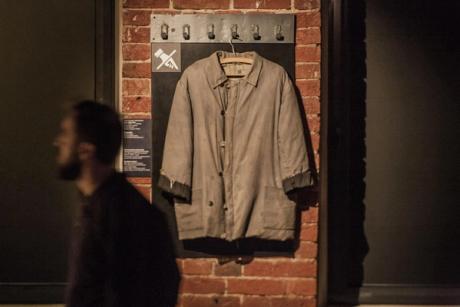
The Kremlin is systematically erasing the memory of Soviet repression under Joseph Stalin from Russian museums. The Gulag Museum in Moscow, which documented Stalin-era crimes, has been rebranded as a "Museum of Memory" focused on Nazi war crimes, with its entire website replaced and exhibitions packed up. Simultaneously, Russia's supreme court banned Memorial, a human rights organization founded to document Stalin-era atrocities, labeling it an "anti-Russian" extremist group. The Yeltsin Presidential Center in Yekaterinburg has also removed references to Memorial from its walls, and the Sakharov Center in Moscow was disbanded and evicted from its facilities.

How the State Supports Provenance Research

Comment l’État soutient la recherche de provenance

The French Ministry of Culture has created two specialized missions to assist museums in researching the provenance of their collections, addressing looted artworks, human remains, colonial acquisitions, and illicit trafficking. The Mission for Research and Restitution of Looted Cultural Property (M2RS), established in 2019, focuses on Nazi-era spoliations (1933-1945) with a budget of €220,000 annually, while the newer Mission "Provenance," launched in 2024 under curator Catherine Chevillot, covers human remains, colonial-era objects, and illicit goods with a €450,000 budget. These missions provide expertise, funding, and coordination with institutions like the Commission for the Restitution of Property and Compensation of Victims of Anti-Semitic Spoliation (CIVS), though most museums still only initiate provenance checks during acquisitions or donations.

Wexner Center for the Arts Workers Call for Institution to Be Renamed Over Top Funder’s Epstein Ties

Unionized workers at the Wexner Center for the Arts in Columbus, Ohio, have demanded that the institution remove the name of top funder Les Wexner from its moniker, citing his close ties to convicted pedophile Jeffrey Epstein. In a letter to Ohio State University leadership, Wexner Workers United (WWU) argued that Wexner’s name on the building harms the center’s mission and community trust. Wexner, a billionaire retail magnate and art collector, donated $25 million to the center’s construction in the 1980s and has been mentioned over a thousand times in the Epstein Files; Epstein victim Virginia Giuffre named Wexner as among those she was trafficked to, though Wexner denies the allegations.

Louvre: Emmanuel Macron's Obstinacy

Louvre : l'obstination d'Emmanuel Macron

Emmanuel Macron, less than a year before leaving office, continues to push controversial projects that harm French historical monuments and museums, including the Louvre's Colonnade project. The article criticizes these initiatives as detrimental to cultural heritage, while noting that his only promising project, the Musée de l'Œuvre Notre-Dame, has been shelved. The piece also highlights the appointment of Christophe Leribault as director of the Louvre as a positive step, but argues that Macron's overall record on cultural heritage is damaging.

Today’s war, tomorrow’s loot: attempts at stemming the illicit trade in art

The article examines the ongoing challenge of preventing the illicit trade in cultural property looted from conflict zones. It discusses the Hague Convention of 1954 and its protocol, which require signatory countries to prevent theft and pillage during armed conflict and to seize and repatriate unlawful exports. However, the protocol only applies to situations of 'occupation,' leaving a gap for looting that occurs in the chaos of war beyond formal occupation. The article also notes UN Security Council Resolutions that restrict unlawfully removed cultural property from Iraq and Syria, but no similar consensus exists for countries like Afghanistan, Libya, Ukraine, Lebanon, Yemen, Sudan, and Iran. EU Regulation 2019/880 is highlighted as a measure that prohibits introducing goods removed unlawfully from their place of origin into the EU, though its scope has expanded beyond its original anti-terrorist financing purpose.

Une souscription pour restaurer le réfectoire des Invalides

La Tribune de l'Art reports that a fundraising campaign has been launched to restore the refectory of the Hôtel des Invalides in Paris, specifically the salle de l'Europe. This room features 17th-century murals attributed to Michel Corneille le Jeune, depicting battles from the Franco-Dutch War (1673–1675), including the sieges of Maastricht, Huy, and Limbourg, as well as allegorical scenes of Louis XIV. The restoration is organized by the Musée de l'Armée, which manages the site.

In Berlin, a controversy over subsidies sweeps away the culture official

À Berlin, une polémique sur des subventions emporte l’élue à la Culture

Sarah Wedl-Wilson, Berlin's senator for culture, resigned after the Berlin Court of Auditors ruled that €2.6 million in public subsidies for 13 antisemitism-fighting projects were awarded illegally, bypassing regulatory checks and violating budget law. The controversy intensified when a parliamentary inquiry revealed that CDU politicians, including Christian Goiny and Dirk Stettner, pressured her to approve the funds immediately, coordinating with the Israeli embassy, despite warnings from state secretary Oliver Friederici, whom she later dismissed. Stefan Evers, the finance senator, has been appointed interim successor until Berlin's parliamentary elections in September.