filter_list Showing 10 results for "Merit" close Clear
search
dashboard All 127 museum exhibitions 44article local 21article culture 14article news 14article policy 10trending_up market 8rate_review review 5candle obituary 5person people 5gavel restitution 1
date_range Range Today This Week This Month All
Subscribe

imls trump vision grant guidelines

The Institute of Museum and Library Services (IMLS) has issued new grant application guidelines that explicitly reference President Donald Trump's executive orders and his vision for U.S. culture. The guidelines encourage applicants to align with orders like "Making Federal Architecture Beautiful Again," which mandates classical style for government buildings, and "Restoring Truth and Sanity to American History," which seeks to control exhibition content. The cover letter also points applicants to orders on combating antisemitism and anti-Christian bias, which appears to warn against pro-Palestinian applications.
cancelled nea grants for underserved audiences

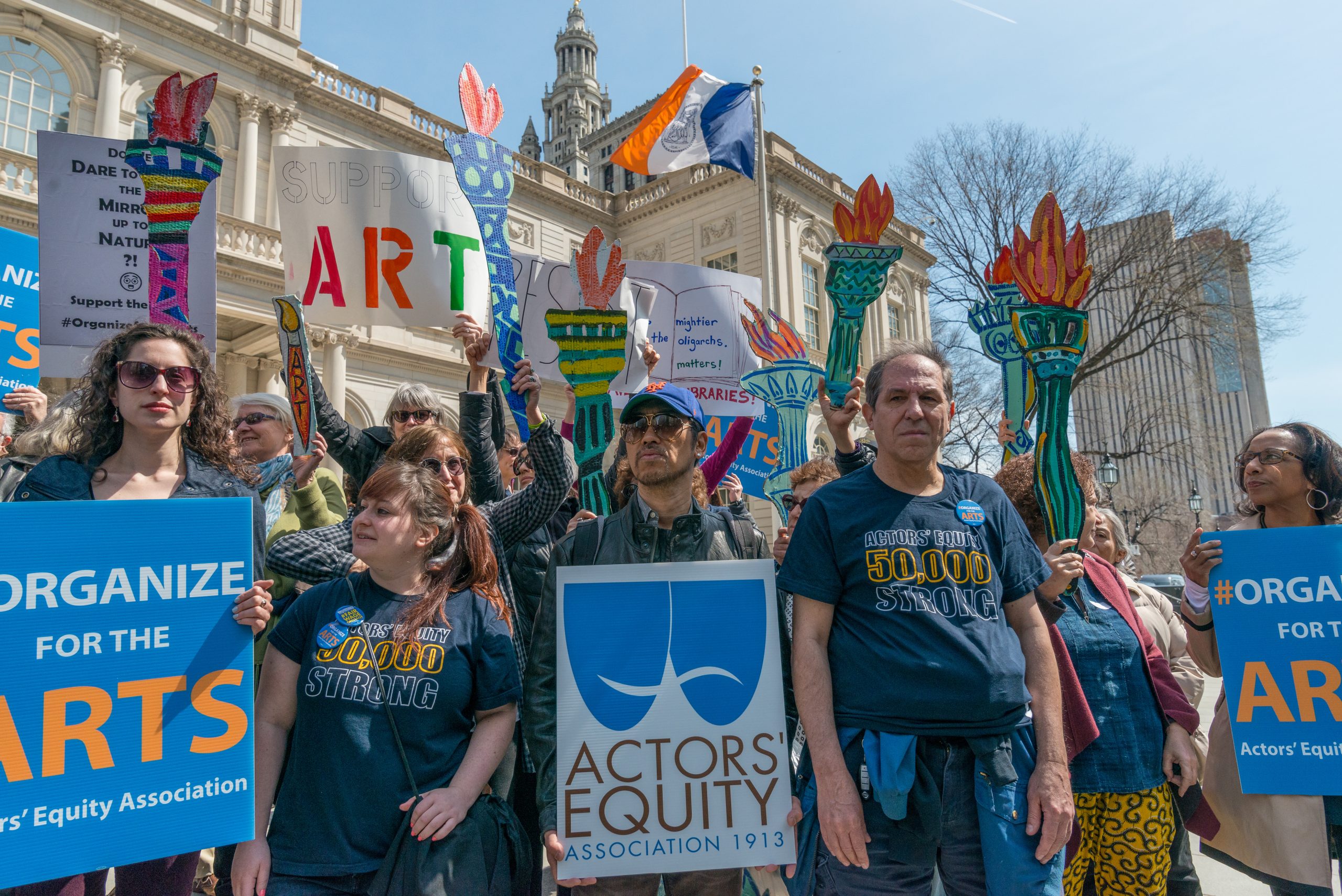
The National Endowment for the Arts (NEA) has updated its 2026 fiscal year grant guidelines, cancelling the Challenge America grants that targeted underserved communities and replacing them with a focus on projects celebrating the 250th anniversary of the United States (America250). The changes, announced in response to executive orders by President Donald Trump, eliminate DEI-related funding and require applicants to have a five-year history of arts programming. Organizations that had applied for the $10,000 Challenge America grants must now resubmit under the broader Grants for Arts Projects category, with extended deadlines.

extraordinary artist visas social media influencers

Immigration lawyers report that social media influencers and OnlyFans models are increasingly qualifying for O-1B visas—the U.S. visa category for individuals with extraordinary ability in the arts—by presenting online metrics such as follower counts, earnings, and brand deals as evidence of distinction. Traditionally, visual artists have needed exhibition histories, recommendation letters, and press clips to apply, but attorneys say the criteria have shifted to accommodate digital fame, with some arguing that the quality of approved applicants has been "watered down."

Notre-Dame : pas de suspension pour les vitraux !

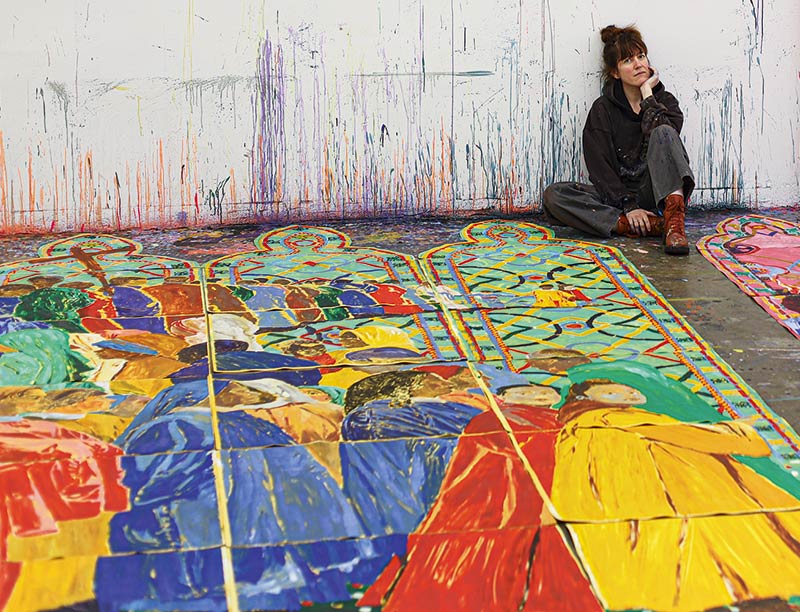
On May 19, 2026, the Paris administrative court rejected requests from heritage associations Sites & Monuments and SOS Paris to suspend the removal and replacement of the stained-glass windows at Notre-Dame Cathedral. The associations had sought to block the prefect's authorization to remove the 19th-century windows by Alfred Gérente and install six new contemporary windows designed by Claire Tabouret, arguing legal doubts about the project. The judge ruled that the operation was reversible—since the new panels are the same size as the originals and the removed windows will be restored and displayed—thus no urgent suspension was warranted.

Why Did Trump Officials Award $2 Million to a Small Art School in Queens?

The Trump administration's National Endowment for the Humanities awarded a $2 million grant to a small art school in Queens with only three full-time employees. This grant was part of a new pattern of large, handpicked awards, a significant departure from the agency's typical grant-making process which historically avoided such large sums to very small institutions.

Directors Chosen by Internal Call Rather Than Competition: The Great Restoration of State Museums

Direttori scelti per interpello e non per concorso. La grande restaurazione dei musei statali

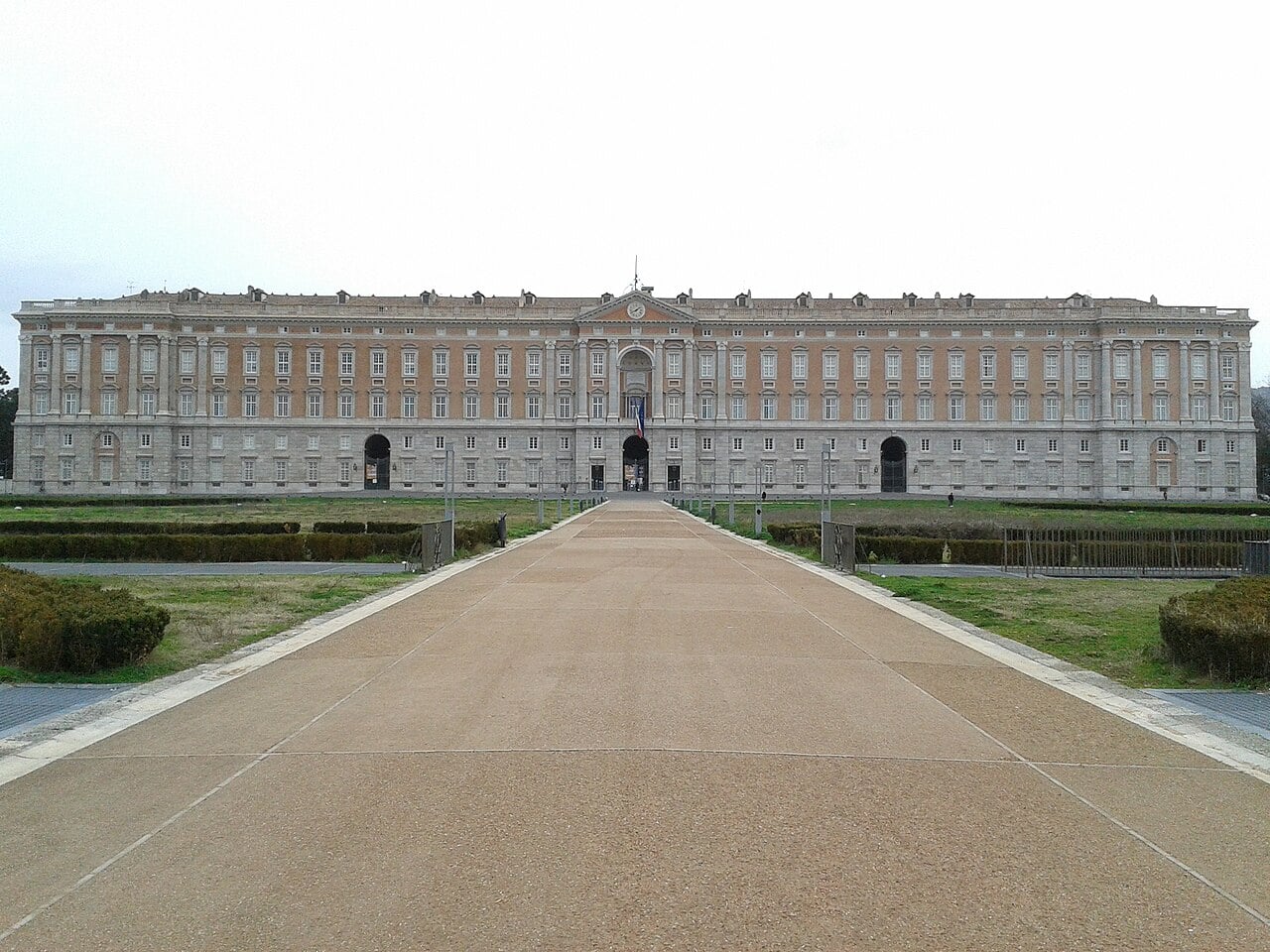
The Italian state museum system is undergoing a significant reversal of the landmark 2015 Franceschini reforms, which originally opened director positions to international competition and private-sector expertise. Recent appointments at major institutions like the Reggia di Caserta and the Gallerie dell’Accademia in Venice indicate a shift away from global searches toward internal ministerial assignments, effectively turning museum leadership back into a closed bureaucratic career path.

federal court rules gender ideology ban on art endowments unconstitutional

A Rhode Island federal court ruled on Friday that National Endowment for the Arts (NEA) grants do not have to comply with President Trump’s executive order banning “gender ideology.” The order, introduced in February, prohibited federal funds from being used to promote the idea that males can identify as women and vice versa, and was applied to the NEA grant application process. The ACLU’s Rhode Island branch filed a lawsuit in March on behalf of several theaters, arguing the policy violated First Amendment rights by restricting the types of works that could receive funding. Judge William E. Smith, appointed by former President George W. Bush, found the policy unconstitutional, noting that the 1965 law establishing the NEA requires grants to be awarded solely on merit. A subsequent “final notice” allowing the NEA chair to review applications on a case-by-case basis was also struck down as a viewpoint-based restriction on artists’ speech.

institute of museum and library services shutdown stopped in federal court

A federal court issued a temporary restraining order blocking the Trump Administration's dismantling of the Institute of Museum and Library Services (IMLS). The order came in response to a lawsuit filed by the American Library Association (ALA) and the American Federation of State, County and Municipal Employees (AFSCME), who sought to prevent the Department of Government Efficiency (DOGE) from laying off nearly all of IMLS's 75-person staff. The layoffs were scheduled to take effect on May 4, 2025, following an executive order by President Trump that deemed IMLS "unnecessary."

ireland basic income artists program permanent

Ireland is set to make its basic income for artists program permanent starting in 2026, following a successful pilot launched in 2022. The program provides selected artists with approximately $375 per week (about $1,500 monthly), with 2,000 spots available and applications opening in September 2026. The pilot, which involved 2,000 randomly selected recipients from over 9,000 applicants, cost €72 million but generated nearly €80 million in economic benefits, according to an external report by Alma Economics. Recipients saw arts-related income increase by over €500 per month, while reliance on other social programs declined.

Who is the new Minister of Culture in Hungary in the first post-Orbán government? The profile of Zoltán Tarr

Chi è il nuovo Ministro della Cultura in Ungheria nel primo governo post-Orbán? Il profilo di Zoltán Tarr

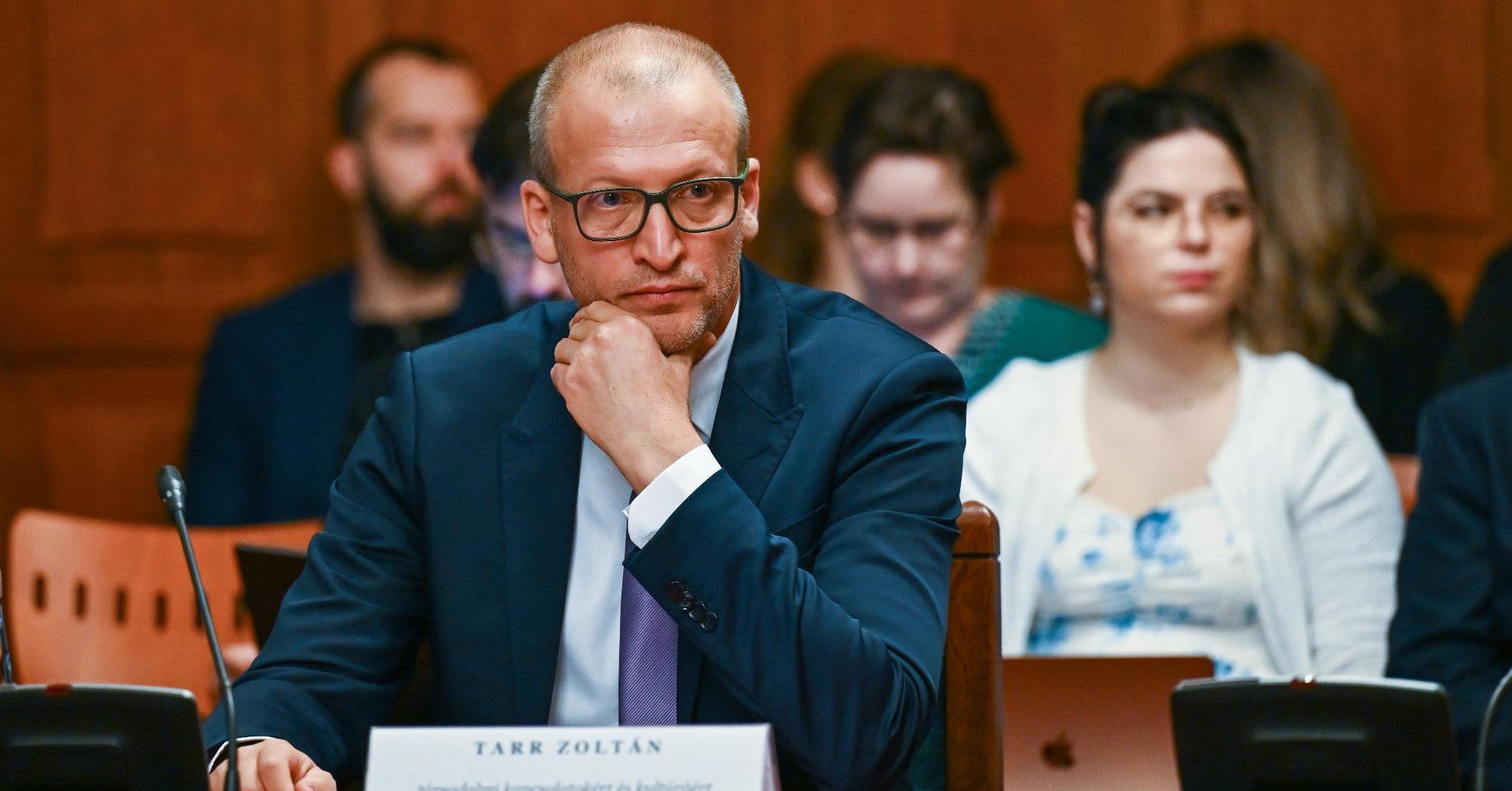
Zoltán Tarr è stato nominato Ministro delle Relazioni Sociali e della Cultura nel primo governo post-Orbán in Ungheria, guidato dal nuovo Primo Ministro Peter Magyar. Tarr, 52 anni, ex pastore della Chiesa riformata ungherese ed europarlamentare per il PPE, ha promesso di ripristinare la libertà d'espressione e smantellare il sistema di favoritismi politici nella cultura, dopo 16 anni di governo autoritario di Viktor Orbán.