filter_list Showing 4 results for "Sale" close Clear
search
dashboard All 494 trending_up market 238museum exhibitions 124article local 74article news 37article culture 7gavel restitution 5person people 4article policy 4candle obituary 1
date_range Range Today This Week This Month All
Subscribe

La loi-cadre sur les restitutions définitivement adoptée par le Parlement

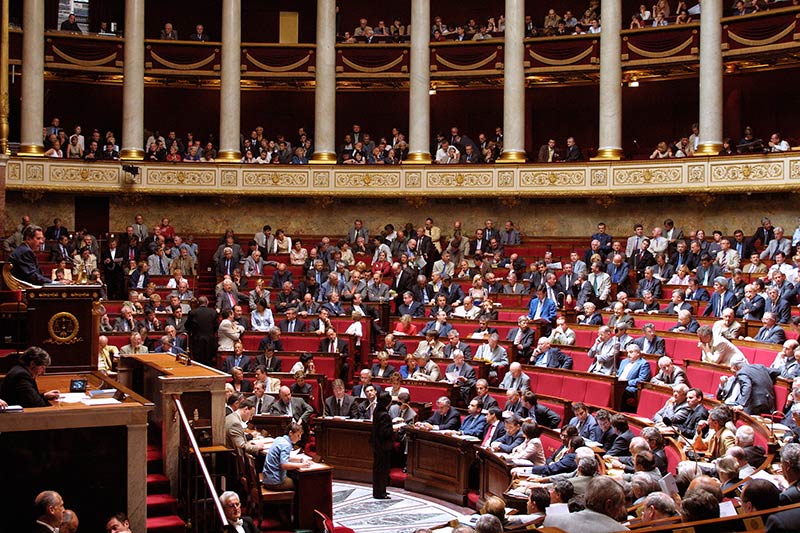
The French Parliament has definitively adopted a framework law on the restitution of cultural property that was illicitly acquired. The Senate unanimously approved the conclusions of the joint committee on May 7, following the National Assembly's approval on May 6, after an agreement was reached on April 30. The law establishes a general mechanism for returning objects from French public collections without requiring a specific law for each case, covering items acquired through looting, theft, forced sale, or other illicit means before the 1970 UNESCO Convention. It creates a permanent national commission and a bilateral scientific committee to assess claims, with restitution ultimately decided by government decree subject to legal review by the Council of State.

The papal residence of Castel Gandolfo had been opened to museum visits by Pope Francis, now Pope Leo closes it again

La residenza papale di Castel Gandolfo era stata aperta a visite museali da Papa Francesco, ora Papa Leone la chiude di nuovo

Pope Leo XIV is closing the Apostolic Palace of Castel Gandolfo to the public as of July 2026, ending nearly a decade of museum access initiated by Pope Francis. Online ticket sales stop on June 30, and the palace will revert to its original function as the pope's summer residence. The decision follows preparatory works begun in May 2025 and is partly motivated by security concerns, as the current temporary lodging at Villa Barberini has logistical and access-control issues.

Today’s war, tomorrow’s loot: attempts at stemming the illicit trade in art

The article examines the ongoing challenge of preventing the illicit trade in cultural property looted from conflict zones. It discusses the Hague Convention of 1954 and its protocol, which require signatory countries to prevent theft and pillage during armed conflict and to seize and repatriate unlawful exports. However, the protocol only applies to situations of 'occupation,' leaving a gap for looting that occurs in the chaos of war beyond formal occupation. The article also notes UN Security Council Resolutions that restrict unlawfully removed cultural property from Iraq and Syria, but no similar consensus exists for countries like Afghanistan, Libya, Ukraine, Lebanon, Yemen, Sudan, and Iran. EU Regulation 2019/880 is highlighted as a measure that prohibits introducing goods removed unlawfully from their place of origin into the EU, though its scope has expanded beyond its original anti-terrorist financing purpose.

NRW will Verbot für Handel mit Holocaust-Dokumenten

The German state of North Rhine-Westphalia (NRW) is introducing a legislative bill to ban the commercial trade of personal Holocaust documents and artifacts, such as letters from concentration camps, Gestapo cards, and yellow stars. The initiative follows international outrage over a planned auction in Neuss in November 2025, which was halted at the last moment; around 460 objects from that auction were transferred to the Auschwitz-Birkenau Foundation. The bill, to be presented at the Bundesrat session on May 8, aims to prohibit the sale of items directly linked to Nazi victims, while exempting museums, archives, and research institutions.