search
dashboard All 5096 museum exhibitions 2763article local 772article culture 376article news 353trending_up market 322person people 148article policy 122rate_review review 102candle obituary 97gavel restitution 37article school 2article museums 1article architecture 1
date_range Range Today This Week This Month All
Subscribe

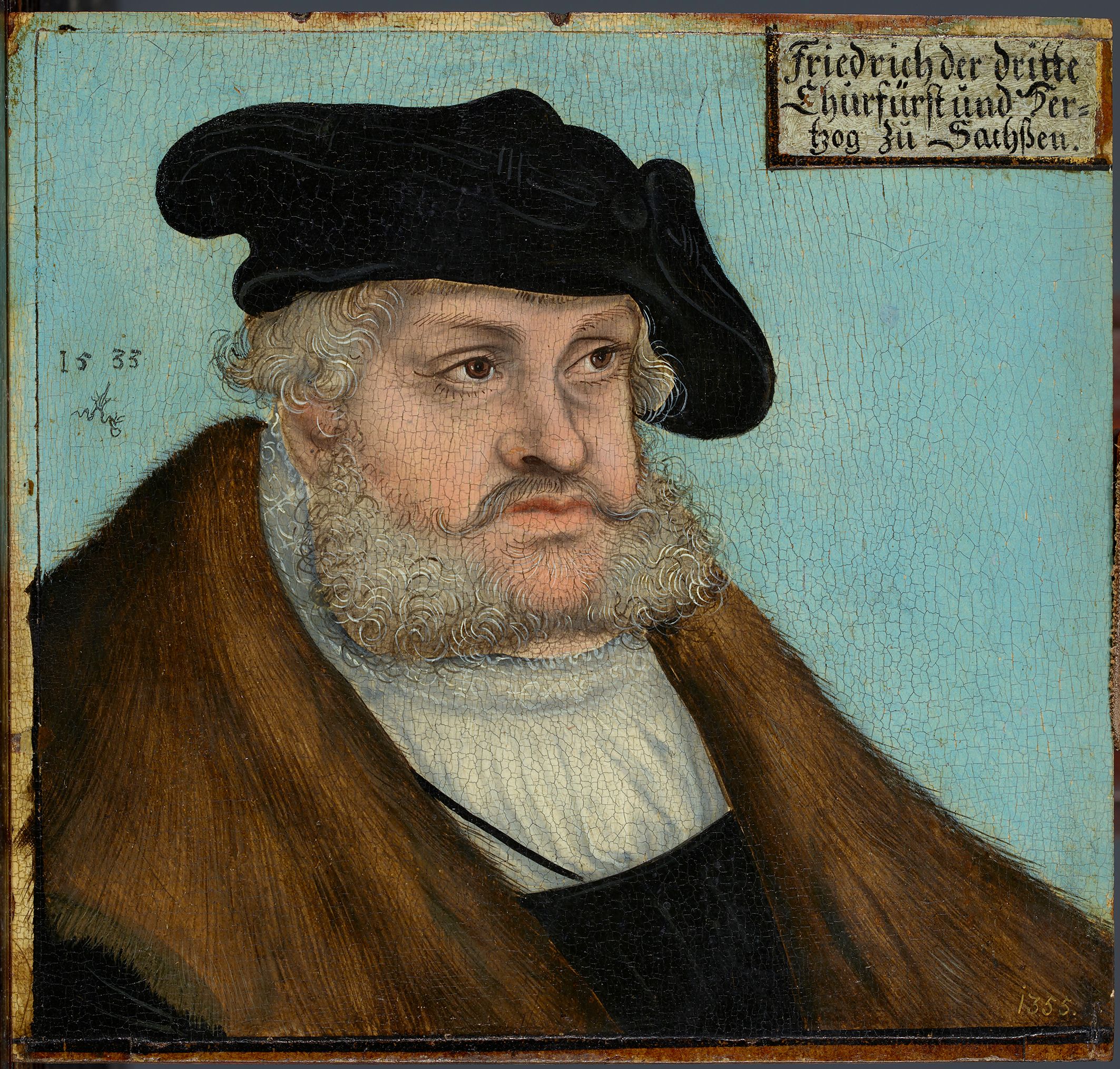
Tiny Cranach Painting That Vanished During WWII Returns to Dresden

A miniature portrait of Friedrich III (Frederick the Wise) by Lucas Cranach the Elder, missing since World War II, has been returned to the State Art Collections of Dresden, Germany. The painting was last documented in May 1945 in a limestone quarry shelter near Pockau-Lengefeld before vanishing. It resurfaced in 2024 when consigned to Parisian auction house Artcurial, whose provenance investigation revealed a matching inventory number from 1722–1728. The Dreyfus family in France, the modern owners, returned the work after negotiations and a financial agreement. It is now on view at the Coin Cabinet of the Royal Palace in a special exhibition marking the 500th anniversary of Friedrich III's death, and will later be permanently displayed in the Semper Gallery.

Heir Says Cézanne Watercolor Shown in Basel Was Lost During Nazi Era

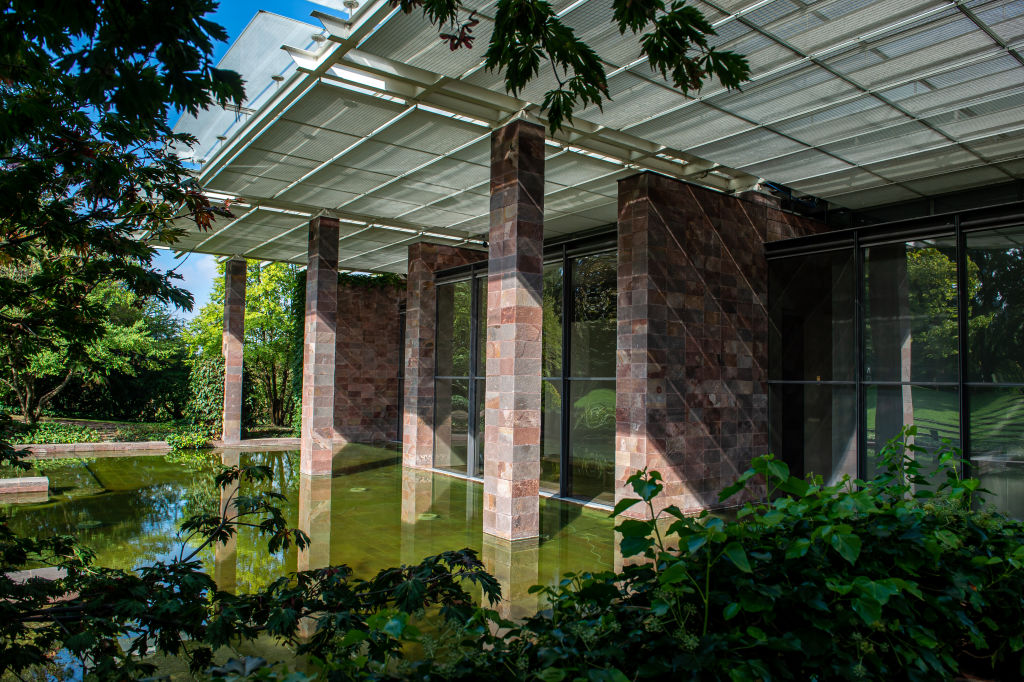
A Cézanne watercolor, *La Montagne Sainte Victoire* (ca. 1888), recently exhibited at the Fondation Beyeler in Basel, may have been lost by its Jewish owner due to Nazi persecution. Provenance researcher Willi Korte, working for the owner's heir, uncovered documents showing that Gustav Schweitzer, a Jewish businessman who fled Berlin in 1935, loaned the work to a 1936 exhibition at the Kunsthalle Basel. After the exhibition, Schweitzer asked the museum to safeguard the watercolor and help find a buyer; it was returned to his secretary in Paris in 1939, after which its whereabouts became unclear. The Fondation Beyeler stated it would inform the lender but return the work, citing a lack of legal authority to retain it.

Heir says Cezanne watercolour in Basel show was lost due to Nazi persecution

A watercolor by Paul Cézanne (1888) shown at the Fondation Beyeler's recent exhibition once belonged to Gustav Schweitzer, a Jewish businessman who fled Berlin in 1935. Provenance researcher Willi Korte discovered documents in Basel's public archives showing Schweitzer loaned the work to the Kunsthalle Basel for a 1936 exhibition. Correspondence continued until 1939, when the work was returned to Schweitzer's secretary. How Schweitzer lost ownership remains unknown, but Korte says it was either sold under duress or looted in Nazi-occupied territory. The Fondation Beyeler has stated it will return the work to its current lender, an unnamed private collector based in the US.

The Netherlands is confronting its history of Nazi occupation – but many stolen objects remain unreturned

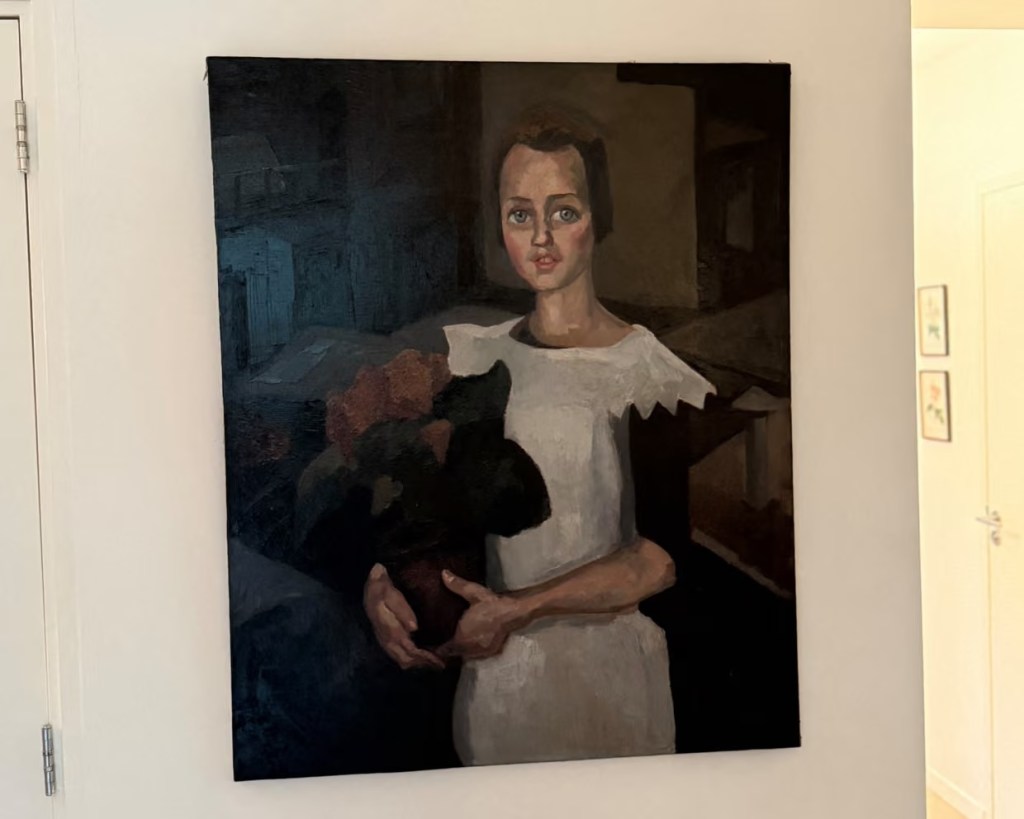
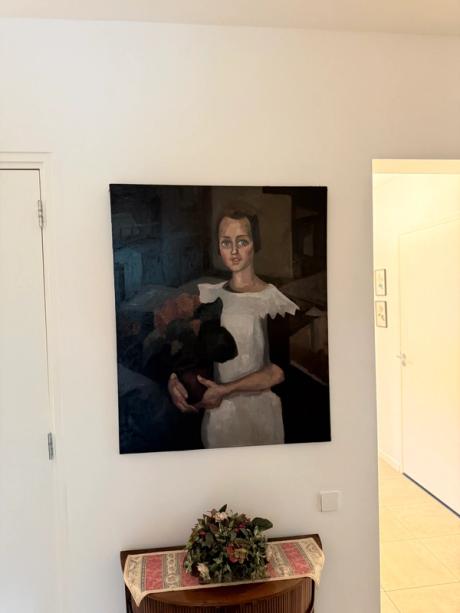
Arthur Brand, a Dutch art detective, was contacted by a man who discovered that his family descended from Hendrik Seyffardt, a high-ranking Nazi collaborator, and that a painting looted from Jewish art dealer Jacques Goudstikker remained in their possession. The painting, Toon Kelder's *Portrait of a Young Girl*, had hung in a relative's home near Utrecht for years. The family, who changed their name after WWII, handed the painting to Brand after the story broke in Dutch media, expressing shame and outrage over the silence surrounding their history.

French Court Rules That Lawsuit Between Monet Heirs and Wildenstein & Co. Gallery Can Proceed

A French court ruled that a lawsuit filed by Claude Monet's heirs against Wildenstein & Co. can proceed in Rouen, Normandy. The case stems from a 2004 transaction in which Monet's great-nephew traded the rare painting *Adolphe Monet Reading in a Garden* (1867) to the gallery in exchange for five lesser works, including a damaged Monet landscape *Marine, Amsterdam* (1874). The family claims the gallery concealed the damage, which was discovered when they tried to sell the painting in 2019. Wildenstein & Co. had argued the case should be heard in New York, but the court deemed the plaintiffs general consumers based in Normandy.

A Lucas Cranach the Elder Masterpiece Once Hung in Hitler’s Munich Apartment

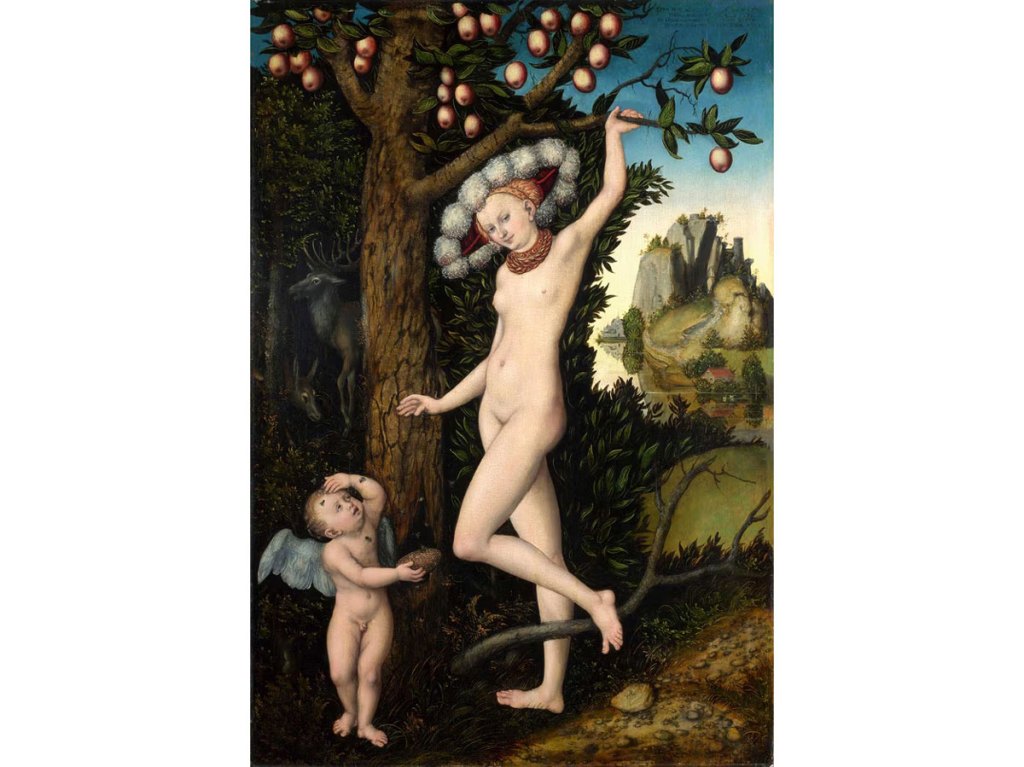
A Lucas Cranach the Elder painting, *Cupid complaining to Venus* (1526–27), once hung in Adolf Hitler's Munich apartment, according to a report by the Art Newspaper. The work was identified in a 1940s photograph published in a 1978 furniture catalog and later in a 2023 article by art historian Birgit Schwarz, who confirmed Hitler's ownership via a 2006 discovery of an album at the Library of Congress. After World War II, American journalist Patricia Lochridge took the painting from a warehouse in Berchtesgaden and smuggled it to the US. The National Gallery in London acquired it in 1963 from A. Silberman Galleries, which falsely claimed it came from the 1909 auction buyer's heir; it had actually been purchased from Lochridge.

Famous Cranach painting spotted in rare photograph of Hitler’s apartment

A rare photograph from the early 1940s reveals that Lucas Cranach the Elder's painting *Cupid complaining to Venus* (1526-27), now a masterpiece in the National Gallery, London, once hung in Adolf Hitler's private Munich apartment. The image, previously published in Germany by provenance expert Birgit Schwarz, appears for the first time in an English-language publication. The painting was acquired by the National Gallery in 1963 from E. and A. Silberman Galleries in New York, which provided a false provenance. It had been taken from a warehouse of recovered art in 1945 by American journalist Patricia Lochridge, who smuggled it into the United States.

Brunnen aus Kolbe-Museum gehört nun zu US-Privatsammlung

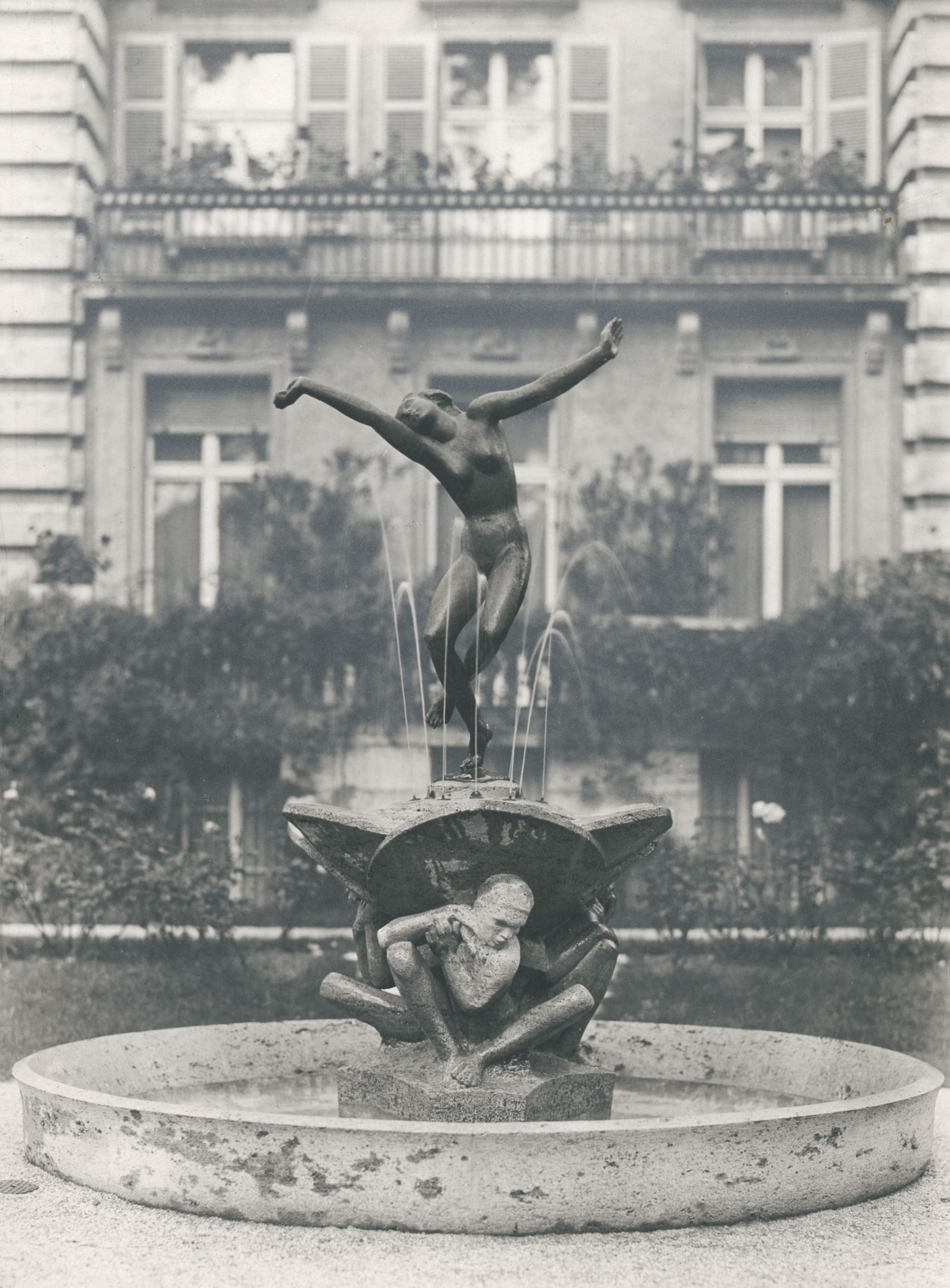
A bronze and travertine fountain by German sculptor Georg Kolbe, titled 'Brunnen mit der zierlichen Tänzerin' (1922), was auctioned at Grisebach in Berlin for €4 million, far exceeding its estimate of €1–1.5 million. The fountain, which had been in the garden of the Georg Kolbe Museum in Berlin since 1979, was recently restituted to the heirs of its original owner, Heinrich Stahl, a Jewish insurance director who perished in the Theresienstadt concentration camp. The winning bid came from a private collection in the United States, and the buyer's future plans for the work are unknown.

Fifty years after Franco, Spain begins to give back art seized during the Civil War

A 2022 Spanish law has quietly triggered a wave of restitutions of art looted during the Spanish Civil War, more than 50 years after dictator Francisco Franco's death. The Museo del Prado has identified 166 confiscated artworks in its collection, including works by Joaquín Sorolla and Pedro Atanasio Bocanegra, and has begun returning pieces such as a panel painting by Maestro de Lupiana to the parish of Yebes. Scholar Arturo Colorado Castellary has uncovered over 26,000 confiscated objects, with around a third never returned to their owners, many deposited in museums, churches, and public administrations.

Portrait looted by Nazis found in home of Dutch SS leader’s family

An artwork looted by the Nazis from the renowned Goudstikker collection has resurfaced in the home of descendants of Hendrik Seyffardt, a notorious Dutch SS collaborator. The painting, *Portrait of a Young Girl* by Toon Kelder, was discovered by art detective Arthur Brand after a family member contacted him, revealing that the piece had hung for decades in the home of Seyffardt’s granddaughter. Brand traced the painting to a 1940 auction where part of the looted Goudstikker collection was sold, and lawyers for the Goudstikker heirs have confirmed the work was stolen and called for its return.

No, the courts have not cleared the way for contemporary stained-glass windows at Notre-Dame

Non, la justice n'a pas laissé la voie libre aux vitraux contemporains de Notre-Dame

The article clarifies that legal challenges against installing contemporary stained-glass windows in Notre-Dame Cathedral are still ongoing, contrary to misleading headlines. Two judicial procedures remain active: an appeal by the heritage association Sites & Monuments after losing a first-instance ruling on procedural grounds, and a separate case contesting the legitimacy of the works themselves. Although an emergency injunction was denied because the judge found no urgency, the core legal arguments—that replacing Viollet-le-Duc's windows is not conservation or restoration—remain strong. The author warns that if the windows are installed before the appeals are resolved, they may later have to be removed at great expense.

British artist says the Met ‘should take responsibility’ for dress copyright dispute

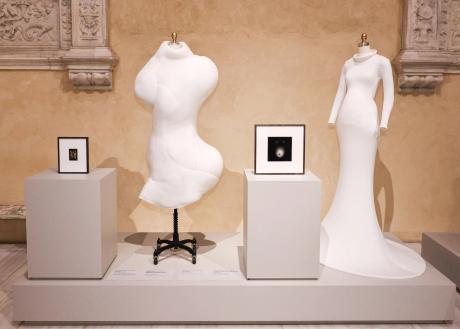
British artist Anouska Samms has publicly criticized the Metropolitan Museum of Art in New York over a copyright dispute involving a dress displayed in the Met Gala opening exhibition. Samms claims the museum included a garment called the Nervina Hair Dress, which she says is a copy of her collaborative work Hair Dress, created with fashion designer Yoav Hadari during their residency at the Sarabande Foundation. The Met had expressed interest in acquiring the original dress for its Costume Art exhibition but shelved those plans in December. Samms says she was not credited or paid, while Hadari acknowledges her IP rights over the textile but asserts the design and construction are his own. The Met has declined to comment, directing the artists to resolve the matter themselves.

Heir of Margarethe Lieser Sues for Restitution of Gustav Klimt Portrait That Fetched $37.5 M. at Auction in Austria Before the Sale Fell Through

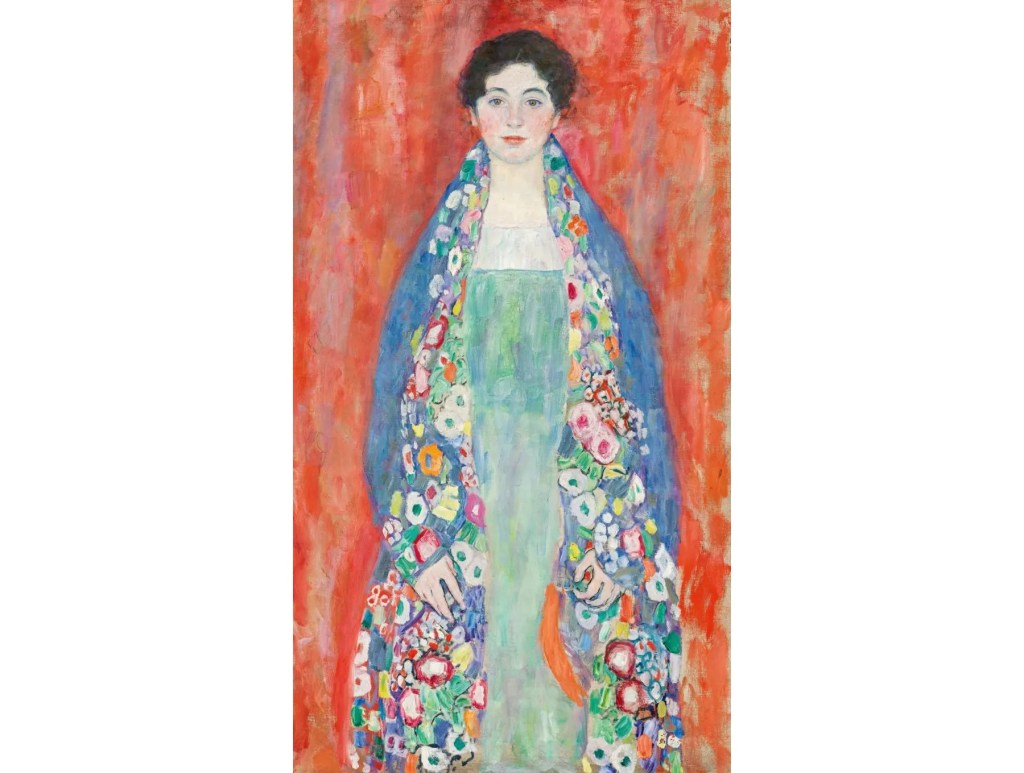
A woman claiming to be the sole heir of Margarethe Lieser has filed a lawsuit in New York State Supreme Court seeking restitution of Gustav Klimt's "Portrait of Fräulein Margarethe Lieser." The painting was sold at Im Kinsky auction house in Austria in 2024 for $37.5 million, setting a record for any artwork sold at auction in Austria, but the Hong Kong collector buyer withdrew their offer after the sale. The suit, filed by Patricia J. Leahy on behalf of herself and others, names Austria's Eva Ropper and Im Kinsky as defendants, alleging the auction house failed to properly identify the subject and ignored the painting's Nazi-era provenance.

In This Nazi-Era Restitution Dispute, the Focus Turns to a Missing Cow

A family is seeking restitution of a painting they believe is a lost Rubens work, looted by Nazis during World War II. However, an expert has cast doubt on the claim, arguing the painting is a copy because it lacks a distinctive detail found in the original: a urinating cow. The dispute has shifted focus to this missing element, complicating the family's efforts to recover the artwork.

Nazi-Looted Portrait Surfaces in Home of Descendants of Dutch SS Leader

A Nazi-looted painting, *Portrait of a Young Girl* by Dutch artist Toon Kelder, has been discovered in the home of descendants of Hendrik Seyffardt, a Dutch SS collaborator who aided the Nazis during World War II. The work, stolen from the renowned Goudstikker collection, was allegedly displayed for decades by Seyffardt's family. An anonymous descendant contacted art detective Arthur Brand after learning of his family's past and seeing the painting in the hallway of Seyffardt's granddaughter. The family member told Dutch newspaper *De Telegraaf* that he feels "deep shame" and insists the painting must be returned to the Jewish rightful heirs.

Sammlung Horn bleibt dauerhaft auf Schloss Gottorf

Bettina Horn, the Berlin-based art collector and philanthropist, has announced her intention to donate the Horn Collection—over 500 works of German Expressionist art—to the state of Schleswig-Holstein, ensuring its permanent home at Schloss Gottorf in Schleswig. The collection includes major pieces by Emil Nolde, Ernst Barlach, Christian Rohlfs, and members of the Brücke group such as Kirchner, Schmidt-Rottluff, Heckel, and Pechstein, as well as contemporary sculptures. Parts of the collection have been exhibited at Schloss Gottorf since 1988, and a dedicated gallery was established in 1995. After a two-year international tour, the works will return to the newly renovated Galerie der Moderne in July.

Nazi-looted painting discovered in home of Dutch SS commander's heirs

Art detective Arthur Brand announced the discovery of a Nazi-looted painting, *Portrait of a Young Girl* by Toon Kelder, in the home of the heirs of Hendrik Seyffardt, a notorious Dutch SS commander. The painting was part of the more than 1,100 works plundered from Amsterdam art dealer Jacques Goudstikker by German occupiers. An anonymous heir, who changed his family name, contacted Brand after learning of his ancestry, expressing shame and demanding the painting be returned to the rightful Jewish owners. The current owner, a relative, claims ignorance of its provenance and says the family is discussing restitution.

The Founders of Open Restitution Africa (ORA) on Their New Open Data Platform

On March 31, the research initiative Open Restitution Africa (ORA) launched the ORA Open Data Platform, a database providing information on the restitution of African artifacts and ancestral remains. Developed over six years by ORA’s all-woman, pan-African team, the site uses case histories and AI-powered tools to offer practical insights into the return process, available in French and English. It presents 25 case histories spanning 200 years, using data visualizations, essays, and interactive tools to help individuals and communities develop their own restitution strategies. ARTnews interviewed founders Chao Tayiana Maina and Molemo Moiloa about the project's origins and goals.

Long-Lost Lucas Valdés Paintings Resurface at Auction Amid Spain’s Restitution Battles

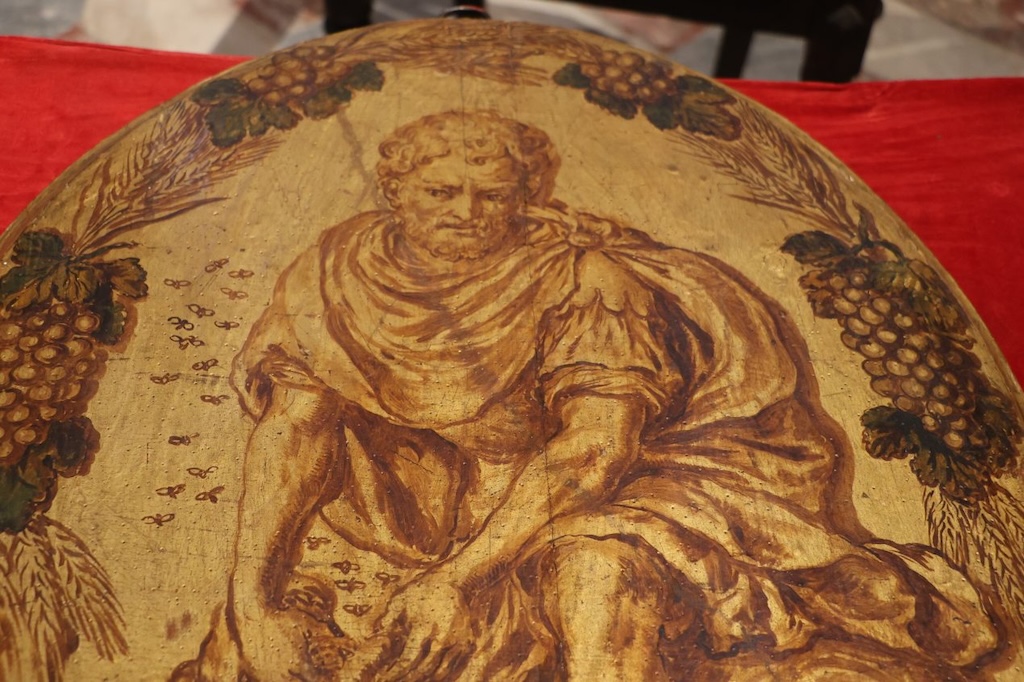
Spanish police have recovered two 17th-century paintings by Sevillian artist Lucas Valdés that went missing nearly a century ago after being loaned to the 1929 Ibero-American Exposition in Seville. The oval oil-on-pine-panel works, originally part of the main altarpiece at the Hospital of the Venerable Priests, resurfaced when consigned for auction in September 2025. Alerted by the Archdiocese of Seville, Spain's Culture Ministry and National Police intervened before the sale, confirmed the works' identity, and negotiated their return to the hospital last week.

Guatemala stakes claim to stone lintel by 'the Michelangelo of the pre-Columbian era' that was repatriated to Mexico

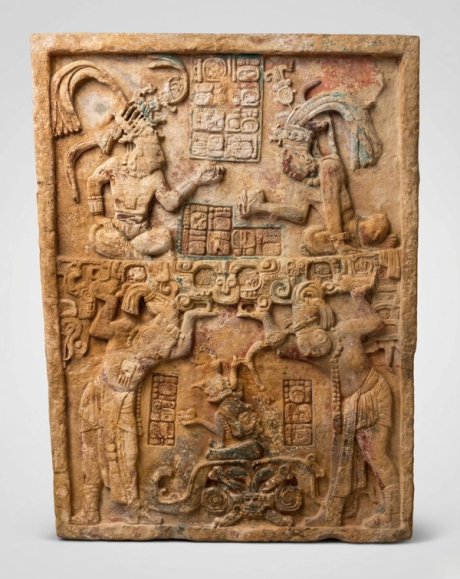
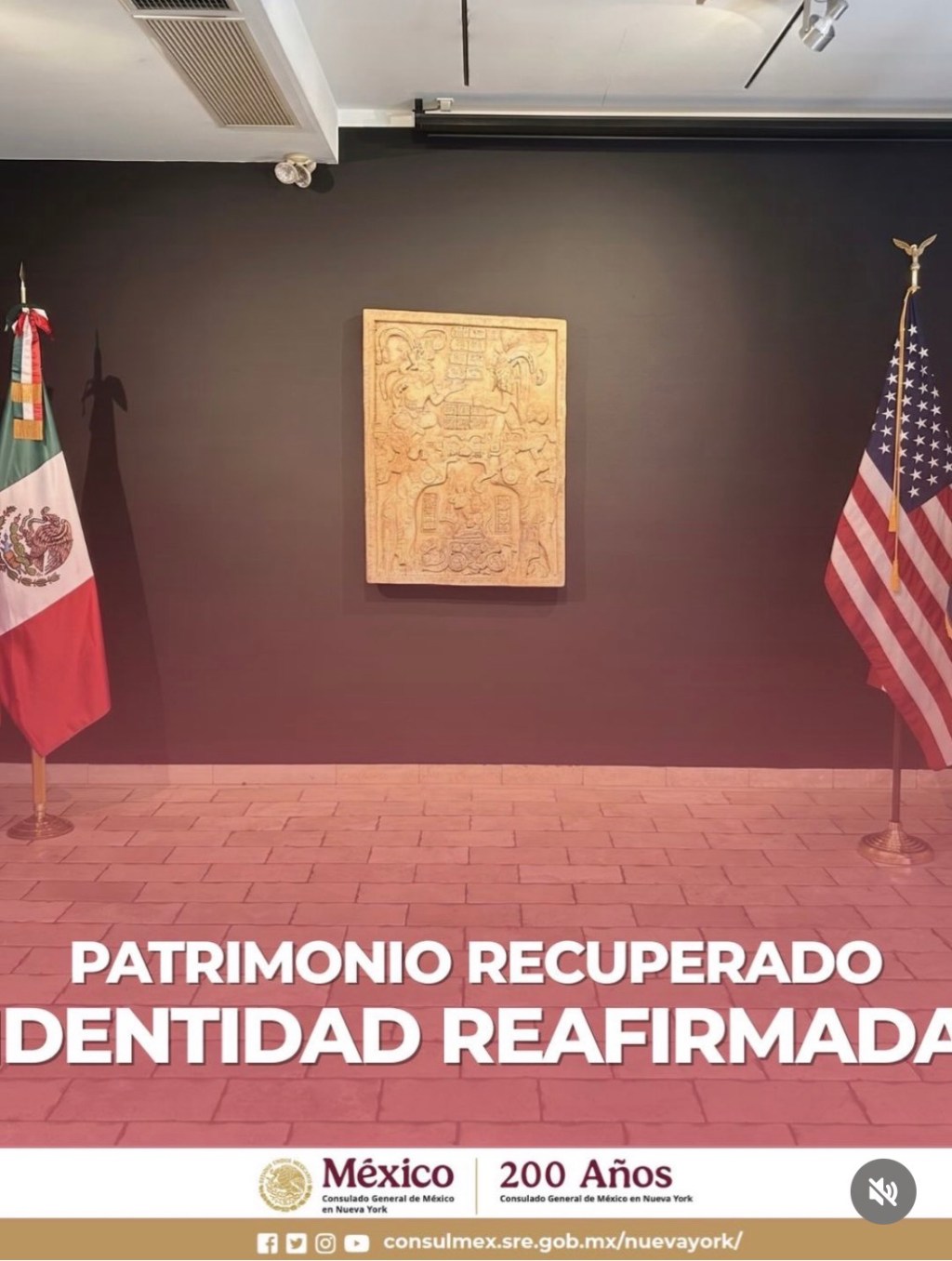
A Maya stone lintel, dating from AD600-AD900 and depicting a ritual scene associated with the ruler Cheleew Chan K'inich, was repatriated to Mexico on April 16 after being turned over to the Mexican consulate in New York by an unnamed US businessman. However, hours after the ceremony, experts determined the lintel actually originated from Guatemala's Petén Basin. Guatemala's cultural ministry, led by minister Luis Méndez Salinas, has formally requested the object's return through diplomatic channels, citing technical analysis and consultations with archaeologists.

Who Owns These Artworks? Musée d’Orsay Hopes Visitors Can Help Find Out.

The Musée d’Orsay in Paris has opened a new room in its permanent display featuring 13 artworks recovered from Germany and Austria after World War II, whose provenance remains unknown. The museum is inviting visitors to help identify the original owners of these pieces, which were looted or displaced during the war and later restituted to France.

Muralist Robert Wyland Files $25 M. Lawsuit Over Dallas Whale Mural Destroyed For World Cup

Florida-based artist Robert Wyland has filed a $25 million federal lawsuit against FIFA, Slate Asset Management, and 3PZ Property Company after his mural *Ocean Life* (1999) was painted over in May 2026 at 505 N Akard Street in Dallas. The eight-story-high, 17,000-square-foot mural, part of Wyland's global Whaling Wall series, depicted endangered humpback whales and dolphins and was destroyed ahead of World Cup games hosted in Dallas. Wyland alleges the destruction violates his rights under the Visual Artists Rights Act of 1990 (VARA), claiming he was never contacted for permission, while the city of Dallas contends he was asked.

Controversy resurfaces in Colombia over treasure-filled San José shipwreck

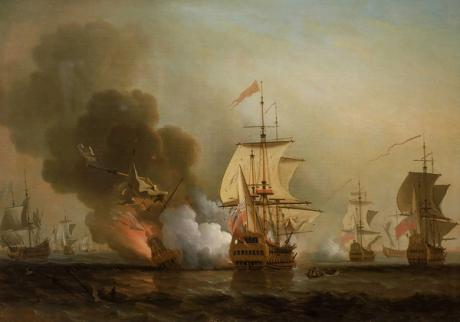
Controversy has resurfaced in Colombia over the San José, a Spanish galleon that sank in 1708 with a cargo of gold, silver, and emeralds. The oversight group Veeduría Nacional para el Control Social del Patrimonio Cultural Sumergido de Colombia (VNPCS) issued an open letter to the attorney general, alleging a lack of transparency, looting, and unauthorized interventions at the wreck site in 2016 and 2022. The group claims that the site's coordinates, considered a state secret, have been disclosed. The dispute involves multiple parties, including the Swiss treasure-hunting firm Maritime Archaeology Consultants (MAC), which helped locate the ship in 2015 and is now seeking compensation, and the US-based salvage company Sea Search Armada, which claims to have found the galleon in the 1980s and is seeking $10 billion. The ship was designated a protected archaeological area in 2024, placing it under the jurisdiction of the Colombian Institute of Anthropology and History (ICANH), but critics argue that earlier allegations of looting were ignored.

Authorities in New York return more than 650 looted antiquities, valued at nearly $14m, to India

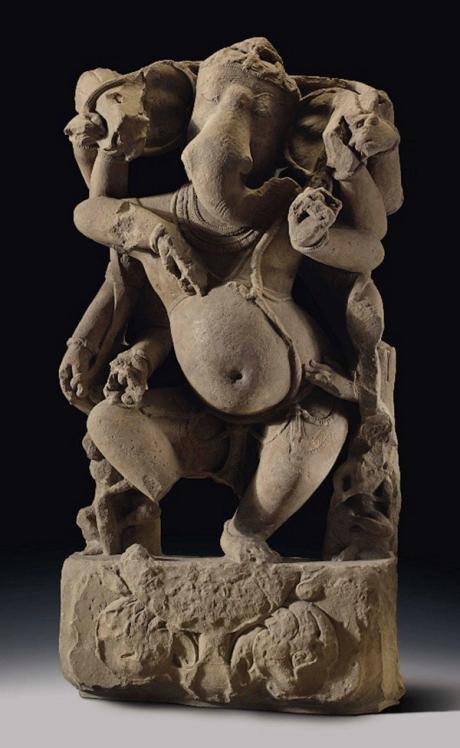
The Manhattan District Attorney's office, led by Alvin Bragg, returned 657 looted antiquities valued at nearly $14 million to Indian authorities in late March 2025. The pieces, recovered through investigations into criminal trafficking networks, include a $2 million bronze Avalokiteshvara stolen from a museum in Raipur, a $7.5 million red sandstone Buddha smuggled by convicted trafficker Subhash Kapoor, and a sandstone dancing Ganesha looted from a Madhya Pradesh temple that passed through dealer Doris Wiener and was sold at Christie's in 2012.

Catalonia Sues Aragón for €791,000 for Repayment Over Restitution of 56 Artworks

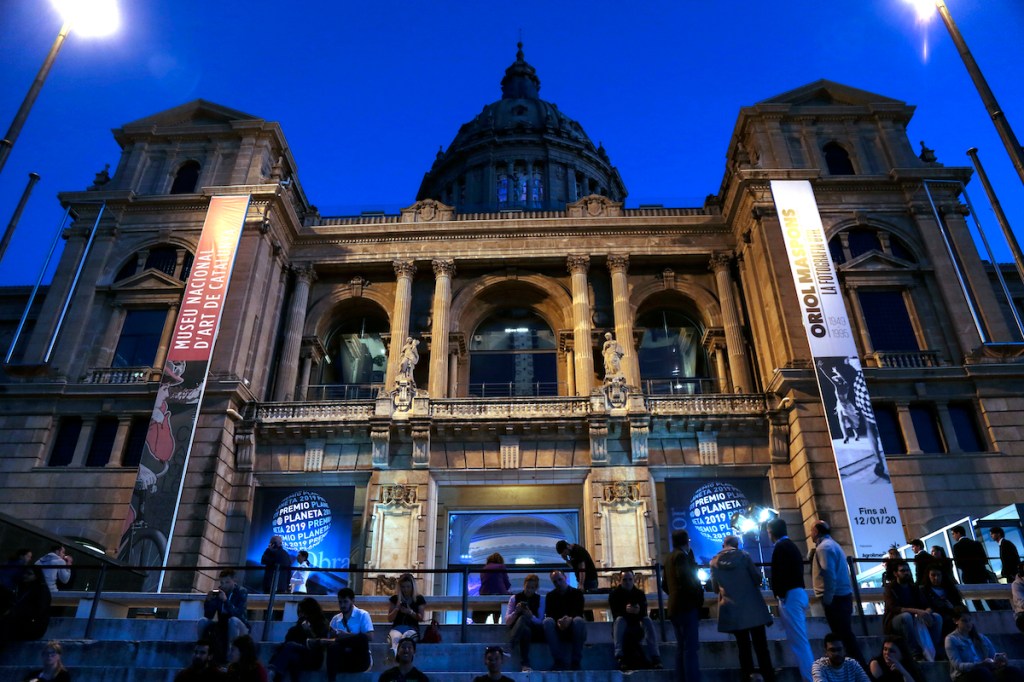
The Catalan government has formally demanded €791,000 (approximately $920,000) from the Aragonese government to recoup costs related to the value and upkeep of 56 artworks from the Royal Monastery of Santa María de Sigena. The works were removed from the monastery in 1936 for safekeeping during the Spanish Civil War, and Spain's Supreme Court ruled in 2021 that they must be returned to Aragón. Of the 56 pieces, 12 were held at the National Art Museum of Catalonia and 44 at the Diocesan Museum of Lleida. The Catalan government has given Aragón 30 days to negotiate a settlement before returning to court.

Bordeaux Refuses a Bequest of African Art to Favor the Return of Works to Their Countries of Origin

Bordeaux refuse un legs d’art africain pour favoriser le retour des œuvres vers leurs pays d’origine

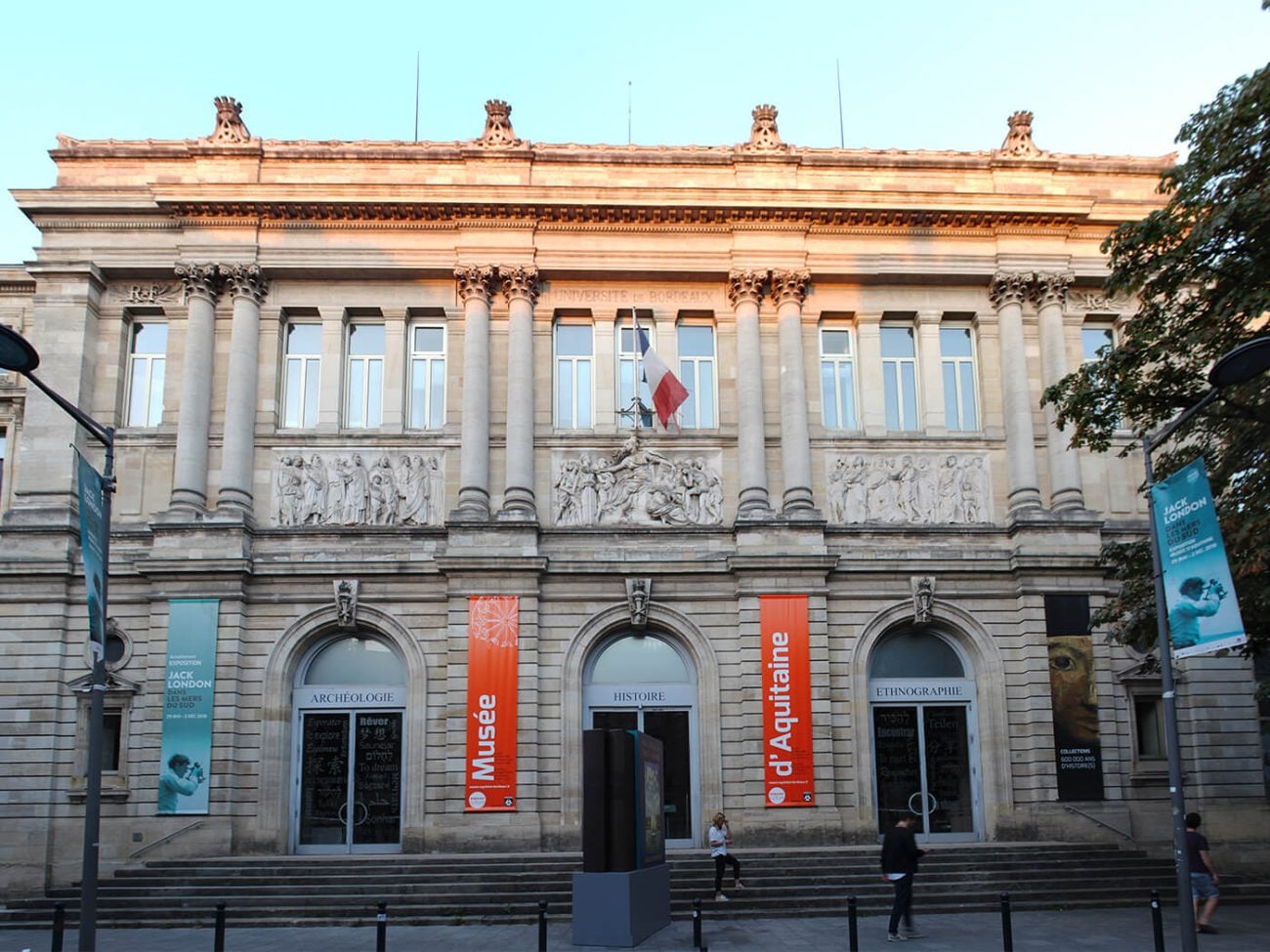
The city of Bordeaux is set to make a rare decision in the French museum landscape by officially refusing a bequest of 53 African artifacts on June 1, 2026, in order to facilitate their return to countries of origin. The collection, left by Marie-Thérèse Petit, a midwife who lived in Togo, Gabon, and Niger, includes 64 cultural items and a lot of Tuareg jewelry, with the largest group of 33 pieces from Gabon's Tsogo region. Following consultations with several African states and the French Ministry of Culture, Gabon, Nigeria, and Côte d'Ivoire have expressed interest in repatriation, while Niger, the Democratic Republic of Congo, Burkina Faso, and Togo have two years to decide.

Condemned by Francoism, a writer rehabilitated by the Spanish Congress

Condamné par le franquisme, un écrivain réhabilité par le Congrès espagnol

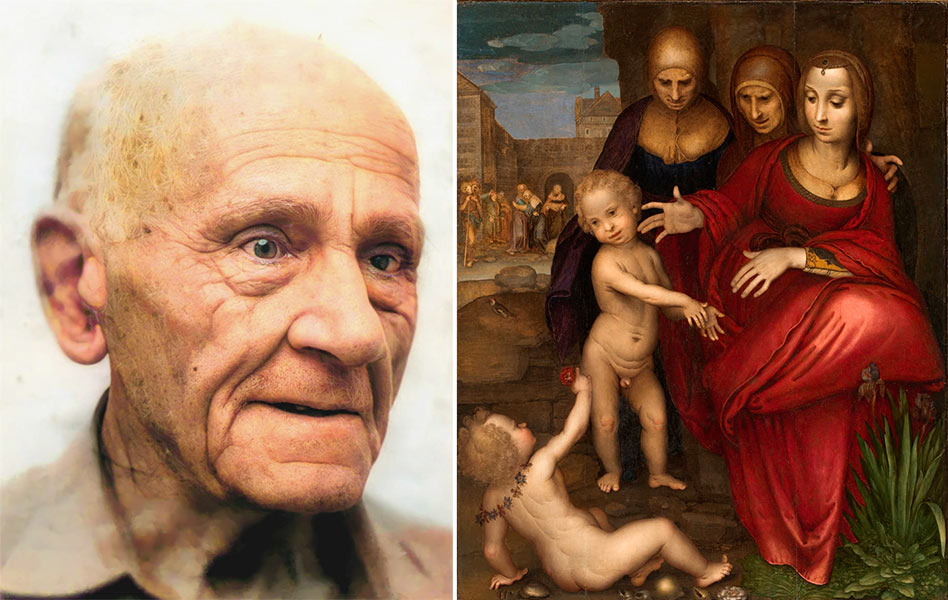
The Spanish Congress has officially rehabilitated Cipriano Salvador (1894-1975), a Republican intellectual wrongly accused by the Franco regime of stealing a Renaissance painting he actually saved. During the Spanish Civil War, Salvador hid Fernando Yáñez's "La Santa Generación" (c. 1525-1532) from destruction. After Franco's victory, a priest sold the work to the Prado Museum for 15,000 pesetas, while Salvador was arrested, sentenced to death (later commuted to 30 years), and spent seven years in prison. He died in 1975 without exoneration. The rehabilitation motion passed with 32 votes in favor, 3 against, and 1 abstention, with only far-right party Vox opposing.

Mexico Demands a Halt to an Auction of Mexican Artifacts in Colorado

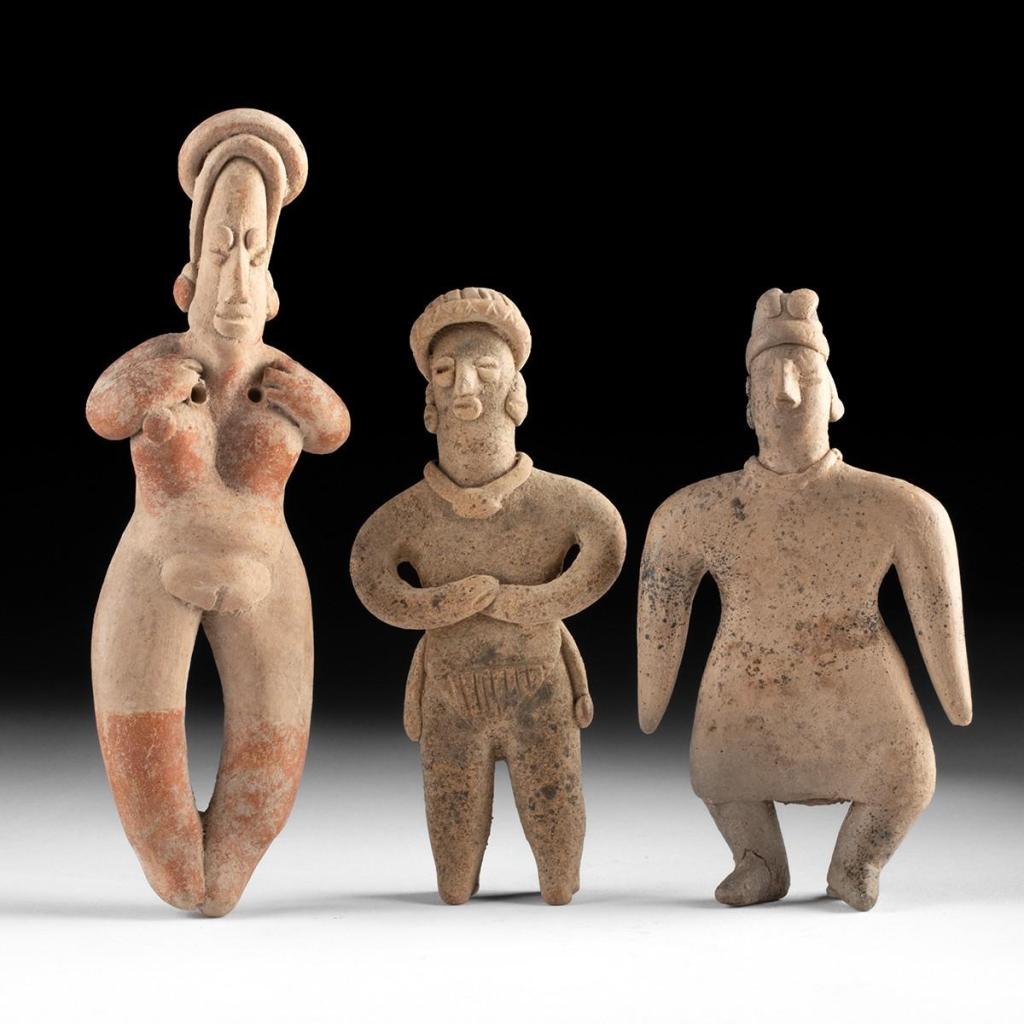
Mexico’s Ministry of Culture has demanded the suspension of an auction organized by Artemis Fine Arts in Louisville, Colorado, scheduled for today. The sale, titled “Fine/Visual Art, Ancient, Ethnographic Art,” includes 80 artifacts of Mexican origin flagged by the National Institute of Anthropology and History (INAH). Culture Secretary Claudia Curiel de Icaza stated, “Our heritage is not an object of profit,” emphasizing Mexico’s commitment to cultural sovereignty. Under Mexican law, such artifacts are property of the state and their export has been illegal since 1827, meaning any found abroad are considered illegally extracted.

Long-Lost 17th-Century Altarpiece Paintings Recovered After Nearly 100 Years

Spanish police have recovered two long-lost 17th-century altarpiece paintings by Baroque painter Lucas Valdés, which disappeared after being shown at the 1929 Ibero-American Exhibition of Seville. The works, depicting Old Testament scenes, were identified in an auction house catalog in September 2025, authenticated by the Spanish Historical Heritage Brigade, and returned to the Hospital of the Venerable Priests in Seville on May 20, 2026, after a mediation process with the consignors.

1,200-Year-Old Limestone Lintel was Inadvertently Repatriated to Mexico Instead of to Guatemala

A 1,200-year-old limestone lintel, carved by the ancient Maya artist Mayuy and depicting a ruler of Yaxchilán, was repatriated from the United States to Mexico in mid-April after an American businessman turned it over to the Mexican consulate in New York. However, Guatemala's cultural minister has begun proceedings to reclaim the artifact, arguing that it was originally removed from the Guatemalan side of the Usumacinta River, not Mexico. The lintel was first documented by American explorers Dana and Ginger Lamb in the 1950s in an area called Laxtunich, and its exact provenance has been disputed by scholars.