filter_list Showing 40 results for "French" close Clear
search
dashboard All 856 museum exhibitions 333article news 162trending_up market 98article policy 59person people 51article culture 49gavel restitution 40article local 32candle obituary 19rate_review review 12article event 1
date_range Range Today This Week This Month All
Subscribe

France Passes Landmark Restitution Law for Looted Art

France has passed a landmark restitution law for looted art, marking a significant shift in the country's approach to addressing Nazi-era confiscations and colonial-era acquisitions. The legislation establishes a legal framework for returning artworks and cultural objects to their rightful owners or heirs, streamlining a process that previously required case-by-case parliamentary approval. This law is expected to accelerate the return of thousands of items held in French museums and public collections.

Jewish Heirs File Suit in French Court Over Ownership of Pissarro Painting

jewish heirs file suite french court met ownership pissarro painting

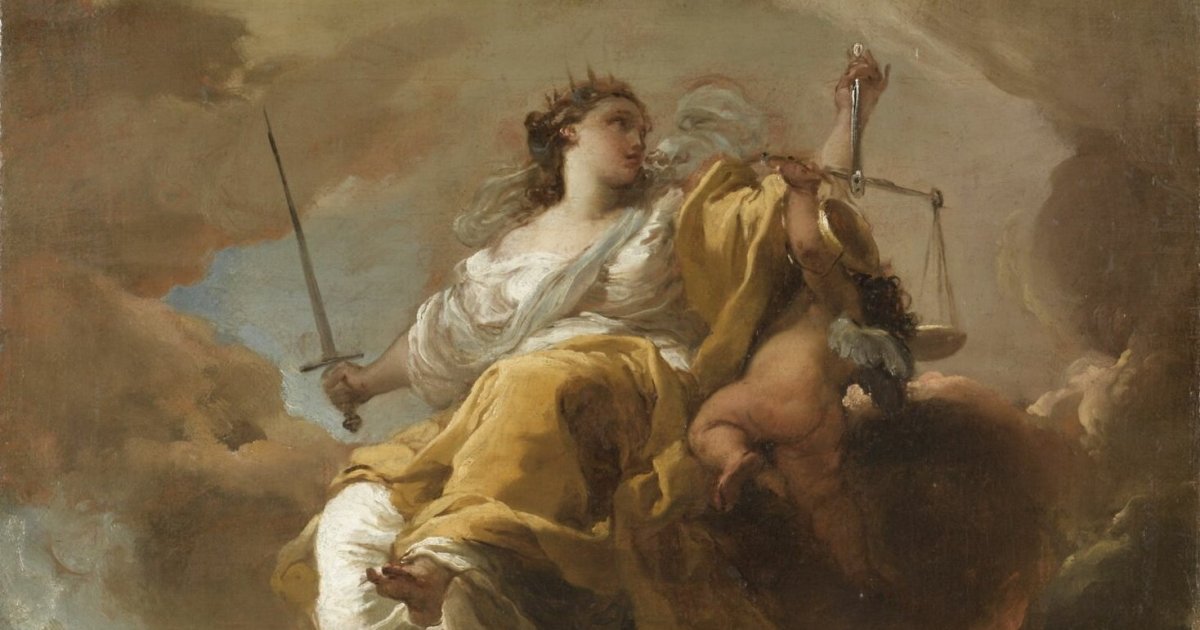
Seven heirs of the late department store magnate and art collector Max Julius Braunthal have filed a lawsuit in a French court, seeking to nullify the 1941 sale of Camille Pissarro's painting 'Haystacks, Morning, Eragny' (1899). They argue the sale was made under duress during the Nazi occupation of France. The painting is now in the collection of the Metropolitan Museum of Art, which maintains Braunthal received fair market value.

jacques louis david versailles

The Palace of Versailles has agreed to reexamine the provenance of a Jacques-Louis David sketchbook from 1790 after a Radio France investigation revealed it was looted by the Nazis during World War II. The sketchbook was stolen from Professor Lereboullet in July 1940, sold by Munich's Karl and Faber gallery in 1943, then acquired by dealer Otto Wertheimer before being purchased by Versailles in 1951. The museum claims it was unaware of the theft, and France's ministry of culture has promised further research and discussions with the descendants.

stolen painting saint francis returned mexico church

A painting of Saint Francis of Assisi, stolen from the Church of San Francisco de Asis in Teotihuacán, Mexico, in 2001, has been recovered and returned to the church. The six-foot-tall work, painted in 1747 by an unknown artist, was among 18 artworks taken in a nighttime theft. It resurfaced in 2018 when it was consigned to Mexico City auction house Morton Subastas, whose due diligence with the Art Loss Register flagged it as stolen. The painting, valued at 280,000 Mexican pesos ($15,000), was returned to the church in a ceremony led by Padre Teodoro García Romero.

yves kleins sued stuart semple blue paint

British artist Stuart Semple has been ordered by a French court to pay €16,000 ($18,200) in damages for selling a blue paint called Easy Klein, which he developed as a tribute to Yves Klein. The ruling, issued on what would have been Klein’s 97th birthday, sided with Klein’s estate and trademark holders—Blue Bay Limited, RUK (the company managing Klein’s copyrights), and Klein’s son Yves Amu Klein—who argued that Semple’s product unfairly capitalized on Klein’s legacy. Semple denies the claims and plans to appeal, stating that the packaging was a satirical riff on Calvin Klein perfume, not an attempt to confuse consumers.

national gallery artemisia gentileschi provenance

The National Gallery in London is preparing to unveil Artemisia Gentileschi's 'Self-Portrait as Saint Catherine of Alexandria,' a major 2018 acquisition. However, the museum has quietly added the painting to its list of works that could have been looted during the Nazi era due to a gap in its provenance from 1615 to the 1940s, specifically concerning its ownership by the French Boudeville family during the war.

men guilty forging selling fake royal furniture versailles

An antiques expert and a cabinet maker have been found guilty of forging and selling nine imitation 18th-century armchairs that they falsely claimed belonged to French royalty, including Marie Antoinette. Georges "Bill" Pallot, a leading furniture expert, and Bruno Desnoues, a former Versailles restorer, sold the fakes through Paris galleries and Sotheby's to the Château of Versailles and private collectors, including Qatari Prince Tamim ibn Hamad Al Thani and an Hermès family heir. Pallot was sentenced to four years in prison (44 months suspended), fined €200,000, and banned from working as an expert for five years; Desnoues received three years (32 months suspended) and a €100,000 fine. Both must pay €1.6 million in indemnities. The gallery Laurent Kraemer was acquitted, with the court ruling it was also a victim.

Lebanese Artist Ali Cherri Files War Crimes Complaint Against Israel After 2024 Beirut Bombing

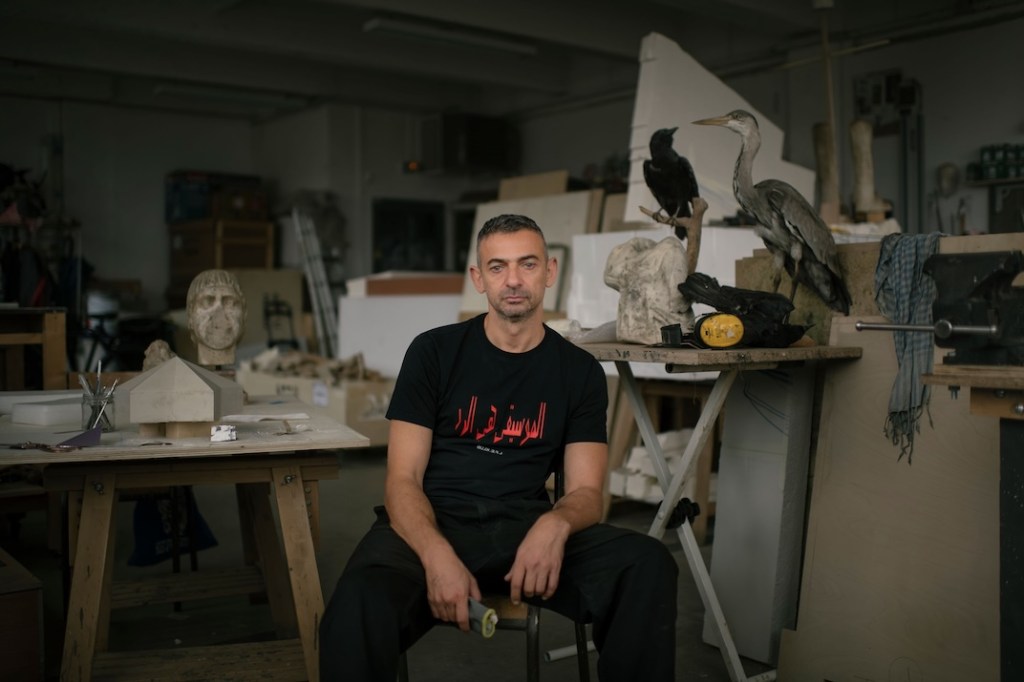
Lebanese artist Ali Cherri, with the International Federation for Human Rights (FIDH), has filed a civil complaint in France seeking an investigation into an Israeli airstrike on a Beirut residential building in November 2024. The strike killed seven civilians, including Cherri's parents. The complaint, supported by forensic analysis from Forensic Architecture and Amnesty International, alleges the attack used munitions documented as being employed by the Israeli air force and targeted a civilian object, potentially constituting a war crime.

After 11 Years in Court, Heir Reclaims a Modigliani Looted by the Nazis

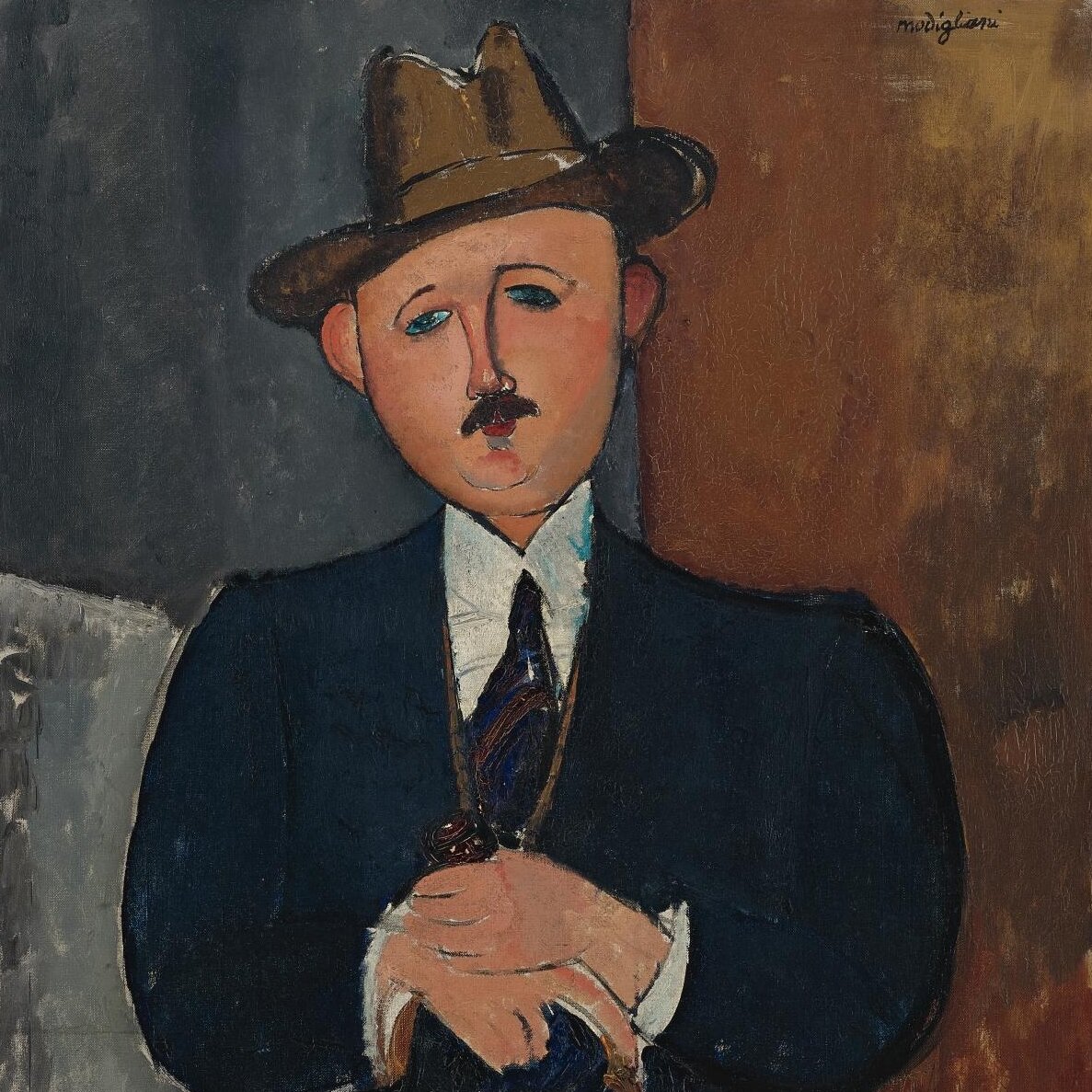
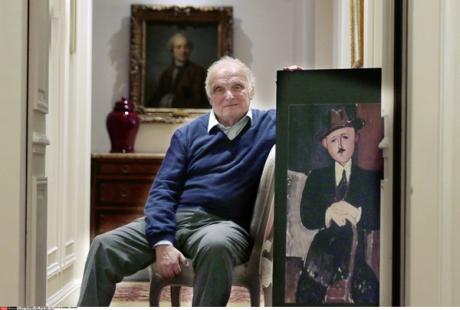
A French court has ordered the restitution of a 1918 Amedeo Modigliani painting, "Seated Man with a Cane," to the heir of its original Jewish owner. The artwork was looted by the Nazis in 1944 and had been held for decades by a holding company controlled by billionaire art dealer David Nahmad, who purchased it at auction in 1996.

No, the courts have not cleared the way for contemporary stained-glass windows at Notre-Dame

Non, la justice n'a pas laissé la voie libre aux vitraux contemporains de Notre-Dame

The article clarifies that legal challenges against installing contemporary stained-glass windows in Notre-Dame Cathedral are still ongoing, contrary to misleading headlines. Two judicial procedures remain active: an appeal by the heritage association Sites & Monuments after losing a first-instance ruling on procedural grounds, and a separate case contesting the legitimacy of the works themselves. Although an emergency injunction was denied because the judge found no urgency, the core legal arguments—that replacing Viollet-le-Duc's windows is not conservation or restoration—remain strong. The author warns that if the windows are installed before the appeals are resolved, they may later have to be removed at great expense.

France’s new restitution law passes final vote

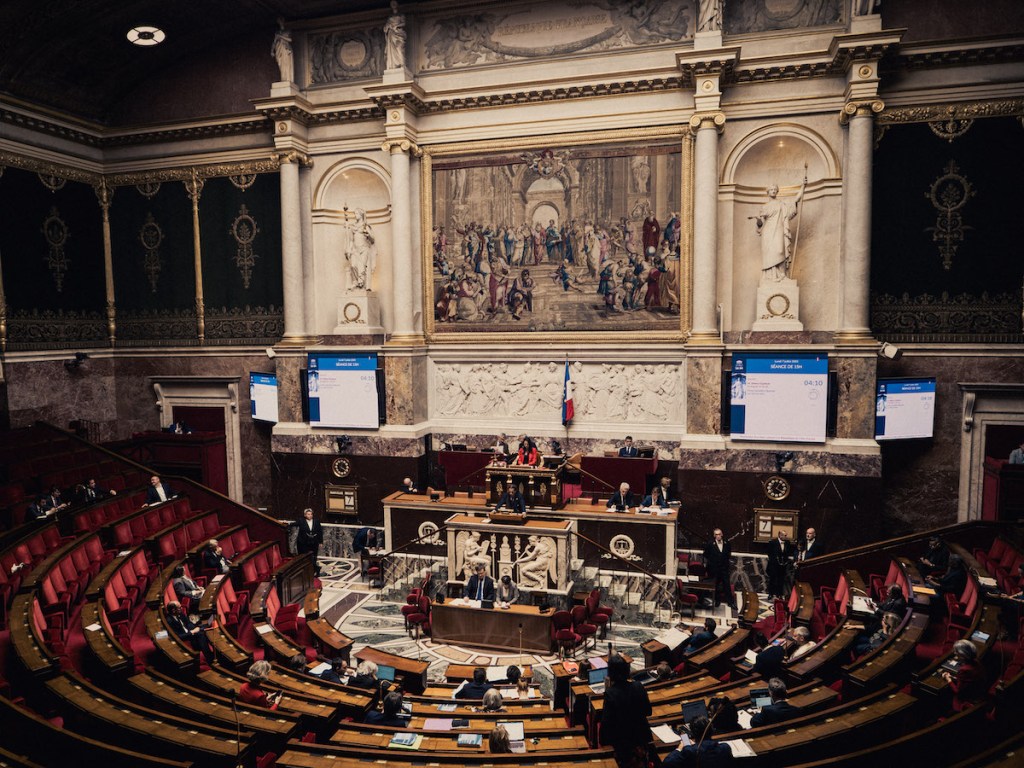
The French parliament has officially passed framework legislation establishing a legal pathway for the restitution of cultural artifacts looted from former colonies. This landmark law, inspired by a report from former Louvre director Jean-Luc Martinez, allows for the deaccession of items taken by force or under duress between 1815 and 1972. While the law fulfills a 2017 pledge by President Emmanuel Macron, it remains strictly supervised, requiring bilateral scientific committees to verify claims and excluding military archives and archaeological shares.

France Returns Looted Talking Drum to Côte d’Ivoire

france returns looted talking drum cote divoire

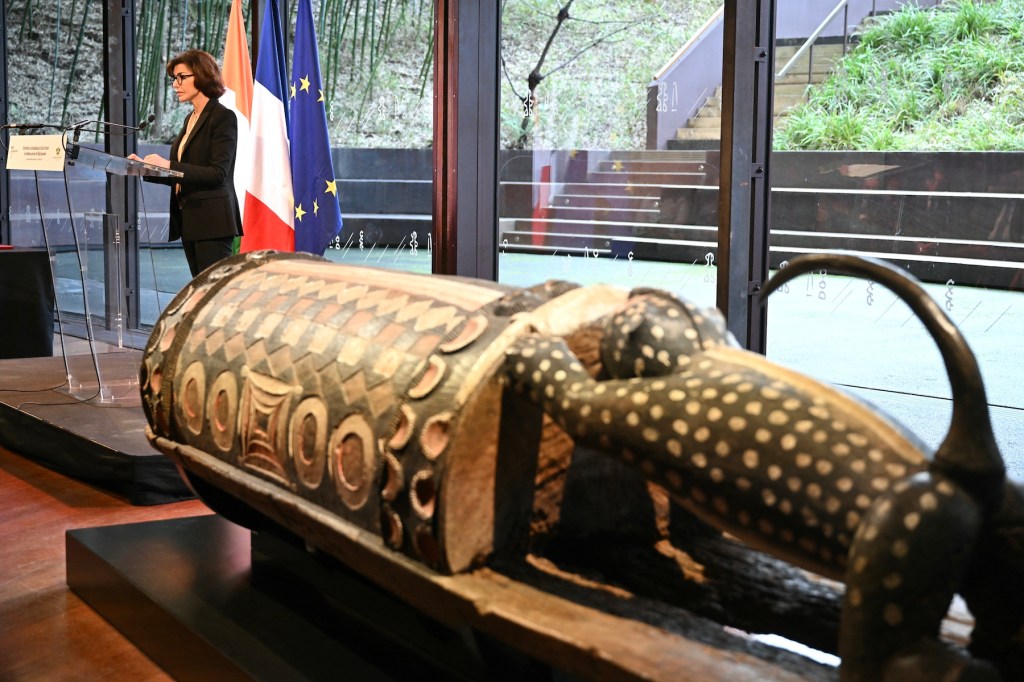
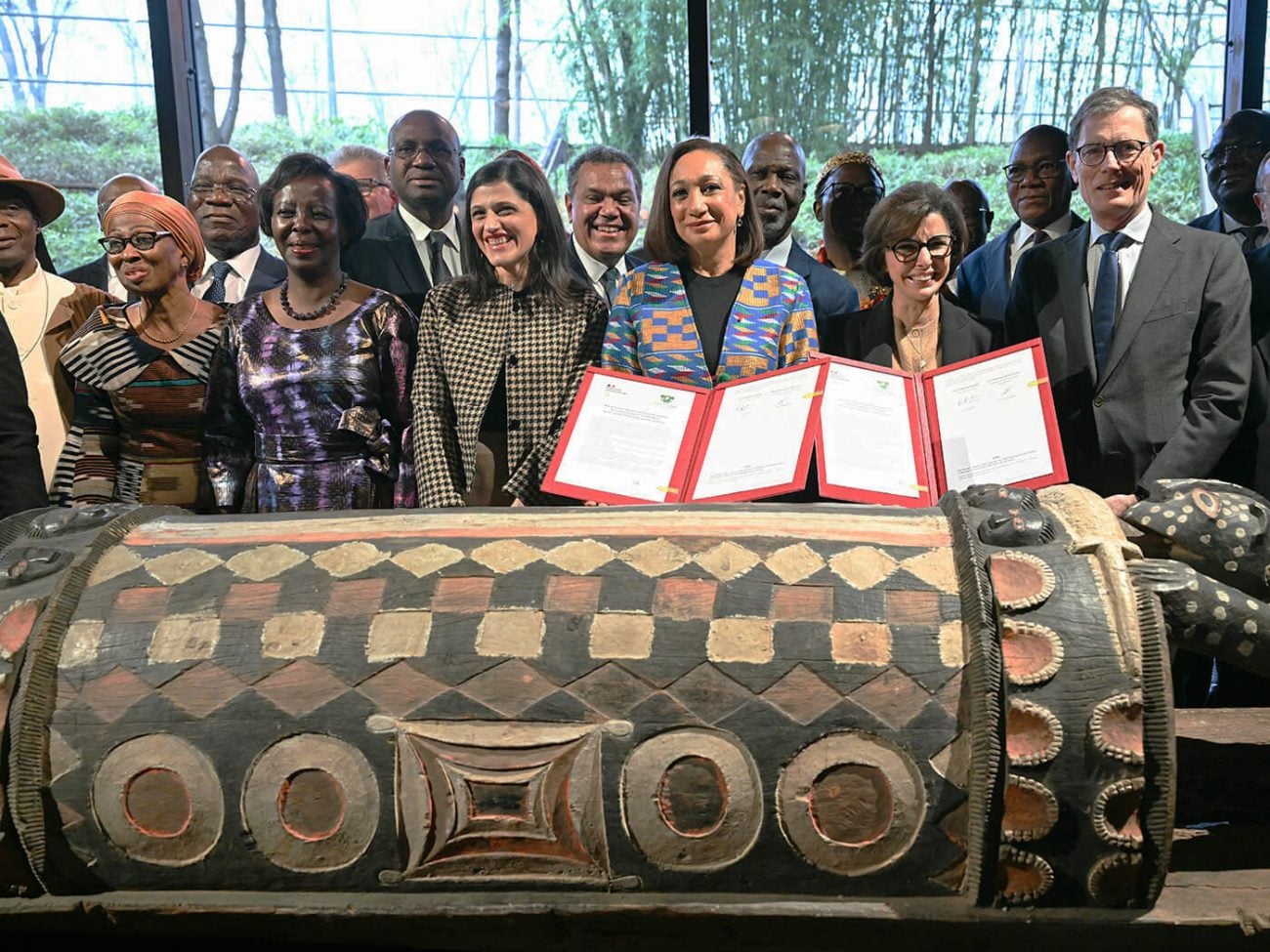
France has officially returned the Djidji Ayôkwé, a historic "talking drum," to the Republic of Côte d’Ivoire during a ceremony at the Musée du Quai Branly in Paris. The 940-pound artifact, which was used by the Atchan people to communicate across distances and warn of colonial troop movements, was seized by French authorities in 1916 to suppress local resistance. After decades in French collections, the drum is being transferred to the Museum of Civilizations in Abidjan following a specific vote by the French parliament.

france dinosaur skeleton return mongolia

France returned an extremely rare 70-million-year-old Tarbosaurus bataar skeleton and 30 other paleontological finds to Mongolia on Monday. The fossils were looted from the Gobi Desert by a European trafficking network, smuggled via South Korea, and confiscated by French customs in 2015. At a ceremony in Paris, French Public Accounts Minister Amelie de Montchalin handed the items to Mongolia’s Culture Minister Undram Chinbat. The cache includes dinosaur eggs and the prized skeleton, worth over $800,000 at the time of seizure and now valued two to three times higher.

petition to block loan of bayeux tapestry to londons british museum garners 50000 signatures

Nearly 50,000 people have signed a petition to block the loan of the Bayeux Tapestry from France to the British Museum in London. The petition, launched in July by French art historian Didier Rykner, cites warnings from textile restorers that transporting the 1,000-year-old embroidered linen could cause irreparable damage. The tapestry is scheduled to be displayed at the British Museum from September 2026 to July 2027 while its home, the Bayeux Tapestry Museum in Normandy, undergoes renovation. The loan was announced by UK Prime Minister Keir Starmer and French President Emmanuel Macron. Prominent French cultural figures, including former Bayeux Tapestry Museum director Isabelle Attard, and British conservation watchdog ArtWatch UK director Michael Daley have voiced concerns. Rykner hopes to unite French and British opposition to stop the exchange, which also includes Anglo-Saxon and Medieval objects from the British Museum moving to France.

french museums open letter

Four pro-Tibetan groups in France have filed a legal complaint against Paris's Musée Guimet, accusing it of erasing Tibet's cultural identity by renaming its Nepal-Tibet gallery to "Himalayan world" and removing references to "Tibetan art." The groups argue the changes blur Tibet's distinct heritage and align with political pressures from Beijing. The museum denies external influence, stating the new name better reflects the region's cultural interconnections, citing similar usage by institutions like the Metropolitan Museum of Art and the Smithsonian.

senegal ivory coast france repatriation

Senegal and Ivory Coast have formally requested the repatriation of thousands of artifacts from French museum collections, following a groundbreaking French government report published on November 23 that recommends returning colonial-era objects taken before 1960. Senegalese culture minister Abdou Latif Coulibaly announced plans to file a formal request for up to 10,000 Senegalese objects, while Ivorian authorities have submitted a list of about 100 masterpieces, with director Silvie Memel Kassi noting up to 4,000 Ivorian objects remain in Paris's Quai Branly-Jacques Chirac Museum and New York's Metropolitan Museum of Art.

louvre to return 258 works from rothschild cabinet of curiosities

The Louvre Museum in Paris will return 258 works from the bequest of collector Adèle de Rothschild to the Fondation des Artistes after a 2019 cross-inventory revealed the objects were improperly inventoried in the Louvre's collection. Rothschild, who died in 1922, bequeathed her private mansion and its contents to the French government with the stipulation that her cabinet of curiosities remain intact, but the Louvre held works from the cabinet—including objets d'art and Islamic art—in violation of her wishes. The foundation's director, Laurence Maynier, described the surrender as a "just return," noting that the objects were all in storage and invisible to the public. Some 30 other objects will remain at the Louvre for five years to allow curators to find replacements, and the museum will receive 104 pieces from the foundation's inventory as compensation. The cabinet is set to reopen in September.

David Nahmad maintains that his Modigliani was not looted by the Nazis

David Nahmad is continuing his legal battle to prove that his Modigliani painting, *Seated Man with a Cane* (1918), was not looted by the Nazis from the Jewish dealer Oscar Stettiner. Despite a recent New York ruling against him, Nahmad’s lawyers have filed a motion to review the case based on new eyewitness testimony. Two witnesses claim the painting they saw in the Van der Klip family—which bought the Nazi-looted work in 1944—is completely different from Nahmad’s painting, lacking a seated man or a cane. Nahmad’s legal team also cites a 1946 French bailiff report and a recent catalogue raisonné by Marc Restellini to argue that Mondex, the restitution firm working for Stettiner’s heirs, misidentified the work.

bouvier us discovery 91 missing artworks

Swiss art dealer Yves Bouvier has filed a Section 1782 petition in US federal court to locate 91 artworks he claims are his, worth approximately $100 million. The filing targets roughly 15 major banks and two auction houses (Sotheby's and Christie's) to compel disclosure of financial and transactional records. The request is tied to Hong Kong legal proceedings against French dealer Pascal de Sarthe, whom Bouvier accuses of failing to return works placed with him for safekeeping. De Sarthe disputes Bouvier's ownership, and his attorney has asked the New York court to delay or deny the application as premature.

tokushima modern art museum wolfgang beltracchi forgery

A painting in Japan's Tokushima Modern Art Museum, originally attributed to French Cubist Jean Metzinger and purchased in 1999 for 67.2 million yen ($426,000), has been confirmed as a forgery by notorious German forger Wolfgang Beltracchi. The museum withdrew the work, titled *At the Cycle-Race Track 55*, from an upcoming exhibition after experts identified synthetic pigments from after the mid-20th century. The Osaka-based seller agreed to a refund and return, completed in October and November 2024, and the painting has been removed from the prefectural government's inventory.

A Drawing by Hans Baldung Grien Classified as a National Treasure

Un dessin de Hans Baldung Grien classé trésor national

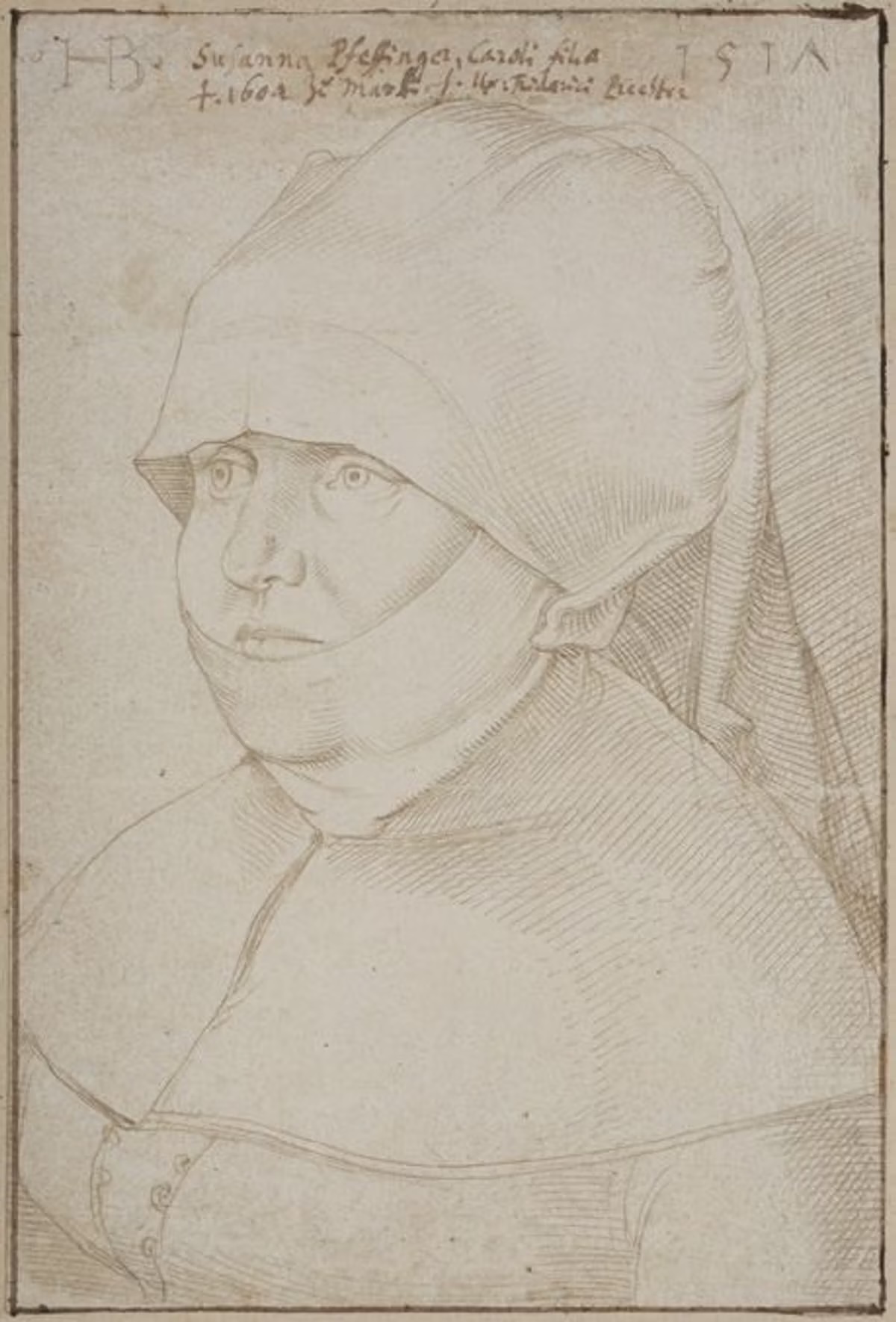
A 1517 silverpoint drawing by German Renaissance artist Hans Baldung Grien, titled 'Portrait of Susanna Pfeffinger,' has been classified as a French national treasure. The work, which was set to be auctioned at the Hôtel Drouot by Beaussant-Lefèvre, is now subject to an export ban, giving French museums like the Louvre a 30-month window to acquire it.

Musée d’Orsay displays Renoir and Degas works looted by Nazis

The Musée d’Orsay in Paris has opened a new gallery dedicated exclusively to artworks suspected of being looted or forcibly sold during the Nazi occupation of France. Among the 13 works on display is Edgar Degas's *Dinner at the Ball* (1919), originally owned by Jewish collector Fernand Ochsé, who was deported to Auschwitz with his wife in 1941. The painting passed through multiple hands before being identified as one of over 100,000 artworks plundered by the Nazis. The museum has assembled a team of six provenance researchers to spend three years tracing the original owners of these works, which are part of the "MNR" (Musées nationaux récupération) collection—some 2,200 pieces deemed too important to sell but whose owners remain unknown.

Did Qatar’s Courbet acquisition short-circuit French export licence process?

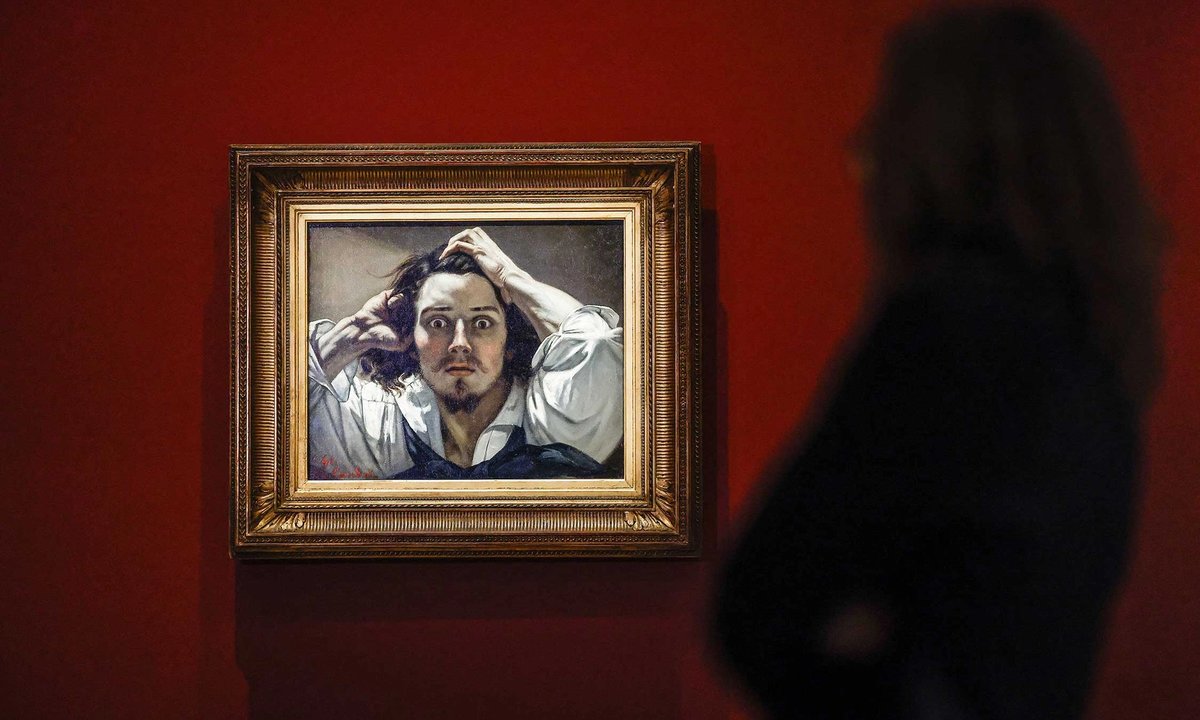
Qatar Museums has acquired Gustave Courbet's early self-portrait *Le Désespéré* (1843-45) from a French collector for €50 million, bypassing the standard French export licence process. The Musée d'Orsay revealed the purchase at a private event in October, announcing the painting will be lent to the museum for five years before moving to Qatar's future Art Mill Museum (opening by 2030). The sale was conducted without an export certificate, with the justification that the work will remain in France for most of the time, using temporary export licences for exhibitions in Doha. Critics, including heritage campaigner Julien Lacaze, argue this exemption is being misused, as it was intended for one-off exhibitions, not recurring rotations.

60% of Sudan’s National Museum Looted, Report Says

60% of Sudan’s National Museum Looted, Report Says

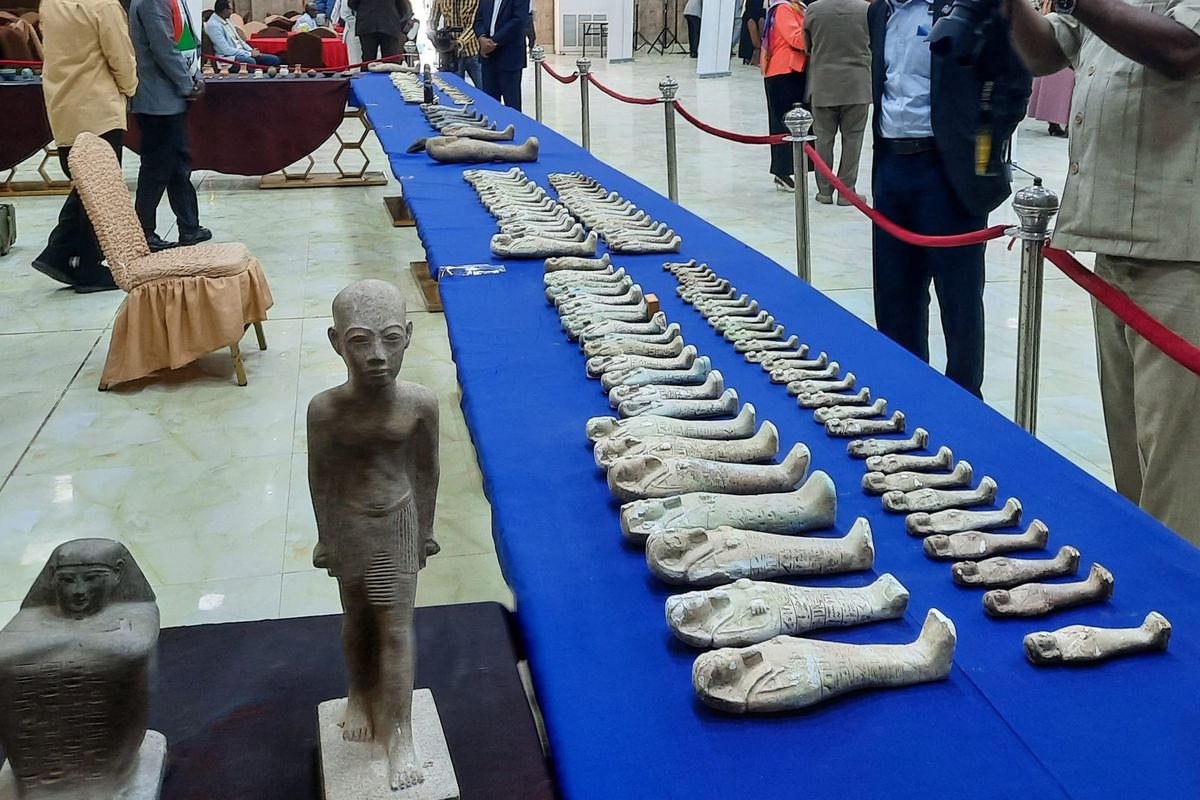
Over 60% of the holdings of the Sudan National Museum in Khartoum have been looted during the country's ongoing civil war. The paramilitary Rapid Support Forces, which controlled the capital for two years, deliberately targeted high-value portable objects like gold and jewelry, stripping storage areas while leaving less portable artifacts behind. Although the museum building remains standing, tens of thousands of antiquities from its collection of 150,000 objects were plundered, with some appearing for sale online.

National Assembly Unanimously Votes on Law for Restitution of Looted Colonial Works, but with Restrictions

L’Assemblée vote à l’unanimité la loi sur la restitution des œuvres pillées pendant la colonisation, mais avec des restrictions

The French National Assembly has unanimously passed a landmark law establishing a permanent legal framework for the restitution of cultural property looted during the colonial era. Moving away from the previous requirement for case-by-case legislation, the new law allows the government to return artifacts via decree following consultations with scientific and parliamentary commissions. This shift fulfills a long-standing promise to simplify the return of African heritage currently held in French public collections.
1815, a Key Year for the Question of Art Restitution at the Heart of an Enlightening Book

1815, année clé de la question des restitutions d’œuvres d’art au cœur d’un ouvrage éclairant

Art historian Bénédicte Savoy has released a new book, "1815, le temps du retour," which examines the massive wave of art restitutions following the collapse of the Napoleonic Empire. Between 1794 and 1811, French revolutionary and imperial forces seized thousands of artworks and cultural objects from across Europe to fill the Louvre under the guise of creating a universal museum. After Napoleon's defeat in 1815, the subsequent return of these works sparked a global debate involving intellectuals and politicians regarding national identity, cultural property, and the legal status of looted heritage.

The Founders of Open Restitution Africa (ORA) on Their New Open Data Platform

On March 31, the research initiative Open Restitution Africa (ORA) launched the ORA Open Data Platform, a database providing information on the restitution of African artifacts and ancestral remains. Developed over six years by ORA’s all-woman, pan-African team, the site uses case histories and AI-powered tools to offer practical insights into the return process, available in French and English. It presents 25 case histories spanning 200 years, using data visualizations, essays, and interactive tools to help individuals and communities develop their own restitution strategies. ARTnews interviewed founders Chao Tayiana Maina and Molemo Moiloa about the project's origins and goals.

france national assembly vote bill looted artifacts

The French National Assembly has unanimously passed a landmark bill designed to streamline the restitution of cultural artifacts looted during the colonial era between 1815 and 1972. This legislative framework aims to replace the previous requirement for individual laws for every return, fulfilling a long-standing pledge by President Emmanuel Macron to restore African heritage. While the vote was unanimous, the debate was contentious, with critics arguing over the omission of the word "colonialism" to avoid far-right backlash regarding national "repentance."

Proposed Restitution Law in France Advances in National Assembly

The French National Assembly’s Cultural Affairs Committee has approved a landmark bill aimed at streamlining the restitution of cultural property looted from Africa during the colonial era. Moving away from the previous requirement for case-by-case legislation, the new framework allows restitutions to be ordered by ministerial decree, provided they fall within the 1815–1972 timeframe. This advancement follows years of debate sparked by President Emmanuel Macron’s 2017 pledge and the influential 2018 Sarr-Savoy report.

chinese vase sale cancelled french court

A French court ordered Galerie Kraemer in Paris to return €2.8 million ($3.25 million) to collector Sheikh Hamad bin Abdullah Al Thani over a Chinese vase, citing serious doubts about the 18th-century dating of its gilded bronze mounts. The vase, which sold for €815 in Brazil 20 years ago, passed through a Paris flea market and three antique dealers before Laurent Kraemer purchased it for €180,000. Sheikh Hamad bought the vase in 2012 but later had it examined after Galerie Kraemer faced multiple fake furniture cases. Expert Sébastien Evain deemed the dating highly improbable, while gallery-commissioned experts Gilles Perrault and Guy Kalfon, who only saw photographs, defended the 18th-century attribution. The court annulled the sale, and the gallery plans to appeal.