filter_list Showing 12 results for "Him" close Clear
search
dashboard All 1319 museum exhibitions 620article news 191trending_up market 127article culture 106person people 94article local 63candle obituary 54rate_review review 32article policy 18gavel restitution 12article events 1article event 1
date_range Range Today This Week This Month All
Subscribe

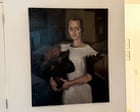
Portrait looted by Nazis found in home of Dutch SS leader’s family

An artwork looted by the Nazis from the renowned Goudstikker collection has resurfaced in the home of descendants of Hendrik Seyffardt, a notorious Dutch SS collaborator. The painting, *Portrait of a Young Girl* by Toon Kelder, was discovered by art detective Arthur Brand after a family member contacted him, revealing that the piece had hung for decades in the home of Seyffardt’s granddaughter. Brand traced the painting to a 1940 auction where part of the looted Goudstikker collection was sold, and lawyers for the Goudstikker heirs have confirmed the work was stolen and called for its return.
vrindavani vastra tapestry india loan british museum

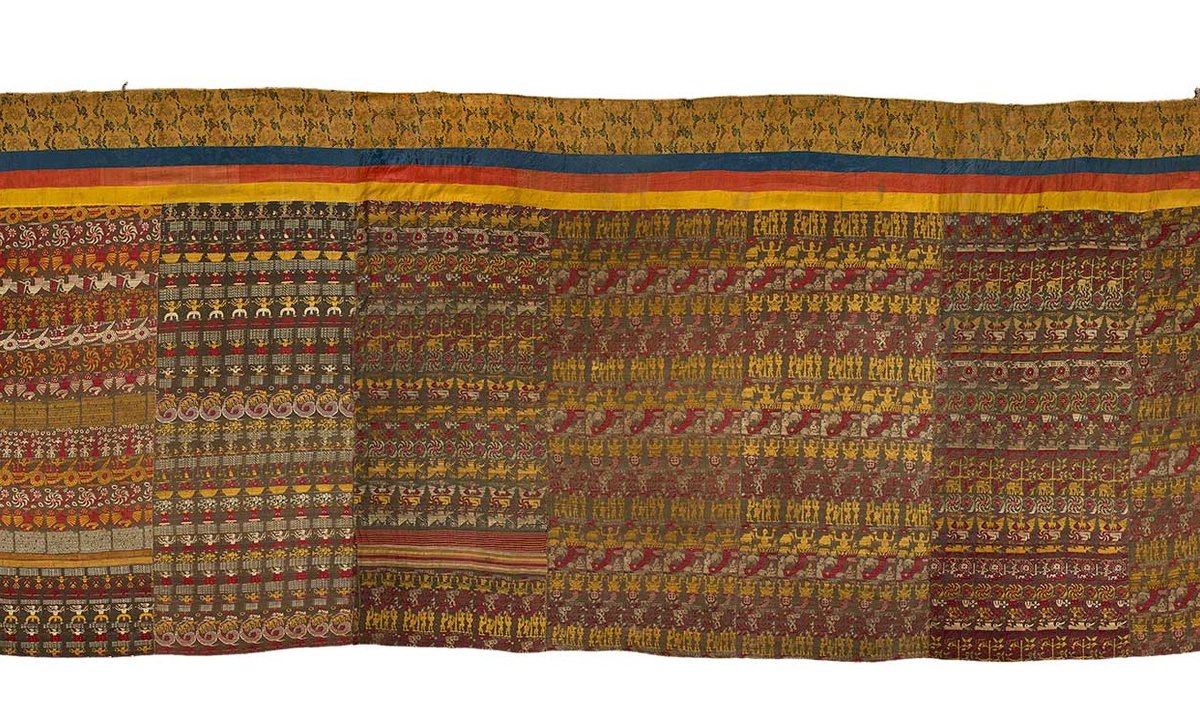
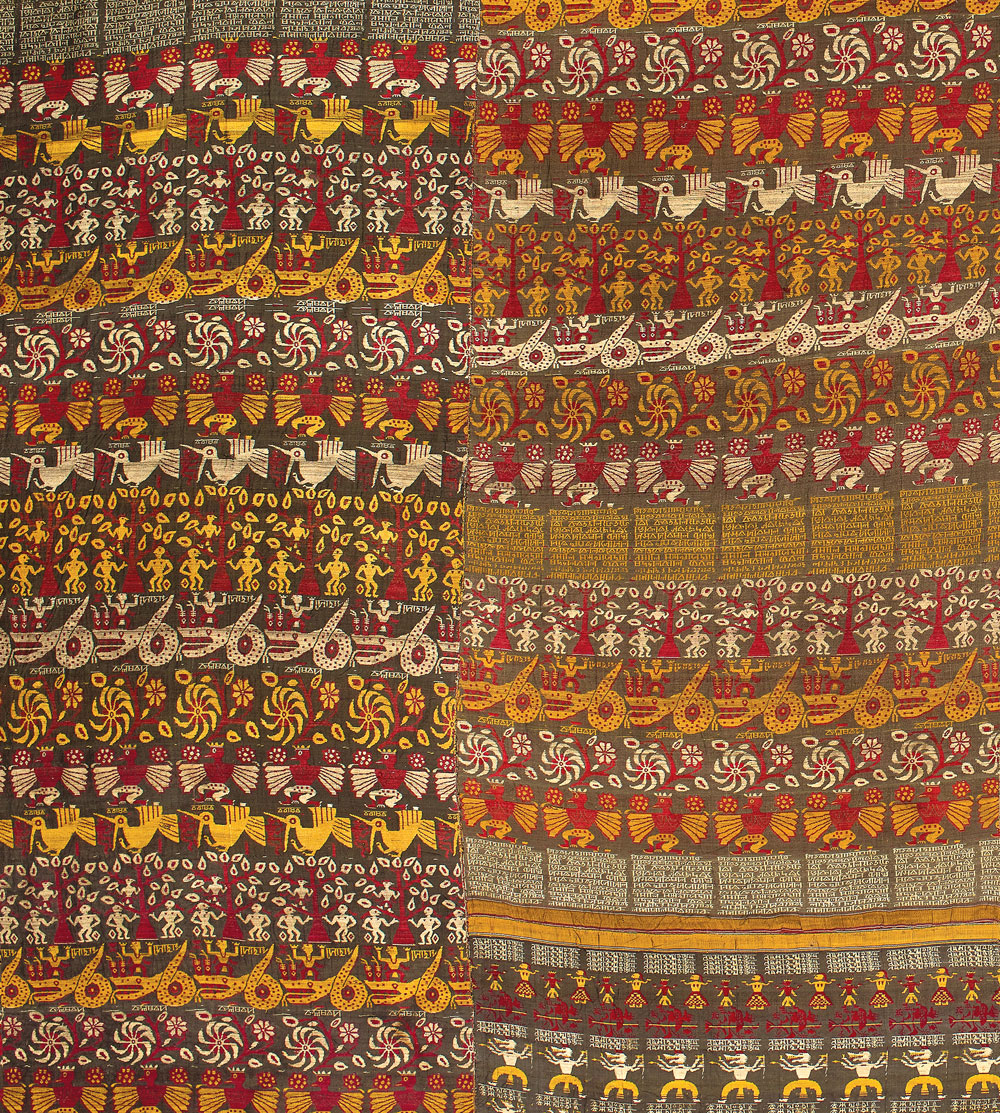
The British Museum has agreed to a six-month loan of the Vrindavani Vastra, a 350-year-old Himalayan tapestry, to the Assam State Museum in India. This 2027 homecoming is contingent on the construction of a specialized preservation facility in Guwahati to house the fragile nine-meter silk textile, which depicts the life of Krishna and features the earliest known Assamese script.

french museums open letter

Four pro-Tibetan groups in France have filed a legal complaint against Paris's Musée Guimet, accusing it of erasing Tibet's cultural identity by renaming its Nepal-Tibet gallery to "Himalayan world" and removing references to "Tibetan art." The groups argue the changes blur Tibet's distinct heritage and align with political pressures from Beijing. The museum denies external influence, stating the new name better reflects the region's cultural interconnections, citing similar usage by institutions like the Metropolitan Museum of Art and the Smithsonian.

metropolitan museum returns antiquities iraq robin symes

The Metropolitan Museum of Art has announced it will return three ancient sculptures to Iraq, collectively valued at $500,000. The objects include a Sumerian gypsum alabaster vessel (ca. 2600–2500 BCE) and two Babylonian terracotta sculptures (ca. 2000–1600 BCE) depicting a male and female head. The repatriation follows new information from an investigation into Robin Symes, a dealer accused of trafficking looted artifacts. The Manhattan District Attorney's Office reported that the Symes investigation has led to the seizure of 135 antiquities worth over $58 million, with two of the items seized by the Antiquities Trafficking Unit earlier this year.

open restitution africa research organization profile

Open Restitution Africa (ORA), an African-led research organization, has compiled case studies including the Ngadji drum, a sacred instrument confiscated from Kenya's Pokomo people by British colonial officers in 1902 and now held by the British Museum. With a $600,000 grant from the Mellon Foundation, ORA provided microgrants to scholars like William Mutta Tsaka of the National Museums of Kenya, who documented the drum's cultural significance and the community's ongoing struggle for repatriation. The project aims to fund independent researchers and community activists across Africa, covering fieldwork costs often neglected by larger provenance grants.

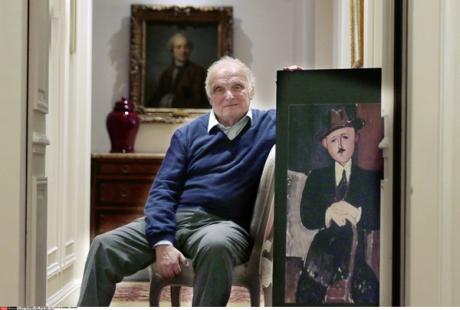
David Nahmad maintains that his Modigliani was not looted by the Nazis

David Nahmad is continuing his legal battle to prove that his Modigliani painting, *Seated Man with a Cane* (1918), was not looted by the Nazis from the Jewish dealer Oscar Stettiner. Despite a recent New York ruling against him, Nahmad’s lawyers have filed a motion to review the case based on new eyewitness testimony. Two witnesses claim the painting they saw in the Van der Klip family—which bought the Nazi-looted work in 1944—is completely different from Nahmad’s painting, lacking a seated man or a cane. Nahmad’s legal team also cites a 1946 French bailiff report and a recent catalogue raisonné by Marc Restellini to argue that Mondex, the restitution firm working for Stettiner’s heirs, misidentified the work.

bouvier us discovery 91 missing artworks

Swiss art dealer Yves Bouvier has filed a Section 1782 petition in US federal court to locate 91 artworks he claims are his, worth approximately $100 million. The filing targets roughly 15 major banks and two auction houses (Sotheby's and Christie's) to compel disclosure of financial and transactional records. The request is tied to Hong Kong legal proceedings against French dealer Pascal de Sarthe, whom Bouvier accuses of failing to return works placed with him for safekeeping. De Sarthe disputes Bouvier's ownership, and his attorney has asked the New York court to delay or deny the application as premature.

tokushima modern art museum wolfgang beltracchi forgery

A painting in Japan's Tokushima Modern Art Museum, originally attributed to French Cubist Jean Metzinger and purchased in 1999 for 67.2 million yen ($426,000), has been confirmed as a forgery by notorious German forger Wolfgang Beltracchi. The museum withdrew the work, titled *At the Cycle-Race Track 55*, from an upcoming exhibition after experts identified synthetic pigments from after the mid-20th century. The Osaka-based seller agreed to a refund and return, completed in October and November 2024, and the painting has been removed from the prefectural government's inventory.

faked artworks japan wolfgang beltracchi

A painting long attributed to Moïse Kisling, titled *Kiki de Montparnasse* and held by Japan's Yamada Bee Company Group, has been identified as a forgery by notorious art forger Wolfgang Beltracchi. The discovery, reported by NHK, follows a wave of Beltracchi-linked fakes uncovered in Japanese museums and collections, including a purported Marie Laurencin portrait in Tokyo and a forgery of Heinrich Campendonk's *Girl with Swan* at the Museum of Art, Kochi. Beltracchi admitted to forging the Kisling around 1990, claiming he studied the artist deeply.

Back to Assam: British Museum agrees to loan fragile tapestry showing Krishna’s life

The British Museum has reached an agreement with the state government of Assam to loan the Vrindavani Vastra, a 350-year-old sacred tapestry depicting the life of Krishna, for a six-month period starting in 2027. The loan is contingent upon the construction of a specialized new extension at the Assam State Museum in Guwahati to accommodate the textile's extreme fragility. This marks the first time the artifact, which features the earliest known Assamese inscriptions, will return to its place of origin since it was acquired by the British Museum following the 1904 Younghusband expedition to Tibet.

The True Story of the Caravaggio Theft by the Sicilian Mafia Behind the 'Le Complot Caravaggio' Series on Arte

La véritable histoire du vol du Caravage par la mafia sicilienne derrière la série « Le Complot Caravaggio » sur Arte

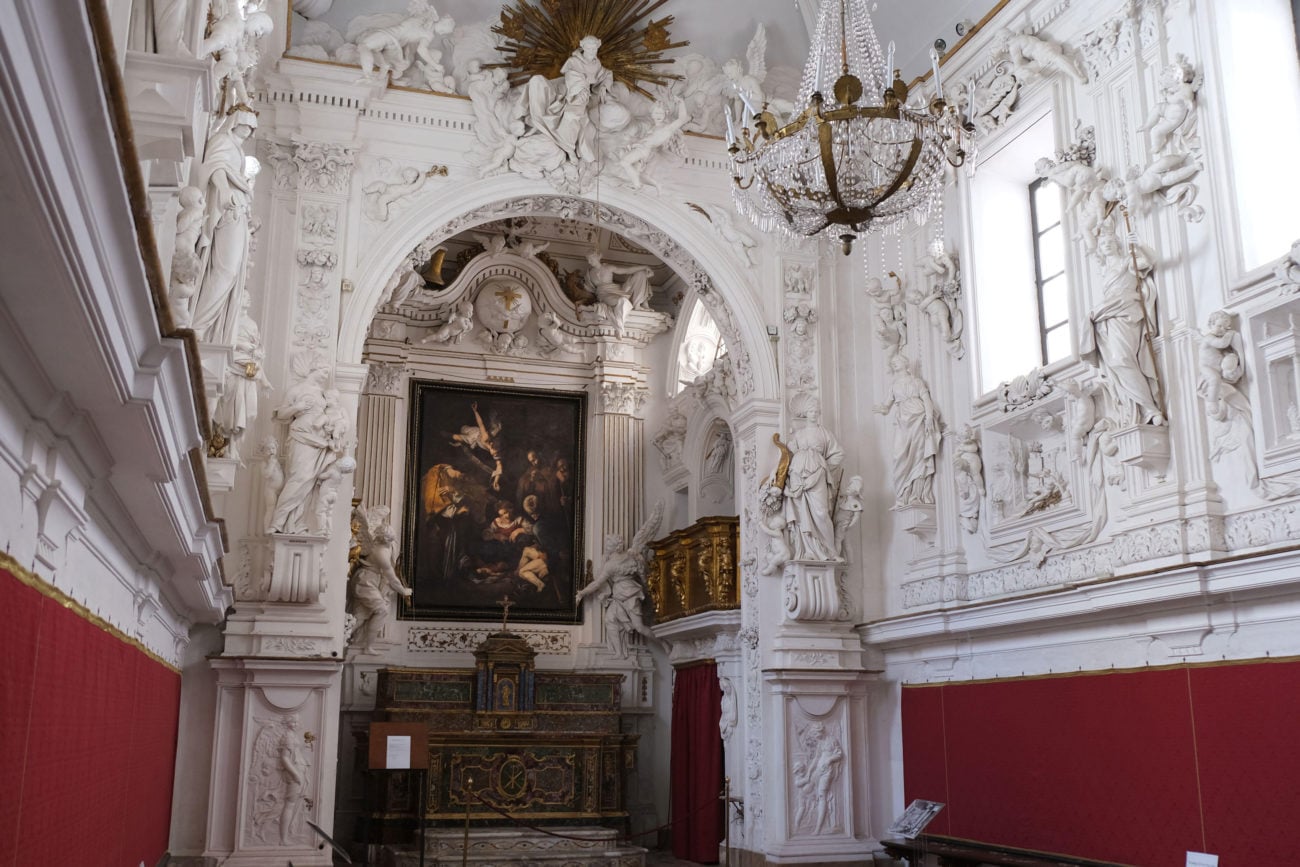
The article details the infamous 1969 theft of Caravaggio's masterpiece, "Natività con i santi Lorenzo e Francesco d'Assisi" (The Nativity with Saint Francis and Saint Lawrence), from the Oratory of San Lorenzo in Palermo, Sicily. The painting, a large-scale work measuring three by two meters, was expertly cut from its frame and has never been recovered, remaining second on the FBI's Top Ten Art Crimes list. The theft is widely attributed to the Sicilian Mafia, with theories suggesting it was stolen to order or for use in secret mafia gatherings.

Smithsonian’s National Museum of Asian Art returns three sculptures to Cambodia

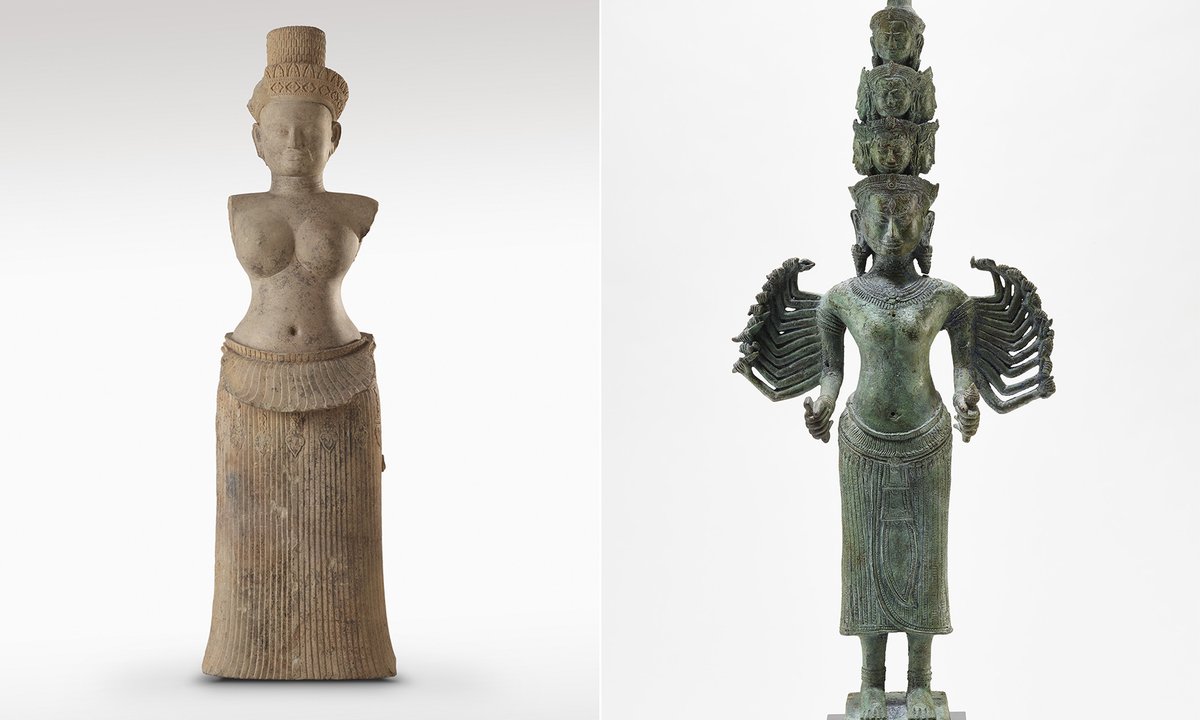
The Smithsonian’s National Museum of Asian Art (NMAA) in Washington, DC, has voluntarily returned three sculptures to the Cambodian government after an internal provenance investigation determined the objects were likely removed from Cambodia during the country’s civil war (1967-75). The returned artifacts include a tenth-century sandstone head of Harihara, a tenth-century sandstone sculpture of the goddess Uma, and a bronze statue of Prajnaparamita from around 1200. The museum’s director, Chase F. Robinson, stated that strong evidence linked the pieces to problematic dealers and a context of war and violence, and that no documentation supported their lawful export. The objects were donated to the NMAA by Arthur M. Sackler and Gilbert and Ann Kinney without proper provenance papers.