filter_list Showing 19 results for "scholar" close Clear
search
dashboard All 863 museum exhibitions 416article news 121trending_up market 79article culture 74article local 42article policy 38person people 34rate_review review 25gavel restitution 19candle obituary 14article event 1
date_range Range Today This Week This Month All
Subscribe

Judge Orders Prado to Hold Disputed Velázquez Painting in Divorce Case

A Spanish judge has ordered the Museo del Prado in Madrid to take custody of a painting attributed to Diego Velázquez, which is at the center of a divorce dispute between steel magnate José María Aristrain and his ex-wife Gema Navarro. The work, a portrait of Philip IV linked to Velázquez’s early years in Madrid, was removed from Aristrain’s residence on March 17 and transferred to the Prado’s storage after Navarro filed a complaint alleging it had been wrongly withheld from her. The Ministry of Culture, acting with court and prosecutorial support, designated the museum as custodian until ownership is resolved. The painting had previously surfaced at auction, failing to sell in 2007 amid attribution doubts, before being acquired by Navarro in 2015 for €878,000.
Dürer ‘copy’ at London’s National Gallery is the real thing, expert claims

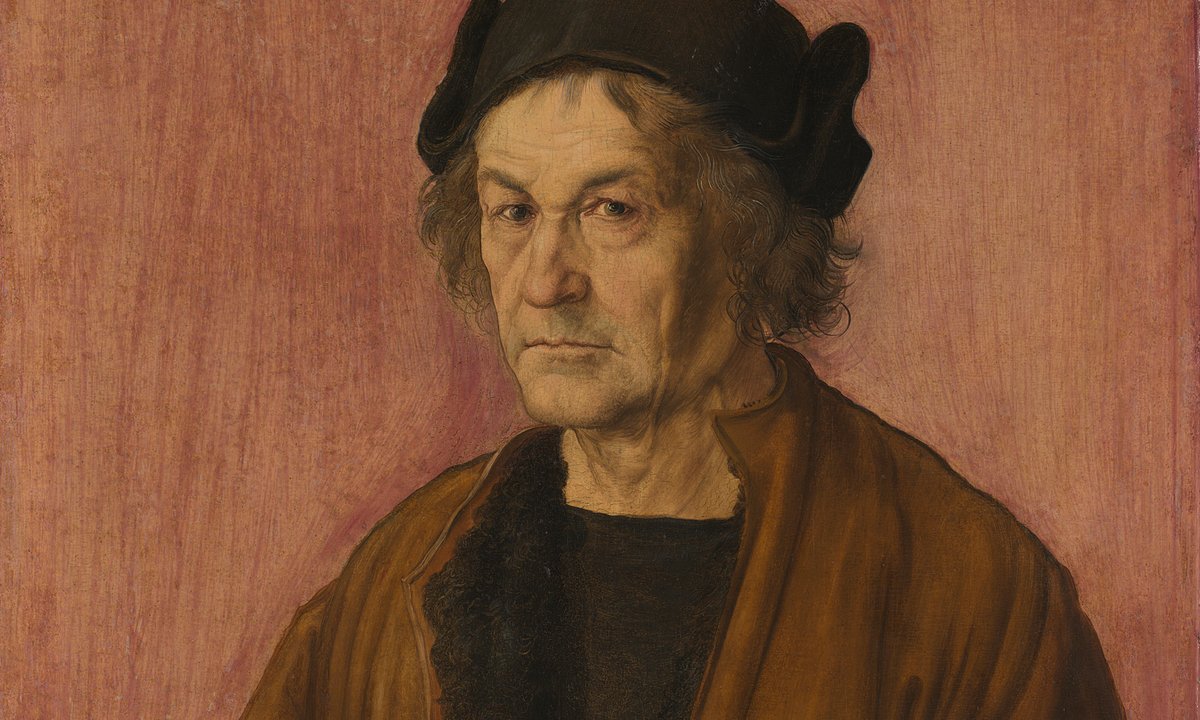
A German scholar, Christof Metzger, has published a new catalogue raisonné claiming that a portrait of Albrecht Dürer's father held by London's National Gallery is an authentic work by the master, painted in 1497. This directly challenges the gallery's long-standing position that the painting is a later copy made after a lost original.

men guilty forging selling fake royal furniture versailles

An antiques expert and a cabinet maker have been found guilty of forging and selling nine imitation 18th-century armchairs that they falsely claimed belonged to French royalty, including Marie Antoinette. Georges "Bill" Pallot, a leading furniture expert, and Bruno Desnoues, a former Versailles restorer, sold the fakes through Paris galleries and Sotheby's to the Château of Versailles and private collectors, including Qatari Prince Tamim ibn Hamad Al Thani and an Hermès family heir. Pallot was sentenced to four years in prison (44 months suspended), fined €200,000, and banned from working as an expert for five years; Desnoues received three years (32 months suspended) and a €100,000 fine. Both must pay €1.6 million in indemnities. The gallery Laurent Kraemer was acquitted, with the court ruling it was also a victim.

Fifty years after Franco, Spain begins to give back art seized during the Civil War

A 2022 Spanish law has quietly triggered a wave of restitutions of art looted during the Spanish Civil War, more than 50 years after dictator Francisco Franco's death. The Museo del Prado has identified 166 confiscated artworks in its collection, including works by Joaquín Sorolla and Pedro Atanasio Bocanegra, and has begun returning pieces such as a panel painting by Maestro de Lupiana to the parish of Yebes. Scholar Arturo Colorado Castellary has uncovered over 26,000 confiscated objects, with around a third never returned to their owners, many deposited in museums, churches, and public administrations.

How did a 16th-century European basin end up as a sacred object in West Africa?

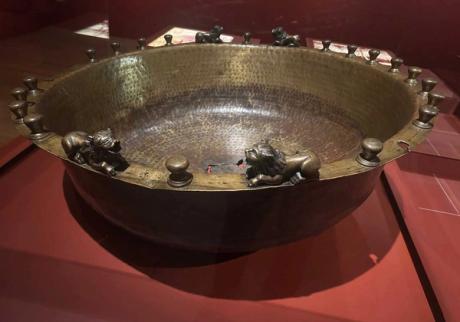
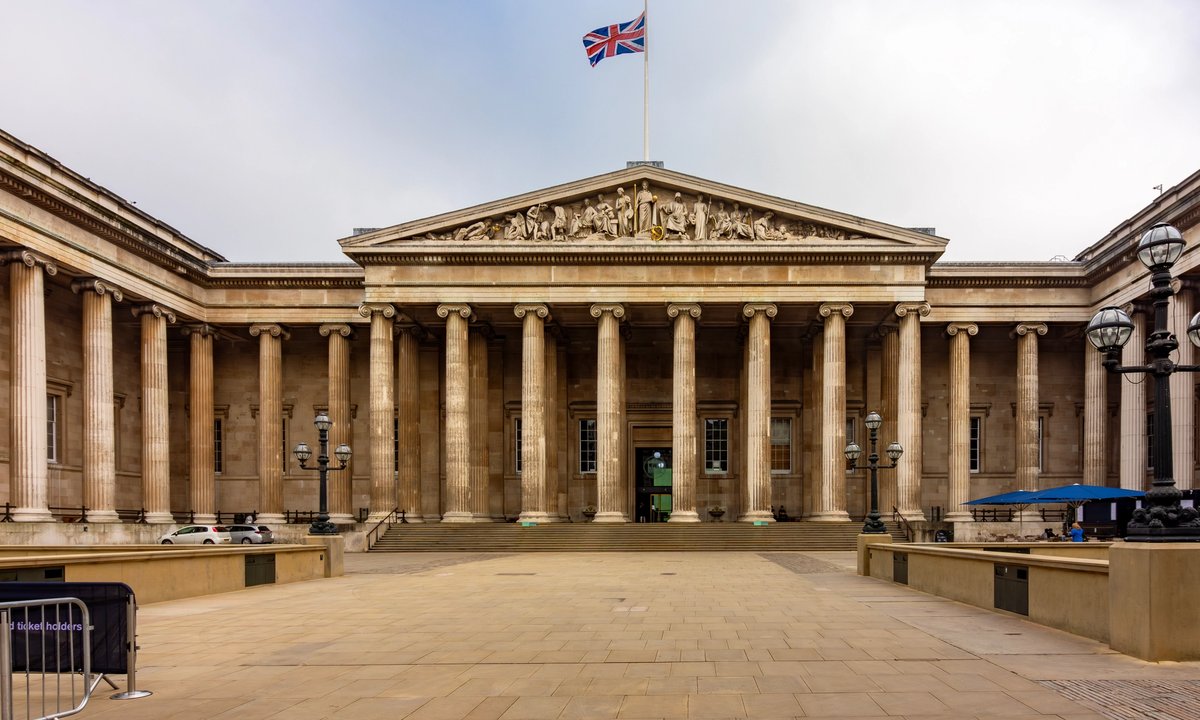
The Aya Kese, a massive 16th-century northern European brass basin, is currently on display at the British Museum while its complex history remains under scrutiny. Looted by British officer Robert Baden-Powell in 1896 from the Asante kingdom’s royal mausoleum in present-day Ghana, the object was long sensationalized by colonial accounts as a vessel for human sacrifice. Recent scholarship and historical records from Asante King Prempeh I contest these claims, asserting the basin’s sacred role as a spiritual repository for the souls of the Asante people.

cambodia emma bunker denver art museum

The Cambodian government has formally requested the records and archival materials of Emma C. Bunker, a late art historian and former Denver Art Museum board member, from her family. This follows the museum's repatriation of 11 Asian artifacts to Vietnam, Cambodia, and Thailand, many of which were donated by Bunker, who had ties to Douglas Latchford, an antiquities dealer accused of smuggling looted Southeast Asian artifacts. Bunker died in 2021 without charges, but a 2022 Denver Post investigation alleged she helped Latchford use the museum as a "way station for looted art" and forged provenance records. The museum cut ties with Bunker in 2023, removing her name from its Southeast Asian gallery.

buddha gems sothebys controversy

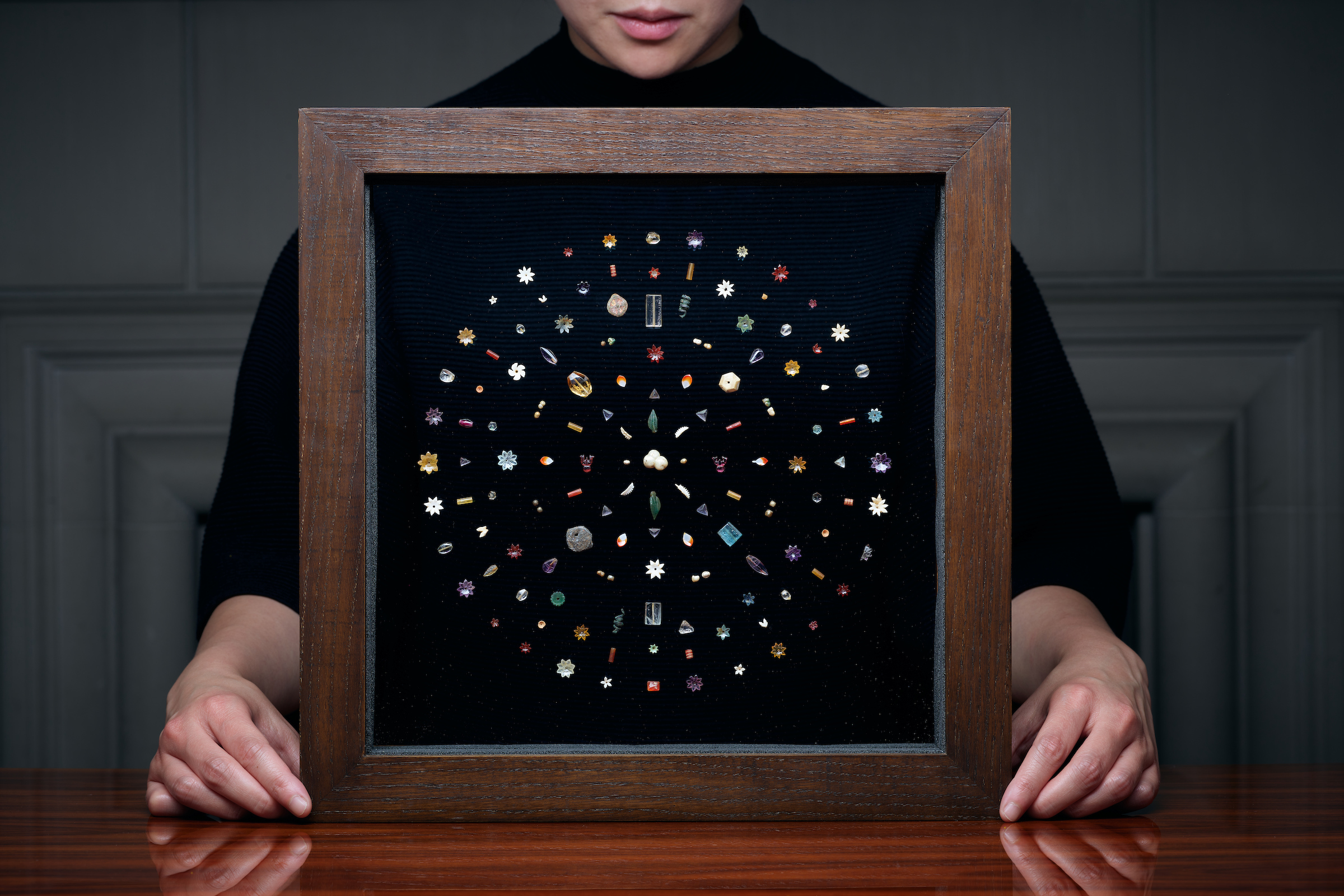
Sotheby's has postponed the auction of the Piprahwa Gems of the Historical Buddha, a collection of over 300 ancient gemstones and metal sheets linked to the Buddha, after criticism from academics, Buddhist leaders, and India's Ministry of Culture. The gems, discovered in 1898 by colonial engineer William Claxton Peppé in Uttar Pradesh, India, were set to be sold by his descendants in Hong Kong on May 7, with bidding starting at HK$10 million ($1.3 million). The auction house stated it is now in discussions with the Indian government to find a resolution.

open restitution africa research organization profile

Open Restitution Africa (ORA), an African-led research organization, has compiled case studies including the Ngadji drum, a sacred instrument confiscated from Kenya's Pokomo people by British colonial officers in 1902 and now held by the British Museum. With a $600,000 grant from the Mellon Foundation, ORA provided microgrants to scholars like William Mutta Tsaka of the National Museums of Kenya, who documented the drum's cultural significance and the community's ongoing struggle for repatriation. The project aims to fund independent researchers and community activists across Africa, covering fieldwork costs often neglected by larger provenance grants.

David Nahmad maintains that his Modigliani was not looted by the Nazis

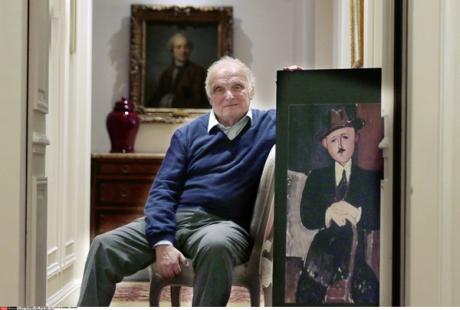
David Nahmad is continuing his legal battle to prove that his Modigliani painting, *Seated Man with a Cane* (1918), was not looted by the Nazis from the Jewish dealer Oscar Stettiner. Despite a recent New York ruling against him, Nahmad’s lawyers have filed a motion to review the case based on new eyewitness testimony. Two witnesses claim the painting they saw in the Van der Klip family—which bought the Nazi-looted work in 1944—is completely different from Nahmad’s painting, lacking a seated man or a cane. Nahmad’s legal team also cites a 1946 French bailiff report and a recent catalogue raisonné by Marc Restellini to argue that Mondex, the restitution firm working for Stettiner’s heirs, misidentified the work.

brueghel mayken verhulst

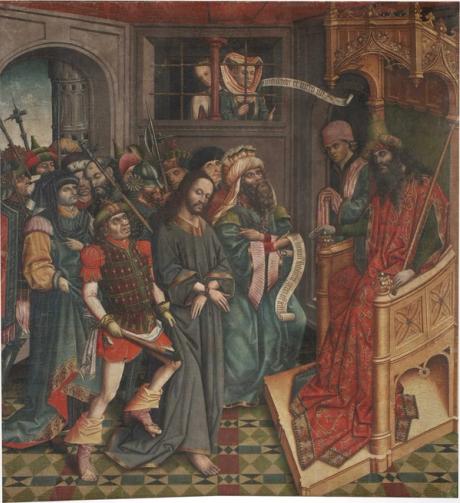
Recent evidence suggests that Mayken Verhulst (ca. 1518–1599), the mother-in-law of Pieter Brueghel the Elder, authored works long attributed to the anonymous Brunswick Monogrammist. A key painting, *Ecce Homo* from the National Museum in Gdańsk, bears a unique double signature combining the initials of her husband, Pieter Coecke van Aelst, with her family name “Bessemer,” indicating her authorial role within the workshop. This discovery, detailed in an essay from the exhibition *The Woman Question 1550–2025* at the Museum of Modern Art Warsaw, challenges centuries of art-historical attribution.

1,200-Year-Old Limestone Lintel was Inadvertently Repatriated to Mexico Instead of to Guatemala

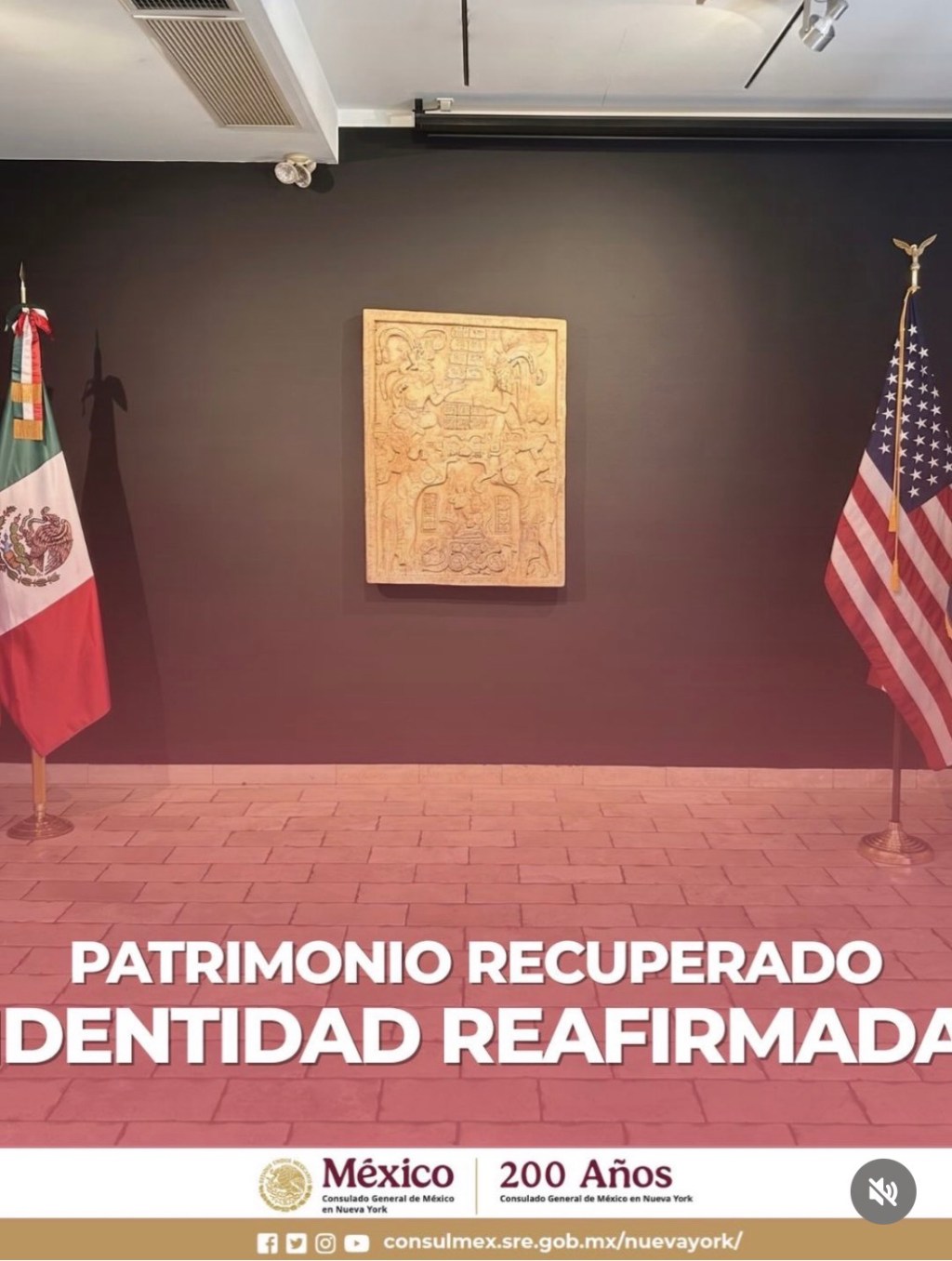
A 1,200-year-old limestone lintel, carved by the ancient Maya artist Mayuy and depicting a ruler of Yaxchilán, was repatriated from the United States to Mexico in mid-April after an American businessman turned it over to the Mexican consulate in New York. However, Guatemala's cultural minister has begun proceedings to reclaim the artifact, arguing that it was originally removed from the Guatemalan side of the Usumacinta River, not Mexico. The lintel was first documented by American explorers Dana and Ginger Lamb in the 1950s in an area called Laxtunich, and its exact provenance has been disputed by scholars.

scholars and mps slam uk museums as unethical and sacrilegious for holding vast collections of human remains

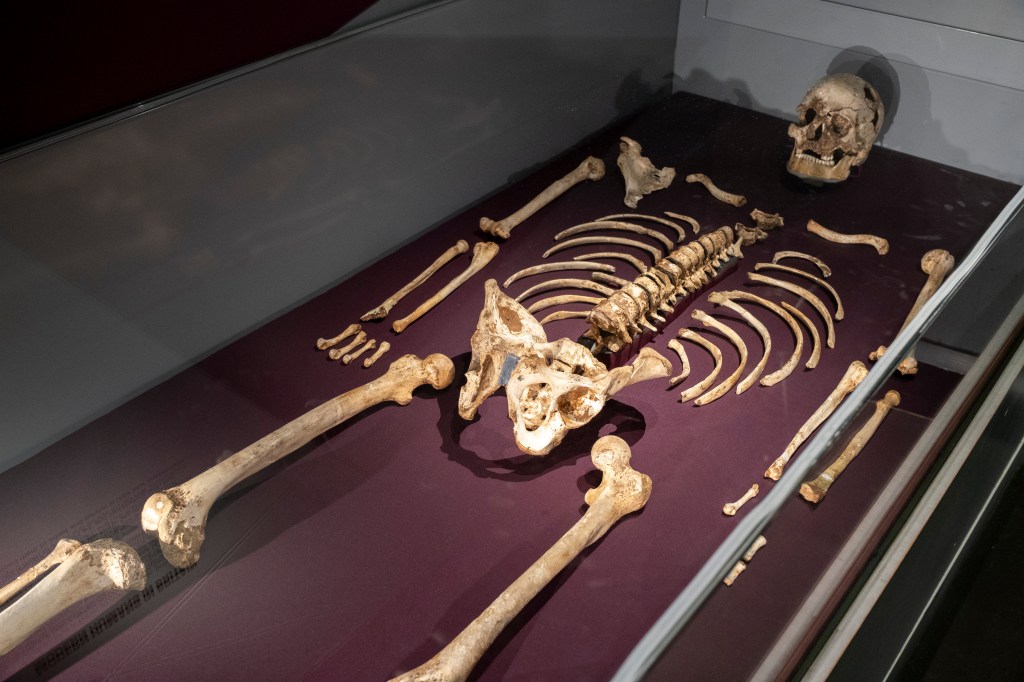
A major investigation has revealed that UK museums and universities hold more than 263,000 human remains, including at least 37,000 sourced from overseas and former British colonies. The findings indicate that many institutions lack proper documentation, with thousands of items stored anonymously in cardboard boxes or mixed together, often in violation of government guidelines regarding respectful handling and transparency.

san francisco asian art museum returns sculptures thailand

Four ancient bronze sculptures illegally removed from Thailand in the 1960s have been repatriated from San Francisco’s Asian Art Museum to their original home in Thailand, following an investigation led by the US Department of Homeland Security. The works, which were featured in the museum’s 2024 exhibition “Moving Objects: Learning from Local and Global Communities,” were linked to convicted antiquities trafficker Douglas Latchford and had been acquired by the museum’s founding collector Avery Brundage. The Asian Art Commission unanimously approved the return after a two-stage voting process that began in September 2024 and concluded in April 2025.

pascaline early arithmetic machine christies sale

Christie’s has halted the sale of a rare 17th-century Pascaline arithmetic machine, originally scheduled for auction on November 19, after the Administrative Tribunal of Paris suspended its export license. The machine, invented by Blaise Pascal and estimated at €2–3 million, was pulled from sale at the consignor’s request following pressure from French cultural campaigners who argue it should be classified as a National Treasure to prevent its departure from France.

forged polish painting returns to the national museum in poznan poland

A painting long attributed to Polish Realist painter Józef Pankiewicz and held by the National Museum in Poznań has been revealed as a forgery. The work, titled 'Vegetable Market at Żelaznej Bramy Square in Warsaw' and dated 1888, was awarded a silver medal at the 1889 Universal Exposition in Paris and acquired by the museum in 1948. In 2017, scholar Michał Haake noticed discrepancies between the museum's version and historical reproductions, prompting an investigation. Conservators removed overpainting and found that the canvas, pigments, and composition differed from the original, with Pankiewicz's signature added after completion. The forgery, now attributed to an unidentified early 20th-century artist, is back on display alongside a photo of the original in the exhibition 'Succumb to Illusion.' The original painting has been missing since 1890.

Mummies and other human remains held in UK museums raise serious ethical questions, warn scholars

A major investigation has revealed that UK museums, universities, and local authorities hold more than 263,000 human remains, including mummies, skeletons, and skulls. Of these, approximately 37,000 originate from overseas, largely from former British colonies, often acquired without consent. The findings have sparked intense criticism from scholars and curators who argue that the sheer scale of these collections reflects a distressing colonial legacy and necessitates a systemic shift toward repatriation and more ethical storage practices.

London’s Wellcome Collection to Transfer 2,000 Manuscripts to Jain Community, But They Will Stay in UK

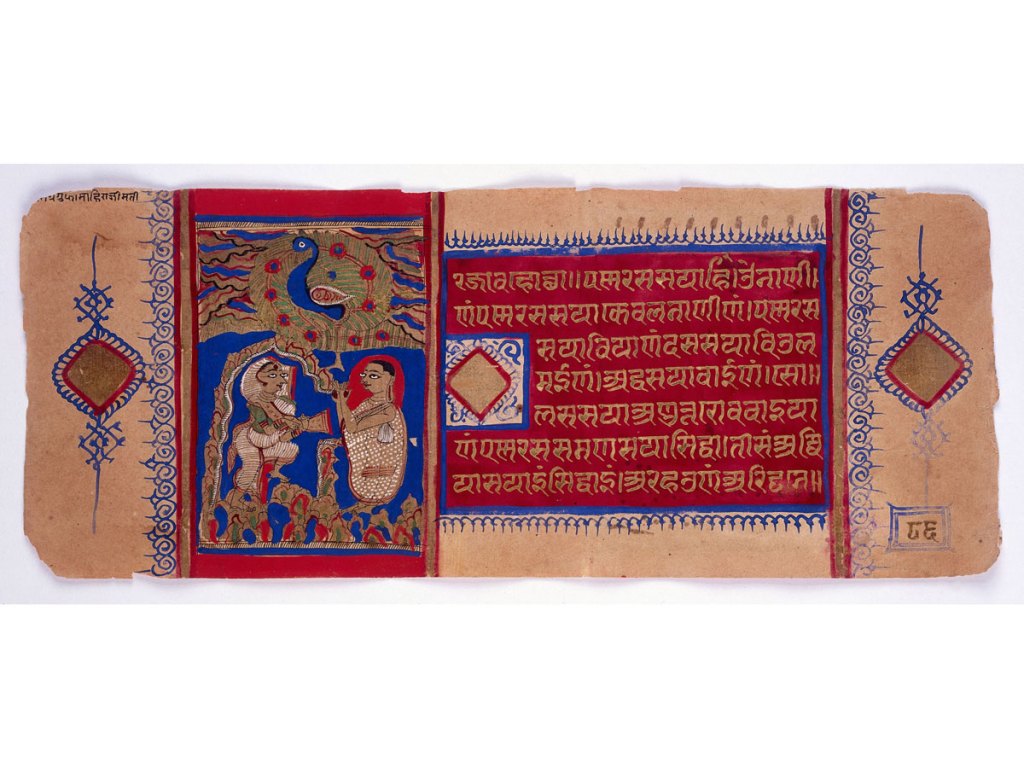
The Wellcome Collection in London has announced plans to transfer 2,000 Jain manuscripts to the Jain community, but they will remain in the UK at the University of Birmingham’s Dharmanath Network in Jain Studies. The manuscripts, ranging from the 15th to 19th centuries, were largely purchased in 1919 from a temple in India and from sources in present-day Pakistan. The transfer follows years of dialogue with the UK-based Institute of Jainology and aims to maximize community access and research opportunities.

matthew bogdanos new york antiquities trafficking unit art history

The Vilcek Foundation announced the recipients of its 20th annual prizes, honoring Matthew Bogdanos, a former classics scholar, US Marine colonel, and assistant district attorney in New York, with the Marica Vilcek Prize in Art History. Bogdanos, who launched the Antiquities Trafficking Unit in 2017, has overseen the seizure of over 5,000 looted antiquities valued at more than $300 million from museums, auction houses, and private collectors. He declined the $100,000 cash award, directing the foundation to donate the funds to nonprofits of his choosing.

Smithsonian’s National Museum of Asian Art repatriates ancient silk manuscript to China

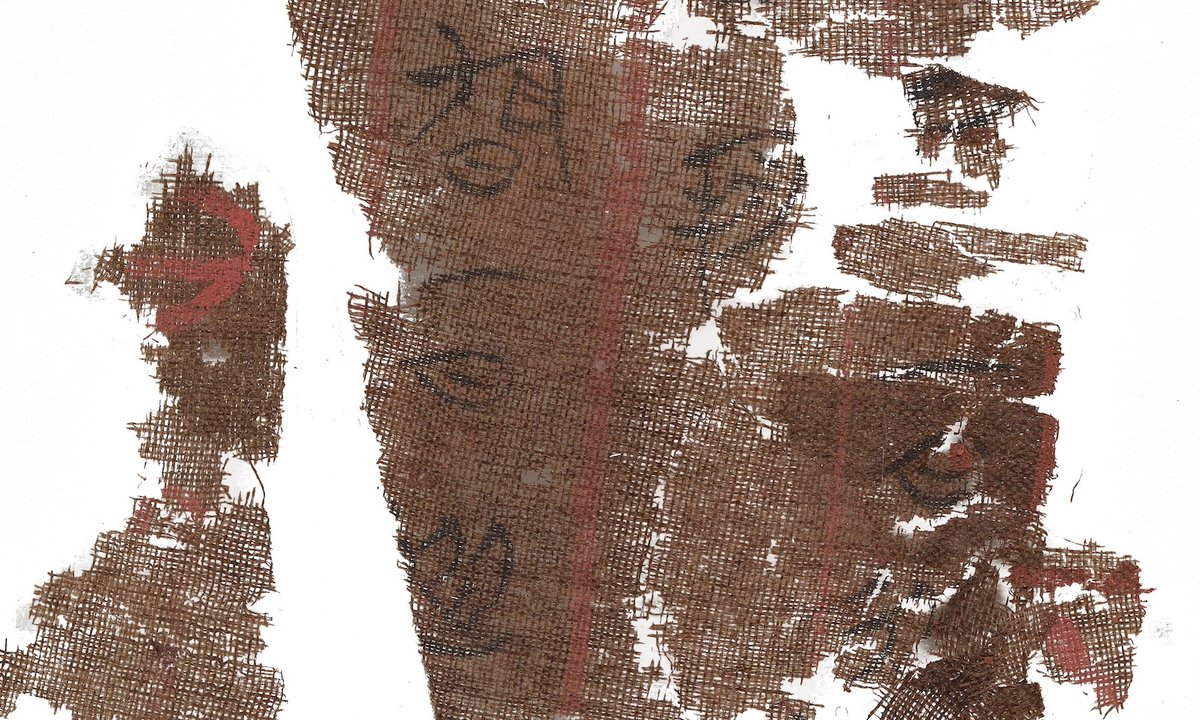
The Smithsonian’s National Museum of Asian Art (NMAA) in Washington, DC, has repatriated fragments of the ancient Zidanku Silk Manuscripts to China. The artifacts, dating from the fourth to third century BCE, were looted from a tomb near Changsha, Hunan Province, and smuggled into the US in 1946. The NMAA deaccessioned Volumes II and III of the manuscripts, which were given to the Arthur M. Sackler Gallery by an anonymous donor in 1992. The transfer was formalized in a ceremony at the Chinese embassy following an agreement signed earlier this month, with the fragments handed over to the National Cultural Heritage Administration (NCHA) of China.