filter_list Showing 96 results for "ARCH" close Clear
search
dashboard All 5608 museum exhibitions 2917article news 779article local 429article culture 389trending_up market 351article policy 227person people 210gavel restitution 107rate_review review 96candle obituary 91article event 5article museum 3article gallery 1article architecture 1article school 1article museums & heritage 1
date_range Range Today This Week This Month All
Subscribe

robert longo pace gallery review

Artist Robert Longo presents a new exhibition at Pace Gallery, featuring his signature large-scale, hyperrealistic drawings that address themes of brutality, conflict, and protest. The show is a revised version of a 2023 exhibition at the Milwaukee Art Museum, with works based on media images of events such as the war in Ukraine, Black Lives Matter protests, and migrant crises. The article critically examines several pieces, including "Untitled (Ferguson Police, August 13, 2014)" and "Untitled (Refugees at Mediterranean Sea, Sub-Saharan Migrants, July 25, 2017)," arguing that Longo's manipulations of source photographs result in melodramatic and dishonest representations.

michael armitage david zwirner new york gallery review

Michael Armitage's solo exhibition "Crucible" at David Zwirner's new Annabelle Selldorf-designed gallery in New York features paintings centered on migration, including the work *Path* (2024), inspired by a 2015 Vice News story about an Eritrean teenager's harrowing journey to Europe. The show also includes *Raft (ii)* (2024), a blurry homage to Théodore Géricault's *Raft of the Medusa*, and new sculptures that resemble wood carvings. The gallery itself, a single-story 18,000-square-foot space, opened after a larger planned venue fell through due to financial headwinds during Covid.

The Robots Were Never the Problem

The New Museum has reopened with 'New Humans: Memories of the Future,' a massive survey featuring over 150 contributors including Hito Steyerl, Precious Okoyomon, and H.R. Giger. Spanning 13 sections across the museum's new 5,500 square-meter extension, the exhibition traces the intersection of art, technology, and the human body from the early 20th century to the present. It juxtaposes interwar European works, such as Hannah Höch’s photomontages and Bauhaus ballets, with contemporary installations like Simon Denny’s sculpture of an Amazon worker's cage.

kevin mcgarry reviews jason faragos even

Kevin McGarry reviews the debut issue of *Even*, a new print art journal launched by *Guardian* contributor Jason Farago during Frieze New York. Named after a phrase from Marcel Duchamp's *The Bride Stripped Bare By Her Bachelors, Even*, the magazine is a small, paperback-sized publication that prioritizes text over images, positioning itself as an antidote to market-driven art discourse. The first issue features a lengthy essay on artist Joan Jonas by Elisabeth Lebovici, timed to Jonas's U.S. pavilion at the 56th Venice Biennale, and a piece by Zachary Woolfe on the Björk exhibition at MoMA. McGarry critiques the journal's ambition to revitalize art criticism, noting that while its goals are lofty, the content sometimes falls back on familiar artspeak.

Big Crisis, Small Gestures

Große Krise, kleine Gesten

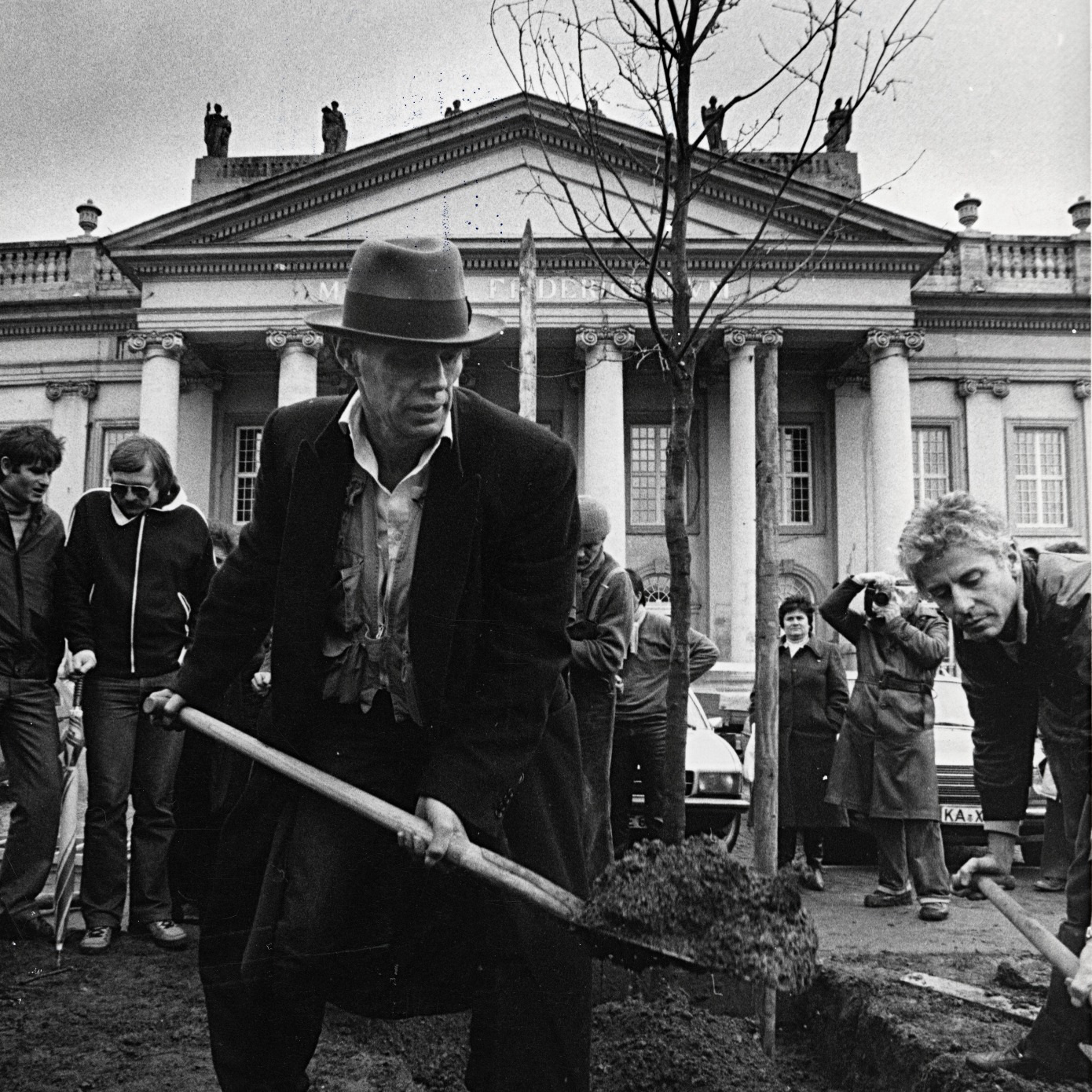
The article reviews the second edition of the Klima Biennale Wien, which opened in early April in Vienna. It notes that while the biennale aims to address the urgent triple crisis of climate change, biodiversity loss, and pollution, its execution falls short. The exhibition features symbolic works such as a beached whale, a broken boat, and a compostable SUV sculpture, but these motifs feel repetitive and lack the necessary impact. The author contrasts these with historical precedents like Menashe Kadishman's 1978 Venice Biennale installation and Joseph Beuys' "7000 Eichen" (1982), arguing that the themes of nature and sustainability are not new, only the urgency has intensified.

The 2026 Venice Biennale Is Quintessential Biennial Art

The 61st Venice Biennale, titled "In Minor Keys" and curated by the late Swiss-Cameroonian curator Koyo Kouoh, opened in 2026. The main exhibition at the Arsenale and Giardini features works by artists such as Éric Baudelaire, Maria Magdalena Campos Pons, Mohammed Z. Rahman, Sohrab Hura, and Rose Salane, among others. The exhibition centers on themes of mourning, colonial history, slavery, and healing, with works like Baudelaire's video installation linking the flower trade to the transatlantic slave trade, and a tribute section honoring artists Beverly Buchanan and Issa Samb.

Hulda Guzmán review – lizards and ghosts gather for an art freakout in the rainforest

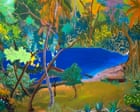
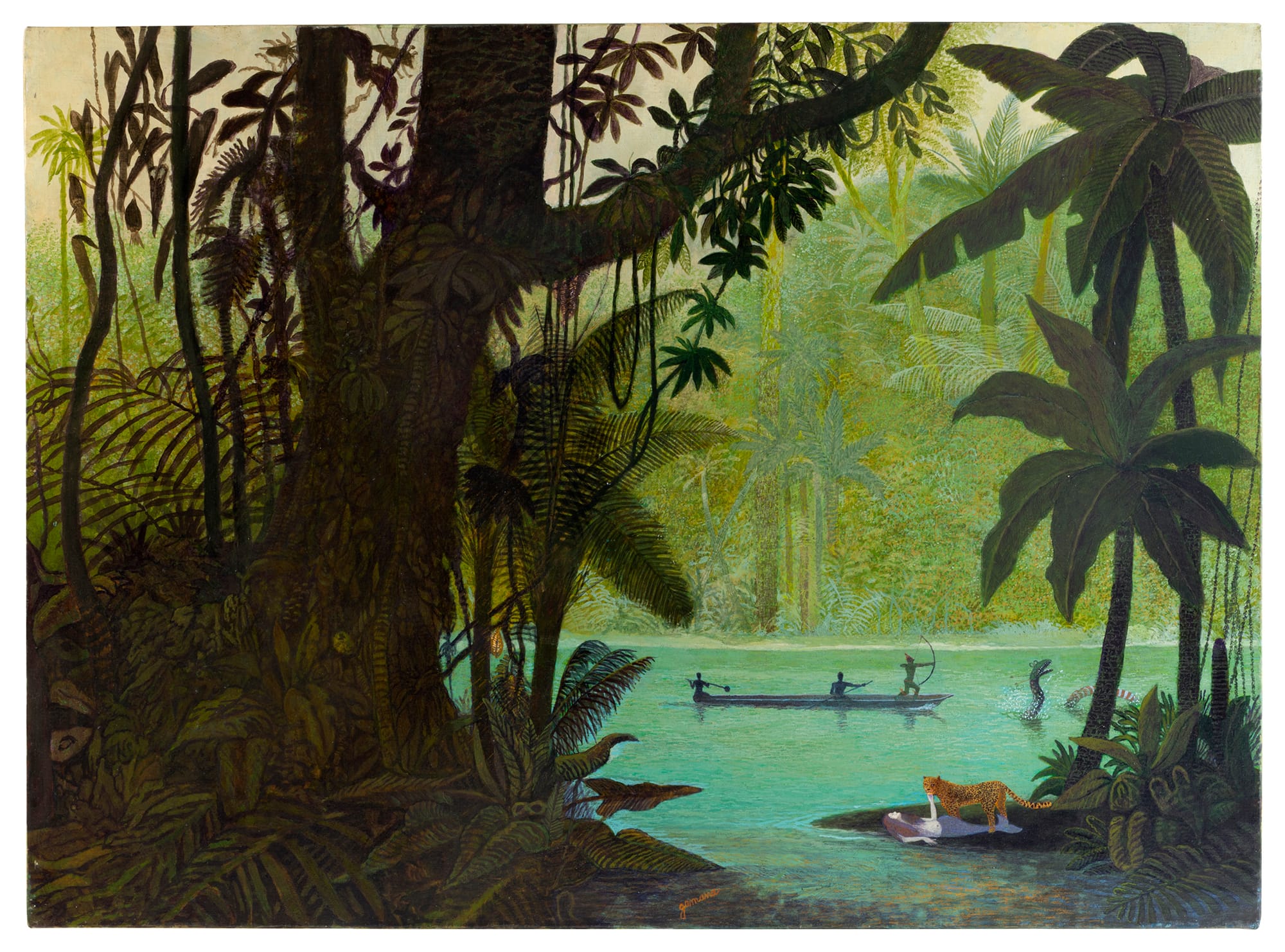
Hulda Guzmán's first institutional exhibition in Europe, "Please Awake – Asked Nature Kindly," is on view at Turner Contemporary in Margate, UK. The show features the Dominican artist's ultra-colorful, psychedelic jungle paintings that blend art historical references—from Japanese ukiyo-e prints to pointillism and symbolism—with personal mythology, demons, spirits, and lush tropical landscapes. The works are drawn from her life in the Dominican rainforest, where she lives and works in a studio built by her architect father.

future of the art world andras szanto review

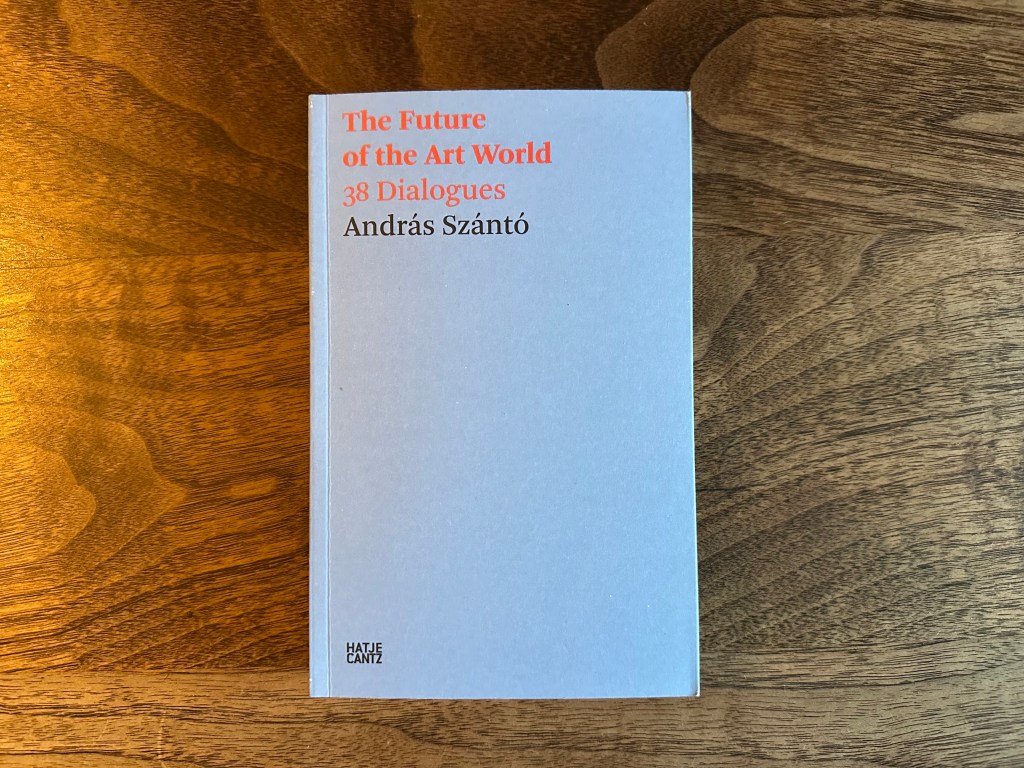
András Szántó has published the third volume of his trilogy on the future of museums and the art world, titled "The Future of the Art World." The book compiles 38 interviews conducted between April 2024 and June 2025 with a wide range of art-world stakeholders, including artists, curators, collectors, dealers, auctioneers, art fair directors, sociologists, philosophers, and policymakers. Unlike his previous books, which focused on museum directors and architects, this volume gives significant voice to artists, who offer provocative critiques and predictions about the future of museums, art education, and digital art.

Todd Gray Reframes Black Diasporic History

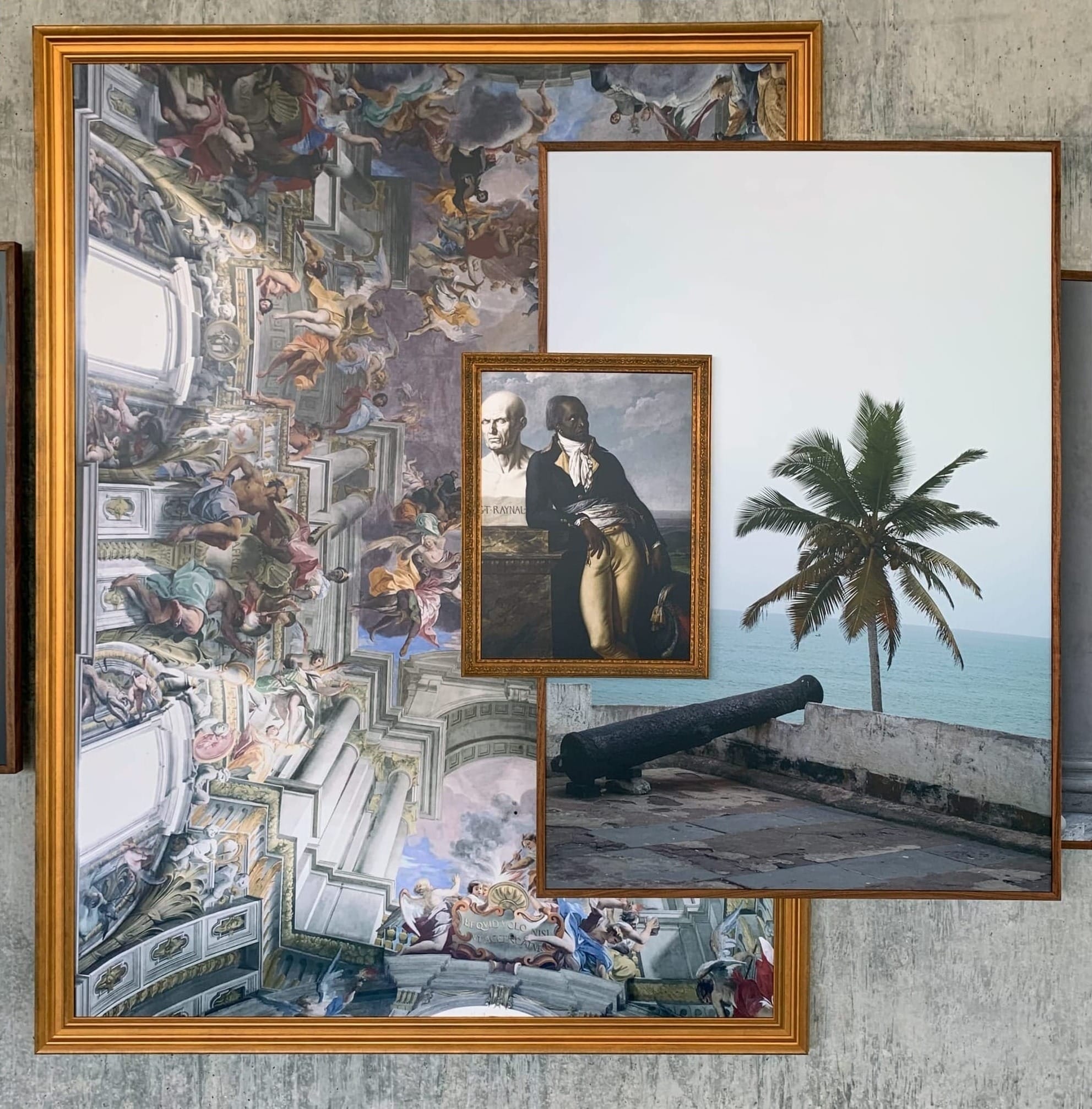
Todd Gray's exhibition "Portals" at Perrotin in Los Angeles features multi-paneled photo assemblages that juxtapose images of slavery with European art, architecture, and formal gardens, exploring the evolution of Black history and identity. The show coincides with the opening of his commissioned installation "Octavia's Gaze" (2025) at the new David Geffen Galleries of the Los Angeles County Museum of Art. Gray's works incorporate his own photographs alongside sources like Hubble Space Telescope imagery, creating layered visual puzzles that invite viewers to find connections and ask questions about African diasporic identity.

Raphael Met Museum Retrospective Review

raphael met museum retrospective review

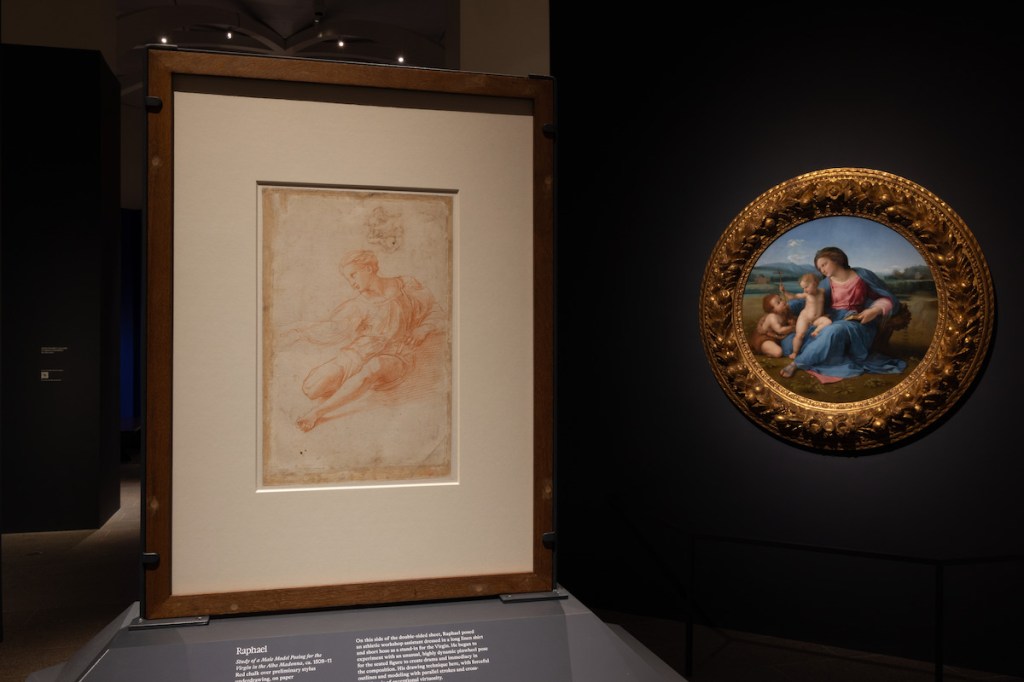
The Metropolitan Museum of Art has launched "Raphael: Sublime Poetry," the first major retrospective of the Renaissance master ever staged in the United States. Curated by Carmen C. Bambach, the exhibition features 237 works, including rare loans of drawings and monumental tapestries that have not left Madrid since the 16th century. While some of his most famous paintings remain in Europe, the show provides an exhaustive look at the artist's development from a teenage prodigy to a papal favorite.

The Big Review | Lacma's David Geffen Galleries ★★★★

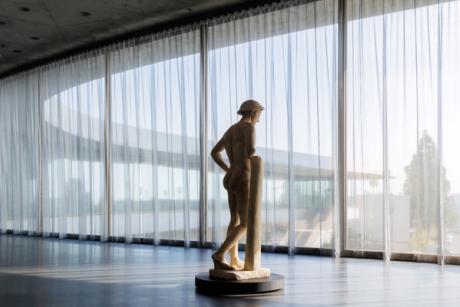
The Swiss architect Peter Zumthor's new $724 million building for the Los Angeles County Museum of Art (Lacma), now called the David Geffen Galleries, has opened after nearly two decades of anticipation. The swooping concrete-and-glass structure is praised for its harnessing of natural light and horizontality, creating a stunning showcase for antiquities and inviting the city inside with floor-to-ceiling windows offering views of the La Brea Tar Pits and Wilshire Boulevard. The building performs best with sculpture and decorative objects, with standout works including Liz Glynn's "The Futility of Conquest" (2023) and Manjunath Kamath's "Vikatonarva" (2024).

art criticism cameron rowland anne imhof

The article reviews several notable art events and exhibitions from 2025, beginning with Cameron Rowland's controversial work "Replacement" at the Palais de Tokyo in Paris, where the French flag was replaced with the flag of Martinique, leading to the artwork being deemed potentially illegal. It also covers Johanna Fateman's review of Rowland's "Properties" at Dia Beacon, Ross Simonini's reflection on Joseph Beuys and the Eaton fire in Los Angeles, John Vincler's critiques of Cady Noland at Gagosian and Nicole Eisenman at 52 Walker, and Fateman's year-end roundup including figures like Anne Imhof, Laura Owens, and Jack Whitten.

art los angeles fall openings review

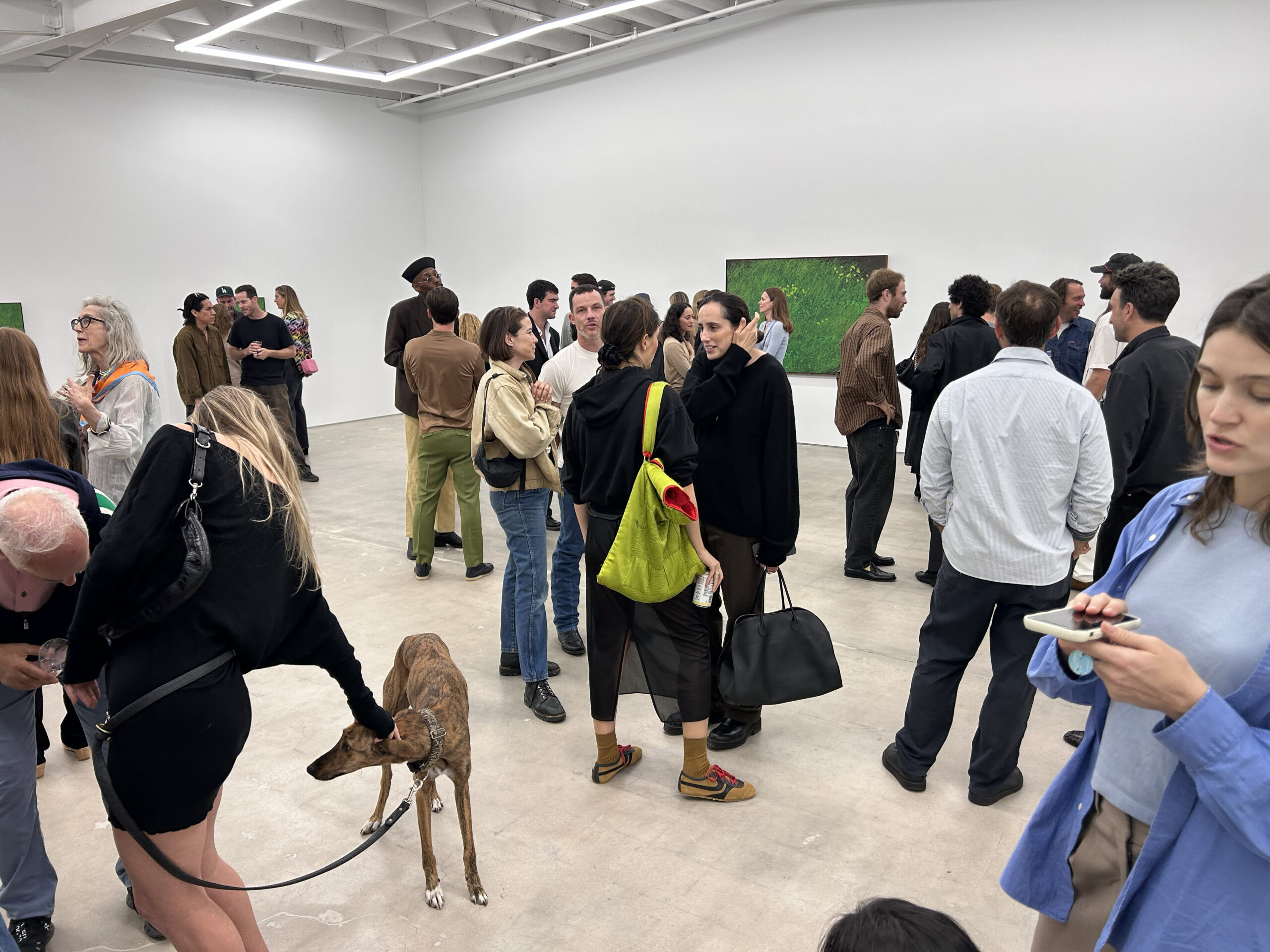
The article is a review of fall art openings in Los Angeles, written by Juliana Halpert for her Critics’ Table debut. Halpert surveys a range of exhibitions, including Calvin Marcus's show at Karma, Stanya Kahn's solo presentation, the Hammer Museum's "Made in L.A." biennial and its scrappier counterpart "Made in HelLA," Josh Smith's grim reaper paintings at David Zwirner, and Adam Alessi's show at Hoffman Donahue. She also recounts attending the Poetic Research Bureau's 25th anniversary party and fundraiser at 2220 Arts + Archives, where musician Jack Skelley performed. The review weaves a thematic thread of mortality and the macabre, noting how many shows this season engage with death, from fake blood and skulls to sinister landscapes.

Winston Churchill: The Painter review – We will daub them on the beaches

The Guardian reviews "Winston Churchill: The Painter," an exhibition of nearly 60 paintings by the former British prime minister, curated by Xavier Bray and Lucy Davis. The show assembles works from across the UK and private collections, depicting scenes from Churchill's travels, stately homes, and leisure moments, painted as an amateur Sunday painter for stress relief rather than artistic acclaim. The review notes Churchill's use of techniques borrowed from Walter Sickert, including projectors and monochrome underlayers, and describes his style as charmingly amateurish with a vivacity in seascapes but weakness in figures and architectural luminosity.

Zineb Sedira review: A chic ode to revolutionary cinema, brainy boozers – and exceptional berets

Zineb Sedira's exhibition at Tate Britain presents a cinematic and sculptural homage to La Cinémathèque Algérienne, the Algerian film archive founded in 1965 that became a hub for leftist African filmmakers. The show recreates a 1970s Algerian cafe in Paris, complete with a jukebox, books on revolutionary cinema, and a model movie theater screening a documentary about the archive's director, Boudjemaâ Karèche. Sedira, born in Paris to Algerian parents and based in London, weaves personal and political narratives to explore identity, diaspora, and the role of art in social change.

Diedrick Brackens’s Tapestries Beckon the Light of Freedom

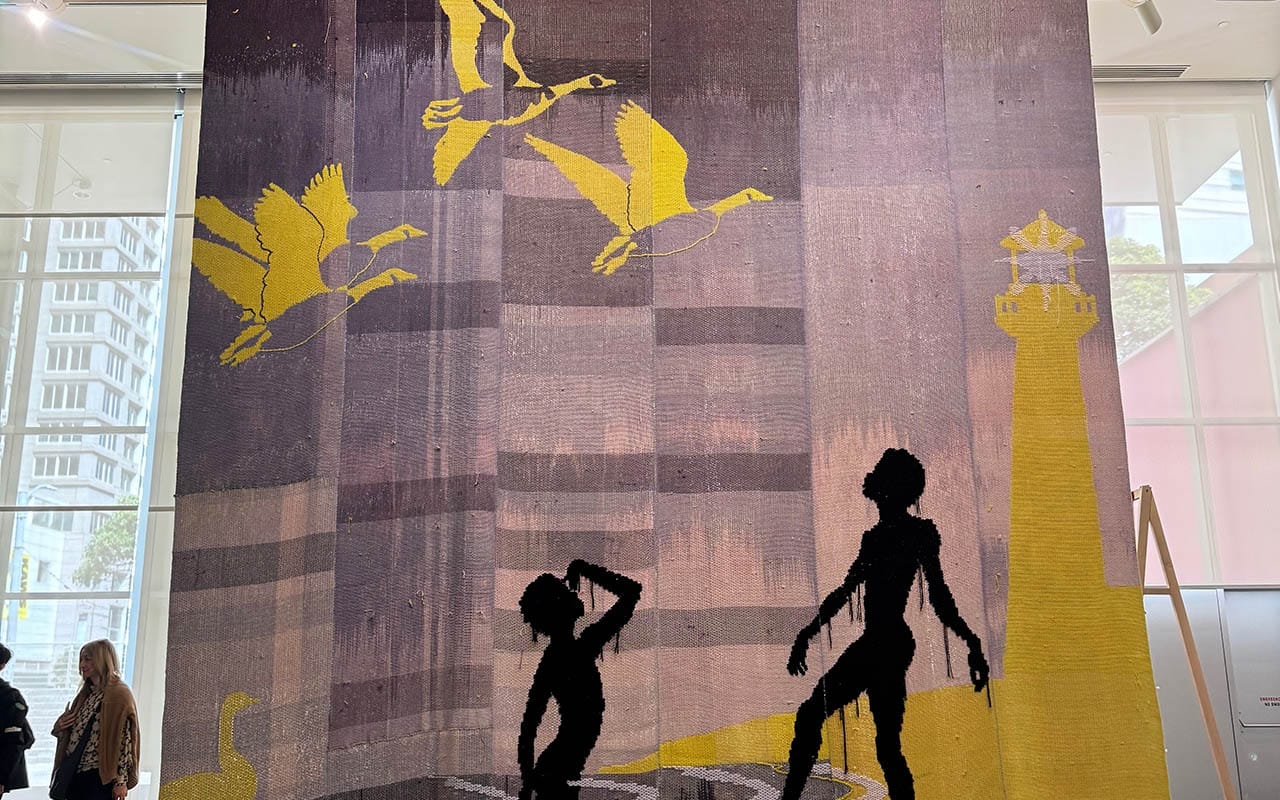
Diedrick Brackens presents his first solo exhibition in the Bay Area, "gather tender night," at Yerba Buena Center for the Arts in San Francisco. Guest-curated by Eungie Joo, the show features 15 tapestries from 2020 onward and three new works from 2026, including the immersive installation "clearing (2026)." Brackens, a Black queer artist and CCA professor, uses hand-dyed cotton and acrylic yarn to weave narratives of personal memory, myth, and the natural world, drawing from West African weaving, California fiber art, European tapestry, and Gee's Bend quilting. His approach, influenced by the "sloppy craft" ethos of his mentor Josh Faught, embraces unfinished edges and visible process as acts of refusal against polished traditions.

The Big Review: Rothko in Florence ★★★★★

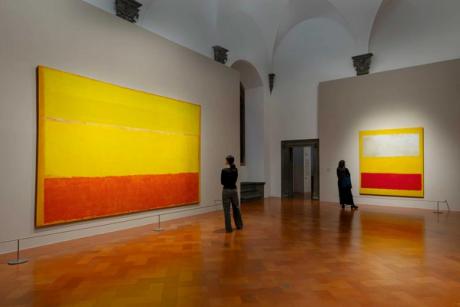
The Palazzo Strozzi in Florence has launched a major exhibition exploring the profound influence of the Italian Renaissance on Mark Rothko. Co-curated by the artist's son, Christopher Rothko, the show spans three historic locations: the Palazzo Strozzi, the Museo di San Marco, and the Biblioteca Medicea Laurenziana. By placing Rothko’s abstract canvases in direct dialogue with Fra Angelico’s frescoes and Michelangelo’s architecture, the exhibition highlights how the artist’s visits to Italy in the 1950s and 60s shaped his spatial thinking and spiritual intensity.

Joseph Grigely's 'Otherhow' Primary Information on Disability Arts and Being Deaf

joseph grigely primary information otherhow disability arts deaf

Artist and writer Joseph Grigely has published a new essay collection, 'Otherhow: Essays and Documents on Art and Disability 1985–2024.' The book compiles decades of his work, blending art, autobiography, and advocacy through ephemera like postcards, emails, and legal documents to chronicle his experiences navigating the art world as a deaf man.

15th Shanghai Biennale Review: Code Switching

The 15th Shanghai Biennale, titled 'Code Switching,' has opened at the Power Station of Art (PSA). The exhibition, centered on the theme of what hears and what can be heard, features immersive installations like Allora & Calzadilla's floating yellow synthetic flowers in the atrium, which create a striking yet artificial environment that visitors eagerly photograph. The experience is framed by promotional gestures, such as free manuka honey samples, blurring lines between art, commerce, and audience participation.

‘The Secret Agent’ Finds Desire in the Archive

The article reviews the exhibition 'The Secret Agent' at the Institute of Contemporary Arts (ICA) in London, curated by artist and writer Hannah Gregory. The show features works by artists including Louise Lawler, Susan Hiller, and John Stezaker, exploring themes of desire, secrecy, and the archival impulse through photography, film, and installation.

Notes from New York: Rotting Meat

Artist Jen Liu’s solo exhibition 'Pound of Flesh' at Silverlens New York explores the dehumanizing nature of digital labor through visceral imagery of raw meat. The show features paintings where human consciousness is replaced by butcher-shop cuts and an animated video based on Liu’s research into microworkers—individuals who perform repetitive, low-paid tasks to train AI models. By juxtaposing the biological reality of the body with the clinical extraction of data, Liu highlights the physical and psychological toll of the 'Agentic Age.'

Leah Ki Yi Zheng’s Personal I Ching

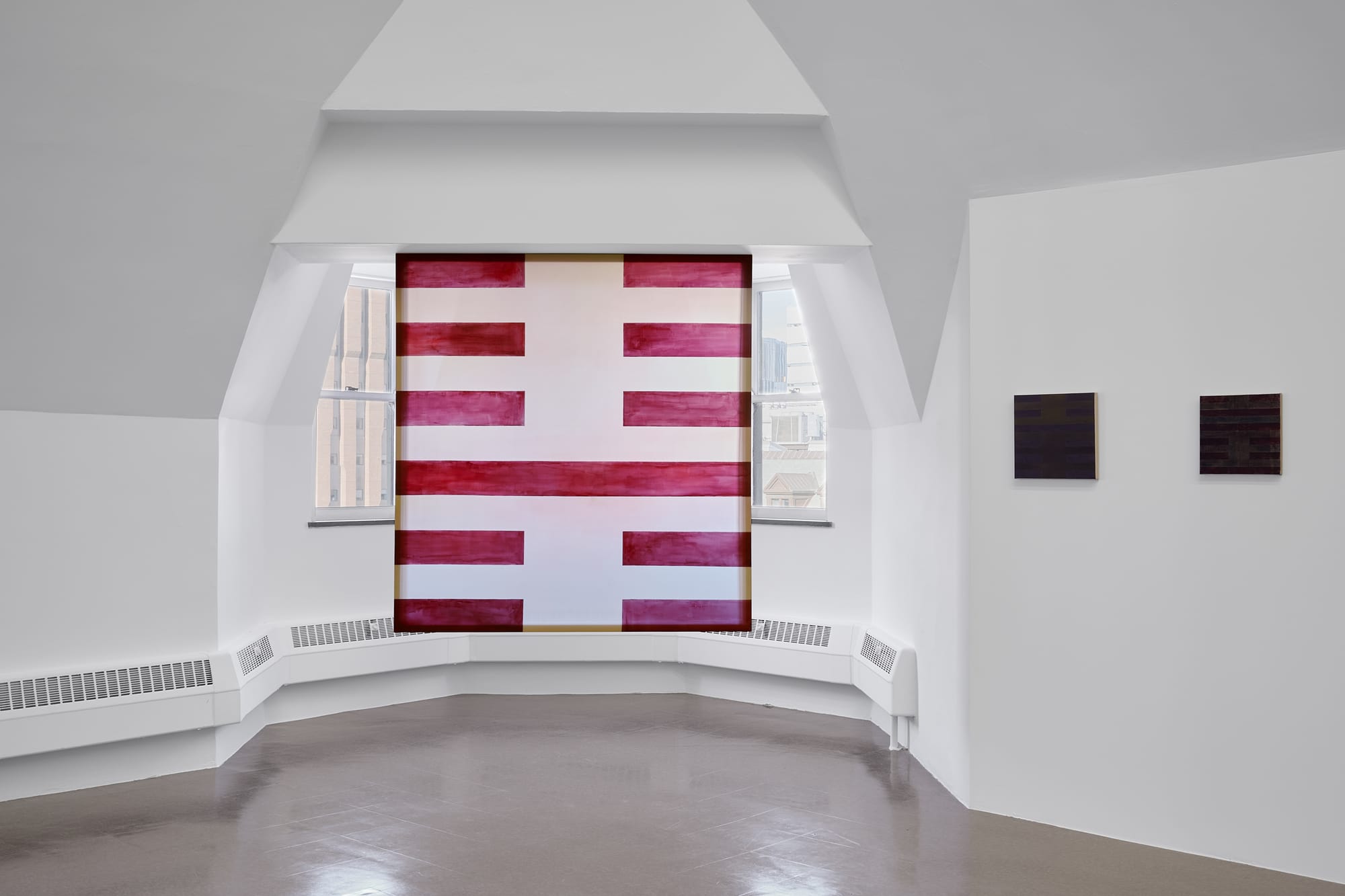
Artist Leah Ke Yi Zheng's exhibition "Change, I Ching (64 Paintings)" at the Renaissance Society in Chicago presents a series of oil and acrylic paintings on silk, each depicting one of the 64 hexagrams from the ancient Chinese divination text, the I Ching. The artist physically altered the gallery's architecture to control light and create a specific viewing rhythm, synthesizing materials and techniques from Chinese ink painting traditions with Western geometric abstraction and oil painting.

The National Gallery of Art’s Dear America Needs a Postscript

The National Gallery of Art in Washington, D.C. has opened "Dear America," an exhibition organized around the themes of "Land," "Community," and "Freedom" that attempts to survey the entire history of the United States through its collection. The show features works by artists including Mitch Epstein, Victoria Sambunaris, Sedrick E. Huckaby, and Nancy Andrews, with sections on the American landscape, industrialization, and diverse communities. However, the review notes that the exhibition feels overly literal, with American flags prominently featured and a sense of ticking off boxes rather than offering a challenging or intellectually rigorous presentation.

Exhibition Review & Studio Visit Feature: Don Porcaro and his “Lost Stories” at Westwood Gallery

Don Porcaro (American, b. 1950) presented his second solo exhibition at Westwood Gallery in New York, titled "Lost Stories," featuring two series of stone sculptures: towering polylithic pillars from the Lost Stories series and mysterious artifact-like objects from the Art or Fact series. Curated by gallery co-founder James Cavello, the show highlights Porcaro's lifelong practice of sourcing stones from diverse geographies and reconfiguring them into stacked, architecturally inspired forms that evoke prehistoric megaliths, ancient columns, and funerary urns.

Is This What “Made in America” Looks Like?

Christopher Payne's exhibition "Made in America: The Industrial Photography of Christopher Payne" at the Cooper Hewitt, Smithsonian Design Museum showcases 72 large-format photographs documenting active American factories and manufacturing processes. The trained architect turned photographer spent a decade visiting dozens of production sites across the United States, from the New York Times printing plant in Queens to the Bollman Hat Company in Pennsylvania, capturing workers' craftsmanship and the intricate steps involved in making everything from Peeps candies to jet engines. The exhibition is organized into three sections—traditional handcraft, large-scale production, and cutting-edge technologies—and coincides with the Smithsonian's celebration of the nation's 250th anniversary.

Édouard Glissant’s Museum-as-Archipelago

The article reviews the exhibition "The Earth, the Fire, the Water, and the Winds: For a Museum of Errantry with Édouard Glissant" at the Center for Art, Research and Alliances (CARA) in New York, the first U.S. showing of works from the personal collection of Martinician philosopher and writer Édouard Glissant. Curated from his archive, the exhibition features artists such as Roberto Matta, Wifredo Lam, Etel Adnan, Irving Petlin, Antonio Seguí, Öyvind Fahlström, Jack Whitten, and Mel Edwards, reflecting Glissant's friendships and intellectual exchanges across Europe, Africa, and the Americas. Highlights include Antonio Seguí's large pastel works from his Titanic series.

The Revolutionary Tapestry of Nigerian Modernism

The exhibition "Nigerian Modernism" at Tate Modern in London is the first show of its kind in the UK, surveying how Nigerian artists forged a postcolonial identity across the 20th century. It features works by pioneers such as Aina Onabolu, Benedict Enwonwu, and members of the radical Zaria Art Society, including Uche Okeke, Jimo Akolo, and Clara Etso Ugbodaga-Ngu, highlighting their break from British artistic traditions and embrace of local visual heritage.

« Caïn » de Fernand Cormon : aux origines de la conscience humaine ?

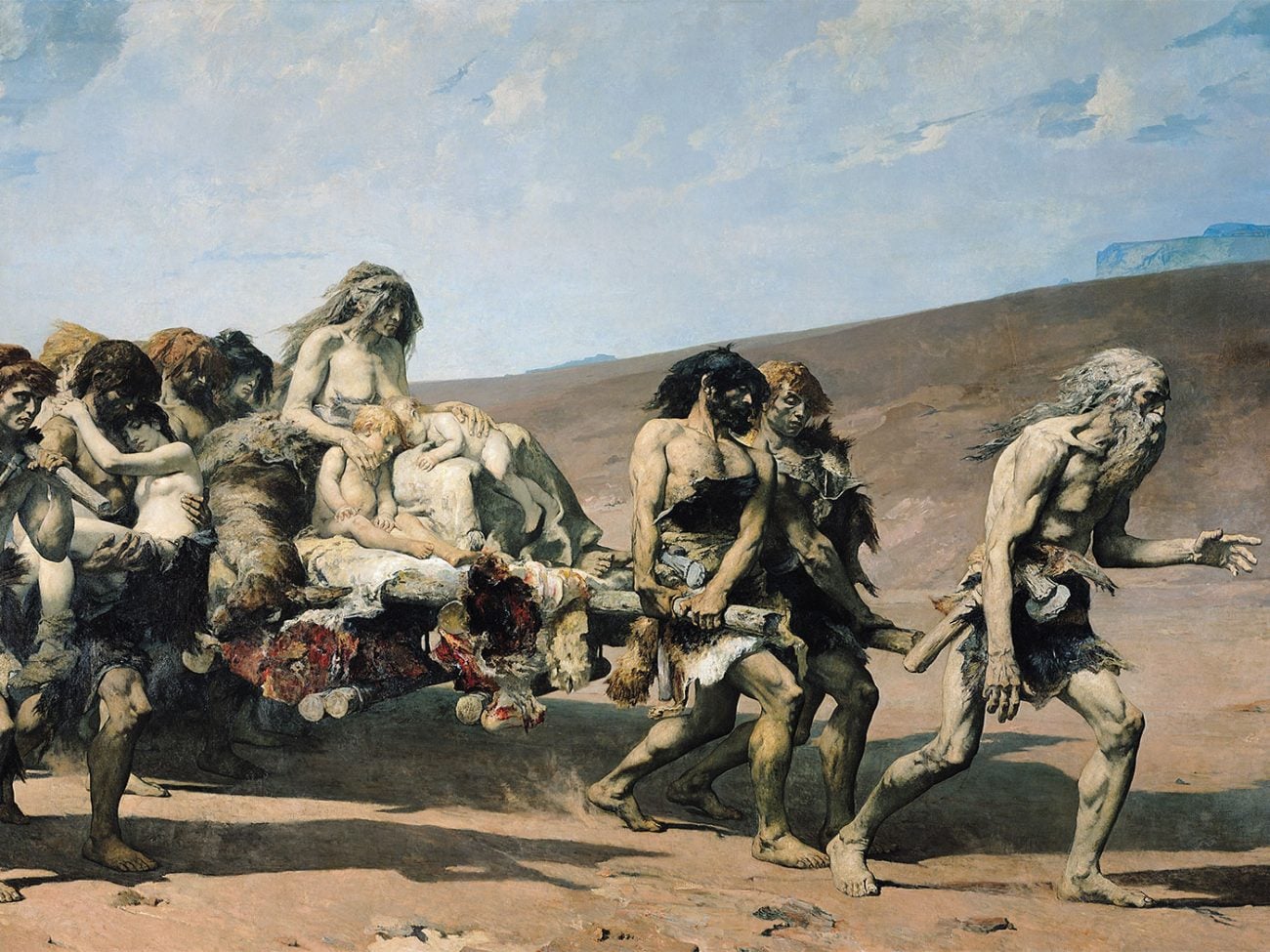
Beaux Arts Magazine analyzes Fernand Cormon's monumental 1880 painting "Caïn," currently held at the Musée d'Orsay. The article describes the scene: a prehistoric, weary clan trudges through a desert, led by a haggard patriarch, with a tired mother on a litter and hunters carrying game. Cormon's work is presented as the antithesis of classical triumph, evoking a melancholic, post-traumatic atmosphere. The painting is linked to the biblical story of Cain, who killed his brother Abel and was condemned to exile, and is accompanied by verses from Victor Hugo's poem "Conscience."

Inside LACMA’s Eye-Popping New Home, How Do You Find the Art?

The Los Angeles County Museum of Art (LACMA) has opened its new David Geffen Galleries building, a major architectural project designed to be a glamorous cultural beacon. The building itself is a striking landmark, but the exhibition spaces within present significant challenges for the display of art, creating a complex, maze-like environment for visitors.

j hobermans book everything is now 1960s nyc downtown yoko ono andy warhol

J. Hoberman's new book, *Everything Is Now: The 1960s New York Avant-Garde—Primal Happenings, Underground Movies, Radical Pop*, offers a sweeping cultural history of the downtown New York scene in the 1960s. The book centers on figures like Jonas Mekas, Andy Warhol, Yoko Ono, and Jack Smith, weaving together experimental films, happenings, music, and the chaotic energy of the era. Hoberman, a longtime critic and curator, draws on his personal connections to the scene, including his mentorship under Mekas, and will present a selection of shorts from the book at Anthology Film Archives in June.