filter_list Showing 10 results for "ARTE" close Clear
search
dashboard All 600 museum exhibitions 364article culture 60article local 57article news 38trending_up market 33article policy 14person people 13rate_review review 10candle obituary 7gavel restitution 4
date_range Range Today This Week This Month All
Subscribe

Mary Frank Creates Her Own Pantheon

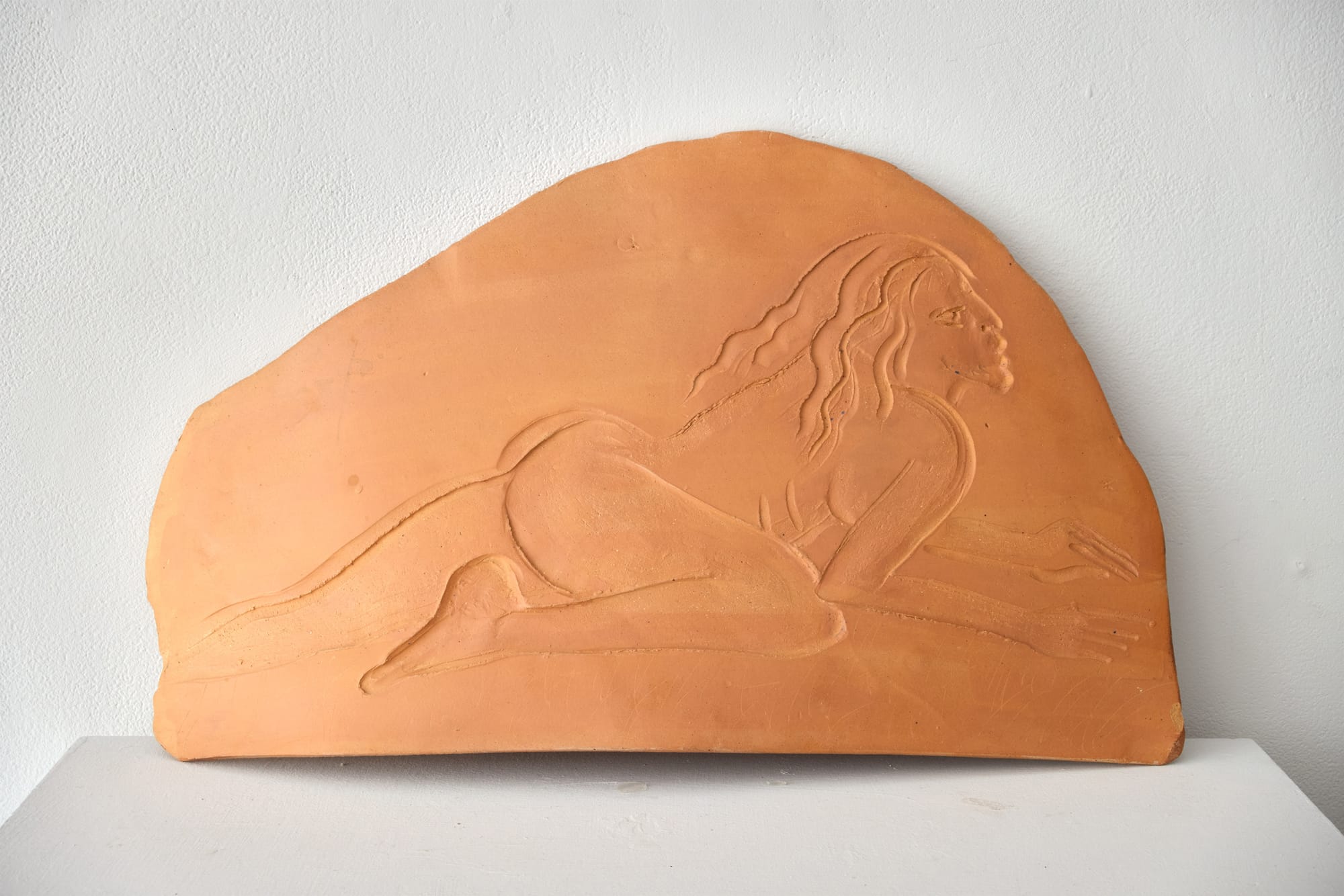
Mary Frank, an artist in her early 90s known for mythologically rooted sculpture and works on paper, is the subject of a focused exhibition at Steven Harvey Fine Art Projects in New York. Curated by Steven Harvey, the show presents 11 sculptures in wood, bronze, and ceramic from 1958 to 1985, alongside five works on paper, including a monotype and an oil-on-paper piece. Frank’s work, influenced by her study with Martha Graham, centers on self-sustaining female figures that embody agency, tenderness, and survival, often rendered in ceramic slabs or carved wood.
Is there really an energy transformation in Marina Abramović's exhibition in Venice?

Nella mostra di Marina Abramović a Venezia c’è davvero una trasformazione di energia?

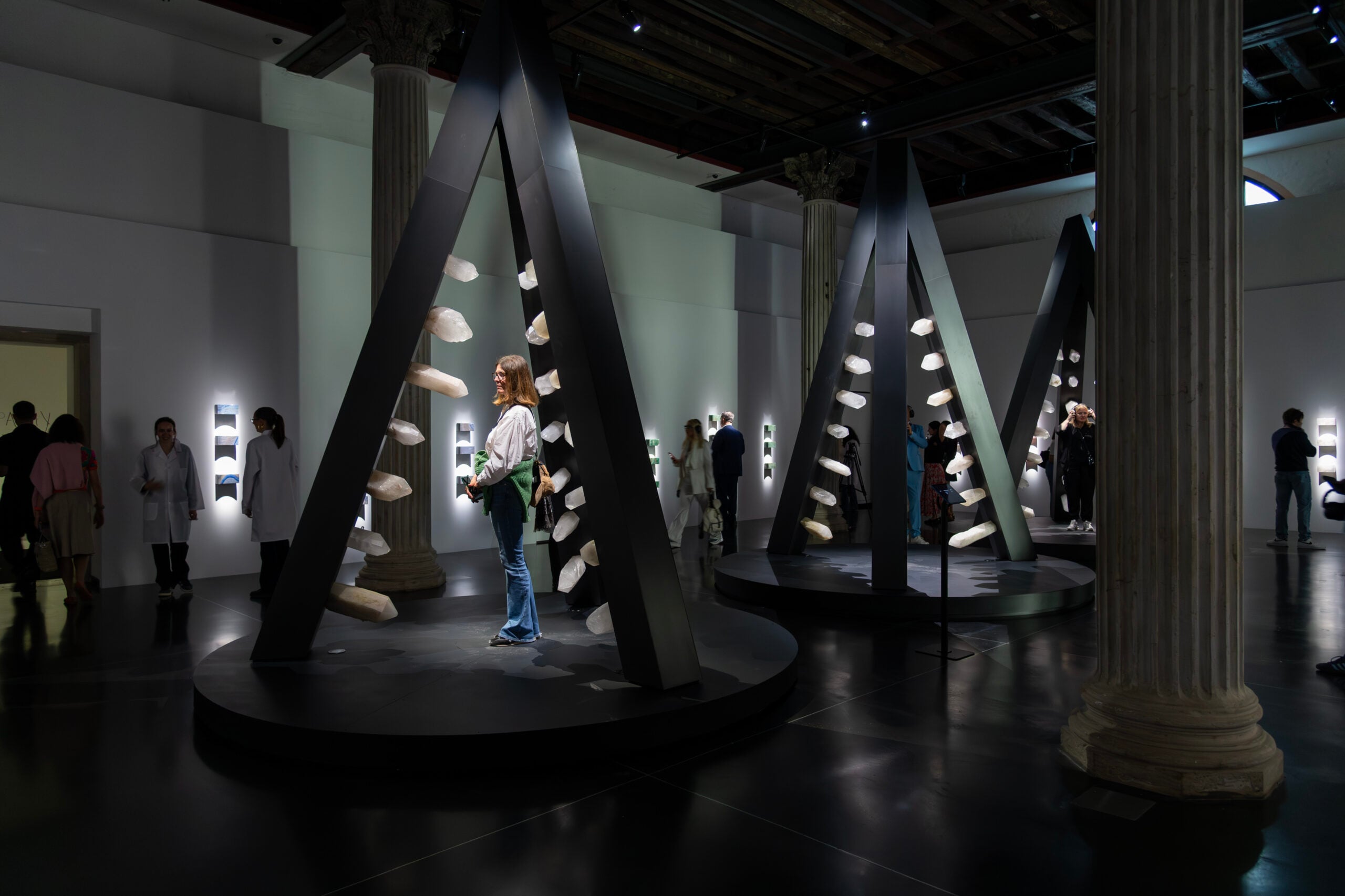
At the Gallerie dell'Accademia in Venice, Marina Abramović's exhibition "Transforming Energy" opens to the public from May 9 to September 30, 2026, as part of the 2026 Venice Biennale. The show is designed as an experiential device that moves beyond traditional exhibition formats, inviting viewers to determine their own presence through a sequence of rooms built around relationships between body, materials, and time. Crystals and locks of hair function not as decoration but as presences to be inhabited, demanding radical attention rather than spectacular participation. During the press conference, Abramović and curator Shai Baitel insisted that the materials, especially the crystals, possess real energy capable of directly affecting the viewer's body and perception, not merely as metaphor but as an active condition.

Blank Spaces. Sung Tieu by Sarah Johanna Theurer

Sung Tieu's installations, characterized by austere, bureaucratic surfaces, explore the hidden architectures of power embedded in everyday systems. The article examines her series of works that deconstruct administrative forms used in asylum procedures, reducing them to blank spaces and quantified grids to expose how institutional power operates through seemingly neutral documents. Her exhibition "In Cold Print" at Nottingham Contemporary physically manifests these themes by using steel fences to control viewer movement, drawing direct parallels between minimalist sculpture and the dehumanizing design of border controls.

Losing Frida Kahlo in "The Making of an Icon"

The article critiques the Museum of Fine Arts, Houston's (MFAH) exhibition "Frida: The Making of an Icon," arguing that it perpetuates a fetishized, commercialized view of Frida Kahlo by focusing on her biography—her marriage to Diego Rivera, her affairs, her accident—rather than her artistic skill. The author contrasts this with a visit to the Museo de Arte Moderno (MAM) in Mexico City, where the exhibition "Relatos modernos. Obras emblemáticas de la Colección Gelman Santander" presents Kahlo's work alongside other Mexican masters in a quiet, understated manner that allows viewers to appreciate her technical abilities without overwhelming narrative.

CUANDO LOS OBJETOS HABLAN. MUSEO HECHIZO, DE JUAN JOSÉ SANTOS

Juan José Santos's book "Museo hechizo" (Metales Pesados, 2025) challenges the perceived neutrality of the Western museum, presenting it as an institution shaped by colonial logics of classification, extraction, and representation. The essay centers on the concept of "lo hechizo"—understood as both artisanal precariousness and disruptive enchantment—and explores small, community-based Latin American museum experiences that operate from precarity, reciprocity, and care. Santos argues that the museum is a space of conflict where voices, narratives, and ways of constructing history are contested, and he proposes thinking of the museum through its minor, situated, and alternative forms in Latin America.

Gabrielle Goliath Sounds a Call to Action in Venice

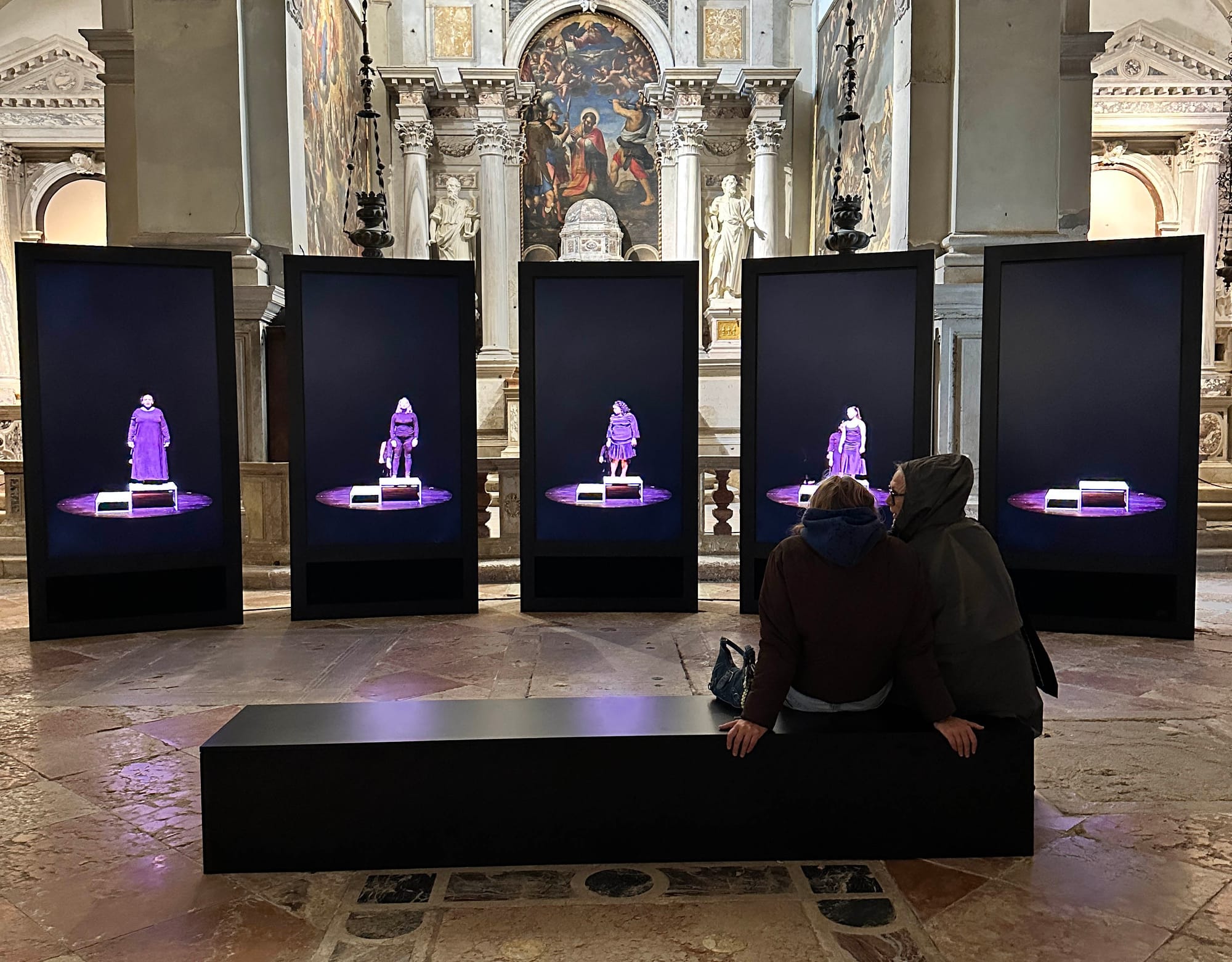
Gabrielle Goliath’s exhibition "Elegy" is presented as South Africa’s unofficial pavilion at the 61st Venice Biennale, after the country’s Culture Minister Gayton McKenzie overrode an independent committee’s selection of Goliath, citing her proposed inclusion of a memorial for Palestinians killed in Gaza. The installation features three video works in which singers sound a single note in tribute to victims of violence: a South African femicide victim, two women killed in Germany’s colonial genocide in Namibia, and Palestinian poet Heba Abunada. The show occupies the Chiesa di Sant'Antonin in Venice, curated with Ingrid Masondo, after a legal challenge against McKenzie was dismissed.

Body as Device. Guide and Reflection on the Performances of the Venice Biennale

Corpo come dispositivo. Guida e riflessione sulle performance della Biennale di Venezia

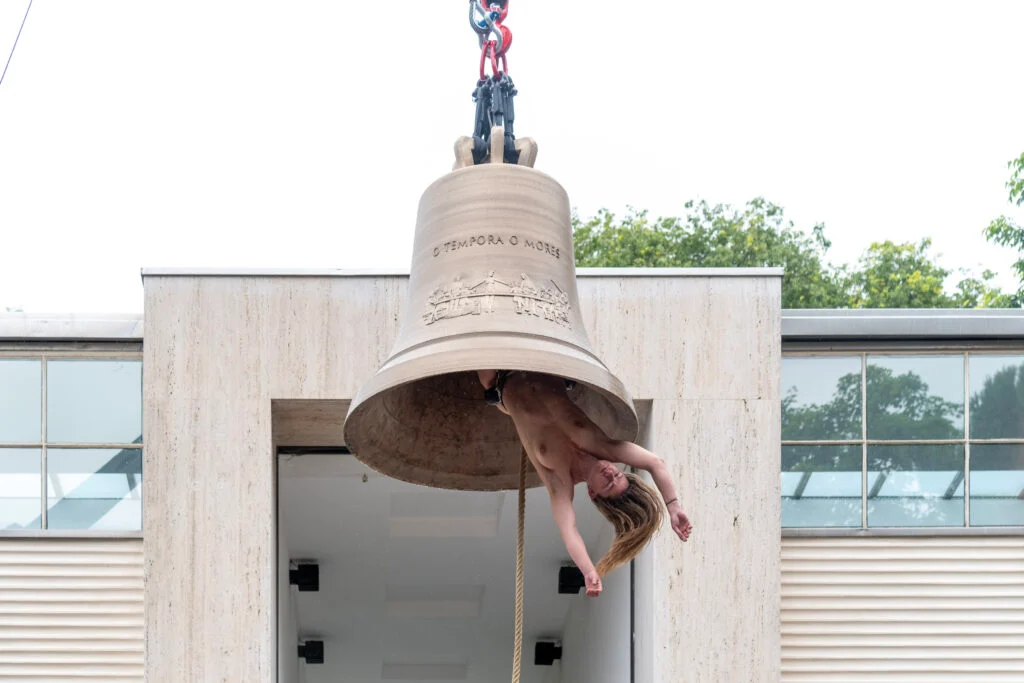
The article analyzes the role of performance art at the 2026 Venice Biennale, arguing that performance is no longer a rediscovered genre but a structurally institutionalized primary form of experience production. It examines how the body reemerges not as an alternative to image-based works but as an internal interruption of the artwork system, preventing closure and reintroducing instability. Key pavilions are discussed: Austria's Florentina Holzinger with "Sancta" draws on 1970s radical performance and feminist body art, creating an immersive environment of continuous movement; Belgium's Miet Warlop with "IT NEVER SSST" engages post-dramatic theater and postmodern dance repetition; Japan's Ei Arakawa-Nash with "Grass Babies, Moon Babies" activates Gutai avant-garde legacies through viewer interaction with soft dolls.

What is the international exhibition of the Venice Biennale like? Review of "In minor keys" by Koyo Kouoh

Com’è la mostra internazionale della Biennale di Venezia? Recensione di “In minor keys” di Koyo Kouoh

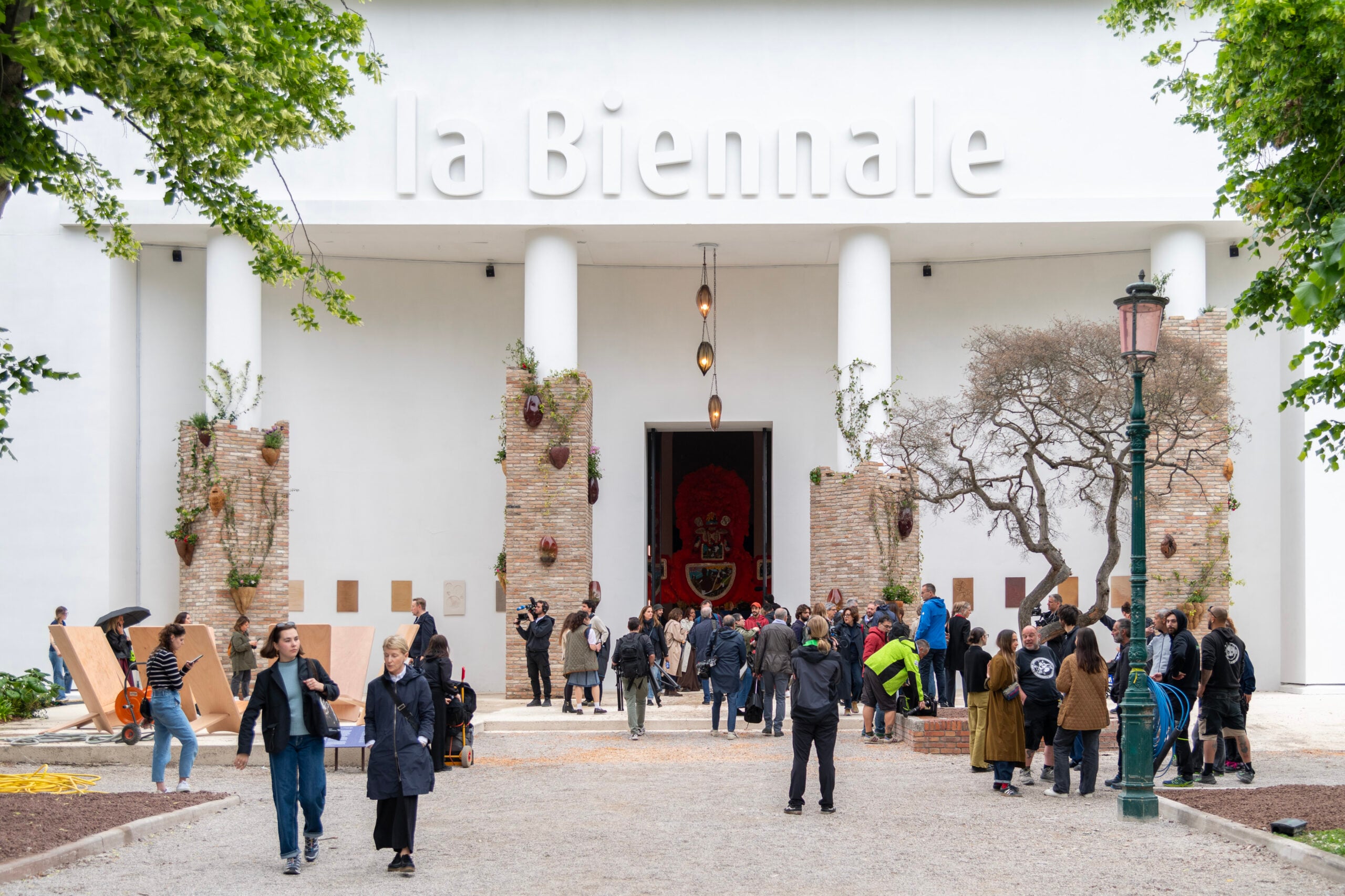
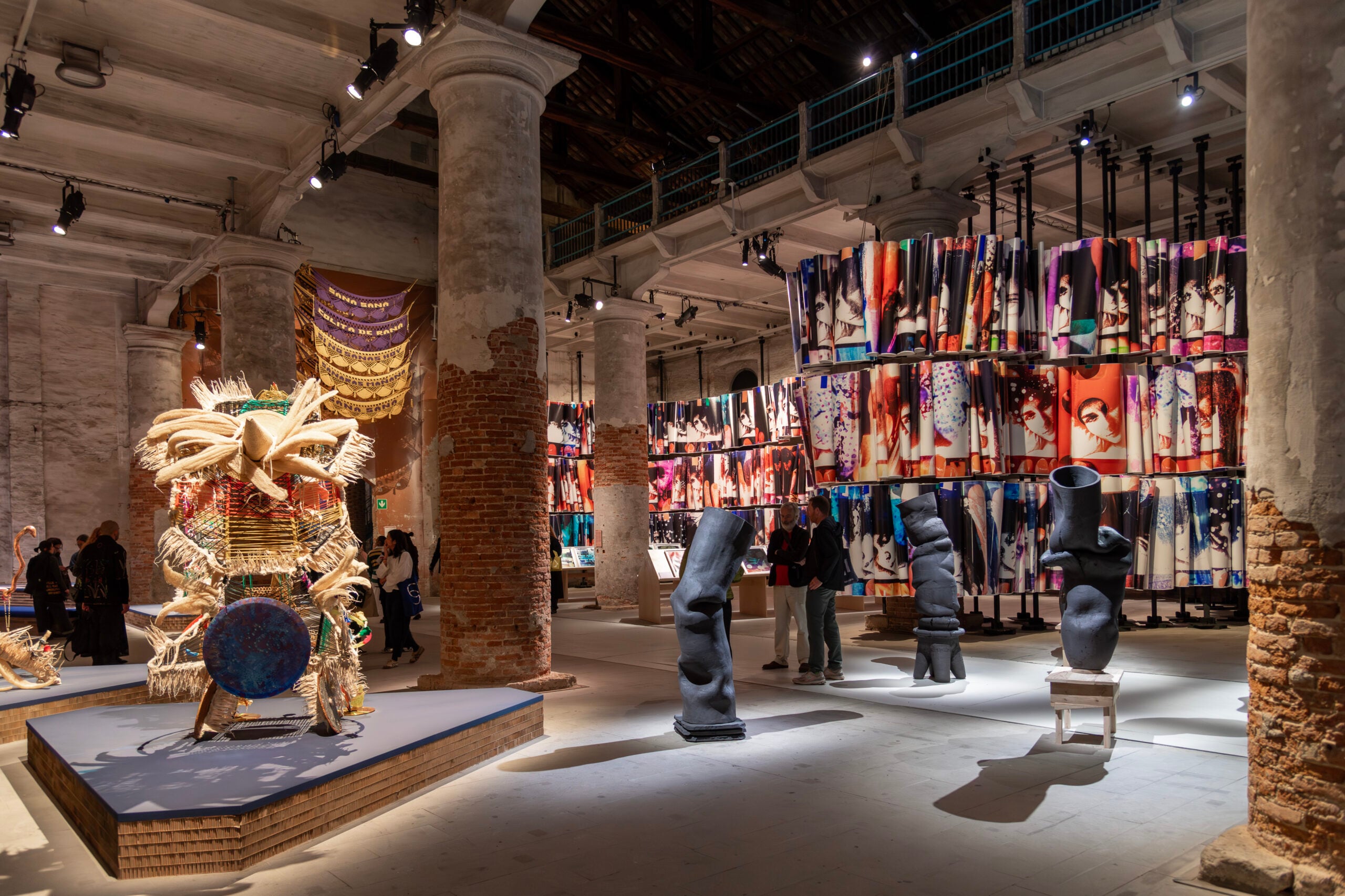
The 2026 Venice Biennale, titled "In minor keys" and curated by the late Koyo Kouoh, opens to the public on May 9 amid controversies including the absence of the president's name in the colophon at the Arsenale entrance. The exhibition, organized by Kouoh's team (Rory Tsapayi, Siddharta Mitter, Marie Helene Pereira, Gabe Beckhurst Feijoo, and Rasha Salty), unfolds across the Giardini and the Arsenale's Corderie, featuring works that balance strength and beauty with a harmonious mix of voices and themes. The Giardini section is particularly compelling, with a non-linear, polycentric layout that feels like a living organism, while the Arsenale offers further depth.

A review of the 2026 Venice Biennale without naming a single artist

Una recensione della Biennale di Venezia 2026 senza nominare neppure un artista

This review of the 2026 Venice Biennale describes an exhibition that overcame dire circumstances—the death of curator Koyo Kouoh early in preparations, losses of key artists, and international political controversies—to deliver a surprisingly joyful and engaging show. Titled "In Minor Keys," the Biennale features a well-conceived, flowing presentation across the Giardini and Arsenale that prioritizes beauty, craftsmanship, and hope over a punitive or documentary tone.

Ghosts in a Postcard Idyll

Geister im Postkartenidyll

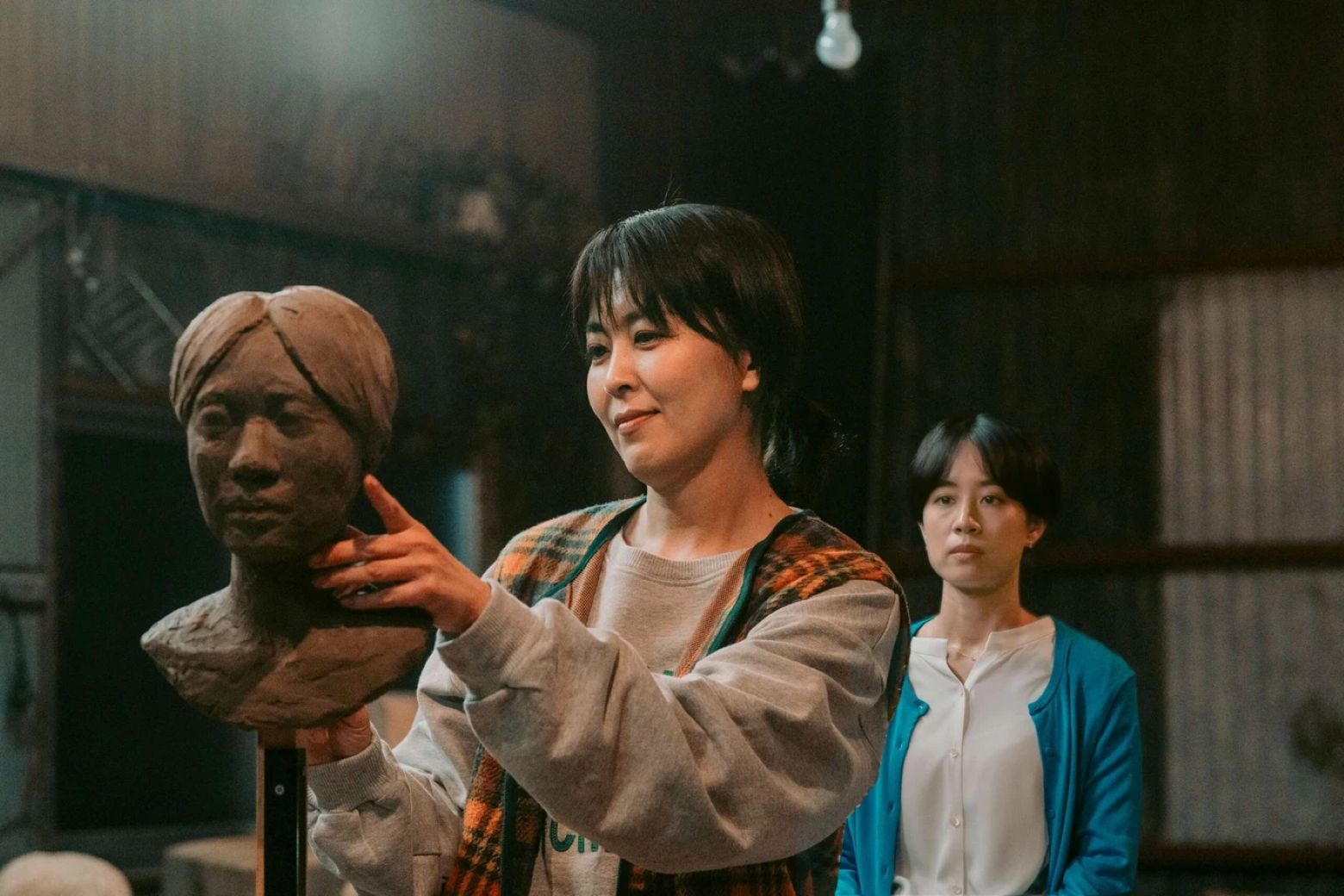
Kôji Fukada's film "Nagi Notes" premieres in competition at the Cannes Film Festival, following Yoriko (Takako Matsu), a sculptor and farmer living a quiet, self-sufficient life in the rural Japanese town of Nagi. Her routine is disrupted when her old friend Yuri (Shizuka Ishibashi), an architect, arrives to model for a sculpture, stirring buried emotions and past conflicts. The film explores the slow, delicate process of creating art and the psychological tensions between the two women, set against the backdrop of Nagi's idyllic but symbolically flat landscape.