filter_list Showing 12 results for "Body" close Clear
search
dashboard All 304 museum exhibitions 212article culture 31candle obituary 16article local 13rate_review review 12article news 11trending_up market 4person people 3article policy 2
date_range Range Today This Week This Month All
Subscribe

What ‘Costume Art’ Gets Wrong About the Body

The Metropolitan Museum of Art's Costume Institute spring exhibition, featuring nearly 400 objects, pairs garments and ensembles with Western figurative artworks from the museum's permanent collection in dyadic, associative displays. The show eschews traditional art-historical timelines and context in favor of visual and thematic parallels—comparing, for example, Rudi Gernreich's Pubikini with an Egyptian statuette, or Ying Gao's sound-responsive dress with a David Hockney drawing. The exhibition is sponsored by Jeff and Lauren Sánchez Bezos.
Mary Frank Creates Her Own Pantheon

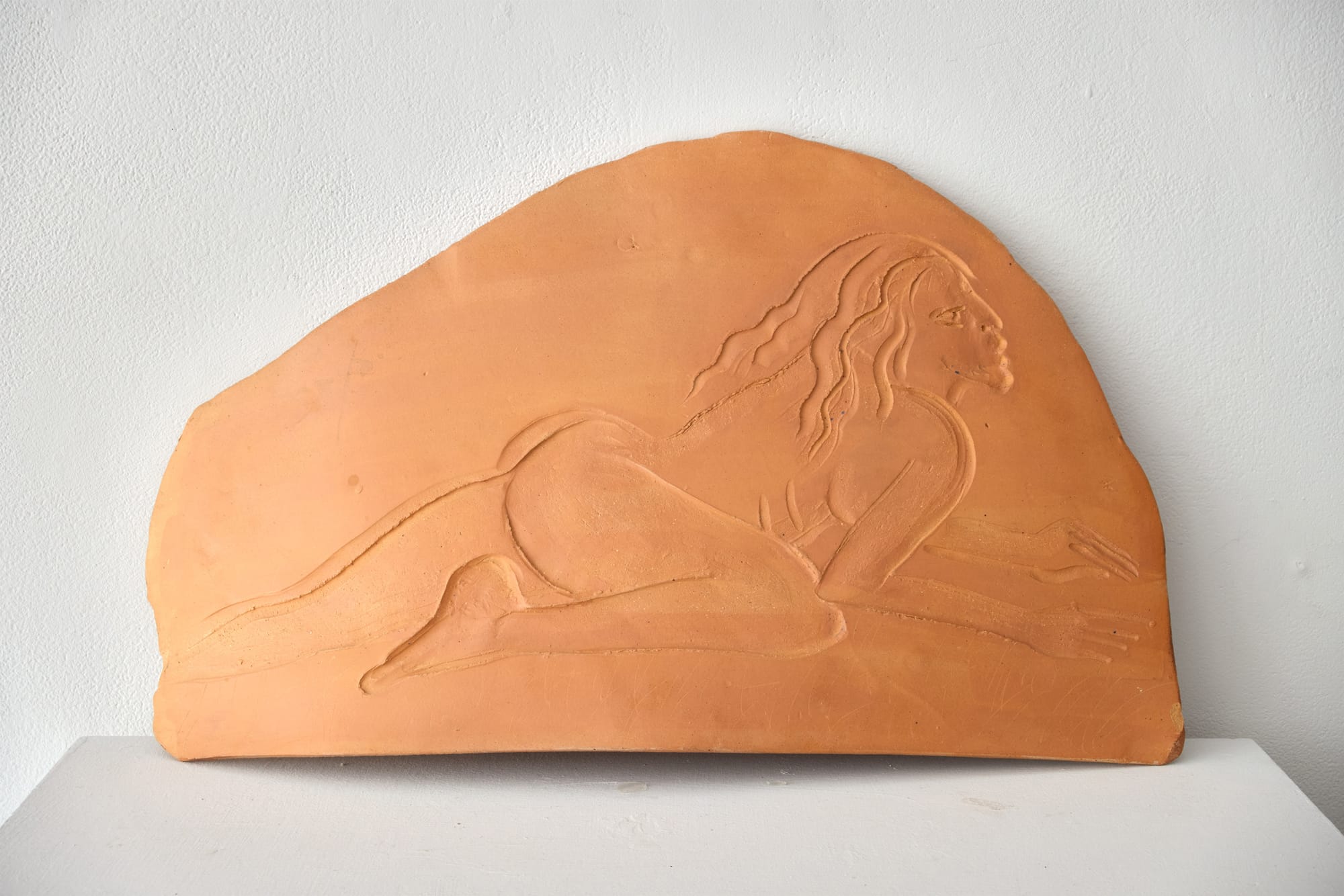
Mary Frank, an artist in her early 90s known for mythologically rooted sculpture and works on paper, is the subject of a focused exhibition at Steven Harvey Fine Art Projects in New York. Curated by Steven Harvey, the show presents 11 sculptures in wood, bronze, and ceramic from 1958 to 1985, alongside five works on paper, including a monotype and an oil-on-paper piece. Frank’s work, influenced by her study with Martha Graham, centers on self-sustaining female figures that embody agency, tenderness, and survival, often rendered in ceramic slabs or carved wood.

Is there really an energy transformation in Marina Abramović's exhibition in Venice?

Nella mostra di Marina Abramović a Venezia c’è davvero una trasformazione di energia?

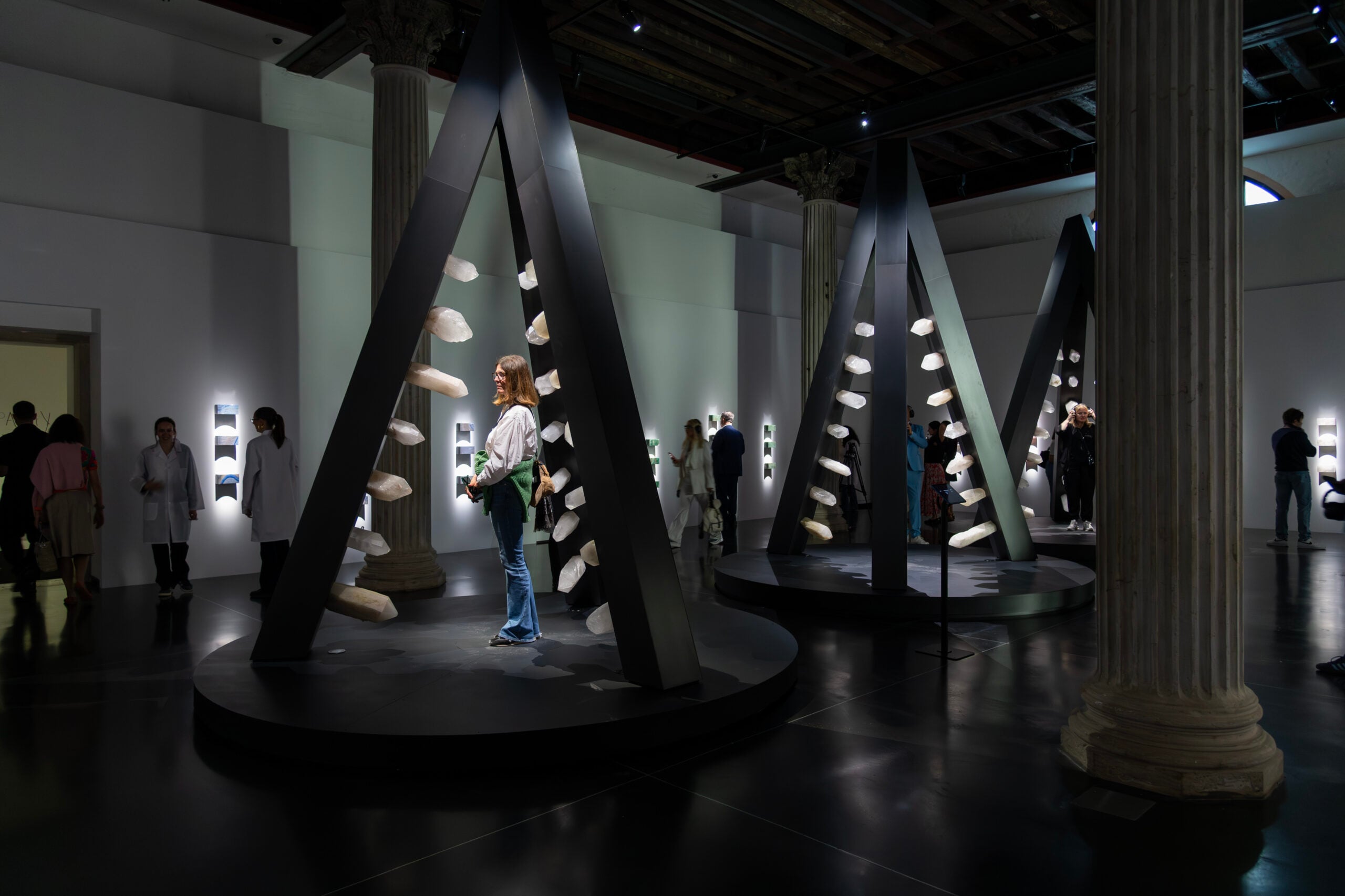
At the Gallerie dell'Accademia in Venice, Marina Abramović's exhibition "Transforming Energy" opens to the public from May 9 to September 30, 2026, as part of the 2026 Venice Biennale. The show is designed as an experiential device that moves beyond traditional exhibition formats, inviting viewers to determine their own presence through a sequence of rooms built around relationships between body, materials, and time. Crystals and locks of hair function not as decoration but as presences to be inhabited, demanding radical attention rather than spectacular participation. During the press conference, Abramović and curator Shai Baitel insisted that the materials, especially the crystals, possess real energy capable of directly affecting the viewer's body and perception, not merely as metaphor but as an active condition.

Karla Knight’s Cosmic Conspiracies

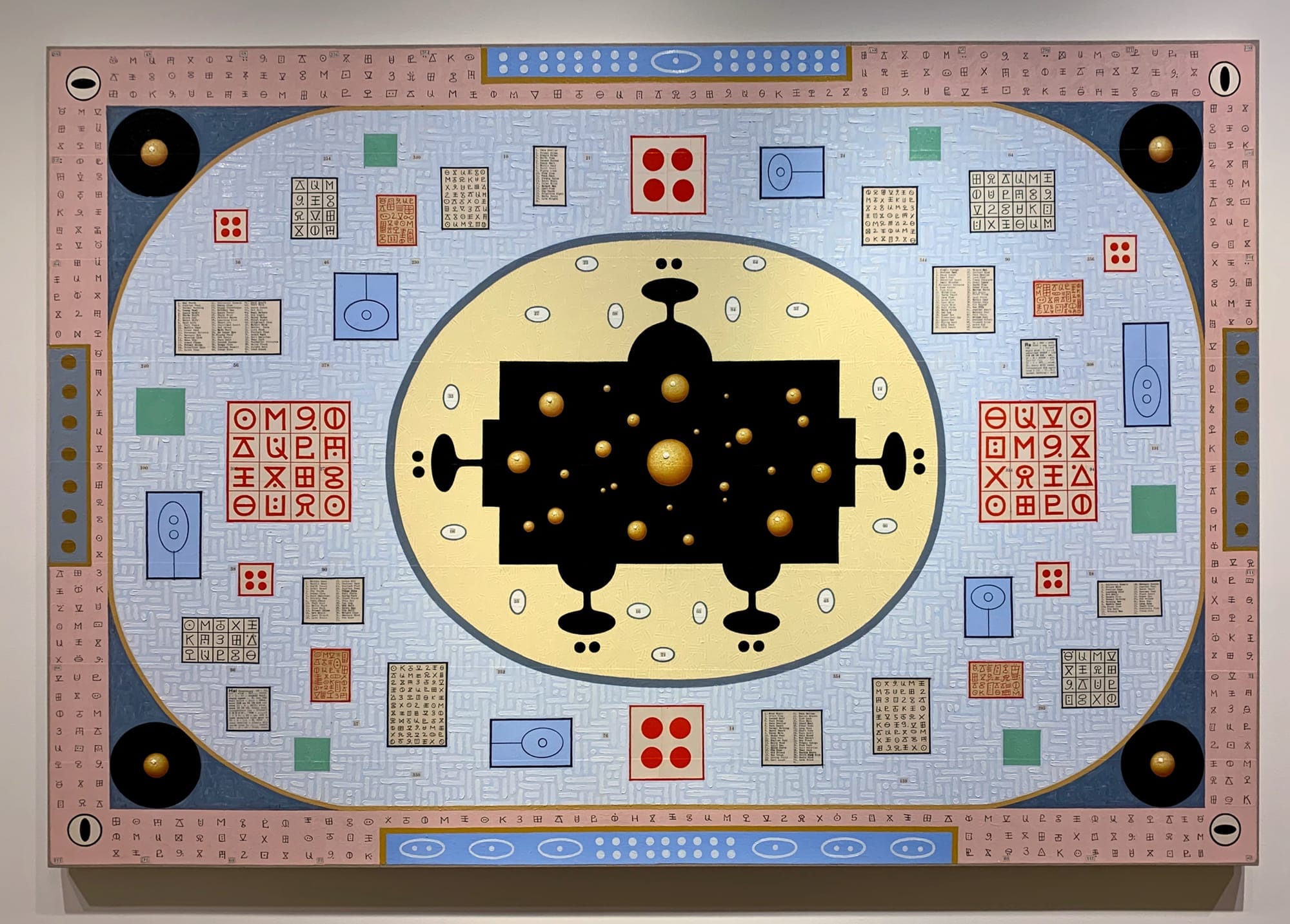
Karla Knight's exhibition "Orbit" at Andrew Edlin Gallery presents her game-like paintings and tapestries filled with cryptic symbols, cosmic diagrams, and celestial imagery. Works such as "Orbiter 2" (2024–25) and "Feelers" (2025–26) feature irregular black devices, floating spheres, and rows of arcane script, inviting viewers to decode what appear to be blueprints for extraterrestrial systems or maps of hidden dimensions. Knight employs meticulous grids, bold primary colors, and textile techniques to render the paranormal as strangely normal.

"She's Like the Wind"

The article reviews "She's Like the Wind," an annual all-female group exhibition at Deep Space gallery in Jersey City, featuring works by artists Delilah Ray Miske, Leigh Cunningham, and SarahGrace. Miske's painting "Lemon Lime Toe of God" shows only a woman's leg and foot, while Cunningham's oil paintings present figures as blurred forms seen through a translucent curtain, and SarahGrace's textile works depict headless female nudes with suggestive titles like "Provoke" and "Dominate." The show marks a departure from the gallery's typically family-friendly, sex-averse programming.

Seba Calfuqueo and the Colonized Body

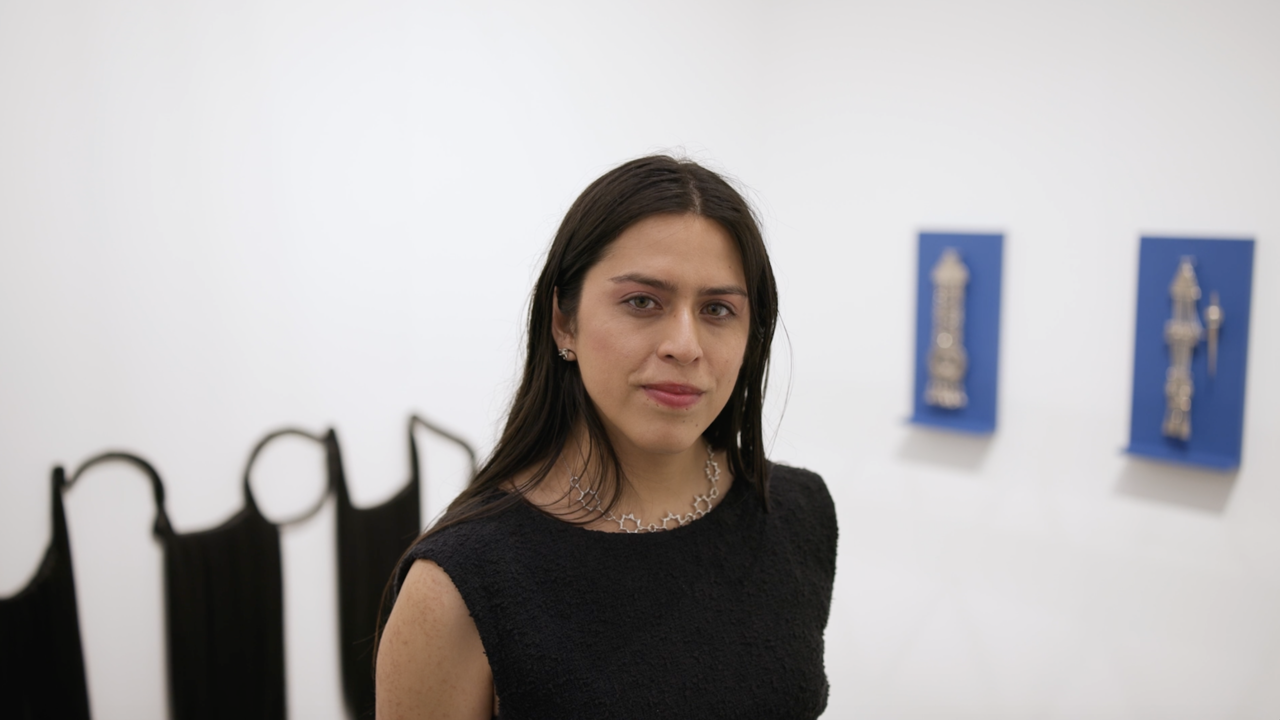
Andrew Durbin reviews national pavilions at the 2026 Venice Biennale, critiquing the US presentation as vacuous while praising incisive and moving installations from Britain and Germany. The review highlights Seba Calfuqueo's work in the context of colonized bodies, though the article's main focus is on the comparative quality of the pavilions.

Body as Device. Guide and Reflection on the Performances of the Venice Biennale

Corpo come dispositivo. Guida e riflessione sulle performance della Biennale di Venezia

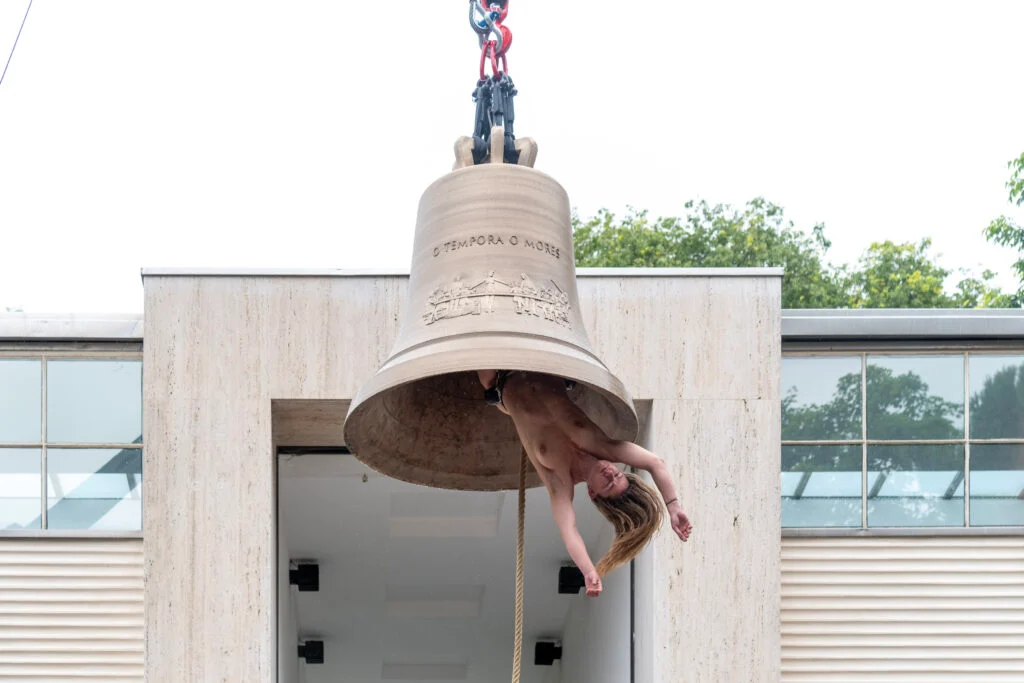
The article analyzes the role of performance art at the 2026 Venice Biennale, arguing that performance is no longer a rediscovered genre but a structurally institutionalized primary form of experience production. It examines how the body reemerges not as an alternative to image-based works but as an internal interruption of the artwork system, preventing closure and reintroducing instability. Key pavilions are discussed: Austria's Florentina Holzinger with "Sancta" draws on 1970s radical performance and feminist body art, creating an immersive environment of continuous movement; Belgium's Miet Warlop with "IT NEVER SSST" engages post-dramatic theater and postmodern dance repetition; Japan's Ei Arakawa-Nash with "Grass Babies, Moon Babies" activates Gutai avant-garde legacies through viewer interaction with soft dolls.

From gunshots to gilded plates: Who are the real hooligans of the art world?

Alex Burchmore reviews 'The Hooligans,' an exhibition that explores the Maoist concept of hooliganism in the context of contemporary Chinese art. The show features works by artists like Xiao Lu, who famously fired a gun at her installation during the 1989 'China/Avant-Garde' exhibition, as well as Zhu Yu and He Yunchang, known for incorporating human body parts and surgical procedures into their art. The exhibition contrasts these transgressive acts with more market-friendly works, such as Zhu Yu's gilded plate paintings and Hu Yinping's commercial-style figurines, highlighting the tension between artistic rebellion and commercial success.

Zurbarán review: Even the godless will be enraptured by this drama

The article reviews a major exhibition of 17th-century Spanish painter Francisco de Zurbarán, highlighting his dramatic religious works such as a stark crucifixion, a depiction of St. Peter crucified upside down, and a series of saintly princesses. It notes the exhibition's effective hanging, the artist's use of vivid color and theatrical lighting, and includes recently attributed works like a mysterious giant head. The review emphasizes the blend of high drama, emotion, and Catholic piety in Zurbarán's paintings, as well as his still lifes that rival those of Velázquez.

Joan Semmel Roars at The Jewish Museum

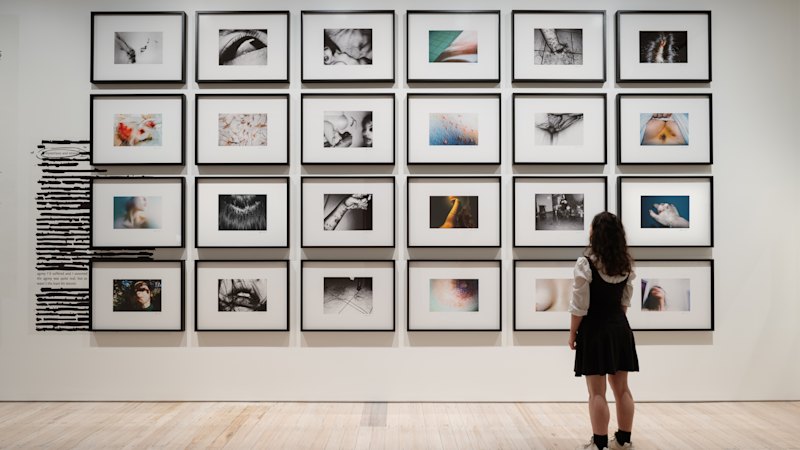
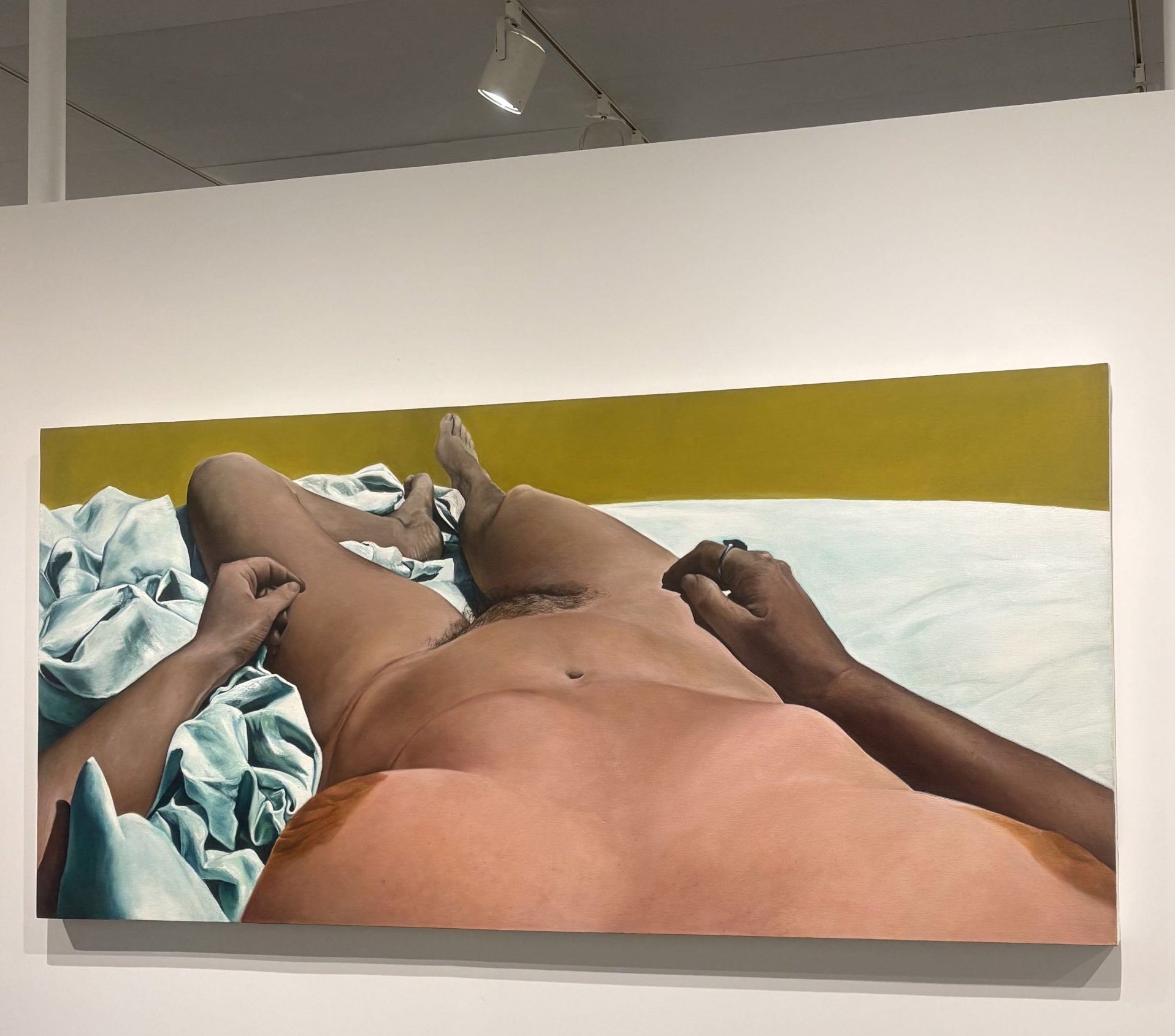
The article reviews Joan Semmel: In the Flesh, a retrospective exhibition at The Jewish Museum in New York (December 2025 – May 2026). The author describes an initial discomfort with Semmel's graphic nude paintings of aging female bodies, but after researching the artist's significance in feminist art, comes to appreciate her unapologetic honesty. The show is arranged chronologically, tracing Semmel's evolution from works like Erotic Yellow (1973) to later paintings that grow in confidence and freedom, all while maintaining a focus on female embodiment and pleasure from a female perspective.

‘Costume Art’ Review: Fashion and the Human Form at the Met

The article reviews 'Costume Art,' an exhibition at the Metropolitan Museum of Art that explores the intersection of fashion and the human form. It examines how garments and accessories are presented as sculptural objects, highlighting the dialogue between clothing and the body through historical and contemporary pieces.

Beyond the body: Jess Self’s emotive power at the Marietta Cobb Museum of Art

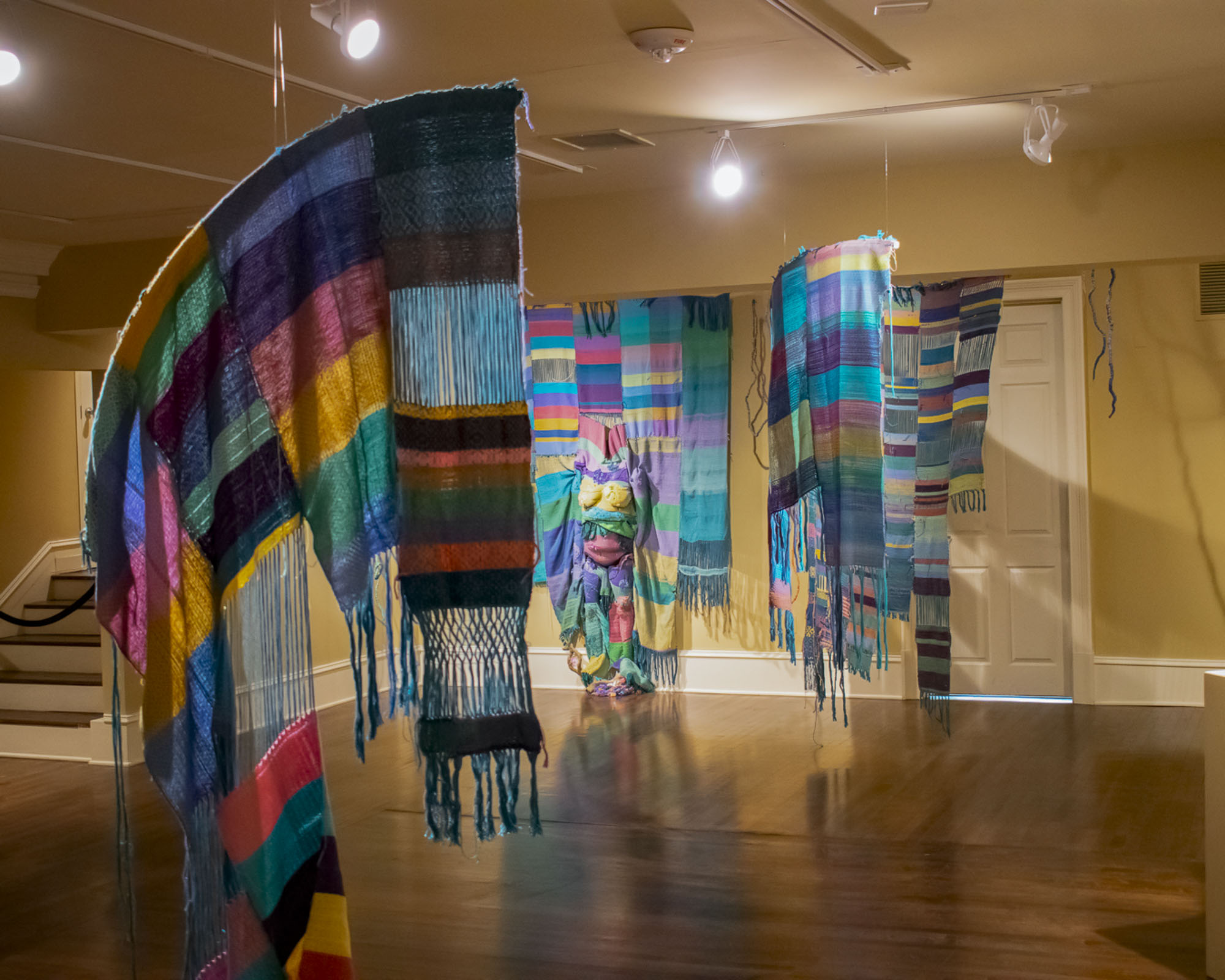
Jess Self, a Decatur-based sculptor and educator, presents *Celestial Perspectives* at the Marietta Cobb Museum of Art, an immersive textile environment that explores autobiography through figurative form. The exhibition features works in resin, plaster, felted wool, fiber, and rope, including the large-scale installation *The Veil* and the compelling *She Who Ties Magic Knots*, a resin and plaster cast of the artist's pregnant torso. Self's practice draws on Jungian archetypes and spiritual traditions, and the show communicates themes of connectivity, motherhood, bodily experience, and transcendence without relying on wall text.