filter_list Showing 12 results for "Desire" close Clear
search
dashboard All 225 museum exhibitions 115article culture 34trending_up market 18article news 15person people 13rate_review review 12article local 9gavel restitution 4article policy 3article events 1candle obituary 1
date_range Range Today This Week This Month All
Subscribe

Isaac Julien review – Gwendoline Christie meets a cyborg starfish in a pleasure-seeker’s postmodern parlour

A new film by artist Isaac Julien, featuring actors Sheila Atim and Gwendoline Christie as science-fiction deities, is on view at the Cosmic House in London. The 25-minute work, which incorporates themes from Octavia E. Butler's novel *Parable of the Sower*, explores concepts of change, interconnectedness, and fluid identity through a visually rich, postmodern lens.

Anne Hardy’s Hollow Humanoids

British artist Anne Hardy presents a suite of floor-based installations and assemblage sculptures titled "Interloper" at Visual. The exhibition features a series of "Beings"—twisted, life-size humanoid entities constructed from rusted wire, crushed cans, soil, and the artist’s own cast body parts and clothing. These figures, often posed in yoga-like positions or meditative stances, appear as hollow, faceless outlines that blend a sense of vitality with physical disintegration.

artists resisted fascism comrades in art andy friend

A group of British artists, frustrated by the Great Depression and inspired by socialist ideologies, founded the Artists International Association (AIA) in the early 1930s. Initially a Communist-inflected agit-prop group, it rebranded in 1935 to broaden its anti-fascist coalition, a move that sparked internal debates about ideological purity. The article, reviewing Andy Friend's book *Comrades in Art: Artists Against Fascism, 1933–1943*, highlights key episodes such as the AIA's 1940 exhibition 'The Face of Britain,' which opened amid the Blitz after bombs damaged the gallery.

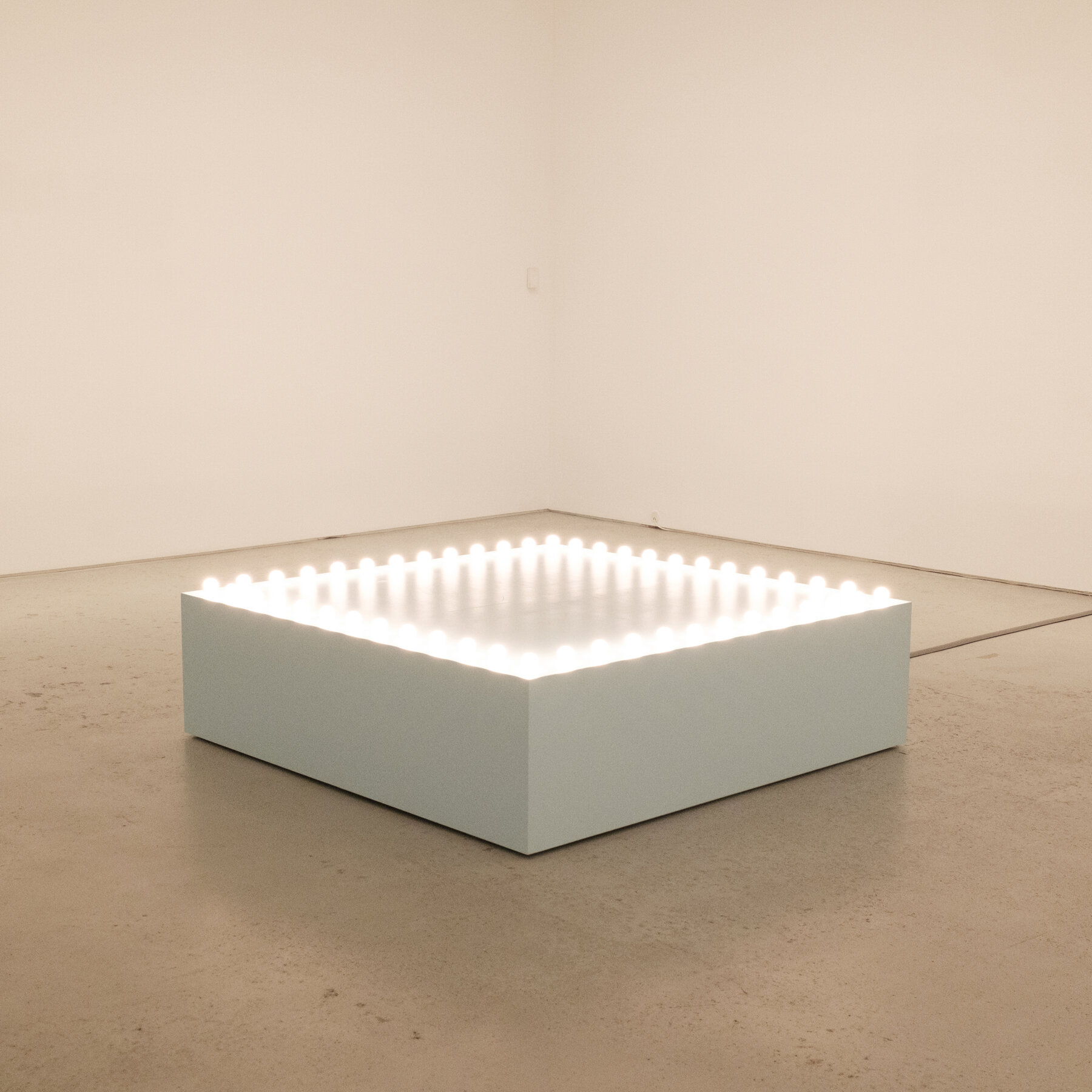
Why Felix Gonzalez-Torres’s Go-Go Dancer Piece Remains Subversive

The New York Times examines the enduring power of Felix Gonzalez-Torres's 1991 performance piece "Untitled" (Go-Go Dancing Platform), in which a go-go dancer performs on a pedestal for a brief, scheduled period each day. The work, currently on view at the Art Institute of Chicago, uses the dancer's absence as a central component, creating a poignant metaphor for queer presence and loss.

‘The Secret Agent’ Finds Desire in the Archive

The article reviews the exhibition 'The Secret Agent' at the Institute of Contemporary Arts (ICA) in London, curated by artist and writer Hannah Gregory. The show features works by artists including Louise Lawler, Susan Hiller, and John Stezaker, exploring themes of desire, secrecy, and the archival impulse through photography, film, and installation.

A Blockbuster Take on Ovid’s “Metamorphosis”

The Rijksmuseum in Amsterdam has opened a major exhibition titled 'Metamorphoses,' inspired by Ovid's poem. The show brings together Renaissance masterpieces, antiquities, and contemporary works, grouping them by the myths they depict to explore themes of transformation, desire, and gender through striking visual juxtapositions.

Veronica Ryan review – the seeds are sensational but the detritus is distracting

A major retrospective of Turner Prize-winning artist Veronica Ryan has opened, showcasing her career-long exploration of organic forms and repurposed materials. The exhibition features new works made from plastic bottles, bandages, and avocado trays, alongside earlier sculptures in bronze and lead that reference seed pods and fruit.

Moss & Freud review: film exploring unlikely friendship ultimately fails to scratch the surface

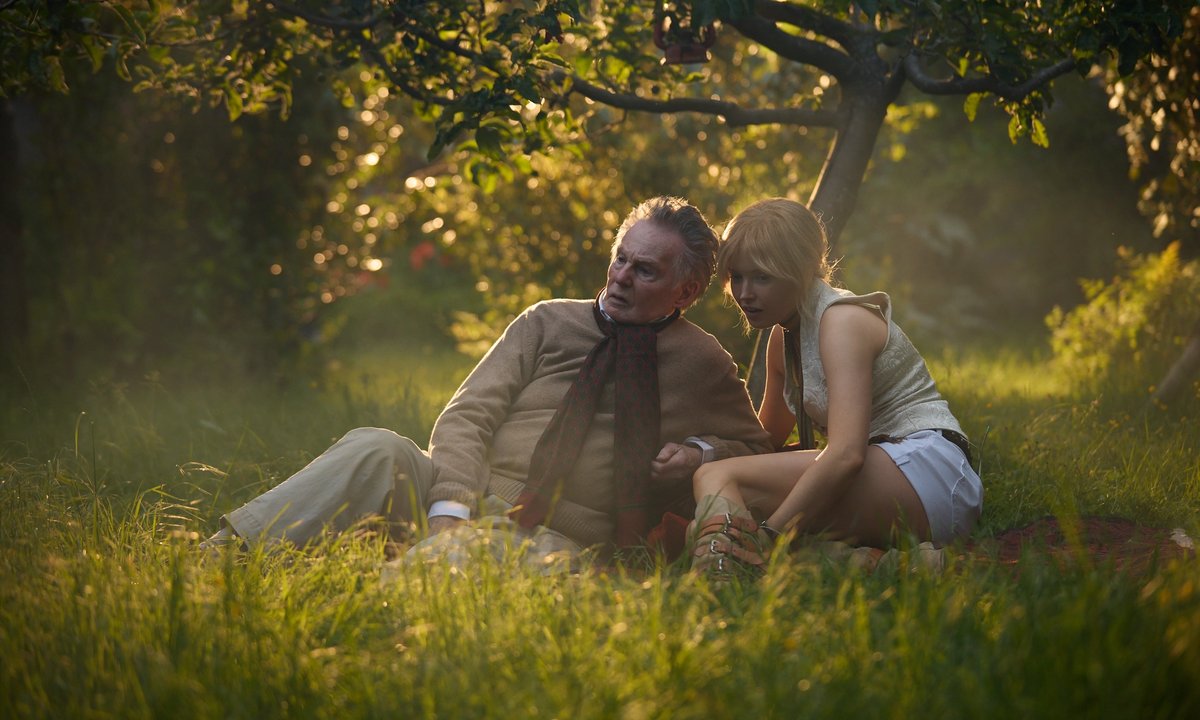
The film *Moss & Freud*, directed by James Lucas, explores the unlikely friendship between supermodel Kate Moss (played by Ellie Bamber) and painter Lucian Freud (Derek Jacobi) in 2001 London. The story centers on Moss's desire to sit for the reclusive portraitist, culminating in Freud's unflattering *Naked Portrait 2002*. However, the film glosses over Freud's darker reputation—his punishingly long sittings, cruelty, and violent tendencies—portraying him instead as a benign, eccentric old man. It also fails to deeply investigate Moss's character or the exploitation within the fashion industry, relying on weak scripting and forced parallels between Moss and Freud's ex-wife Lady Caroline Blackwood.

"She's Like the Wind"

The article reviews "She's Like the Wind," an annual all-female group exhibition at Deep Space gallery in Jersey City, featuring works by artists Delilah Ray Miske, Leigh Cunningham, and SarahGrace. Miske's painting "Lemon Lime Toe of God" shows only a woman's leg and foot, while Cunningham's oil paintings present figures as blurred forms seen through a translucent curtain, and SarahGrace's textile works depict headless female nudes with suggestive titles like "Provoke" and "Dominate." The show marks a departure from the gallery's typically family-friendly, sex-averse programming.

Queer Saints, Big Egos

Queere Heilige, große Egos

Andrew Durbin's new biography examines the intertwined lives of artists Peter Hujar and Paul Thek, focusing on their art, desire, and self-staging. The review notes that while the book covers their creative circles—including figures like David Wojnarowicz, Divine, John Waters, and Susan Sontag—it loses sight of the urgent political and social context that animated their work, particularly the AIDS crisis and Reagan-era repression.

olivia laings silver book pasolini fellini

Olivia Laing's novel "The Silver Book" is set in 1974 Italy during the Years of Lead, following Nicholas Wade, a young Slade graduate who becomes the lover and apprentice of costume and set designer Danilo Donati. Donati is working on Federico Fellini's "Casanova" and Pier Paolo Pasolini's "Salò," and the story explores their creative and erotic relationship against a backdrop of political turmoil. Laing's prose is vignetted and elliptical, focusing on daily acts of filmmaking and the sensual world of the characters.

Ariel West Probes Our Desire for Oil

Andrew Durbin reviews the national pavilions at the 2026 Venice Biennale, contrasting a vacuous US presentation with incisive and moving installations from Britain and Germany. The review critiques the US pavilion for lacking meaningful content, while praising the British and German contributions for their depth and emotional resonance.