filter_list Showing 39 results for "EPA" close Clear
search
dashboard All 2252 museum exhibitions 808article news 375article local 260person people 196article policy 184trending_up market 162gavel restitution 115article culture 91rate_review review 39candle obituary 18article event 2article museums & heritage 1article satire 1
date_range Range Today This Week This Month All
Subscribe

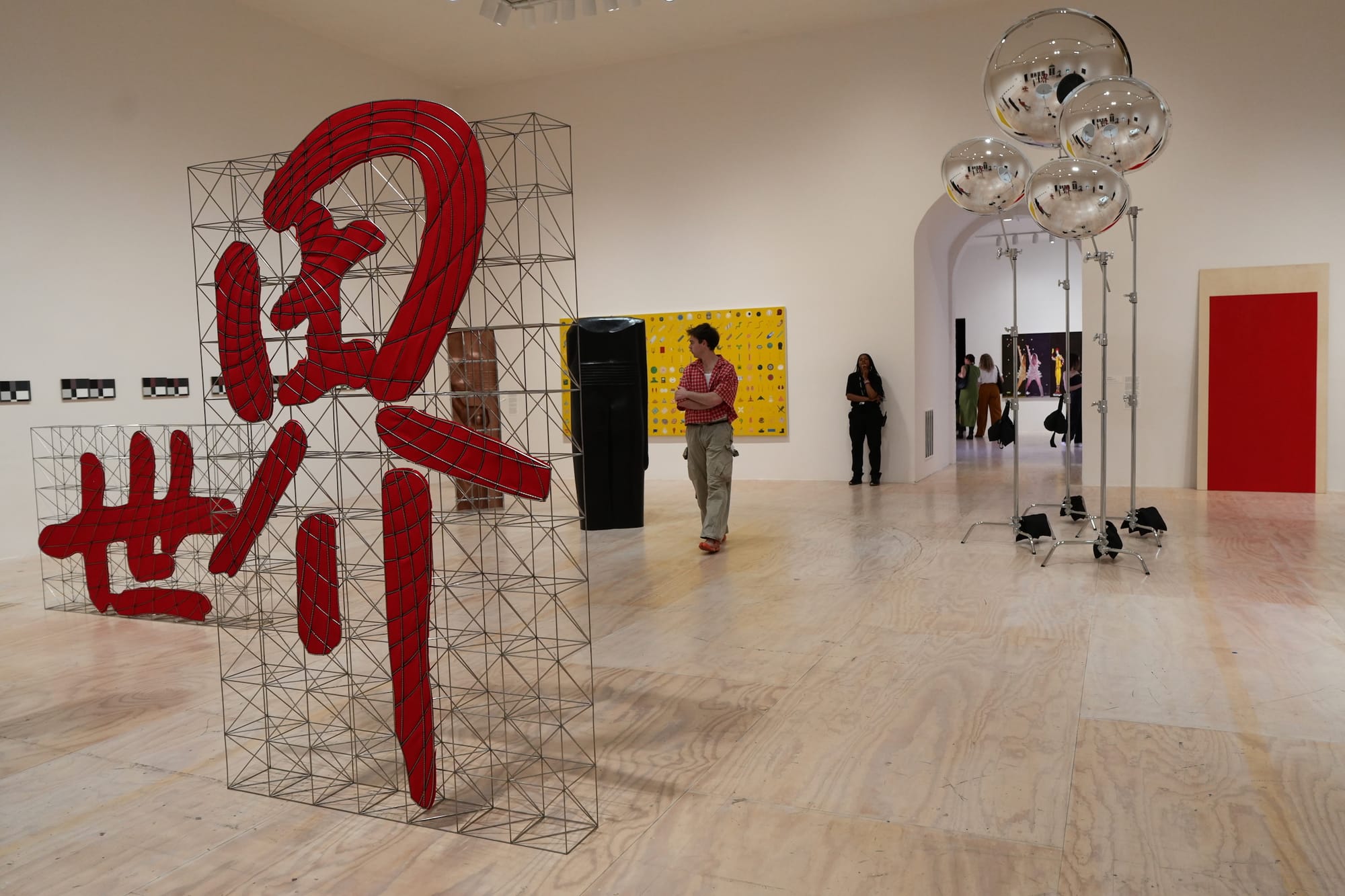
Notes from New York: The World in a Convex Mirror

The article reviews the sixth edition of MoMA PS1's quinquennial survey 'Greater New York 2026,' which coincides with the institution's 50th anniversary. It highlights works by artists such as Covey Gong, Win McCarthy, Mekko Harjo, and Sophie Friedman-Pappas, noting how the exhibition's themeless structure and use of reflective surfaces create a hall of distorted reflections. The show includes 53 emerging and midcareer artists, mostly millennials, and is accompanied by a block party and gala rather than a dedicated commemorative exhibition like FORTY (2016).
best new york art criticism critics table

Cultured magazine's critics roundup highlights several notable New York art exhibitions. Cameron Rowland's "Properties" at Dia Beacon is examined as a landmark Land art installation that uses contractual relations to address racial capitalism, with works available only for rent or loan. Other shows include Feliciano Centurión's "Sol naciente" at Ortuzar, Joshua Caleb Weibley's "Game Transfer Phenomena" at Chart, Ian Miyamura's debut at Bureau, and Laura Owens's new show at Matthew Marks Gallery, each reviewed for their conceptual and aesthetic innovations.

art yuji agematsu judd foundation review

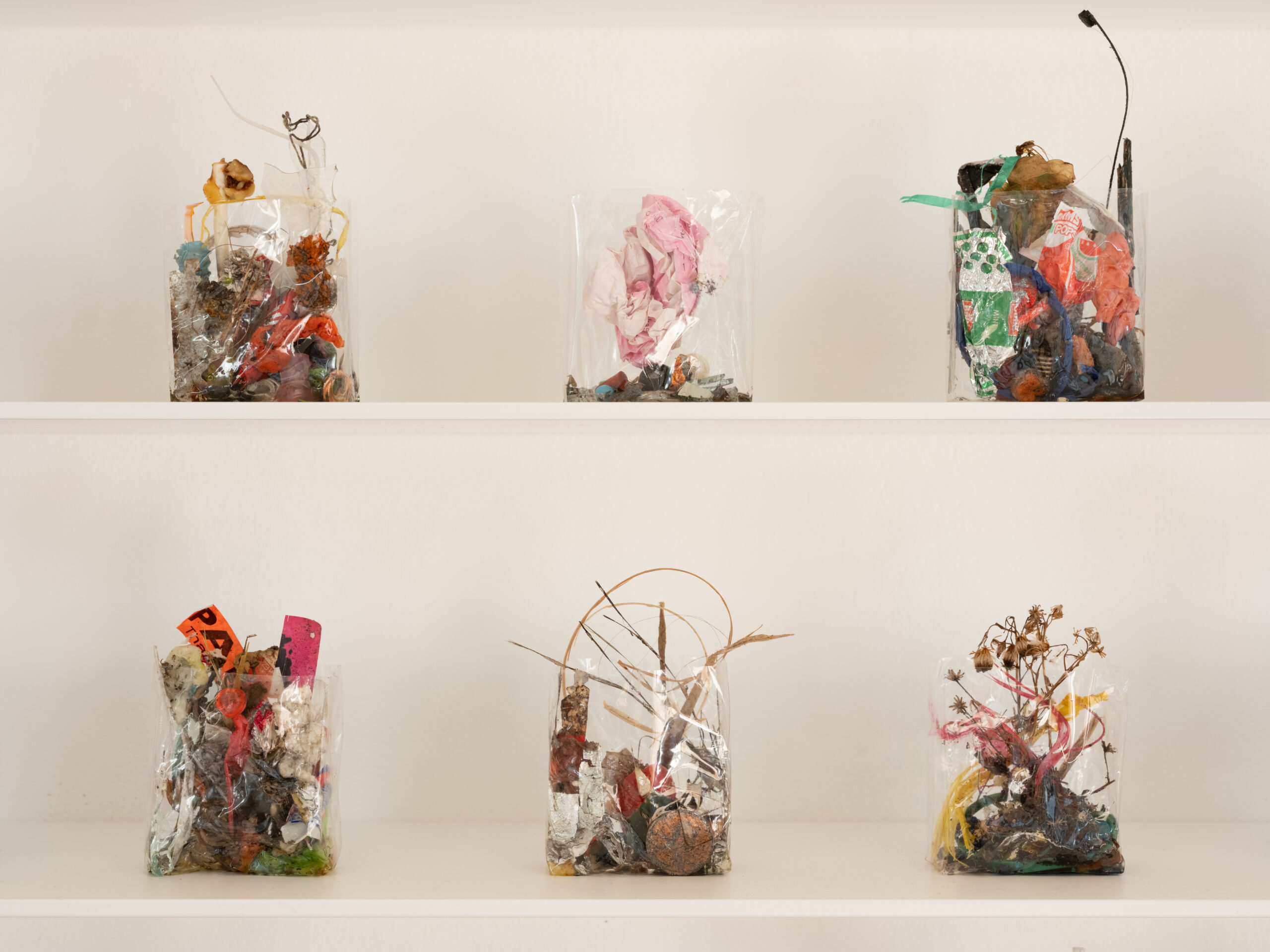
The article reviews Yuji Agematsu's exhibition at the Judd Foundation in New York, where 366 of his "zips"—small assemblages of found objects collected during daily walks and arranged in cigarette cellophane sleeves—were displayed on open aluminum shelves in grids representing each day of 2024. The show ran through August 30, 2025, and marked a departure from previous presentations of Agematsu's work, which had been enclosed in acrylic cases; here, the zips were left exposed, with a fan causing plant matter to sway, making the work feel more alive and immediate.

Zineb Sedira review: A chic ode to revolutionary cinema, brainy boozers – and exceptional berets

Zineb Sedira's exhibition at Tate Britain presents a cinematic and sculptural homage to La Cinémathèque Algérienne, the Algerian film archive founded in 1965 that became a hub for leftist African filmmakers. The show recreates a 1970s Algerian cafe in Paris, complete with a jukebox, books on revolutionary cinema, and a model movie theater screening a documentary about the archive's director, Boudjemaâ Karèche. Sedira, born in Paris to Algerian parents and based in London, weaves personal and political narratives to explore identity, diaspora, and the role of art in social change.

The Met’s Costume Institute Needs an Art History Lesson

The Metropolitan Museum of Art's Costume Institute spring exhibition, "Costume Art," pairs fashion with artworks from the Met's collection, including ancient Greek statues and Andy Warhol screenprints, alongside garments by designers from Charles James to CFGNY. Curator Andrew Bolton aims to suggest that fashion can expand understanding of art, but the show's juxtapositions often feel vague and sloppy, with only occasional resonant pairings like a Jean Paul Gaultier shirt and Joe Brainard drawing linked by queer artist lineage.

What We Miss When We Talk About Giacometti

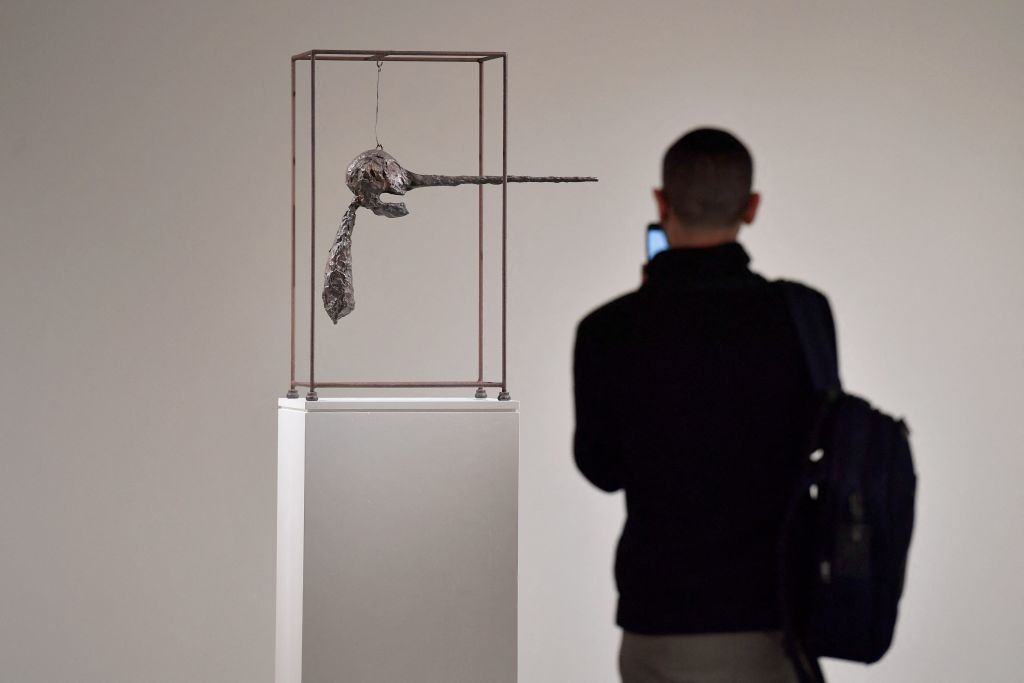
This article explores a critical reevaluation of Alberto Giacometti’s career, specifically focusing on the decade between 1935 and 1945. While Giacometti is globally recognized for his spindly, post-war 'Existentialist' figures, art historian Joanna Fiduccia’s new book, *Figures of Crisis*, argues that his mid-career departure from Surrealism to study human likeness was not a mere transition but a profound response to the political crises and nationalism of interwar France.

The Artist Whose Shimmering Obelisks Are Cropping Up All Over the World

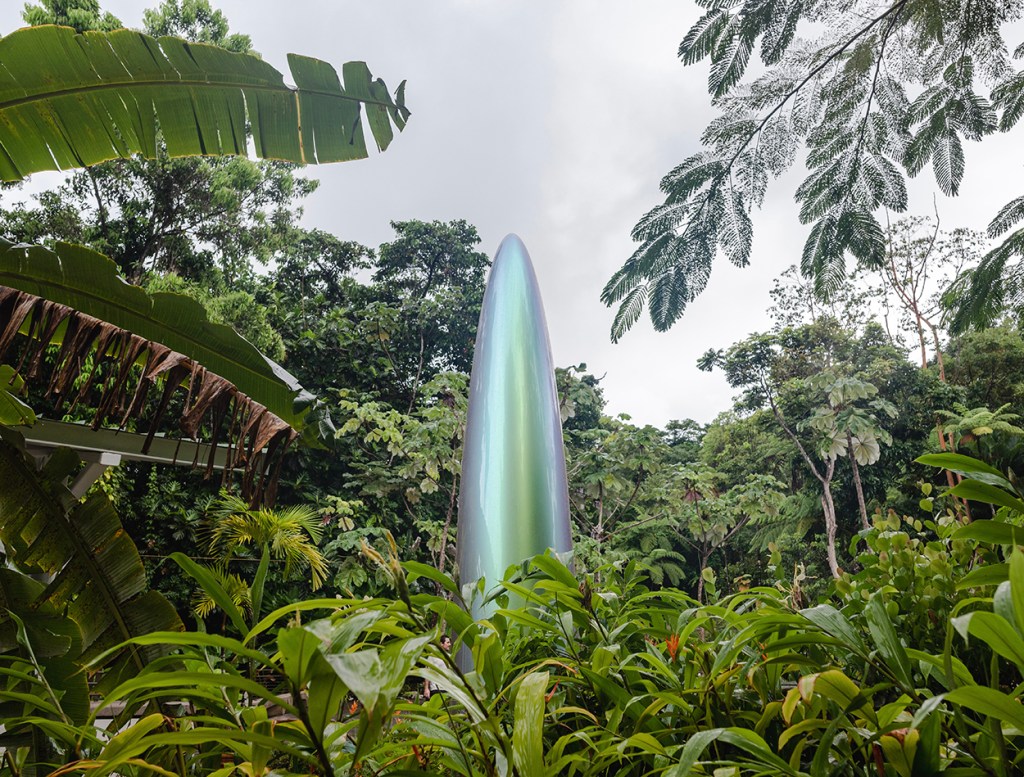
Artist Gisela Colón is currently the subject of a major retrospective at the Museo de Arte Contemporáneo de Puerto Rico (MAC), showcasing her signature "monoliths" and iridescent obelisks. These monumental sculptures, which have appeared in global locations ranging from the Great Pyramids of Giza to the Saudi Arabian desert, utilize advanced aerospace carbon fiber and site-specific minerals to create shifting, phenomenological experiences. The exhibition tracks her evolution from 1996 to the present, highlighting her unique ability to blend high-tech materials with ancient totemic forms.

critical reduction the 2014 whitney biennial 5409

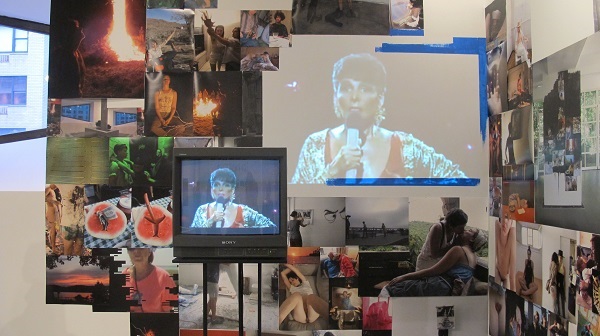
The 2014 Whitney Biennial has debuted with a controversial three-curator structure, tasking Michelle Grabner, Stuart Comer, and Anthony Elms with organizing separate floors of the museum. This meta-review aggregates the initial critical reception from major publications, noting that the fragmented format has forced critics to evaluate the exhibition as three distinct shows rather than a unified vision.

The Making of a Maintenance Artist

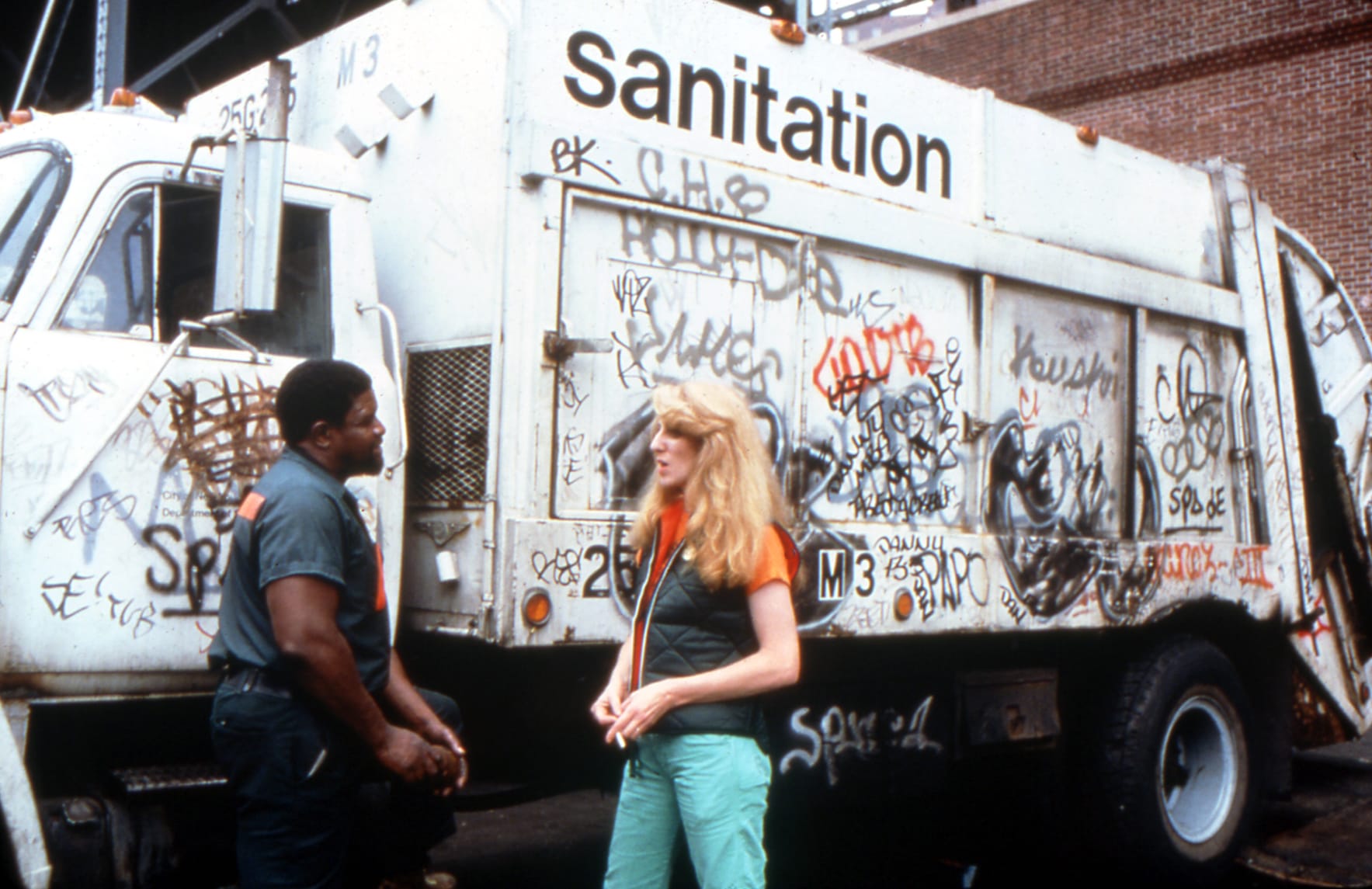
A new documentary titled "Maintenance Artist" (2025) traces the decades-long practice of Mierle Laderman Ukeles, a pioneering artist who focused on marginal, unpaid, and feminine labor. The film covers her career from her 1969 "CARE" manifesto, through her role as artist-in-residence at the New York City Department of Sanitation, to her first retrospective at the Queens Museum in 2017. It highlights her critique of art-world gender biases and her efforts to recognize discounted labor in all fields.

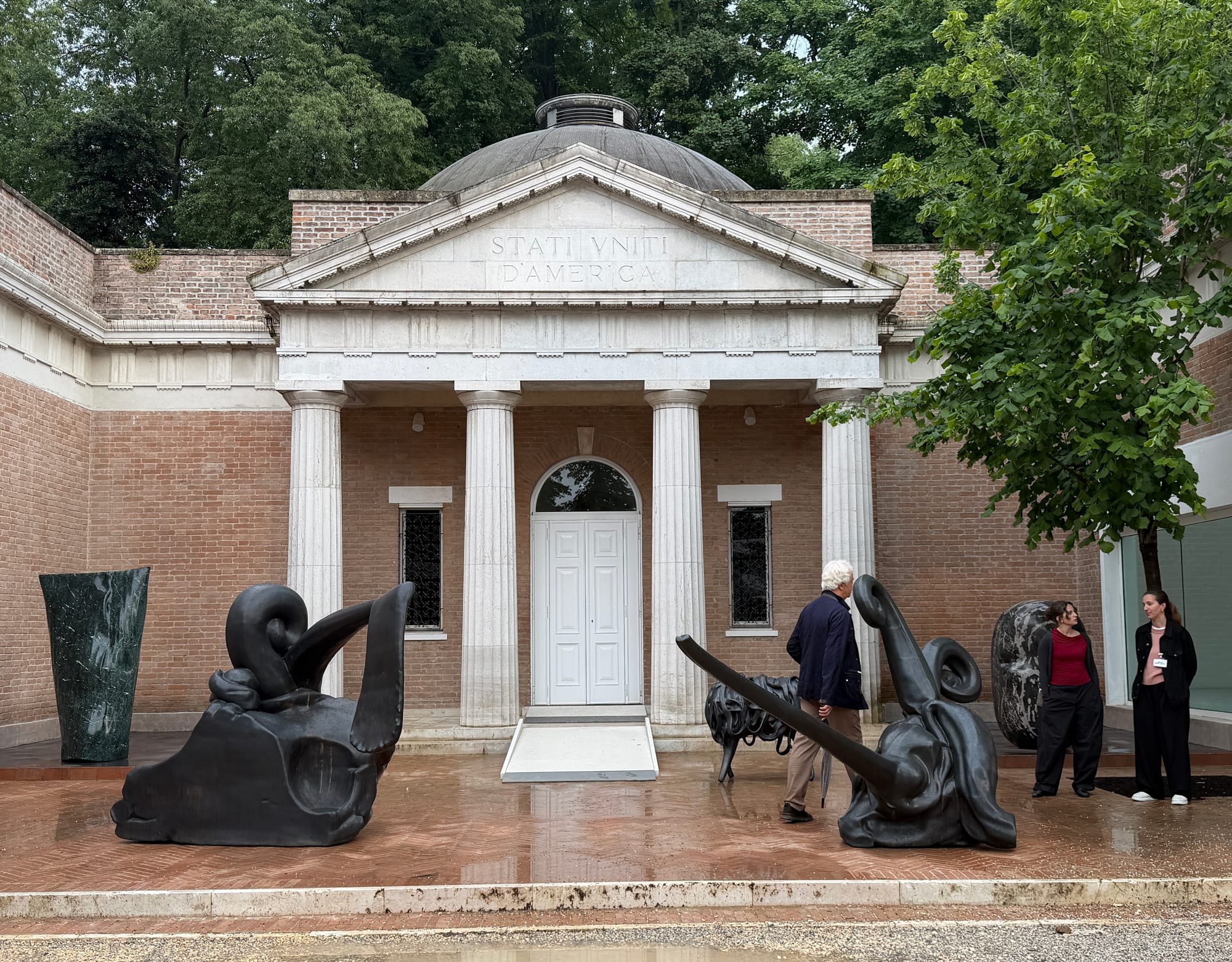
Alma Allen’s US Pavilion Is One of the Emptiest Shows at the Venice Biennale

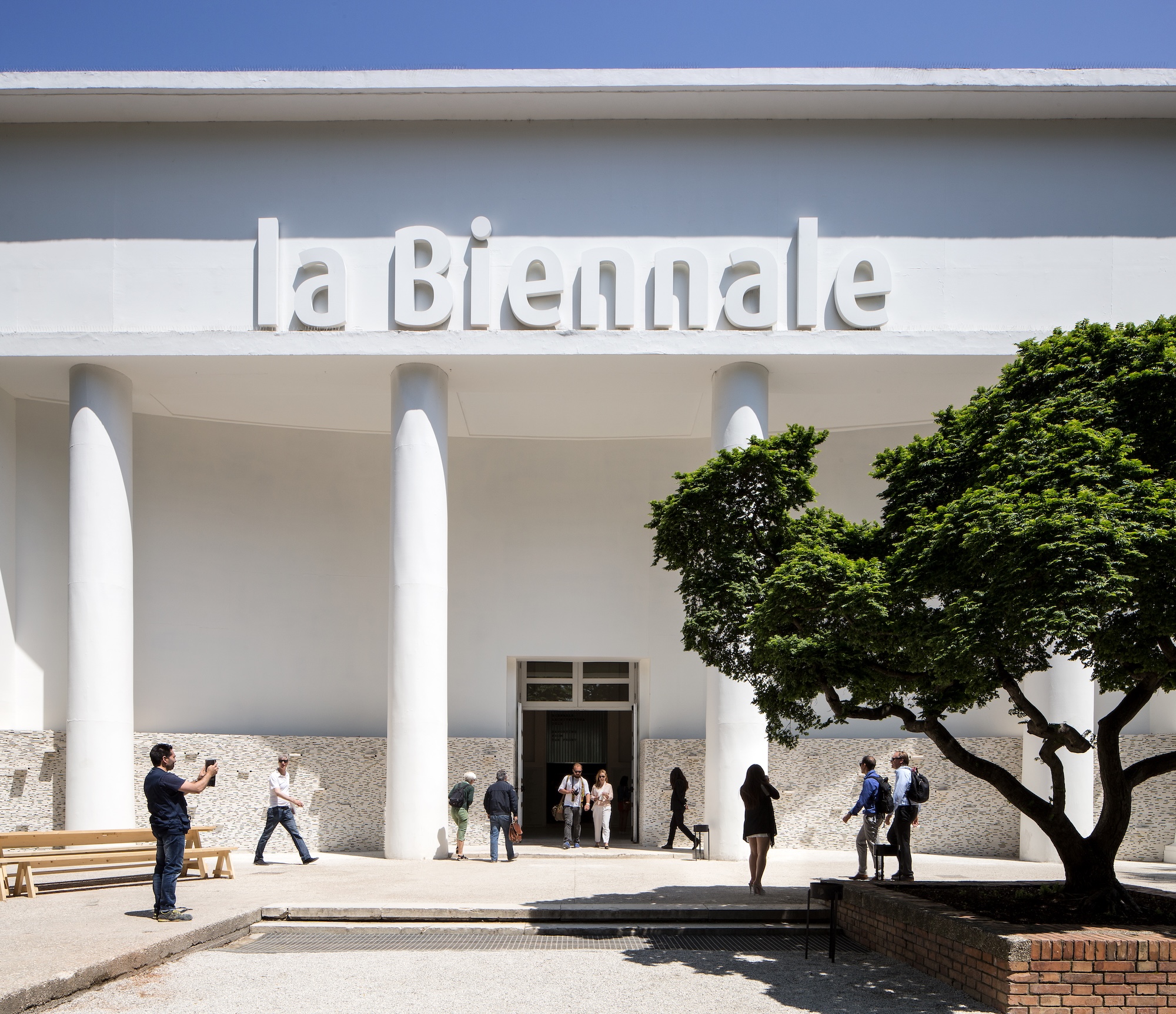
Alma Allen represents the United States at the 2026 Venice Biennale with a subdued, apolitical exhibition inside the US Pavilion. The show features roughly 25 sculptures—mostly in bronze, wood, and stone—many titled "Not Yet Titled," and deliberately avoids overt political messaging. This marks a stark departure from the previous two US pavilions, curated by Simone Leigh (2022) and Jeffrey Gibson (2024), which directly confronted colonialism and empire. The Trump administration’s call for proposals explicitly asked for work that "reflects and promotes American values," and Allen’s presentation has been criticized as safe, unremarkable, and lacking the incisive edge of contemporary American art.

Gardar Eide Einarsson Leaves You in the Dark

Gardar Eide Einarsson’s latest exhibition at Maureen Paley’s East London space presents a haunting exploration of dissociation and coded information. The show features two distinct series: 'Closed Caption,' a collection of monochrome black gouache paintings featuring isolated subtitles from films, and 'Incendiary Test Area,' a set of hyperrealistic woodblock prints created in collaboration with master Shoichi Kitamura. These prints depict the interiors of mock 'Japanese' houses built by the US Army for fire-bombing tests during World War II.

Review: The Good, The Bad and The Venice Biennale

The article reviews the 2024 Venice Biennale, focusing on controversies over Russia's and Israel's participation. Protests erupted during opening week, leading the EU to cut funding and the International Jury to resign. As a result, awards like the Golden Lion and Silver Lion will be decided by public vote, with many pavilions and artists withdrawing in protest. The main exhibition, curated under the theme 'Minor Keys,' features standout works by Alfredo Jaar and Carrie Schneider, alongside national pavilions like Austria's provocative entry by Florentina Holzinger.

Alice Tippit’s Mischievous Erotics

Alice Tippit's solo exhibition "Rose Obsolete" at the DePaul Art Museum in Chicago features 23 small oil paintings, three murals, a neon sign, word drawings, and a series of 46 notepad drawings. The works toggle between multiple interpretations—snakes and smiles, blouses and pears, curtains and bodies—inviting viewers to see shifting forms like a psychological test. Tippit, born in 1975 near Kansas City and based in Chicago since 2006, paints each oil work in a single day without tape, achieving sharp edges and subtle layering that reward close looking.

What We Loved (And Didn’t) in “Greater New York”

The article presents a critical review of the 2026 "Greater New York" exhibition at MoMA PS1, a massive survey featuring over 150 works by more than 50 artists. The Hyperallergic editorial team highlights specific artists and works they loved, disliked, or found puzzling, offering a curated list of around 20 standout pieces. The review includes detailed commentary on individual works by artists like Dean Millien, the collective Red Canary Song, and Kameron Neal, capturing the diverse and often contentious reactions the show provokes.

A Blockbuster Take on Ovid’s “Metamorphosis”

The Rijksmuseum in Amsterdam has opened a major exhibition titled 'Metamorphoses,' inspired by Ovid's poem. The show brings together Renaissance masterpieces, antiquities, and contemporary works, grouping them by the myths they depict to explore themes of transformation, desire, and gender through striking visual juxtapositions.

These Ghosts. Clémentine Bruno  by Michela Ceruti

Clémentine Bruno’s artistic practice explores the tension between presence and absence, treating the canvas as a site of temporal layers rather than a flat surface for representation. Her work emphasizes the preparatory stages of painting—the laying of gesso and the construction of supports—allowing images to emerge reluctantly through processes of sanding, veiling, and partial erasure. Recent exhibitions, such as "Educational Complex" at Tonus and "Vision of Fading" at Mendes Wood DM, highlight her interest in how institutional structures and memory maps dictate what is retained and what is forgotten.

mierle laderman ukeles maintenance artist documentary review

A new documentary titled "Maintenance Artist," directed by Toby Perl Freilich, premiered at the Tribeca Film Festival. The film chronicles the career of Mierle Laderman Ukeles, who coined the term "Maintenance Art" in a 1969 manifesto to elevate everyday domestic and civic labor into art. It follows her decades-long collaborations with New York City agencies, including her seminal "Touch Sanitation Performance" (1979–80) with the NYC Department of Sanitation, and her ongoing struggle to realize the installation "Landing: Cantilevered Overlook" (2008) at Freshkills Park. The documentary weaves together archival footage, interviews, and analysis of second-wave feminism, conceptual art, and urban bureaucracy.

Angela de la Cruz review – wonky chairs and busted pianos are monuments to resilience

Angela de la Cruz's solo exhibition "Upright" at Birmingham's Ikon gallery presents a collection of broken and mended artworks. Her canvases are crumpled, folded, and snapped, while sculptures are assembled from precarious junk like a three-legged chair on a stool and a piano stacked atop another. The works, though appearing on the verge of collapse, are all repaired and propped back up, reflecting a state of post-collapse resilience.

MoMA PS1’s “Greater New York” Is Gritty, Stunning, and Gutting

MoMA PS1 has launched the sixth edition of "Greater New York," a quinquennial survey featuring over 50 artists living and working in the city. Coinciding with the museum’s 50th anniversary, the 2026 iteration focuses on artists in the formative stages of their careers, emphasizing a gritty, raw aesthetic over the polished, market-driven surfaces often found in major biennials. The exhibition highlights photography and installation work that reflects the city's complex immigrant narratives and evolving urban identity.

david rimanelli willem de kooning cosey fanni tutti

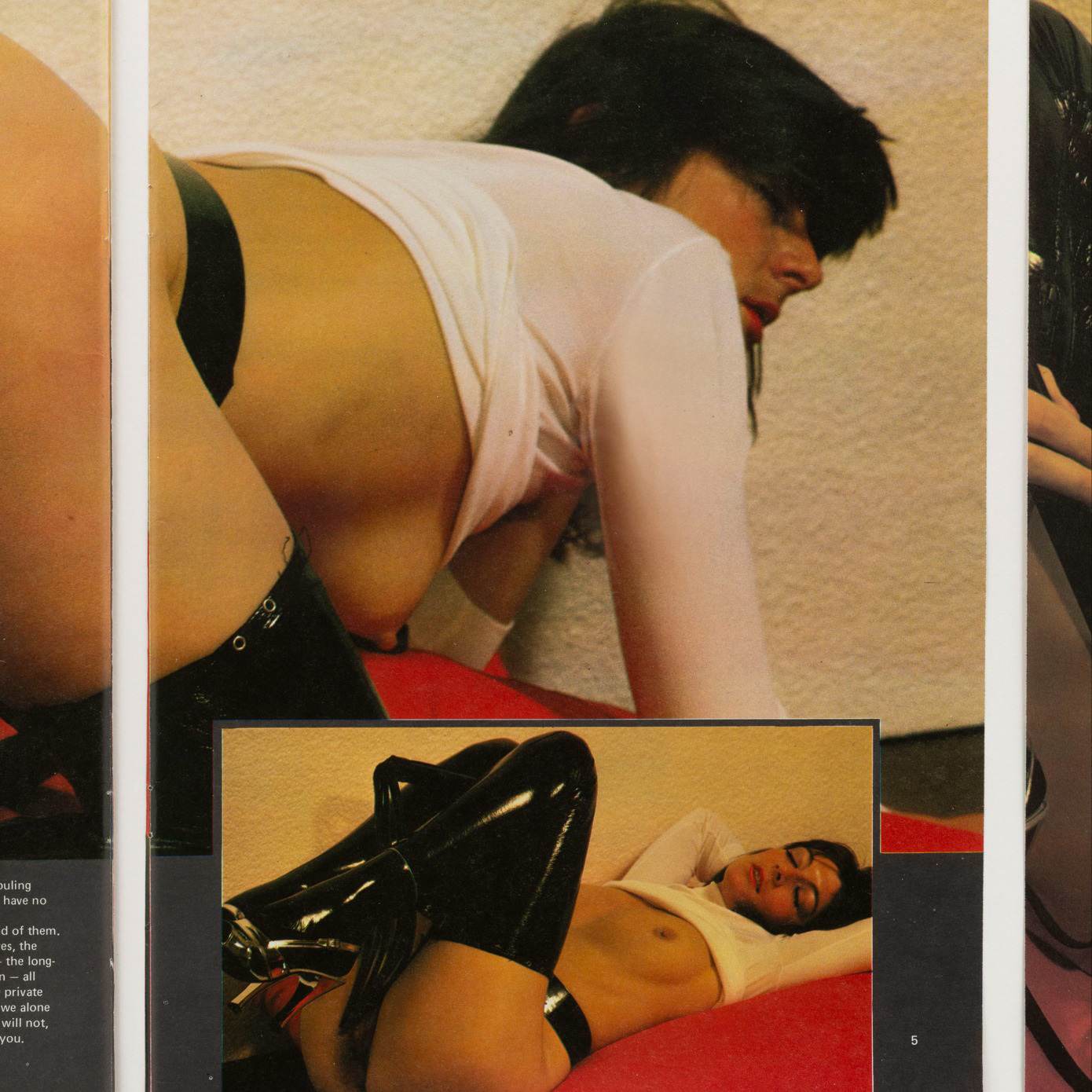
Art critic David Rimanelli reviews Willem de Kooning's exhibition "Endless Painting" at Gagosian's 555 West 24th Street location, curated by Cecilia Alemani, running through June 24, 2025. The show spans de Kooning's career from 1944 to his final phase, though notably omits his black-and-white oil-and-enamel paintings from the late 1940s. Rimanelli expresses ambivalence, finding the show dreary and pointless despite the high caliber of individual works, and critiques the press release's focus on fragmented body parts. Separately, Johanna Fateman reviews Cosey Fanni Tutti's exhibition at Maxwell Graham, highlighting her controversial 1970s series "Magazine Actions" (1972–80), on view through June 28, 2025.

chaim soutine biography celeste marcus

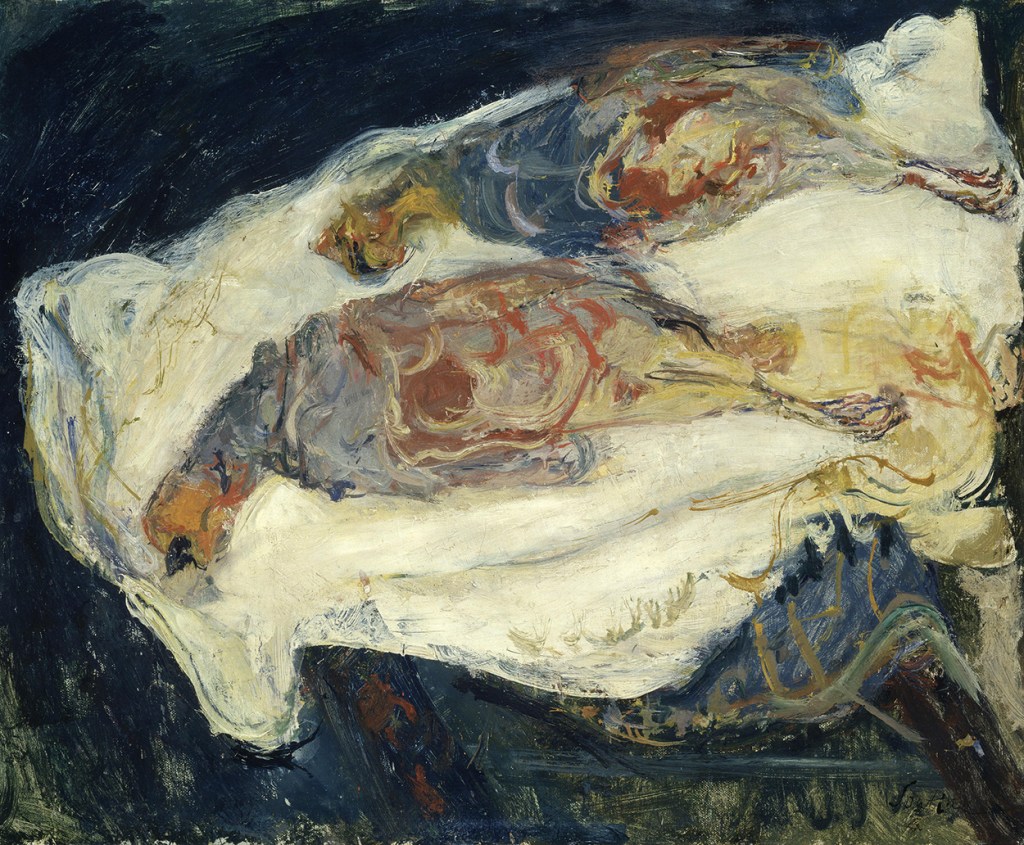
A new biography titled *Chaïm Soutine: Genius, Obsession, and a Dramatic Life in Art*, written by Celeste Marcus, explores the life and work of the early 20th-century painter Chaïm Soutine. Marcus argues that Soutine’s intensely visceral paintings—featuring dizzying landscapes, bloody carcasses, and penetrating portraits—are the key to understanding the artist, who left behind few personal records. The book challenges the tendency to read historical tragedy, particularly Soutine’s identity as an Eastern European Jew before WWII, into his turbulent brushwork, instead emphasizing the life force and internal logic of his compositions.

‘Transcription’ by Ben Lerner Review: No Phones

Ben Lerner’s latest novel, Transcription, marks a departure from his previous sprawling autofiction like The Topeka School, opting instead for a spare, three-part structure set during the COVID-19 pandemic. The narrative unfolds through three pivotal conversations involving the protagonist, his aging mentor Thomas, a curator, and Thomas’s son Max. Central to the plot is the protagonist’s failure to record a final interview with Thomas due to a broken phone, forcing a reliance on fallible memory and reconstruction.

raisonne weekend tournament zito madu

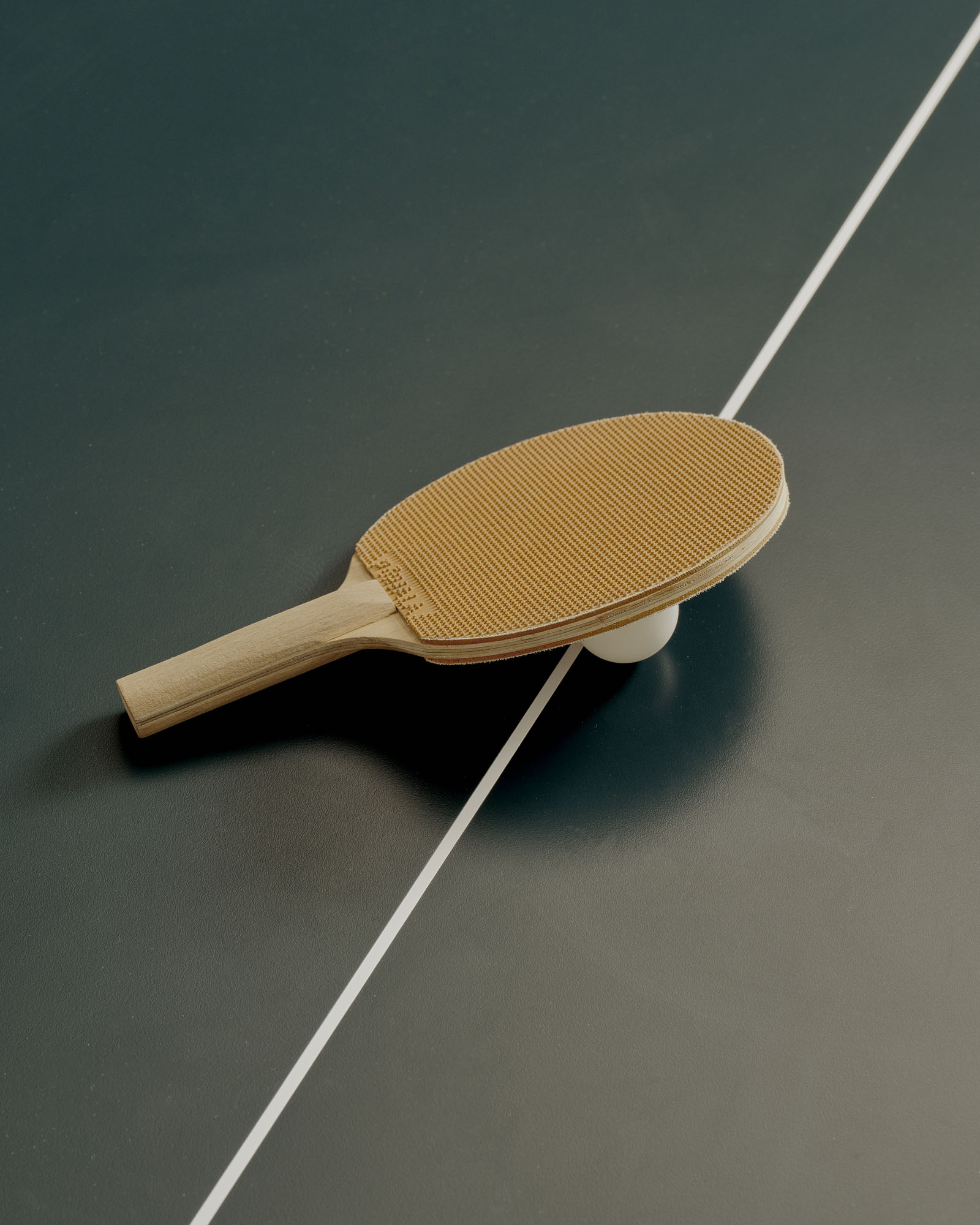
Cultured magazine's article "Weekend Tournament" reviews a group exhibition at Raisonné Gallery in New York, organized by Raquel Cayre and Ariel Ashe, that explores the intersection of sport, art, and design. The show features 63 works by 27 artists including Paul Pfeiffer, Adam McEwen, Le Corbusier, Cory Arcangel, and Rachel Harrison, with pieces ranging from a graphite replica of a school water fountain to an active ping-pong table and a mini-golf course. The author, Zito Madu, draws parallels between his own background as a professional soccer player turned writer and the exhibition's invitation to engage physically and playfully with art.

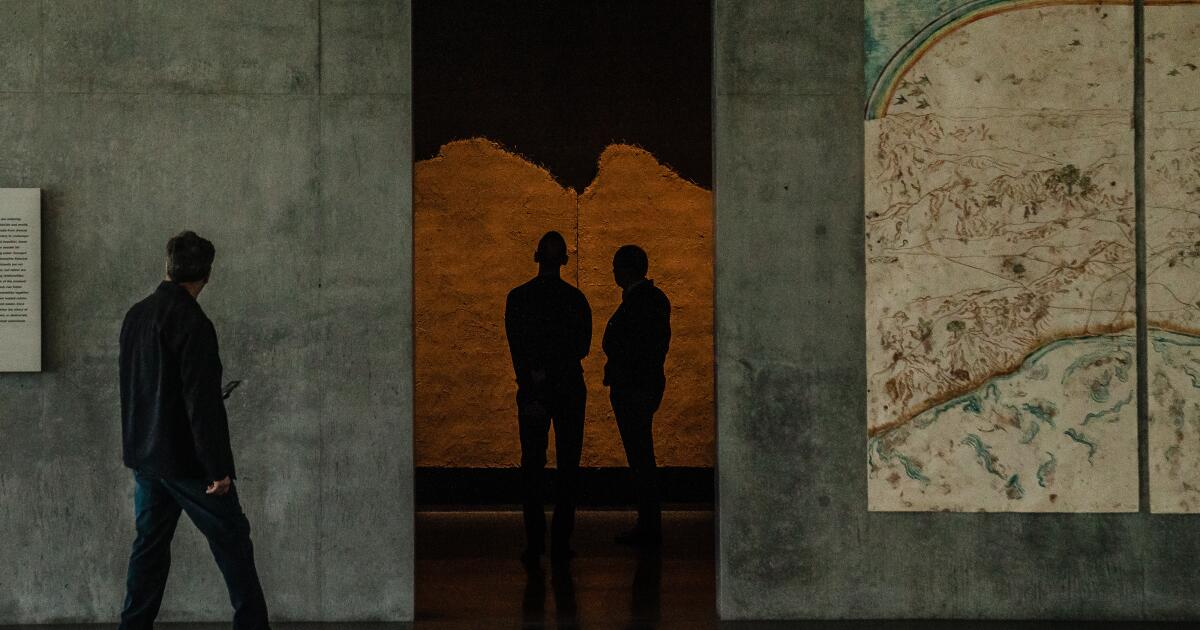
Review: Getting lost in the art is the best part of LACMA’s new revisionist fever dream of a museum

The Los Angeles County Museum of Art (LACMA) has opened its new David Geffen Galleries, a radical reinvention of the museum experience. The installation, conceived by director Michael Govan and architect Peter Zumthor, abandons traditional chronological and departmental silos, instead creating a continuous, curving flow of art from across time, place, and medium. Visitors are encouraged to wander and get lost, forging their own connections between works.

Shaped By Histories: “Iñigo Manglano-Ovalle: A Want for Nothing” at the DePaul Art Museum

The article reviews the exhibition "Iñigo Manglano-Ovalle: A Want for Nothing" at the DePaul Art Museum, which presents the artist's multimedia works that explore themes of history, migration, and identity. Manglano-Ovalle's pieces, including video installations and sculptures, engage with personal and collective narratives, drawing on archival materials and contemporary issues.

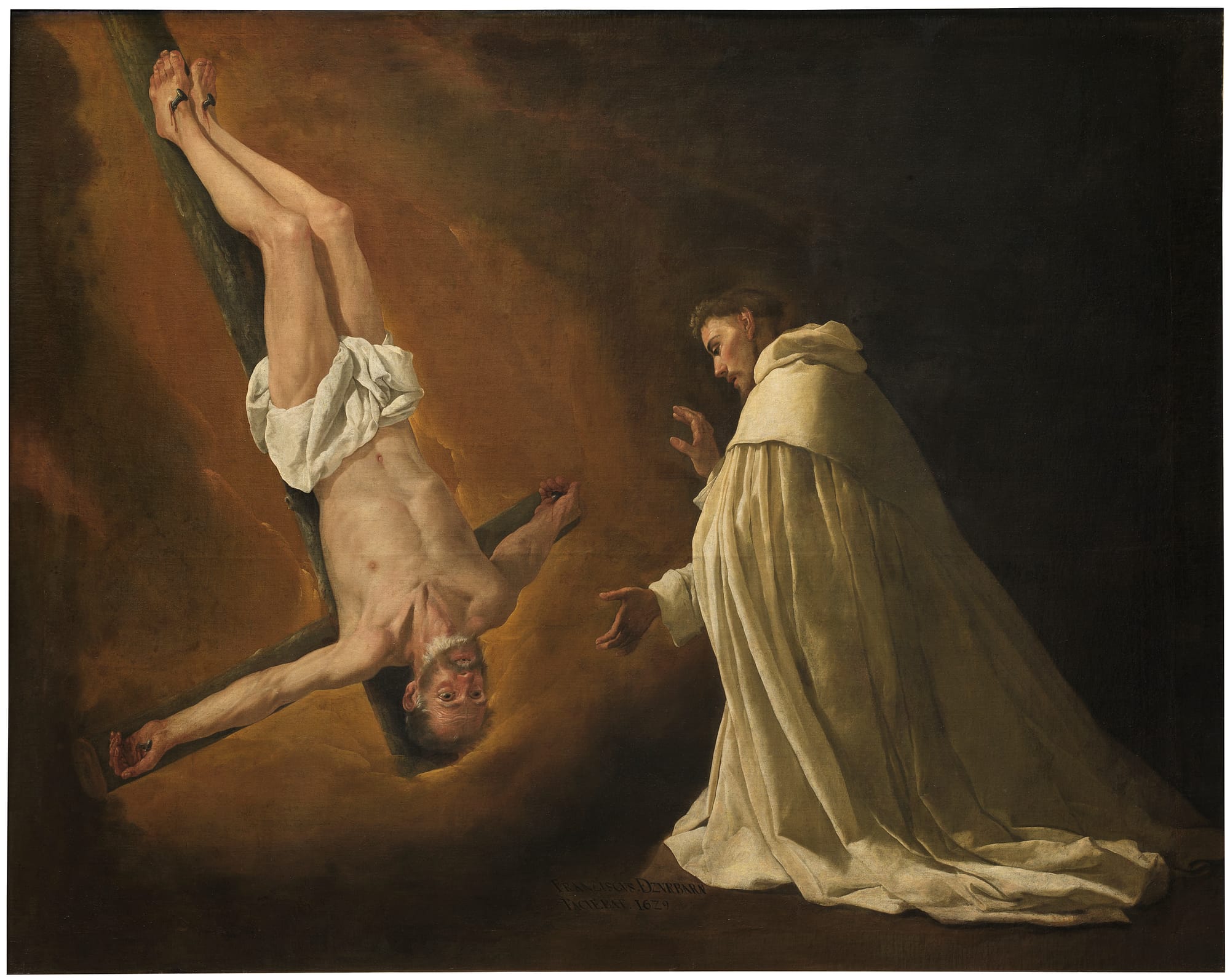
Did Zurbarán Believe What He Painted?

An exhibition of Francisco de Zurbarán's 17th-century religious paintings at London's National Gallery prompts a critic to question whether the artist's personal faith influenced his artistic skill. The show features monumental works from Spanish churches and monasteries, displayed dramatically against black walls, including crucifixion scenes, monks, and saints. The critic notes that no personal records of Zurbarán survive—only contracts—leaving his beliefs unknown, and compares him to Agnolo Bronzino, who painted pious scenes but wrote obscene verses. A small painting of a crucified Christ with a painter, possibly a self-portrait of Bronzino, is presented as ambiguous evidence of faith.

"She's Like the Wind"

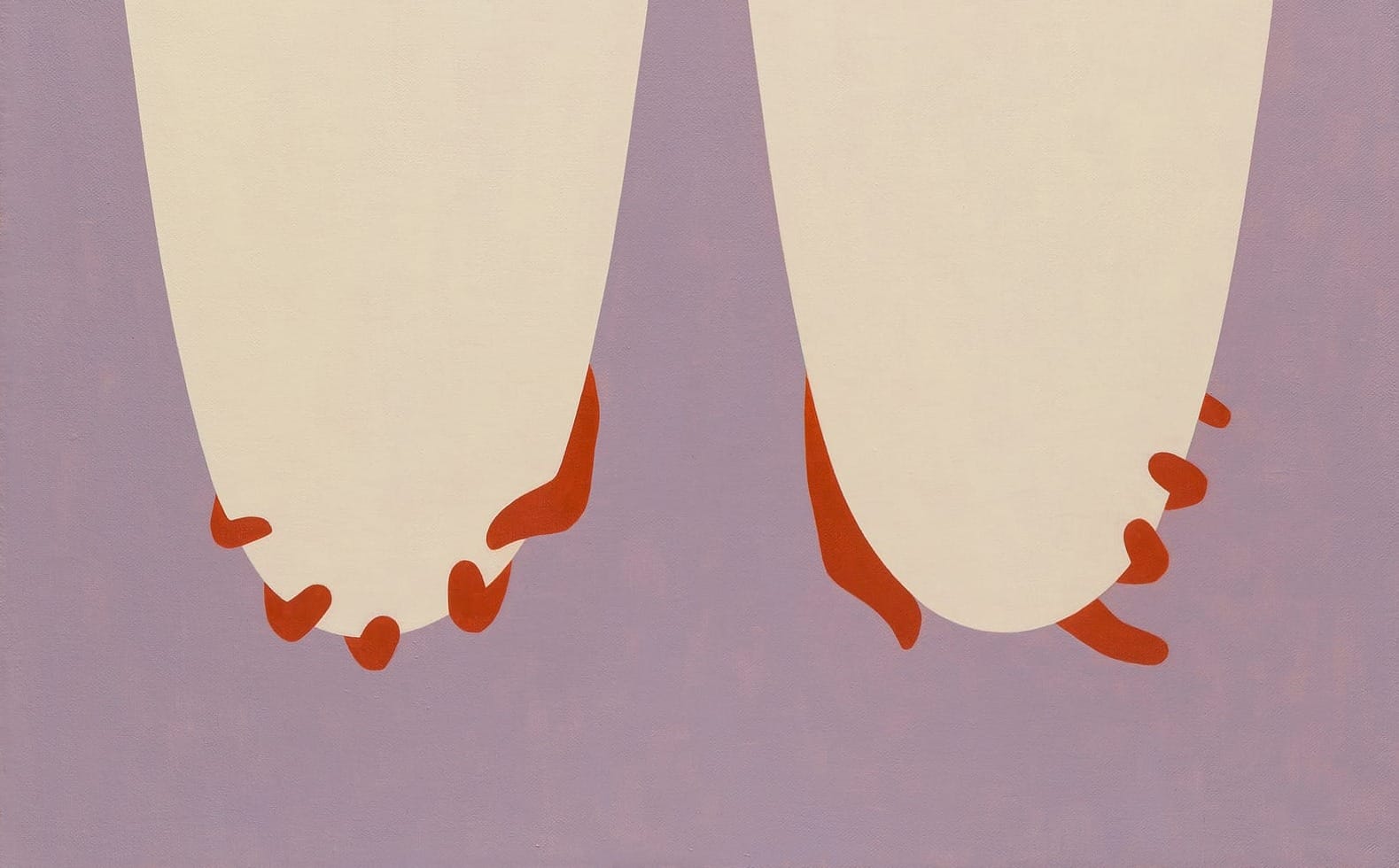
The article reviews "She's Like the Wind," an annual all-female group exhibition at Deep Space gallery in Jersey City, featuring works by artists Delilah Ray Miske, Leigh Cunningham, and SarahGrace. Miske's painting "Lemon Lime Toe of God" shows only a woman's leg and foot, while Cunningham's oil paintings present figures as blurred forms seen through a translucent curtain, and SarahGrace's textile works depict headless female nudes with suggestive titles like "Provoke" and "Dominate." The show marks a departure from the gallery's typically family-friendly, sex-averse programming.

A Whole Lot of Nothing at the US Pavilion

The US Pavilion at the 2026 Venice Biennale features sculptor Alma Allen's exhibition "Call Me the Breeze," curated by Jeffrey Uslip. The show presents untitled, amorphous sculptures in bronze, wood, and stone, including Colorado Yule marble. The selection process was controversial: after the Trump administration excluded the National Endowment for the Arts, the State Department initially picked artist Robert Lazzarini and curator John Ravenal, but that plan collapsed. The American Arts Conservancy, a new nonprofit led by Jenni Parido (a former pet food store operator with Mar-a-Lago ties), then took over, hiring Uslip, who approached Barbara Chase-Riboud and William Eggleston before settling on Allen. Donors include businessman John Phelan and fashion designer Tommy Hilfiger.

olivia laings silver book pasolini fellini

Olivia Laing's novel "The Silver Book" is set in 1974 Italy during the Years of Lead, following Nicholas Wade, a young Slade graduate who becomes the lover and apprentice of costume and set designer Danilo Donati. Donati is working on Federico Fellini's "Casanova" and Pier Paolo Pasolini's "Salò," and the story explores their creative and erotic relationship against a backdrop of political turmoil. Laing's prose is vignetted and elliptical, focusing on daily acts of filmmaking and the sensual world of the characters.

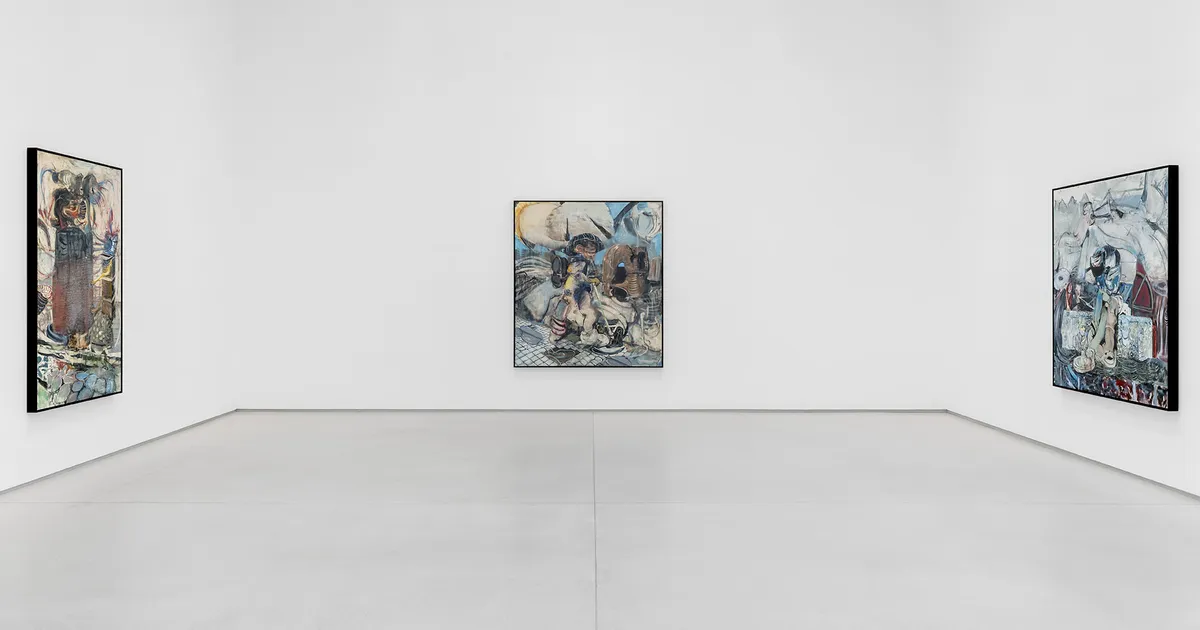
Adrian Ghenie: Roman Campagna | Exhibition review

Adrian Ghenie's exhibition "Roman Campagna" at a Paris gallery presents a series of paintings and charcoal drawings that subvert the romantic cliché of an artist's transformative encounter with Rome. Ghenie populates landscapes inspired by the Appian Way with grotesque, alien-headed figures hunched over smartphones, urinating on monuments, or weeping at sunsets, using brown and grey tones punctuated by bright colors. The works reference Francis Bacon and William S. Burroughs, and include direct allusions to Bacon's reinterpretation of van Gogh's self-portrait, as well as a copy of a Pompeii mosaic. The show also features large charcoal drawings on paper that reveal Ghenie's process of constructing his contemporary, alienated figures.