filter_list Showing 8 results for "Enigma" close Clear
search
dashboard All 66 museum exhibitions 31trending_up market 9rate_review review 8article news 7article culture 7person people 3candle obituary 1
date_range Range Today This Week This Month All
Subscribe

Anne Hardy’s Hollow Humanoids

British artist Anne Hardy presents a suite of floor-based installations and assemblage sculptures titled "Interloper" at Visual. The exhibition features a series of "Beings"—twisted, life-size humanoid entities constructed from rusted wire, crushed cans, soil, and the artist’s own cast body parts and clothing. These figures, often posed in yoga-like positions or meditative stances, appear as hollow, faceless outlines that blend a sense of vitality with physical disintegration.
Are We Too Reverent of Marcel Duchamp?

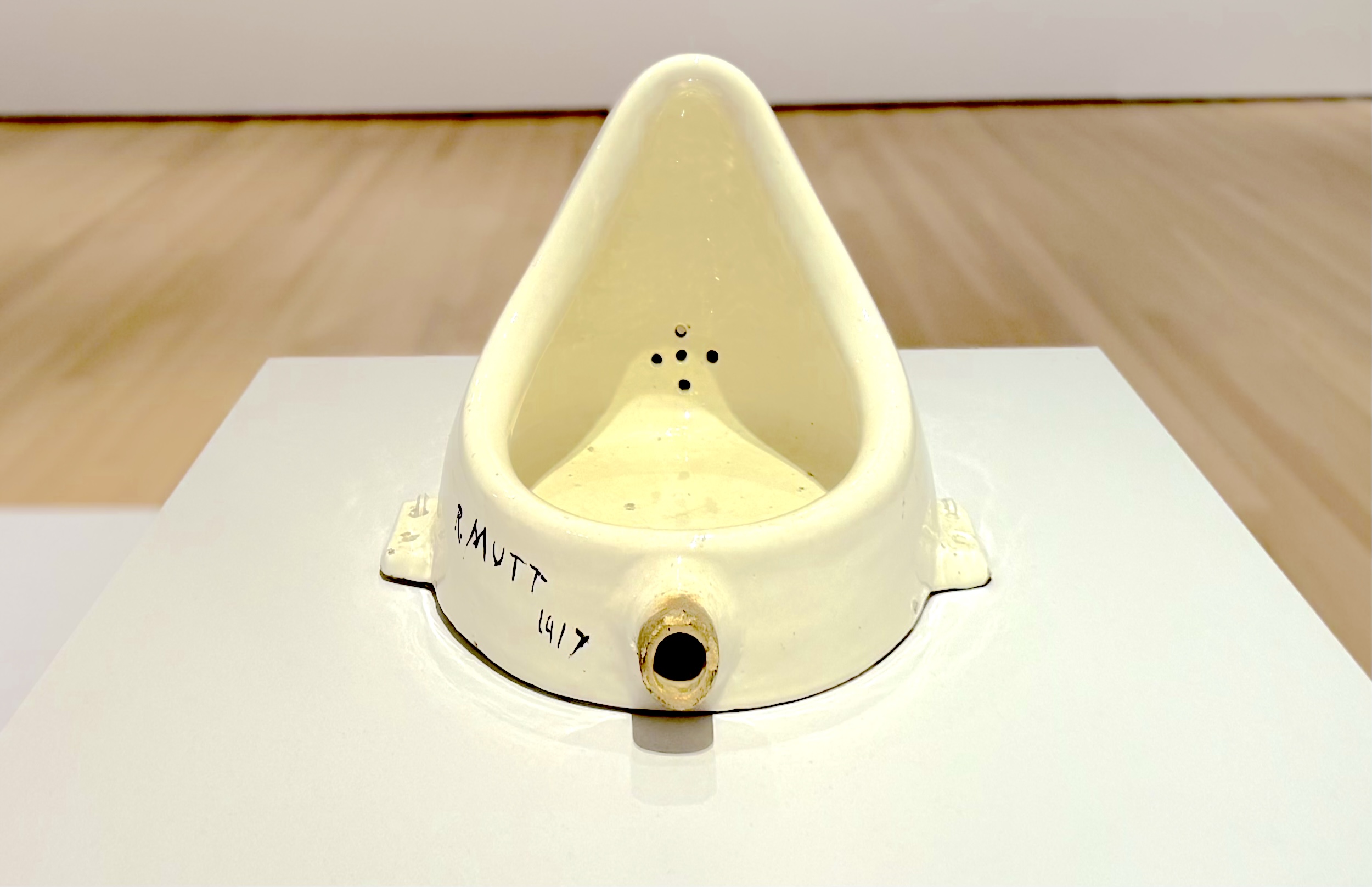
The Museum of Modern Art has launched a major retrospective of Marcel Duchamp, co-organized with the Philadelphia Museum of Art. The exhibition tracks the artist's evolution from his early Cubist experiments and the scandal of 'Nude Descending a Staircase' to his radical invention of the readymade, exemplified by the infamous urinal, 'Fountain'. The show presents a comprehensive look at 'The Duch' through a reverential, church-like atmosphere, concluding with his later years as a dapper, enigmatic figure of the avant-garde.

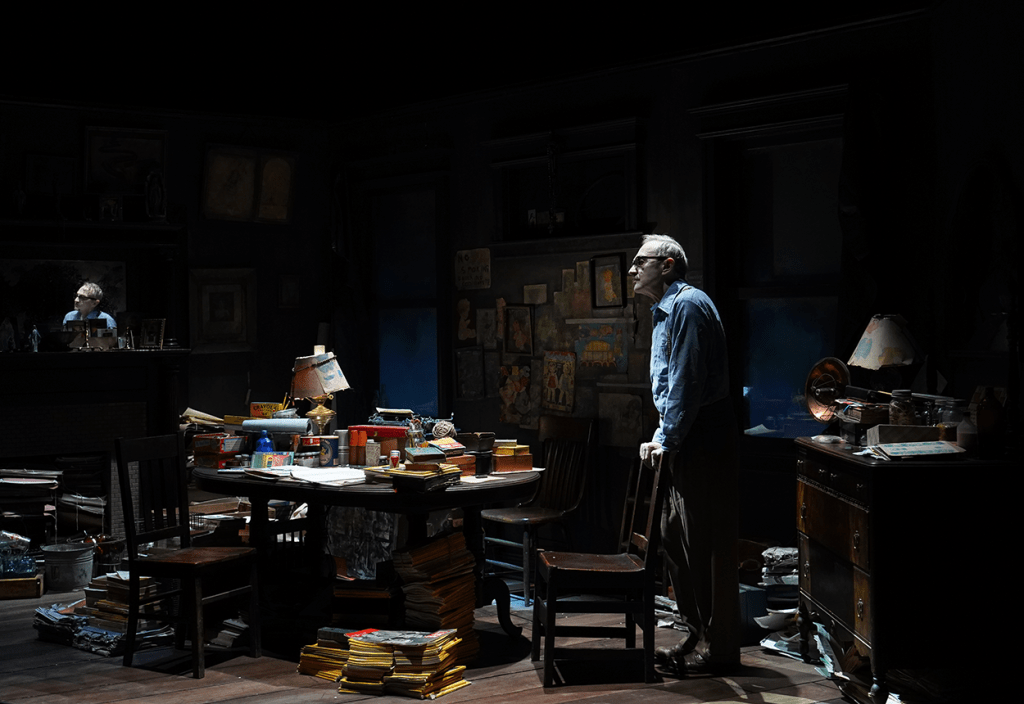
Can a Play Capture an Artist as Enigmatic as Henry Darger?

Can a Play Capture an Artist as Enigmatic as Henry Darger?

A new play, *Bughouse*, is attempting to portray the life of reclusive artist Henry Darger on stage at New York's Vineyard Theater. The one-man show, starring John Kelly, draws from Darger's own lengthy autobiography to depict his traumatic childhood, institutionalization, and decades of solitary life in Chicago, where he secretly created his vast, fantastical artwork and writings.

The Enigma of Alison Knowles

Lauren Moya Ford reviews the only book dedicated to Fluxus artist Alison Knowles, who died six months ago. The book, "Performing Chance: The Art of Alison Knowles In/Out of Fluxus" by Nicole L. Woods (2026), attempts to illuminate Knowles's life and work, but Ford notes that much of her personal life remains mysterious despite the author's efforts. The article is part of a broader books newsletter that also features new tomes on Hans Holbein’s portraits, Jan Staller’s photographs of Manhattan construction sites, and a discussion of a Black Panther family album at the Studio Museum in Harlem.

The Unbearable Strangeness of Being

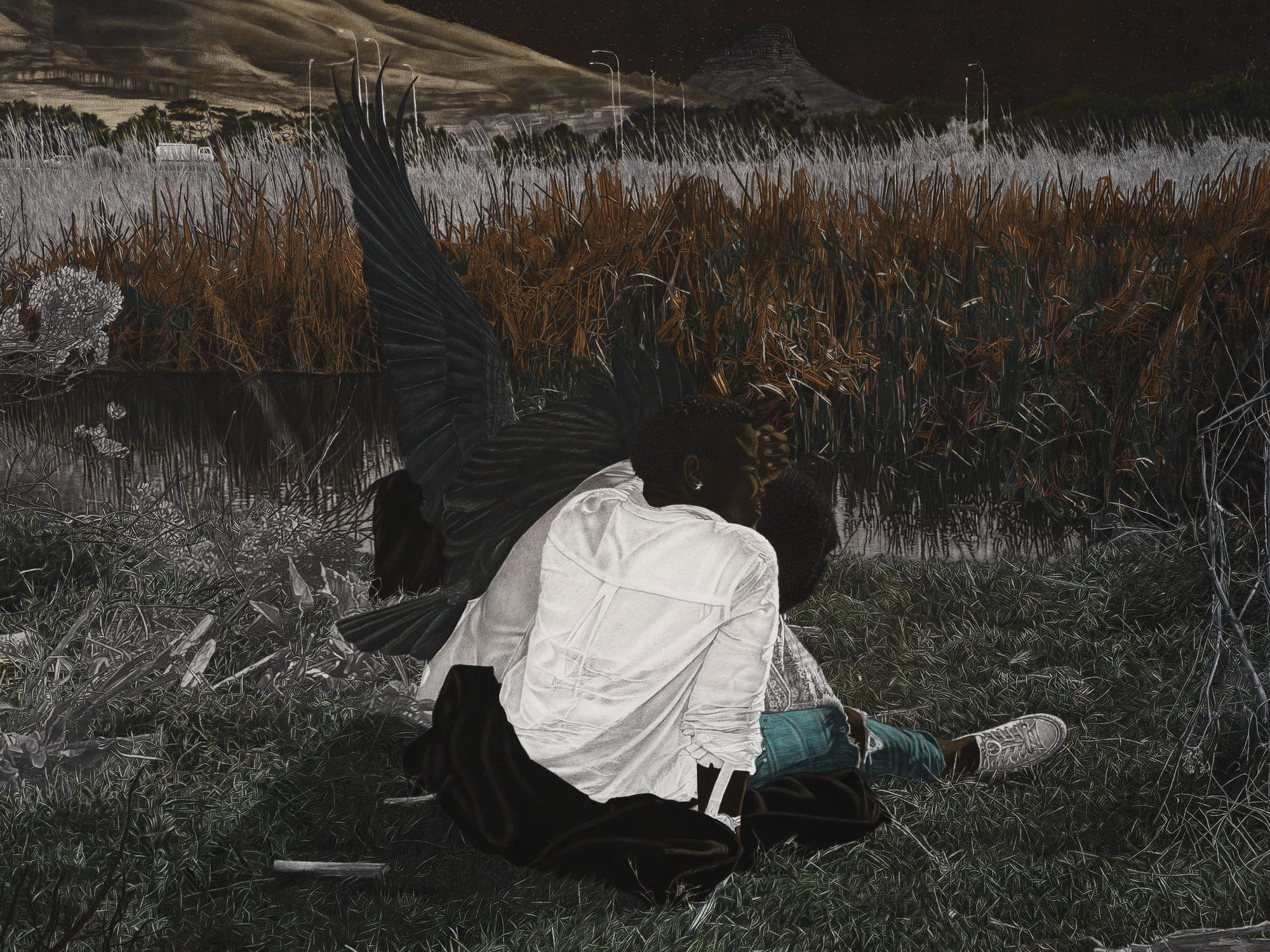
South African artist Cinga Samson makes his New York debut at White Cube with "Ukuphuthelwa," an exhibition of haunting, large-scale oil paintings. The works feature figures with distinctive white pupils engaged in enigmatic rituals within dark, crepuscular landscapes. Drawing from the isiXhosa concept of spiritual alertness during sleeplessness, Samson’s compositions blend the palpable with the unearthly, often depicting scenes that feel choreographed yet remain stubbornly illegible to the Western gaze.

Beacons in a Grim World

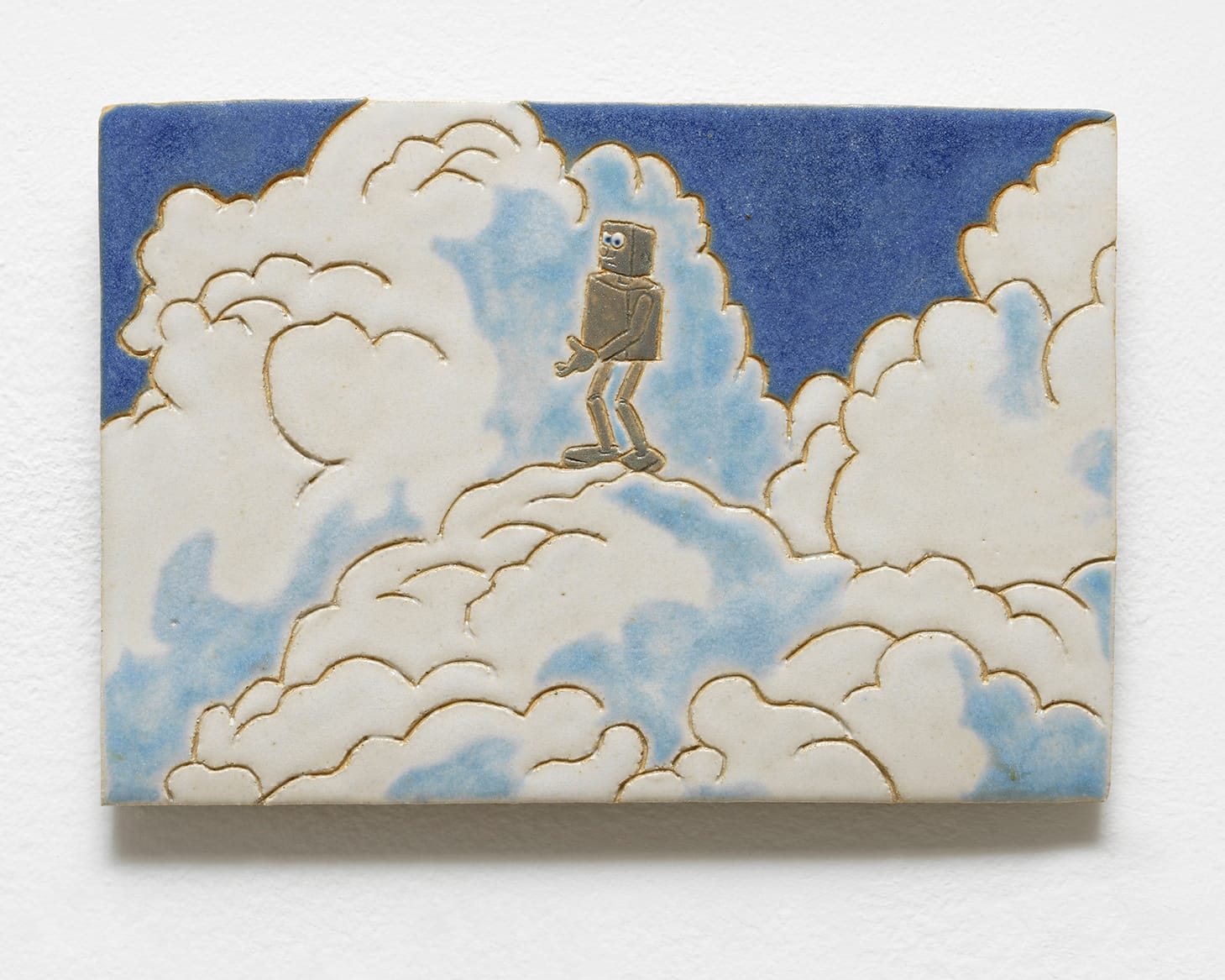
Two concurrent solo exhibitions at Alexander Berggruen Gallery feature the work of artists Kevin McNamee-Tweed and Tajh Rust. McNamee-Tweed presents enigmatic, tenderly absurd ceramic scenes, while Rust debuts in New York with figurative paintings that explore perception and Black identity through portraits of leisure and experimental silvered glass works.

The Unnameable Artists of the Canton Trade System

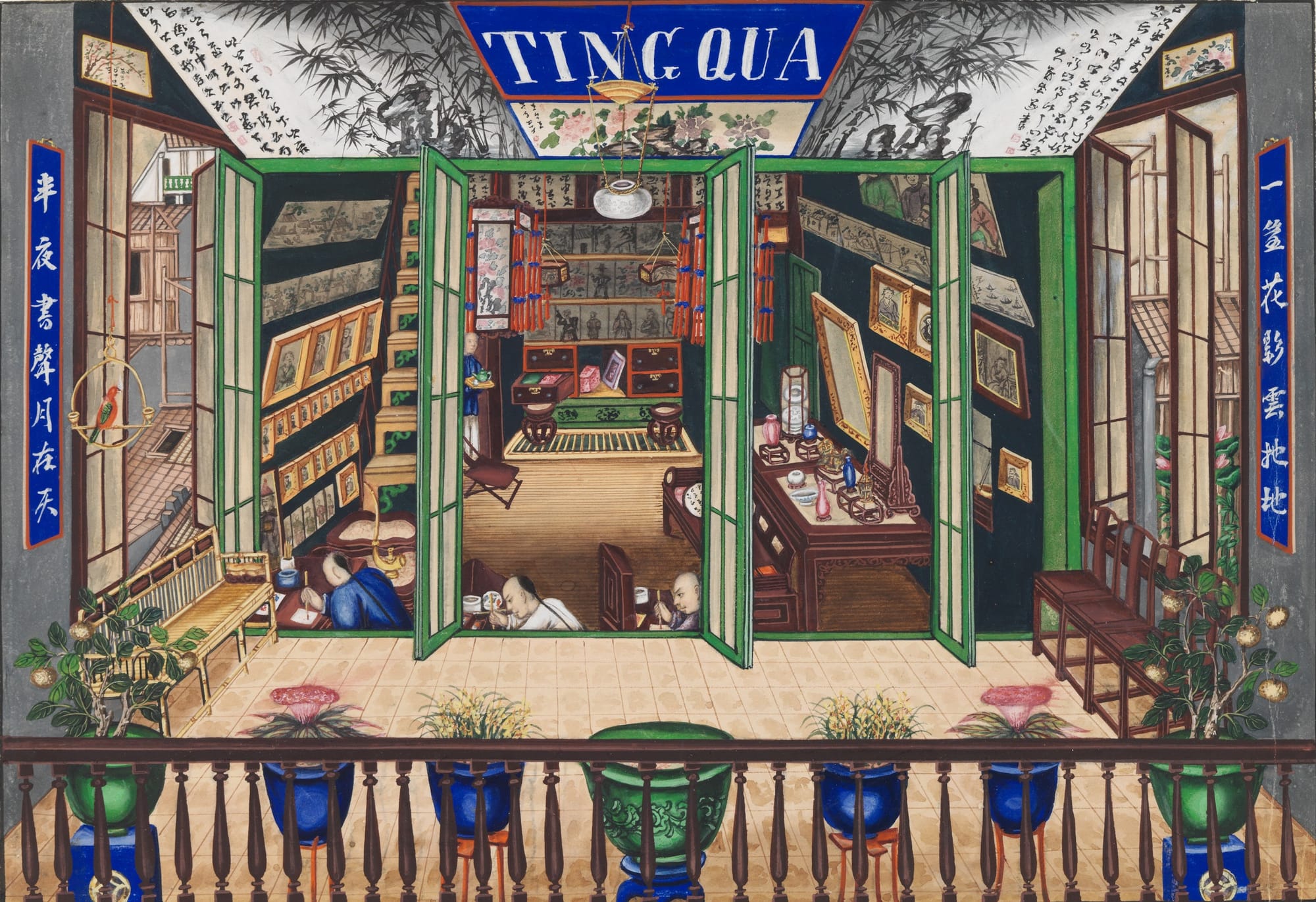
Art historian Winnie Wong’s new book, *The Many Names of Anonymity: Portraitists of the Canton Trade*, investigates the lives and legacies of 18th and 19th-century Chinese artists who produced works for Western traders under the Canton system. These artists, often dismissed by history as mere copyists or left anonymous in museum "tombstone" labels, created complex works that blended European techniques with Chinese traditions. Wong challenges the reductive category of "Asian export art," proposing instead the term "Canton trade painting" to better reflect the unique atmosphere of cultural exchange in Guangzhou.

Before We Knew Better or We Should All Know Better

The article reviews "Before We Knew Better," a group exhibition at Elise Seigenthaler Gallery featuring artists Sarah Bedford, Day Brièrre, Josiah Ellner, and Léa LeFloc'h. The critic reflects on the show's thematic framing around narrative, folklore, and personal mythology, while expressing frustration with its open-endedness and lack of clear intent. Specific works are discussed, including Ellner's psychedelic unicorn paintings, LeFloc'h's enigmatic works on paper, Bedford's nocturnal flowers, and Brièrre's intricate ceramics, though the critic notes the installation does not always serve the pieces well.