
filter_list Showing 3 results for "Evidence" close Clear
search
dashboard All 243 article news 82museum exhibitions 57trending_up market 25article policy 20article culture 20gavel restitution 20article local 7person people 6rate_review review 3candle obituary 3
date_range Range Today This Week This Month All
Subscribe

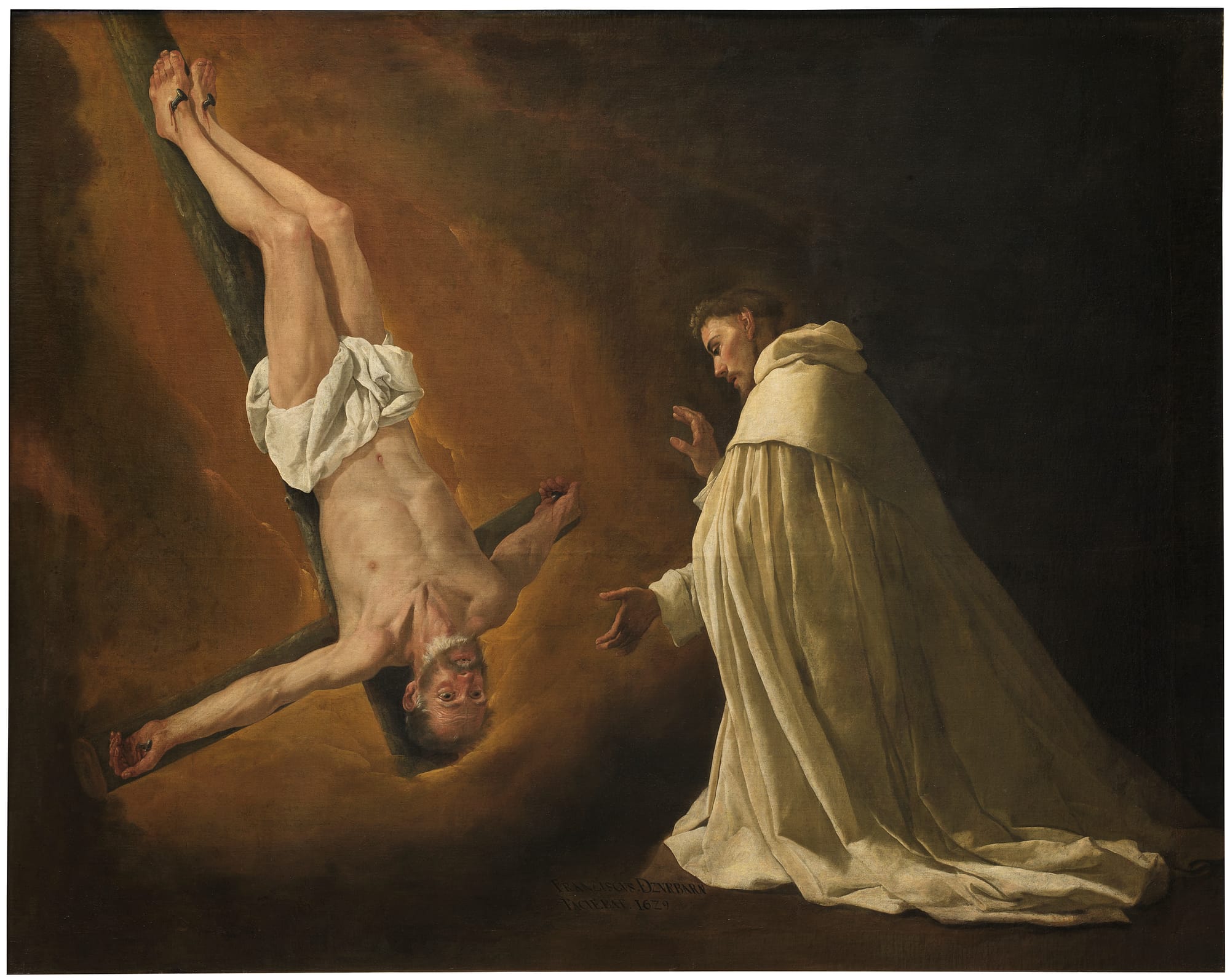
Did Zurbarán Believe What He Painted?

An exhibition of Francisco de Zurbarán's 17th-century religious paintings at London's National Gallery prompts a critic to question whether the artist's personal faith influenced his artistic skill. The show features monumental works from Spanish churches and monasteries, displayed dramatically against black walls, including crucifixion scenes, monks, and saints. The critic notes that no personal records of Zurbarán survive—only contracts—leaving his beliefs unknown, and compares him to Agnolo Bronzino, who painted pious scenes but wrote obscene verses. A small painting of a crucified Christ with a painter, possibly a self-portrait of Bronzino, is presented as ambiguous evidence of faith.

Holbein biography interrogates the artist's life and work from a different angle

Elizabeth Goldring’s new biography of Hans Holbein the Younger takes a documentary-focused approach, prioritizing archival evidence over visual analysis. The book examines Holbein’s life (1497/8–1543) through chronological chapters, using inventories, correspondence, and other records to correct long-held assumptions and propose new theories about his work. Goldring’s detective work includes identifying the green curtain in Holbein’s portrait of Sir Thomas More as a reference to the sitter’s role as chancellor of the Duchy of Lancaster, and suggesting that a lost painting of the More family was given to Erasmus as a gift.

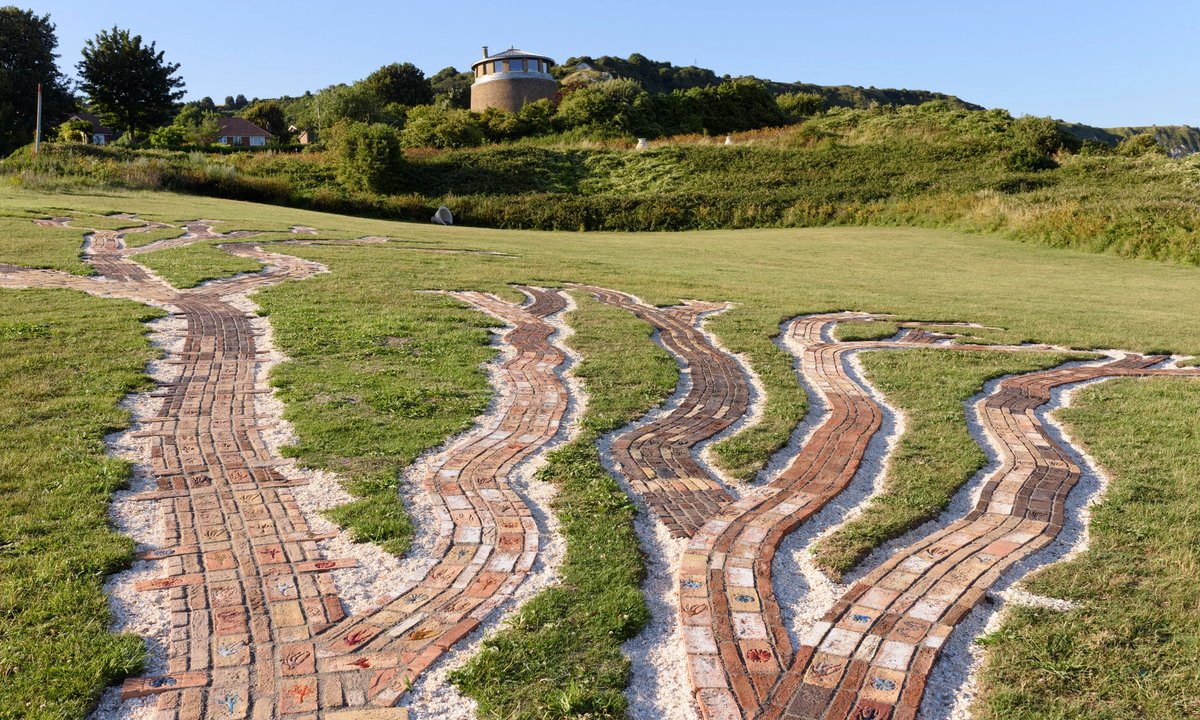
Folkestone Triennial 2025 review: environmental catastrophe—but also hope, joy and a jolly salamander

The Folkestone Triennial 2025, titled "The Lie of the Land," features 18 artists across the seaside town in southeast England. Works include Sara Trillo's chalk cob sculptures inspired by Iron Age urns, Emilija Skarnulyte's film on nuclear decommissioning at Lithuania's Ignalina plant, Katie Paterson's amulet installation made from planetary crisis materials, and Cooking Sections' activist project on UK sewerage pollution. The triennial runs through the ancient port's historic role as a site of arrival and departure.