filter_list Showing 13 results for "Freud" close Clear
search
dashboard All 199 museum exhibitions 77trending_up market 67article news 15article culture 14rate_review review 13person people 6candle obituary 3article local 2article policy 1gavel restitution 1
date_range Range Today This Week This Month All
Subscribe

summer group shows julien nguyen kyoko idetsu reviews

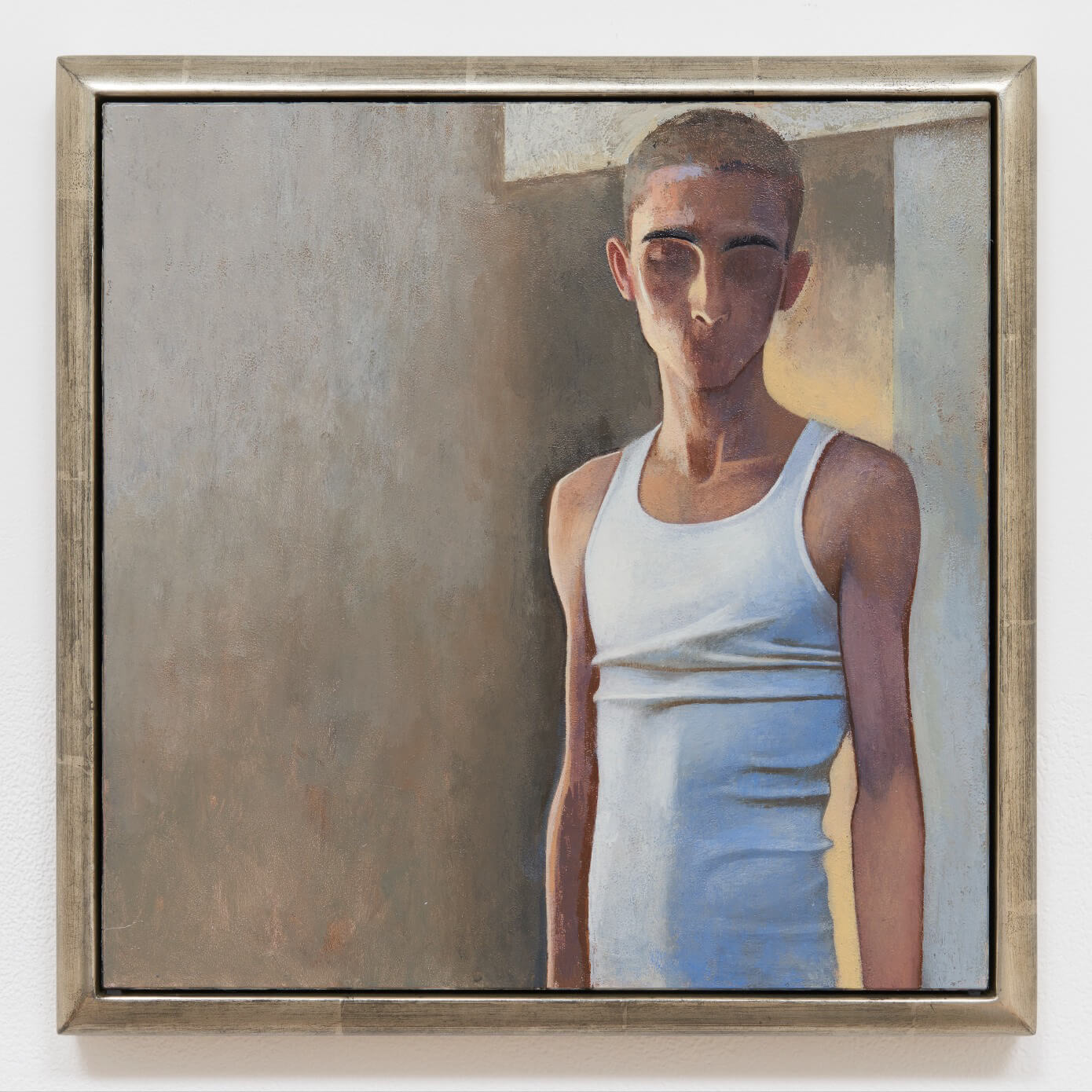
The article reviews two summer group shows in New York. At 56 Henry, "Small Format Painting," curated by painter Josh Smith and actor/former gallerist Leo Fitzpatrick, features 34 artists working on identical 10x8 inch canvases, including blue-chip names like Nate Lowman and emerging talents. At Matthew Marks Gallery, Julien Nguyen presents a solo show of compact oil-on-copper paintings, inspired by Rembrandt's techniques and featuring his muse Nikos.
Review: Getting lost in the art is the best part of LACMA’s new revisionist fever dream of a museum

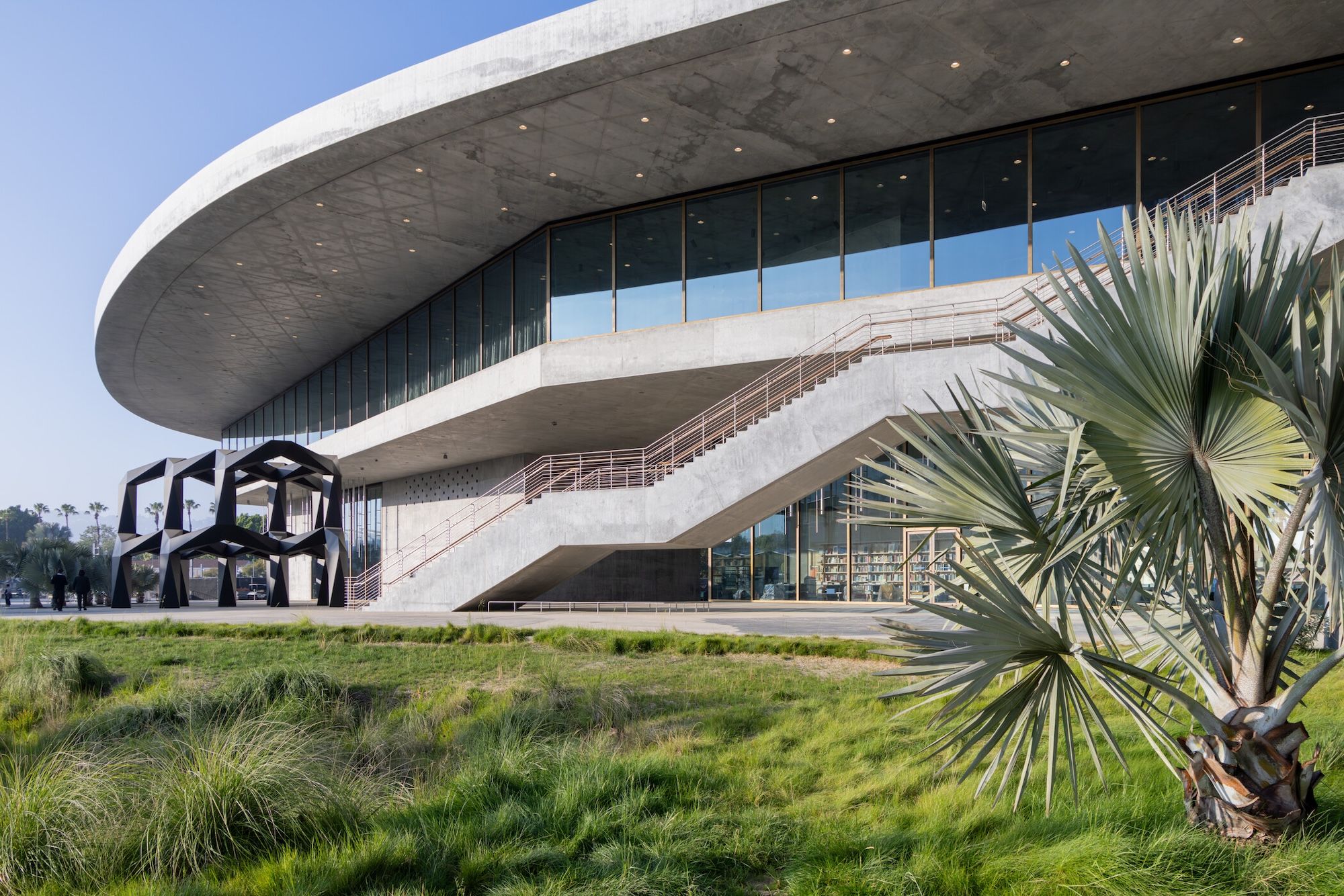
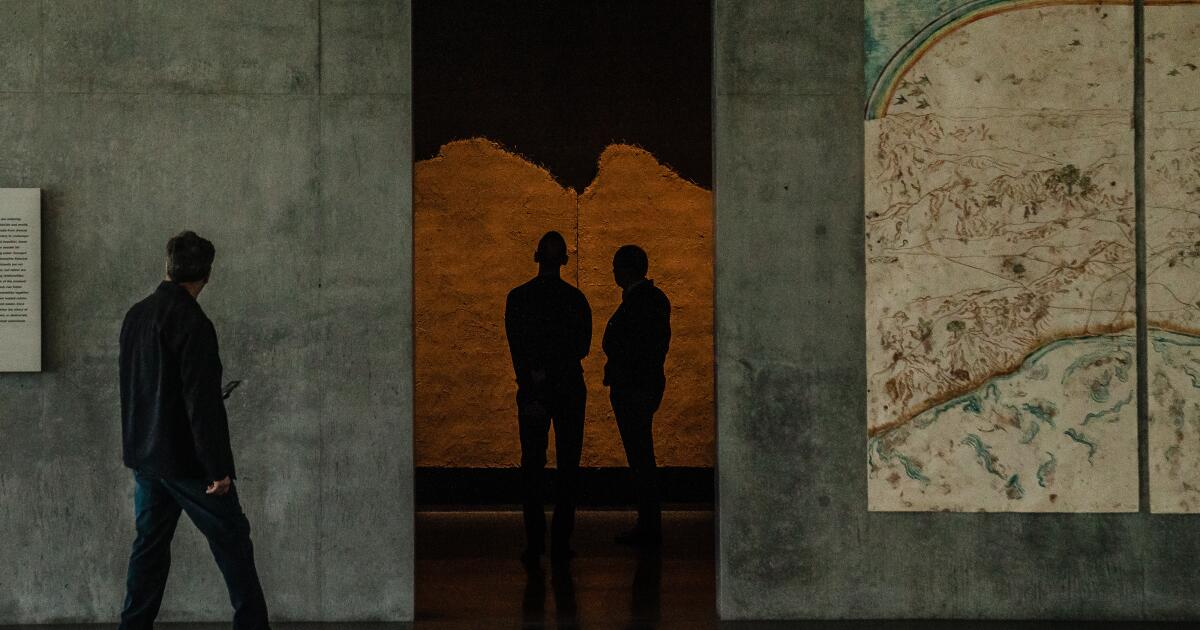
The Los Angeles County Museum of Art (LACMA) has opened its new David Geffen Galleries, a radical reinvention of the museum experience. The installation, conceived by director Michael Govan and architect Peter Zumthor, abandons traditional chronological and departmental silos, instead creating a continuous, curving flow of art from across time, place, and medium. Visitors are encouraged to wander and get lost, forging their own connections between works.

Read the Room: Dallas Museum of Art’s “International Surrealism” Misses the Mark

The Dallas Museum of Art's exhibition "International Surrealism" is critiqued as a missed opportunity during the centennial of the surrealist movement. The author argues that while the show presents a broad survey of mixed-media works from around the world, divided into six thematic subgroups, it lacks the political urgency and revolutionary context that defined surrealism's origins in 1925. The exhibition, initially curated by Matthew Gale from the Tate Modern collection and presented locally by Sue Canterbury, is described as whimsical and decorous, reducing the movement's subversive power to quirky categories and gift-shop fodder.

February Book Bag: from Tracey Emin’s conversations about painting to a catalogue of Lucian Freud’s drawings

The article presents a selection of recently published art books, highlighting new releases on artists Tracey Emin, Beatriz González, and Lucian Freud, as well as a second volume on Arab Modernist artists. It details the content of each book, including personal reflections, career overviews, and connections to upcoming exhibitions.

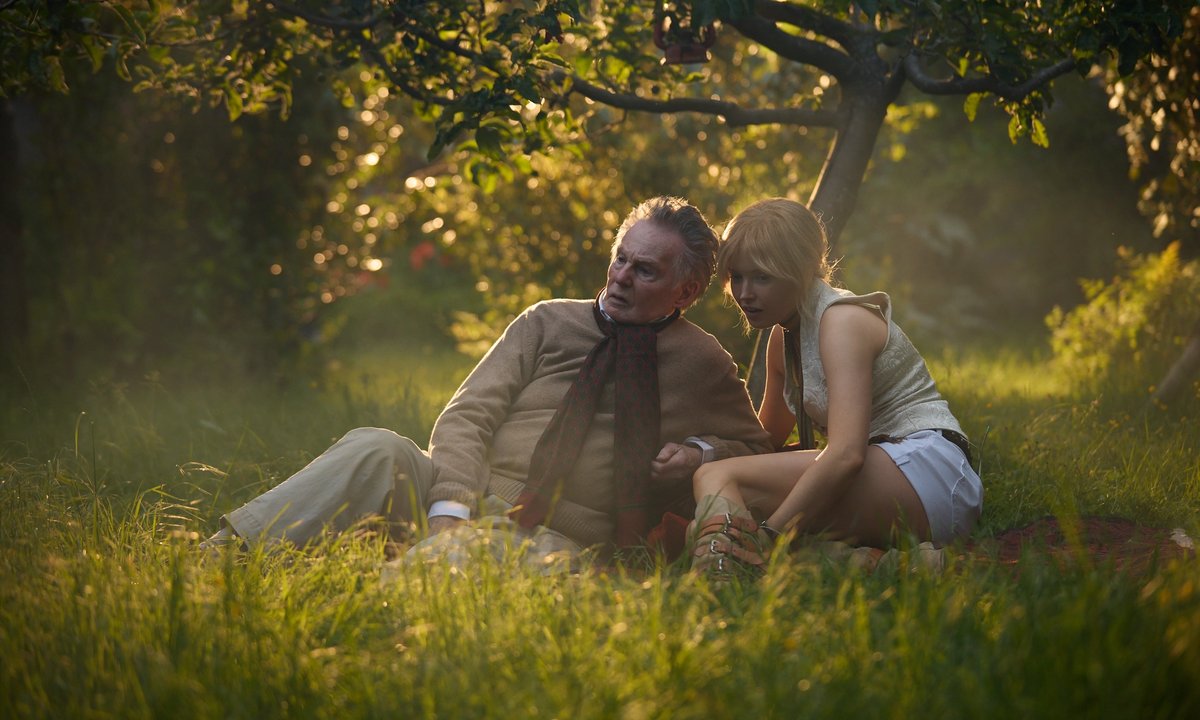
Moss & Freud review: film exploring unlikely friendship ultimately fails to scratch the surface

The film *Moss & Freud*, directed by James Lucas, explores the unlikely friendship between supermodel Kate Moss (played by Ellie Bamber) and painter Lucian Freud (Derek Jacobi) in 2001 London. The story centers on Moss's desire to sit for the reclusive portraitist, culminating in Freud's unflattering *Naked Portrait 2002*. However, the film glosses over Freud's darker reputation—his punishingly long sittings, cruelty, and violent tendencies—portraying him instead as a benign, eccentric old man. It also fails to deeply investigate Moss's character or the exploitation within the fashion industry, relying on weak scripting and forced parallels between Moss and Freud's ex-wife Lady Caroline Blackwood.

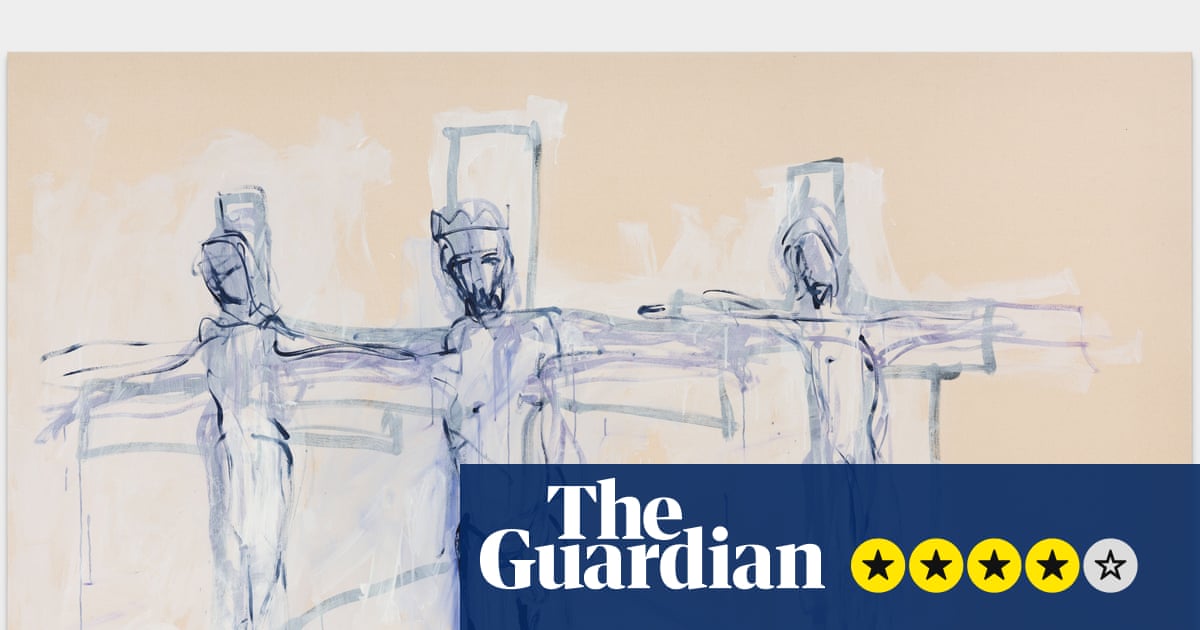
I have seen the light and it’s Tracey Emin’s Jesus – RA Summer Exhibition review | Royal Academy of Arts

The Royal Academy's Summer Exhibition in London features over 1,600 works, with Tracey Emin's painting "The Crucifixion" as the standout piece. The critic describes Emin's work as a sincere, shocking depiction of the crucifixion that reinvigorates religious art, alongside works by Georg Baselitz, Cornelia Parker, Tamara Kostianovsky, George Shaw, Frank Bowling, and Cindy Sherman.

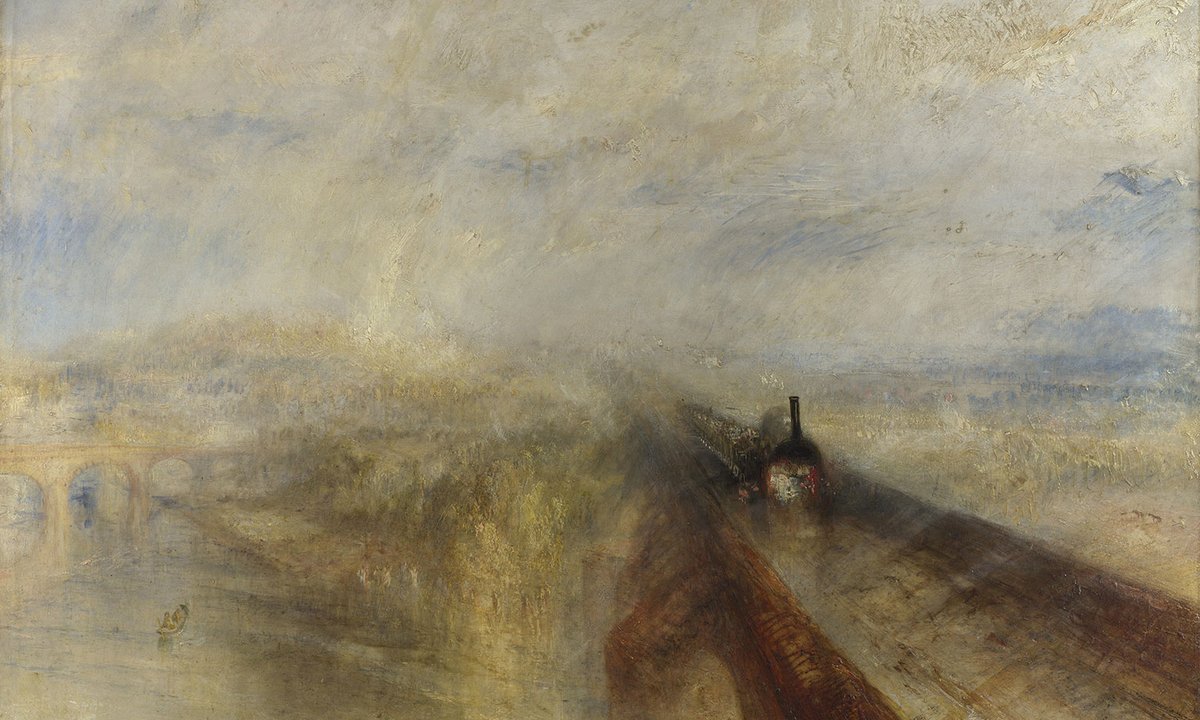
Turner vs Constable: is it time for art historians to choose?

Art historian and author James Hall, writing in The Art Newspaper, reviews Nicola Moorby's new book "Turner and Constable: Art, Life, Landscape" and uses it as a springboard to argue that art historians should not shy away from making value judgments about artists. He compares the legacies of J.M.W. Turner and John Constable, noting that Turner currently dominates popular and institutional esteem—appearing on banknotes, celebrated by Tate Britain as the greatest British artist, and fitting modern conceptions of the artist as a rebellious, eccentric genius. Hall contrasts this with Constable's more conservative image and declining presence in commercial culture.

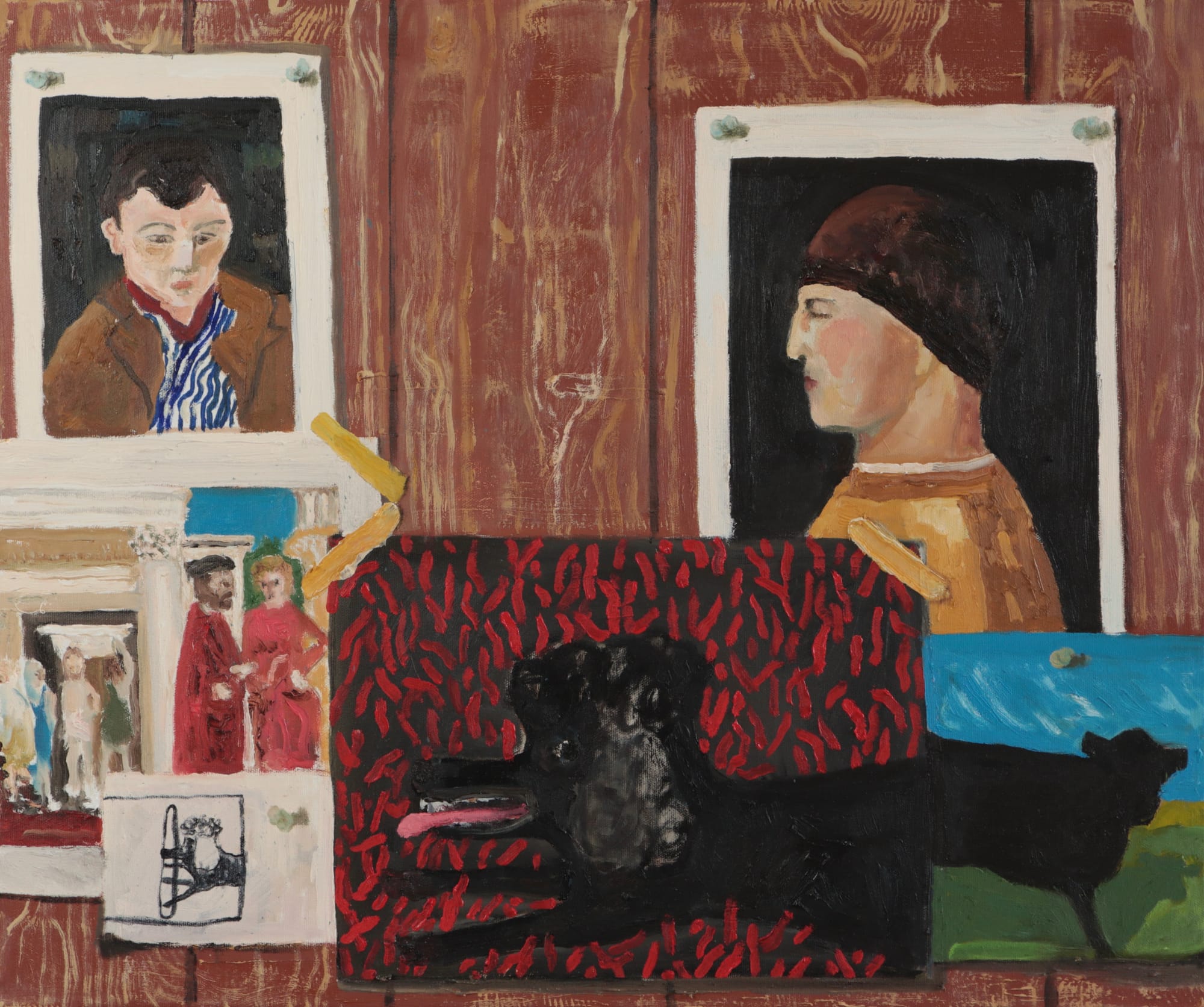
Mark Milroy Sees, Remembers, and Imagines at Once

Artist Mark Milroy, an observational painter in his mid-50s who gained a following during the pandemic through Instagram and online shows at Nancy Margolis Gallery, is now holding his debut New York exhibition, "Jumbo," at JJ Murphy gallery through May 16. The show features 18 oil paintings and 12 colored pencil drawings, with subjects ranging from still lifes and portraits to a titular painting referencing the famous P.T. Barnum elephant killed in Milroy's hometown of St. Thomas, Ontario, in 1885. Milroy's work blends personal memory, art historical insight, and a deliberate gaze, drawing influences from Cedric Morris and 15th-century Florentine painting.

An expansive monograph of Celia Paul paints a portrait of a single-minded, singular artist

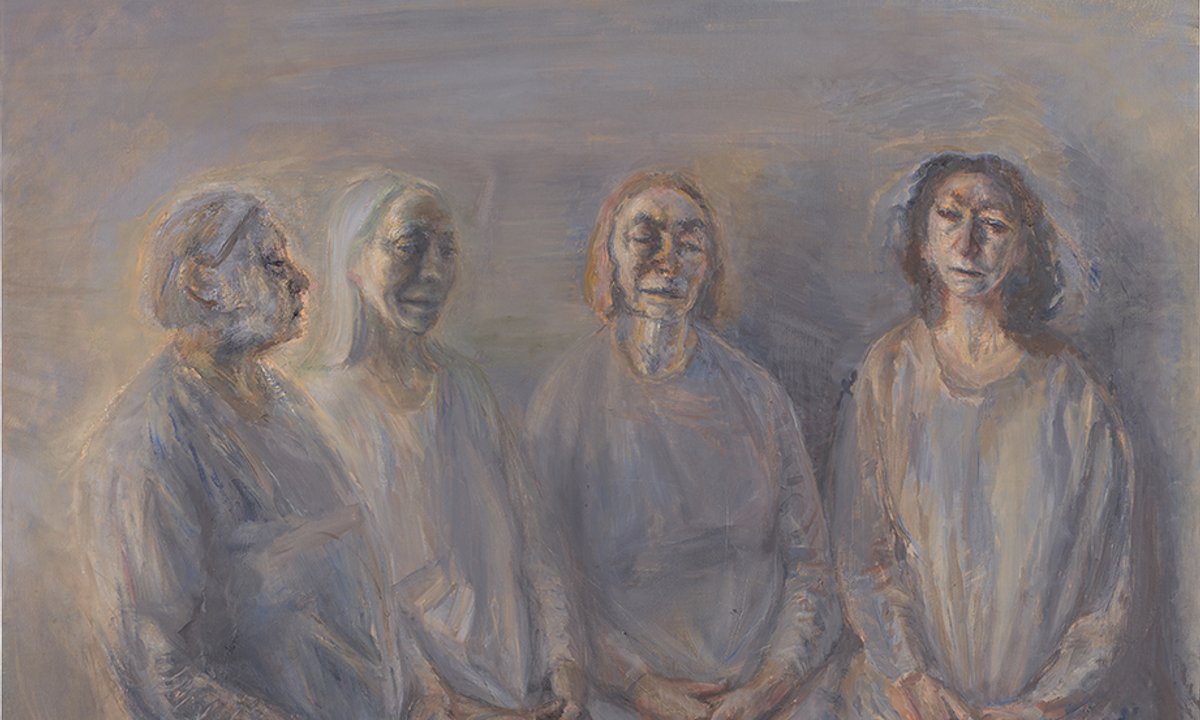
A new monograph on Indian-born British painter Celia Paul (b. 1959) presents an expansive survey of her career, featuring over 500 color reproductions and essays by Hilton Als, Clare Carlisle, Karl Ove Knausgaard, Edmund de Waal, and Rowan Williams, alongside contributions from the artist herself. The book traces Paul's trajectory from her training at the Slade School of Fine Art and her decade-long relationship with Lucian Freud to her recent solo exhibition *Colony of Ghosts* at Victoria Miro in London, positioning her as a singular figure distinct from the shadow of Freud and the School of London painters.

The Spiritual Ear: On Daniel Heller-Roazen’s Far Calls

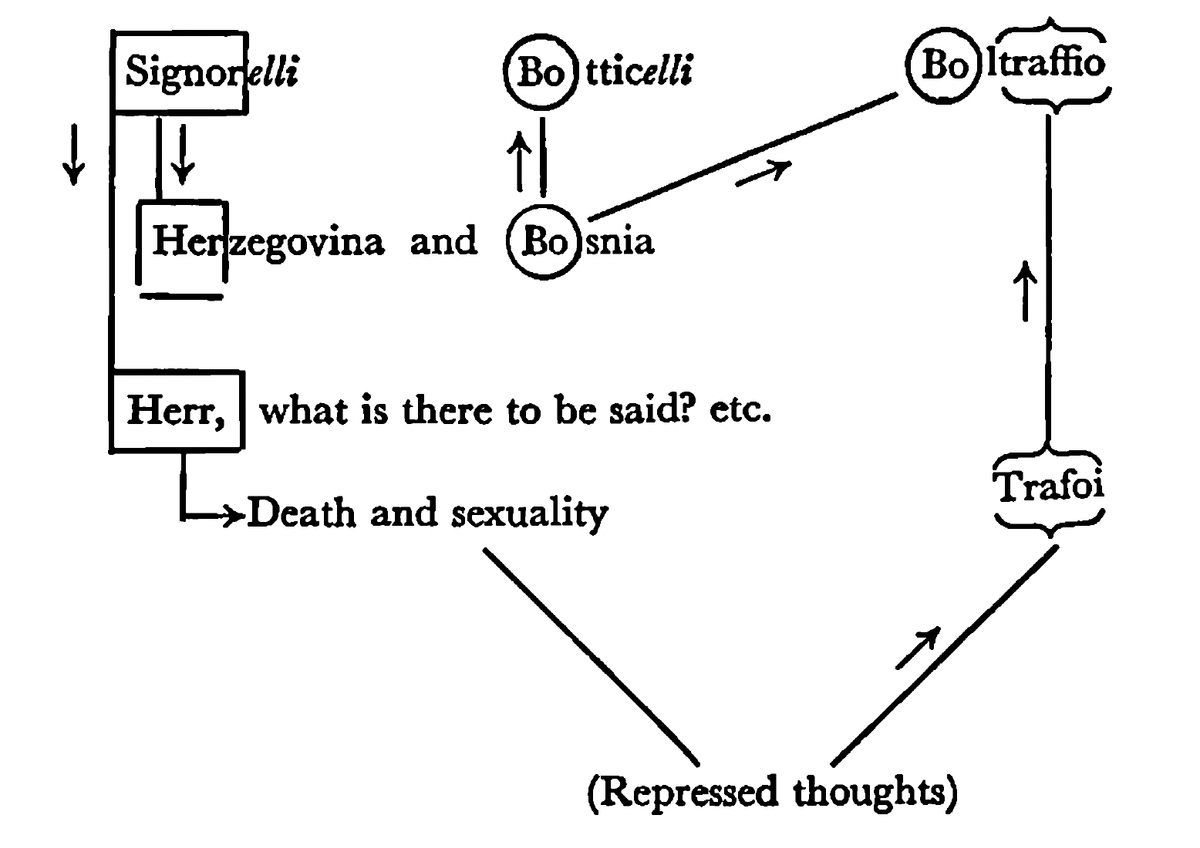
The article is a critical review of Daniel Heller-Roazen's new book, 'Far Calls: On Omens, Slips, & Epiphanies.' It examines the book's central thesis, which explores the historical and philosophical concept of a 'spiritual ear'—the interval between speaking and hearing where language escapes its intended meaning, giving rise to omens, slips of the tongue, and epiphanies. The review traces Heller-Roazen's genealogical investigation from ancient divinatory practices to modern psychoanalysis, highlighting his argument that linguistic accidents hold prophetic potential.

What Did Happen or What Might Have Happened or What Can Never Happen. Dustin Hodges by Nick Angelo

Dustin Hodges presents a new body of work across two exhibitions, "Barley Patch" at 15 Orient in New York and "Barley Patch 2" at Sebastian Gladstone in Los Angeles. The artist utilizes thin layers of pigment, color glazing, and distemper on linen to create compositions that superimpose cartoon motifs, such as black crows and characters from the "Arthur" series, over complex grids. His process involves a cyclical layering that drives a wedge between the logic of the image and the materiality of painting, resulting in works that feel both choreographed and visceral.

I wanted to hate the new LACMA. Then I went back

The article describes the author's evolving impression of the newly opened David Geffen wing at the Los Angeles County Museum of Art (LACMA), designed by architect Peter Zumthor. Initially visiting at 11am, the author found the $724 million, 110,000 sq ft building to be a "dismal, dated, inelegant brute," with thick bronze windows, dark concrete slabs, and bunker-like galleries. However, returning at 4pm, the author experienced a transformation: golden afternoon light warmed the concrete, illuminated the interiors, and revealed the building as a "brilliant innovation and true gift to the city." The article details the building's 20-year design evolution, challenges including fossil discoveries on site, and Zumthor's public frustrations with the compromised details.

A new ‘anti-biography’ rips apart the myth of Leonardo as a solitary genius

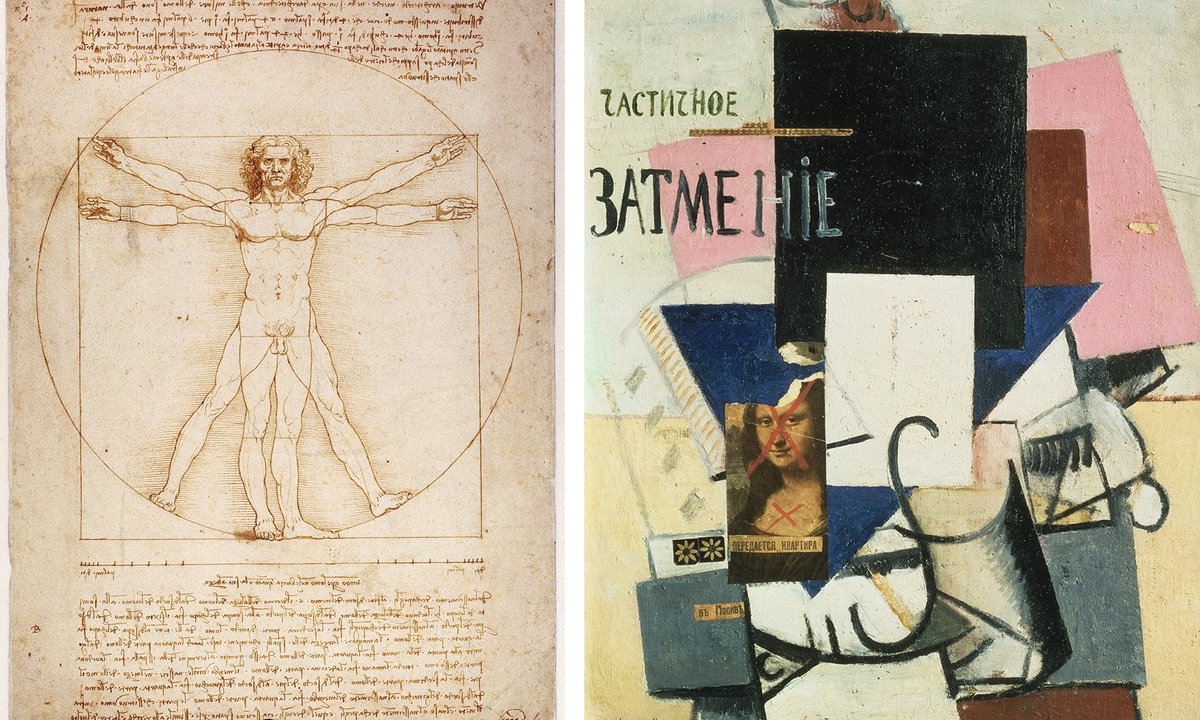
Stephen J. Campbell, a professor of art history at Johns Hopkins University, has published a new book titled *Leonardo da Vinci: An Untraceable Life*, which he frames as an "anti-biography." The book aims to dismantle the mythology surrounding Leonardo da Vinci, arguing that the fragmentary archival record has led to speculative and often outlandish theories that portray him as a solitary genius ahead of his time. Campbell repositions Leonardo within the artistic and intellectual context of late 15th- and early 16th-century Europe, critiquing how media, the art market, and popular culture have commercialized his legacy.