filter_list Showing 6 results for "Friendship" close Clear
search
dashboard All 130 museum exhibitions 64article culture 17person people 9article local 9trending_up market 9article news 8candle obituary 7rate_review review 6article policy 1
date_range Range Today This Week This Month All
Subscribe

stephen shore early work mack

The article reviews Stephen Shore's book *Early Work*, which collects photographs he took between the ages of 13 and 18, from 1960 to 1965. Despite his youth, the images display remarkable sophistication, a feat Shore attributes to an atypical childhood that included early access to cameras and a copy of Walker Evans's *American Photographs*. The book includes a "pre-history" essay in which Shore reflects on his formative influences, including time spent at Andy Warhol's Factory and a friendship with headmaster William Dexter, who deepened his interest in photography. The earliest image in the book is a portrait of Dexter taking a photograph, which Shore describes as a metanarrative of a photographer photographing a photographer.

Anni Albers Wasn’t Afraid to Start From Zero

Nicholas Fox Weber's new biography, *Anni Albers: A Life*, draws on his nearly 25-year friendship with the artist to offer an intimate, nuanced portrait of the pioneering textile artist. The book traces Albers's journey from her birth in Berlin in 1899, through her studies and teaching at the Bauhaus and Black Mountain College, her escape from Nazi Germany in 1933, and her later years in Connecticut. Weber, who serves as executive director of the Josef & Anni Albers Foundation, fills the biography with lively anecdotes—from her love of Kentucky Fried Chicken to her sharp wit—while correcting the "stock stories" she often repeated, revealing her personality and artistic dedication with rare depth.

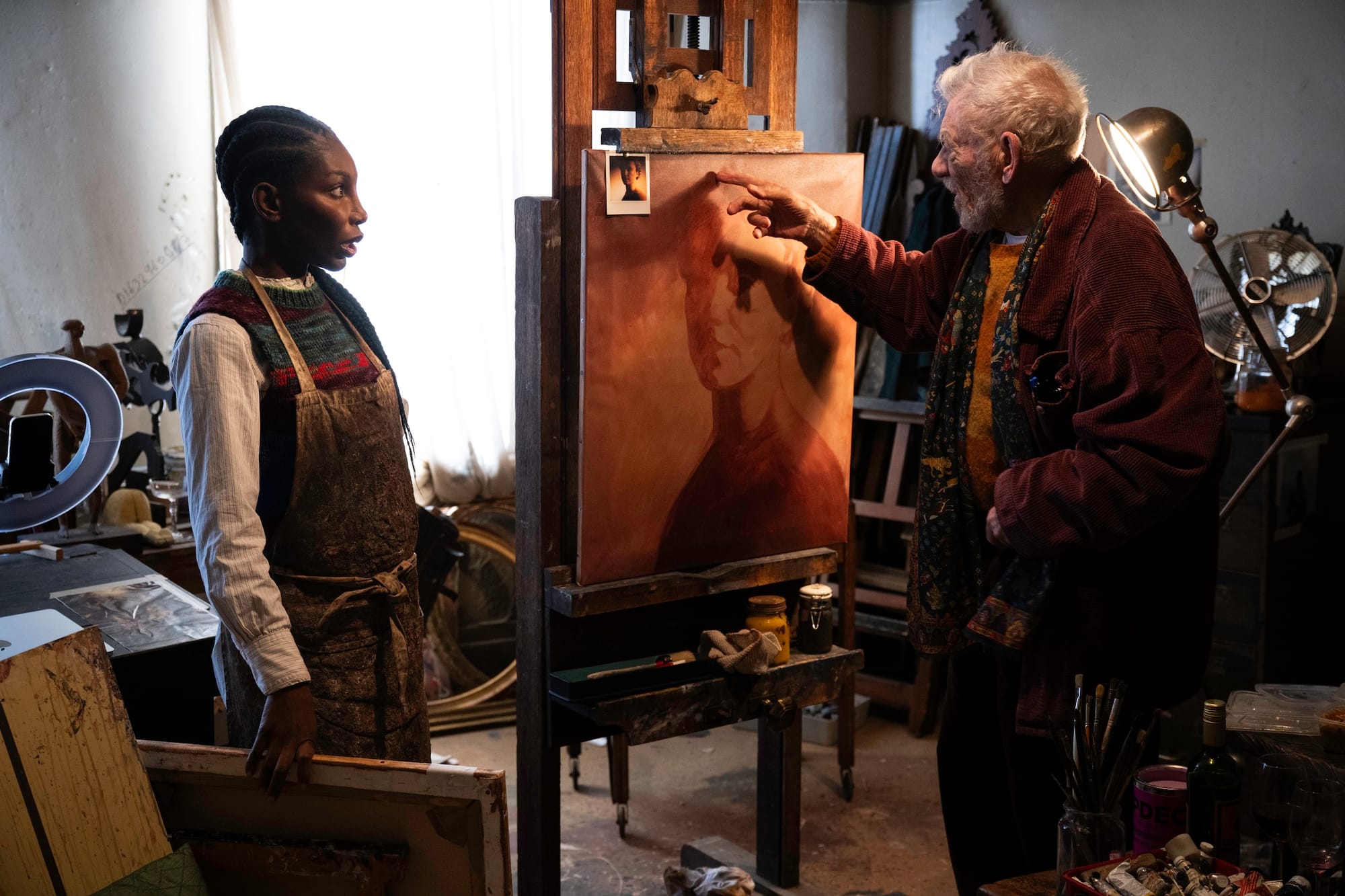
An Unlikely Friendship Between Artist and Forger

The article reviews Steven Soderbergh's 2026 film "The Christophers," which follows an unlikely friendship between two painters in London: Julian Sklar (Ian McKellen), an older artist facing cancellation, and Lori Butler (Michaela Coel), a young painter who restores and forges artworks. The film explores themes of attention, artistic legacy, and the purpose of art, contrasting with darker narratives like "Tár" by offering a comedic yet profound take on these issues.

Édouard Glissant’s Museum-as-Archipelago

The article reviews the exhibition "The Earth, the Fire, the Water, and the Winds: For a Museum of Errantry with Édouard Glissant" at the Center for Art, Research and Alliances (CARA) in New York, the first U.S. showing of works from the personal collection of Martinician philosopher and writer Édouard Glissant. Curated from his archive, the exhibition features artists such as Roberto Matta, Wifredo Lam, Etel Adnan, Irving Petlin, Antonio Seguí, Öyvind Fahlström, Jack Whitten, and Mel Edwards, reflecting Glissant's friendships and intellectual exchanges across Europe, Africa, and the Americas. Highlights include Antonio Seguí's large pastel works from his Titanic series.

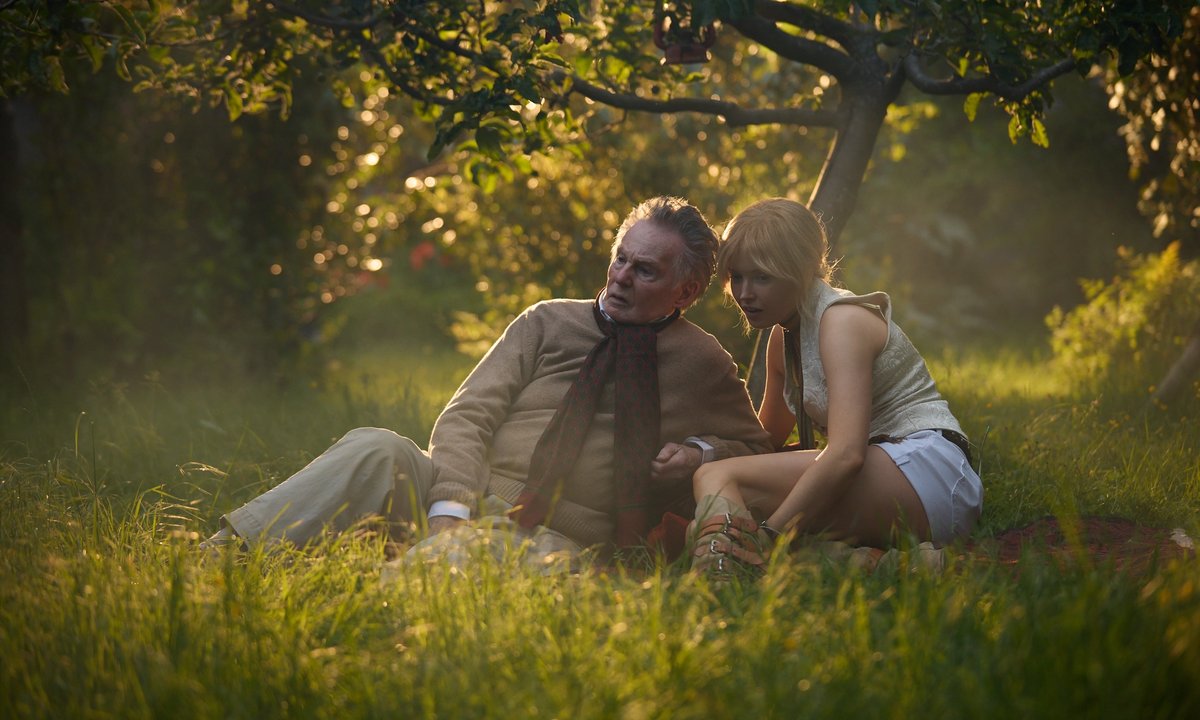
Moss & Freud review: film exploring unlikely friendship ultimately fails to scratch the surface

The film *Moss & Freud*, directed by James Lucas, explores the unlikely friendship between supermodel Kate Moss (played by Ellie Bamber) and painter Lucian Freud (Derek Jacobi) in 2001 London. The story centers on Moss's desire to sit for the reclusive portraitist, culminating in Freud's unflattering *Naked Portrait 2002*. However, the film glosses over Freud's darker reputation—his punishingly long sittings, cruelty, and violent tendencies—portraying him instead as a benign, eccentric old man. It also fails to deeply investigate Moss's character or the exploitation within the fashion industry, relying on weak scripting and forced parallels between Moss and Freud's ex-wife Lady Caroline Blackwood.

Surprised by Jack: A Review of “Jack Whitten: The Messenger” at MoMA in New York

The Museum of Modern Art in New York is hosting "Jack Whitten: The Messenger," the largest survey ever mounted of the late abstract artist Jack Whitten, who died in 2018. The exhibition features 175 works spanning his sixty-year career, from early quasi-representational pieces to his innovative "slab" paintings made with a custom squeegee device and his later "tesserae" works that mimic glass tiles using acrylic paint. The show includes archival audio of Whitten discussing his creative process, which blended philosophy, craft, and science, and is curated by MoMA's Michelle Kuo, who knew Whitten personally.