filter_list Showing 19 results for "GAM" close Clear
search
dashboard All 651 museum exhibitions 342article news 72article local 68trending_up market 59article culture 48person people 23rate_review review 19article policy 12candle obituary 5gavel restitution 2article events 1
date_range Range Today This Week This Month All
Subscribe

ruth asawa retrospective sfmoma review

Ruth Asawa's first retrospective at the San Francisco Museum of Modern Art in 1973 featured a communal "dough-in" where children made art from baker's clay, a practice that drew skepticism from some onlookers. Now in 2025, SFMOMA presents a larger retrospective of Asawa's work, showcasing her wire sculptures, drawings, and playful, community-oriented art. The exhibition, organized by SFMOMA's Janet Bishop and MoMA's Cara Manes, will travel to the Museum of Modern Art in New York, the Guggenheim Bilbao, and the Fondation Beyeler.
The Big Review | Venice Biennale 2026: In Minor Keys ★★★½

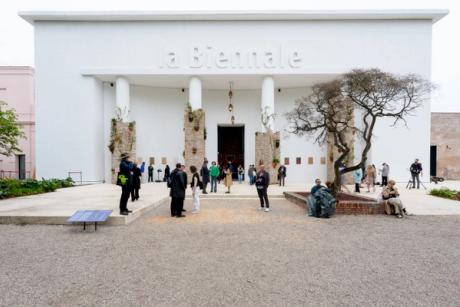
The Venice Biennale 2026, titled "In Minor Keys," was curated posthumously following the death of artistic director Koyo Kouoh in May 2025. A team of five curators and advisors—Gabe Beckhurst Feijoo, Marie Hélène Pereira, Rasha Salti, Siddhartha Mitter, and Rory Tsapayi—executed her vision across the Giardini and Arsenale venues. The exhibition features 110 artists, with a strong emphasis on new commissions, and is structured around themes of procession, resistance, and joy. Key works include Big Chief Demond Melancon's "Amistad Takeover" (2026), Nick Cave's "Amalgam (Origin)" (2025), and Otobong Nkanga's rewilded columns at the Central Pavilion.

Big Crisis, Small Gestures

Große Krise, kleine Gesten

The article reviews the second edition of the Klima Biennale Wien, which opened in early April in Vienna. It notes that while the biennale aims to address the urgent triple crisis of climate change, biodiversity loss, and pollution, its execution falls short. The exhibition features symbolic works such as a beached whale, a broken boat, and a compostable SUV sculpture, but these motifs feel repetitive and lack the necessary impact. The author contrasts these with historical precedents like Menashe Kadishman's 1978 Venice Biennale installation and Joseph Beuys' "7000 Eichen" (1982), arguing that the themes of nature and sustainability are not new, only the urgency has intensified.

best new york art criticism critics table

Cultured magazine's critics roundup highlights several notable New York art exhibitions. Cameron Rowland's "Properties" at Dia Beacon is examined as a landmark Land art installation that uses contractual relations to address racial capitalism, with works available only for rent or loan. Other shows include Feliciano Centurión's "Sol naciente" at Ortuzar, Joshua Caleb Weibley's "Game Transfer Phenomena" at Chart, Ian Miyamura's debut at Bureau, and Laura Owens's new show at Matthew Marks Gallery, each reviewed for their conceptual and aesthetic innovations.

Desperate, Scared, But Social at UC Irvine Langson Orange County Museum of Art

The group exhibition "Desperate, Scared, But Social" at the UC Irvine Langson Orange County Museum of Art (Langson IMCA) explores the complexities of contemporary social dynamics and collective anxiety. The show brings together diverse artistic perspectives to examine how individuals navigate a landscape defined by political instability, environmental concerns, and the pervasive influence of digital connectivity.

Devin Troy Strother at ArtCenter

The article is a table of contents for Issue 42 of Contemporary Art Review LA, which includes a review of an exhibition by artist Devin Troy Strother at ArtCenter. The review, written by Janelle Zara, is listed among other reviews, interviews, and features in the publication's November 2025 issue.

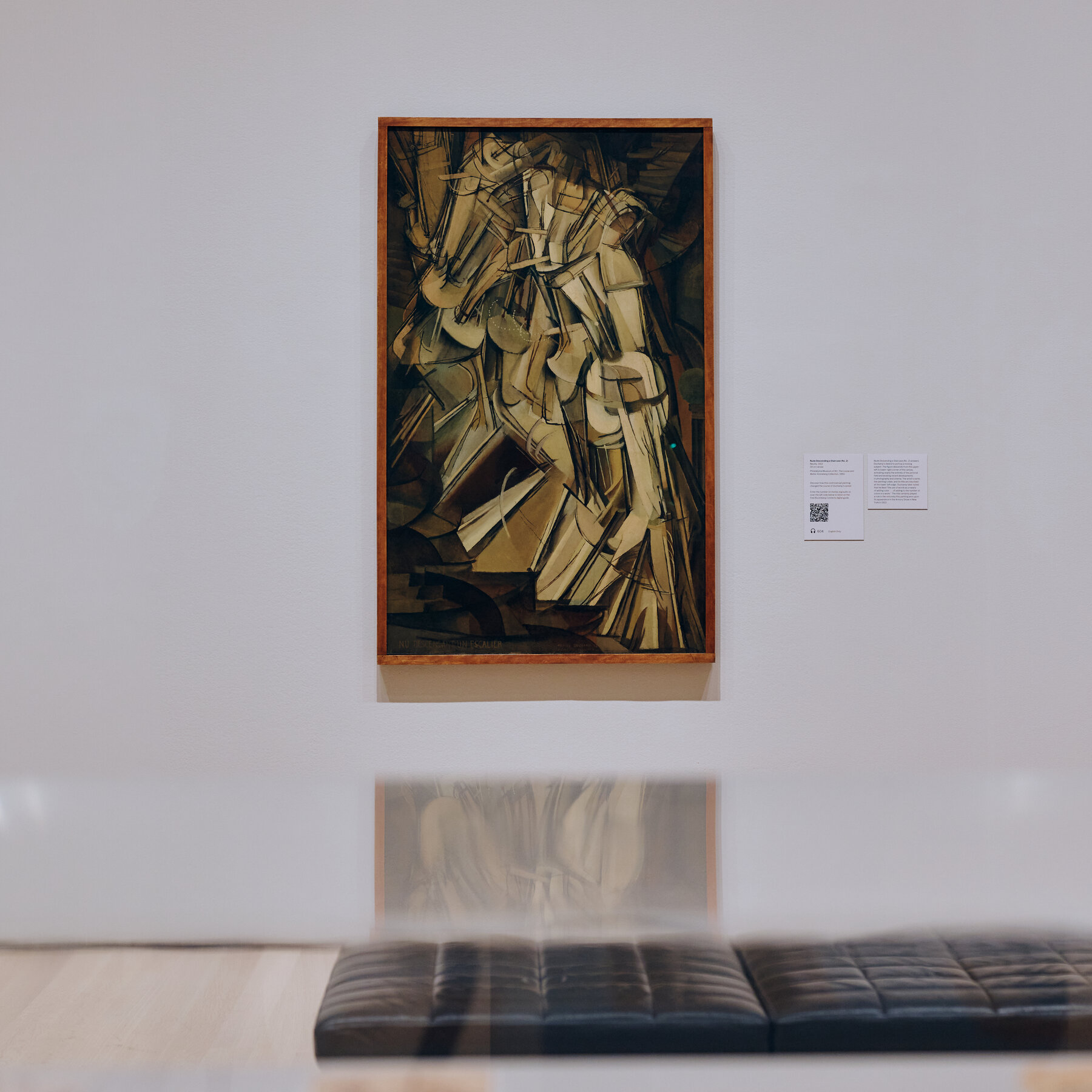
MoMA Survey Shows How Marcel Duchamp Changed the Art Game

The Museum of Modern Art (MoMA) has launched a comprehensive survey of Marcel Duchamp’s work, highlighting the artist's revolutionary impact on the definition of art. The exhibition traces Duchamp's transition from traditional painting to his radical 'readymades,' which prioritized intellectual concepts over aesthetic craftsmanship.

art ai digital guide brian droitcour

Brian Droitcour curates a guide to navigating the current media landscape through the work of tech-savvy artists and writers, focusing on exhibitions in Brooklyn and Queens. The guide highlights Porpentine's show "Xrafstar World" at Haul Gallery in Gowanus, which features poster-prints of drawings depicting characters from their stories and games, made with different digital brushes. Droitcour contrasts this DIY, performance-driven work with major institutions' engagement with AI, such as Sasha Stiles' "A Living Poem" at MoMA, which he criticizes for echoing technology's promises of polish rather than probing its complications.

Édouard Glissant’s Museum-as-Archipelago

The article reviews the exhibition "The Earth, the Fire, the Water, and the Winds: For a Museum of Errantry with Édouard Glissant" at the Center for Art, Research and Alliances (CARA) in New York, the first U.S. showing of works from the personal collection of Martinician philosopher and writer Édouard Glissant. Curated from his archive, the exhibition features artists such as Roberto Matta, Wifredo Lam, Etel Adnan, Irving Petlin, Antonio Seguí, Öyvind Fahlström, Jack Whitten, and Mel Edwards, reflecting Glissant's friendships and intellectual exchanges across Europe, Africa, and the Americas. Highlights include Antonio Seguí's large pastel works from his Titanic series.

Alice Tippit’s Mischievous Erotics

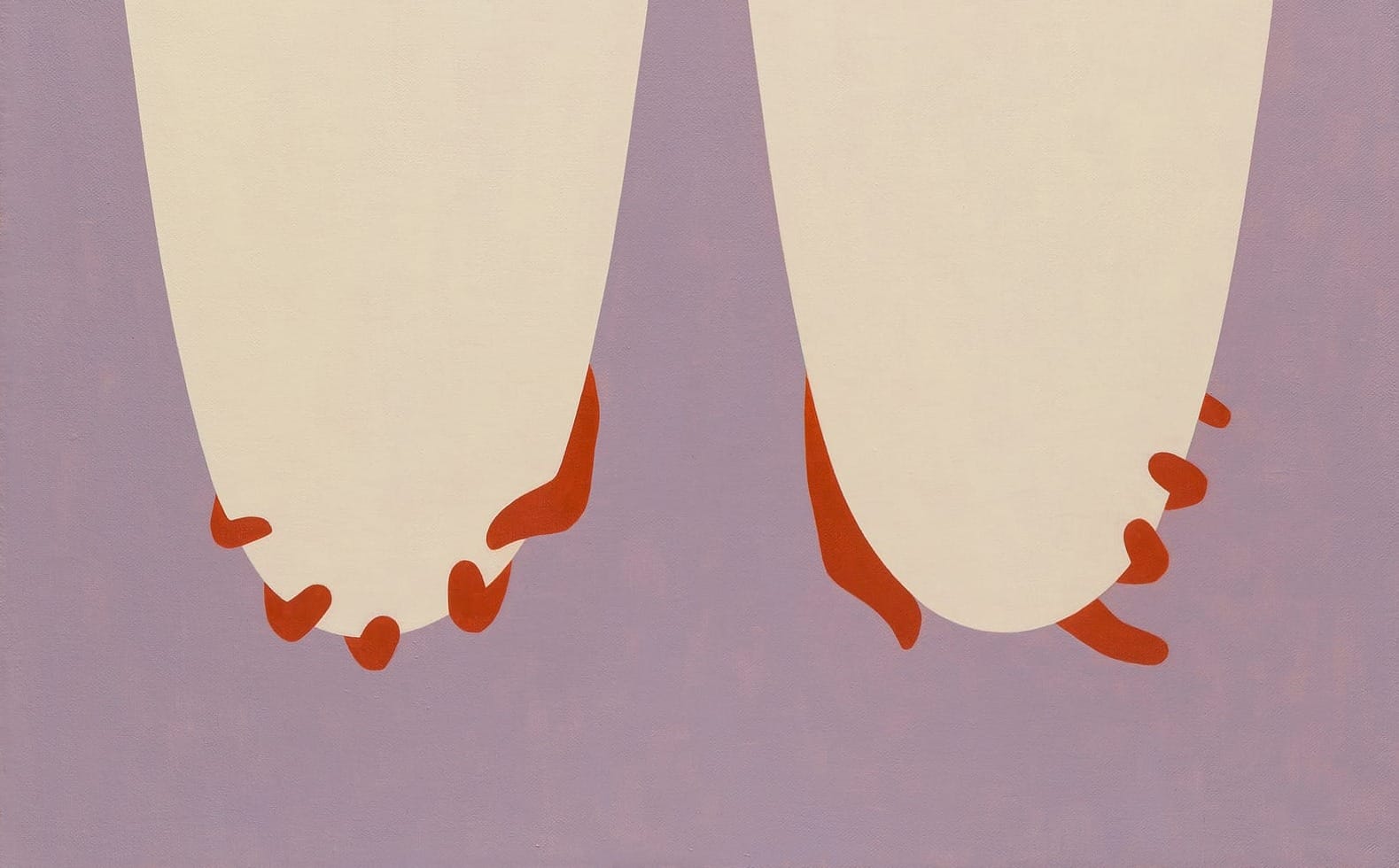
Alice Tippit's solo exhibition "Rose Obsolete" at the DePaul Art Museum in Chicago features 23 small oil paintings, three murals, a neon sign, word drawings, and a series of 46 notepad drawings. The works toggle between multiple interpretations—snakes and smiles, blouses and pears, curtains and bodies—inviting viewers to see shifting forms like a psychological test. Tippit, born in 1975 near Kansas City and based in Chicago since 2006, paints each oil work in a single day without tape, achieving sharp edges and subtle layering that reward close looking.

« Caïn » de Fernand Cormon : aux origines de la conscience humaine ?

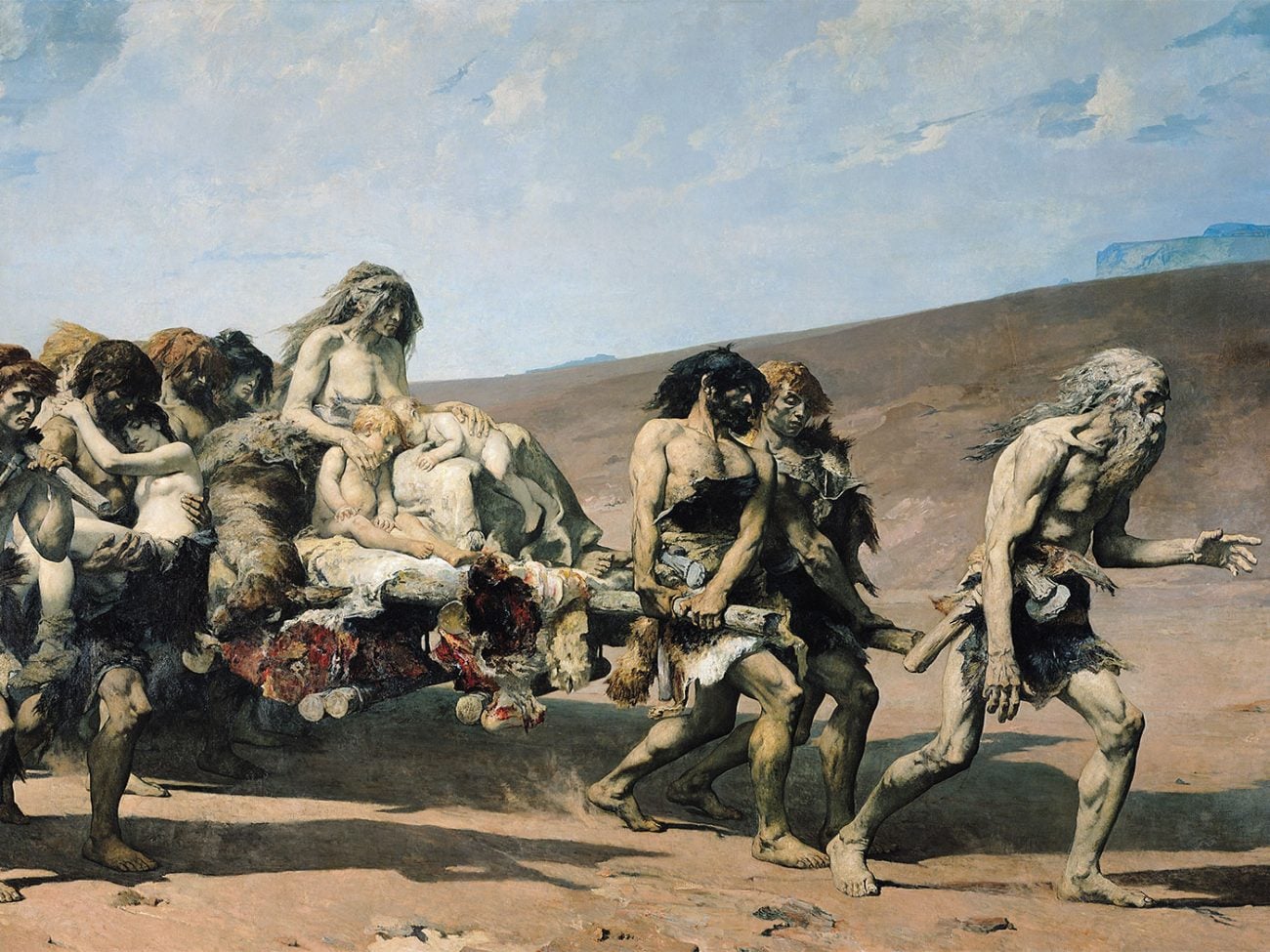
Beaux Arts Magazine analyzes Fernand Cormon's monumental 1880 painting "Caïn," currently held at the Musée d'Orsay. The article describes the scene: a prehistoric, weary clan trudges through a desert, led by a haggard patriarch, with a tired mother on a litter and hunters carrying game. Cormon's work is presented as the antithesis of classical triumph, evoking a melancholic, post-traumatic atmosphere. The painting is linked to the biblical story of Cain, who killed his brother Abel and was condemned to exile, and is accompanied by verses from Victor Hugo's poem "Conscience."

Review: The new LACMA is divisive. It’s also ambitious, disorienting — and radically alive

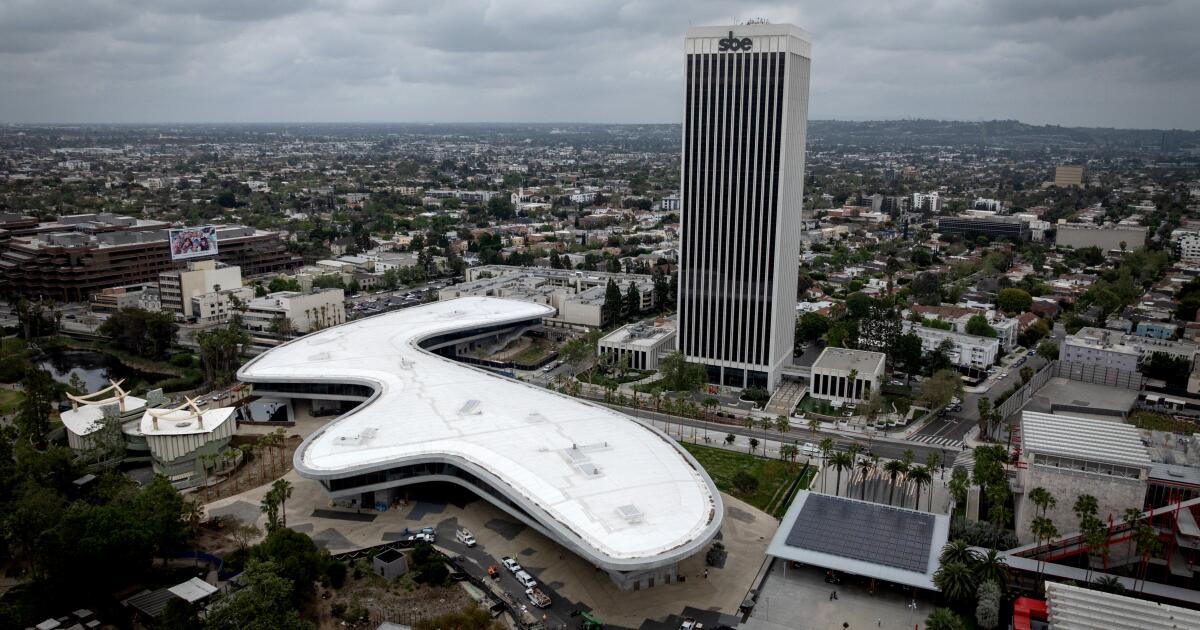
The Los Angeles County Museum of Art (LACMA) has unveiled its $724-million David Geffen Galleries, a massive concrete structure designed by Swiss architect Peter Zumthor that spans Wilshire Boulevard. Replacing several older pavilions, the new building rejects traditional museum conventions like white-cube galleries and encyclopedic organization in favor of a sinuous, organic form that emphasizes light, atmosphere, and a visceral connection to the surrounding landscape.

Review: Art museum’s big fall fashion show is captivating, sexy and fun, albeit with glitches

The Cleveland Museum of Art has opened a major fall exhibition titled "Renaissance to Runway: The Enduring Italian Houses," featuring roughly 80 garments and accessories from top Italian fashion houses such as Gucci, Pucci, Armani, Versace, Valentino, Ferragamo, Max Mara, and Missoni. The show juxtaposes these modern and contemporary designs with over 40 Renaissance, Mannerist, and Baroque artworks from the museum's collection, exploring how Italian couture has drawn inspiration from art history. A digital video installation by filmmaker Francesco Carrozzini and photographer Henry Hargreaves, using AI technology, humorously depicts models "invading" the museum, underscoring fashion's disruptive cultural power. Despite some pacing and spatial choreography issues, the exhibition makes a compelling case for fashion as high art.

Karla Knight’s Cosmic Conspiracies

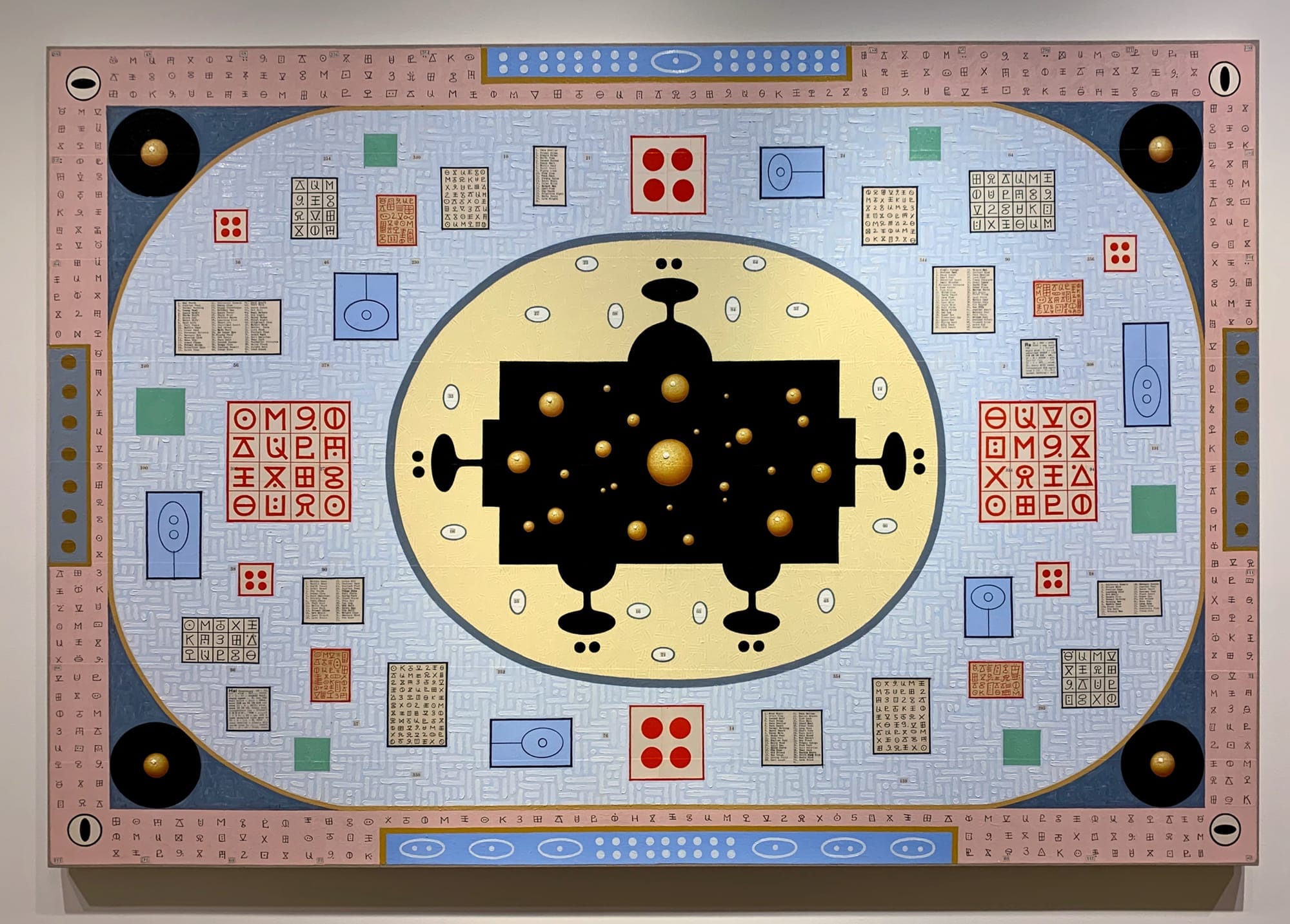
Karla Knight's exhibition "Orbit" at Andrew Edlin Gallery presents her game-like paintings and tapestries filled with cryptic symbols, cosmic diagrams, and celestial imagery. Works such as "Orbiter 2" (2024–25) and "Feelers" (2025–26) feature irregular black devices, floating spheres, and rows of arcane script, inviting viewers to decode what appear to be blueprints for extraterrestrial systems or maps of hidden dimensions. Knight employs meticulous grids, bold primary colors, and textile techniques to render the paranormal as strangely normal.

The Ukrainian Pavilion’s Deer Seen Around the World

Zhanna Kadyrova's concrete sculpture "The Origami Deer" (2019) is prominently displayed at the entrance to the Giardini during the 61st Venice Biennale, part of her project "Security Guarantees" in the Ukrainian Pavilion. Originally installed in Pokrovsk, eastern Ukraine, the work was removed in 2024 as Russian forces advanced, then traveled through Vienna, Warsaw, Prague, Berlin, and Paris before reaching Venice—a journey mirroring the displacement of millions of Ukrainians. The sculpture, shaped like a deer and evoking folded paper, references the 1994 Budapest Memorandum, in which Russia, the UK, and US guaranteed Ukraine's security in exchange for its nuclear disarmament—guarantees that proved worthless after Russia's invasions.

From gunshots to gilded plates: Who are the real hooligans of the art world?

Alex Burchmore reviews 'The Hooligans,' an exhibition that explores the Maoist concept of hooliganism in the context of contemporary Chinese art. The show features works by artists like Xiao Lu, who famously fired a gun at her installation during the 1989 'China/Avant-Garde' exhibition, as well as Zhu Yu and He Yunchang, known for incorporating human body parts and surgical procedures into their art. The exhibition contrasts these transgressive acts with more market-friendly works, such as Zhu Yu's gilded plate paintings and Hu Yinping's commercial-style figurines, highlighting the tension between artistic rebellion and commercial success.

mark fingerhut halcyon exe the ride

Mark Fingerhut's software-based artwork "Halcyon.exe: The Ride" (2024) is gaining cult status as it tours indie venues like Public Works Administration gallery in Manhattan and Sulk Chicago, before appearing as a star attraction at "Rhizome World" at Water Street Projects in New York's Financial District. The piece takes over a computer desktop, flooding it with images, videos, and text in a choreographed, immersive experience that includes vibrating seats, wind, rain, and synced spotlights, evoking the sensation of art-as-malware.

Joan Semmel Roars at The Jewish Museum

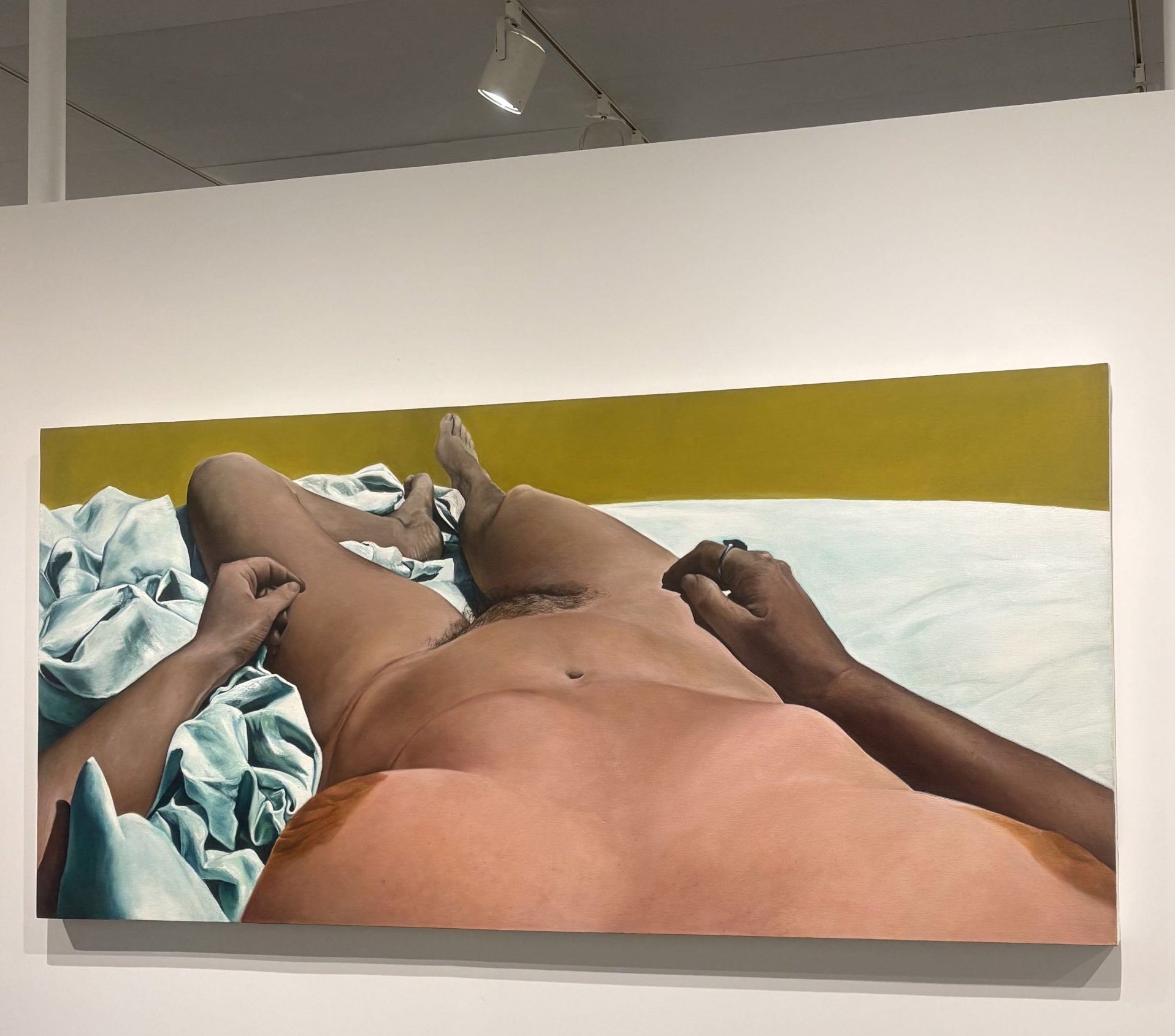
The article reviews Joan Semmel: In the Flesh, a retrospective exhibition at The Jewish Museum in New York (December 2025 – May 2026). The author describes an initial discomfort with Semmel's graphic nude paintings of aging female bodies, but after researching the artist's significance in feminist art, comes to appreciate her unapologetic honesty. The show is arranged chronologically, tracing Semmel's evolution from works like Erotic Yellow (1973) to later paintings that grow in confidence and freedom, all while maintaining a focus on female embodiment and pleasure from a female perspective.

Super Mario Galaxy is the first true video game film

Super Mario Galaxy è il primo vero film videoludico

The article analyzes the 2023 animated film 'Super Mario Galaxy – Il film,' arguing it represents a significant evolution in video game adaptations. The film, a sequel to 'Super Mario Bros. – Il film,' abandons traditional narrative concerns and instead structures itself like a video game, constantly introducing new characters, power-ups, and scenarios directly from the Super Mario game series, as if the protagonists are moving through game levels.