
filter_list Showing 3 results for "Goodman" close Clear
search
dashboard All 222 museum exhibitions 92trending_up market 69article news 23person people 13article culture 6article local 6candle obituary 6article policy 3rate_review review 3article event 1
date_range Range Today This Week This Month All
Subscribe

the gallerist sundance review natalie portman jenna ortega

The Gallerist, a new satire directed by Cathy Yan, premiered at the Sundance Film Festival. The film follows struggling gallerist Polina Polinski (Natalie Portman), who is betting everything on a one-artist debut at Art Basel Miami Beach. After an obnoxious art influencer, Dalton Hardberry (Zach Galifianakis), dies accidentally by impalement on a sculpture titled The Emasculator, Polina and her assistant Kiki (Jenna Ortega) conspire to pass off his corpse as part of the artwork, duping wealthy clients. The ensemble cast also includes Catherine Zeta-Jones as a legendary dealer reminiscent of Marian Goodman, Da'Vine Joy Randolph as the earnest artist Stella Burgess, and Sterling K. Brown as Polina's ex-husband.
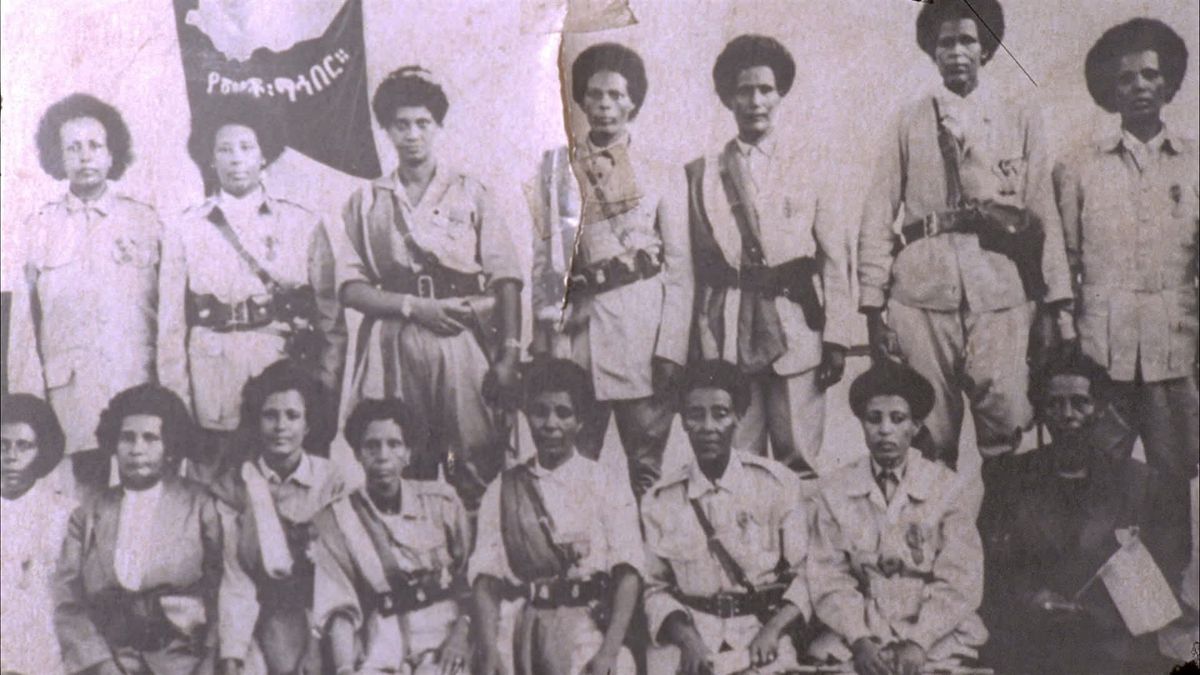
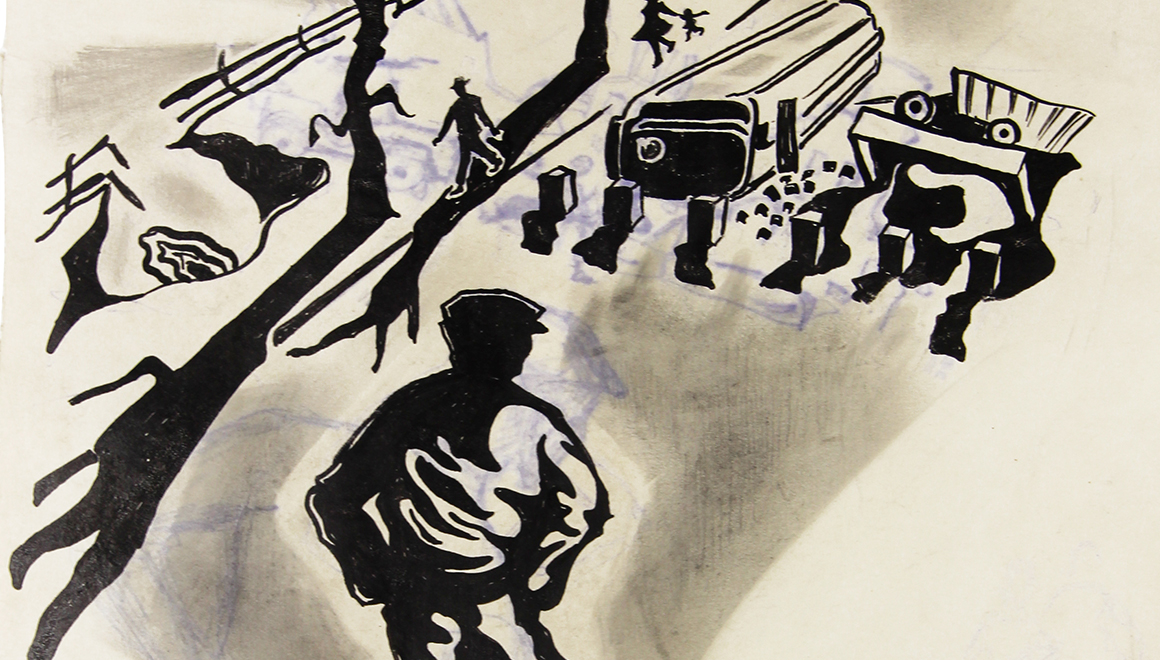
The Left Side of History: On Haile Gerima’s Black Lions—Roman Wolves

The article is a critical essay analyzing Haile Gerima's 2026 film 'Black Lions—Roman Wolves: The Children of Adwa,' focusing on its exploration of Italy's colonial occupation of Ethiopia and the repression of this history. The author uses a scene from Gerima's earlier film 'Teza'—featuring children playing near a decaying fascist monument in Ethiopia—as a starting point to discuss how colonial memory and trauma are cinematically excavated.

Review: “Boris Lurie: Nothing To Do But To Try” at the Holocaust Museum Houston

The Holocaust Museum Houston is currently hosting "Boris Lurie: Nothing To Do But To Try," an exhibition focusing on the early works of the Holocaust survivor and NO!art movement founder. Organized by the Museum of Jewish Heritage, the show highlights Lurie’s "War Series," featuring paintings, drawings, and never-before-seen ephemera created as a means of processing the trauma of his imprisonment in camps like Buchenwald. The works, ranging from the immediate post-war period to decades later, serve as a visceral record of memory and loss, including tributes to his family members murdered in the Rumbula Forest massacre.