filter_list Showing 21 results for "Impact" close Clear
search
dashboard All 1137 museum exhibitions 479article news 144article local 123trending_up market 93article culture 82person people 70article policy 68candle obituary 46rate_review review 21gavel restitution 9article event 2
date_range Range Today This Week This Month All
Subscribe

here are 6 of the worst art works we saw all year

Artnet News published a year-end roundup of the worst artworks of 2023, as selected by its writers and editors. The list includes Meta's AI-art chatbot experiments on Instagram, which cloned celebrity likenesses into cringe-worthy avatars like Snoop Dogg's 'The Dungeon Master' and Kendall Jenner's 'Billie,' alongside Refik Anadol's 'Unsupervised' at MoMA, criticized as shallow tech spectacle. Other entries include a poorly received Picasso-themed exhibition and additional works deemed ill-conceived or badly executed.
Big Crisis, Small Gestures

Große Krise, kleine Gesten

The article reviews the second edition of the Klima Biennale Wien, which opened in early April in Vienna. It notes that while the biennale aims to address the urgent triple crisis of climate change, biodiversity loss, and pollution, its execution falls short. The exhibition features symbolic works such as a beached whale, a broken boat, and a compostable SUV sculpture, but these motifs feel repetitive and lack the necessary impact. The author contrasts these with historical precedents like Menashe Kadishman's 1978 Venice Biennale installation and Joseph Beuys' "7000 Eichen" (1982), arguing that the themes of nature and sustainability are not new, only the urgency has intensified.

The 2026 Venice Biennale Is Quintessential Biennial Art

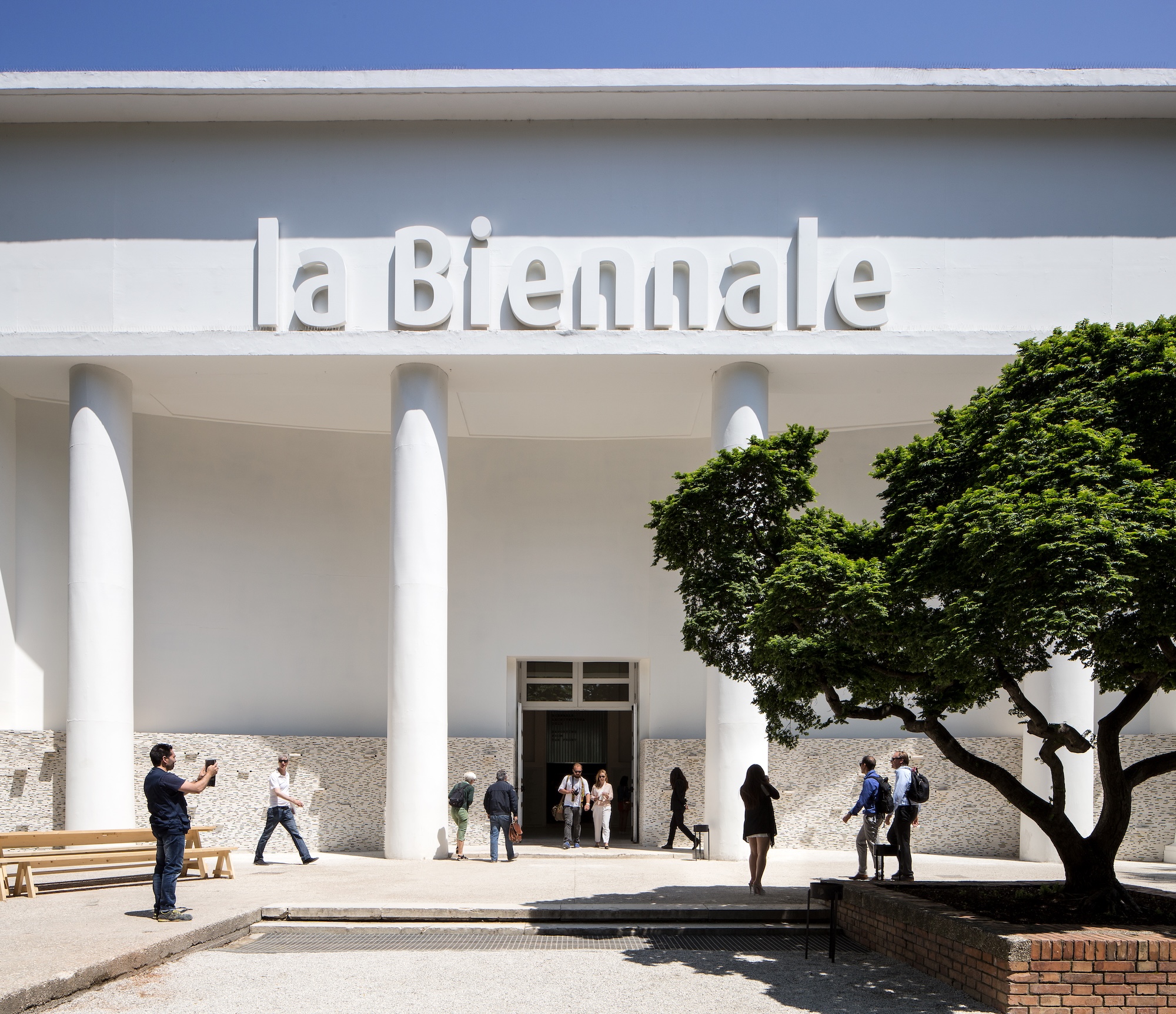
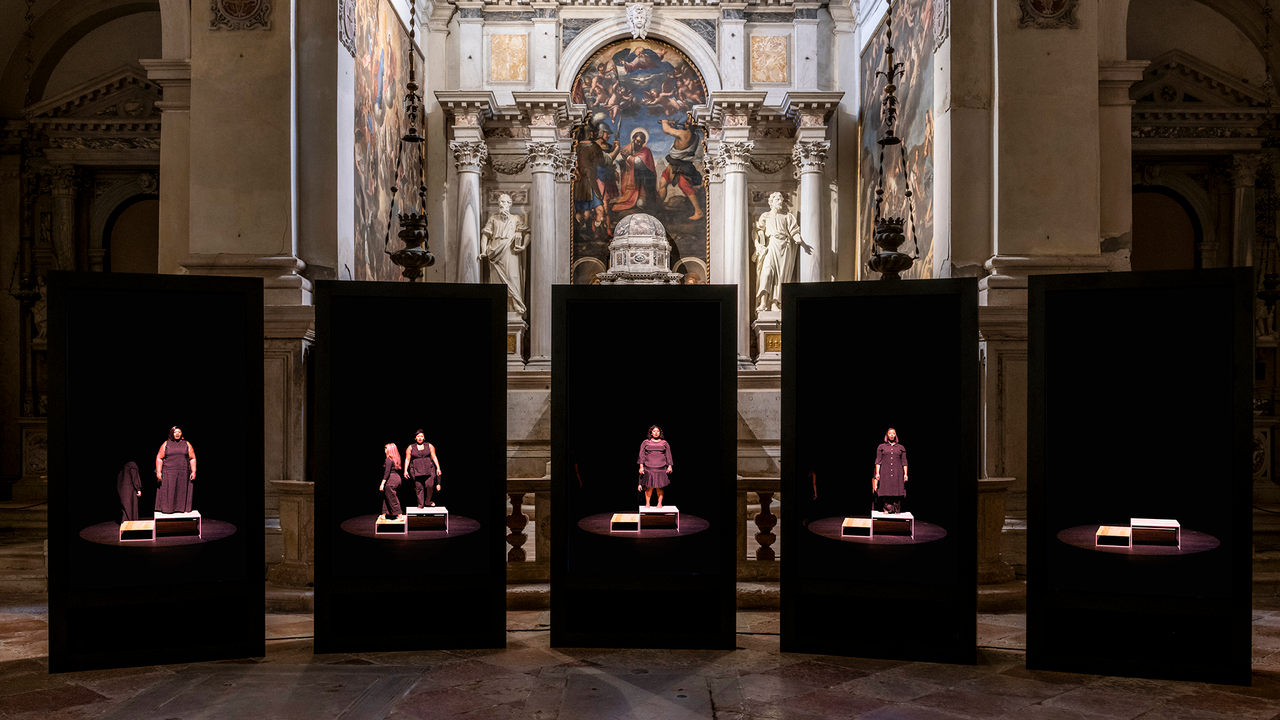
The 61st Venice Biennale, titled "In Minor Keys" and curated by the late Swiss-Cameroonian curator Koyo Kouoh, opened in 2026. The main exhibition at the Arsenale and Giardini features works by artists such as Éric Baudelaire, Maria Magdalena Campos Pons, Mohammed Z. Rahman, Sohrab Hura, and Rose Salane, among others. The exhibition centers on themes of mourning, colonial history, slavery, and healing, with works like Baudelaire's video installation linking the flower trade to the transatlantic slave trade, and a tribute section honoring artists Beverly Buchanan and Issa Samb.

2026 whitney biennial critics conversation

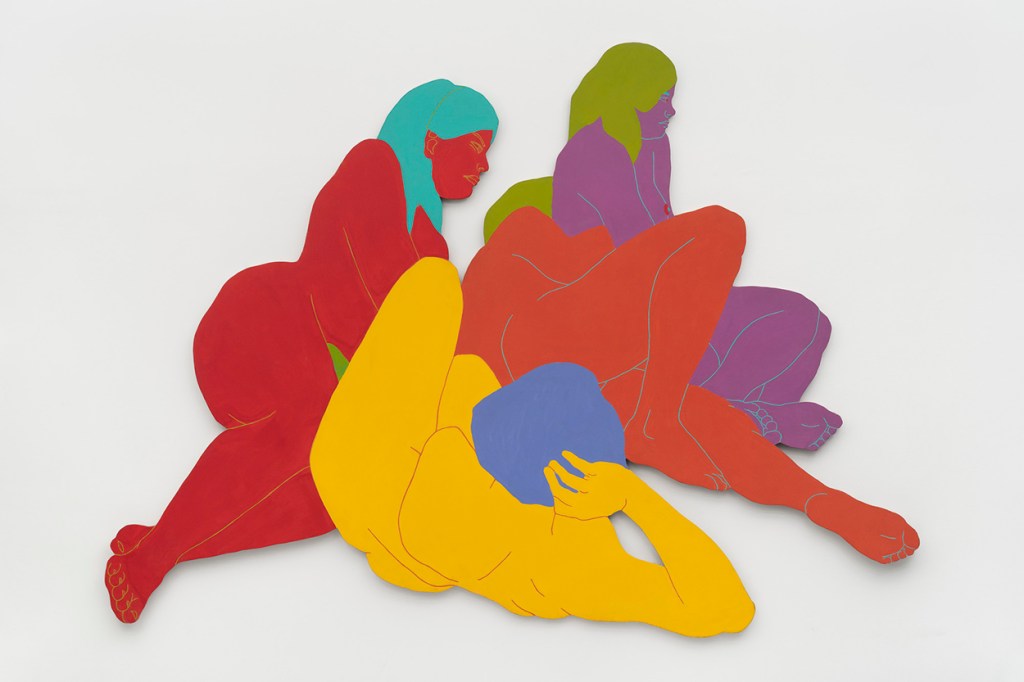
The 82nd edition of the Whitney Biennial has opened at the Whitney Museum of American Art, curated by Marcela Guerrero and Drew Sawyer. Featuring 56 artists from diverse global backgrounds, the exhibition explores themes of American empire, human-nonhuman relationships, and the impact of infrastructure. Early critical reactions highlight a pervasive sense of "horror" and bodily disturbance, with works utilizing AI, sculpture, and painting to address grief, war, and societal transformation.

MoMA Survey Shows How Marcel Duchamp Changed the Art Game

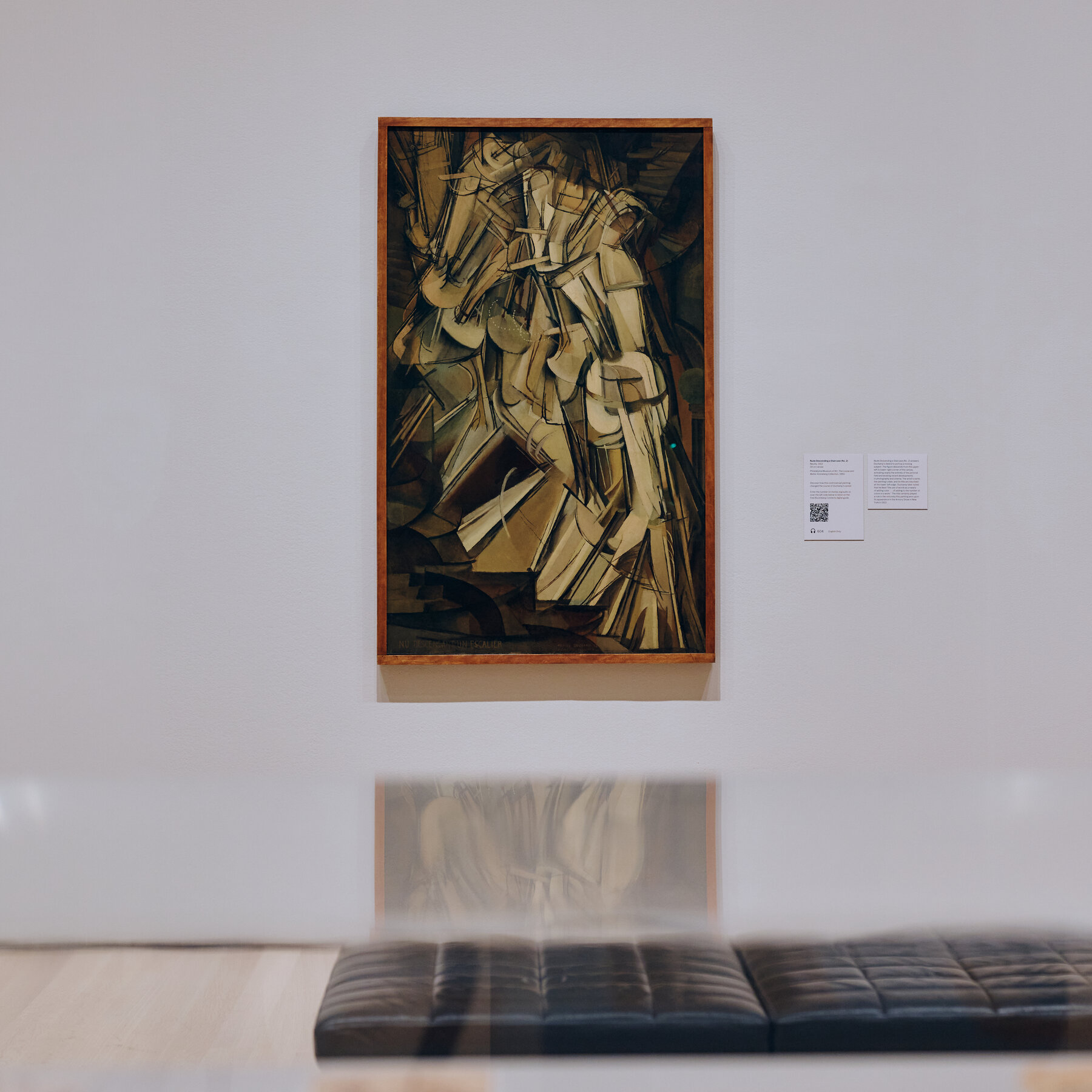
The Museum of Modern Art (MoMA) has launched a comprehensive survey of Marcel Duchamp’s work, highlighting the artist's revolutionary impact on the definition of art. The exhibition traces Duchamp's transition from traditional painting to his radical 'readymades,' which prioritized intellectual concepts over aesthetic craftsmanship.

Review: The Good, The Bad and The Venice Biennale

The article reviews the 2024 Venice Biennale, focusing on controversies over Russia's and Israel's participation. Protests erupted during opening week, leading the EU to cut funding and the International Jury to resign. As a result, awards like the Golden Lion and Silver Lion will be decided by public vote, with many pavilions and artists withdrawing in protest. The main exhibition, curated under the theme 'Minor Keys,' features standout works by Alfredo Jaar and Carrie Schneider, alongside national pavilions like Austria's provocative entry by Florentina Holzinger.

whitney biennial 2026 systems infrastructure andrea fraser carmen de monteflores emilie gossiaux david johnson

The 2026 Whitney Biennial, curated by Marcela Guerrero and Drew Sawyer, moves beyond the traditional geographic borders of the United States to explore 'the greater United States.' Drawing inspiration from historian Daniel Immerwahr, the exhibition features artists from occupied territories, military outposts, and nations impacted by American intervention, including Okinawa, Chile, and Palestine. The show shifts the focus from identity politics to the material reality of infrastructure, examining how global systems of finance, energy, and empire operate and often fail.

Review | Raphael, a master of serenity, is the artist we need right now

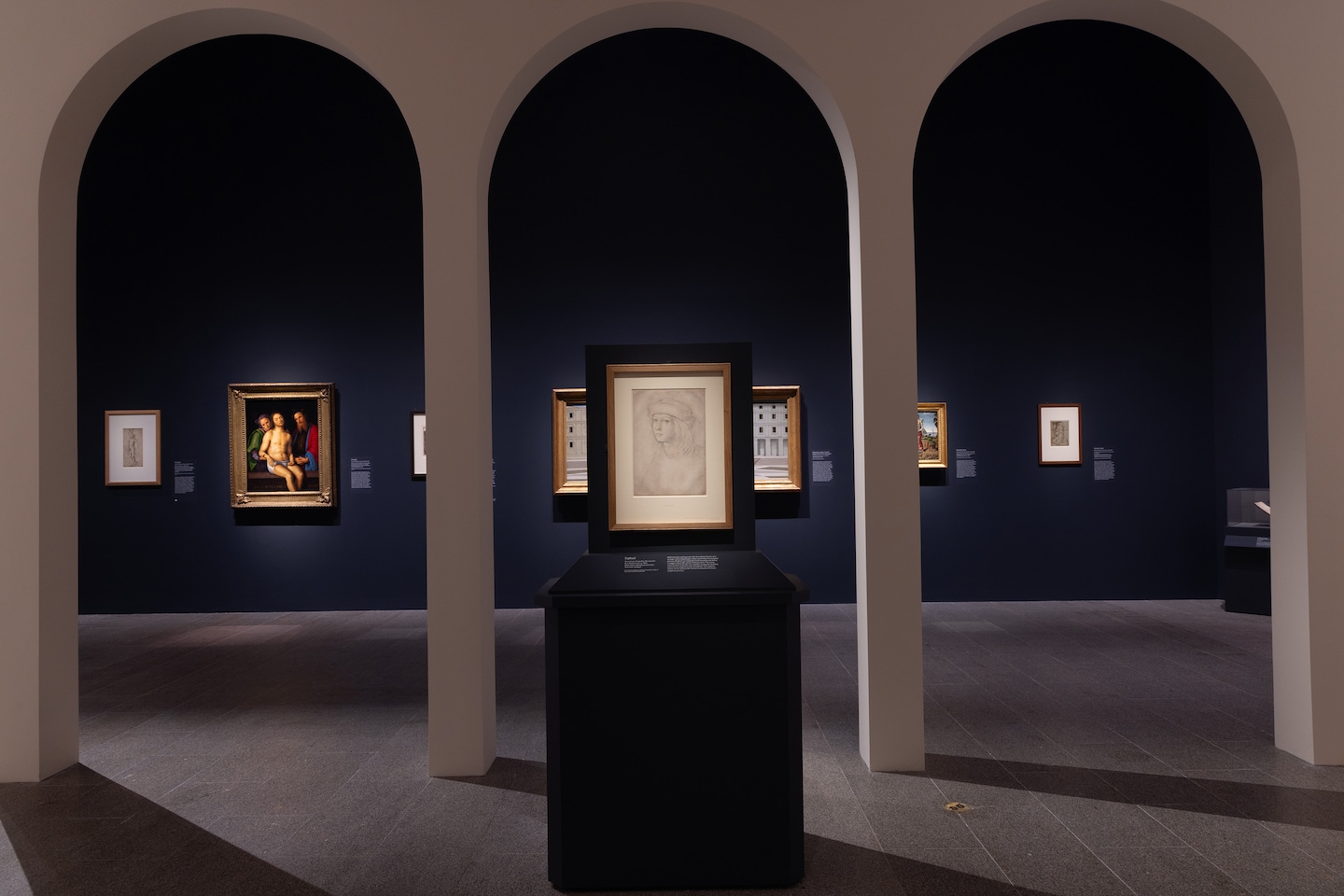
Art critic Philip Kennicott reflects on the profound psychological impact of Raphael’s Renaissance masterpieces, specifically citing the 'Madonna of the Meadow' in Vienna and the 'Alba Madonna' in Washington, D.C. He describes how these works possess a unique ability to cure 'museum fatigue' and mental clutter, offering a sense of serenity and clarity that feels particularly necessary in the current cultural climate.

Review: Cleveland Museum of Art's Murakami show is big and bold but maybe too much of a good thing

The Cleveland Museum of Art has opened a sprawling retrospective exhibition of Takashi Murakami, one of Japan's leading contemporary artists, showcasing his signature "Superflat" style that blends fine art with pop culture. The show features vast wallpaper designs, sculptures with plastic-like smoothness, and immense mural-sized paintings that combine cartoon characters, acid-hued colors, and traditional Japanese ink-and-brush techniques. The exhibition runs through September 7 and costs $30 for adult non-member tickets.

Column: The new LACMA is sleek, splotchy, powerful, jarring, monotonous, appealing and absurd

The Los Angeles County Museum of Art (LACMA) is nearing completion of its new Brutalist building designed by Swiss architect Peter Zumthor, known as the David Geffen Galleries. Museum members will get a sneak peek at the empty interior spaces starting July 3, though the fully finished project with art installed won't open until April 2026. The poured-in-place concrete structure spans 347,500 square feet, including 110,000 square feet of exhibition space across 90 galleries, elevated 30 feet above ground on seven massive piers crossing Wilshire Boulevard. The article offers a critical preview of the building's aesthetics, noting the overwhelming monotony of concrete across floors, walls, and ceilings, while acknowledging some appealing views and powerful visual impact.

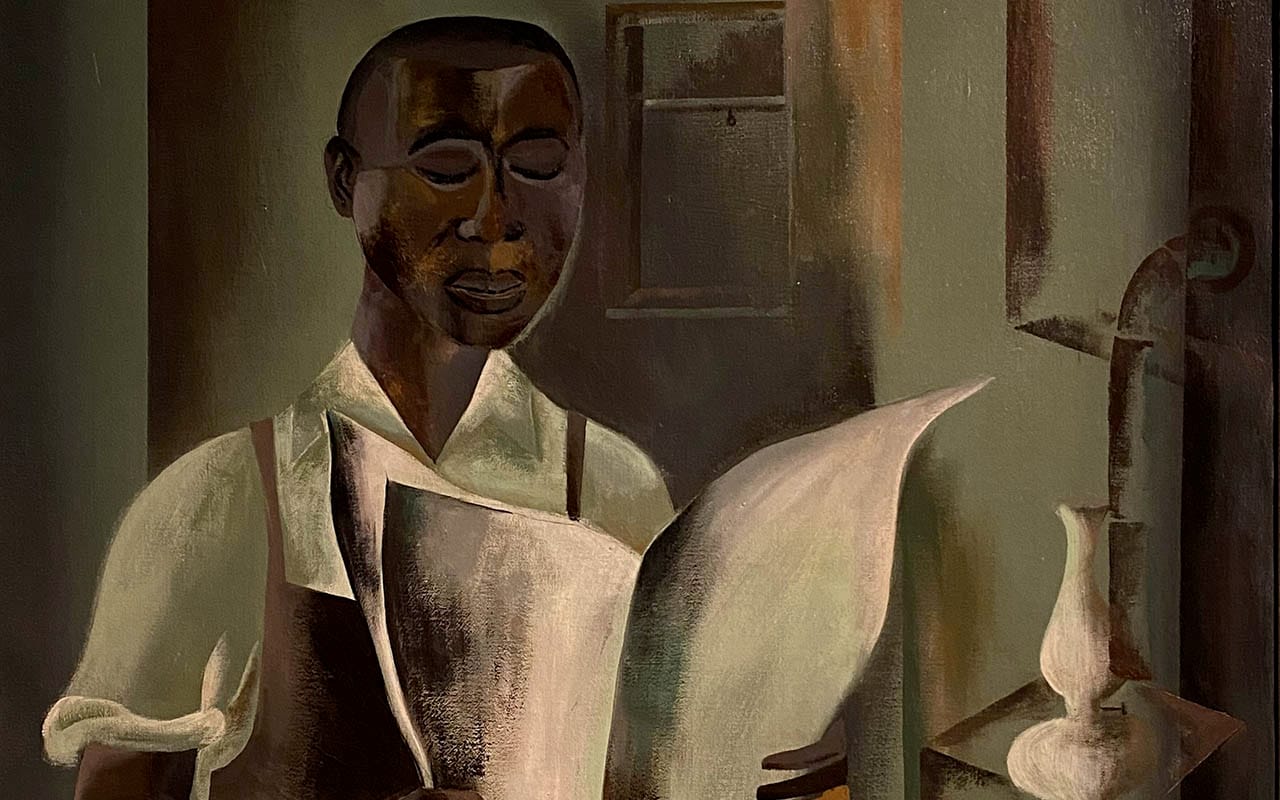
The Black American Artists Who Dazzled Post-War Paris

An exhibition titled "Paris in Black: Internationalism and the Black Renaissance" at the DuSable Black History Museum and Education Center in Chicago celebrates the Black American artists, writers, and performers who moved to Paris after World War II to escape American racism. Curated by Danny Dunson, the show features over 100 artworks from the museum's permanent collection, including paintings by Archibald J. Motley Jr., sculptures by Richmond Barthé, Augusta Savage, and William Artis, and ephemera related to Josephine Baker. It traces the global influence of the Harlem Renaissance and the cross-pollination between Paris and U.S. cities like Chicago.

The Wonderful World that Almost Was by Andrew Durbin review – the queer artists who shaped New York cool

Andrew Durbin's new book, 'The Wonderful World that Almost Was,' is a double biography of painter and sculptor Paul Thek and photographer Peter Hujar. It chronicles their artistic maturation, their open and unapologetic gay relationship, and their central role in defining the 'cool' of the New York creative scene from the 1950s to the mid-1970s, before their deaths from AIDS.

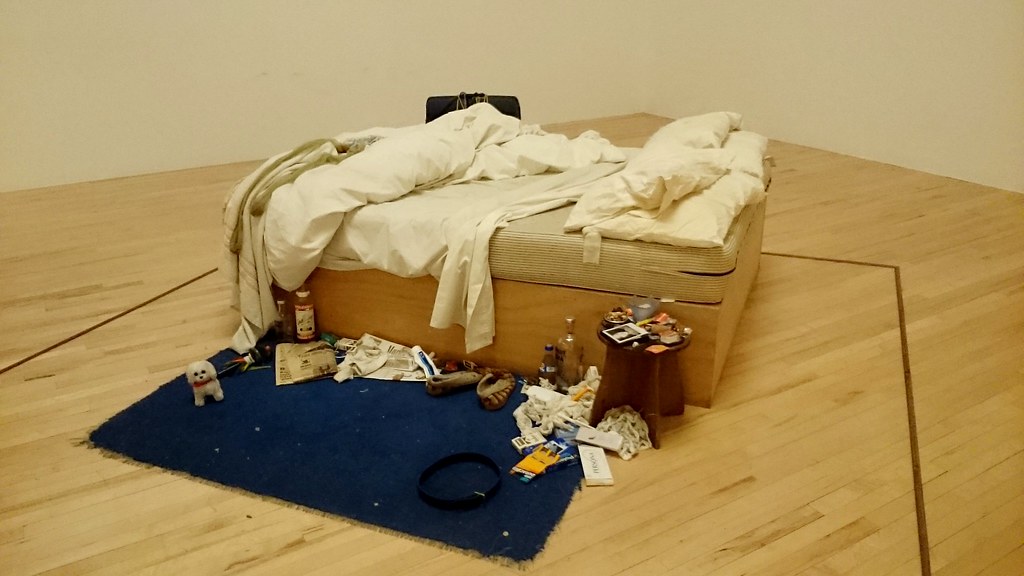
What I learned from Tracey Emin about regeneration

The article reviews Tracey Emin's exhibition "A Second Life" at Tate Modern, describing the author's initial lack of aesthetic connection to the artworks—finding the paintings derivative and neon signs tacky—but ultimately being moved by the exhibition's emotional force and the artist's refusal to disguise pain, humiliation, and grief. The author notes the crowded galleries, the predominantly female audience responding with visceral emotion, and highlights the film "How It Feels" as the most impactful piece, in which Emin discusses her traumatic abortion and its effect on her self-perception.

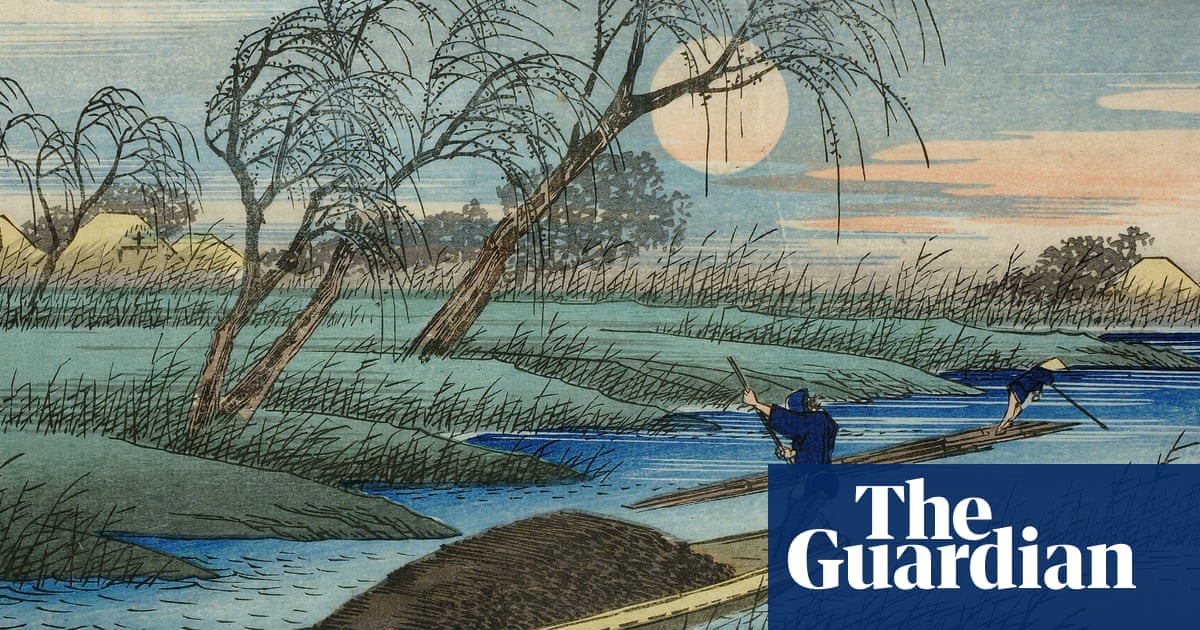
Hiroshige: Artist of the Open Road review – ‘I could look forever at these passing moments in cosmic colours’

The British Museum presents a rapturous exhibition of Utagawa Hiroshige's prints, showcasing the early 19th-century Japanese artist's vivid, Technicolor depictions of fleeting moments in Edo (now Tokyo). The show highlights his innovative use of rain, snow, and everyday scenes, such as pleasure boats, cherry blossoms, and temporary riverside restaurants, and includes a final section on his global influence, though critics find this epilogue rushed.

Jan Staller Photographs the Nuts and Bolts of Manhattan's Urban Symphony

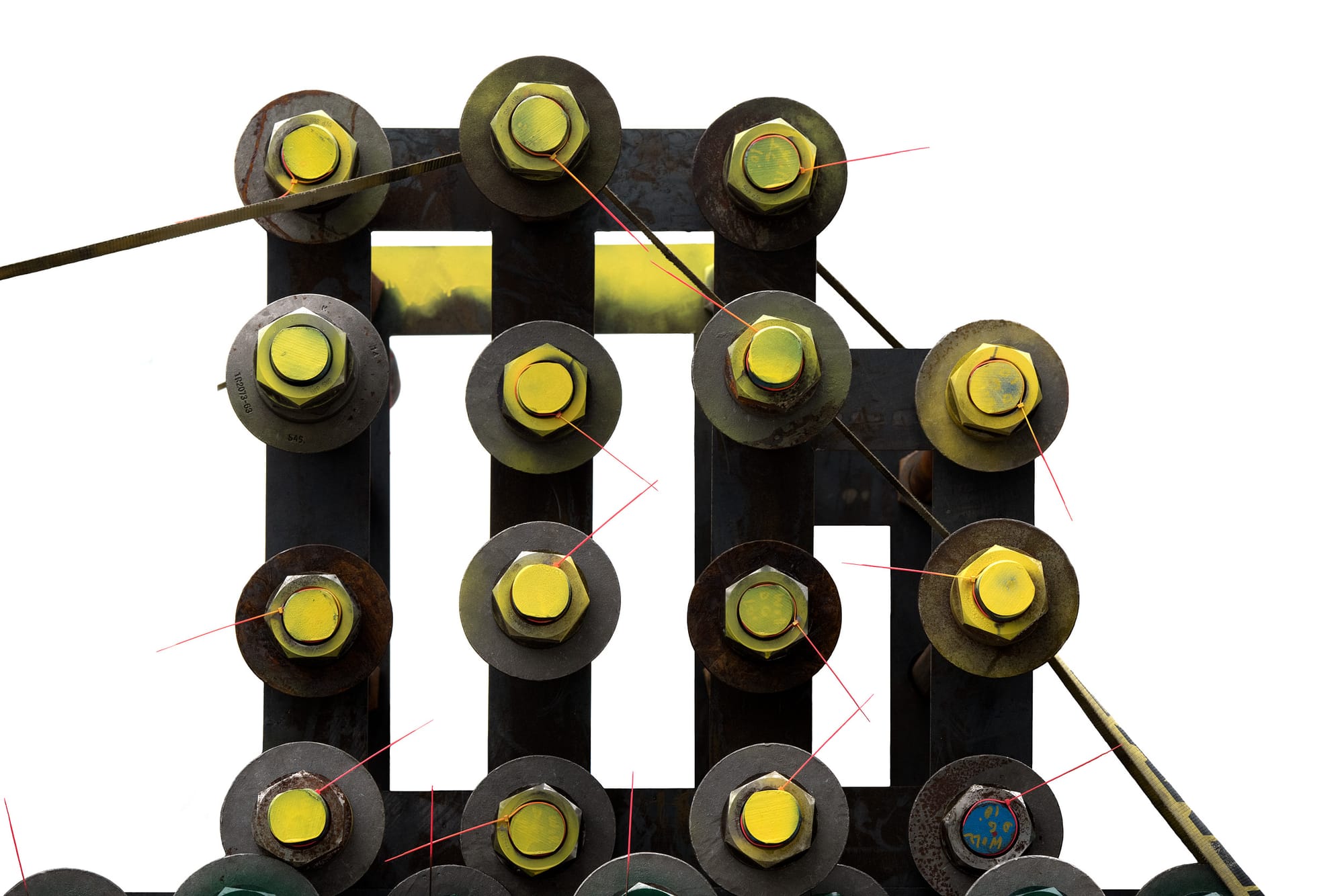
Photographer Jan Staller has released a new book titled "Manhattan Project," featuring photographs of construction materials—pipes, beams, rebar, and drill bits—suspended midair against white skies. The book marks a shift from his earlier moody night photography to a hard-edged focus on utilitarian objects, transforming New York City's construction sites into otherworldly, readymade-like visions. The book includes a foreword by Neil deGrasse Tyson and an essay by curator Brett Littman, with images spanning locations across the Upper West Side.

All and Nothing review – inspiring tale of the Chinese artist who cultivated a grassroots scene in Cumbria

A new documentary film, 'All and Nothing,' profiles the life and legacy of Chinese artist Li Yuan-chia, who founded the influential LYC Museum and Art Gallery in rural Cumbria, England, in 1972. The film, directed by Liao I-ling and Chu Po-ying, uses his abstract art and archival materials to trace his journey from China and Taiwan to Italy and London, before he settled in Brampton.

The Left Side of History: On Haile Gerima’s Black Lions—Roman Wolves

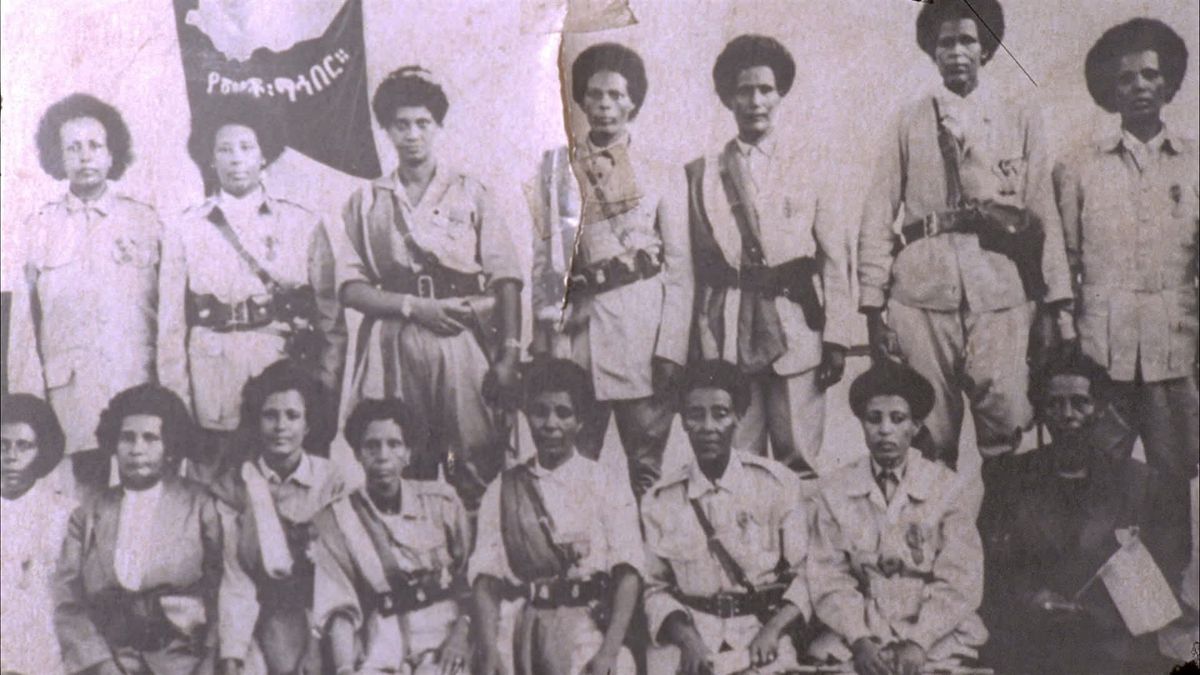
The article is a critical essay analyzing Haile Gerima's 2026 film 'Black Lions—Roman Wolves: The Children of Adwa,' focusing on its exploration of Italy's colonial occupation of Ethiopia and the repression of this history. The author uses a scene from Gerima's earlier film 'Teza'—featuring children playing near a decaying fascist monument in Ethiopia—as a starting point to discuss how colonial memory and trauma are cinematically excavated.

Off-Site Exhibitions Review: The Politics of Listening

Andrew Durbin reviews the national pavilions at an unnamed biennial, contrasting a vacuous US presentation with incisive and moving installations from Britain and Germany. The review critiques the lack of meaningful engagement in the US pavilion while praising the depth and emotional resonance of the British and German contributions.

Carole Harris’ Origin Story in “This Side of the River” at MOCAD

The article reviews Carole Harris's solo exhibition "This Side of the River" at the Museum of Contemporary Art Detroit (MOCAD), curated by Abel Gonzalez Fernandez. The show features twenty fiber pieces and archival materials spanning from 1966 to the present, tracing Harris's creative evolution and her responses to Detroit's social and urban changes. It highlights early works like "Potpourri" (1976) and "Black Jack" (1976) from her 1977 debut at Gallery 7, a Black Power-era space founded by Charles McGee, and later pieces such as "Down the Road a Piece" (2003) that mark her shift toward improvisational, abstract compositions.

Folkestone Triennial 2025 review: environmental catastrophe—but also hope, joy and a jolly salamander

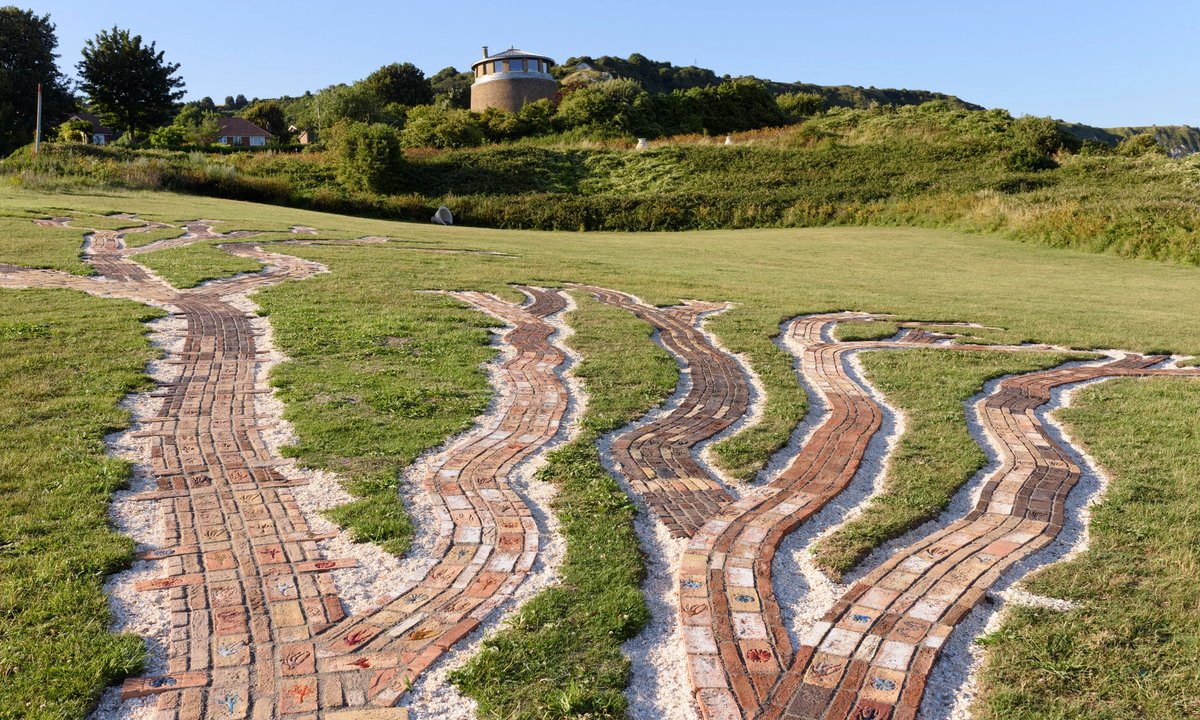
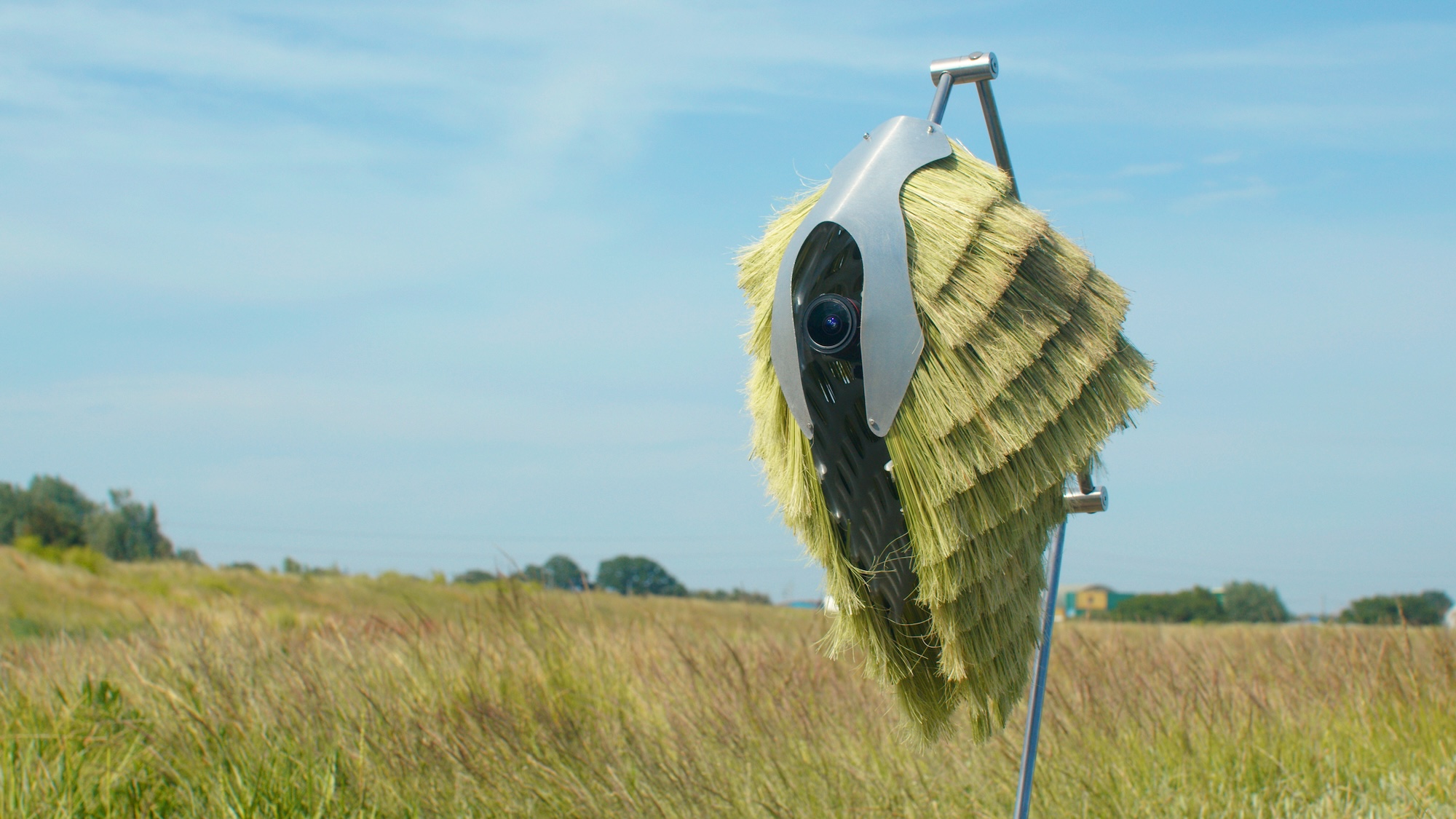
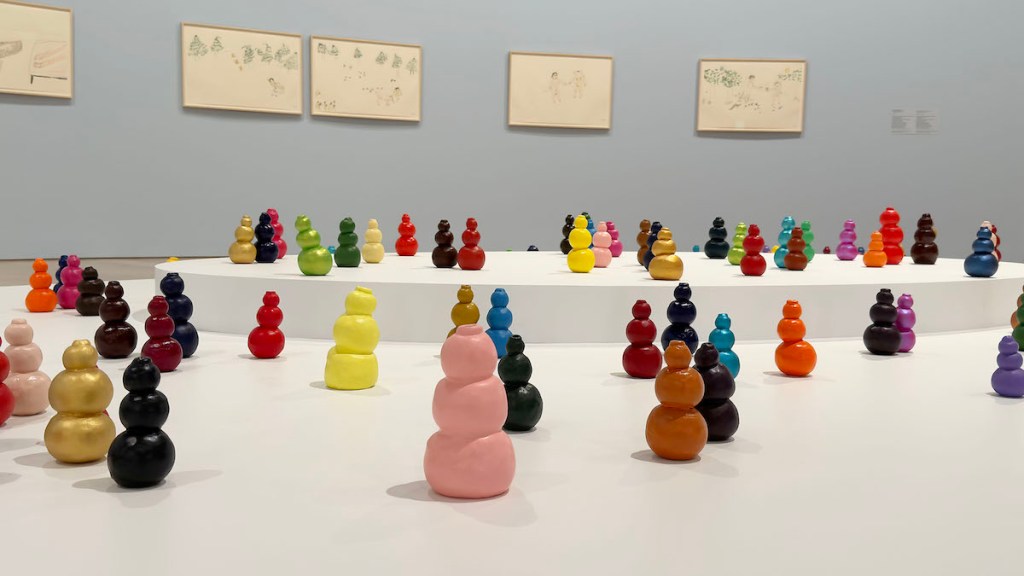
The Folkestone Triennial 2025, titled "The Lie of the Land," features 18 artists across the seaside town in southeast England. Works include Sara Trillo's chalk cob sculptures inspired by Iron Age urns, Emilija Skarnulyte's film on nuclear decommissioning at Lithuania's Ignalina plant, Katie Paterson's amulet installation made from planetary crisis materials, and Cooking Sections' activist project on UK sewerage pollution. The triennial runs through the ancient port's historic role as a site of arrival and departure.

A Palestinian-American Photographer’s Intimate Gaze

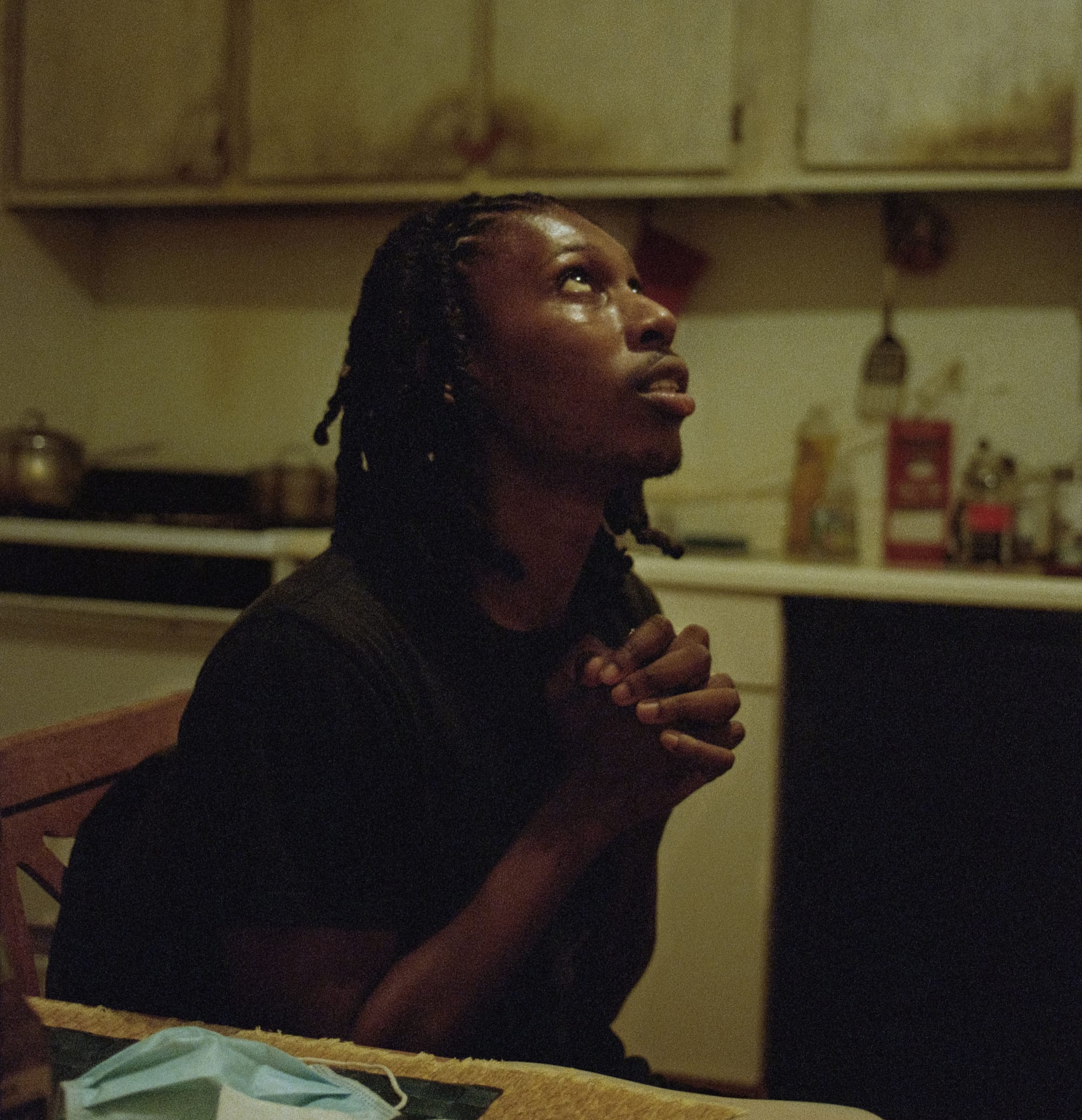
Photographer Dean Majd presents his solo debut exhibition, "Hard Feelings," at BAXTER ST at the Camera Club of New York. The show compiles a decade of intimate photographs documenting his inner circle of skateboarders and graffiti writers in Queens, a community he joined after the death of his childhood friend James. The work captures communal joys, rites of passage, and the dangers of their lifestyle, while also serving as a dedication to his friend Suba, who died from an accidental overdose in 2020.