filter_list Showing 12 results for "Large" close Clear
search
dashboard All 593 museum exhibitions 386article local 57article news 40trending_up market 32article culture 27person people 15article policy 13rate_review review 12gavel restitution 7candle obituary 4
date_range Range Today This Week This Month All
Subscribe

The Making of a Maintenance Artist

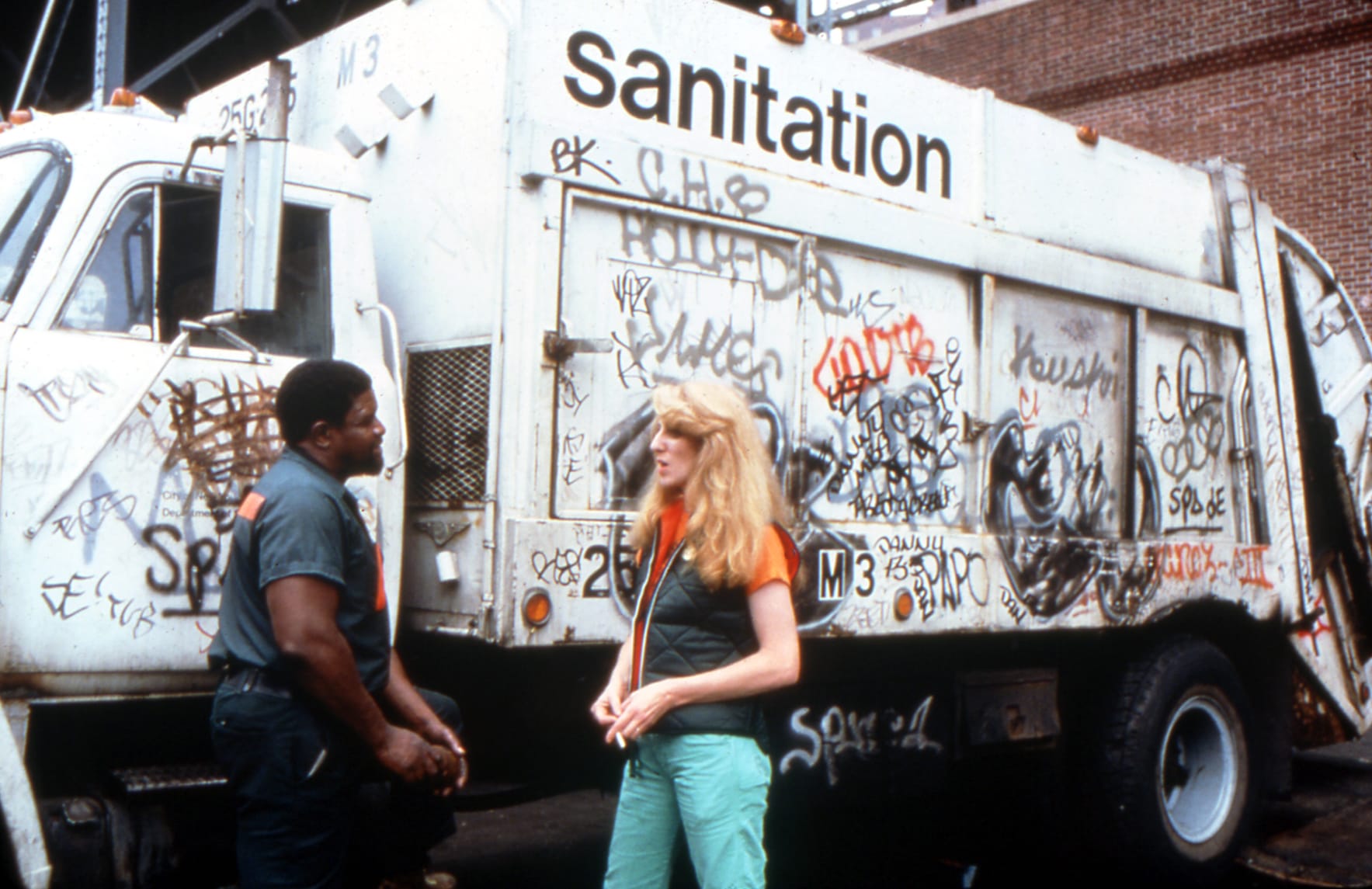
A new documentary titled "Maintenance Artist" (2025) traces the decades-long practice of Mierle Laderman Ukeles, a pioneering artist who focused on marginal, unpaid, and feminine labor. The film covers her career from her 1969 "CARE" manifesto, through her role as artist-in-residence at the New York City Department of Sanitation, to her first retrospective at the Queens Museum in 2017. It highlights her critique of art-world gender biases and her efforts to recognize discounted labor in all fields.
The Carnegie International Looks Back at Itself

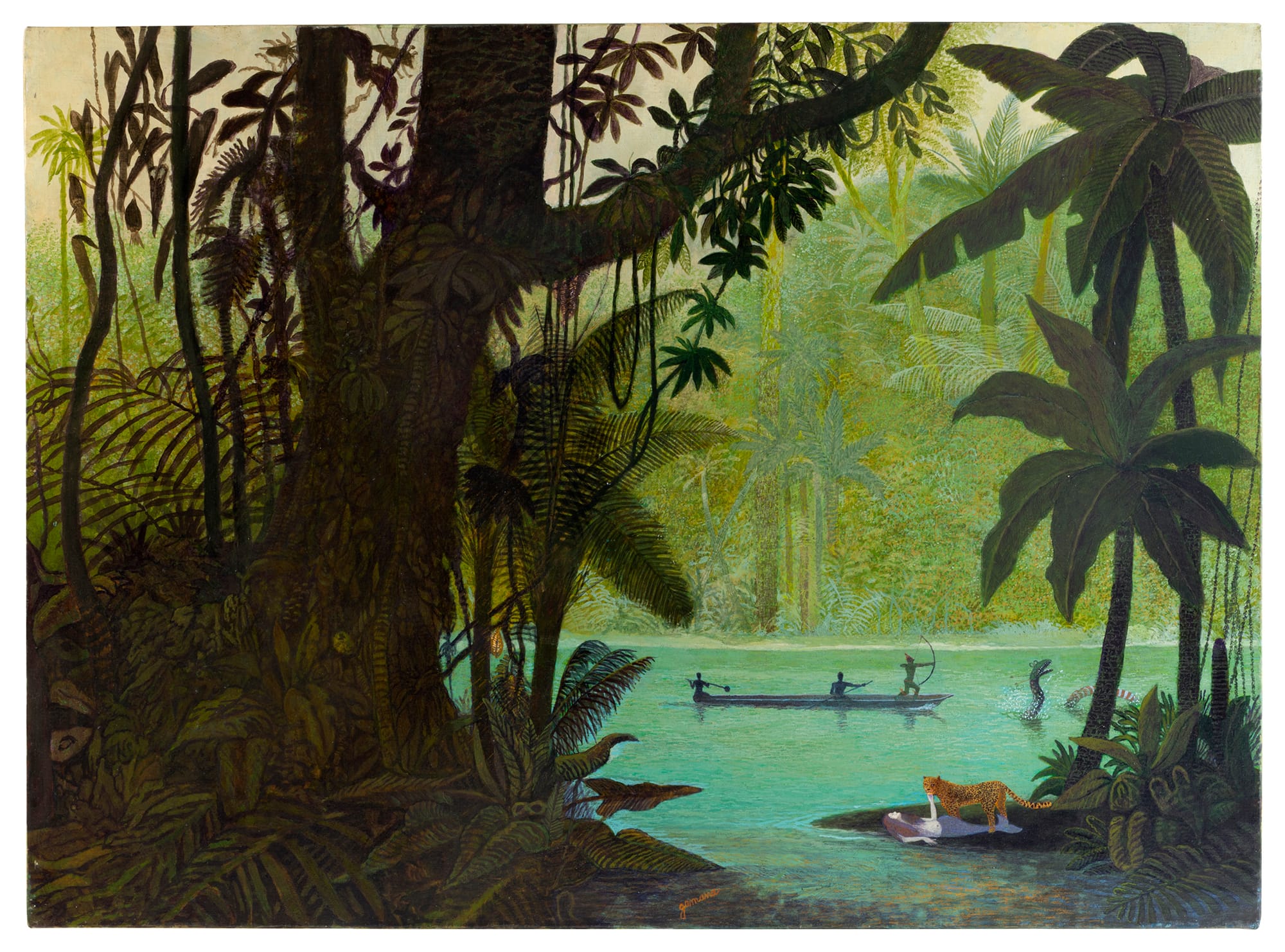
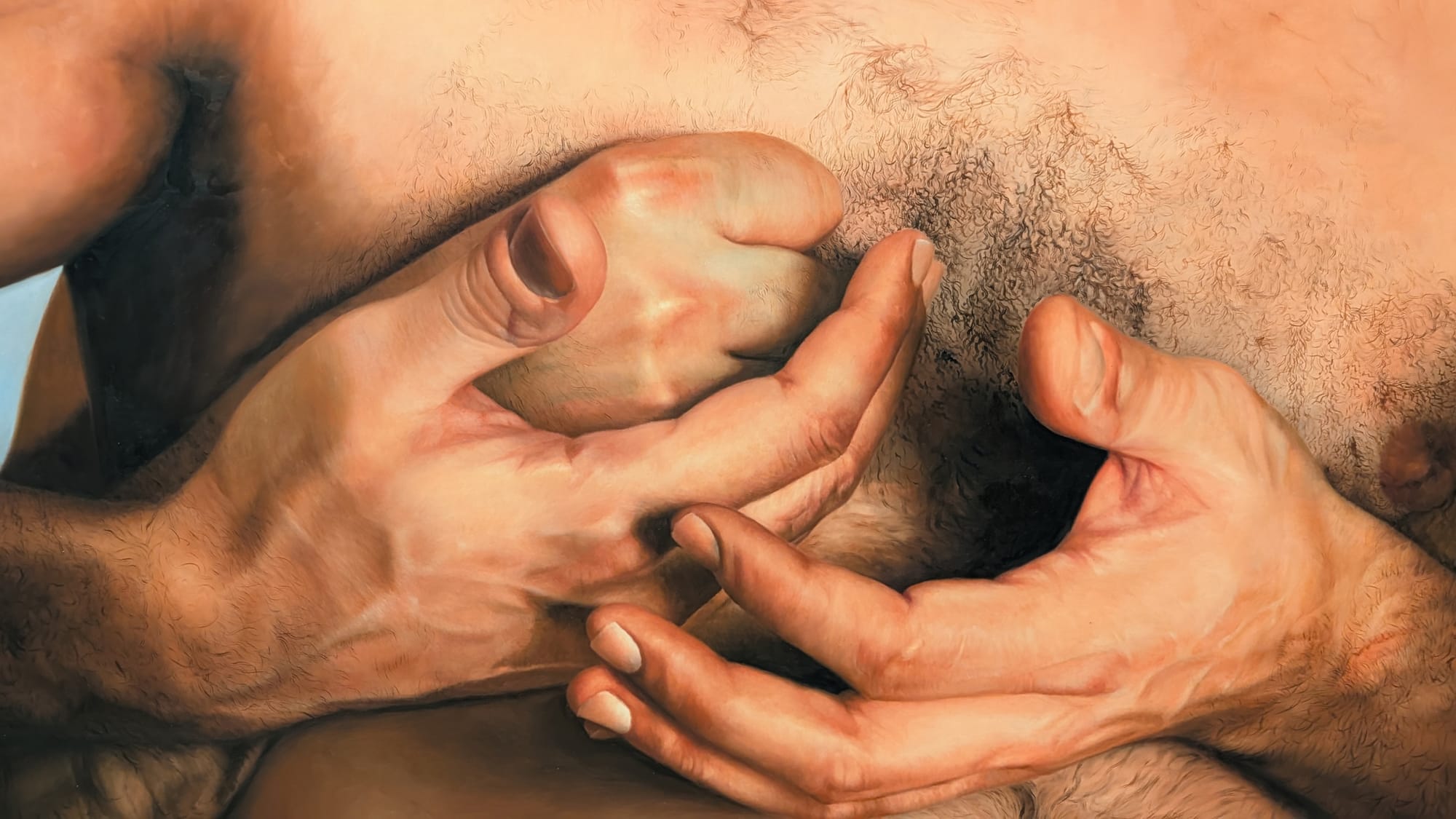
The 58th Carnegie International at the Carnegie Museum of Art in Pittsburgh looks back at its own 130-year history, featuring a gallery dedicated to past iterations. The exhibition includes Chris Ofili's "The Adoration of Captain Shit and the Legend of the Black Stars" (1998), which was originally shown in the 53rd International in 1999, the same year Ofili's more notorious "The Holy Virgin Mary" sparked controversy at the Brooklyn Museum. The article reviews how the current iteration captures the excitement of earlier exhibitions while providing commentary on authoritarianism and militarism.

Is This What “Made in America” Looks Like?

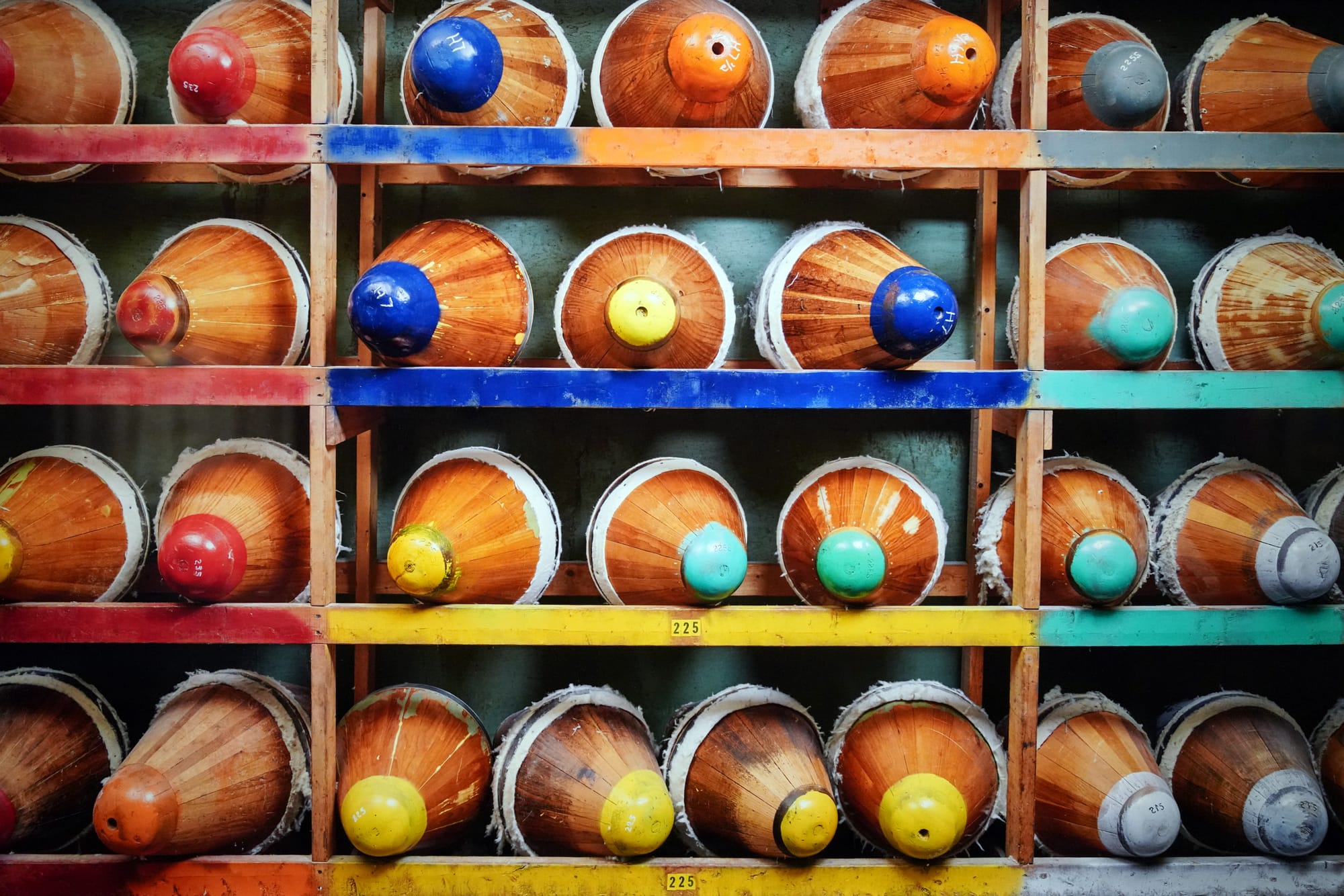
Christopher Payne's exhibition "Made in America: The Industrial Photography of Christopher Payne" at the Cooper Hewitt, Smithsonian Design Museum showcases 72 large-format photographs documenting active American factories and manufacturing processes. The trained architect turned photographer spent a decade visiting dozens of production sites across the United States, from the New York Times printing plant in Queens to the Bollman Hat Company in Pennsylvania, capturing workers' craftsmanship and the intricate steps involved in making everything from Peeps candies to jet engines. The exhibition is organized into three sections—traditional handcraft, large-scale production, and cutting-edge technologies—and coincides with the Smithsonian's celebration of the nation's 250th anniversary.

Édouard Glissant’s Museum-as-Archipelago

The article reviews the exhibition "The Earth, the Fire, the Water, and the Winds: For a Museum of Errantry with Édouard Glissant" at the Center for Art, Research and Alliances (CARA) in New York, the first U.S. showing of works from the personal collection of Martinician philosopher and writer Édouard Glissant. Curated from his archive, the exhibition features artists such as Roberto Matta, Wifredo Lam, Etel Adnan, Irving Petlin, Antonio Seguí, Öyvind Fahlström, Jack Whitten, and Mel Edwards, reflecting Glissant's friendships and intellectual exchanges across Europe, Africa, and the Americas. Highlights include Antonio Seguí's large pastel works from his Titanic series.

Ruminations on Rashid Johnson’s “A Poem for Deep Thinkers”

The article is a reflective review of Rashid Johnson's exhibition "A Poem for Deep Thinkers" at the Modern Art Museum of Fort Worth. The author describes standing before Johnson's work "Falling Man" (2016), a piece incorporating broken mirrors, burned wood, and personal objects like a copy of Harry Haywood's "Black Bolshevik" and shea butter, which prompts meditations on visibility, identity, and Frantz Fanon's "Black Skin, White Masks." The review also examines Johnson's large-scale installation "Antoine's Organ" (2016/2026), which fills a gallery typically reserved for Ellsworth Kelly's minimalist canvases, transforming the space with scaffolding, plants, books, and video monitors.

Nancy Holt review – cosmic thrills as the universe’s hidden power is unleashed

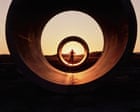
The Guardian reviews a major UK exhibition of land artist Nancy Holt (1938-2014) at Goodwood in West Sussex, the largest show of her work to date. The exhibition features two large outdoor installations—Ventilation System, a metallic tubular structure resembling building lungs, and Hydra’s Head, six concrete pools arranged like the Hydra constellation in a chalk quarry—alongside indoor photographs, diagrams, and light works. The review praises the cosmic scale and bodily connection of the outdoor pieces but finds the indoor works less effective at conveying Holt’s themes of universal vastness and interconnectedness.

Between Tropes and Treats at NADA New York

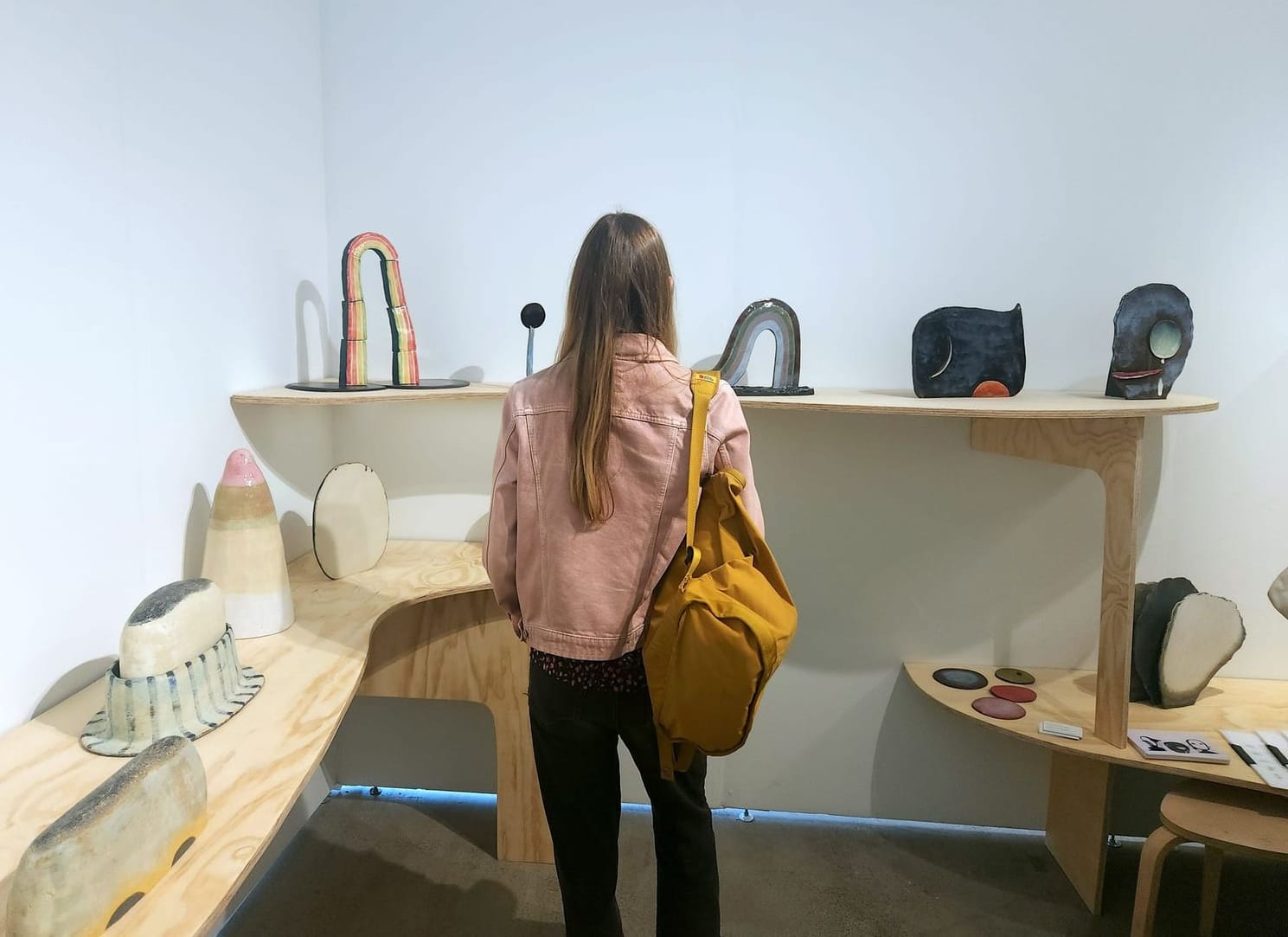
The 12th annual New Art Dealers Alliance (NADA) fair opened at the Starrett-Lehigh Building in Manhattan, featuring a wide array of contemporary works. Critic Rhea Nayyar notes that while many booths felt interchangeable due to prevalent trends like zany sculptures, shiny materials, and kitschy vibrancy, several standout pieces offered genuine engagement. Highlights include Elena Roznovan's maternal ephemera embedded in concrete with bondage tape, Kelly Tapia-Chuning's deconstructed serapes addressing colonial violence, and Niniko Morbedadze's folkloric illustrations.

Zurbarán: a ‘magnificently choreographed’ showing of the Spanish ‘genius’

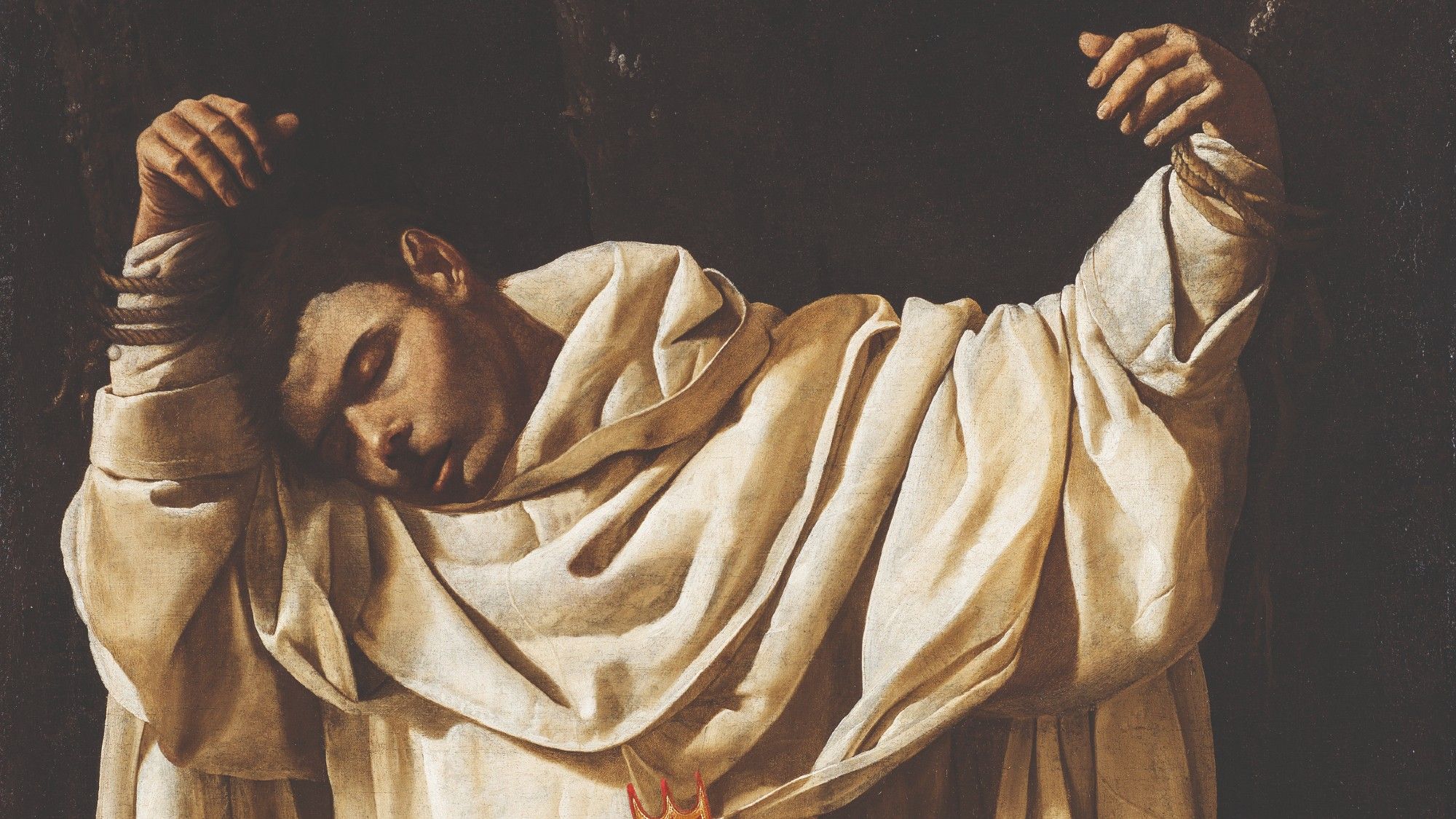
The article reviews the first-ever British exhibition dedicated to Spanish Baroque painter Francisco de Zurbarán, held at the National Gallery in London. The show brings together 40 works from collections spanning Seville to San Diego, featuring his hyper-real religious paintings and radiant still lifes, described as a 'magnificently choreographed' trawl through his oeuvre. Critics praise the exhibition for its dramatic lighting and revelatory presentation, though some note uneven quality in his later works.

The Ukrainian Pavilion’s Deer Seen Around the World

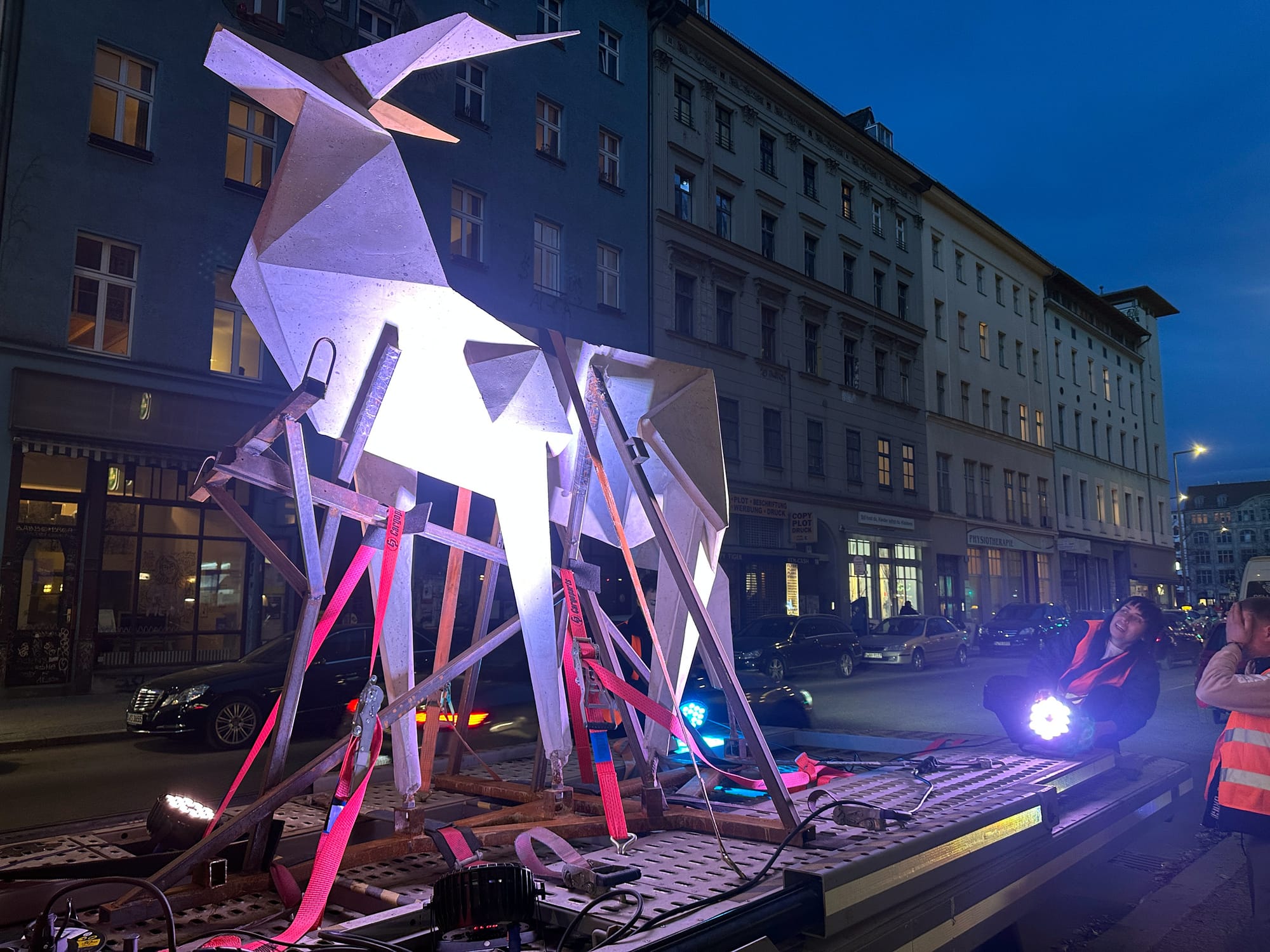
Zhanna Kadyrova's concrete sculpture "The Origami Deer" (2019) is prominently displayed at the entrance to the Giardini during the 61st Venice Biennale, part of her project "Security Guarantees" in the Ukrainian Pavilion. Originally installed in Pokrovsk, eastern Ukraine, the work was removed in 2024 as Russian forces advanced, then traveled through Vienna, Warsaw, Prague, Berlin, and Paris before reaching Venice—a journey mirroring the displacement of millions of Ukrainians. The sculpture, shaped like a deer and evoking folded paper, references the 1994 Budapest Memorandum, in which Russia, the UK, and US guaranteed Ukraine's security in exchange for its nuclear disarmament—guarantees that proved worthless after Russia's invasions.

Adrian Ghenie: Roman Campagna | Exhibition review

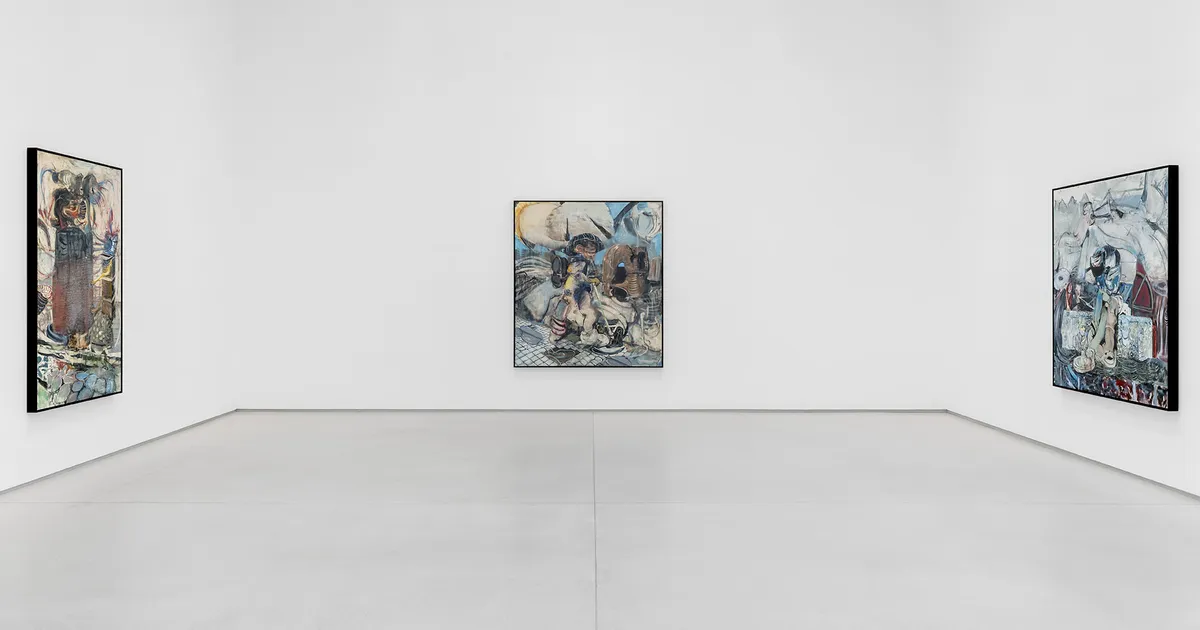
Adrian Ghenie's exhibition "Roman Campagna" at a Paris gallery presents a series of paintings and charcoal drawings that subvert the romantic cliché of an artist's transformative encounter with Rome. Ghenie populates landscapes inspired by the Appian Way with grotesque, alien-headed figures hunched over smartphones, urinating on monuments, or weeping at sunsets, using brown and grey tones punctuated by bright colors. The works reference Francis Bacon and William S. Burroughs, and include direct allusions to Bacon's reinterpretation of van Gogh's self-portrait, as well as a copy of a Pompeii mosaic. The show also features large charcoal drawings on paper that reveal Ghenie's process of constructing his contemporary, alienated figures.

I wanted to hate the new LACMA. Then I went back

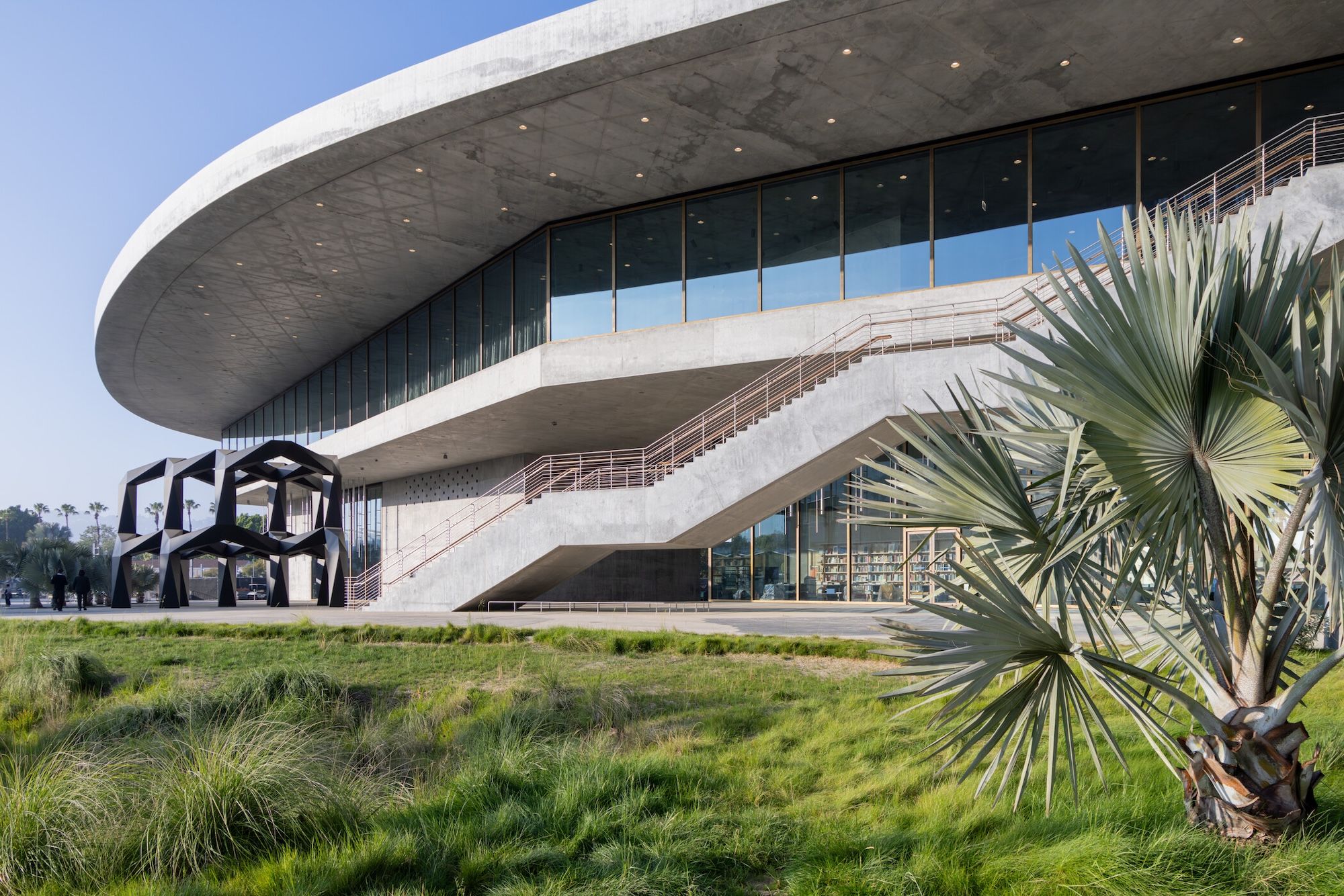
The article describes the author's evolving impression of the newly opened David Geffen wing at the Los Angeles County Museum of Art (LACMA), designed by architect Peter Zumthor. Initially visiting at 11am, the author found the $724 million, 110,000 sq ft building to be a "dismal, dated, inelegant brute," with thick bronze windows, dark concrete slabs, and bunker-like galleries. However, returning at 4pm, the author experienced a transformation: golden afternoon light warmed the concrete, illuminated the interiors, and revealed the building as a "brilliant innovation and true gift to the city." The article details the building's 20-year design evolution, challenges including fossil discoveries on site, and Zumthor's public frustrations with the compromised details.

Beyond the body: Jess Self’s emotive power at the Marietta Cobb Museum of Art

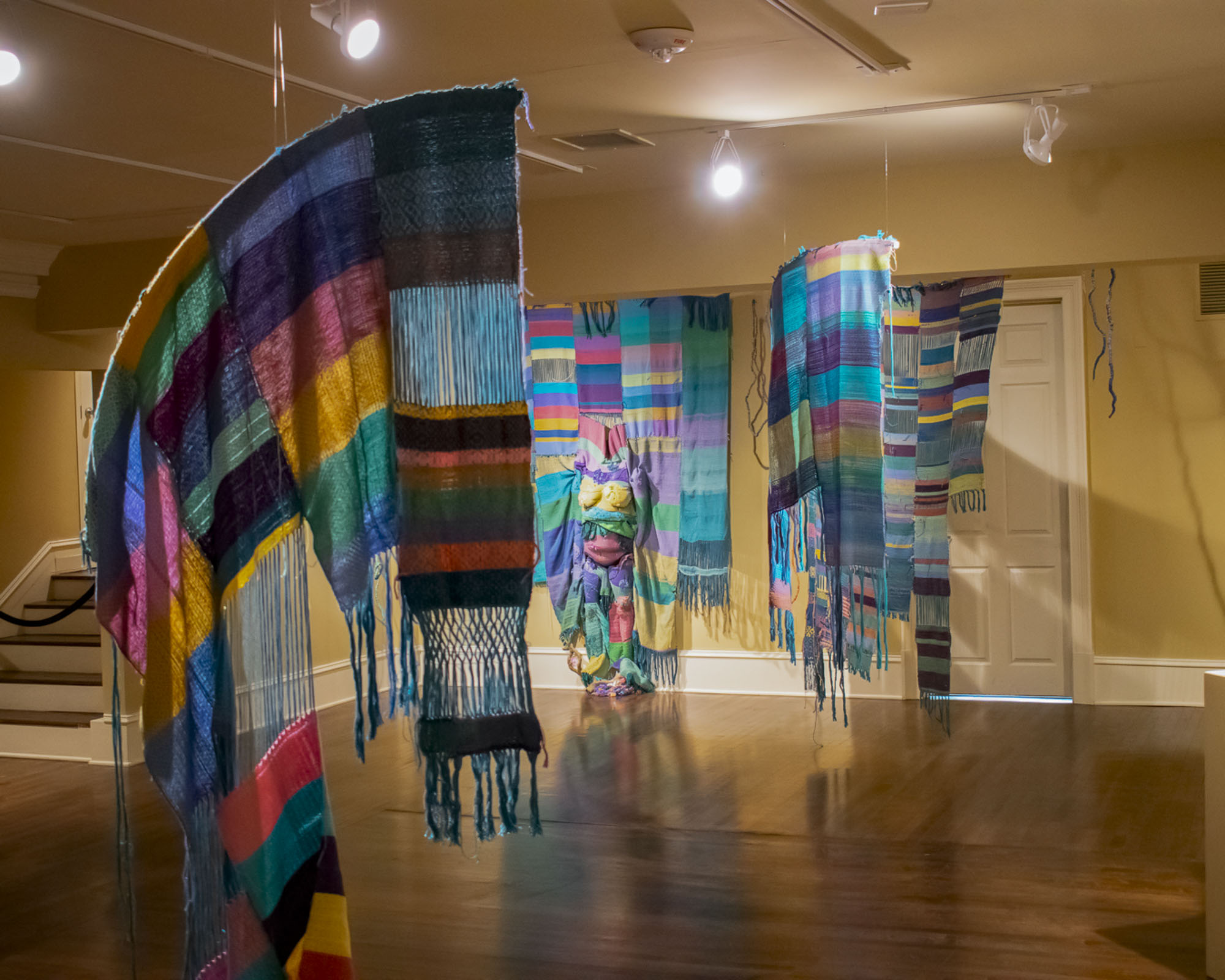
Jess Self, a Decatur-based sculptor and educator, presents *Celestial Perspectives* at the Marietta Cobb Museum of Art, an immersive textile environment that explores autobiography through figurative form. The exhibition features works in resin, plaster, felted wool, fiber, and rope, including the large-scale installation *The Veil* and the compelling *She Who Ties Magic Knots*, a resin and plaster cast of the artist's pregnant torso. Self's practice draws on Jungian archetypes and spiritual traditions, and the show communicates themes of connectivity, motherhood, bodily experience, and transcendence without relying on wall text.