search
dashboard All 1098 museum exhibitions 590article local 180article culture 84article news 80trending_up market 57person people 34rate_review review 24candle obituary 23article policy 18gavel restitution 6article school 2
date_range Range Today This Week This Month All
Subscribe

Marilyn Monroe: A Portrait review – the radiant, uncontainable star she always wanted to be

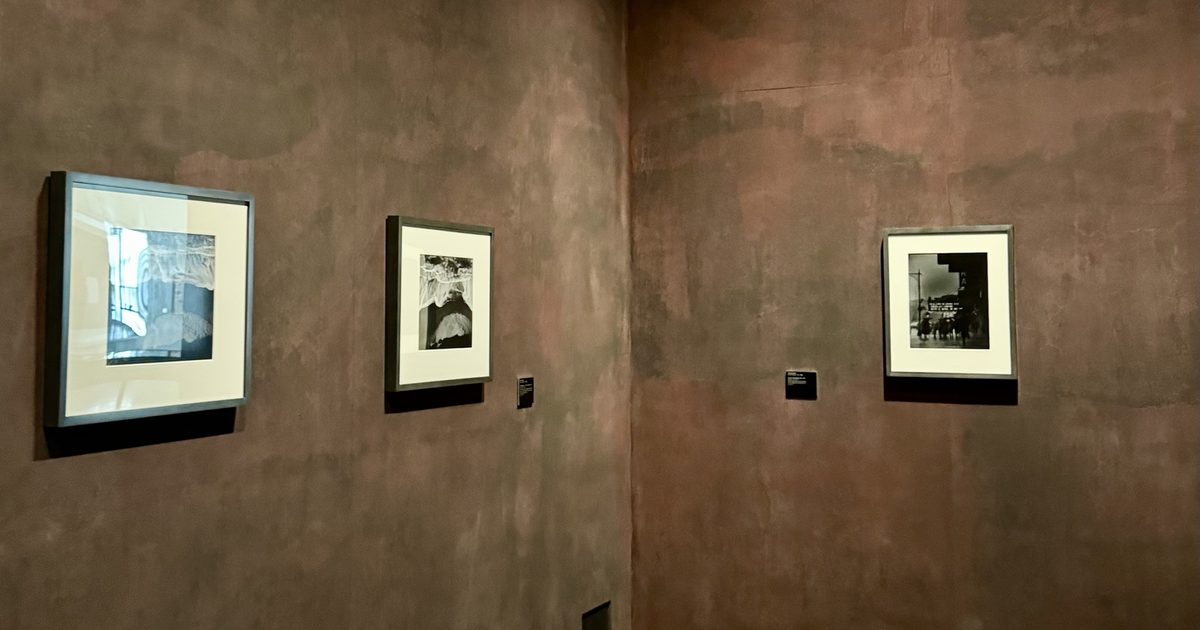
The National Portrait Gallery in London has opened a new blockbuster exhibition, "Marilyn Monroe: A Portrait," marking what would have been the star's 100th birthday. The show presents Monroe through photographs, paintings, and film excerpts, tracing her transformation from Norma Jeane Baker into a global icon. It features works by renowned photographers such as Richard Avedon, Milton Greene, Cecil Beaton, Eve Arnold, Philippe Halsman, Weegee, and André de Dienes, as well as paintings by Pauline Boty and Andy Warhol. The exhibition emphasizes Monroe's agency and control over her own image, challenging the notion of uncovering a "real Marilyn" behind the glamour.
Sanford Wurmfeld’s Unstable Geometry

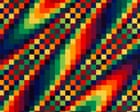
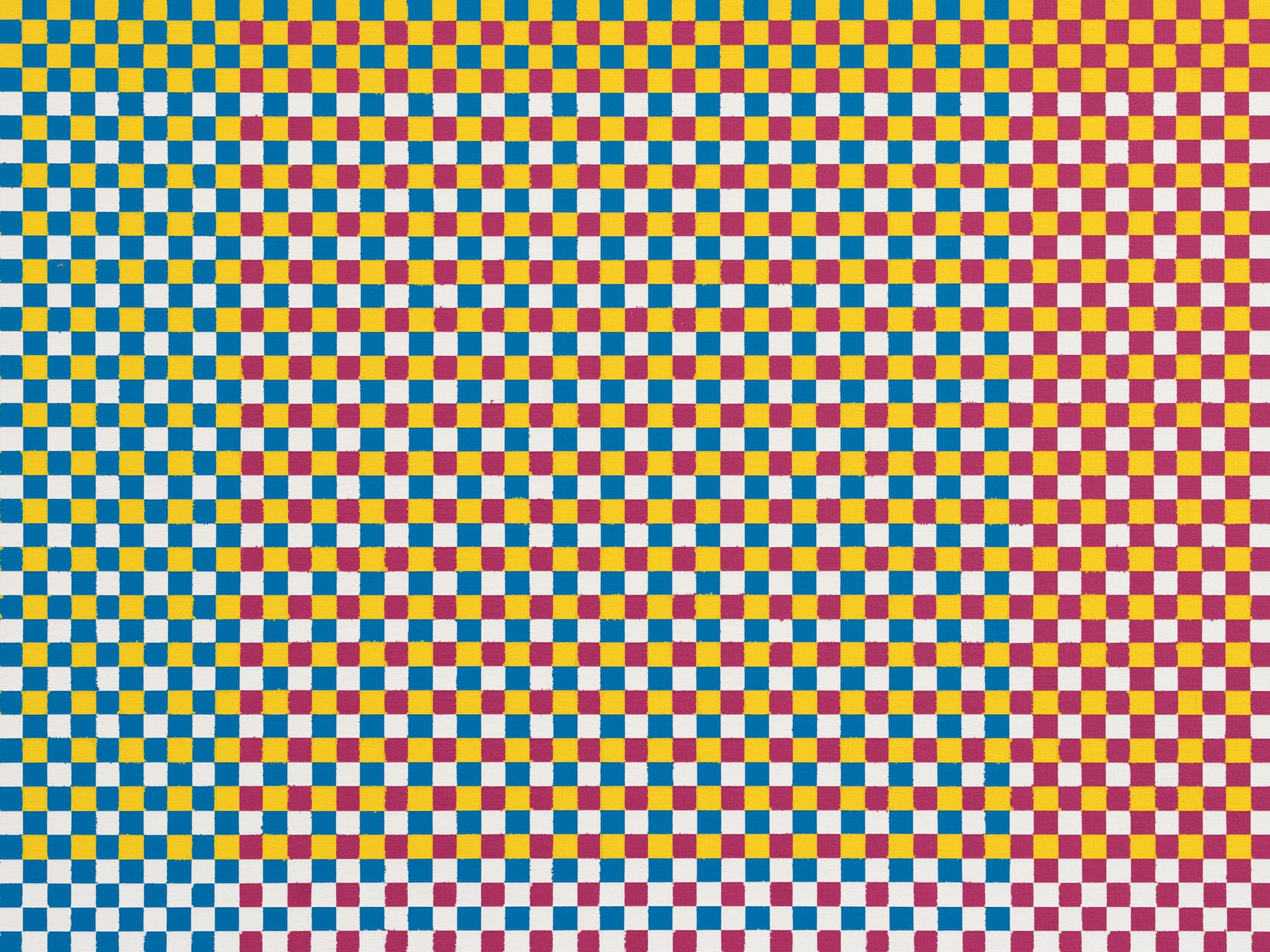
Hyperallergic reviews Sanford Wurmfeld's exhibition "Squares 1971–74" at Ceysson & Bénétière in New York, featuring six paintings and one study from 1971 to 1974. The show highlights Wurmfeld's methodical exploration of color through gridded compositions of one-inch squares, using a limited palette of four hues to create optical interactions that shift as the viewer looks. Wurmfeld, who was the youngest artist in MoMA's 1968 "Art of the Real" exhibition, has long operated under the radar of the New York art world.

Cats, flowers and Harry Hill’s car on fire – RA Summer Exhibition review

The 2024 Royal Academy Summer Exhibition, coordinated by conceptual artist Ryan Gander, is reviewed as being less awful than usual. Gander introduces strangeness to the historic open-submission show, including a video of Bowie karaoke and a disembodied corpse in a living-room installation. The exhibition features thousands of works, from amateur flower drawings to pieces by Tracey Emin, Antony Gormley, and Sean Scully, alongside standout contributions from Harry Hill (paintings of cars on fire), Harriet Porter, and Glen Pudvine. The review notes the show's overwhelming density and its function as a buying opportunity for the public.

Julio Le Parc review – as if Bridget Riley had opened a riotous funfair

Julio Le Parc's retrospective at Tate Modern immerses visitors in the playful, politically charged atmosphere of 1960s Paris. The exhibition features interactive works from Le Parc and his collective GRAV (Groupe de Recherche d'Art Visuel), including spinning discs, mirrored screens, and button-activated kinetic sculptures that invite physical engagement. Le Parc, who died in May 2025 at age 97, sought to subvert the silence and deadness of traditional museums by filling them with noise, action, and democratic play.

Farm Equipment on the Lower East Side? Our Critic Investigates a Few Unexpected Art Shows

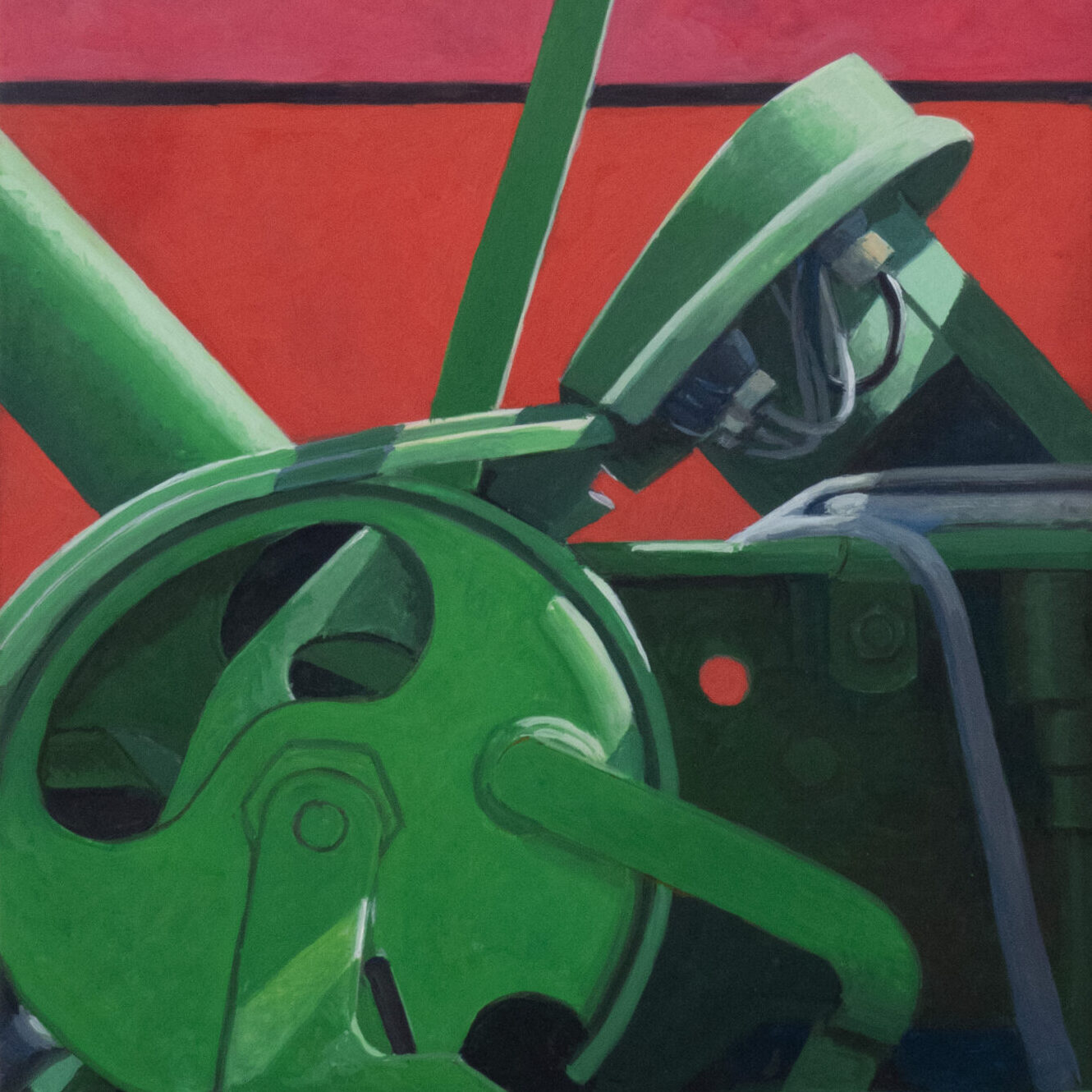
Art critic Emily Watlington investigates two unexpected exhibitions on New York's Lower East Side. At Hoffman Donahue gallery, Altoon Sultan presents 13 small egg tempera paintings of agricultural machinery on parchment-covered panels, zooming in on mechanical details with a luminous, almost devotional treatment of light. At Company gallery, Hayden Dunham's third solo show "NEVER IS OVER" transforms a dark basement into a multisensory installation with video projections, ambient whale sounds, and sculptural egg- or stone-shaped forms that evoke 1990s installation art.

Terry Winters review – flashes of magic in patterns science has yet to explain

Terry Winters presents eight new paintings at Modern Art in London, titled after geometric and mathematical terms like Area, Array, Field, and Locus. The works explore patterns inspired by botany, engineering, computer modeling, and cybernetics, using optical illusions and layered compositions to evoke natural and scientific systems. The review highlights how Winters' paintings create a push-pull effect through color and form, blending sensory pleasure with intellectual inquiry.

Portrait of a Papal Artist

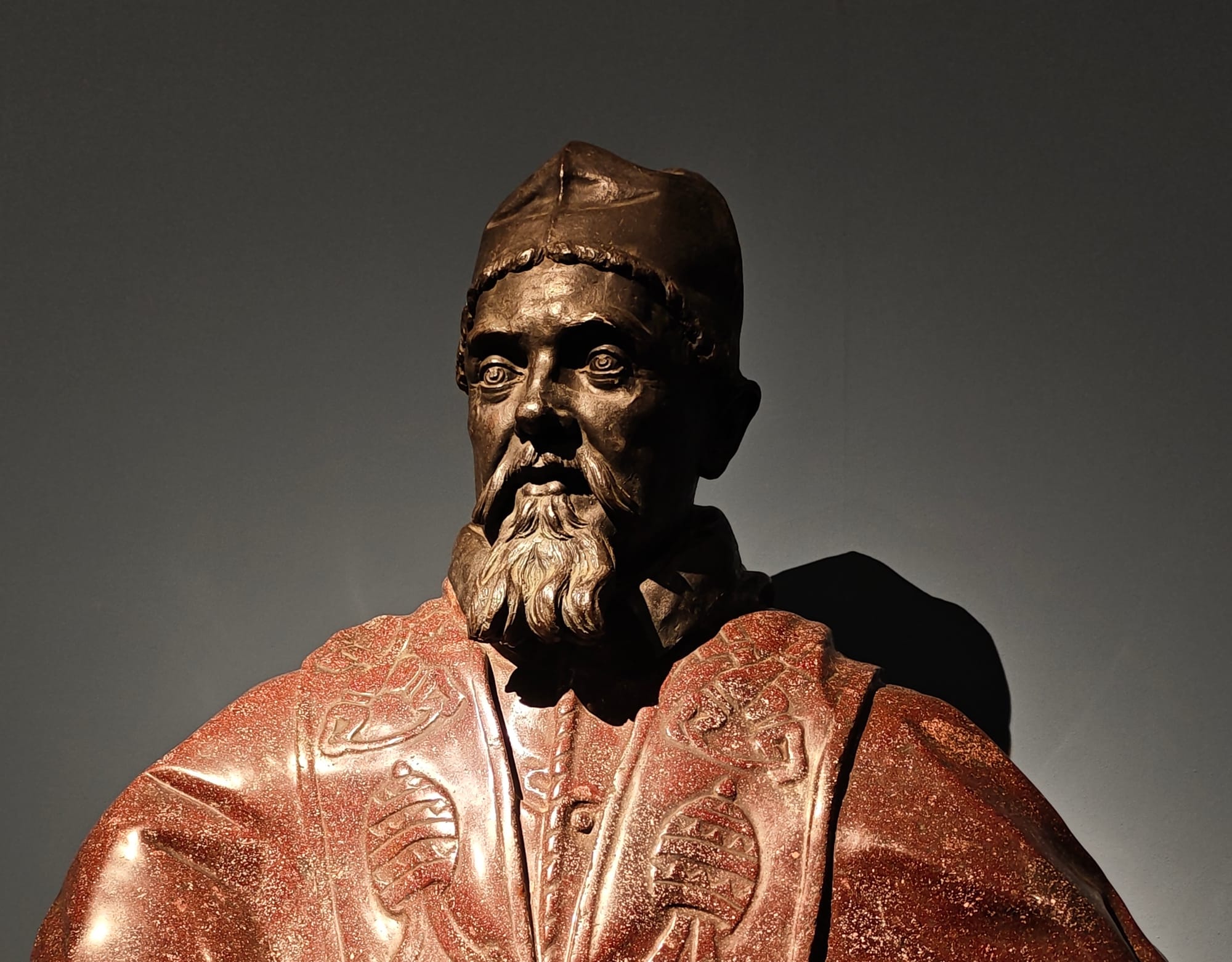
An exhibition at Palazzo Barberini in Rome, titled 'Bernini e i Barberini,' explores the relationship between Baroque sculptor and architect Gian Lorenzo Bernini and his most powerful patron, Pope Urban VIII Barberini. The show traces Bernini's artistic development, beginning with works by his father and teacher Pietro Bernini, and features key sculptures such as 'Saint Sebastian' (1617–18) and 'The Martyrdom of Saint Lawrence' (1616–17). However, the exhibition notably omits significant reference to Bernini's earlier sponsor, Cardinal Scipione Borghese, creating a misleading impression that the artist was purely a Barberini discovery.

The Black Photographers Who Exposed My Own Brainwashing

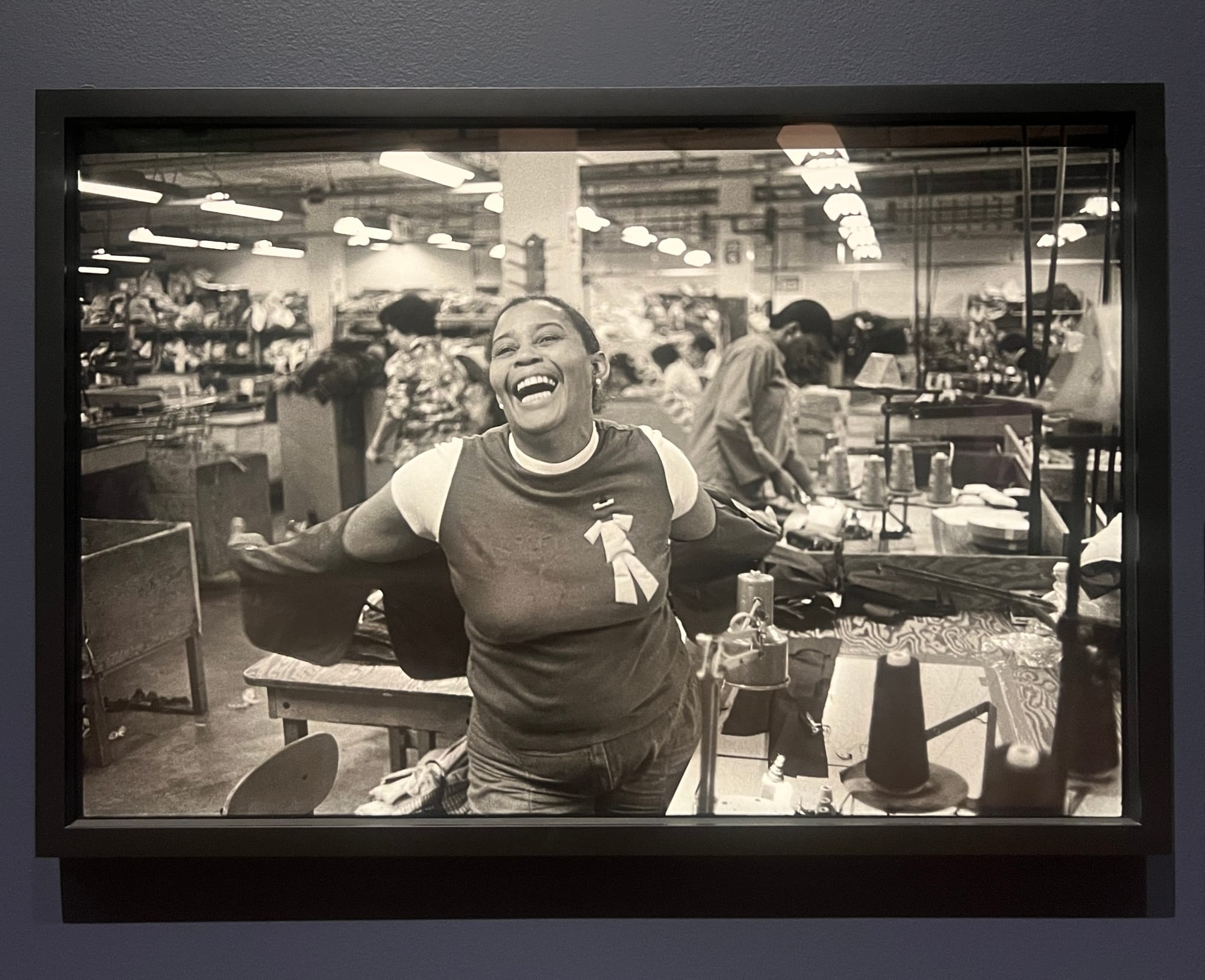
The article reviews "Photography and the Black Arts Movement, 1955–1985" at the Getty's West Pavilion in Los Angeles. The exhibition features over 200 photographs by Black photographers who documented and shaped the Black Arts Movement, including better-known figures like Gordon Parks and Carrie Mae Weems alongside numerous lesser-known artists. Organized into eight themes, the show explores how Black photographers reframed the Black American image through pride, beauty, strength, and artistic daring, emphasizing photography's power as evidence and a tool for liberation.

The Best Part of “Moss and Freud” Is When It’s Over

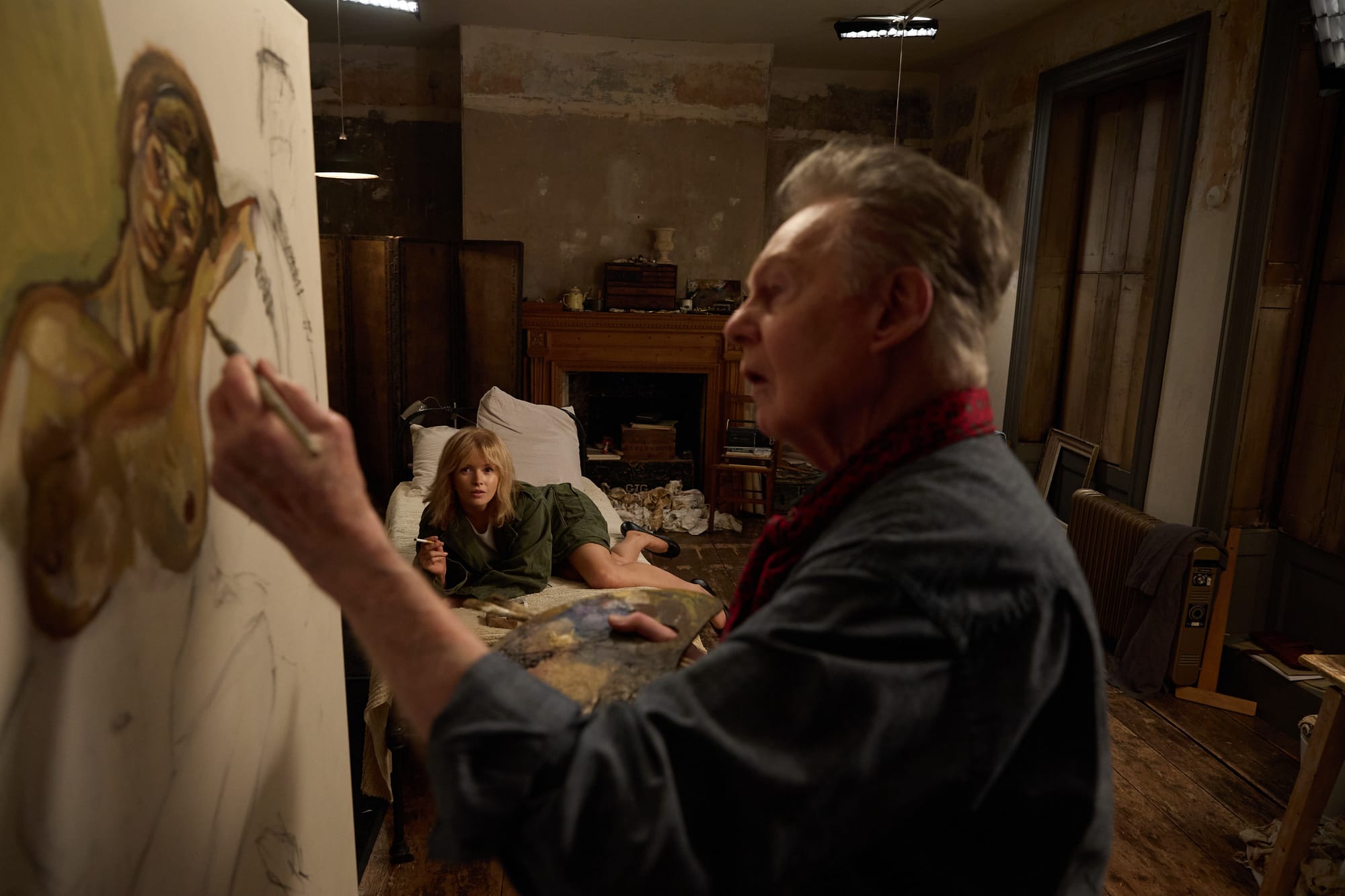
The article is a scathing film review of "Moss and Freud" (2025), a new movie directed by James Lucas that depicts the friendship between supermodel Kate Moss and painter Lucian Freud. The reviewer criticizes the film as shallow, exploitative, and predictable, noting that it glamorizes an artist-muse relationship without addressing darker realities like Moss's "Cocaine Kate" epithet or the power dynamics at play. The film stars Ellie Bamber as Moss and Derek Jacobi as Freud, and is described as a frivolous buddy film that revels in early aughts excess but lacks substance.

“In minor keys” è la mostra delle cuciture e della lentezza. Cosa funziona e cosa non funziona alla Biennale di Venezia

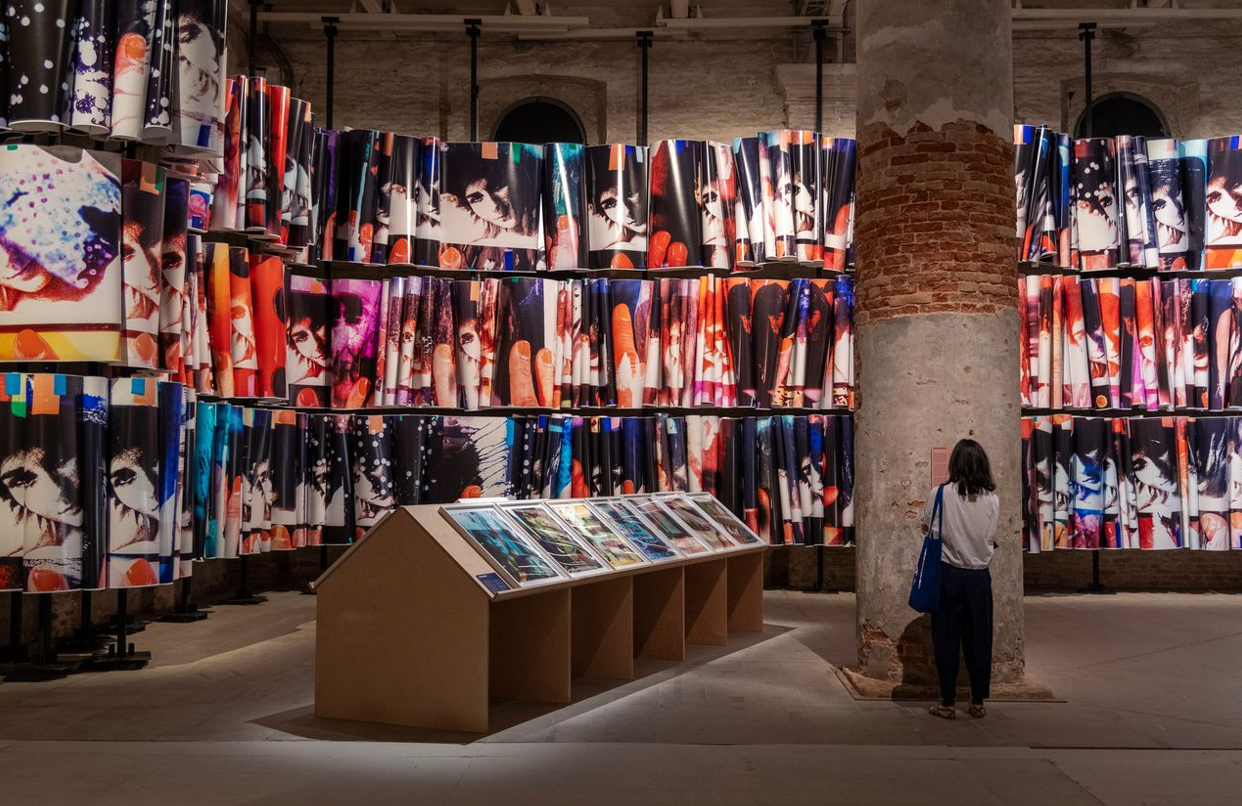
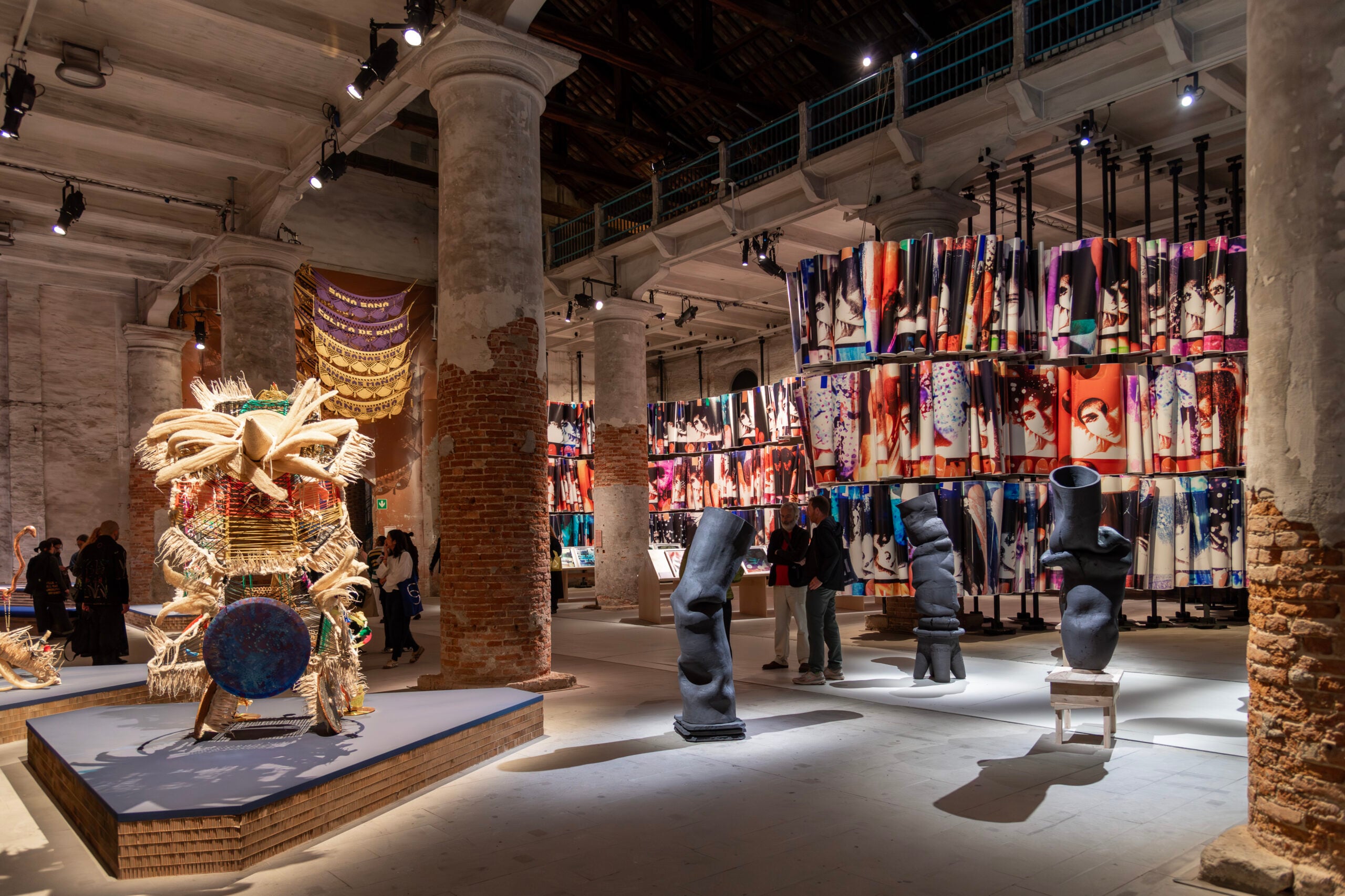
The article reviews "In minor keys," the main exhibition of the 61st Venice Biennale curated by Koyo Kouoh. It describes the show as an anti-white cube, anti-modernist display dominated by manual craftsmanship, textiles, and natural motifs, contrasting sharply with the previous edition curated by Adriano Pedrosa. The review notes the exhibition's cohesive character but criticizes certain works, such as Alfredo Jaar's installation, as jarring dissonances.

MC Escher review – hallucinatory insights from the master of the mind-bending staircase

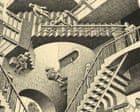
The Guardian reviews a major MC Escher exhibition at Somerset House in London, part of a world tour. The show presents over 100 works, including the iconic 1958 lithograph *Belvedere*, early nature studies, and cultural artifacts like Pink Floyd's *Ummagumma* album sleeve, revealing Escher's precise geometric vision and his journey from a patient observer of nature to a pop-culture phenomenon. The exhibition features videos, installations, and immersive environments to deepen the viewer's experience of his paradoxical spaces.

The World That Held Peter Hujar and Paul Thek

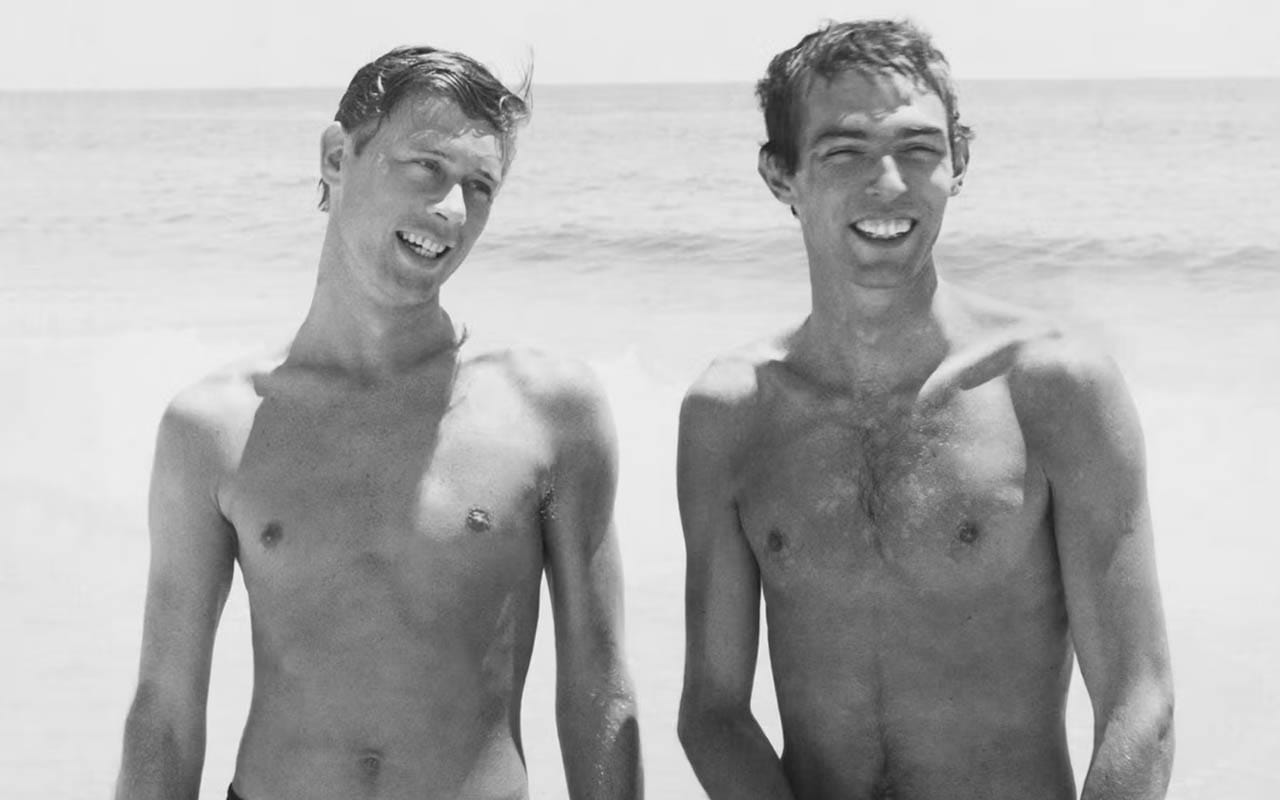
Andrew Durbin's new dual biography, *The Wonderful World That Almost Was: A Life of Peter Hujar and Paul Thek* (2026), explores the intertwined lives of photographer Peter Hujar and visual artist Paul Thek. The book traces their relationship from their first meeting in Florida in their early 20s through their artistic development, shifting from lovers and confidantes to a more complex bond marked by longing and resentment, ending with both dying of AIDS in the late 1980s. The review highlights a renewed interest in the artists, citing recent exhibitions and a film.

Art Gallery Shows to See in June

Will Heinrich reviews several art gallery shows in Los Angeles for June, including Charles Ray’s strangely lifelike sculptures, James Harrison’s flower-themed works, and a group show. The dispatch highlights the diversity and vitality of the city’s current exhibition scene.

Duchamp after Duchamp. The Venice Biennale curated by Koyo Kouoh is an expanded ready-made

Duchamp dopo Duchamp. La Biennale di Venezia curata da Koyo Kouoh è un ready-made espanso

The article analyzes the 61st Venice Biennale, curated by Koyo Kouoh, and the concurrent exhibition "Helter Skelter" at Fondazione Prada, arguing that Marcel Duchamp's concept of the ready-made has undergone a profound transformation. Rather than applying to industrial objects as in Duchamp's original gesture, the ready-made now operates on subjects, communities, minorities, vernacular traditions, and cultural archives, which are repositioned within the exhibition space to generate meaning. The author sees this shift as a curatorial strategy that extends the reach of the institution, turning any presence—material or immaterial—into an exposable element.

Georg Baselitz review – a final, furious, chaotic reckoning with death

The article reviews Georg Baselitz's final body of work, created shortly before his death at age 88. Painted from a wheeled office chair due to physical frailty, the works depict falling bodies, upside-down nudes, and frantic insectile forms, grappling with mortality. The exhibition includes golden canvases that canonize Baselitz and his wife Elke, alongside recurring eagle motifs from his youth in postwar Germany.

The architecture of absence

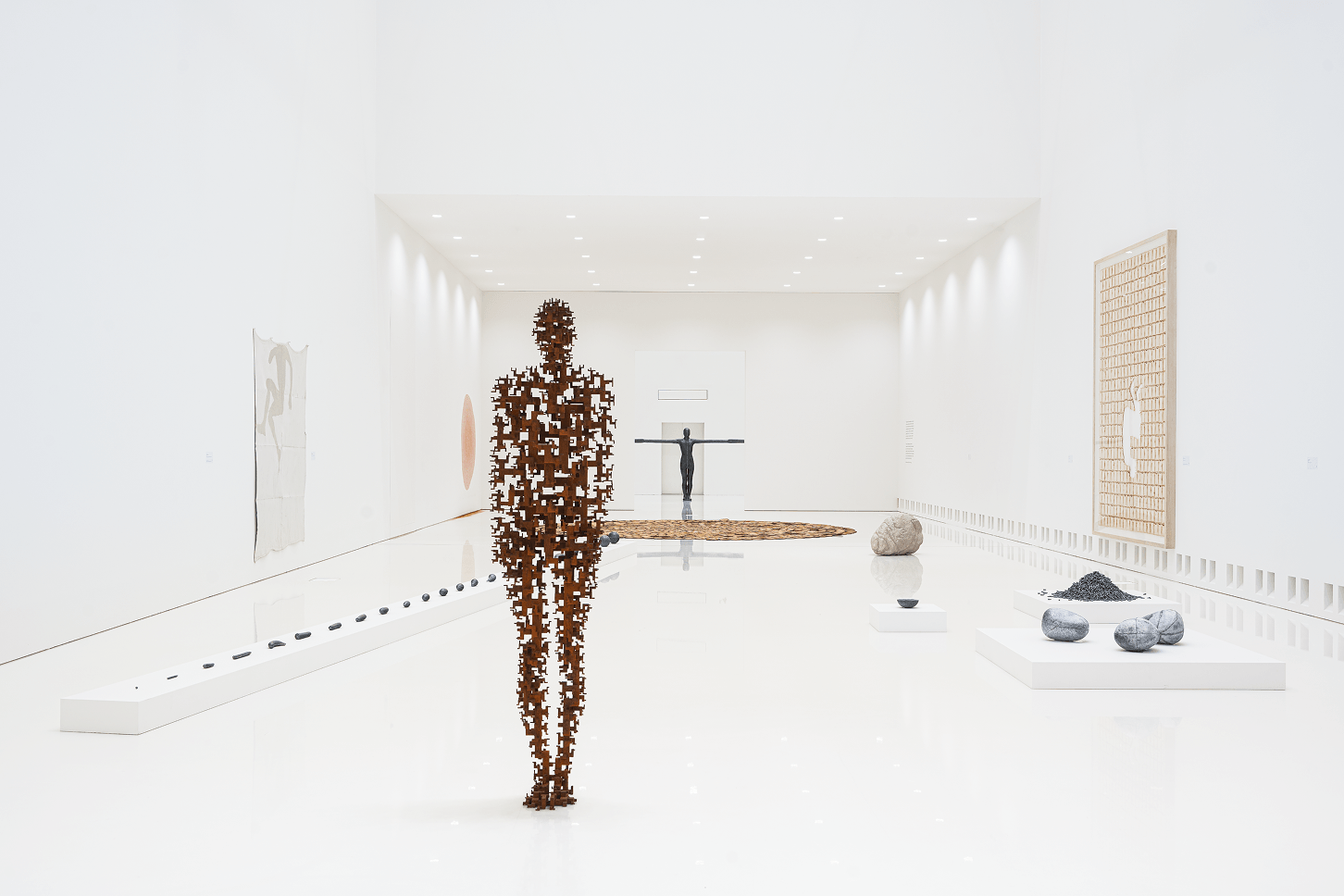
The article reviews "Geestgrond," a major retrospective of British sculptor Antony Gormley at the Royal Museum of Fine Arts Antwerp (KMSKA). Curated by Carolyn Christov-Bakargiev, the exhibition moves beyond a traditional chronological survey, instead presenting Gormley's four-decade career as a field of interconnected ideas, philosophical thought, and material conditions. It features works like "Orbit Field III" (2026), "Attend" (2025), and earlier pieces such as "Blanket Drawing I" (1983) and "Flat Tree" (1978), with the gallery layout reconfigured around the human body.

Simeon Barclay review – shut out by the gates of a drab modern Britain

Simeon Barclay's exhibition in Southampton presents a sharp, pop-cultural critique of exclusion and belonging in modern Britain, featuring works that incorporate Star Wars Imperial Guards, taxidermy pigeons, locked enclosures, and football scarves with Romelu Lukaku's face. The show, described by Barclay as "a lament of sorts, to access and loss," comes shortly after his nomination for the Turner Prize and makes a strong case for why he should win.

Are LACMA’s New David Geffen Galleries Worth Visiting?

The article reviews the newly opened David Geffen Galleries at the Los Angeles County Museum of Art (LACMA), designed by Swiss architect Peter Zumthor and opened in April 2026 after six years of construction at a cost of roughly $724 million. The galleries break from traditional museum organization by mixing artworks from different time periods and cultures side by side, aiming to encourage visitors to make their own connections rather than following a chronological or regional narrative. However, the reviewer—an art historian with a PhD from UCLA—finds the experience confusing at times, noting that the lack of clear structure can feel disorienting, and that behind-the-scenes practical needs still impose a quiet organization. The building itself is visually striking and photogenic, but inside, many galleries are dimly lit to protect artworks, creating a contradiction between the open exterior and the enclosed interior. The architecture sometimes competes with the art, raising questions about whether the building enhances or overshadows the collection.

Ecuador Pavilion: Tawna & Oscar

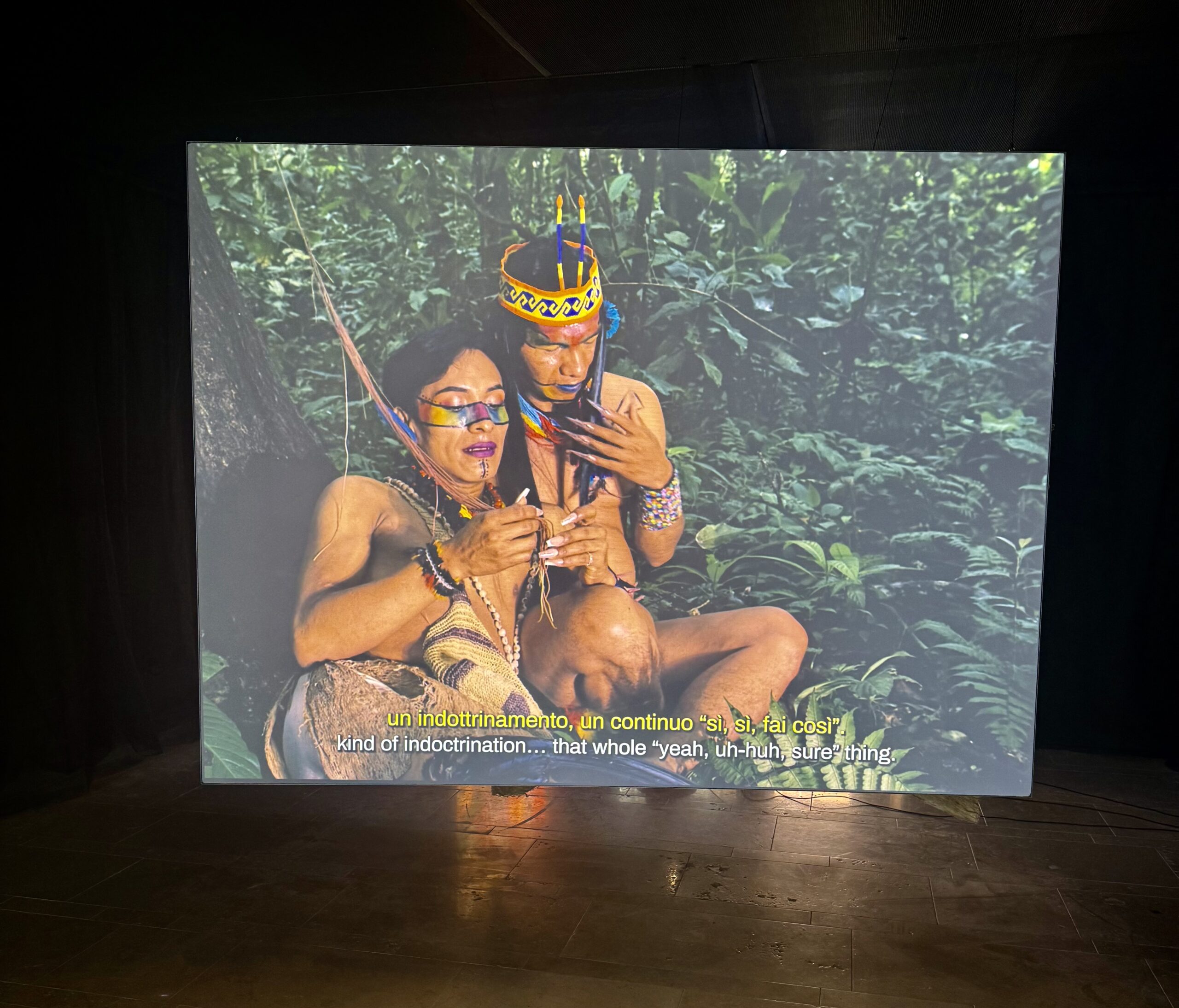
The article reviews the Ecuador Pavilion at the Venice Biennale, featuring the collaborative work of Tawna & Oscar, specifically the video piece 'Llaki' (2026) by the Tawana Collective. The author describes the pavilion as an emotionally explosive experience that accumulates memory, grief, tenderness, and politics rather than offering a conventional explanatory exhibition. The review highlights how the film resists Western narrative structures, instead inviting viewers to listen and feel its atmosphere, much like rain on different surfaces.

‘Patchwork Dolls’ by Ysabelle Cheung, Reviewed

Ysabelle Cheung, a Hong Kong-based writer and gallerist, has published her debut short story collection *Patchwork Dolls*. The book contains ten speculative fiction stories exploring themes of inherited ritual, ecological unease, diaspora, and bodily transformation. Set across Hong Kong and North America, the narratives employ second-person perspectives and experimental structures, including a choose-your-own-adventure tale about vanishing books and a story where an app tracks a dead twin's ghost. The collection examines how technology enables new forms of consumption and cannibalization, both literal and metaphorical, while food and memory anchor the characters' experiences of dislocation and haunting.

Chiara Camoni at the Italian Pavilion, the rite of encounter in the age of saturation

Chiara Camoni's exhibition "Con te con tutto" (With You with Everything) opens at the Italian Pavilion of the Venice Biennale 2026, housed in the Tese delle Vergini. Curated by Cecilia Canziani, the show presents an immersive landscape of sculptures assembled from organic materials collected by the artist during walks in the Apuan forests. Camoni's practice emphasizes communal making and encounter, drawing on feminist philosophy from thinkers like Donna Haraway and Silvia Federici, and blurs the line between sculpture and performance.

How Helen Frankenthaler became America’s grande dame of abstraction

The Financial Times reviews a retrospective of Helen Frankenthaler at the Basel Kunstmuseum, describing it as a welcome exhibition that is winningly persuasive in parts but less so in others. The review highlights a marvellous moment of redemption within the show, focusing on Frankenthaler's evolution as a leading figure in American abstraction.

‘Lillian Pitt: Art, Memory, Home’ at the Museum at Warm Springs

The article reviews the exhibition 'Lillian Pitt: Art, Memory, Home' at the Museum at Warm Springs in Oregon, showcasing the work of Indigenous artist Lillian Pitt. The show highlights her multimedia practice, which blends traditional Indigenous materials and motifs with contemporary art forms, exploring themes of memory, identity, and connection to the Columbia River Plateau region.

Review | These images reveal the terrible cost we still pay to mine natural resources

The article reviews a photography exhibition that documents the environmental and human toll of mining natural resources. Through stark, large-format images, the photographer captures devastated landscapes, polluted waterways, and communities living in the shadow of extraction industries, from open-pit mines to tailings ponds. The review highlights specific works that show the scale of destruction and the resilience of those affected.