filter_list Showing 37 results for "Times" close Clear
search
dashboard All 1425 museum exhibitions 491article news 247article culture 149trending_up market 145article policy 105article local 78person people 75candle obituary 68rate_review review 37gavel restitution 29article event 1
date_range Range Today This Week This Month All
Subscribe

adrien brody art eden gallery

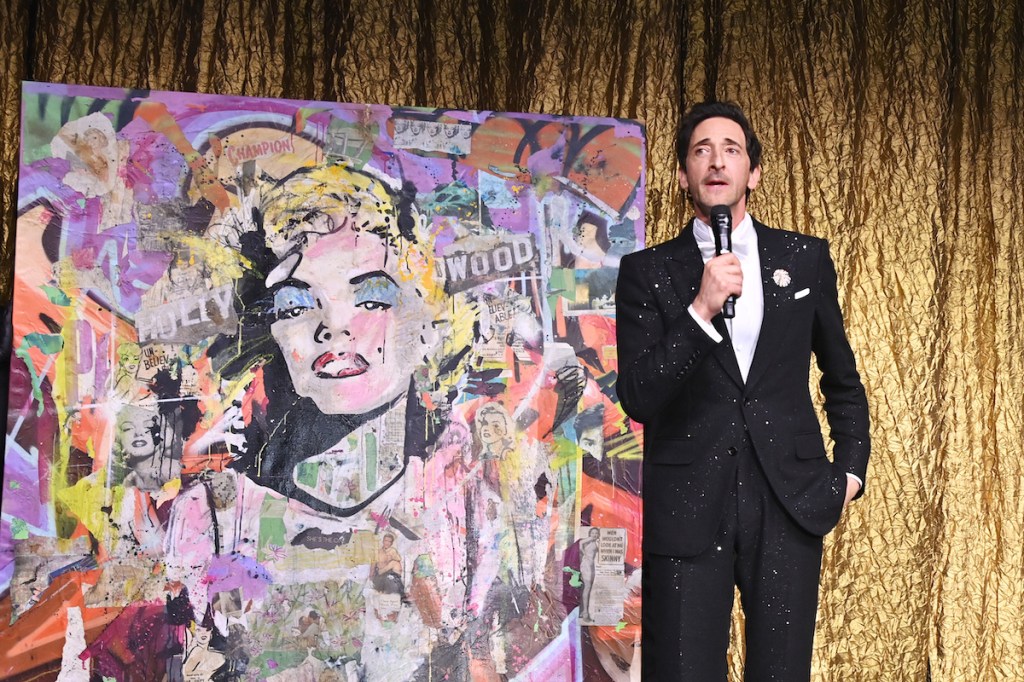
Actor Adrien Brody debuted a new exhibition titled "Made in America" at Eden Gallery in New York, featuring paintings that incorporate pop culture icons like Mickey Mouse, Donald Duck, and Marilyn Monroe alongside collage elements and text. The show has garnered significant media attention, including a profile in the New York Times and praise from Cultured and Interview magazine, partly fueled by the sale of one of Brody's paintings for $425,000 at the amfAR Cannes Gala. However, the art press, including Artnet News, has been highly critical, with ARTnews reviewer Alex Greenberger describing the works as ugly, derivative, and lacking nuance.

kevin mcgarry reviews jason faragos even

Kevin McGarry reviews the debut issue of *Even*, a new print art journal launched by *Guardian* contributor Jason Farago during Frieze New York. Named after a phrase from Marcel Duchamp's *The Bride Stripped Bare By Her Bachelors, Even*, the magazine is a small, paperback-sized publication that prioritizes text over images, positioning itself as an antidote to market-driven art discourse. The first issue features a lengthy essay on artist Joan Jonas by Elisabeth Lebovici, timed to Jonas's U.S. pavilion at the 56th Venice Biennale, and a piece by Zachary Woolfe on the Björk exhibition at MoMA. McGarry critiques the journal's ambition to revitalize art criticism, noting that while its goals are lofty, the content sometimes falls back on familiar artspeak.

Comment | Catherine Opie shows us that in dark times, looking for joy can be radical

The artist Catherine Opie is currently the subject of a major three-decade portrait survey, 'To Be Seen', at the National Portrait Gallery in London. The exhibition highlights Opie’s career-long commitment to representing the LGBTQ+ community, specifically the leather dyke scene in Los Angeles, through a lens that balances defiance with playfulness. Even her most provocative works, such as the 1993 self-portrait featuring a domestic scene carved into her back, are revealed to contain elements of humor and historical allusion that counter the despair of the AIDS crisis and personal heartbreak.

What does a woman swimming in urine tell us about the state of the world? Lots! – Venice Biennale review

The 2026 Venice Biennale, curated by the late Koyo Kouoh under the theme "In Minor Keys," has been plagued by months of turmoil including countries withdrawing, artists being fired, exhibitions cancelled, funding pulled, and protests during the preview. A five-person curatorial team took over after Kouoh's death, resulting in what the critic describes as a disjointed, committee-driven exhibition that prioritizes quiet contemplation and healing over direct political engagement. The central shows in the Giardini and Arsenale feature a vast, poorly explained array of art from the global south, with installations of ceramics, textiles, slide projectors, and serene natural scenes that the critic finds anachronistic and dull.

Matisse, 1941-1954 review – hit after glorious hit in a show of life-enhancing genius

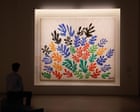
A major exhibition at the Centre Pompidou and the Grand Palais focuses on the final, revolutionary period of Henri Matisse's career, from 1941 to 1954. The show charts his artistic reinvention following a life-threatening surgery, beginning with obsessive, reworked paintings from his Nice studio during the war and culminating in the radiant, large-scale cut-outs for which he is widely celebrated.

art guide new york exhibitions

The article reviews the joint exhibition "Hunks" at Bureau gallery in New York, featuring works by painter Julia Rommel and photographer Lucas Blalock. Rommel's post-minimalist abstract paintings, created through folding and stapling canvases, explore color and texture with a personal touch, while Blalock's digitally manipulated photographs blend studio effects and surreal editing. The show runs through February 21, 2026, at the gallery's 112 Duane Street location.

Can a Play Capture an Artist as Enigmatic as Henry Darger?

Can a Play Capture an Artist as Enigmatic as Henry Darger?

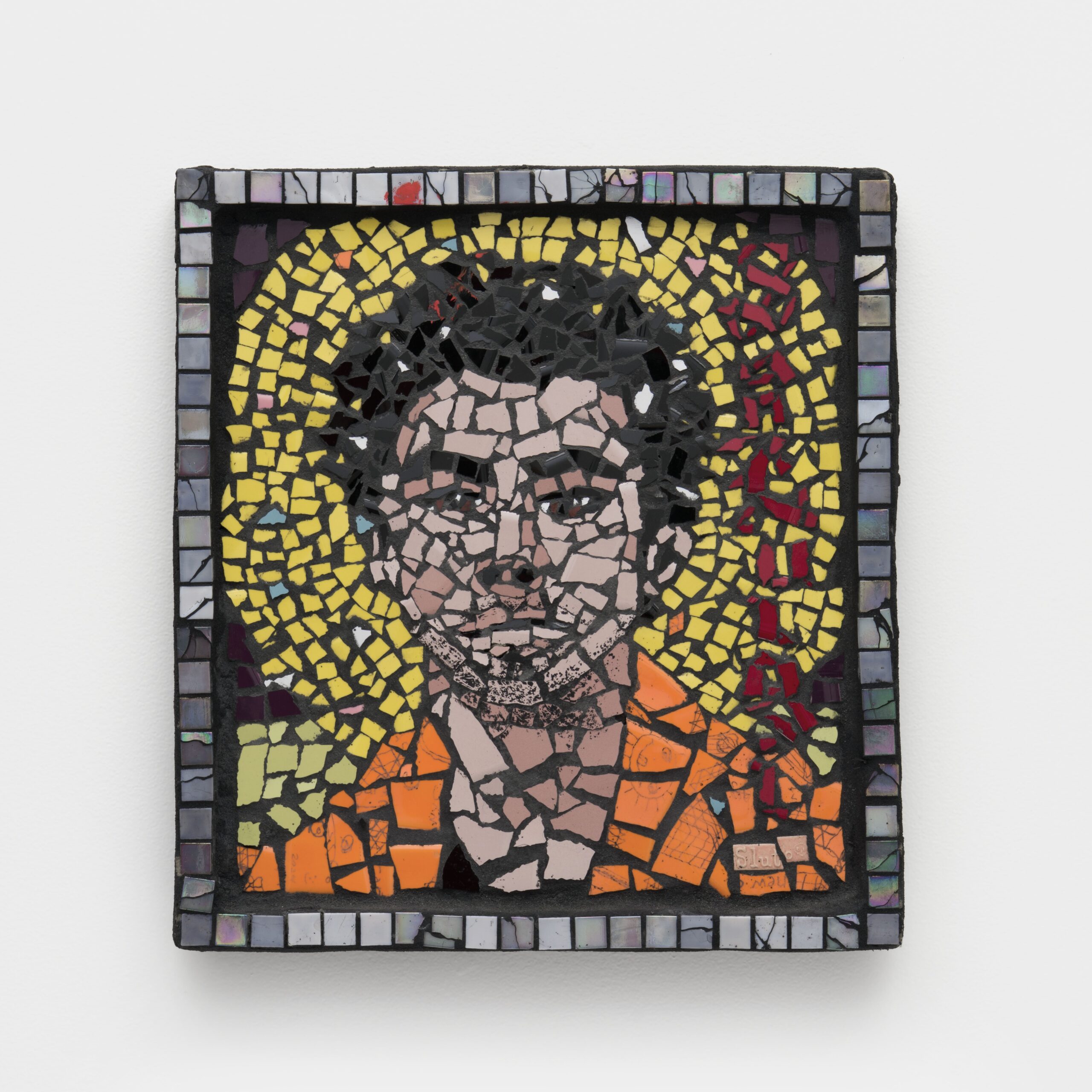
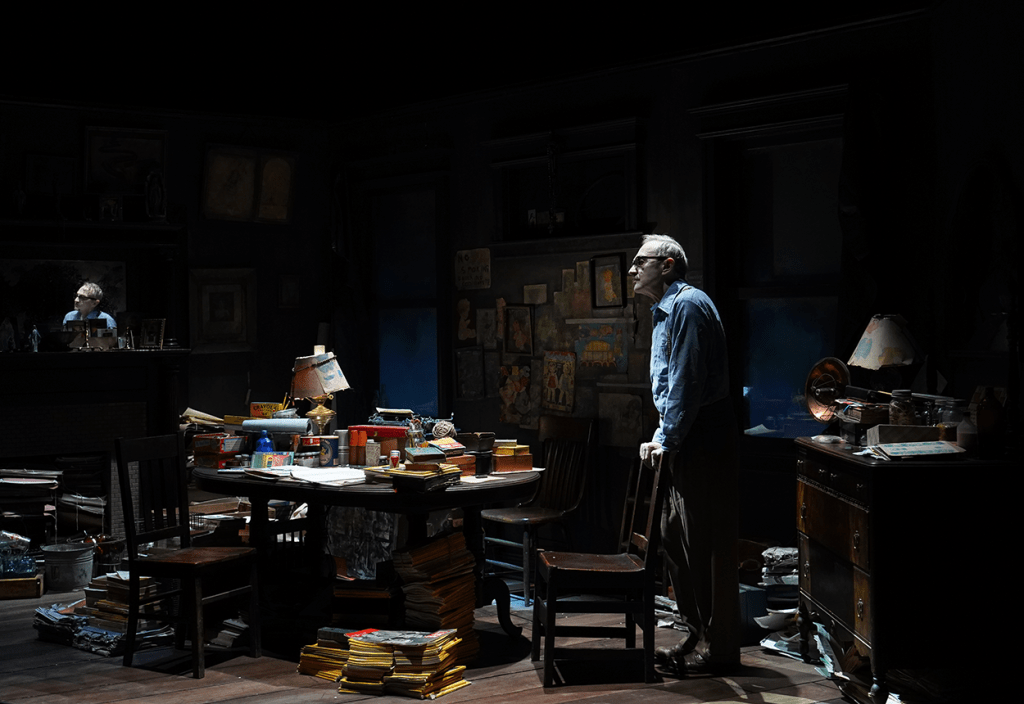
A new play, *Bughouse*, is attempting to portray the life of reclusive artist Henry Darger on stage at New York's Vineyard Theater. The one-man show, starring John Kelly, draws from Darger's own lengthy autobiography to depict his traumatic childhood, institutionalization, and decades of solitary life in Chicago, where he secretly created his vast, fantastical artwork and writings.

critical reduction the 2014 whitney biennial 5409

The 2014 Whitney Biennial has debuted with a controversial three-curator structure, tasking Michelle Grabner, Stuart Comer, and Anthony Elms with organizing separate floors of the museum. This meta-review aggregates the initial critical reception from major publications, noting that the fragmented format has forced critics to evaluate the exhibition as three distinct shows rather than a unified vision.

Joseph Grigely's 'Otherhow' Primary Information on Disability Arts and Being Deaf

joseph grigely primary information otherhow disability arts deaf

Artist and writer Joseph Grigely has published a new essay collection, 'Otherhow: Essays and Documents on Art and Disability 1985–2024.' The book compiles decades of his work, blending art, autobiography, and advocacy through ephemera like postcards, emails, and legal documents to chronicle his experiences navigating the art world as a deaf man.

sam gilliam sculpture textile fiber dublin ireland imma

The article reviews an exhibition of Sam Gilliam's work at the Irish Museum of Modern Art (IMMA) in Dublin, focusing on 23 works from the 1990s that highlight his use of sewing and stitching. Gilliam, a relentless experimenter who died in 2022, is known for moving from hard-edged stripe paintings to draped, unstretched canvases that blurred painting and sculpture. This show reveals a lesser-known aspect of his practice: patchwork-like assemblages of painted and printed canvas pieces held together by visible machine stitching, often incorporating photographic imagery of botanical forms. The works originated from a 1993 residency in Ballinglen, County Mayo, where Gilliam shipped pre-painted canvases from Washington, D.C., and had a seamstress sew them together.

rashid johnson guggenheim museum retrospective review

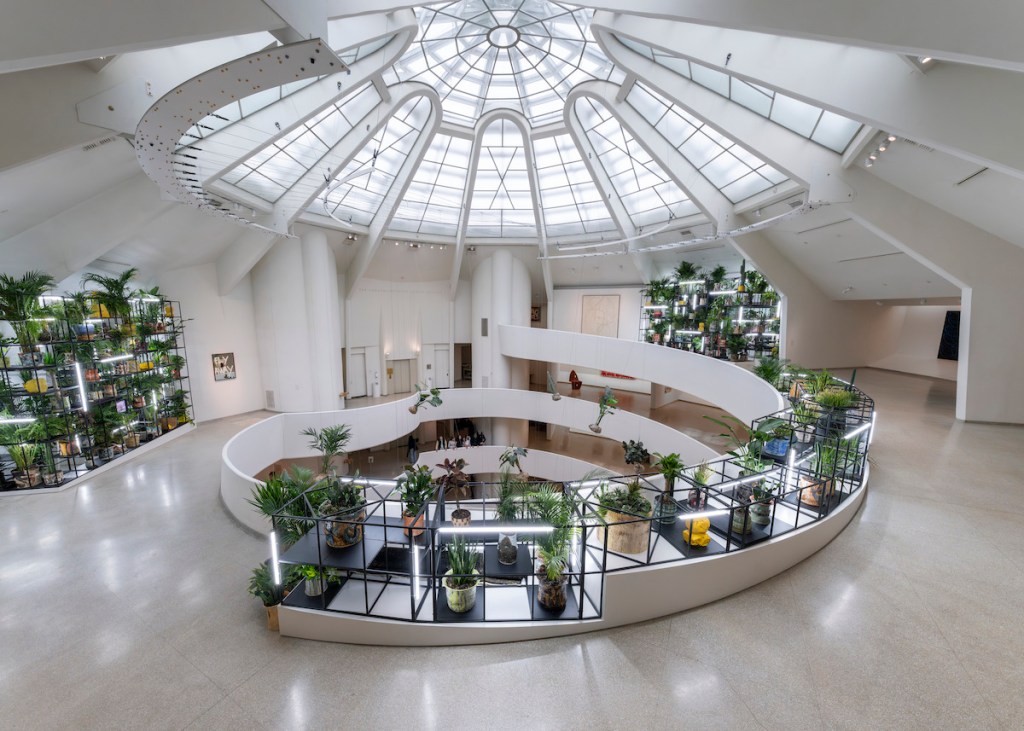
Rashid Johnson's mid-career retrospective, "Rashid Johnson: A Poem for Deep Thinkers," has opened at the Solomon R. Guggenheim Museum in New York, filling the rotunda with paintings, sculptures, photographs, and films. Curated by Naomi Beckwith and Andrea Karnes, with Faith Hunter, the exhibition includes Johnson's well-known "Anxious Men" works alongside lesser-seen films like *Threeness* (2005), which challenge viewers' expectations. The show features recurring target motifs, as seen in the outdoor sculpture *Black Steel in the Hour of Chaos* (2008), and explores themes of looking, being looked at, and the fluidity of Black identity.

MoMA Survey Shows How Marcel Duchamp Changed the Art Game

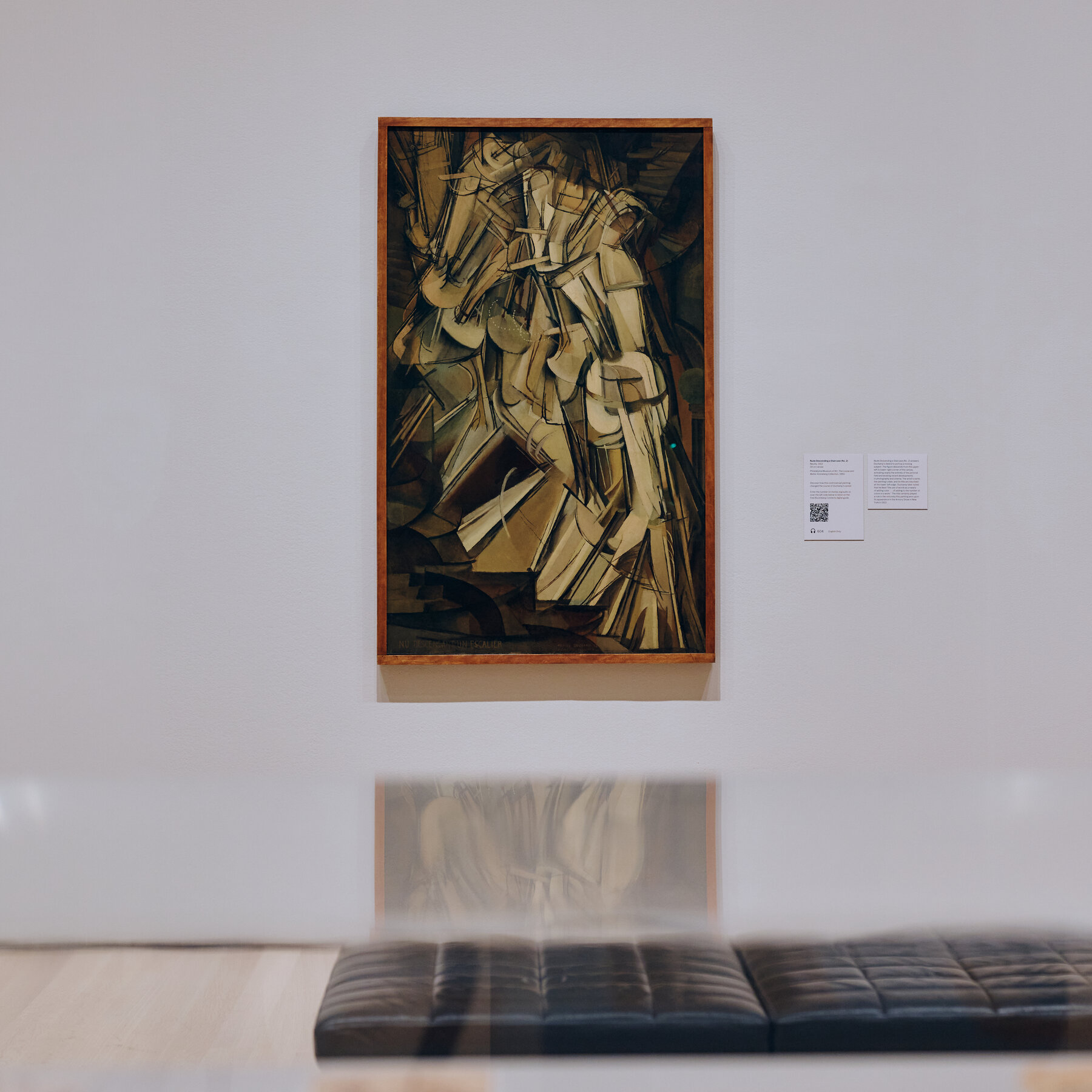
The Museum of Modern Art (MoMA) has launched a comprehensive survey of Marcel Duchamp’s work, highlighting the artist's revolutionary impact on the definition of art. The exhibition traces Duchamp's transition from traditional painting to his radical 'readymades,' which prioritized intellectual concepts over aesthetic craftsmanship.

Why Felix Gonzalez-Torres’s Go-Go Dancer Piece Remains Subversive

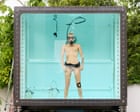
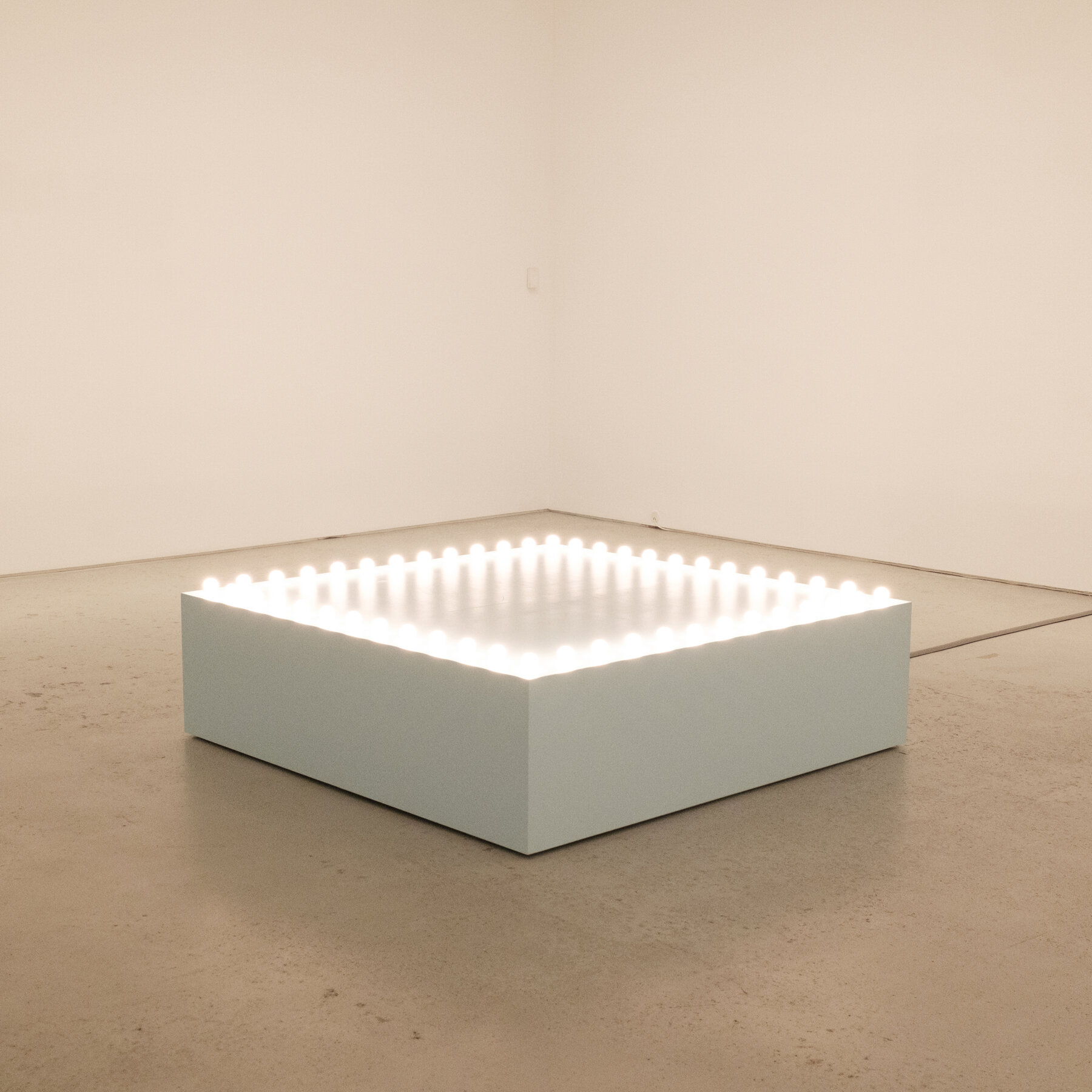
The New York Times examines the enduring power of Felix Gonzalez-Torres's 1991 performance piece "Untitled" (Go-Go Dancing Platform), in which a go-go dancer performs on a pedestal for a brief, scheduled period each day. The work, currently on view at the Art Institute of Chicago, uses the dancer's absence as a central component, creating a poignant metaphor for queer presence and loss.

Notes from New York: Rotting Meat

Artist Jen Liu’s solo exhibition 'Pound of Flesh' at Silverlens New York explores the dehumanizing nature of digital labor through visceral imagery of raw meat. The show features paintings where human consciousness is replaced by butcher-shop cuts and an animated video based on Liu’s research into microworkers—individuals who perform repetitive, low-paid tasks to train AI models. By juxtaposing the biological reality of the body with the clinical extraction of data, Liu highlights the physical and psychological toll of the 'Agentic Age.'

Is This What “Made in America” Looks Like?

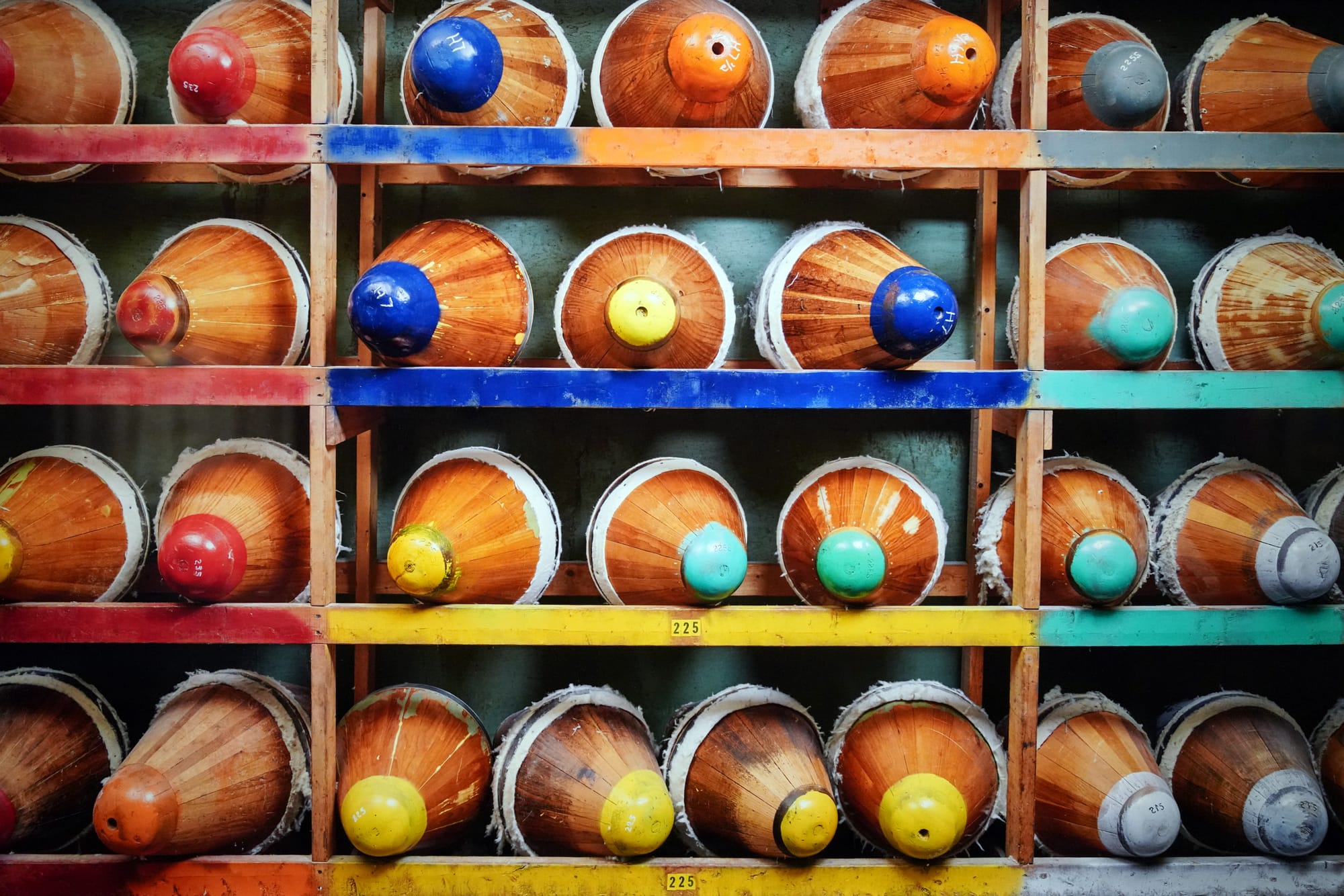
Christopher Payne's exhibition "Made in America: The Industrial Photography of Christopher Payne" at the Cooper Hewitt, Smithsonian Design Museum showcases 72 large-format photographs documenting active American factories and manufacturing processes. The trained architect turned photographer spent a decade visiting dozens of production sites across the United States, from the New York Times printing plant in Queens to the Bollman Hat Company in Pennsylvania, capturing workers' craftsmanship and the intricate steps involved in making everything from Peeps candies to jet engines. The exhibition is organized into three sections—traditional handcraft, large-scale production, and cutting-edge technologies—and coincides with the Smithsonian's celebration of the nation's 250th anniversary.

whitney biennial 2026 systems infrastructure andrea fraser carmen de monteflores emilie gossiaux david johnson

The 2026 Whitney Biennial, curated by Marcela Guerrero and Drew Sawyer, moves beyond the traditional geographic borders of the United States to explore 'the greater United States.' Drawing inspiration from historian Daniel Immerwahr, the exhibition features artists from occupied territories, military outposts, and nations impacted by American intervention, including Okinawa, Chile, and Palestine. The show shifts the focus from identity politics to the material reality of infrastructure, examining how global systems of finance, energy, and empire operate and often fail.

Inside LACMA’s Eye-Popping New Home, How Do You Find the Art?

The Los Angeles County Museum of Art (LACMA) has opened its new David Geffen Galleries building, a major architectural project designed to be a glamorous cultural beacon. The building itself is a striking landmark, but the exhibition spaces within present significant challenges for the display of art, creating a complex, maze-like environment for visitors.

blank space book review cultrure over men

W. David Marx's book "Blank Space: A Cultural History of the Twenty-First Century" argues that 21st-century culture has stagnated, blaming the Internet and its economies for a lack of innovation. The book cites critics like Jason Farago and Alex Ross who lament the death of monoculture and the failure of the Internet's promised diversity, while Marx himself longs for a past era of linear artistic progress defined by -isms like Realism and Cubism. However, the review criticizes Marx's framework as rooted in a 19th-century positivist fallacy, noting that art history has never been a clean linear progression and that overlooked artists—such as Hilma af Klint and Hector Hyppolite—have always complicated the canon.

Review | Raphael, a master of serenity, is the artist we need right now

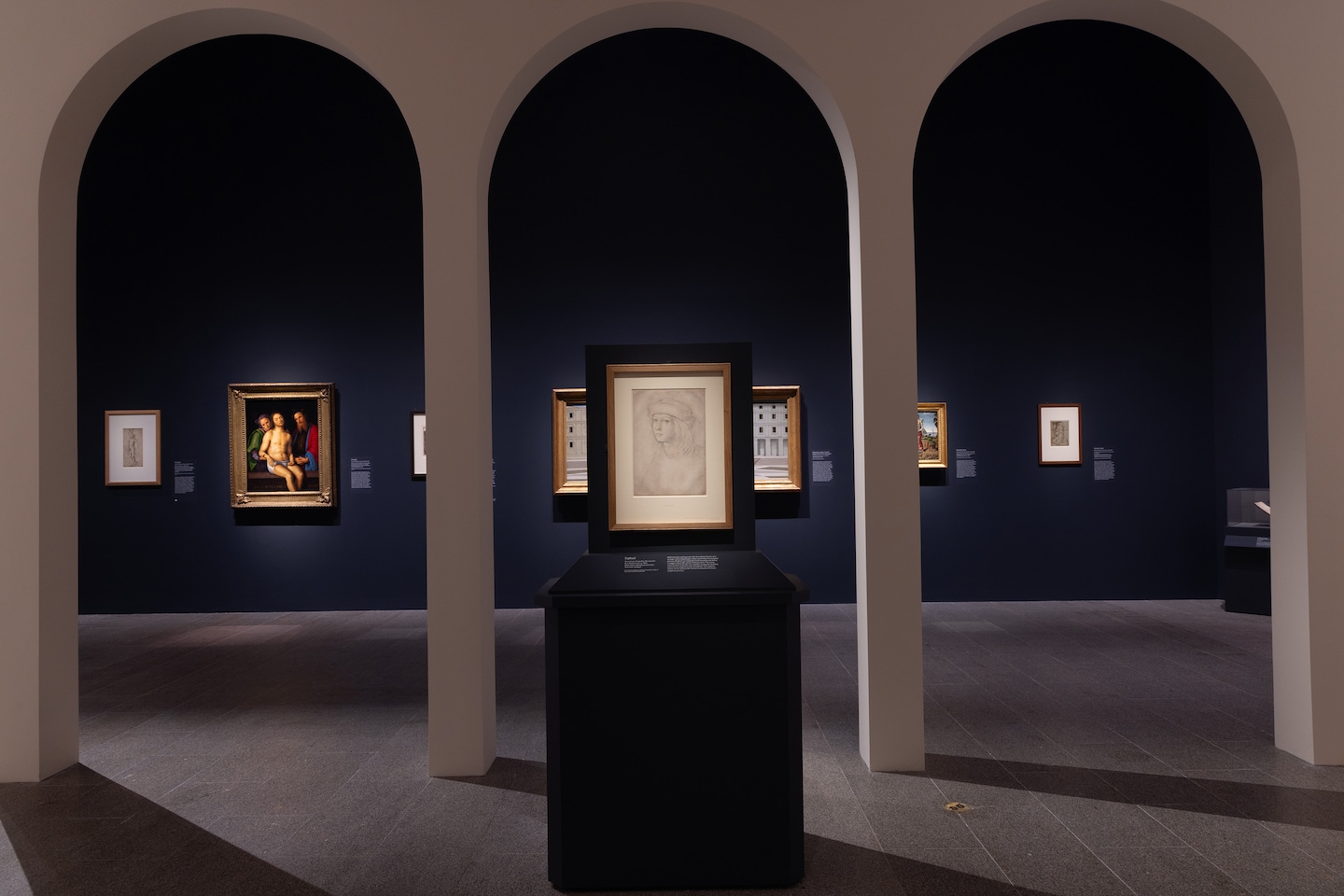
Art critic Philip Kennicott reflects on the profound psychological impact of Raphael’s Renaissance masterpieces, specifically citing the 'Madonna of the Meadow' in Vienna and the 'Alba Madonna' in Washington, D.C. He describes how these works possess a unique ability to cure 'museum fatigue' and mental clutter, offering a sense of serenity and clarity that feels particularly necessary in the current cultural climate.

Nancy Holt review – cosmic thrills as the universe’s hidden power is unleashed

The Guardian reviews a major UK exhibition of land artist Nancy Holt (1938-2014) at Goodwood in West Sussex, the largest show of her work to date. The exhibition features two large outdoor installations—Ventilation System, a metallic tubular structure resembling building lungs, and Hydra’s Head, six concrete pools arranged like the Hydra constellation in a chalk quarry—alongside indoor photographs, diagrams, and light works. The review praises the cosmic scale and bodily connection of the outdoor pieces but finds the indoor works less effective at conveying Holt’s themes of universal vastness and interconnectedness.

The tiniest event can tear a hole. Sara MacKillop by Margaret Kross

Sara MacKillop's exhibition "The Cutaway View" at Good Weather in Chicago presents sculptures made from humble analog materials like blank wall calendars, empty shopping bags, and gift wrapping. The London-based artist alters these objects with minimal interventions—such as surgically cut holes in shopping bags to accommodate vinyl records—drawing attention to the ephemera and texture of retail culture. Her series "Calendar Houses" (2021–ongoing) uses archive boxes and wall calendars to create miniature modernist dwellings that critique systems of order and self-optimization.

Blank Spaces. Sung Tieu by Sarah Johanna Theurer

Sung Tieu's installations, characterized by austere, bureaucratic surfaces, explore the hidden architectures of power embedded in everyday systems. The article examines her series of works that deconstruct administrative forms used in asylum procedures, reducing them to blank spaces and quantified grids to expose how institutional power operates through seemingly neutral documents. Her exhibition "In Cold Print" at Nottingham Contemporary physically manifests these themes by using steel fences to control viewer movement, drawing direct parallels between minimalist sculpture and the dehumanizing design of border controls.

Review: June Leaf retrospective at Oberlin College is a revelation

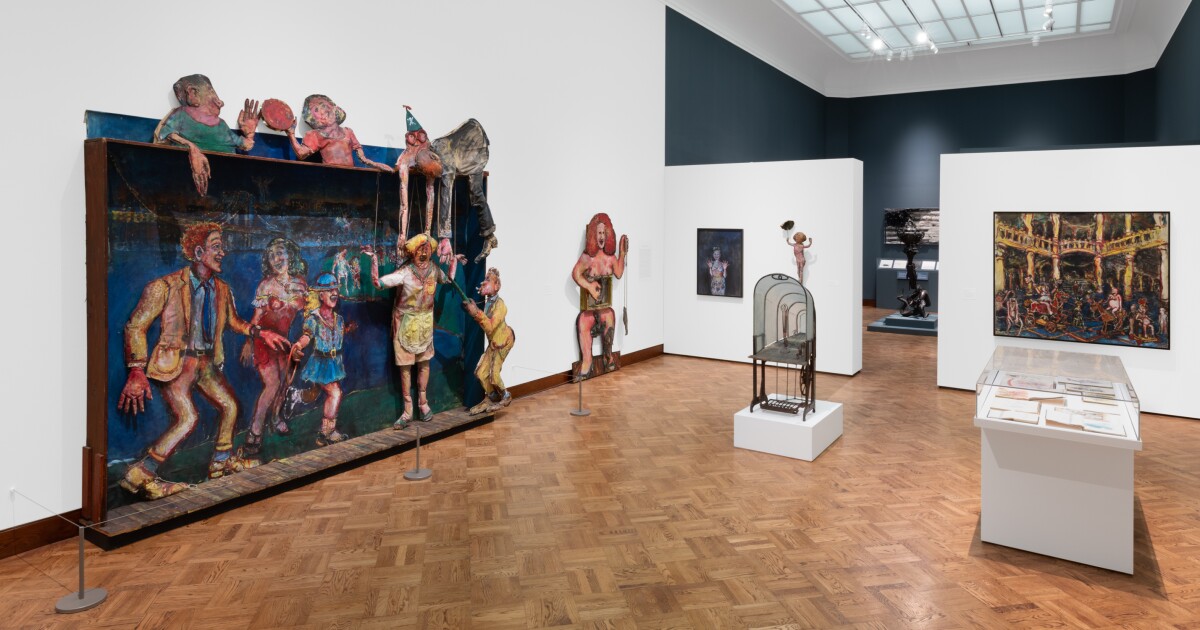
The Allen Memorial Art Museum at Oberlin College is hosting a major retrospective of the late American artist June Leaf, featuring over 100 works spanning 75 years. The exhibition, which originated at the Addison Gallery of American Art, showcases Leaf’s unique figurative style and her roots in Chicago’s "Monster Roster" group. The show aims to provide art historical justice to an artist who often worked in the shadow of her husband, the legendary photographer Robert Frank.

Zurbarán: a ‘magnificently choreographed’ showing of the Spanish ‘genius’

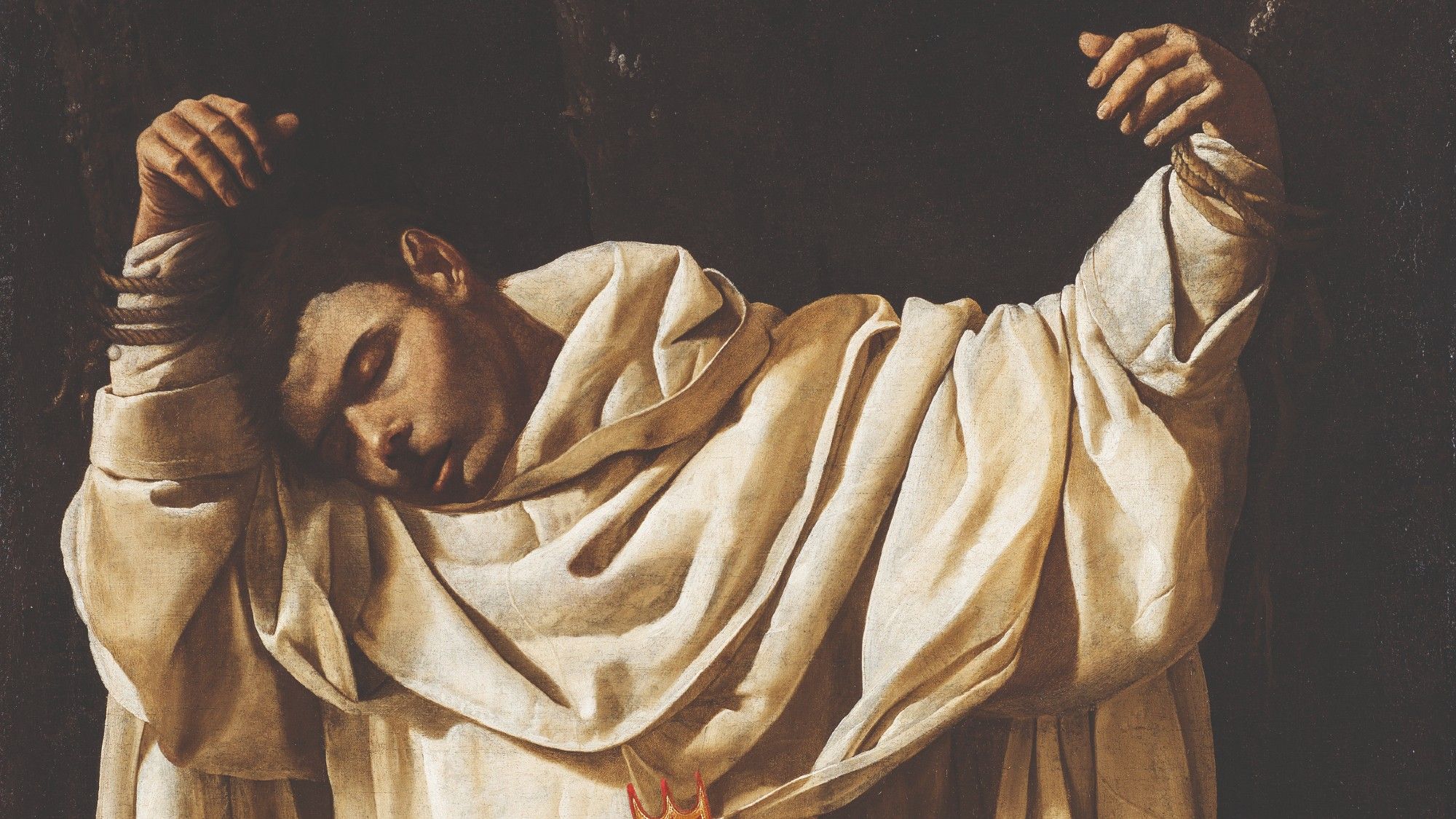
The article reviews the first-ever British exhibition dedicated to Spanish Baroque painter Francisco de Zurbarán, held at the National Gallery in London. The show brings together 40 works from collections spanning Seville to San Diego, featuring his hyper-real religious paintings and radiant still lifes, described as a 'magnificently choreographed' trawl through his oeuvre. Critics praise the exhibition for its dramatic lighting and revelatory presentation, though some note uneven quality in his later works.

The new London museum that looks like a ‘reconstructed Toblerone’

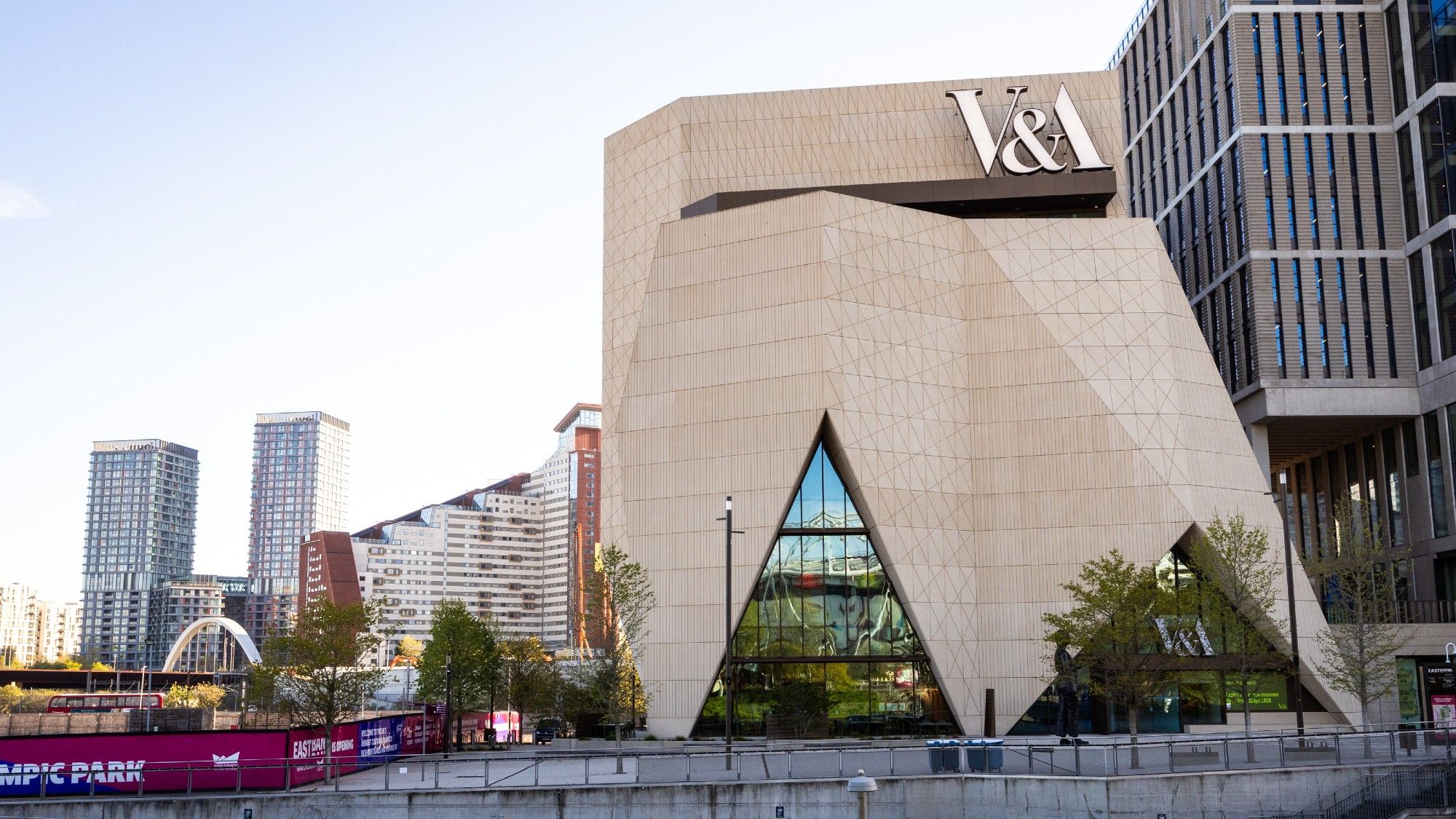
The V&A has opened a new outpost in east London's Lower Lea Valley, a former industrial area transformed into a cultural quarter after the 2012 Olympics. The museum, described as looking like a 'reconstructed Toblerone', is the latest addition to the 'Olympicopolis' vision, which aimed to create a cultural legacy akin to west London's Albertopolis. The article, written by Catherine Slessor in The Guardian, offers a mixed review: praising the beauty and craftsmanship of the galleries while criticizing overuse of trendy phrases like 'lived experience' and 'transcultural identities'.

Comment | I used to think it wasn’t cool to like Andy Goldsworthy—now I see how he helps us appreciate the natural world

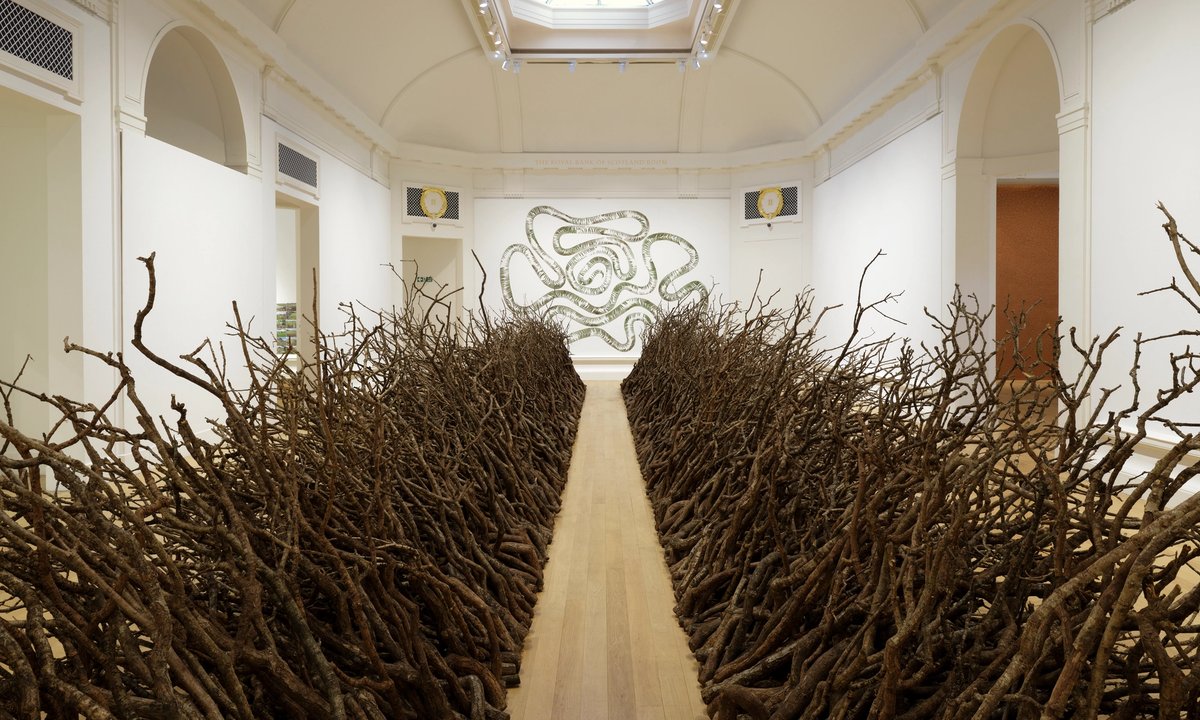
Mia maxima culpa. For many years I felt it wasn’t cool to like Andy Goldsworthy. The British artist’s interventions in and workings with nature, while highly skilful and often very beautiful, seemed out of kilter with an increasingly hardcore, conceptually underpinned and urban-orientated art world. It also didn’t help that most of his work could only be experienced at one remove. Books and photographs were the only record of the ephemeral pieces he’d created from ice, leaves, sticks and stones; as well as of the more lasting installations—walls, sheepfolds, cairn paths and giant arches—he’d make in situ, usually in remote locations across the world.

“Feeling Color” at The Modern Art Museum of Fort Worth

The article reviews "Feeling Color: Aubrey Williams and Frank Bowling" at the Modern Art Museum of Fort Worth, an exhibition that pairs works by two artists from Guyana who worked in London in the late 20th century. Both explore abstraction, materials, and sociopolitical themes, with Bowling's color field paintings and Williams' geometric, Pre-Columbian-inspired works displayed in alternating galleries. The reviewer describes the show as dense and vibrant, noting the sensory experience of the paintings and the subtle dialogue between the artists.

In ‘A Natural History of the Studio,’ Many William Kentridges Add Up to One

William Kentridge's latest exhibition, 'A Natural History of the Studio,' at Hauser & Wirth in New York presents over 70 drawings from his nine-part film series 'Self-Portrait as a Coffee-Pot,' alongside new sculptures. The works, created during the pandemic, explore self-portraiture through charcoal, pastel, and collage, often featuring doppelgängers that argue and disagree, reflecting the artist's engagement with theater and the materiality of his forms.

Turner vs Constable: is it time for art historians to choose?

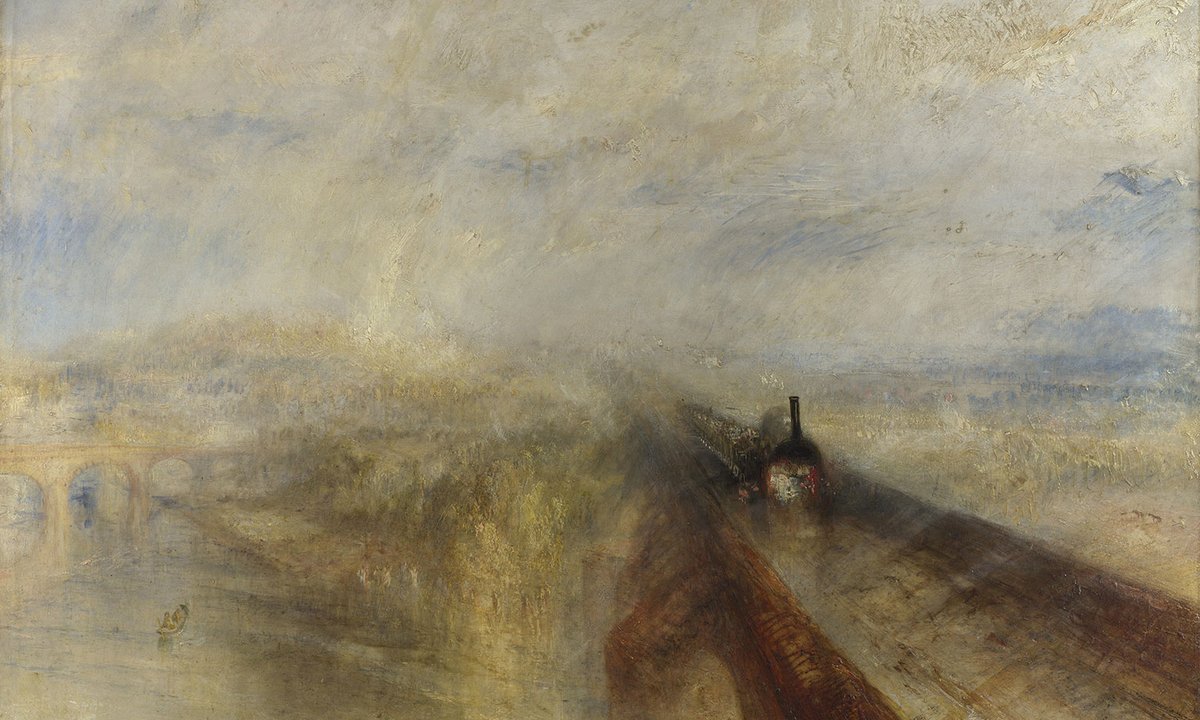
Art historian and author James Hall, writing in The Art Newspaper, reviews Nicola Moorby's new book "Turner and Constable: Art, Life, Landscape" and uses it as a springboard to argue that art historians should not shy away from making value judgments about artists. He compares the legacies of J.M.W. Turner and John Constable, noting that Turner currently dominates popular and institutional esteem—appearing on banknotes, celebrated by Tate Britain as the greatest British artist, and fitting modern conceptions of the artist as a rebellious, eccentric genius. Hall contrasts this with Constable's more conservative image and declining presence in commercial culture.

The Mysterious Life of Fluxus Dame Alison Knowles

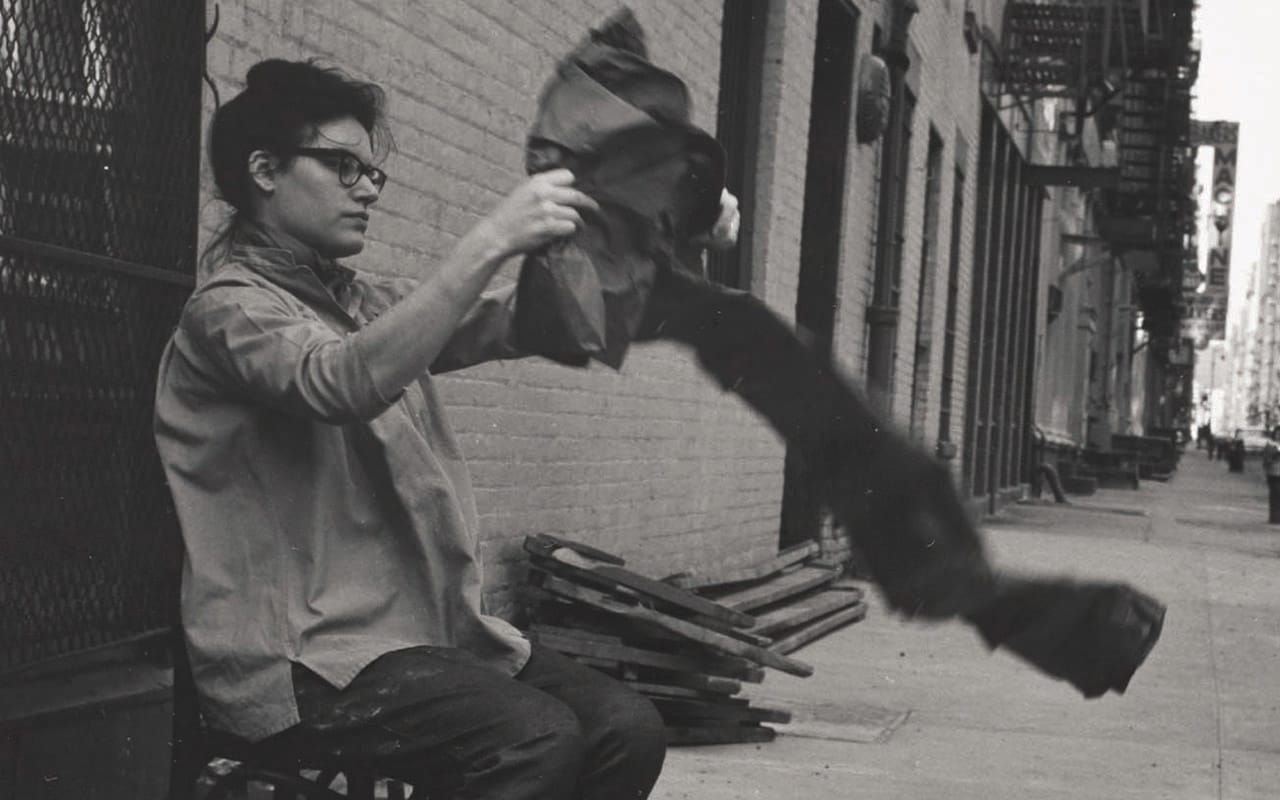
A new book, "Performing Chance: The Art of Alison Knowles In/Out of Fluxus" by art historian Nicole L. Woods, is the first major study of the late Fluxus artist Alison Knowles, who died last fall at age 92. The book focuses on the first two decades of her career (1958–1975), analyzing key works such as her 1962 performance "Proposition #2: Make a Salad" at London's Institute of Contemporary Arts, and her shift from painting to experimental, ephemeral art after being exiled to a basement by Josef Albers at Syracuse University.